




Description
Collector's Note – Why This Issue Matters
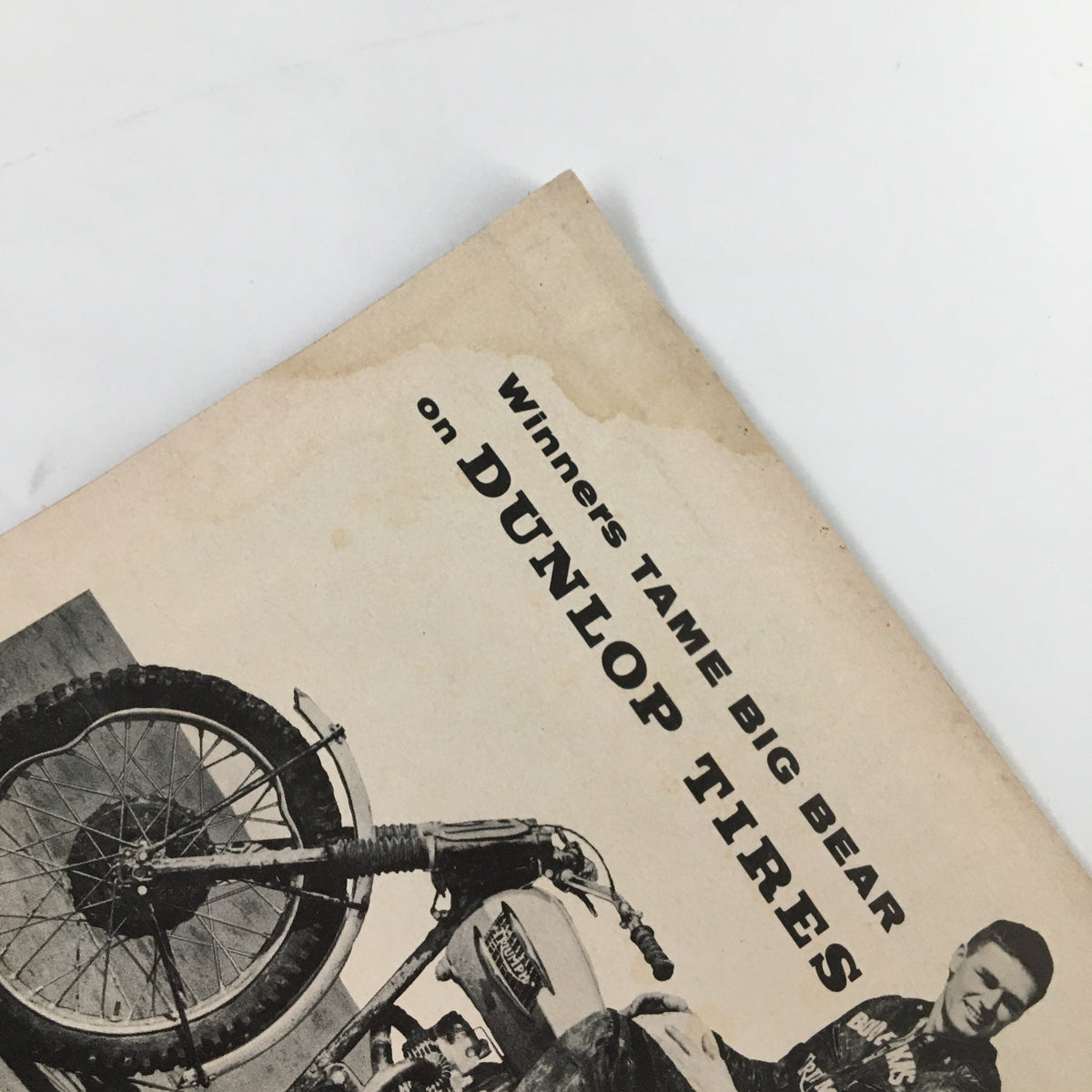
Cycle magazine’s March 1957 issue is tied directly to the world of mid-century motorcycle competition. The listing identifies Ken Harryman as a winner in the 200cc class, making the issue especially relevant to collectors interested in period racing coverage. The 200cc class points to a lighter-displacement form of motorcycle competition, where machine control, tuning, rider skill, and reliability all mattered intensely. In the 1950s, motorcycle racing was still documented heavily through enthusiast magazines, race photography, club reporting, and specialized sporting coverage. That gives an issue like this value beyond its cover or title alone. For collectors of vintage Cycle magazine issues, the March 1957 number preserves a specific racing reference from an era when the sport was growing in both visibility and technical sophistication. It is a small but meaningful record of American motorcycle culture in the late 1950s.
The listing’s reference to Ken Harryman and the 200cc class gives the issue a more focused identity than a general motorcycle magazine from the same year. Racing results and class-specific mentions are important because they help anchor a magazine to actual competitive history rather than broad enthusiasm. Motorcycle periodicals from this period often served readers who cared about machines, riders, events, maintenance, performance, and the evolving identity of the sport. A March 1957 issue connected to race competition reflects that practical and documentary role. The listing also mentions black-and-white photographs, which were central to how readers experienced motorcycle racing in print. Without confirmed article titles, race names, or event locations, the issue should not be described more specifically than the listing allows. Still, the confirmed racing theme makes it a useful artifact for collectors studying postwar motorcycle sport.
As a 1957 magazine, this issue belongs to a decade when motorcycles occupied several overlapping cultural spaces. They were transportation, sport machines, mechanical hobbies, and symbols of speed and independence. In racing contexts, they also represented engineering development and rider discipline. The March 1957 Cycle issue appears to capture that competitive side of the culture through its Ken Harryman and 200cc class reference. Collectors researching original magazines from 1957 often look for issues that show how specialized communities documented themselves before digital archives existed. Motorcycle magazines did exactly that for riders, racers, mechanics, and fans. This issue therefore stands as a period record of how racing achievement and motorcycle enthusiasm were preserved in print.
About the Publication
Cycle was a motorcycle magazine aimed at riders, enthusiasts, racers, mechanics, and readers interested in motorcycle culture and performance. Its subject world included motorcycles as machines, motorcycles as sport, and motorcycles as part of an expanding postwar enthusiast culture. By the late 1950s, publications like Cycle helped connect readers to racing news, product developments, riding technique, mechanical knowledge, and the personalities of the sport. The magazine served a different purpose from a general-interest publication because its readers already cared about motorcycles in a focused way. That audience made racing coverage especially important. Race results, class distinctions, machine performance, and rider names carried meaning for people following the sport closely. The editorial format of a motorcycle magazine from this era commonly combined technical interest with event reporting and visual documentation. Black-and-white photography, as noted in the listing, was a major part of how the excitement of racing reached readers who were not present at the track. For collectors, Cycle issues from the 1950s preserve the vocabulary, priorities, and visual culture of motorcycle enthusiasm before later decades transformed the sport and its media presence.
Key Highlights Inside
- The issue is dated March 1957. That places it within the late-1950s motorcycle scene, when enthusiast magazines were essential sources of racing and machine information. For collectors, the date helps anchor the issue within a specific stage of postwar motorcycle culture.
- The listing identifies Ken Harryman as a winner in the 200cc class. That is the strongest confirmed racing detail associated with the issue. It gives the magazine a specific competition-related identity without requiring unsupported claims about the event, track, or race series.
- The 200cc class reference is important because displacement classes were central to motorcycle racing organization. Smaller-displacement racing placed emphasis on rider control, machine preparation, and efficient performance. Collectors interested in technical racing categories may find this issue more focused than a general motorcycle feature issue.
- The listing describes the magazine as offering a window into 1950s motorcycle racing. That makes the issue relevant to collectors who study the sport through period reporting rather than later summaries. Vintage racing magazines can preserve names, class structures, images, and attitudes that are not always prominent in mainstream sports history.
- The listing mentions vintage articles and black-and-white photographs. Those elements are consistent with how motorcycle racing was visually and editorially documented in the period. No specific article titles, photographers, race venues, or motorcycle models are confirmed from the provided listing.
- The issue is connected to technological advances in cycling and the rising popularity of motorsports, according to the listing. That broad context should be read as a general characterization rather than a confirmed inventory of technical articles. It still supports the issue’s value as a document of racing-era motorcycle enthusiasm.
- The magazine is described as having no newsstand label. For collectors, a no-label example is meaningful because it leaves the cover surface more visually intact. That can be especially important when the cover subject or racing presentation is central to the issue’s identity.
- The condition is described as good with minor wear and some marks. These details are important because motorcycle magazines were often actively handled by readers who used them for practical information. Age-consistent wear should be evaluated alongside page completeness, binding strength, and cover presentation.
Condition & Rarity
Condition for a March 1957 Cycle issue should be assessed with the expectations appropriate to a mid-century enthusiast magazine. The listing describes the magazine as being in good condition with minor wear. It also notes some marks, which should be treated as part of the collector-grade condition profile. Motorcycle magazines from this period were often read by hands-on enthusiasts, racers, mechanics, and riders, so surviving examples may show practical handling rather than purely shelf wear. Edge wear, cover rubbing, small creases, page toning, and handling marks are all common considerations for periodicals of this age. The listing also states that the issue has no newsstand label. A no-label cover can be desirable because it preserves the original cover presentation without a subscription label interrupting the design. The plastic protective covering noted in the listing is useful as a storage detail and may help prevent additional handling wear. However, protective covering should not be treated as proof of complete interior pages or untouched condition. Collectors should still evaluate binding integrity, cover attachment, page completeness, paper brittleness, interior markings, moisture exposure, and whether the Ken Harryman and 200cc class material is present.
Looking for More Issues Like This?
The March 1957 Cycle issue connected to Ken Harryman and the 200cc class is the kind of magazine that appeals to collectors of racing history as well as motorcycle publishing. Its value comes from the way it preserves a specific moment in the sport’s printed record. When the exact issue is difficult to locate, related issues from the same title can help build a clearer picture of the racing scene around it. Collectors may want to browse more Cycle magazine back issues to compare rider coverage, motorcycle technology, competition reporting, and the visual style of late-1950s motorcycle journalism. The broader publication run is especially useful because enthusiast magazines documented developments that mainstream publications often ignored. For a wider historical view, magazines published in 1957 can also place this racing issue within its original cultural setting. Looking across the year can show how motorsports, advertising, recreation, transportation, and American leisure were being represented in print. A single racing issue becomes more meaningful when understood beside other magazines from the same period. For collectors interested in motorcycles, competition classes, and postwar enthusiast culture, this issue is a strong reference point from the late 1950s.