





Description
Collector's Note – Why This Issue Matters
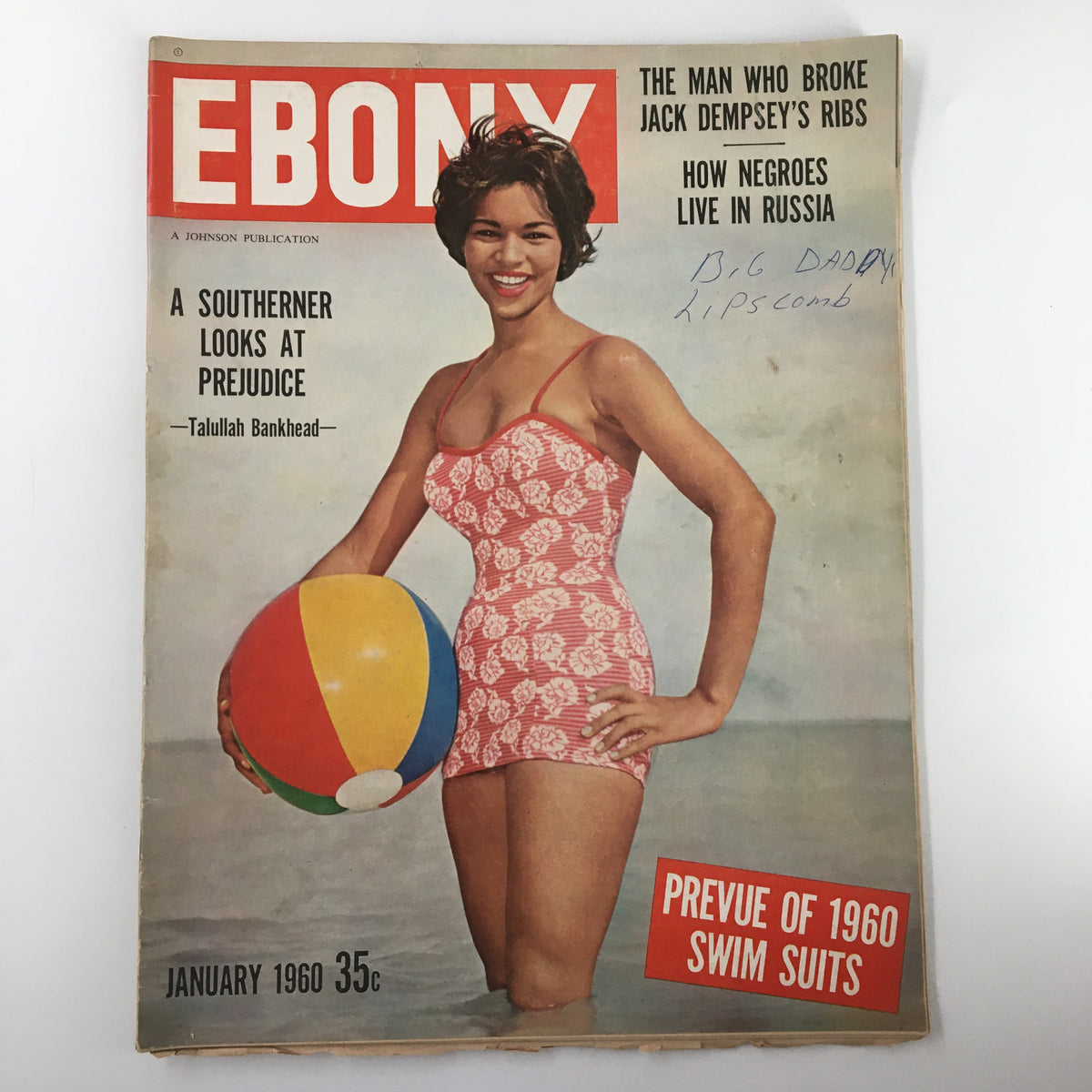
The January 1960 issue of Ebony Magazine, with its feature "A Southerner Looks at Prejudice," arrives at one of the most electrically charged moments in American civil rights history. January 1960 was the opening month of what would become the most consequential year of the early civil rights movement — within weeks of this issue's publication, on February 1, 1960, four Black college students would sit down at a Woolworth's lunch counter in Greensboro, North Carolina, and the sit-in movement that followed would spread to dozens of cities within months. A feature framing Southern prejudice from the perspective of a Southerner, published in Ebony at this precise moment, is a document of the moral and political conversation that was building toward that rupture. The title itself is significant: "A Southerner Looks at Prejudice" implies an insider's reckoning — the kind of self-examination that both Black and white Southerners were being forced toward by the accelerating pressure of the civil rights struggle. For collectors building an archive of Ebony Magazine issues documenting the civil rights era, a January 1960 issue engaging Southern prejudice directly is a primary document from the movement's most critical threshold year.
Ebony's editorial position in January 1960 gives this issue particular authority as a historical document. Founded by John H. Johnson in 1945, Ebony had by 1960 become the most widely read African American magazine in the United States, with a circulation that reached into Black households across every region of the country. Its combination of aspirational lifestyle coverage, celebrity profiles, and direct engagement with the political and social realities of Black American life gave it a unique editorial voice — one that could address the brutal realities of segregation and prejudice while simultaneously presenting Black achievement and culture with the dignity and ambition that mainstream white publications consistently denied. A January 1960 feature on Southern prejudice is characteristic of that dual editorial mission: serious, direct, and willing to engage the central moral crisis of American life at a moment when that crisis was about to become impossible for any publication to avoid. Publications from 1960 document the year that the civil rights movement shifted from organized but contained protest to a mass social uprising, and this Ebony issue stands at the opening of that transformation.
About the Publication
Ebony Magazine, founded by John H. Johnson and launched in November 1945 as a large-format photo-driven monthly modeled loosely on Life Magazine, had by January 1960 established itself as the preeminent publication of Black American life and culture. With a circulation exceeding 500,000 copies per month and a readership that cut across class and regional lines within the Black community, Ebony occupied a unique position in American publishing — simultaneously a celebration of Black achievement, a commercial vehicle for Black consumer culture, and a frank journalistic forum for the political and social realities of segregation-era America. Its January issues traditionally carried the editorial weight of year-opening reflections on the state of Black America, and the 1960 edition's engagement with Southern prejudice reflects both the magazine's editorial courage and its acute awareness of the historical moment it was inhabiting.
Key Highlights Inside
- "A Southerner Looks at Prejudice" — the cover feature engaging Southern racial prejudice from an insider's perspective, published in the opening month of 1960, weeks before the Greensboro sit-ins launched the student sit-in movement that would define the year.
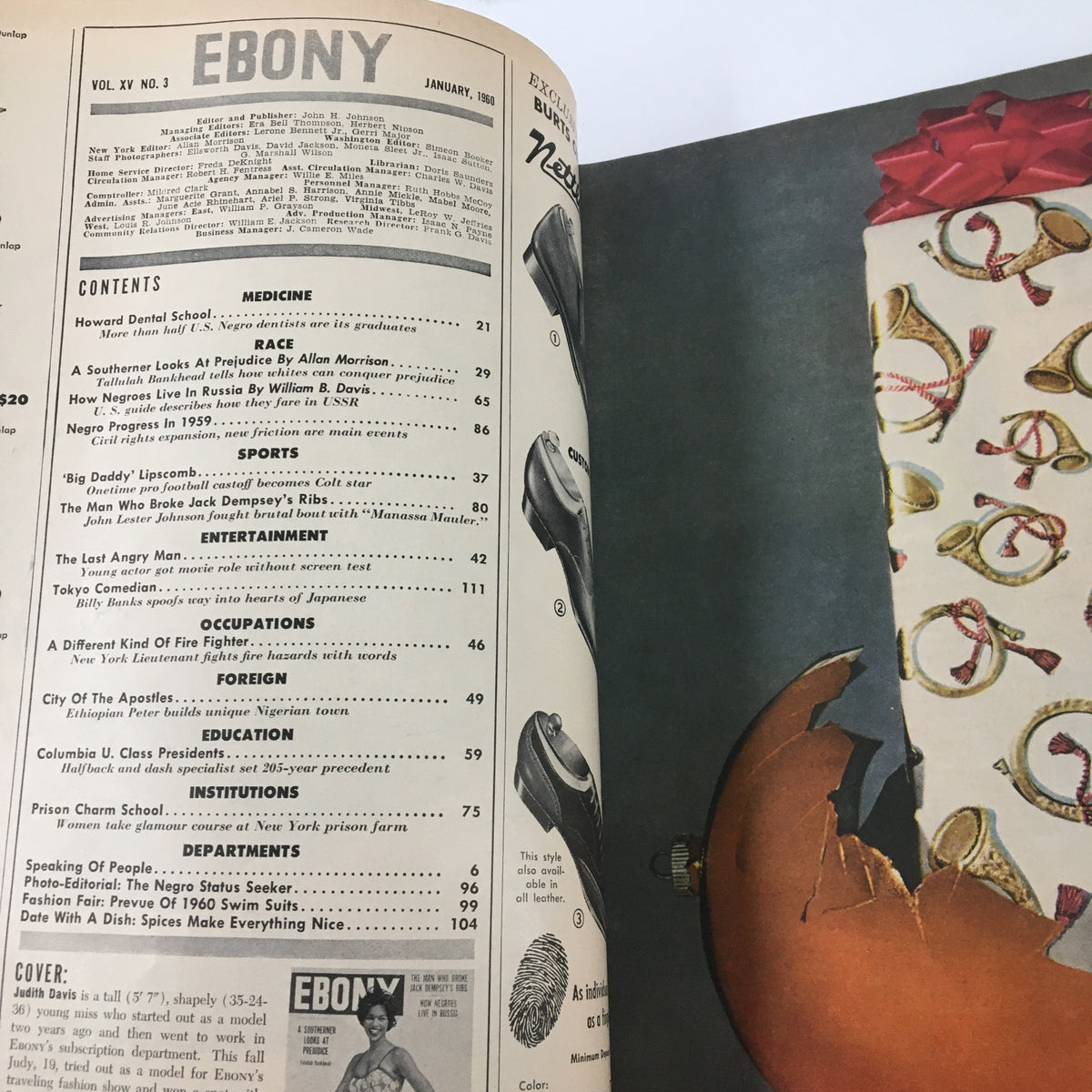
- Articles and features reflecting the challenges and triumphs of the African American community in the final years of the pre-sit-in civil rights era — primary source journalism from Ebony's editorially authoritative voice on Black American life.
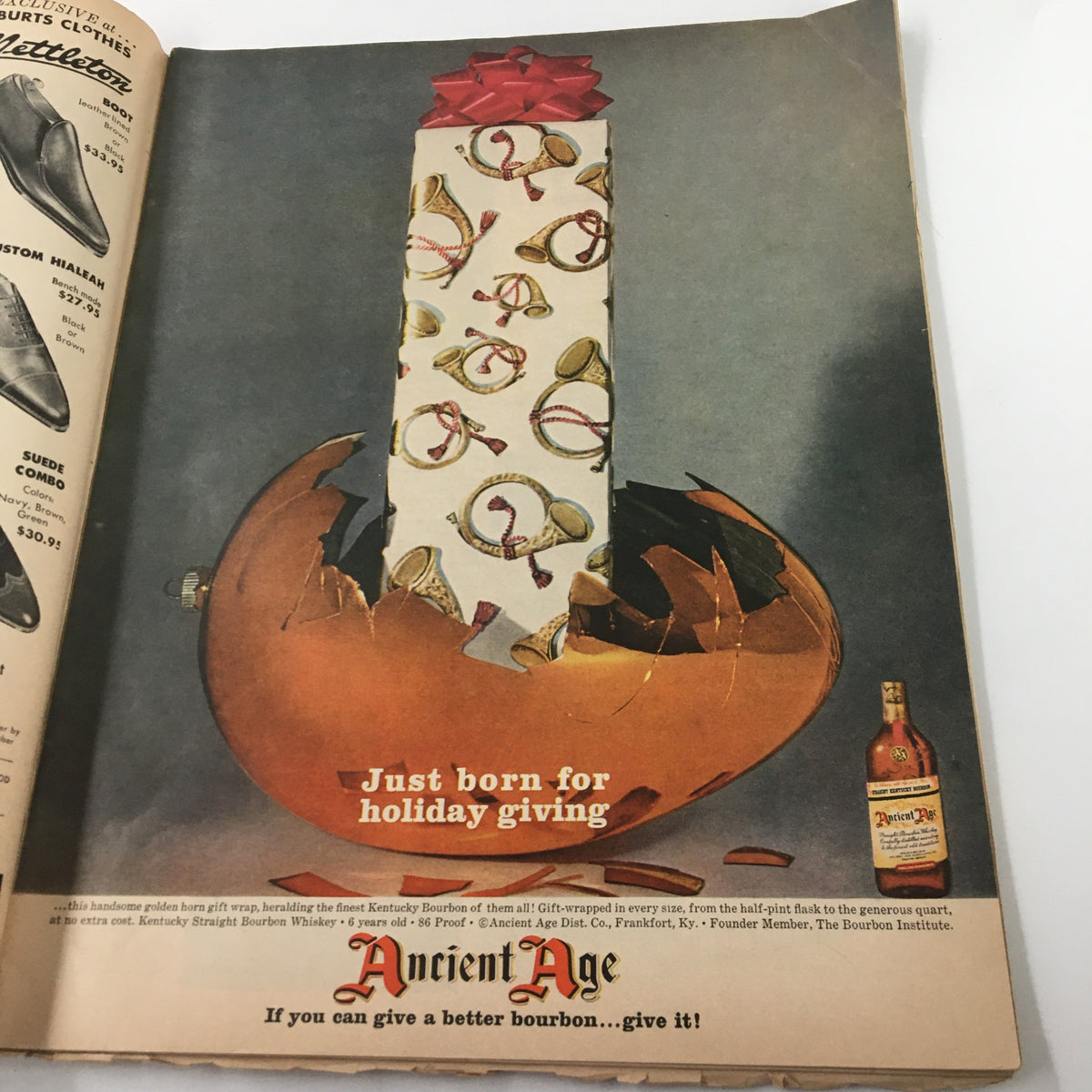
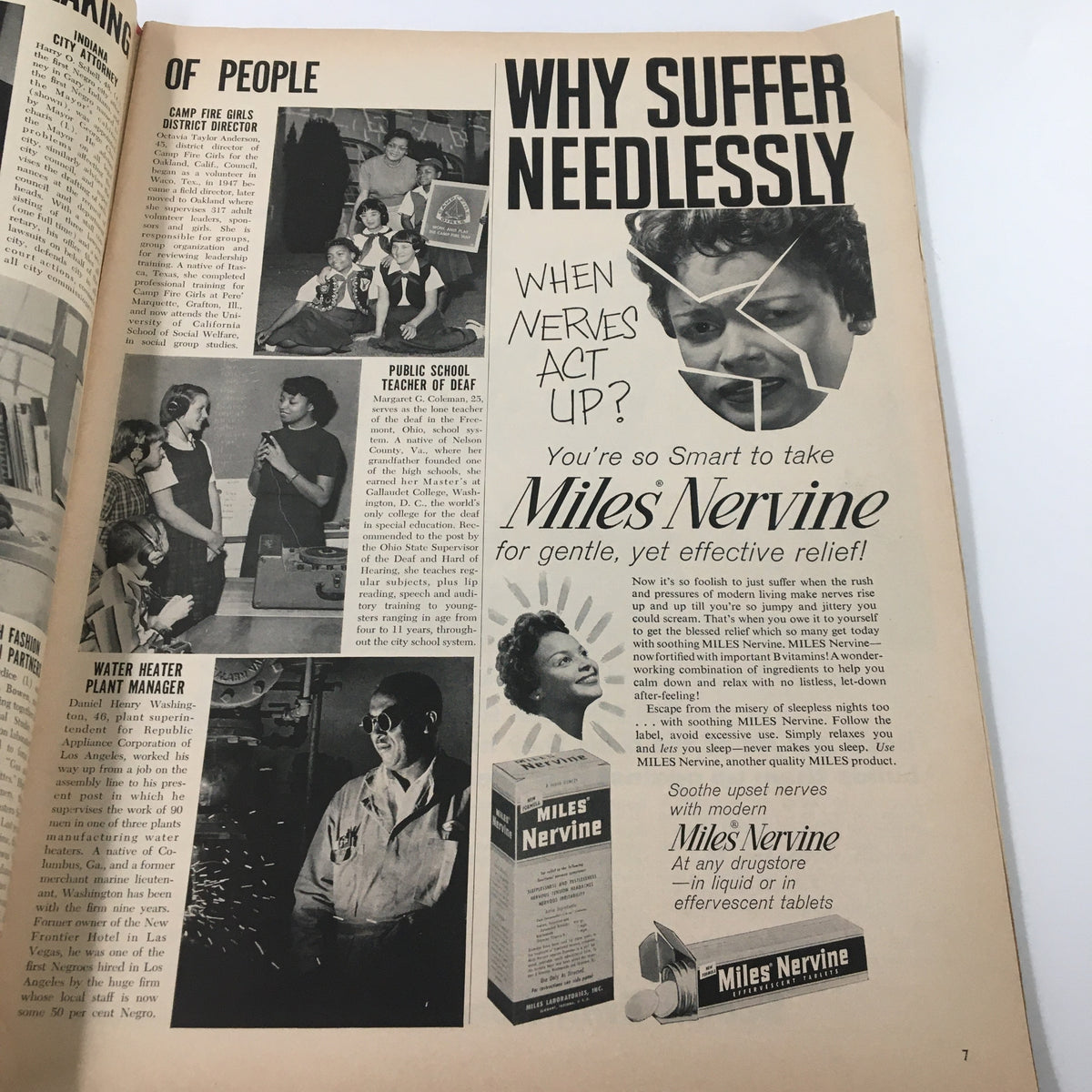
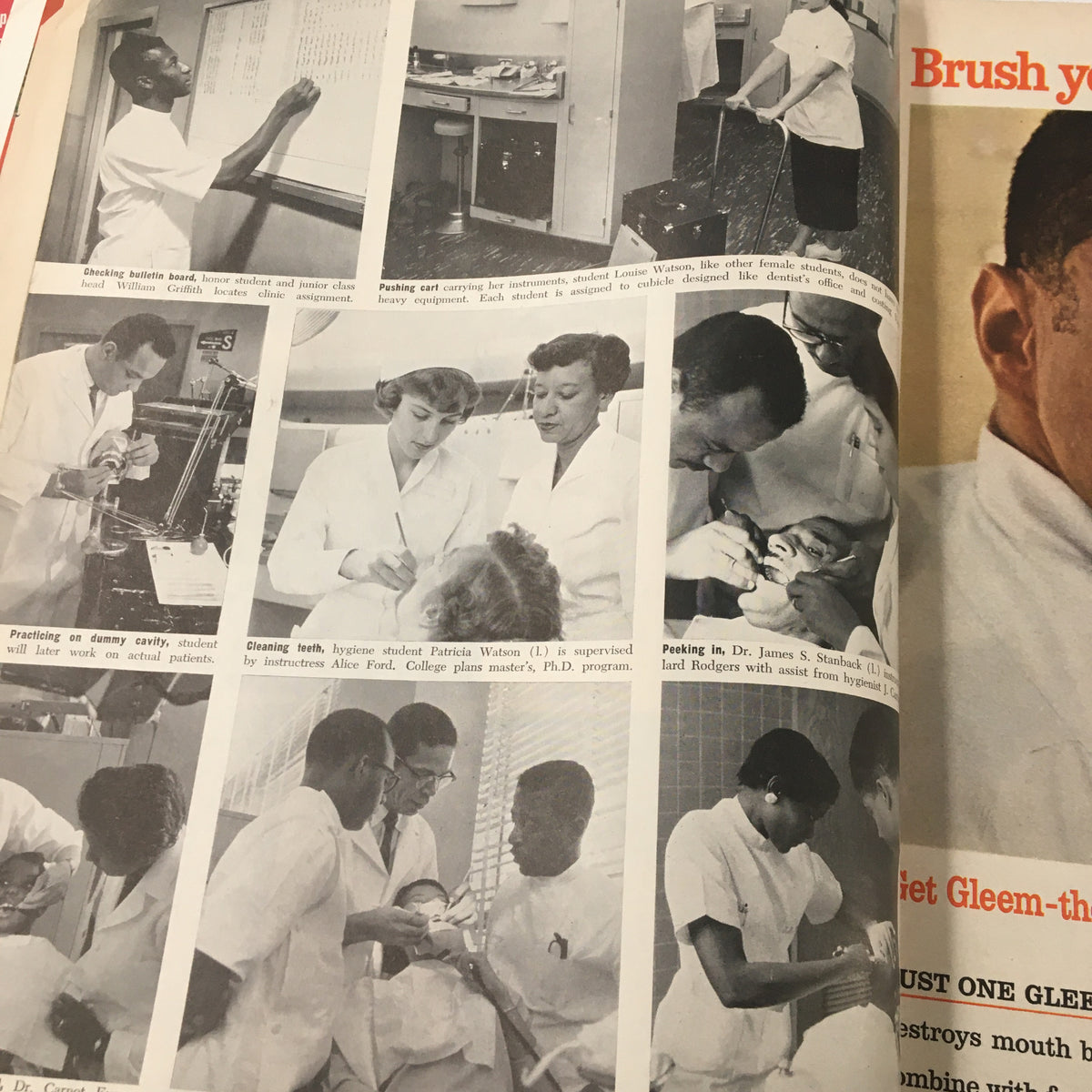
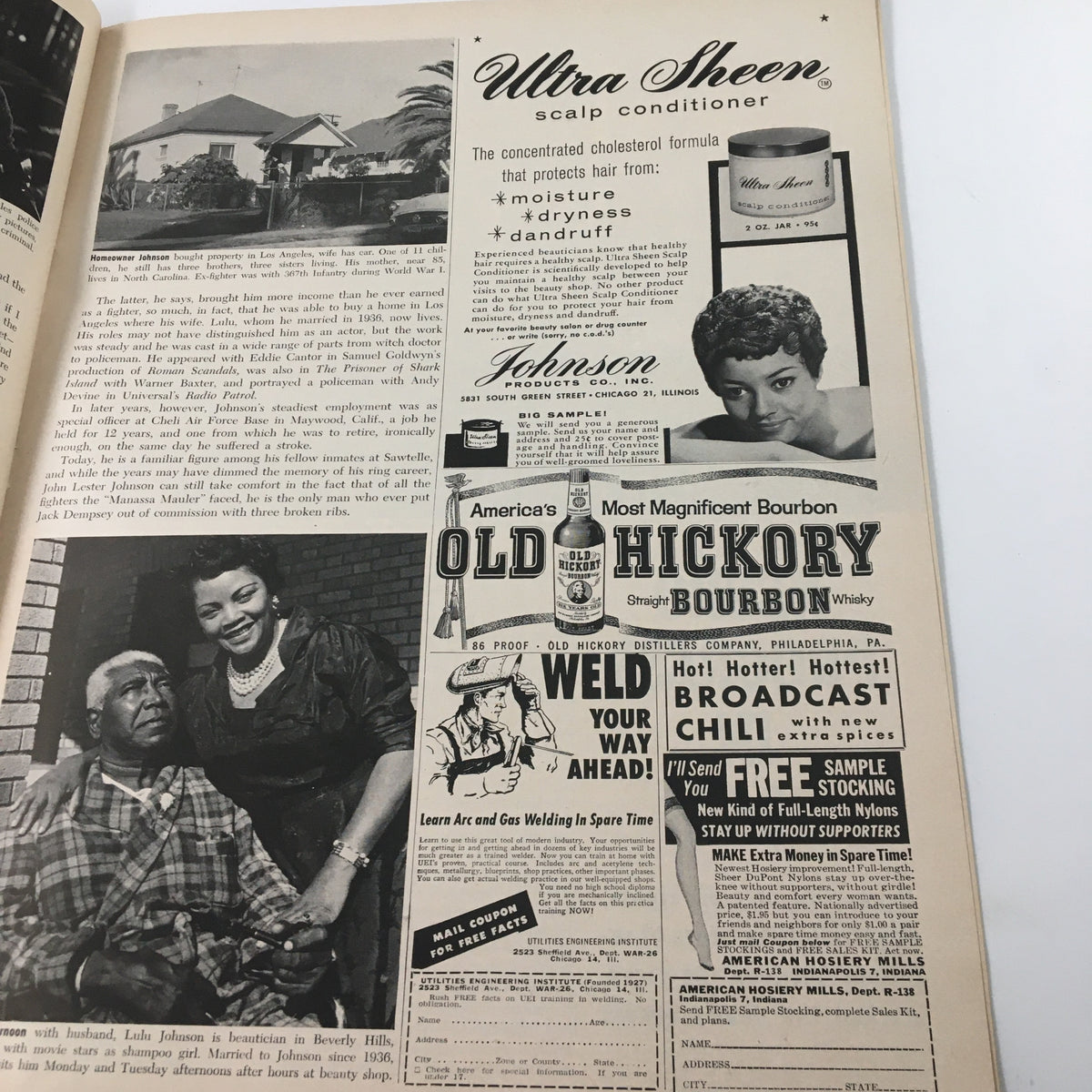
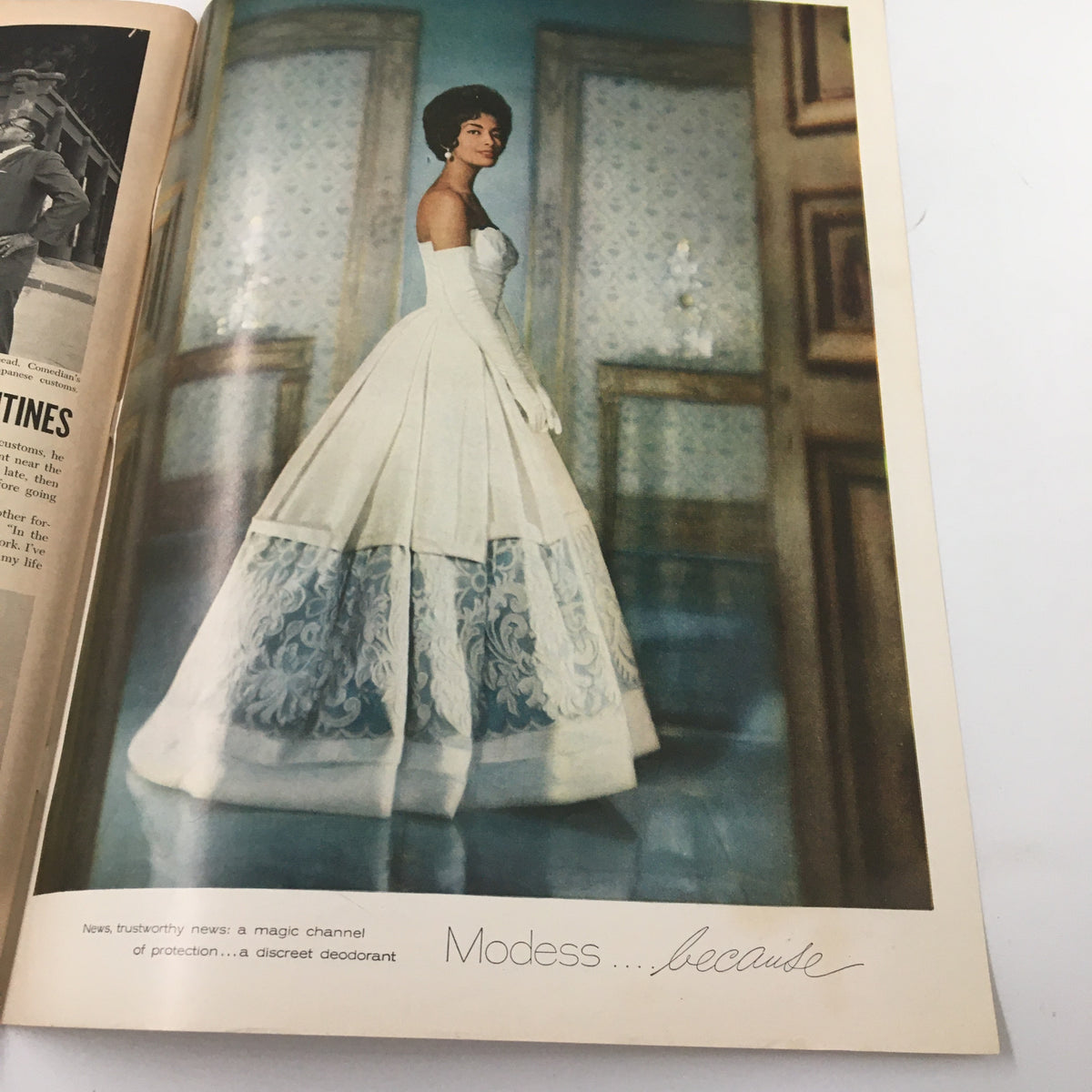
- Original period advertising reflecting the Black consumer market of 1960 — a historically valuable secondary layer of content documenting the commercial and aspirational culture that Ebony simultaneously served and shaped.
- Note: Specific additional articles, features, and profiles beyond what is confirmed in the listing are unverified for this issue. The above reflects what is documented and consistent with Ebony's well-established editorial format during this period.
Condition & Rarity
Good condition with minor age-consistent wear is an honest assessment for a publication now over sixty years old. The confirmed presence of some loose pages is a structural condition issue to evaluate carefully — loose pages in a magazine of this age indicate binding degradation that can worsen with handling, and the specific pages affected will determine whether the issue's primary editorial content remains fully intact. Marks throughout are cosmetic issues of lesser consequence. The absence of a mailing label confirms newsstand origin, which is the preferred configuration for display collectors and avoids the label adhesion or removal damage that affects many subscriber copies of this era. The plastic protective covering indicates deliberate preservation storage. When assessing any surviving copy of this issue, the primary condition factors are the integrity of the cover, the completeness and attachment of interior pages — particularly those containing the "A Southerner Looks at Prejudice" feature — and the overall structural soundness of the binding.
Looking for More Issues Like This?
A label-free January 1960 Ebony featuring direct civil rights era content is a historically weighted find — this is the publication that documented Black American life with more authority and reach than any other magazine of the period, and issues from the pivotal year of 1960 are among the most historically significant in its entire archive. If this one has already been claimed, the full collection of Ebony Magazine issues spans the publication's entire run and surfaces other landmark issues from across the civil rights era and beyond. The broader 1960 magazine archive offers essential context for this extraordinary year in American history across multiple publications.