


Description
Collector's Note – Why This Issue Matters
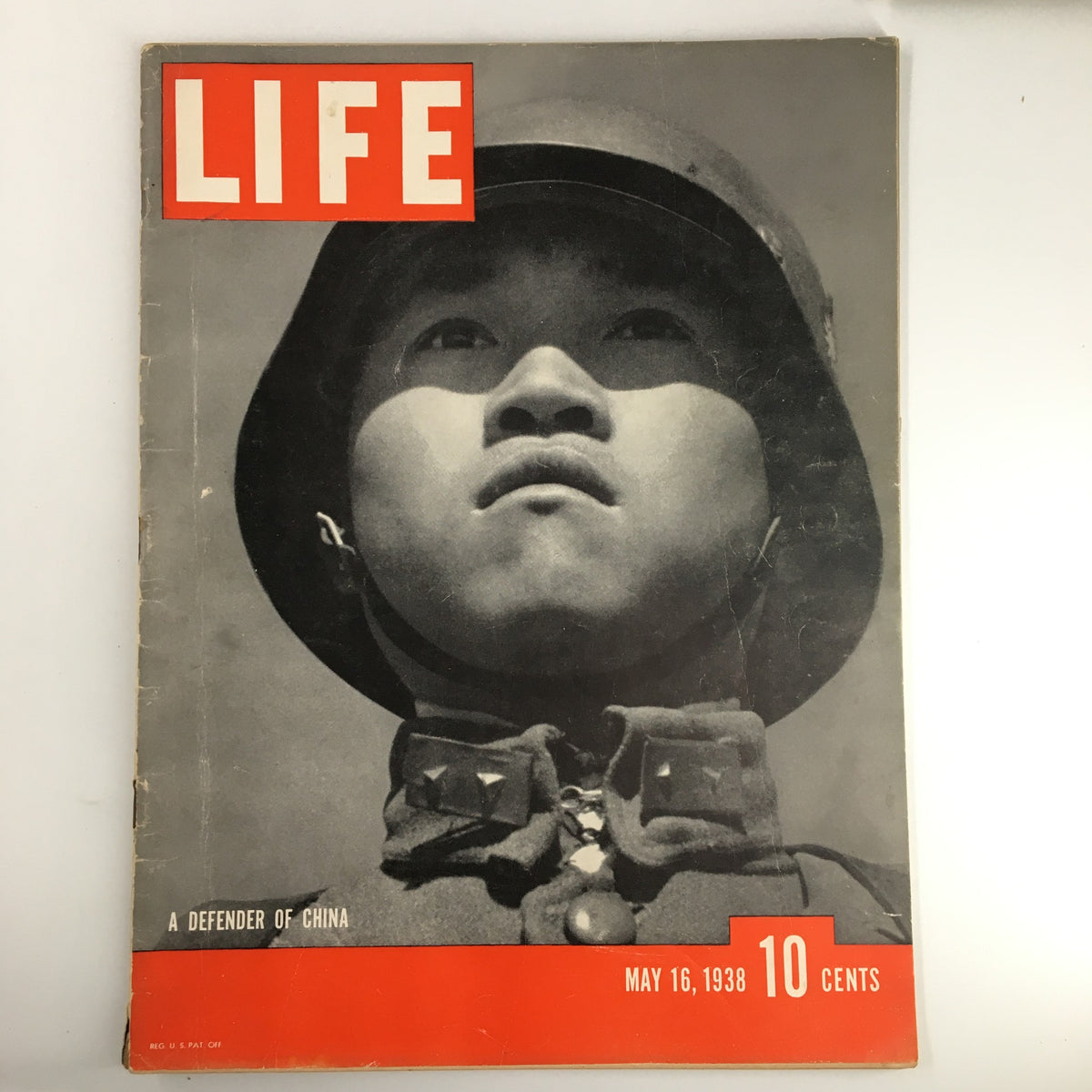
The May 16, 1938 issue of Life magazine, with its cover story "A Chinese Soldier: A Defender of China," is a primary document of one of the most consequential and most thoroughly underreported conflicts in the history of the twentieth century — the Second Sino-Japanese War, which had been raging since Japan's full-scale invasion of China in July 1937. By May 1938 the war had been underway for ten months, Japanese forces had captured Shanghai in November 1937 and Nanking in December 1937 — the latter accompanied by the mass atrocities that became known as the Rape of Nanking — and China's Nationalist government under Chiang Kai-shek had been forced to relocate its capital to Wuhan. The Chinese military's resistance under these circumstances was one of the most significant and most overlooked stories of the prewar period, and American public awareness of it was fragmentary and inconsistent at best. A Life magazine cover story featuring a Chinese soldier as "A Defender of China" in May 1938 was therefore a specific and historically significant editorial act — the most widely read American photojournalism publication choosing to bring one of the central human figures of the Asian war to the attention of its mass American readership at a moment when the full horror of what Japan was doing in China was only beginning to penetrate American public consciousness. For collectors researching Life's prewar coverage of international conflict and its engagement with the developing crises that would eventually produce the Second World War, the Life magazine archive is the most comprehensive resource for tracing how the publication documented the global slide toward war from its 1936 founding through the American entry in December 1941.
The specific framing of the cover story — "A Defender of China" — carries a deliberate and historically interesting editorial weight. By May 1938 American public opinion about the Sino-Japanese conflict was not neutral: the sinking of the USS Panay by Japanese aircraft in December 1937 had generated significant American anger toward Japan, and the reports emerging from Nanking had begun to shape a sympathetic public perception of China's resistance. The choice to frame a Chinese soldier as a "defender" — with its implications of justified resistance against an unjust aggression — reflected Life's editorial engagement with the moral dimensions of the conflict rather than a purely neutral documentary stance. This framing, combined with Life's unparalleled photographic resources, gave this May 1938 cover a specific kind of political and humanitarian significance that went beyond photojournalistic documentation into genuine advocacy for public awareness. The complete 1938 magazine archive provides essential context for understanding this issue within the full publishing and historical landscape of a year whose specific combination of European crisis (Austria's annexation had occurred in March 1938) and Asian war made it one of the most historically consequential of the prewar period.
The broader historical significance of this May 16, 1938 issue as a primary document of American public awareness of the Sino-Japanese War deserves appreciation from collectors who approach it as a source for the history of international journalism as well as the history of the conflict itself. Life's photographic coverage of the Chinese resistance in 1937 and 1938 — including the famous photograph by Hearst photographer H.S. "Newsreel" Wong of the bombed Shanghai South Railway Station baby — was among the most significant American media interventions in shaping public understanding of the Asian war, and issues from this period represent the publication doing the work that would eventually help build the American public support for China that would characterize the pre-Pearl Harbor years. A May 16, 1938 cover story on a Chinese soldier is a direct contribution to that project at its most active and most historically consequential phase.
About the Publication
Life magazine was founded by Henry Luce in 1936 as the first American mass-market weekly photojournalism publication and established itself within its first two years as the most widely read and most visually influential magazine in the United States — a publication whose photographic documentation of American and world events would eventually give it a cumulative historical importance that no other American periodical of the twentieth century can match. By May 1938 the magazine was in its second year of publication and was already deploying its photographic resources with a consistent commitment to documenting the most significant events of the developing international crisis, including the Sino-Japanese War that was providing some of the most visually and emotionally powerful conflict photography that American readers had ever seen in a general-circulation publication.
Key Highlights Inside
- "A Chinese Soldier: A Defender of China" cover story — a confirmed editorial feature documenting the Chinese military resistance against Japan's 1937 invasion, appearing in May 1938 at a specific and historically significant moment when the war was ten months old, Japanese forces had committed the Nanking atrocities four months earlier, and American public awareness of the conflict's full dimensions was still being actively shaped by photojournalism of exactly the kind that Life was producing.
- Photographic documentation of the Sino-Japanese War consistent with Life's photojournalism standards — the publication's characteristic deployment of high-quality photography in the service of bringing distant international events to the attention of a mass American readership, applied to one of the most visually and emotionally significant conflicts of the prewar period.
- Editorial content reflecting the specific prewar international crisis of May 1938 — a month that followed the March annexation of Austria by Germany and preceded the September Munich Crisis, positioning this issue within the most concentrated sequence of prewar crises that American journalism was attempting to document and interpret for a public still debating the appropriate American response to the developing catastrophe.
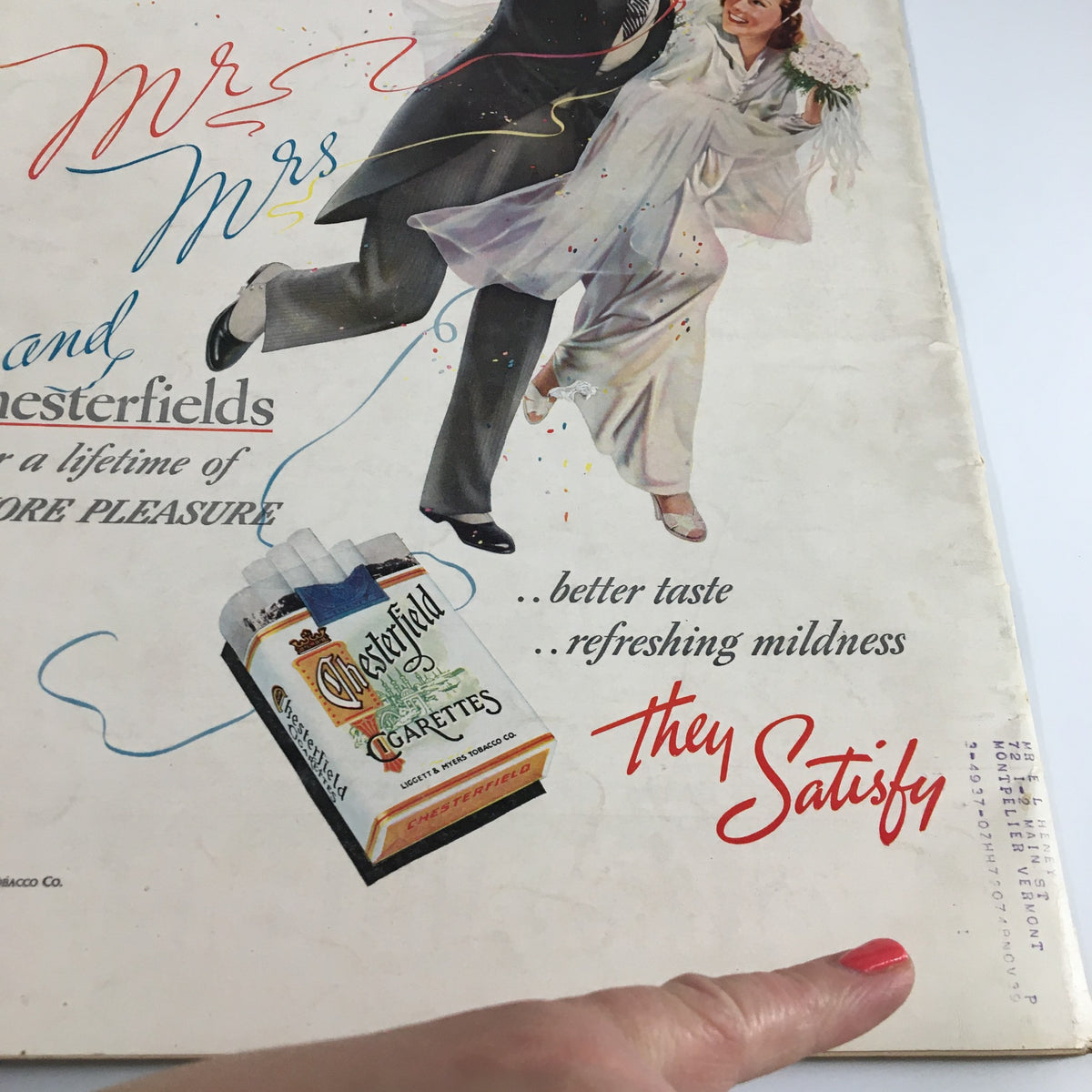
- A label on the back rather than the front — a specific provenance attribute that leaves the Chinese soldier cover story and the surrounding Life cover design fully intact without distribution marking directly interrupting the cover image, a more favorable condition attribute than a front-cover label for display purposes.
- Note: Beyond the confirmed "A Chinese Soldier: A Defender of China" cover story, specific article titles, named photographers, and full interior content details have not been independently confirmed for this issue. The highlights above reflect what is verifiable from the confirmed cover story, date, and the publication's well-documented photojournalism approach and content areas for this period of its history.
Condition & Rarity
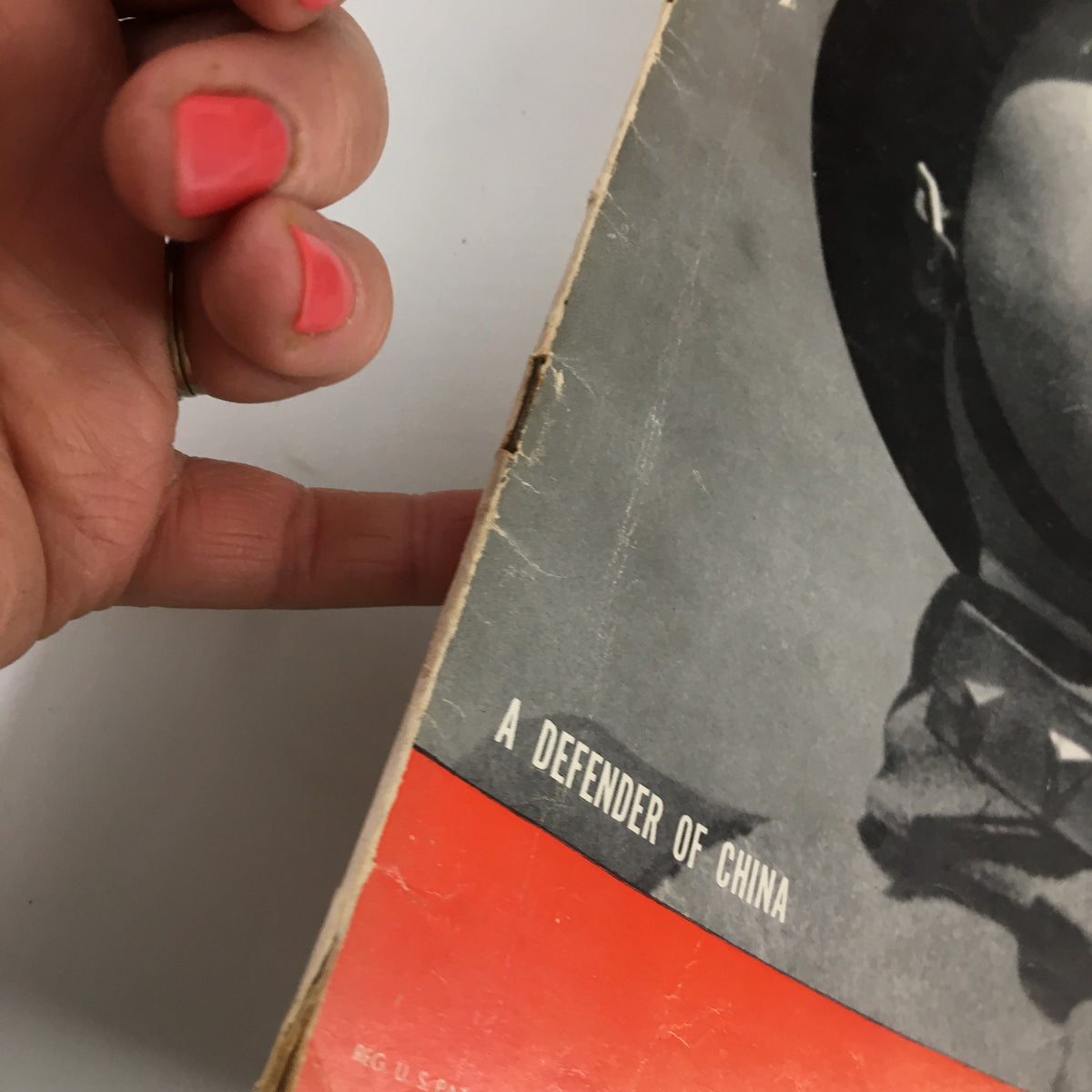
Surviving copies of this issue present with the physical characteristics consistent with copies of a weekly photojournalism magazine that have passed through more than eighty-five years of private ownership — placing them among the oldest and most historically remote examples from this publication that the general collector market regularly encounters. The label on the back rather than the front is a meaningful positive attribute that leaves the cover design fully intact without postal marking directly affecting the cover image, a distinction that matters for collectors who intend to display the magazine with the cover visible. Minor wear throughout the magazine and marks at this age are the expected surface characteristics of a well-handled weekly from the late Depression era, consistent with a Good grade under standard periodical collecting criteria — fully readable, completely displayable as a historical artifact, and collectible with the honest patina of more than eight decades of authentic ownership. Life magazine was printed on coated paper stock of relatively good quality for its era, which supports better long-term interior page condition than the newsprint typical of many contemporary publications. The inclusion of a protective plastic sleeve indicates conscious collectible treatment. Late-thirties Life issues from the prewar crisis years — particularly those with confirmed cover stories on the Sino-Japanese War — represent a specific and historically significant category within the vintage photojournalism magazine collector market, primary documents from the period when American photojournalism was most actively and most consequentially shaping public awareness of the developing catastrophe that would eventually produce the Second World War.
Looking for More Issues Like This?
Late-thirties Life magazine issues featuring cover stories on the Sino-Japanese War and the developing international crisis of the prewar years are among the most historically significant and most documentarily specific items in the vintage American photojournalism collector market — primary sources from the period when Life's photographic resources were being most actively deployed in the service of bringing the reality of distant wars and political crises to the attention of the American mass reading public. If this particular May 16, 1938 issue has already been claimed, the full Life magazine archive at OriginalMagazines.com is the most comprehensive resource for exploring other issues from the publication's remarkable prewar run, including additional numbers from the pivotal late-thirties years when the magazine was documenting the Sino-Japanese War, the European crisis, and the full range of international events that would eventually produce the Second World War. Collectors building a wider picture of the 1938 publishing and historical landscape will also find the complete 1938 magazine archive an invaluable reference — spanning titles across the full spectrum of that extraordinary year's output and offering essential context for anyone researching the prewar international crisis, the Sino-Japanese War, and the photojournalism that was most consequentially shaping American public awareness of both.