


Description
Collector's Note – Why This Issue Matters
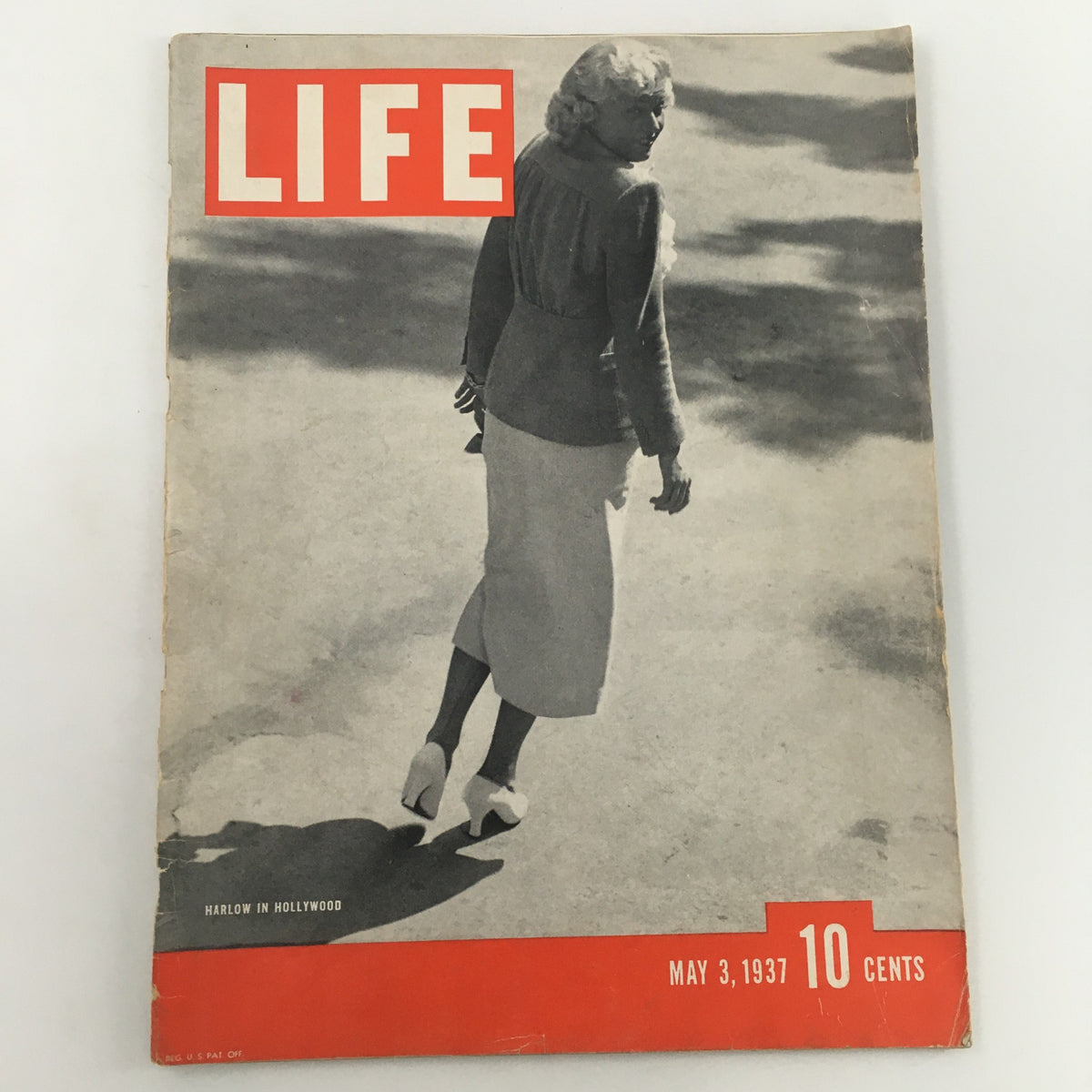
The May 3, 1937 issue of Life magazine featuring Jean Harlow is one of the most historically charged and most poignant single issues in the publication's early run — though this could not have been known at the time of publication. Jean Harlow died on June 7, 1937, just thirty-five days after this issue's cover date, of kidney failure at the age of twenty-six. She was, at the moment this Life cover was published, at the peak of her fame and the height of her commercial and cultural power — one of the biggest box office draws in Hollywood, the defining blonde bombshell of the Pre-Code and early sound era, and a figure whose combination of physical magnetism, genuine comedic talent, and carefully managed public image had made her one of the most recognizable people in the world. A May 3, 1937 Life cover featuring Harlow is therefore, in retrospect, a document of the final weeks of one of Hollywood's most significant careers — a primary visual record of her public image at its most fully realized, published just over a month before her sudden and shocking death transformed her from a working star into one of cinema's most enduring legends. For collectors who focus on vintage Life magazine issues from the Hollywood golden age, a Jean Harlow cover from May 1937 is among the most historically specific and most emotionally resonant documents the publication produced in its first two years.
Life magazine had launched in November 1936, making this May 3, 1937 issue one of the earliest in the publication's run — produced in its first full year of publication, when the magazine was still establishing the photojournalistic identity that would make it the most important visual magazine in American history. Harlow's appearance on an early Life cover reflects the publication's founding editorial instinct: that photographic imagery of the most significant people and events of the moment, presented with the production quality and the editorial intelligence that Henry Luce's organization could bring to bear, would create a new kind of visual journalism that no competitor could match. The Hollywood golden age was providing exactly the kind of visually spectacular, culturally significant subject matter that Life's format was designed to document, and Harlow — with her platinum hair, her larger-than-life screen presence, and her genuine cultural significance as one of the most discussed and most desired women in American popular culture — was one of the era's most natural Life subjects. Collectors building archives around the magazines of 1937 will find this May 3 issue a document of both the founding phase of the most important American pictorial magazine and the final public image of one of Hollywood's most significant stars.
The broader significance of this issue for collectors who approach Life as a historical archive extends to the specific moment in Hollywood history that it captures. By May 1937, the Pre-Code era that had made Harlow's most provocative early work possible was four years in the past — the Production Code enforcement that began in 1934 had reshaped what Hollywood could depict and how its stars could be presented — and Harlow had navigated that transition with remarkable success, maintaining her box office dominance and her public fascination while working within the new constraints. The spring of 1937 found her in production on Saratoga, which would be completed after her death using a double and released posthumously to enormous commercial success driven by the tragedy of her passing. A Life cover from the final weeks of her active career captures that specific historical moment before her death permanently transformed the meaning of everything that had come before.
About the Publication
Life magazine was founded by Henry Luce and launched its first issue on November 23, 1936, representing one of the most significant innovations in American publishing history — a large-format weekly pictorial magazine built entirely around the power of photojournalism to document the people, events, and social realities of American and world life. By May 3, 1937, it was in its twenty-fourth week of publication, still in the process of establishing the editorial voice, photographic standards, and audience relationship that would make it the most widely read and most culturally influential magazine in the United States for the next three decades. Its Hollywood coverage in this early period drew on the studio system's photographic resources while bringing a journalistic seriousness and visual ambition that elevated celebrity coverage into something approaching documentary social history.
Key Highlights Inside
- A cover feature on Jean Harlow — one of the most famous and most culturally significant Hollywood stars of the 1930s, documented in May 1937 in the final weeks of her active career and life, making this issue a primary visual record of her public image at its most fully realized and most culturally potent, published just over a month before her sudden death at twenty-six would transform her into one of cinema's most enduring legends.
- Photojournalistic content consistent with Life's founding-year editorial approach to Hollywood celebrity — drawing on the visual resources of the studio system while bringing the pictorial journalism standards and production quality that Luce's organization was developing into a genuinely new form of American magazine publishing.
- Editorial content reflecting the specific cultural landscape of early May 1937 — a Hollywood still navigating the post-Code transition, a Depression-era American public for whom cinema's glamour served a specific psychological and cultural function, and the broader social world that Life's founding issues were simultaneously documenting and helping to define.
- Period advertising and editorial features consistent with a founding-year Life issue — the visual and commercial content of one of the earliest issues of the most significant pictorial journalism venture in American publishing history constitutes a primary document of the magazine's founding aesthetic identity and its relationship to the visual culture of the late-1930s.
Note: Specific interior article titles, photographers, bylines, and additional editorial details beyond the cover subject are unconfirmed for this issue from available sources. The highlights above reflect verifiable historical context drawn from the cover subject, publication date, and the well-documented editorial character of Life magazine during its founding year.
Condition & Rarity
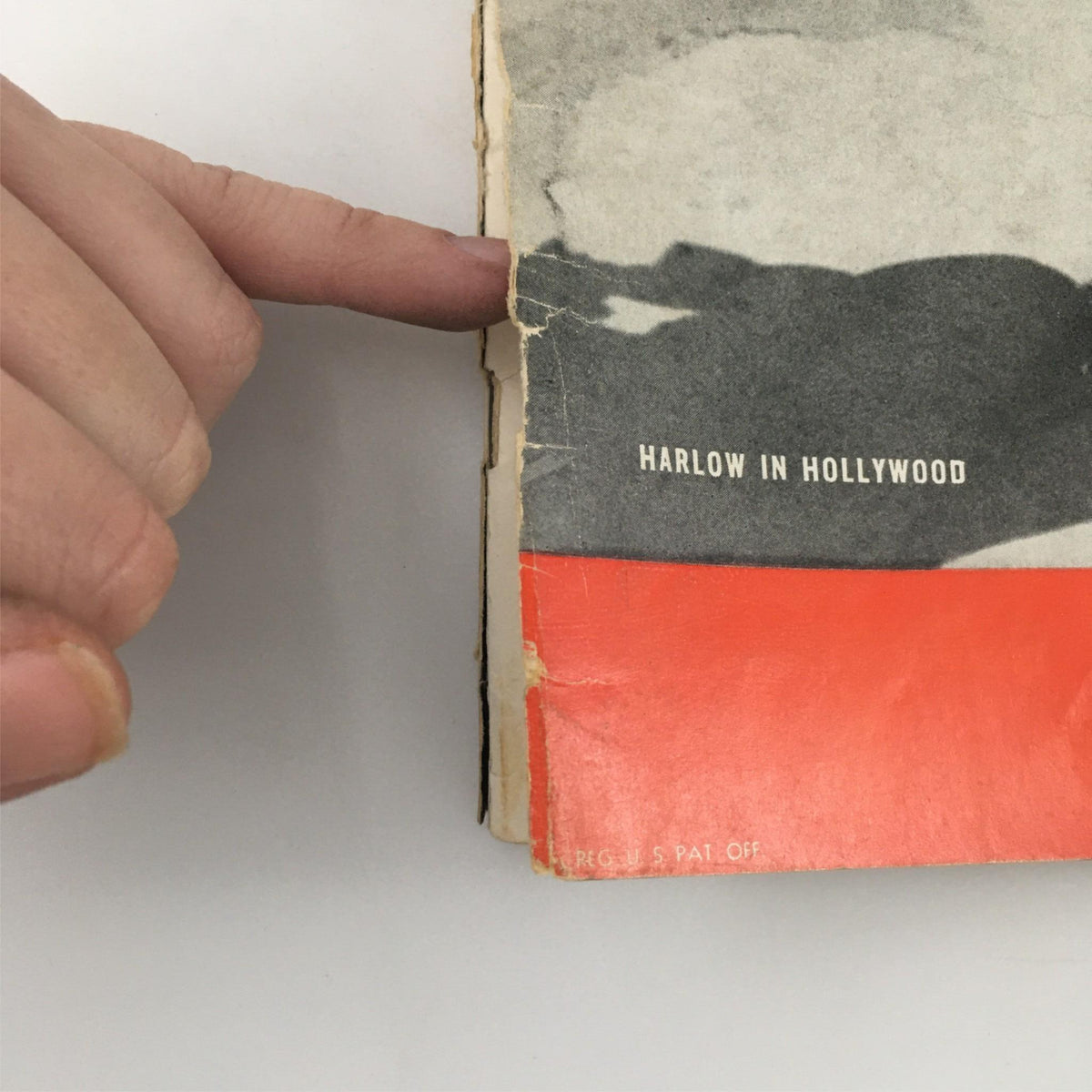
This copy is identified as a no-label newsstand edition in good condition with minor wear including small rips, edge wear, and slight creases — an honest condition profile for a large-format pictorial magazine now nearly ninety years old that has been stored rather than actively preserved. The no-label newsstand provenance preserves the Harlow cover photograph as originally printed without the subscription label adhesive damage that characterizes mailed copies — a meaningful distinction for a cover whose photographic quality and historical resonance are the primary collecting considerations. The disclosed condition characteristics — edge wear, small rips, slight creases — are consistent with a good-condition copy of this vintage and do not compromise the issue's value as a primary historical document, though collectors with display priorities should assess their location and visual impact in the provided photographs. The plastic protective sleeve indicates deliberate preservation-conscious storage. For a founding-year Life issue featuring Jean Harlow on its cover in May 1937 — one of the most historically specific and most emotionally resonant documents in the publication's early run — a no-label newsstand copy in good condition with the cover art intact represents a historically significant and purposeful acquisition.
Looking for More Issues Like This?
A no-label newsstand Life from May 3, 1937 featuring Jean Harlow — published in the final weeks before her sudden death and representing one of the last primary documents of her public image during her active career — is one of the most historically specific and most emotionally weighted issues in the publication's entire golden age run. If this issue has already found a home, the broader vintage Life magazine collection at OriginalMagazines.com is an excellent resource for other significant Hollywood golden age and founding-era issues from the publication's remarkable run. Collectors focused on the cultural and historical landscape of 1937 — the late Depression era, Hollywood's golden age, and one of the most consequential years in early American pictorial journalism — will find it well worth exploring the full 1937 magazine archive, which brings together publications from one of the more dramatically charged years of the pre-war decade.