


Description
Collector's Note – Why This Issue Matters
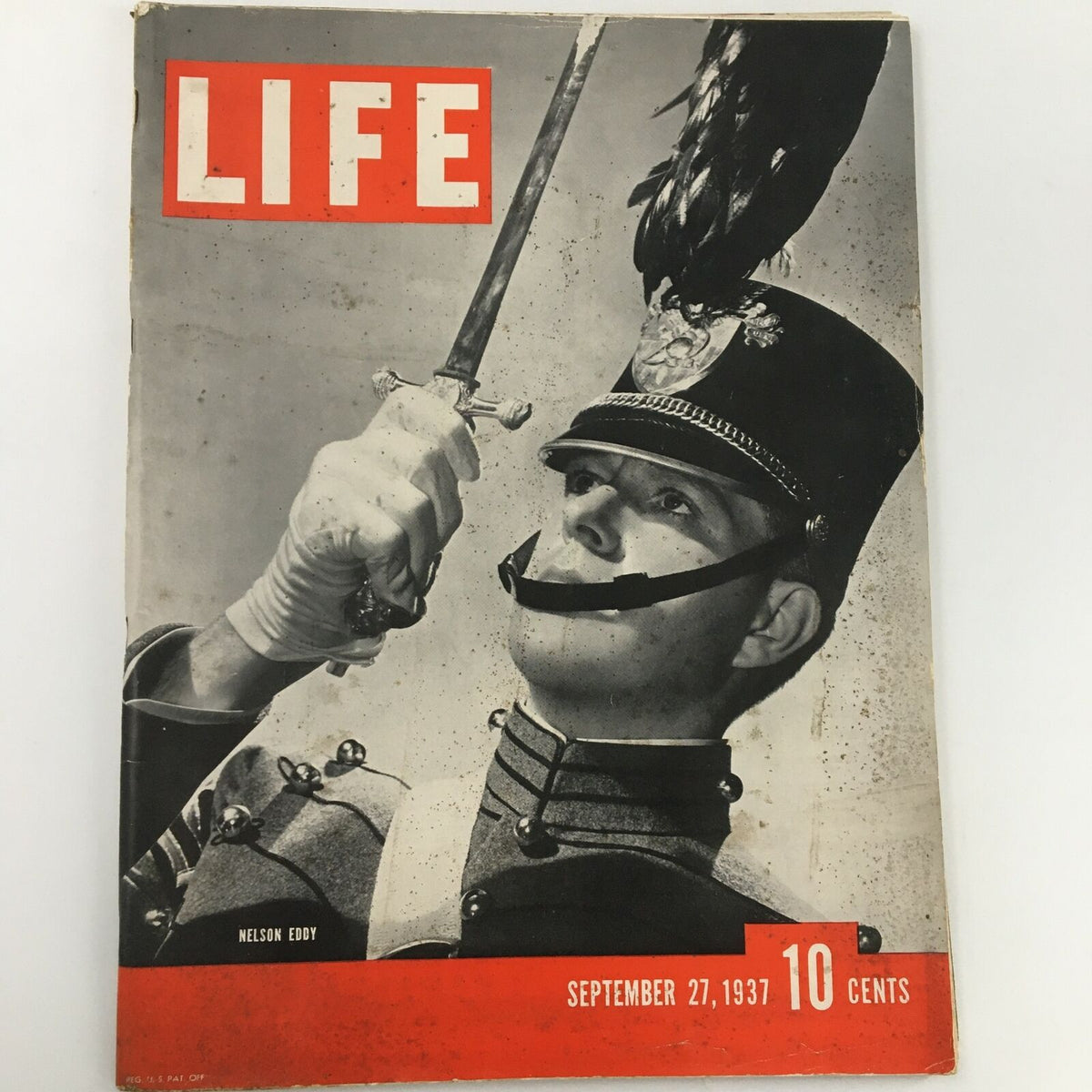
The September 27, 1937 issue of Life Magazine is identified in the listing as featuring Nelson Eddy, one of the most recognizable American singing actors of the 1930s. Eddy was closely associated with the golden age of Hollywood musical entertainment and became widely known for his baritone voice, film appearances, and popular appeal during the era. His presence in a 1937 issue of Life places the magazine at the intersection of early celebrity journalism, film culture, music, and the visual storytelling style that made Life one of the defining American magazines of the twentieth century. For collectors, that combination matters because it connects a major entertainment figure with Life’s early effort to present American culture through large-format images and accessible reporting.
The date matters because September 1937 came during Life’s early years as a weekly picture magazine, shortly after its 1936 relaunch in the photojournalism format that would make it famous. At that moment, Life was helping teach American readers to understand modern culture through images, profiles, captions, and carefully selected scenes from public life. For collectors studying original magazines from 1937, this issue reflects how movie and music personalities were being presented to a national audience before television became the dominant celebrity medium. It also belongs to the late Depression era, when magazines helped bring glamour, entertainment, and public personalities into American homes during a difficult economic period.
The listing describes a Nelson Eddy feature article highlighting his contributions to music and film, though it does not confirm additional interior article titles. That makes the verified collector focus the September 27, 1937 date, the Life publication context, the newsstand/no-label presentation, and the Nelson Eddy feature. As a reference object, the issue preserves a moment when Hollywood performers were being framed through large-format magazine photography and popular reporting, giving modern collectors a period view of star image-making in the late Depression era. It is useful not only as entertainment memorabilia, but also as evidence of how Life balanced celebrity coverage with its broader mission of documenting modern American life.
About the Publication
Life was one of the most important American picture magazines of the twentieth century, especially after its relaunch as a weekly photojournalism magazine in 1936. Its audience was broad and national, reaching readers interested in current events, entertainment, society, politics, science, sports, human-interest stories, and everyday American life. The magazine’s editorial format relied heavily on photography, captions, visual layouts, and accessible reporting, making it a powerful record of how Americans saw public figures and world events. A 1937 issue featuring Nelson Eddy fits Life’s early editorial identity because it combines celebrity culture with the magazine’s emerging role as a visual archive of modern American life. For collectors, early Life issues are especially important because they show the magazine still defining its voice, visual style, and relationship with readers before it became one of the dominant picture magazines of the World War II and postwar years.
Key Highlights Inside
- September 27, 1937 issue of Life Magazine, from the publication’s early weekly photojournalism era shortly after its 1936 relaunch.
- Features Nelson Eddy, identified in the listing as the major subject of the issue and a prominent figure in 1930s music and film culture.
- The listing describes a feature article on Nelson Eddy highlighting his contributions to music and film.
- Presented as a newsstand issue with no label, an attribute often valued by collectors who prefer a clean, unobstructed cover presentation.
- The listing does not confirm specific additional article titles, so the verified collector focus remains the date, publication, Nelson Eddy feature, and newsstand/no-label format.
- Relevant to collectors studying 1930s Life Magazine issues, Hollywood-era celebrity coverage, classic music-and-film personalities, early photojournalism, and prewar American magazine culture.
Condition & Rarity
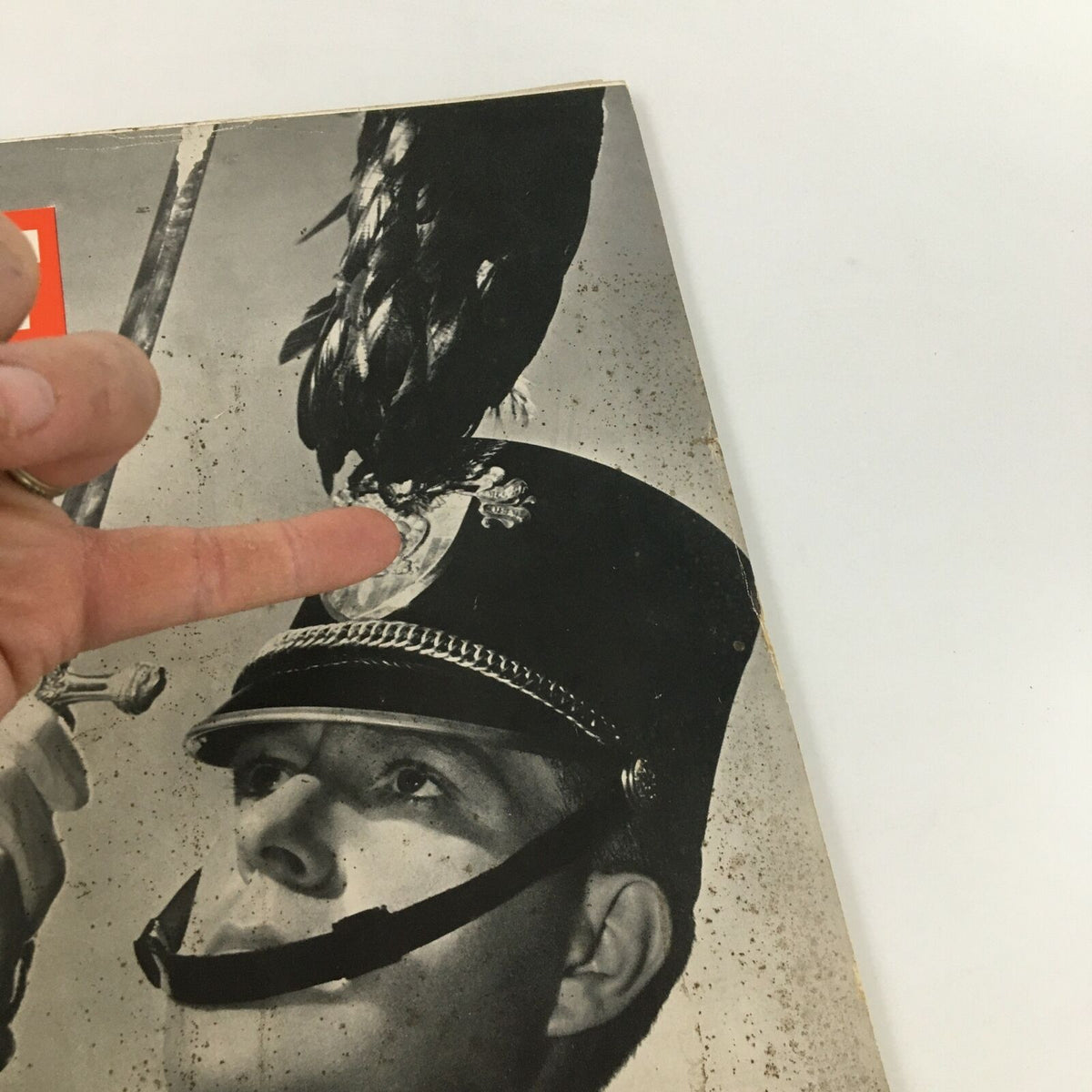
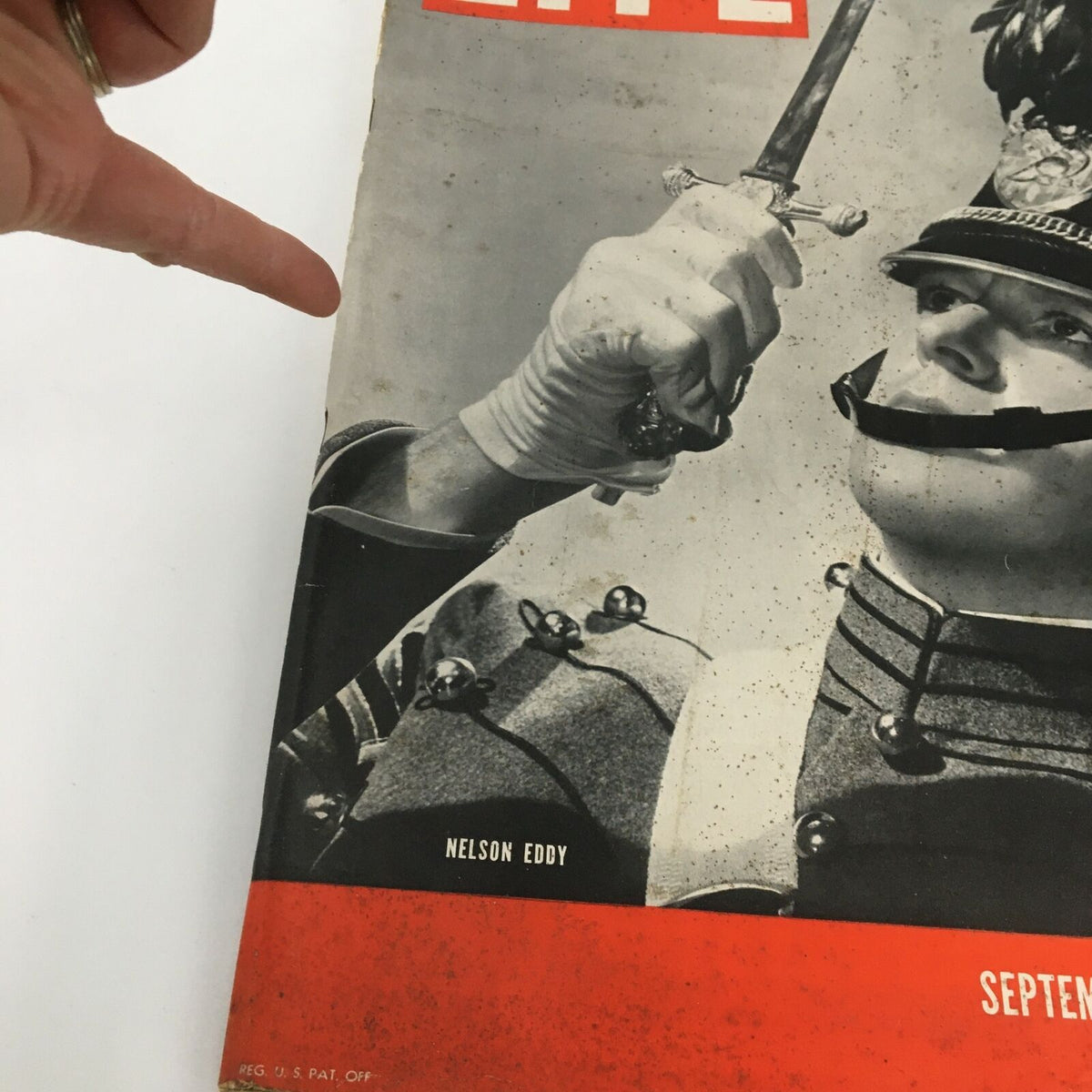
Surviving examples of the September 27, 1937 issue of Life Magazine should be evaluated by checking cover presentation, page completeness, spine stability, edge wear, small rips, light creases, surface marks, and label presence. The listing describes the magazine as good condition, newsstand/no label, with minor wear including small rips, edge wear, creases, and marks, along with a plastic protective covering. In collector terms, the no-label newsstand presentation is a meaningful detail because it preserves the cover without a subscription label interrupting the visual design. Minor wear is expected for a large-format magazine from the 1930s, especially one originally intended for regular household reading rather than archival preservation. A protective plastic covering can help reduce additional handling wear, but collector evaluation still depends on the condition of the underlying cover, binding, paper, and whether the Nelson Eddy feature and related interior pages remain complete and readable. Because early Life issues are often collected for their photography, covers, and period layouts, the survival of clean interior visuals can be nearly as important as the exterior condition.
Looking for More Issues Like This?
The September 27, 1937 Nelson Eddy issue may be a tough find for collectors searching by exact date, newsstand format, or classic Hollywood cover subject. Readers interested in related visual history can browse the broader Life Magazine collection for more issues documenting entertainment, public figures, photojournalism, and American culture across the twentieth century. Exploring nearby issues can also help collectors see how Life balanced celebrity, current events, human-interest stories, and visual essays during its formative weekly years.
For a wider view of the same year, the 1937 magazines collection is also useful for comparing how different publications covered film, music, politics, society, and everyday life during the late Depression era. Looking across magazines from 1937 helps place this Life issue within the broader print culture that shaped how Americans encountered celebrity and history before television changed the media landscape. That broader context is especially helpful for collectors who treat vintage magazines as primary-source records of public taste, visual media, and cultural memory.