




Description
Collector's Note – Why This Issue Matters
The March 1976 issue of Mademoiselle Magazine, a confirmed newsstand copy with a fashion cover, documents American women's fashion publishing at a specific and historically interesting moment in the mid-1970s cultural landscape. March 1976 arrived in the opening months of the bicentennial year — a period of intense national self-reflection that gave the cultural production of 1976 a specific quality of simultaneous celebration and reassessment. The mid-1970s were also a genuine transitional moment in American women's fashion: the early-1970s bohemian and ethnic-influenced aesthetics were giving way to the cleaner, more urban sensibility that would define the late-decade look, and the women's liberation movement's ongoing transformation of American women's professional and personal identities was reshaping what women's magazines considered aspirational in ways that were visible in their fashion choices, editorial content, and the specific cultural conversations they were having with their readership. Mademoiselle's position within this landscape was distinctive — as a Condé Nast publication aimed specifically at college-aged and young professional women, it was serving a readership that was among the most culturally alert and professionally ambitious in the country, women who were navigating the specific challenges and opportunities that the mid-1970s were offering to their generation. For collectors building archives around Mademoiselle Magazine's publishing history, March issues from the mid-1970s document the publication during one of its most culturally engaged periods.
The March issue position in Mademoiselle's annual calendar gives this issue a specific editorial character. March was a transitional editorial month — the publication was pivoting from winter content toward spring, engaging with the seasonal fashion shift that March represented, and doing so at a moment when the bicentennial year's specific cultural energies were beginning to assert themselves in American popular culture and fashion. The confirmed newsstand, label-free origin of this issue is itself a meaningful provenance note within the Mademoiselle collecting community — the magazine's subscriber-heavy distribution model meant that unlabeled newsstand copies represent the smaller subset of surviving issues that reached their original readers through retail purchase rather than subscription delivery, making them a specific and collector-recognized format distinction within the overall surviving population of mid-1970s Mademoiselle issues. Collectors researching American women's fashion publishing from 1976 will find March issues from the major fashion titles useful primary documents of the bicentennial year's fashion culture in its spring transition moment.
About the Publication
Mademoiselle Magazine was founded in 1935 by Street & Smith Publications and acquired by Condé Nast in 1959, where it operated as a companion to Vogue aimed at a younger demographic — primarily college-aged and young professional women whose fashion and lifestyle aspirations were genuine but whose circumstances differed from Vogue's more aspirationally elevated readership. The magazine's editorial formula combined fashion and beauty content with career guidance, fiction, and the kind of cultural commentary that recognized its readers as intelligent women navigating the full range of contemporary life. By March 1976, Mademoiselle had been in continuous publication for more than four decades and was operating with a well-developed editorial identity that positioned it specifically within the mid-1970s women's cultural conversation — serving a readership whose professional ambitions, aesthetic interests, and political consciousness were all being shaped by the specific forces of the bicentennial decade.
Key Highlights Inside
- The confirmed newsstand, label-free origin places this March 1976 issue within the smaller subset of surviving Mademoiselle copies that reached their original readers through retail purchase — a provenance distinction that is recognized within the Mademoiselle collecting community as differentiating retail-channel copies from the subscription-delivered majority of surviving issues from this period.
- The March 1976 fashion cover documents the publication's spring fashion transition content at a specific moment in the mid-1970s aesthetic evolution — the early-decade bohemian aesthetic giving way to the cleaner, more urban sensibility that would define the late-1970s look, captured in the specific editorial and visual choices of a March issue positioned at that seasonal and stylistic threshold.
- The bicentennial year context gives this March 1976 issue a specific cultural resonance — the opening months of 1976's national celebration generated a particular quality of cultural self-consciousness that is present in the broader print culture of the period, including the fashion and lifestyle content of women's magazines that were serving a readership navigating that national moment.
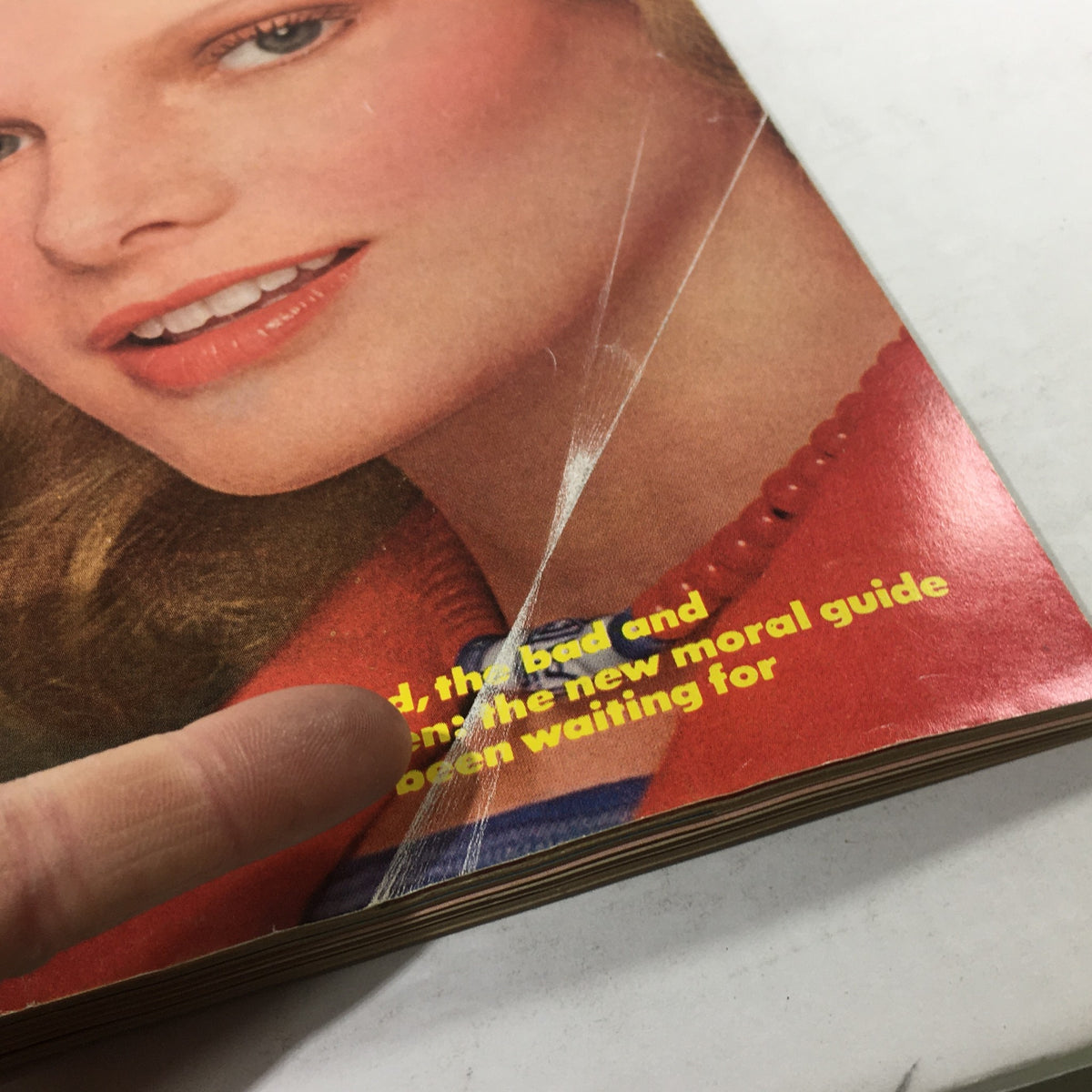
- The confirmed marks and bent crease on the front cover are the most significant display-quality condition factors and should be assessed from the provided photographs to understand their location and visual impact relative to the cover's primary fashion imagery.
- Note: The listing does not identify the cover subject or any specific article titles, named contributors, or featured content for this issue. Interior details and cover identity are unconfirmed beyond the publication title, date, and general fashion cover format. The highlights above reflect what is documentable about Mademoiselle's March publishing tradition and the 1976 cultural context.
Condition & Rarity
Surviving copies of this issue present in decent condition with the specific attributes the listing describes: marks and a bent crease on the front cover, alongside the minor wear consistent with nearly fifty years of existence. The bent crease on the front cover is the most consequential condition factor for display-oriented collectors, and its location relative to the cover's primary fashion imagery should be evaluated from the provided photographs to understand the degree to which it affects the cover's visual presentation. The marks should similarly be assessed for their specific nature and location. The confirmed newsstand, label-free origin is a positive condition attribute that preserves the cover's original retail presentation without subscriber label surface disruption. The plastic protective covering provides appropriate stabilization for a fragile mid-1970s fashion magazine, helping to prevent further cover surface deterioration and spine damage during handling and storage. For collectors whose primary interest is the documentary and research value of a mid-1976 Mademoiselle spring fashion issue — the editorial content, period advertising, and fashion guidance that constitute its primary historical value — the confirmed decent condition represents a workable archival survival regardless of the front cover's cosmetic imperfections.
Looking for More Issues Like This?
Mademoiselle issues from the mid-1970s bicentennial period represent the publication engaging with one of the more culturally self-conscious years in recent American history through the specific lens of young women's fashion and lifestyle, and confirmed newsstand copies without subscriber labels are the less common surviving format within the overall population of issues from this period. The Mademoiselle Magazine collection at OriginalMagazines.com is the most comprehensive place to browse available issues across the publication's long history of engaging with college and young professional women's culture. For collectors building a broader picture of American women's publishing in 1976, the 1976 magazines collection offers a wide cross-section of titles that together capture the full range of that bicentennial year's American print and fashion culture.