


Description
Collector's Note – Why This Issue Matters
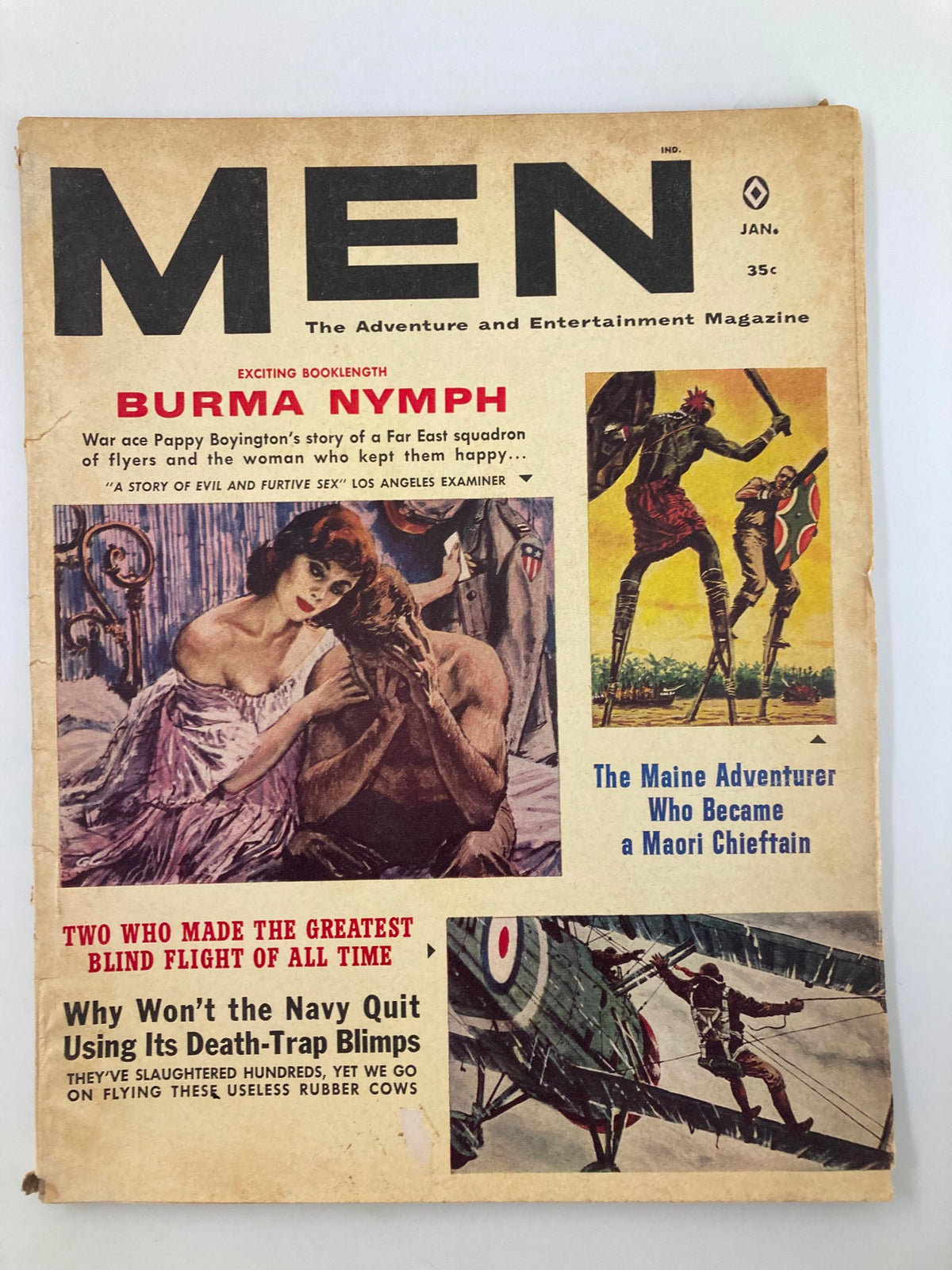
The January 1961 issue of Men Magazine is identified in the listing by its feature, “The Maine Adventurer Who Became A Maori Chieftain.” That title places the issue within a mid-century magazine tradition built around adventure, travel, masculinity, danger, and encounters with distant places. For collectors studying magazines from 1961, this issue reflects a moment when American readers were drawn to stories of exploration, cultural contact, survival, and personal reinvention. It also shows how early-1960s popular magazines framed faraway places as sources of drama, mystery, and identity-shaping experience.
The subject also reveals something important about the era’s publishing culture. In the early 1960s, men’s adventure magazines often presented travel and cross-cultural experience through dramatic storytelling, vivid cover lines, and a tone shaped by postwar curiosity about the wider world. A feature connecting a Maine adventurer with Maori leadership belongs to that larger print landscape, where stories of remote journeys and unfamiliar customs were framed for American readers as both entertainment and documentary-style adventure. The title’s contrast between Maine and Maori culture gives the issue a particularly striking hook, linking regional American identity with the imagined distance and fascination of Polynesian life as presented through mid-century magazine storytelling.
Because the listing does not provide the adventurer’s name or specific interior details beyond the feature title, the issue is best understood as a documented example of Men Magazine’s adventure-oriented editorial world rather than as a verified biographical source on its own. Its value as a period object lies in the way it captures 1961 reader interests: travel, cultural encounter, masculine mythmaking, and the magazine industry’s appetite for dramatic real-life narratives. As a complete vintage issue, it also preserves the design, language, and visual presentation of a specific corner of early-1960s American magazine culture. For researchers, that context is often as important as the individual article, because it shows how magazines shaped public imagination around exploration and identity.
About the Publication
Men Magazine belonged to the broader category of mid-20th-century American men’s adventure periodicals, a genre that commonly mixed action-oriented storytelling, travel narratives, survival themes, war memories, crime, sports, and dramatic illustrations or photography. Its audience was adult male readers drawn to adventure, danger, exotic settings, and assertive first-person or documentary-style narratives. By January 1961, this type of magazine occupied a recognizable place on American newsstands, offering a more sensational and masculine alternative to general-interest magazines. The format often emphasized strong cover lines, striking visual presentation, and stories framed around endurance, conflict, exploration, and unusual experience. For collectors, issues like this are useful because they document not only the subjects being covered, but also the way mid-century American publishing packaged adventure and cultural curiosity for a popular audience. The magazine should be read as part of a larger postwar print culture in which travel, danger, and masculine identity were repeatedly combined into memorable cover stories. Its historical interest comes from both its content and the editorial style that made such stories compelling to readers of the period.
Key Highlights Inside
- January 1961 issue of Men Magazine.
- Listed feature: “The Maine Adventurer Who Became A Maori Chieftain.”
- Associated with adventure storytelling, travel, cultural encounter, and early-1960s men’s magazine publishing.
- Described in the listing as featuring historical storytelling and imagery connected to cultural travel.
- Relevant to collectors of men’s adventure magazines, 1960s Americana, travel-themed periodicals, and mid-century popular publishing.
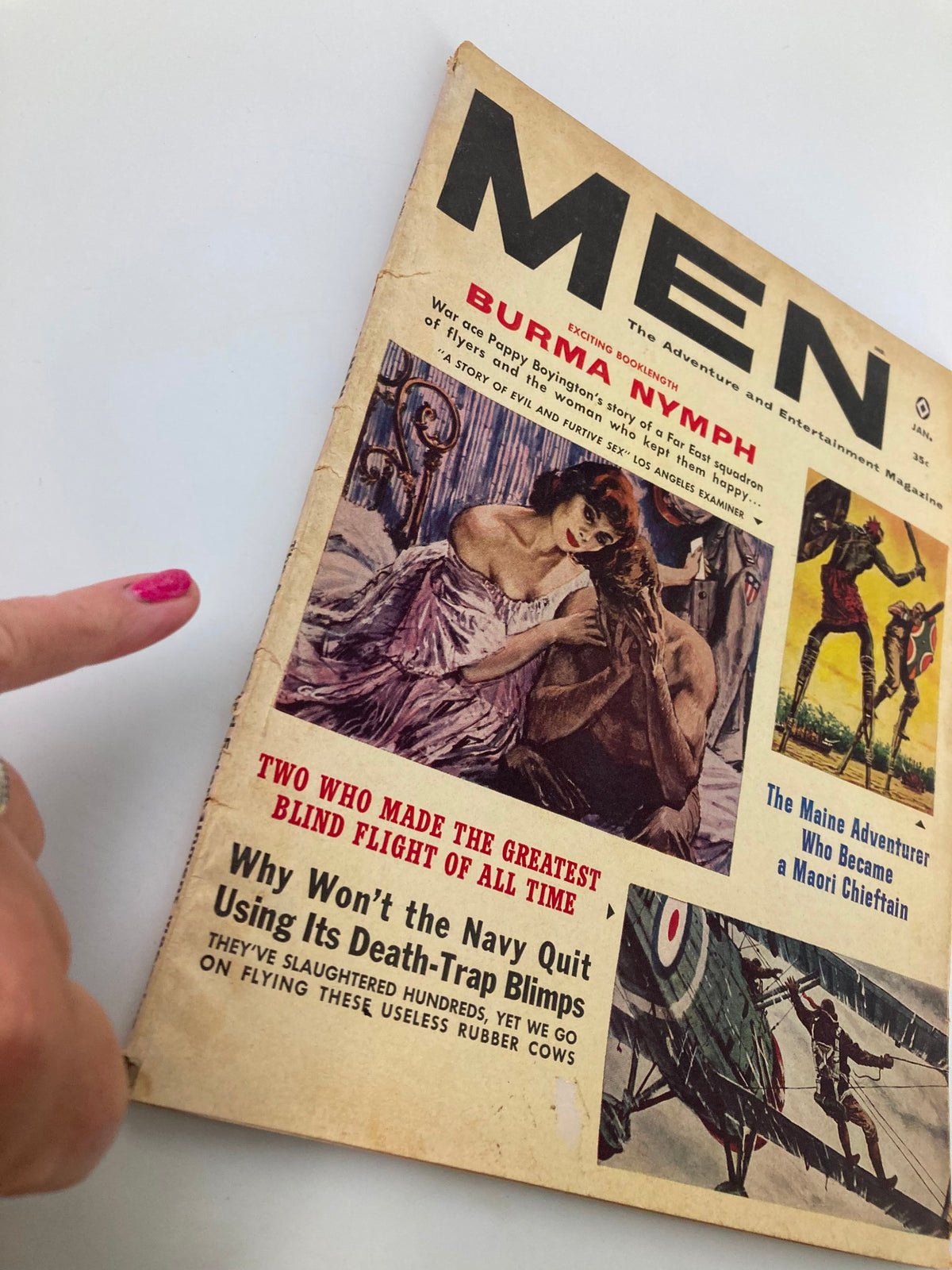
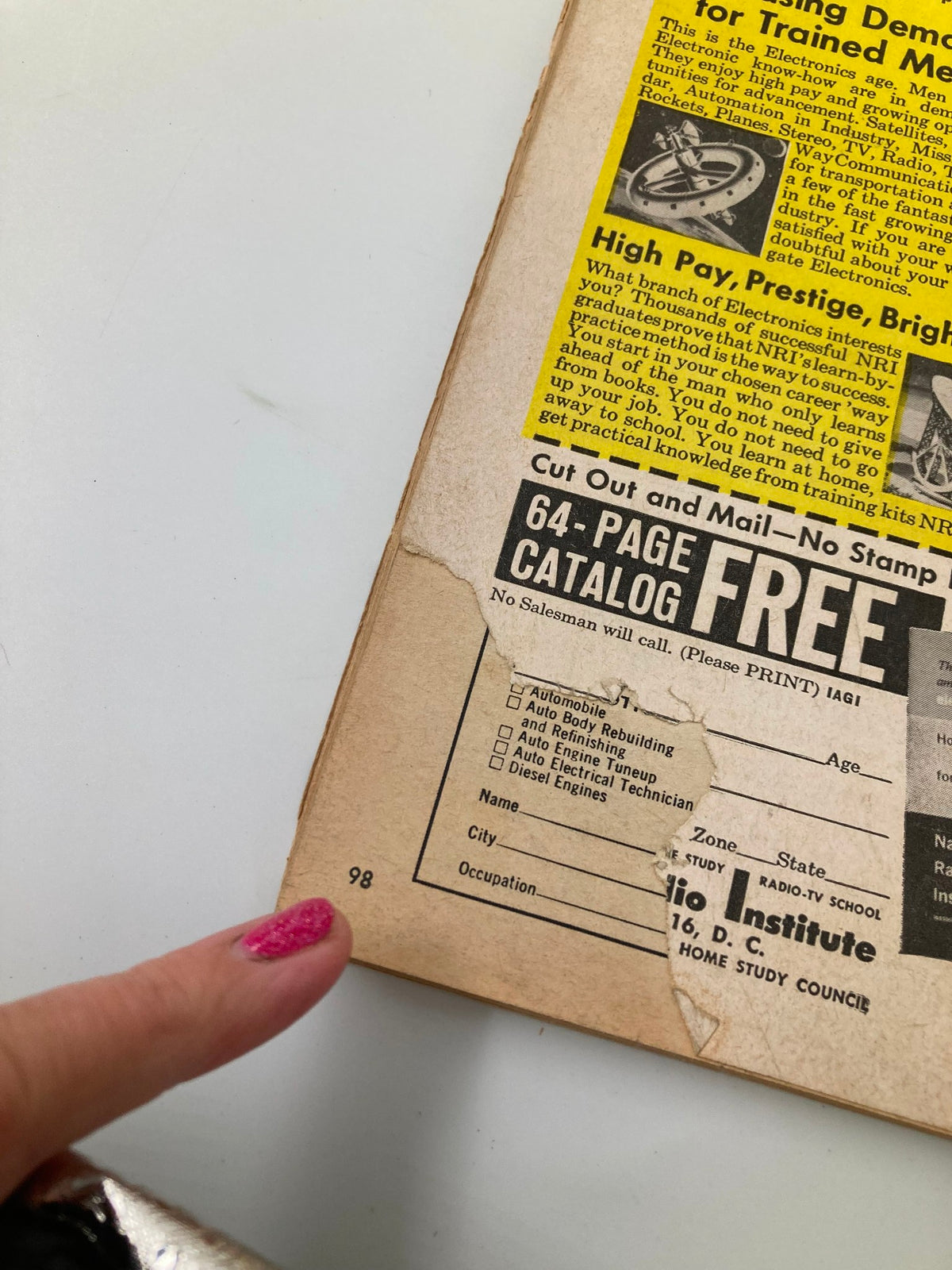
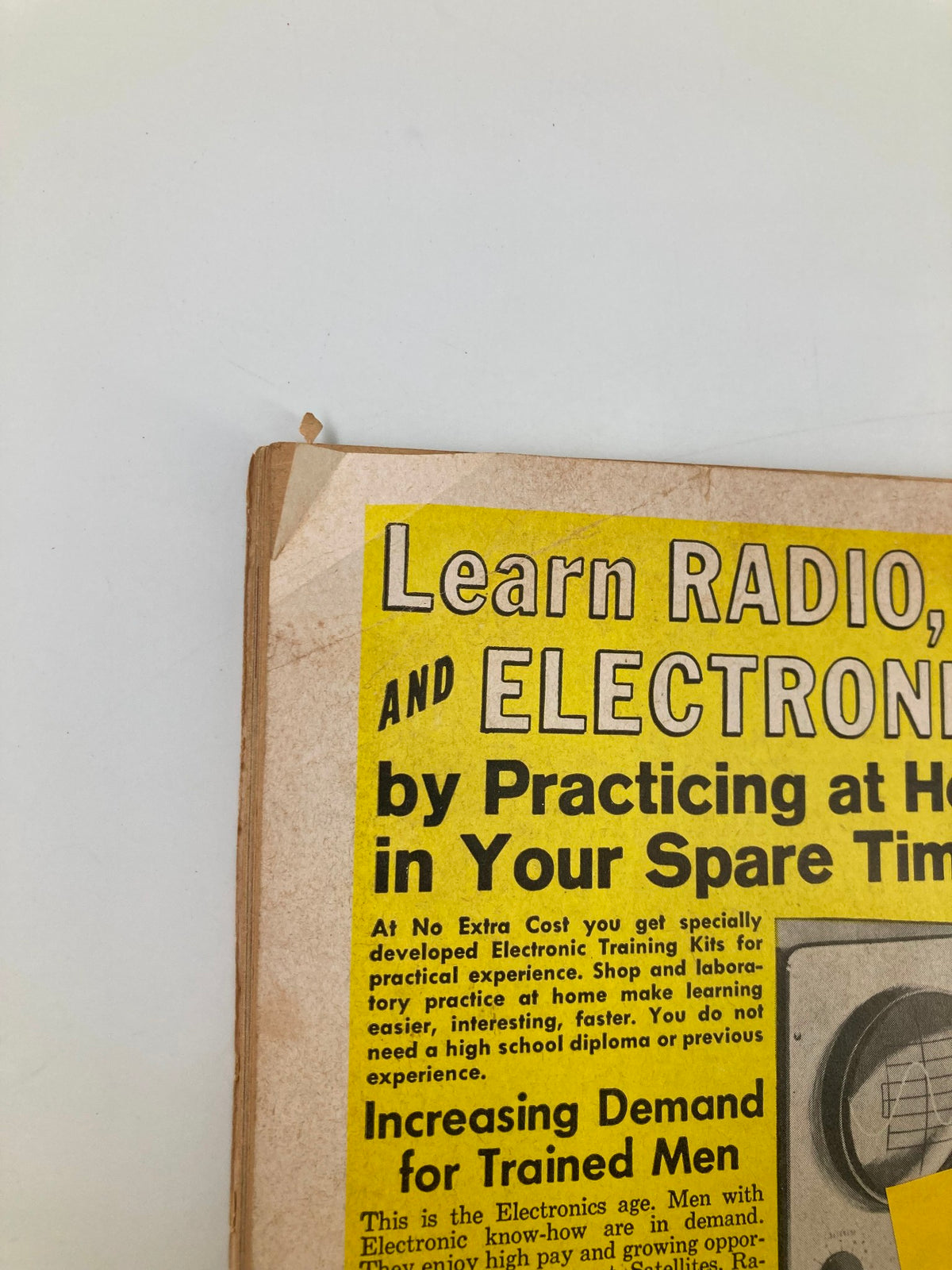
- Condition notes mention good condition with minor cover wear, binding wear, visible marks, and a back-cover rip.
- Plastic protective covering is noted, an important preservation detail for a handled magazine from this period.
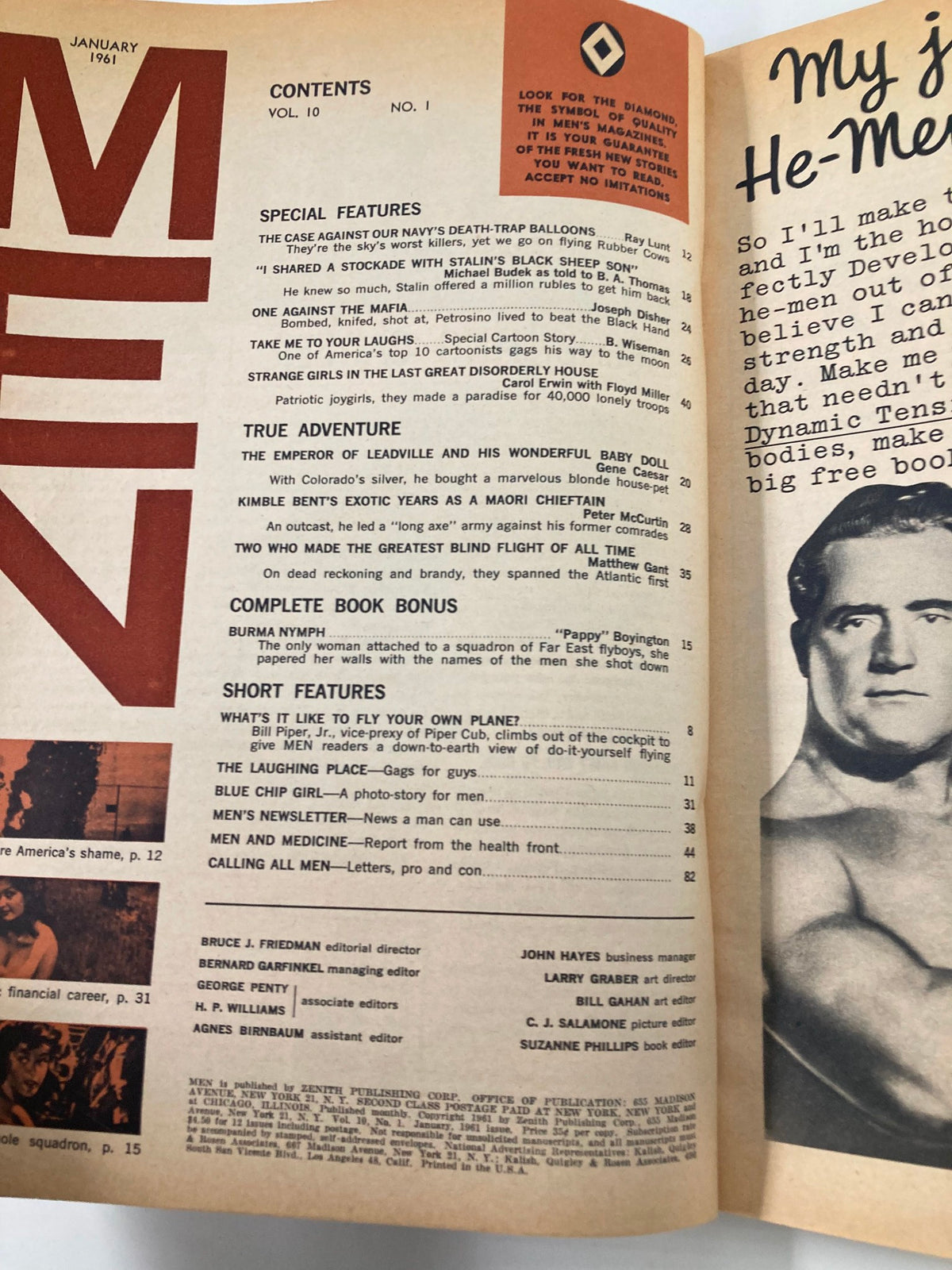
- Additional interior article titles, author names, and page-by-page contents are not confirmed in the provided listing.
Condition & Rarity
Collector-grade evaluation for surviving examples of this issue should note the reported good condition, minor cover and binding wear, visible marks, plastic protective covering, and a rip on the back cover. For men’s adventure magazines from the early 1960s, cover and binding wear are common because these publications were typically read for entertainment rather than stored as archival objects. A back-cover rip is a specific condition issue that should be considered when assessing grade, especially if the damage affects artwork, advertising, structural stability, or display quality. Plastic covering can help slow additional handling wear, but condition should still be judged by cover integrity, page completeness, spine strength, edge wear, interior staining or marks, and whether the featured January 1961 issue identity remains clear. Because magazines of this genre were often heavily handled and not always preserved carefully, complete examples with stable pages and readable interiors retain research value even when exterior wear is present. Collectors should also look closely at the binding, since older adventure magazines can develop spine stress or loosened pages from repeated reading. The strongest examples are those that preserve the full issue identity, maintain complete interiors, and keep the main feature presentation legible despite normal age-related wear.
Looking for More Issues Like This?
This January 1961 Men Magazine issue is a distinctive example of early-1960s adventure publishing, especially for collectors interested in travel narratives, cultural encounter, and masculine magazine culture of the period. Related material can be explored through the broader archive of 1961 magazines, where issues from the same year help place this title within its wider newsstand context. Comparing magazines by year can reveal how adventure, world travel, popular masculinity, and postwar American curiosity were being presented across different publications at the start of the decade. It is a useful path for collectors who want to understand not only one issue, but the broader magazine environment that produced stories like “The Maine Adventurer Who Became A Maori Chieftain.”