

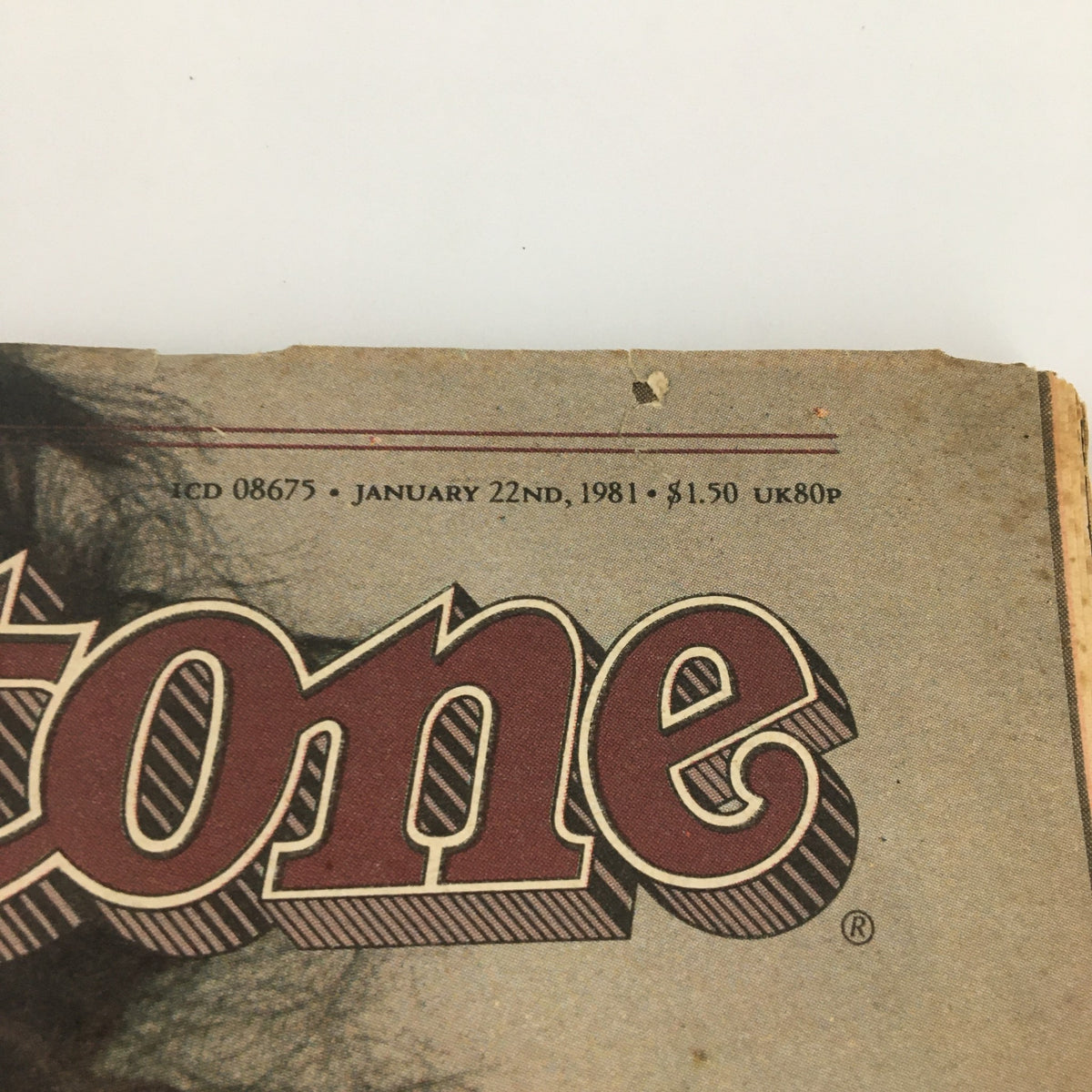


Description
Collector's Note – Why This Issue Matters
The January 22, 1981 issue of Rolling Stone featuring Yoko Ono and John Lennon on its cover is one of the most historically significant and most emotionally weighted single issues in the publication's entire history — and one of the most recognized magazine covers in the history of American photography. John Lennon was murdered on December 8, 1980, outside the Dakota apartment building in New York City, shot by Mark David Chapman as he returned home from a recording session. He was forty years old. The January 22, 1981 Rolling Stone is the publication's tribute issue — the memorial response of the magazine that had documented rock and roll's history since 1967 to the murder of one of the form's founding figures and one of the most significant artists of the twentieth century. The cover photograph — Annie Leibovitz's image of Lennon curled naked against Yoko Ono, taken just hours before the shooting on the afternoon of December 8, 1980 — had already been used in Rolling Stone's immediate response issue, and the January 22 issue continues the memorial in ways that document both the personal relationship between Lennon and Ono and the specific cultural and emotional weight of the loss for the publication and its readership. For collectors who focus on vintage magazines featuring John Lennon, the January 1981 Rolling Stone is the primary print document of the immediate aftermath of one of popular music's most consequential and most publicly mourned losses.
Yoko Ono's presence on this cover — equal to Lennon's in the framing and the editorial conception — carries its own specific significance that collectors who understand the full history of this publication and this relationship will recognize. Ono had been consistently misrepresented, vilified, and blamed for the Beatles' dissolution throughout the 1970s in ways that were rooted in a combination of sexism, racism, and the need to find a scapegoat for the loss of something that millions of people had loved. Lennon himself had spent considerable energy defending Ono and their partnership against these characterizations. In the immediate aftermath of his murder, the question of how the media and the public would relate to Ono — now his widow, now the primary keeper of his artistic legacy — was live and contested. A Rolling Stone cover featuring her alongside Lennon in a memorial context was a specific editorial statement about the validity and centrality of their partnership that carried genuine cultural weight in January 1981. For collectors building archives around vintage magazines featuring Yoko Ono, this January 1981 cover represents her at the most publicly significant and most emotionally consequential moment of her public life. Collectors focused on the broader rock and cultural landscape of the magazines of 1981 will find this January issue a primary document of popular music's most widely mourned loss.
The Annie Leibovitz photograph that anchors the Lennon-Ono Rolling Stone cover deserves attention as one of the most historically and artistically significant photographs in the history of American magazine photography. Leibovitz had photographed Lennon and Ono for the issue on the afternoon of December 8, 1980, producing what she later described as one of the most powerful images of her career — the nude Lennon curled in a fetal position against the fully clothed Ono, an image of vulnerability, intimacy, and trust whose meaning was permanently transformed by the shooting that occurred hours later. That photograph, in its various deployments across Rolling Stone's memorial coverage, became one of the iconic images of late-twentieth-century American photography — a primary visual record of a relationship and a moment whose full weight could not have been known at the moment of its creation.
About the Publication
Rolling Stone, founded by Jann Wenner in San Francisco in 1967, had by January 1981 accumulated thirteen years of cultural authority as the most important music journalism publication in the United States — a magazine whose coverage of rock and roll, its politics, its cultural significance, and its most important figures had made it the definitive record of popular music's most consequential decades. Its relationship with John Lennon had been central to its identity since the magazine's earliest years, and its memorial coverage of his murder in December 1980 and January 1981 represents some of the most historically significant journalism the publication produced in its entire run.
Key Highlights Inside
- A memorial cover feature on John Lennon and Yoko Ono — documenting the immediate cultural, personal, and artistic aftermath of Lennon's murder on December 8, 1980, in the memorial issue of the publication that had documented his career and his relationship with Ono throughout the 1970s and that now assumed the responsibility of providing the most authoritative and most serious journalistic tribute to one of popular music's founding figures.
- Coverage engaging with the specific significance of Yoko Ono's role in Lennon's life and legacy — a memorial context in which Rolling Stone's editorial placement of Ono as co-equal subject of the cover represented a specific statement about the validity of their partnership and her importance to the story of Lennon's final decade.
- Editorial content reflecting the specific cultural and emotional atmosphere of January 1981 — a music world and a general public still in shock from the murder, processing the loss of a figure whose significance extended well beyond his music into the broader history of late-twentieth-century culture, politics, and the relationship between artistic identity and public life.
- Journalism produced at the height of Rolling Stone's institutional authority and its longest-standing editorial relationship — the magazine's coverage of Lennon across its entire history gave its January 1981 memorial a depth of biographical knowledge and emotional investment that no competitor could match.
Note: Specific interior article titles, bylines, additional features, and further editorial details beyond the memorial cover story are unconfirmed for this issue from available sources. The highlights above reflect verifiable historical context drawn from the cover subjects, publication date, and the well-documented significance of Rolling Stone's John Lennon memorial coverage.
Condition & Rarity
This copy is identified as a no-label newsstand edition in good condition with minor edge wear and potential rips or marks — a solid condition profile for a magazine now more than forty years old that indicates careful storage rather than active handling. The no-label newsstand provenance preserves the Lennon-Ono cover as originally printed without subscription label adhesive damage, which is a meaningful distinction for a cover of this specific photographic and historical significance. The minor edge wear falls within the expected range for good condition without compromising the structural integrity or readability of the issue. The plastic protective sleeve provides ongoing conservation value. For one of the most historically significant memorial magazine covers in the history of American popular music journalism, a no-label newsstand copy in good condition represents a well-preserved and purposeful acquisition for serious collectors of Lennon memorabilia, Ono documentation, and the history of Rolling Stone at its most consequential and most emotionally significant publishing moment.
Looking for More Issues Like This?
A no-label newsstand Rolling Stone Lennon-Ono memorial cover from January 22, 1981 is one of the most actively collected and most historically significant issues in the publication's entire run — the primary print document of the immediate aftermath of popular music's most widely mourned loss. If this issue has already found a home, the dedicated John Lennon magazine collection at OriginalMagazines.com is the natural first resource for other significant Lennon covers across his Beatles and solo career. The Yoko Ono magazine collection is worth exploring for her documented presence across decades of cultural and artistic significance, and the broader vintage Rolling Stone collection contains other landmark memorial and artist-focused issues from the publication's remarkable run.