



Description
Collector's Note – Why This Issue Matters
The May 1965 issue of The American Man magazine is a mid-1960s men’s-interest periodical centered, according to the listing, on the story “A Job For Mister Mortimer.” The title and description place the issue within a magazine culture that often combined masculine identity, fiction, lifestyle material, adventure themes, and period-specific ideas about work, leisure, and American life. As a dated issue from May 1965, it belongs to a moment when American magazines were still one of the dominant ways readers encountered entertainment, cultural attitudes, fiction, and lifestyle imagery in a portable monthly format. That makes it useful not only as a collectible magazine, but as a small documentary object from the everyday print culture of the mid-1960s.
The listing frames the magazine as a glimpse into the culture and lifestyle of American men during the mid-1960s. That makes the issue useful as a period artifact even when the full table of contents is not confirmed. Men’s magazines from this era can preserve changing assumptions about masculinity, employment, adventure, fashion, leisure, advertising, and social aspiration, often in ways that are difficult to reconstruct from later summaries. “A Job For Mister Mortimer” is the only specific story title identified in the listing, so it should be treated as the confirmed anchor of this issue rather than as part of an invented interior contents list. The issue’s interest comes from that named story, its date, its category, and the condition details that help collectors understand how surviving examples should be evaluated.
Within the broader world of 1965 magazines, this issue reflects a year when American print culture was moving through a transitional decade. The mid-1960s still carried traces of postwar magazine design and storytelling, while new social, cultural, and consumer forces were becoming more visible. For collectors, a no-label May 1965 issue of The American Man offers a compact view of that moment through a men’s-magazine lens, especially when considered alongside other publications from the same year. Its value as a reference object comes from preserving a specific title, date, and editorial style that may not be as widely documented as larger national magazines.
About the Publication
The American Man was a men’s-interest magazine, and this May 1965 issue appears from the listing to have been aimed at readers interested in masculine lifestyle, fiction, and period entertainment. The exact editorial formula of this specific issue is not fully documented in the listing, so it is best described cautiously rather than over-defined. Magazines in this category often mixed stories, cultural observations, illustrations, advertisements, and features that reflected contemporary ideas about men’s lives and interests. For collectors, the value of such publications often lies in their complete period context: the cover, story titles, typography, advertisements, paper quality, and editorial tone together preserve how a magazine presented itself to readers in the mid-1960s. Even when a title is less widely remembered than major newsstand giants, it can be valuable because it captures niche publishing habits and audience assumptions that help round out the historical record of American magazines.
Key Highlights Inside
- May 1965 issue of The American Man magazine, as identified in the listing, representing a dated example of mid-1960s men’s-interest publishing.
- Features the story title “A Job For Mister Mortimer,” the only specific interior content named in the listing and therefore the safest confirmed anchor for the issue.
- Presented in the listing as a glimpse into American men’s culture and lifestyle during the mid-1960s, making it relevant to collectors interested in masculine identity, period fiction, and lifestyle publishing.
- No label, a collector-relevant detail that supports a cleaner front-cover presentation and helps preserve the magazine’s original visual impression.
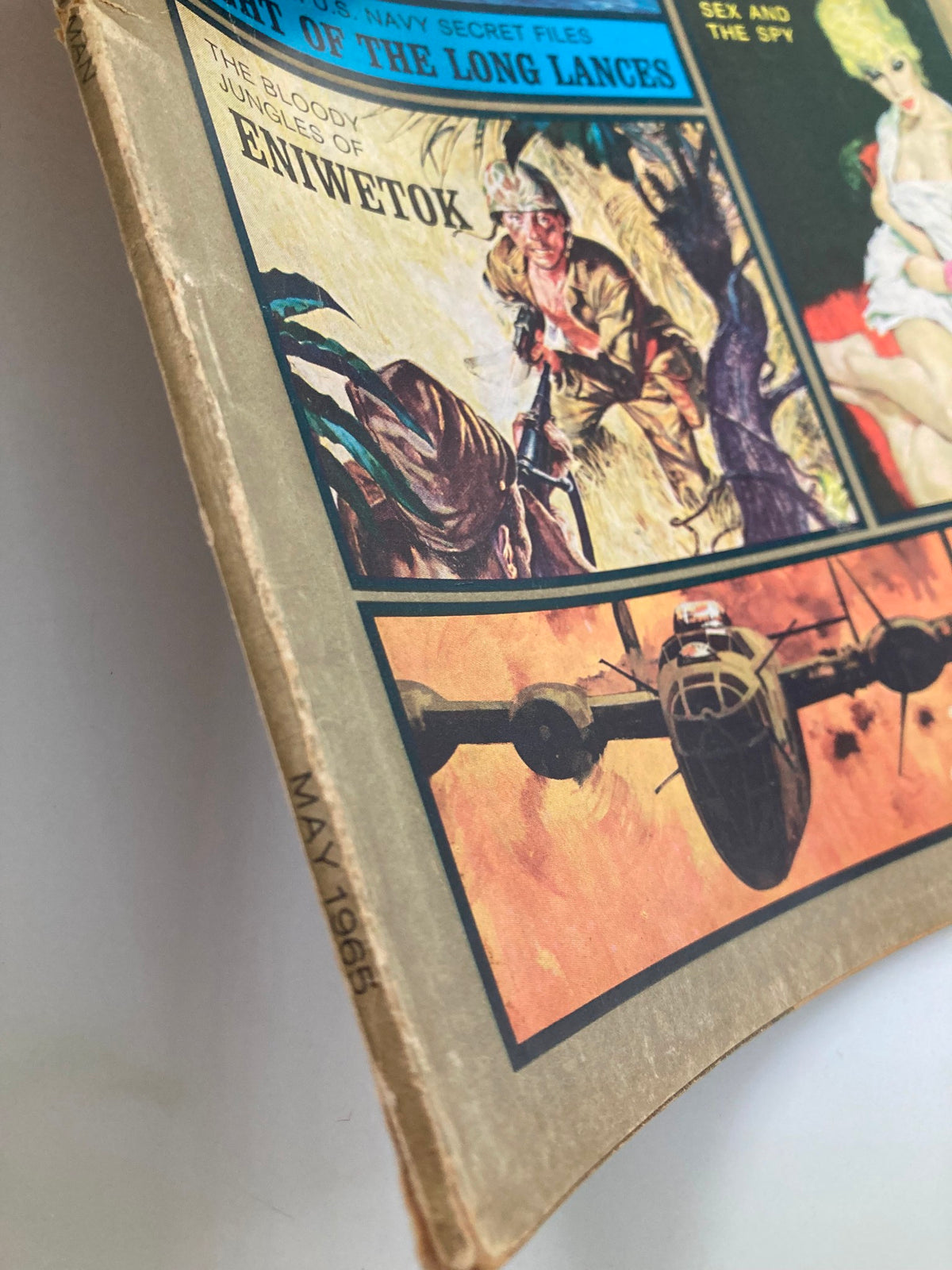
- Good condition with minor wear throughout, marks noted, and visible binding wear that still holds together, all important factors when comparing surviving examples.
- Specific article authors, additional story titles, illustrations, advertisements, page numbers, and full interior contents are not confirmed from the listing, so no additional inside features are assumed here.
Condition & Rarity
The listing describes the magazine as being in good condition, with minor wear throughout, some marks, and binding wear while still holding together nicely. It is also described as having no label and a plastic protective covering. In collector terms, the no-label detail is meaningful because it leaves the front cover free from subscription or address-label interruption, which generally improves display presentation. Minor overall wear and marks are expected on magazines from 1965, especially examples that were read, stored, handled, or moved over several decades. Binding wear should be evaluated carefully because it affects both readability and long-term stability, even when the magazine remains intact. The plastic covering is a later preservation measure rather than an original publishing feature, but it helps reduce additional dust exposure, surface rubbing, corner wear, and handling damage. When comparing surviving examples, collectors would typically examine cover clarity, spine strength, page completeness, edge wear, interior cleanliness, and whether any story or illustration pages have been clipped, torn, or marked. Because the issue is valued partly as a period reading object, a secure binding and complete interior can matter as much as surface appearance.
Looking for More Issues Like This?
Mid-1960s men’s magazines can be difficult to match by exact title, date, condition, and label status, especially when collectors are looking for complete examples rather than loose covers or partial copies. Readers interested in the broader print culture surrounding this issue may want to browse the 1965 magazines collection for other publications from the same year. Comparing magazines by year can help reveal how different titles handled fiction, lifestyle, advertising, gender roles, and popular entertainment during the same cultural moment.
Looking across 1965 helps place The American Man alongside the wider magazine world of the period, from fiction and entertainment to lifestyle, news, sports, and popular culture. That year-based context is often the best way to understand how a single issue fits into the larger landscape of American print history. It also gives collectors a useful path for building a more complete view of mid-1960s publishing beyond the most familiar magazine titles.