




Description
Collector's Note – Why This Issue Matters
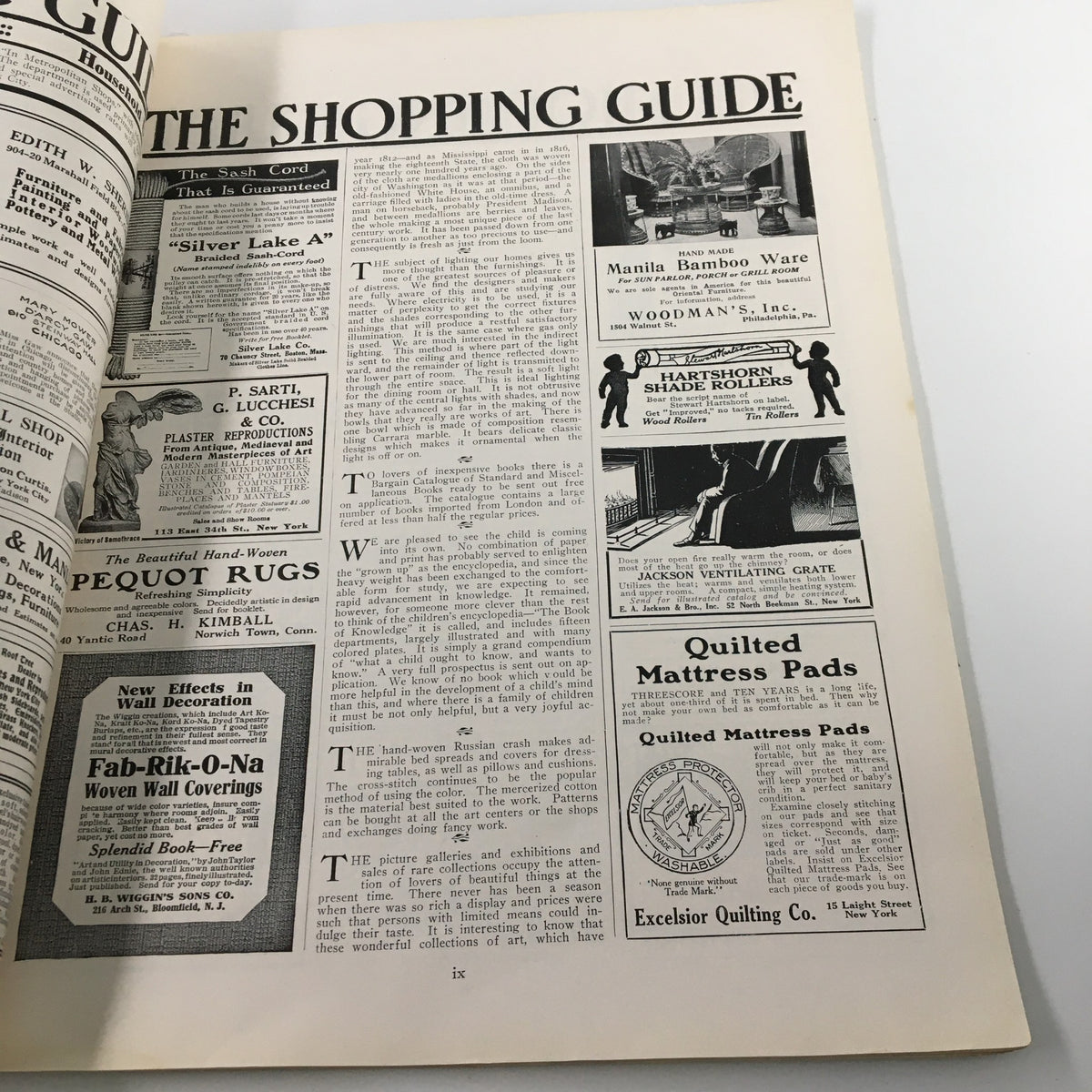
This June 1912 issue of The House Beautiful arrives during the magazine's early independent era, published under editor Herbert S. Stone, who guided the title from 1898 until 1913, more than two decades before Hearst Corporation acquired the publication in 1934. Founded in 1896 from an essay by a Chicago preacher on the value of a home that was simple, useful, and personal, House Beautiful had by 1912 firmly established itself as a serious voice in American interior design and domestic life, making it the oldest continuously published shelter magazine in the country even at this relatively early point in its run. A shopping guide feature within this issue reflects the practical, advice-driven editorial approach that distinguished House Beautiful from purely aspirational design publications, since the magazine's founding philosophy emphasized livable, attainable beauty in the home rather than display for its own sake. For collectors of early American shelter magazines, an issue from this pre-Hearst period offers a direct link to the publication's original editorial voice and design sensibility, before later ownership changes would reshape its scope and presentation. The year 1912 itself sits within a period of significant transition in American domestic life and design, as Progressive Era ideals about efficiency, hygiene, and rational home management were increasingly shaping how middle-class households approached furnishing and shopping for the home.
The magazine's focus on shopping guidance in this particular issue also reflects a broader shift taking place in American consumer culture during the early 1910s, as mail-order catalogs, department stores, and an expanding array of home goods manufacturers gave readers more purchasing options than ever before. A dedicated shopping guide feature would have served House Beautiful's readers as a practical tool for navigating this growing marketplace, helping them apply the magazine's broader design philosophy to actual purchasing decisions for their homes. This kind of service journalism, pairing aesthetic guidance with concrete buying advice, was an important part of how early twentieth-century shelter magazines built reader loyalty and practical relevance beyond simply showcasing beautiful interiors. Illustrations accompanying this kind of content were similarly important to the era's design magazines, since photographic reproduction was still developing and detailed illustrations often did more to convey texture, pattern, and form than the printing technology of the period otherwise allowed.
For collectors, this issue offers a meaningful artifact from House Beautiful's foundational decades, when the magazine's editorial identity was still being actively shaped by its earliest editors and its core philosophy of accessible, livable design was taking concrete form on the page. That early, pre-Hearst period of the magazine's history is a particularly significant area of focus for collectors and design historians studying the origins of the American shelter magazine genre, and issues from this period within the broader House Beautiful magazine collection are correspondingly scarcer than later twentieth-century material.
About the Publication
The House Beautiful, first published in 1896, holds the distinction of being the oldest continuously published shelter magazine in the United States, a genre defined by its editorial focus on architecture, interior design, gardening, and domestic life. The magazine was founded on the principle that a home should be simple, useful, and personal, an ethos established in its earliest issues that continued to guide its editorial direction throughout its early decades under successive editors, including Herbert S. Stone, who led the publication from 1898 to 1913. During this period, the magazine combined feature articles on interior design and domestic architecture with practical guidance for homeowners, including shopping and purchasing advice, illustrated throughout with the detailed line drawings and photography typical of design publications in the early twentieth century. Its readership consisted of middle and upper-middle-class American homeowners interested in applying current design thinking to their own domestic spaces, a readership the magazine served through a consistent blend of aspirational content and genuinely practical advice. This combination of design authority and accessible, applicable guidance distinguished House Beautiful from more purely decorative publications and helped establish the editorial template that shelter magazines would continue to follow throughout the twentieth century.
Key Highlights Inside
- A shopping guide feature addressing home furnishings and goods available to readers in 1912. Service-oriented shopping content was an important part of House Beautiful's early editorial approach, pairing design philosophy with practical purchasing guidance. This kind of feature reflects the magazine's effort to make good design genuinely attainable for its readership.
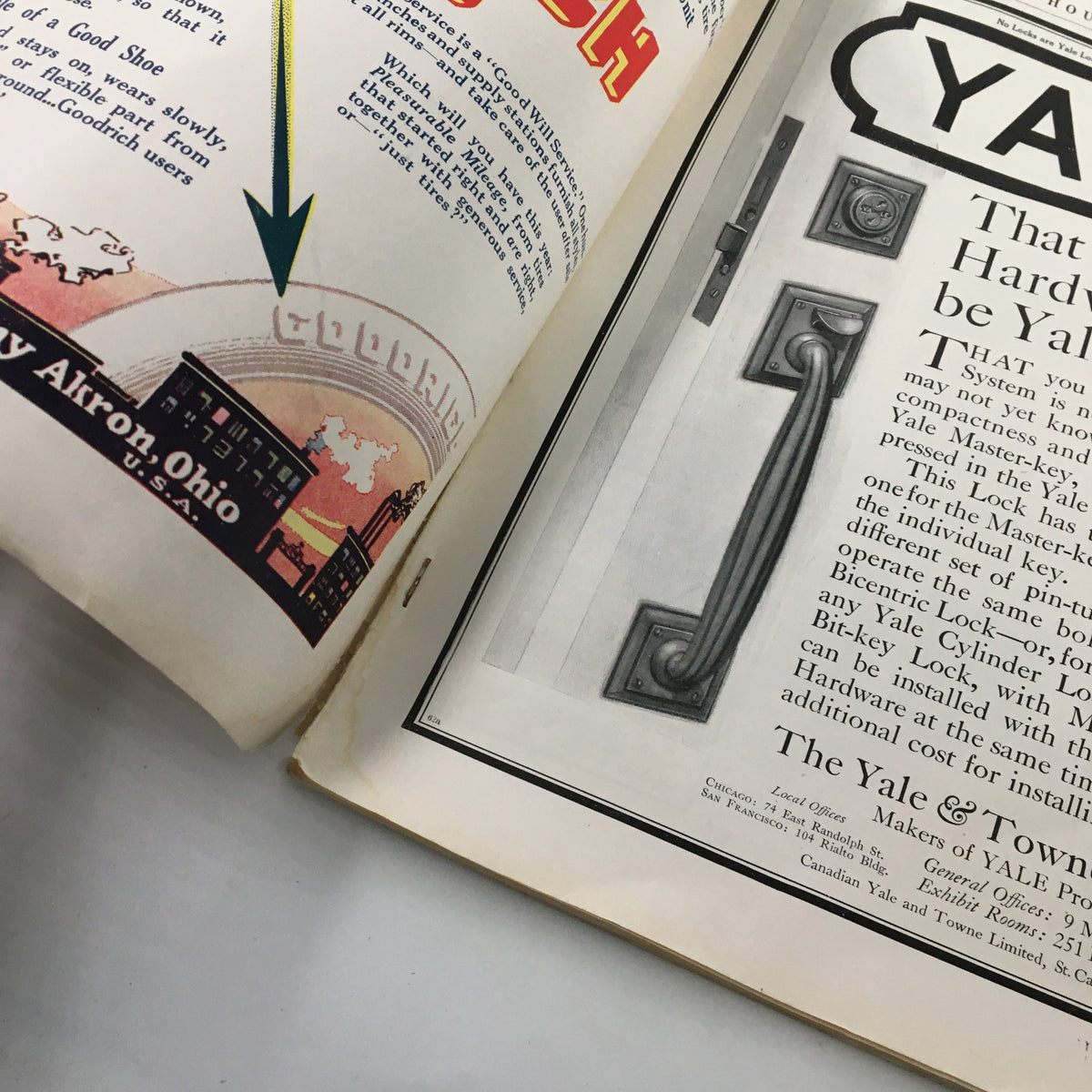
- Illustrations characteristic of early twentieth-century design magazines, used to convey furnishings, patterns, and interior details. Detailed illustration work was an essential tool for design publications of this era, given the technical limitations of photographic reproduction at the time. These illustrations would have played a central role in communicating the visual content of the magazine's shopping guidance.
- Additional editorial content typical of House Beautiful during the Herbert S. Stone editorship, addressing interior design and domestic life more broadly. Specific additional articles for this particular issue are not detailed beyond the shopping guide feature and are best confirmed by examining the issue directly. Readers interested in the full editorial scope of this issue are encouraged to view it firsthand.
Condition & Rarity
Surviving copies of this issue are generally evaluated using the same standards collectors apply across vintage design and lifestyle magazines: cover and spine integrity, page completeness, and overall condition free of significant moisture damage, foxing, or brittleness given the issue's considerable age. A copy described as being in good condition, with minor wear, marks, and creases throughout, reflects a reasonable survival state for a periodical now well over a century old. Wear concentrated on the binding and front corners is a common characteristic of magazines from this early era, since the paper stock, adhesives, and stitching methods used in 1912 were considerably less durable than those developed in later decades. A plastic protective sleeve is a standard and effective safeguard for an issue of this age and fragility, helping prevent further handling wear and environmental damage, though it cannot reverse deterioration that occurred prior to the magazine's preservation. Given the considerable rarity of surviving periodicals from this early period of American shelter-magazine publishing, collectors generally place significant value on issues that remain intact and legible despite visible wear, rather than expecting near-pristine condition. Pages free of active brittleness or further tearing represent the most relevant benchmark for assessing the ongoing stability of a magazine this old, regardless of its cosmetic imperfections.
Looking for More Issues Like This?
An issue of The House Beautiful from 1912, predating the magazine's 1934 acquisition by Hearst Corporation by more than two decades, is a genuinely significant find for collectors and researchers studying the early history of American shelter magazines. If this particular issue isn't available, it's worth browsing the broader House Beautiful magazine collection for other issues spanning this title's long and historically important run. Collectors focused on the era itself may also want to look through the full range of 1912 magazines for other issues from the same year. Each of these collections offers a different way into the period, whether the interest lies in this specific title's foundational editorial history or the broader cultural snapshot of American life and design in a single year. A single year's worth of magazines often tells a fuller story than any one issue alone, particularly for a year that captured the design sensibilities of the Progressive Era. Browsing by publication can also help collectors and researchers trace how House Beautiful's editorial voice evolved from its earliest independent decades through its later Hearst-era years. Whichever angle appeals most, these collections are a useful starting point for going deeper into this foundational period of American design publishing.