


Description
Collector's Note – Why This Issue Matters
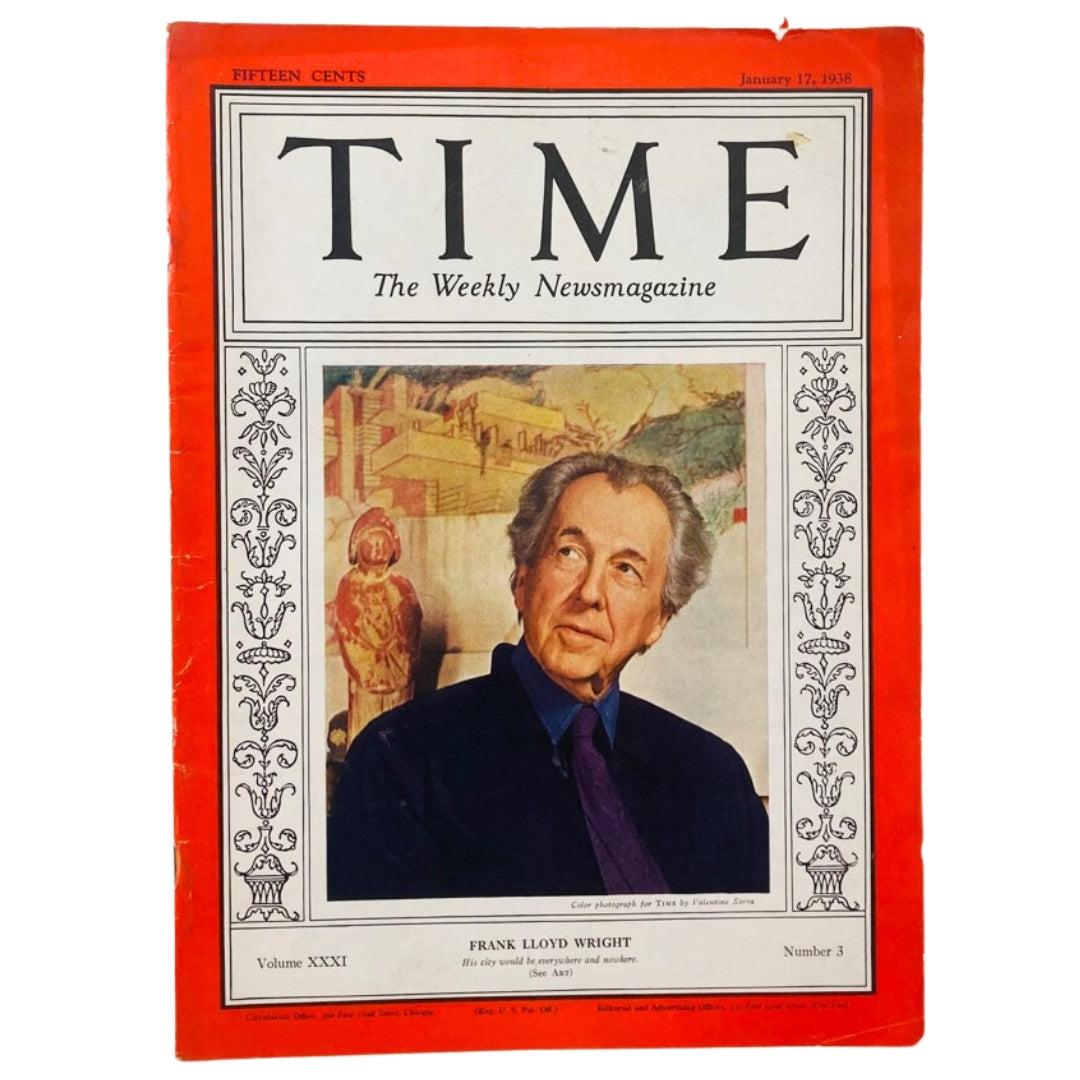
By January 1938, Frank Lloyd Wright was 70 years old and in the midst of one of the most remarkable creative revivals in the history of American art. The preceding decade had been professionally difficult — commissions were scarce during the Depression years, and critics had begun to speak of him in the past tense. Then came Fallingwater. Completed in 1936 and published in architectural journals to international astonishment, the Bear Run house in rural Pennsylvania announced that Wright was not a historical figure but an active, disruptive force. Time placing him on the cover in January 1938 was, in that context, a formal declaration: this man was news again. For collectors building through the Time magazine archive, this issue marks one of the most culturally significant cover appearances the publication produced across its entire first decade.
Wright's relationship with American public life was never simple. He was famous for his ego as much as his buildings, and Time cover treatment in the 1930s carried a weight that is difficult to overstate. The magazine was then at the height of its influence as a national agenda-setter, and a cover portrait was the closest thing the era had to a viral cultural moment. The January 17, 1938 issue arrived with Fallingwater's fame still fresh and Taliesin West — Wright's desert compound in Arizona — under construction. It captured him at a precise inflection point: the moment American mainstream culture caught up with what the architecture world had quietly known for years. Collectors focused on 1938 magazines will find this issue occupying a singular position among the year's most document-worthy covers.
The broader cultural moment matters too. January 1938 sat between the tail end of the Depression and the gathering shadows of European conflict. American identity — its relationship to modernism, to indigenous design traditions, to the idea of an architecture that grew from the land rather than importing European forms — was very much in active negotiation. Wright was the most visible participant in that argument. This issue of Time is, among other things, a primary document in that conversation.
About the Publication
Time was founded in 1923 by Henry Luce and Briton Hadden as the first American weekly news magazine, designed to synthesize and interpret the week's events for a busy, educated readership. By the late 1930s it had become the most widely read news publication in the United States, with a format built around sharp narrative writing, opinionated framing, and the cover portrait as a recurring device for elevating individuals into national symbols. Volume 31, No. 3 places this issue in the magazine's fifteenth year of publication — well into its established editorial identity and at the peak of its cultural authority in the pre-television era. The cover subject in any given week was understood by readers as a editorial judgment about who mattered most in American life at that moment.
Key Highlights Inside
- Frank Lloyd Wright cover portrait — The cover itself is the primary artifact. Wright's appearance on Time's cover in early 1938 coincided directly with the national recognition of Fallingwater and his broader creative resurgence, making the image an historically anchored document rather than a routine celebrity feature.
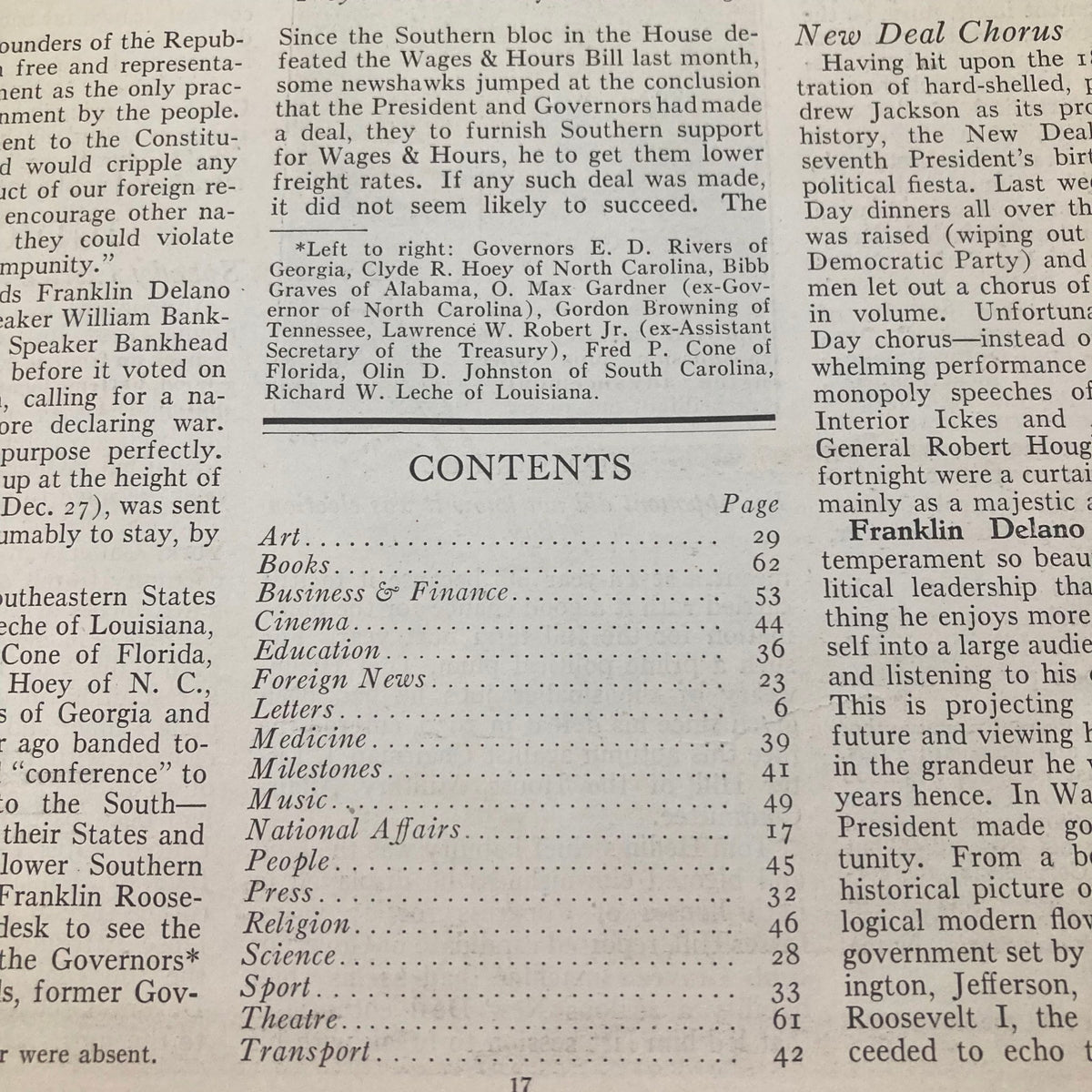
- Interior profile on Wright — Time's cover subjects were consistently paired with substantial interior features. While specific article details from this issue are not confirmed in the listing, standard editorial practice at the magazine in this era involved a multi-page profile accompanying every cover appearance.
- News digest of January 1938 — True to Time's weekly format, the issue would have surveyed domestic and international events of the preceding week, including the ongoing Spanish Civil War, the early stages of Japanese military expansion in China, and Roosevelt-era domestic policy developments.
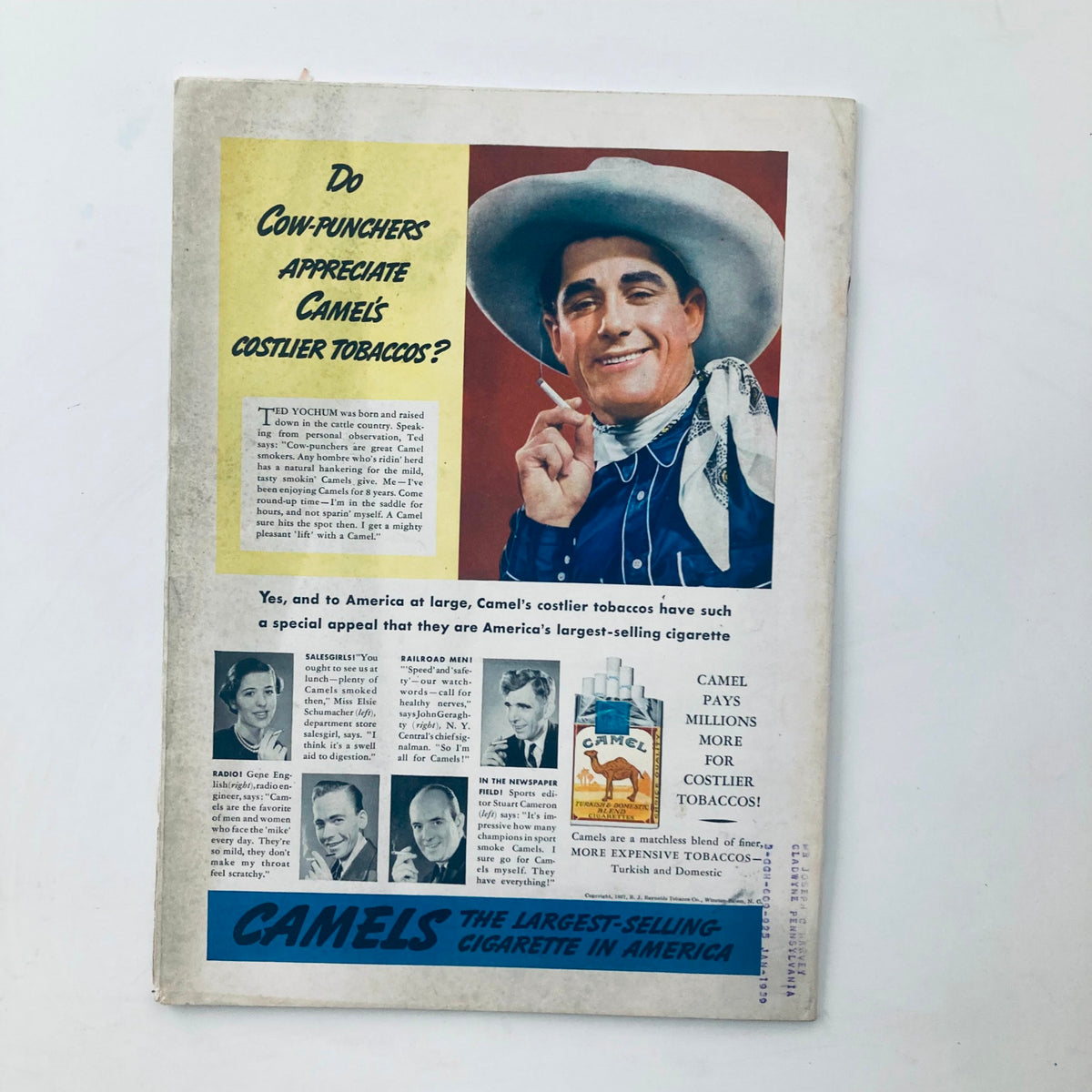
- Period advertising — Advertisements throughout a 1938 issue of Time constitute their own historical record, documenting the visual language and consumer landscape of Depression-era America at a moment of cautious economic recovery.
Condition & Rarity
Surviving copies of this issue present the condition challenges typical of any American weekly magazine approaching 90 years of age. Time in the 1930s was printed on paper stock that was not archival by design — these were disposable news products, not collectibles, and relatively few copies were preserved with any intentionality. A copy described as good condition with a protective plastic covering suggests the pages have remained intact without significant brittleness, browning, or moisture damage, which represents a meaningful threshold for material of this age. The absence of specific mention of label damage or subscription markings is a positive indicator for cover presentation, since mailed subscription copies of this era frequently carried ink stamps or address labels directly on the cover image. Any surviving copy of this issue retaining a clean, unobstructed cover portrait and structurally sound binding should be regarded as genuinely collectible within the pre-war Time market.
Looking for More Issues Like This?
Pre-war issues of Time featuring major cultural figures are among the more sought-after targets in the American weekly magazine collector market, and the Frank Lloyd Wright cover in particular surfaces infrequently in collector-grade condition. The broader Time magazine collection is the most practical place to continue searching across decades and cover subjects. For collectors focused specifically on the period, the 1938 magazine archive spans publications and subjects from across that pivotal year and is worth browsing in full.