
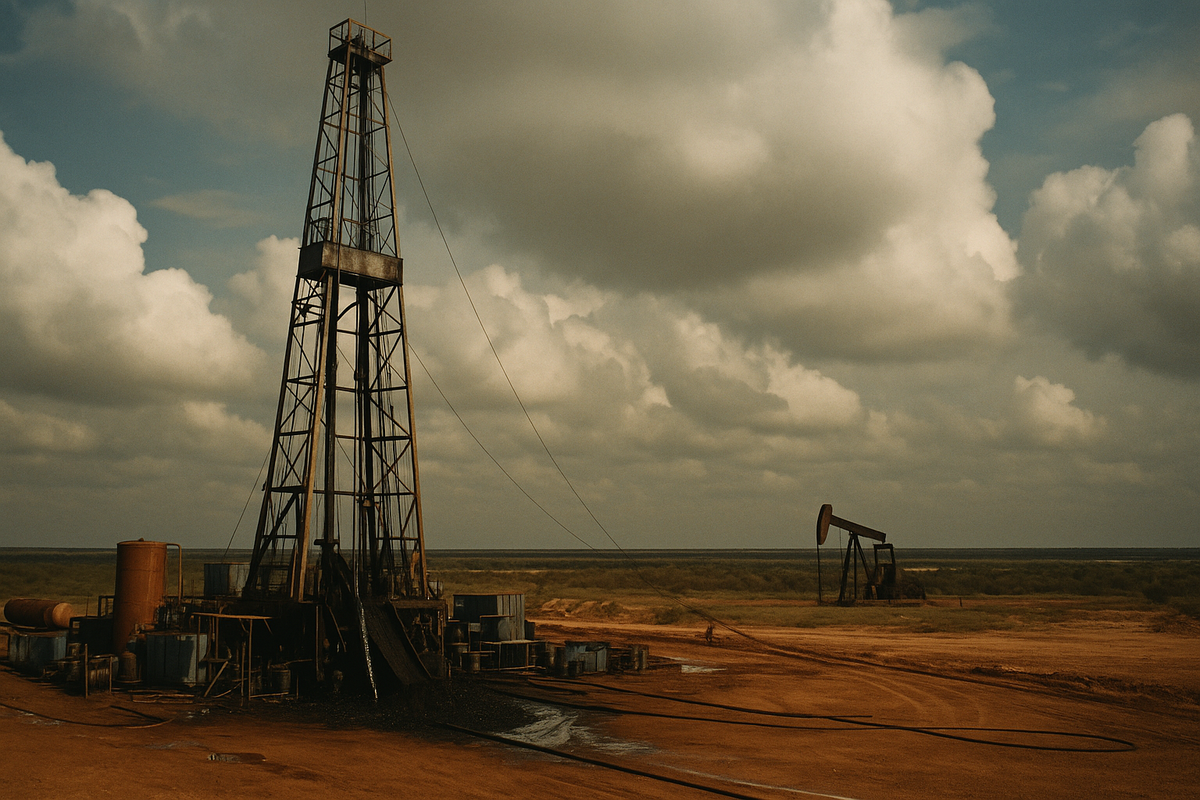
The Day Mexico Became an Oil Giant
Inside Forbes' 1977 bombshell that redrew the global energy map
July 1, 1977. America was still nursing wounds from the OPEC embargo. Gas lines were a recent memory. Energy independence felt like a fantasy. Then Forbes Magazine landed on newsstands with a story that changed the conversation: Mexico—poor, overlooked Mexico—had just discovered enough oil to rival Alaska's Prudhoe Bay.
The headline said it all: "A Neighbor Strikes It Rich."
This wasn't just business news. It was a geopolitical earthquake wrapped in glossy pages.
The Context That Made This Story Explode
Four years earlier, the 1973 Arab-Israeli War had triggered an oil embargo that sent shockwaves through Western economies. Prices quadrupled overnight. The United States, suddenly vulnerable, watched its industrial dominance threatened by foreign suppliers who could turn off the tap at will.
Then came Pemex—Mexico's state-owned oil company—with discoveries in the Gulf of Campeche and the Isthmus of Tehuantepec that promised to rewrite the energy map. By 1977, proven reserves stood at 14 billion barrels, nearly 40% of U.S. levels. New finds suggested potential totals as high as 60 billion barrels.
For Mexico, this meant power. For the United States, it meant energy security might not require looking across oceans—just across the southern border.
Archive Details
Publication: Forbes Magazine
Issue Date: July 1, 1977
Featured Story: "A Neighbor Strikes It Rich"
Key Figure: Jorge Díaz Serrano, Director General of Pemex
Historical Context: Post-1973 OPEC embargo era
Forbes Tells the Story of Sovereignty
Forbes in 1977 had perfected the art of business journalism as cultural commentary. The magazine's coverage of Pemex demonstrated exactly why it dominated the field.
At the center of the story stood Jorge Díaz Serrano, Pemex's director general—a technocrat with nationalist fire, determined to transform Mexico into a global energy force. His confident portrait in the magazine radiated the ambition of a nation seizing its moment.
But Forbes did something brilliant: it paired modern production charts with historical memory. The magazine reprinted the iconic 1938 photograph of Mexico City crowds burning effigies of foreign oil companies—a direct reference to President Lázaro Cárdenas's nationalization of the petroleum industry. The message was unmistakable: this oil boom was about more than economics. It was about reclaiming dignity.
The numbers told one story: Pemex planned to surge from 894,000 barrels per day to 2.3 million by 1982, making Mexico the world's fifth-largest producer. The symbolism told another: Mexico's oil belonged to Mexico, and no foreign power would control it again.
What Made This Moment Unprecedented
For the United States, watching nervously from the north, this represented both opportunity and complexity. A stable, friendly oil supplier next door was ideal. A fiercely independent Mexico controlling that supply was a new kind of negotiation.
The Legacy Forbes Documented
The Pemex boom of 1977 represented something rare: a developing nation seizing control of global commodity markets and challenging the established order. Mexico wasn't asking permission. It was announcing arrival.
Forbes documented this shift with the precision and narrative power that defined great business journalism—understanding that numbers alone don't tell the story. Behind every barrel per day target was a question of national identity. Behind every refining capacity chart was a memory of exploitation.
Today, as debates rage over energy independence, resource nationalism, and the balance between sovereignty and global markets, the 1977 story resonates with fresh urgency. The questions Pemex faced—how to develop resources without surrendering control, how to negotiate with powerful neighbors without compromising principles—remain central to geopolitics.
Why This Issue Matters to Collectors
This isn't just a magazine. It's a primary source document for understanding how energy transformed the 20th century.
The Artifact
The July 1, 1977 issue of Forbes Magazine stands as one of the most significant energy stories of its era. For historians, it's a case study in resource nationalism at a pivotal moment. For collectors, it's a prized specimen of 1970s geopolitical journalism.
Browse Forbes Magazine CollectionFrom the 1930s to the 1980s, Forbes chronicled the rise of industries, leaders, and seismic global shifts. Each issue is a piece of history, preserved in print and waiting to be rediscovered.