
The Wicked Witch and the Working Woman
How a 1973 Ladies' Home Journal Dared to Challenge America
February 1973. A woman opens her mailbox, pulls out the latest issue of Ladies' Home Journal, and expects recipes. Instead, she finds a manifesto.
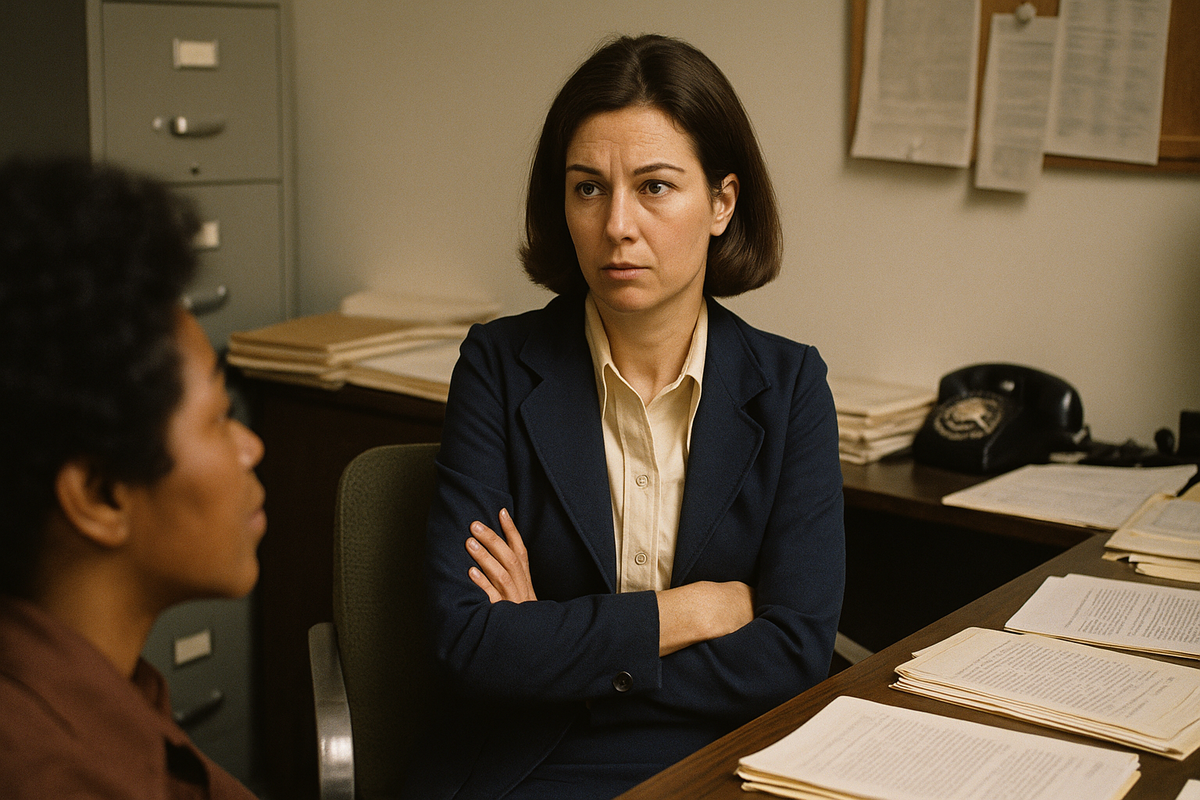
Tucked between the beauty columns and household tips was Letty Cottin Pogrebin's "The Working Woman"—an essay that didn't ask permission to exist. It named the unspoken: that women bosses were called "wicked witches" while men were called "decisive." That competence in a woman triggered suspicion. That millions of women were flooding into workplaces designed to keep them out.
This wasn't radical literature printed in a basement. This was Ladies' Home Journal—the magazine that had spent decades teaching women how to set a proper table. Now it was teaching them how to overturn one.
Archive Details
Featured Author: Letty Cottin Pogrebin, co-founder of Ms. Magazine
Publication: Ladies' Home Journal, February 1973
Historical Context: Published one month after Roe v. Wade, one year after Title IX
Archive Significance: Document of second-wave feminism entering mainstream media
When the Mainstream Couldn't Look Away
The early 1970s didn't whisper change. It shouted. Title IX had just passed in 1972, cracking open educational institutions that had barred women for generations. The Equal Rights Amendment was splitting dinner tables and state legislatures. Childcare, workplace protections, reproductive rights—these weren't fringe demands anymore. They were primetime arguments.
Letty Cottin Pogrebin, co-founder of Ms. Magazine, understood this shift better than most. "The Working Woman" arrived at the exact moment when American women stopped asking for a seat at the table and started building their own furniture. Pogrebin dissected the prejudices women leaders faced: the double standards, the heightened scrutiny, the resentment from colleagues who saw a female boss as an affront to natural order.
What made this essay seismic wasn't just its content. It was its venue. Ladies' Home Journal had been the arbiter of domestic ideals since 1883. For this magazine to platform workplace feminism wasn't editorial experimentation—it was cultural surrender. The old guard was admitting that the world had moved, and they had to move with it.
What Pogrebin Named Out Loud
"The Working Woman" refused to soft-pedal. Pogrebin cataloged the indignities with surgical precision:
Pogrebin didn't just theorize. She included testimonials—real voices from real offices, describing both the women bosses who shattered expectations and the ones who confirmed every bias. The essay argued that liberation required both genders to dismantle inherited beliefs about power, competence, and who got to wield them.
This was feminism written for the woman who didn't call herself a feminist yet. It met readers where they lived: in offices, in frustration, in the gap between what they were told they could be and what they were actually becoming.
The Magazine That Held the Mirror
By 1973, Ladies' Home Journal was a conflicted institution. It had spent decades codifying middle-class femininity—teaching women how to be better wives, better mothers, better hostesses. But the women reading it were changing faster than the magazine could pivot.
The February 1973 issue captured that tension perfectly. The cover promised the expected blend: beauty, home, lifestyle. Inside, those promises sat alongside Pogrebin's essay, which functioned less like content and more like contraband. The juxtaposition wasn't an accident. It was the magazine's way of saying: We see you. You're still managing a household. You're also managing a career. Both are real.
This editorial choice transformed Ladies' Home Journal from a relic into a witness. It acknowledged that feminism wasn't a subculture anymore—it was the weather. Women were in boardrooms, courtrooms, newsrooms. The magazine could either document that or become irrelevant.
It chose documentation.
Why This Issue Still Matters
The February 1973 Ladies' Home Journal is a historical fulcrum. It captures the moment when mainstream women's media stopped pretending the world wasn't burning and started covering the fire.
Collector Significance
For collectors, this issue isn't nostalgia. It's evidence. Evidence that change happened, that women fought for it, and that even the institutions built to domesticate them eventually had to acknowledge their power.
Own a Piece of the Revolution
This isn't a reprint. This is the original—ink on paper, February 1973, exactly as it appeared when "The Working Woman" first reached American homes.
Browse Ladies' Home Journal Magazine CollectionFrom the feminist awakenings of the 1970s to the domestic ideals of earlier decades, each issue is a time capsule. Not a reproduction. Not a summary. The real thing.
The Legacy in Your Hands
The February 1973 Ladies' Home Journal remains one of the most significant issues in American magazine history. By publishing Letty Cottin Pogrebin's "The Working Woman," the editors admitted what everyone already knew but few were willing to print: women weren't just entering the workforce. They were reshaping it.
This magazine didn't change the world. But it recorded the moment when the world refused to stay the same. And for collectors, historians, and anyone who believes that understanding the past is the only way to navigate the present—that makes it irreplaceable.