
When Photography Became Journalism
The 1936 LIFE Magazine That Changed Everything
On December 14, 1936, Americans opened their mailboxes to find something dangerous.
Not a magazine—a mirror. The fourth issue of LIFE Magazine had arrived, and buried inside its glossy pages was a photo-essay so unflinching that it would redefine what journalism could be. No long columns of sympathetic prose. No carefully worded editorials. Just photographs—raw, unsparing, impossible to ignore.
The subject: Britain's coal towns, left to rot after the mines shut down. The method: let the camera do the talking. The result: a new language for human suffering.
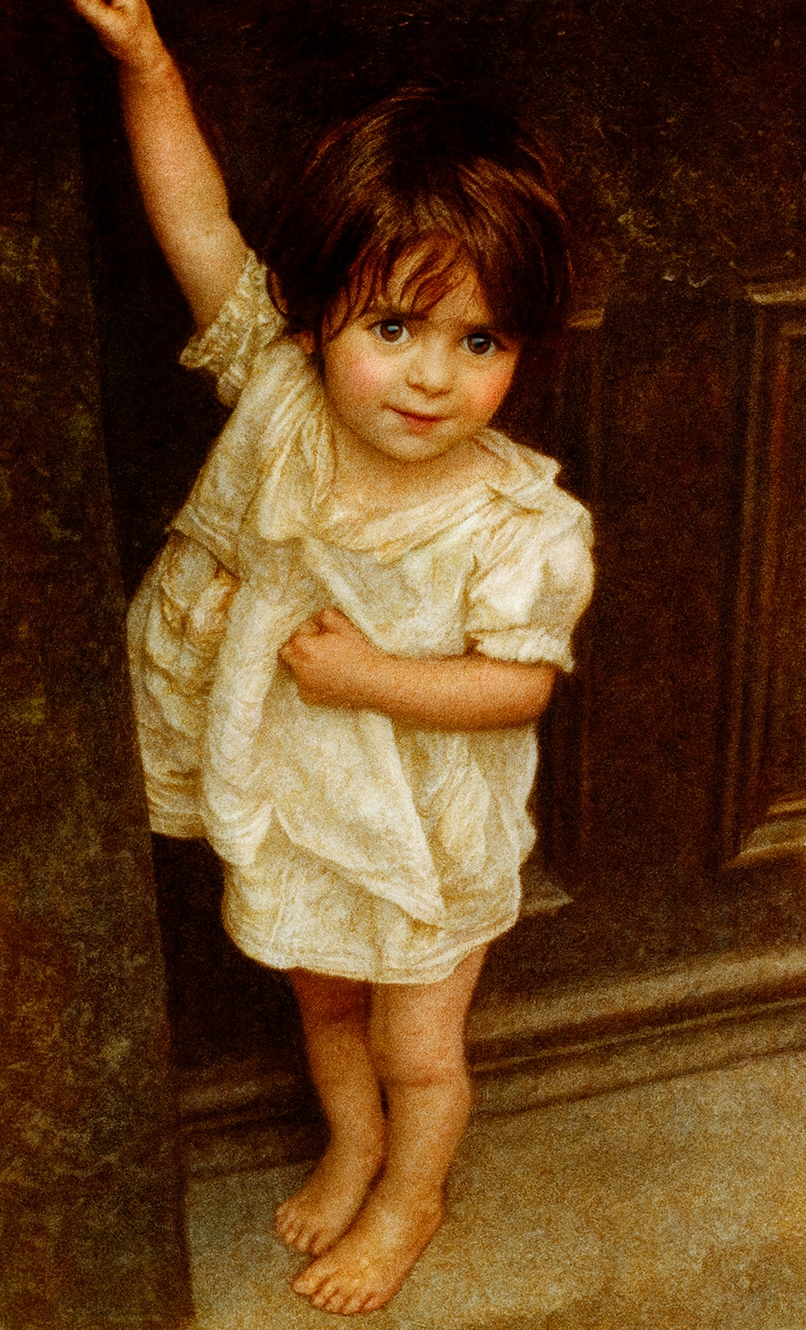
One image would haunt readers for decades. A barefoot child in a torn dress, staring into the lens with the blank resignation of someone twice her age. The caption: "Of course I'll be like Daddy and go on the dole when I grow up."
This wasn't reporting. This was witnessing.
Historical Context
Issue: LIFE Magazine, Volume 1, No. 4
Publication Date: December 14, 1936
Feature: "The Depressed Areas" – Britain's Coal Towns in Crisis
Historical Figure: King Edward VIII (abdicated December 1936)
Archive Significance: Fourth issue in LIFE's foundational run
The Collapse No One Could Ignore
Britain's coal regions—South Wales, Tyneside, Cumberland, Durham—had fueled the Industrial Revolution for a century. By 1936, they were graveyards. Exhausted seams, collapsing global demand, and an industrial system that had wrung every ounce of profit from the earth left over 1.6 million Britons without work. Entire towns went dark. Pitheads stood empty. Men who had worked underground for generations now stood idle in doorways, stripped of purpose.
The British government offered scraps: relocation schemes, training programs that led nowhere, and "the dole"—unemployment relief payments that kept families alive but did nothing to restore dignity. King Edward VIII visited the devastated regions and, in a moment that scandalized the establishment, declared that "something must be done." It was one of his few acts of leadership before abdicating the throne that same year.
For American readers still clawing their way through the Great Depression, the images struck with brutal familiarity. Economic collapse wasn't a local tragedy—it was global contagion.
Photography as Truth
LIFE Magazine had launched only weeks earlier with a radical premise: images could carry more truth than words. The "Depressed Areas" feature proved it.
No studio portraits. No staged compositions. Just documentary evidence, stark and immediate:
Children trudging through rain-soaked alleys in Jarrow, their faces blank with the knowledge that nothing would change.
A coal miner who hadn't seen steady work in years, photographed with the clinical precision of an autopsy.
Women crouched in slag heaps, scratching coal scraps by hand for pennies—survival labor that humiliated even as it sustained.
Mothers and children blackened with coal dust, ghosts of an industry that had already buried them.
The captions didn't soften the blow. They drove it deeper. These weren't photographs about poverty—they were poverty itself, frozen and inescapable.
What the Camera Captured
The photo-essay moved through Britain's industrial ruins like a coroner's report, documenting not just what had died but how it died:
Yet even in this catalogue of collapse, LIFE captured something unexpected: resilience. Families still smiled in moments. Children still played in the streets. Hope didn't thrive—but it survived.
The Issue That Defined an Era
The December 14, 1936 issue carried an ironic cover: the Archbishop of Canterbury in formal regalia, signaling LIFE's early commitment to blending religious, political, and cultural coverage. But once inside, the "Depressed Areas" spread dominated everything. The juxtaposition was almost cruel—the pomp of the Church against the poverty of the faithful.
This was photojournalism at full power. The words provided structure and statistics, but the photographs did the work journalism had always struggled to do: they made readers feel the weight of other people's lives. Unlike magazines that still relied on illustrations or posed portraits, LIFE insisted on unvarnished reality. That commitment made it essential. That commitment made it iconic.
Why It Endures
What makes this issue timeless is its refusal to comfort. The photographs don't romanticize poverty or dramatize suffering—they simply present life as it was, with a clarity that makes evasion impossible. In doing so, they preserve a truth that political speeches and economic reports could never convey.
In an era where news evaporates within hours, vintage LIFE magazines offer something increasingly rare: permanence. Each issue was studied, saved, passed along. They became family artifacts, evidence that people once cared enough about the world to hold it in their hands and really look.
That permanence is what makes them collectible. That honesty is what makes them indispensable.
For Collectors and Historians
Explore the Archive
Original LIFE Magazine issues from the 1930s through the 1970s offer an unfiltered view of decades as they unfolded in real time—culture, politics, war, art, all documented with the urgency of first witness.
Browse LIFE Magazine CollectionThe December 14, 1936 issue of LIFE Magazine remains a landmark in photojournalism—the moment when images proved they could carry as much truth as words, perhaps more. Britain's industrial collapse became America's education. And readers learned that some stories can only be told by showing, not explaining, the faces of people living through them.
Holding this issue today means holding that revolution—the moment photography stopped illustrating journalism and became journalism itself.