
When Federal Loans Made Front-Page News
The 1951 Jet Magazine That Documented Black America's Fight for Capital
On December 27, 1951, a pocket-sized magazine hit newsstands with Lena Horne's face on the cover and a revolutionary story inside: proof that Black entrepreneurs were breaking through the credit wall.
That issue of Jet Magazine carried "Negroes Who Got RFC Loans"—a feature that named names, cited dollar figures, and documented something white newspapers refused to acknowledge: African Americans were securing federal financing in a nation that had systematically locked them out of every bank lobby from Atlanta to Los Angeles.
For Black readers in 1951, this wasn't economic reporting. It was evidence.
Archive Details
Publication: Jet Magazine
Issue Date: December 27, 1951
Cover Feature: Lena Horne
Key Story: "Negroes Who Got RFC Loans"
Historical Context: Pre-Civil Rights Act documentation of economic discrimination and federal lending to Black entrepreneurs
The Credit Wall and the Federal Loophole
By the early 1950s, African American veterans were returning from war to discover a bitter truth: their service meant nothing to loan officers. White GIs used VA mortgages to buy homes in the suburbs. Black GIs got rejected at the counter—sometimes with laughter, often without explanation.
The Reconstruction Finance Corporation—a Depression-era federal agency created to bail out railroads and banks—became an accidental lifeline. The RFC wasn't designed for Black entrepreneurs. It was designed to stabilize corporate America. But in rare cases, it approved loans that no private bank would touch.
Jet reported those cases like battle victories.
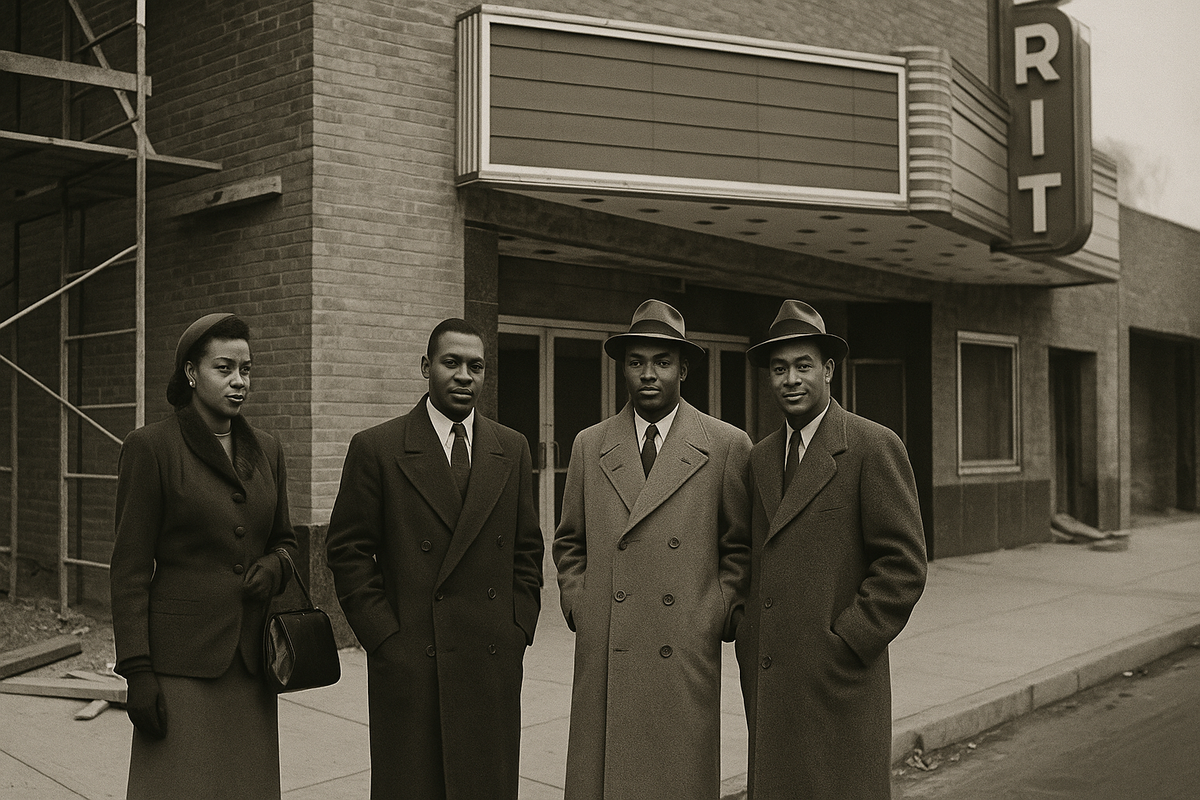
The magazine profiled ex-GIs Hayward Weaver, George Pryor, and Edward D. Bonner Jr., who secured $36,500 to build a modern theater in Waco, Texas. It covered Rev. Elder Solomon Lightfoot Michaux, the Washington, D.C. religious leader who negotiated a staggering $3.5 million for a Negro housing project—one of the largest federal loans ever allocated to a Black-led initiative at that time.
These weren't feel-good anecdotes. They were case studies in how to bypass a racist banking system.
What Mainstream Media Refused to Print
White publications in 1951 covered Black America in two modes: crime stories and entertainment fluff. Economic self-determination? That didn't fit the narrative.
Jet did something different. It treated Black business as front-page material. It named the bankers who turned applicants away. It published loan amounts, project details, and RFC approval dates. The magazine operated like an investigative wire service for a community that couldn't trust the Associated Press to tell its story.
The RFC article wasn't just journalism—it was strategic intelligence. Readers learned who got funded, how much they received, and what projects succeeded. Every detail mattered because every detail was a blueprint.
Lena Horne and the Editorial Paradox
The December 27, 1951 cover featured Lena Horne, celebrated as one of the world's sexiest Negro women. Inside: federal loan data and housing policy analysis.
This wasn't editorial confusion. It was editorial genius.
Jet understood that Black life couldn't be flattened into a single narrative. The same readers who wanted to see Lena Horne's latest film also needed to know which federal agencies were approving business loans. The magazine's pocket-sized format and bold orange-and-black design made it easy to carry on the bus, pass between friends, and read in barbershops. Its mix of glamour and policy reflected the fullness of African American ambition—beauty, business, and the relentless pursuit of economic power.
By pairing Horne's image with the RFC story, Jet made a statement: Black Americans weren't choosing between culture and capital. They were claiming both.
The Stories That Carried Weight
Veterans Turned Entrepreneurs
Weaver, Pryor, and Bonner didn't just build a theater in Texas. They proved that Black veterans could translate military discipline into business success when given access to capital.
Faith-Based Economic Development
Elder Solomon Lightfoot Michaux's $3.5 million housing loan represented more than construction funding. It demonstrated how Black religious leaders often served as de facto economic developers when white institutions abdicated responsibility.
Documentation of Discrimination
The article didn't soften the reality. It reported how white bankers ridiculed Black loan applicants. The RFC became newsworthy precisely because private banks were so hostile.
Symbolic Progress in Hard Numbers
The loans were statistically rare, but Jet understood their psychological impact. Each approval was a crack in the segregation economy.
The Enduring Power of Jet
Jet magazines endure because they functioned as an alternate historical record. Every issue documented what mainstream America chose to ignore: the strategies, victories, setbacks, and daily resilience of Black life in the 20th century. For historians, educators, and families tracing their own legacies, Jet remains irreplaceable.
Why This Issue Matters to Collectors
Pre-Civil Rights Documentation
Published thirteen years before the Civil Rights Act and seventeen years before the Fair Housing Act, this issue captures the economic fight that preceded the legal victories. It's primary source material for understanding how Black Americans pursued financial independence when the law still permitted discrimination.
Cultural Iconography
Lena Horne's cover appearance appeals to collectors of African American entertainment history, Hollywood ephemera, and mid-century celebrity culture.
Economic History Archive
The RFC article serves as original documentation of federal lending patterns in a segregated economy. Historians researching postwar Black entrepreneurship, housing policy, or veteran affairs programs rely on sources like this.
For Collectors and History Enthusiasts
If you're building a collection of African American history, business journalism, or mid-century media, the December 27, 1951 issue of Jet Magazine represents a critical acquisition—a document of economic resistance captured in real time.
Browse Jet Magazine CollectionFinal Word
The December 27, 1951 issue of Jet Magazine stands as a testament to how African Americans documented their own progress when the broader media establishment refused to do so. Its feature on "Negroes Who Got RFC Loans" captured the intersection of federal policy, veteran entrepreneurship, and systematic banking discrimination—while Lena Horne's cover reminded readers that Black excellence existed in every arena.
For collectors today, it's more than a magazine. It's proof that the fight for economic equality was always central to the civil rights movement—and that Jet was there, reporting every hard-won victory.