
The Magazine That Showed America the World Was Ending
How Life Magazine's September 11, 1939 issue captured the first week of World War II—and brought the battlefield into American living rooms
September 11, 1939. A date that should live in infamy but doesn't—not in America, anyway. While most remember December 7, 1941, fewer recall the autumn morning two years earlier when the world actually broke in half. But millions of Americans saw it happen. They saw it in their living rooms, transmitted not through radio static or newspaper columns, but through something more visceral: the stark, unsparing photojournalism of Life Magazine.
When readers opened their mailbox copies that week, they weren't just getting news. They were getting the first battlefield images of World War II—printed, bound, and delivered before most Americans had fully processed that Europe was at war again.
The Week Europe Crossed the Threshold
The late summer of 1939 was a pressure cooker about to explode. Hitler had already swallowed Austria in the Anschluss of 1938 and carved up Czechoslovakia months earlier. Each gambit succeeded. Each time, Britain and France blinked.
On September 1, at 4:30 a.m., German aircraft bombed the Polish city of Puck. Simultaneously, tanks and infantry poured across Poland's borders from three directions. This was Blitzkrieg—lightning war—and the world had never seen anything like it. Within hours, Warsaw was burning. Within days, Polish forces were encircled.
On September 3, Britain and France declared war on Germany. Life called it "Second Armageddon." For Americans still haunted by the trenches of 1917, the phrase landed like a punch.
Archive Details
Publication: Life Magazine
Issue Date: September 11, 1939
Cover Subject: Benito Mussolini
Historical Significance: First published battlefield photographs of World War II available to American civilians
Archive Classification: Critical WWII Documentation
What Life Understood That Newspapers Didn't
By 1939, Life Magazine had already changed journalism. Founded just three years earlier, it had perfected something revolutionary: the photo-essay. Not pictures as decoration, but photographs as primary evidence—images that were the story.
The September 11 issue deployed this power with surgical precision. What readers saw:
And the maps. Life published a double-page spread showing Poland caught in a German vise, with arrows indicating the pincer movement from East Prussia and Silesia aimed at Warsaw and the Polish Corridor to the sea. The geography of annihilation, explained in shaded zones and directional lines.
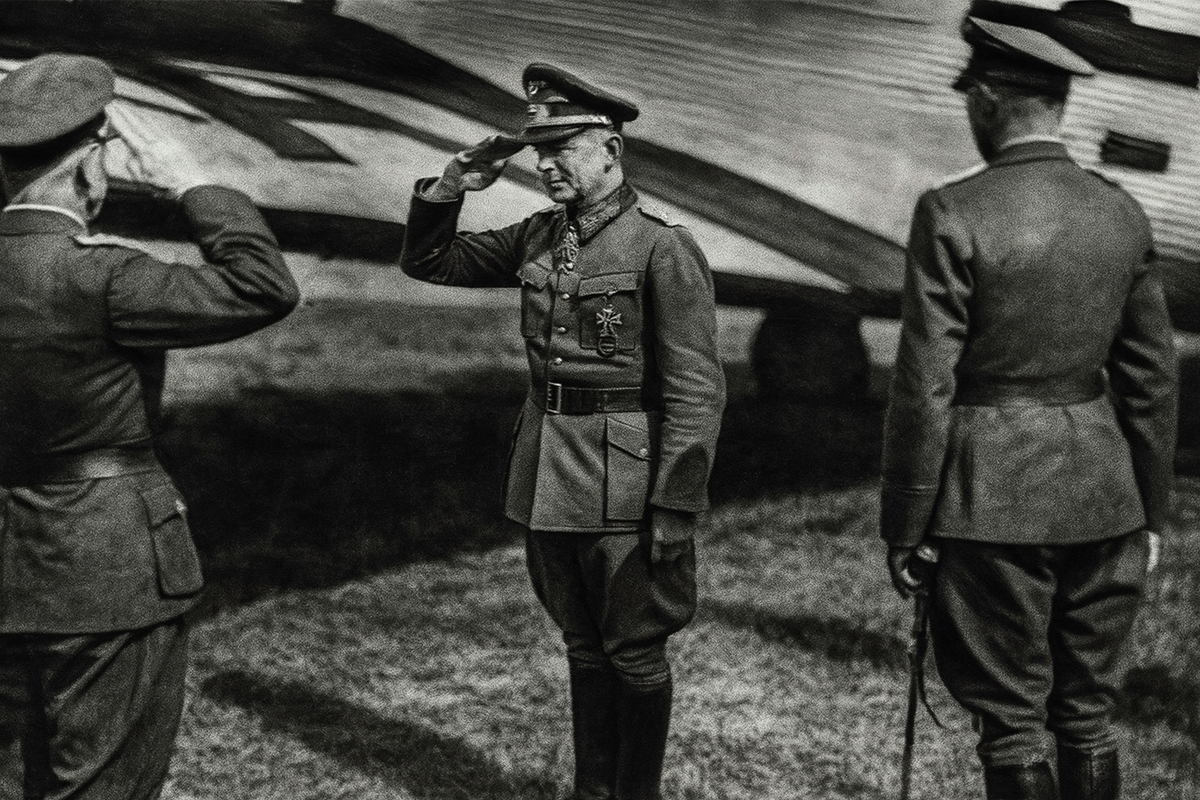
These weren't wire-service photos hastily cropped to fit column width. They were carefully curated fragments of history, selected for both information and impact. Life wanted readers to see faces—women digging, soldiers aiming, kings consulting, dictators posturing.
The Cover That Wasn't Hitler
The issue featured Benito Mussolini on the cover. Italy hadn't entered the war yet—wouldn't for another nine months—but Mussolini's alliance with Hitler made him the wild card. Would Italy honor the Pact of Steel? Would Mussolini seize the moment?
The editorial choice was deliberate. This wasn't just Germany's war. Europe's other dictators were circling, calculating. The cover reminded readers that Poland's invasion was the opening act, not the finale.
Why Americans Needed to See This
The United States in September 1939 was a nation determined to stay out of Europe's mess. Isolationism was the dominant mood. The Neutrality Acts were in force. Roosevelt faced fierce opposition to any intervention. Most Americans remembered the last war—the mud, the gas, the casualty lists—and wanted no part of a sequel.
But Life understood something crucial: Americans needed to see what was happening, even if they weren't ready to act. The magazine's visual reporting created a kind of witness—passive, perhaps, but undeniable. You couldn't turn away from a photograph the way you could skip a newspaper editorial.
The September 11 issue succeeded because it made the abstract concrete. "Germany invades Poland" was a headline. Polish women digging trenches beneath war memorials was a story you couldn't forget.
The Artifact Itself
For collectors, the September 11, 1939 Life Magazine occupies rarefied territory. It's not just a milestone issue—it's the beginning of the most documented conflict in history, captured in the first week by the most influential photo magazine ever published.
The rarity factor: While Life had millions of subscribers, most issues were read, handled, discarded. Copies that survived 85 years in good condition are increasingly scarce. Copies in excellent condition—spine intact, minimal foxing, covers clean—are genuinely rare.
The historical weight: This issue contains the first combat photographs of World War II available to American civilians. That's not marketing language. It's literal.
The collector hierarchy: Among WWII Life issues, a handful stand above the rest: September 11, 1939 (outbreak), December 15, 1941 (Pearl Harbor), June 19, 1944 (D-Day), May 14, 1945 (V-E Day). This is the first domino.
To hold an original copy is to hold a fragment of September 1939—the ink, the paper stock, the advertisements for Pall Mall cigarettes and Packard automobiles, all exactly as they appeared when the world learned war had returned.
Why These Pages Endure
Life magazines weren't disposable. They were substantial—thick, glossy, designed to be kept. Families bound full years into volumes. Barber shops stacked them in waiting rooms. Doctors' offices accumulated them. They were studied, referenced, saved.
The September 11, 1939 issue survives because people recognized they were living through history. They kept it deliberately, the way you'd keep a newspaper from the day Kennedy was shot or the moon landing occurred.
What makes it valuable today isn't just scarcity—it's proximity to the event. This issue was printed during the first week of the war, when outcomes were unknown, when the scale of what was beginning remained unimaginable. It captures the moment before anyone understood what World War II would become.
In our era of infinite digital archives and vanishing news cycles, there's something almost sacred about that permanence. These pages remain exactly as they were. The women still dig trenches. Warsaw still burns. The King still visits Downing Street. History, frozen.
For Collectors and Historians
Historical Timing
Published only days after the German invasion of Poland, this issue captured the very outbreak of World War II with unprecedented visual documentation.
Photographic Evidence
The first published combat images of WWII available to American civilians—literal primary sources from the war's opening week.
Cultural Significance
Millions of American families saw these photographs together in 1939, making this issue part of shared national memory and witness.
Collector Demand
Among the most sought-after WWII milestone issues, alongside Pearl Harbor (1941), D-Day (1944), and V-E Day (1945).
Original Life magazines from the WWII era—especially landmark issues—continue to appreciate among serious collectors. If you're building a collection, hunting a specific issue for research, or preserving a family member's military service through period magazines, the full archive is available.
Browse Life Magazine CollectionThe Issue That Captured the Beginning
The September 11, 1939 Life Magazine remains one of the most important pre-war publications ever printed. It gave Americans their first sustained visual documentation of World War II in the week the war began.
Through photographs, maps, and captions, Life captured the moment Europe crossed from uneasy peace into total war. The issue endures not just as a collectible but as testimony—preserved evidence of how a generation first encountered the conflict that would define the rest of their lives.
Holding this issue now is like holding September 1939 itself. The paper yellows. The ink fades. But the images remain—sharp, urgent, impossible to forget. Thanks to Life's commitment to photojournalism, those moments are still alive for anyone willing to turn the pages.