
When The New Yorker Went to War
Martha Gellhorn's 1937 Dispatch from the Spanish Frontlines
On July 24, 1937, subscribers to The New Yorker opened their mailboxes expecting wit. What they got was war.
Tucked between the magazine's trademark cartoons and urbane commentary sat "Madrid to Morata"—Martha Gellhorn's searing frontline dispatch from the Spanish Civil War. While most Americans remained stubbornly isolationist, Gellhorn dragged them into the trenches of a conflict that would prove to be the dress rehearsal for World War II. This wasn't journalism. It was a warning shot.
For collectors and historians today, this single issue represents something rare: the moment a cultural magazine became a witness to history.
Archive Details
Historical Figure: Martha Gellhorn
Issue Date: July 24, 1937
Featured Article: "Madrid to Morata"
Archive Source: The New Yorker Magazine
Spain, 1937: The War That Predicted Everything
By mid-1937, Spain had become Europe's open wound. General Francisco Franco's military coup, launched a year earlier in July 1936, had metastasized into a brutal civil war that split the nation and captivated the world. Republicans—supported by leftists, democrats, and intellectuals—faced Franco's Nationalists, who enjoyed the lethal backing of Hitler's Germany and Mussolini's Italy.
Spain wasn't just a civil war. It was a proving ground. German aircraft tested their bombing tactics on Spanish towns. Italian troops rehearsed invasion strategies. Soviet aid kept the Republican resistance alive. Every weapon, every tactic, every horror that would define World War II was being calibrated in real time on Spanish soil.
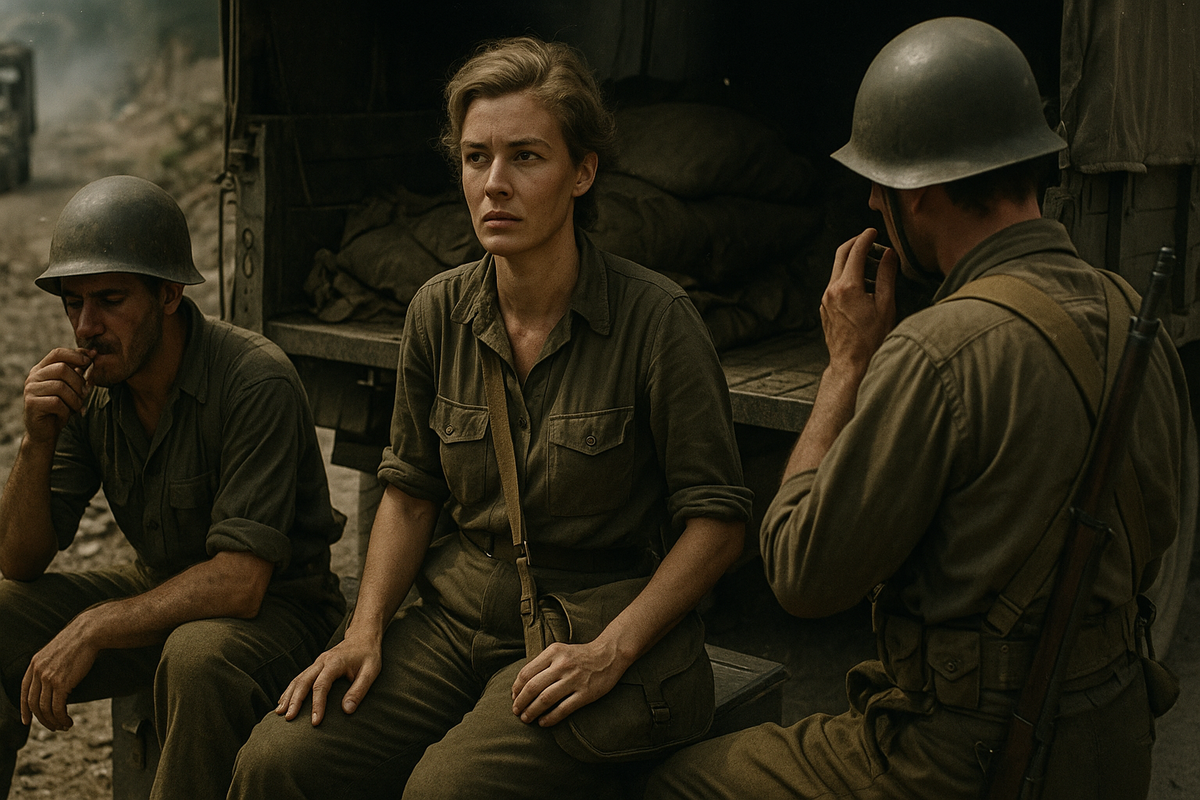
Most foreign correspondents filed battlefield dispatches from a distance. Gellhorn climbed into the trucks.
The Journalist Who Refused to Watch from Behind
Martha Gellhorn's "Madrid to Morata" delivered what wire services couldn't: intimacy. She wrote of camouflaged trucks racing blood supplies to frontline hospitals, ambulance drivers collapsing from exhaustion, the percussion of artillery fire, and the faces of soldiers—many barely twenty years old—who would never grow older.
Her prose moved with the urgency of the war itself. Soldiers sunburned while washing with captured Italian equipment. Trucks bounced violently down narrow roads. Eerie silences punctuated only by distant shelling. She gave readers not just the war's facts, but its texture—the surreal details that transform history into lived experience.
This wasn't detached reportage. It was frontline literature.
Gellhorn would go on to cover every major conflict of the twentieth century, from D-Day to Vietnam, cementing her place among the greatest war correspondents in history. But in July 1937, she was still relatively unknown—and The New Yorker had the courage to publish her.
The Magazine That Contained Multitudes
The contrast was almost absurd. The July 24, 1937 cover featured a whimsical park picnic disrupted by a sudden storm cloud—witty, ironic, quintessentially New Yorker. Inside those same pages: the stark brutality of Gellhorn's war report.
This was the magazine's genius. The New Yorker never apologized for its range. It moved seamlessly between humor and horror, between clever wordplay and the collapse of democracies. While other publications chose a lane, The New Yorker occupied all of them simultaneously—fiction, poetry, cartoons, cultural criticism, and now, war correspondence that mattered.
By publishing "Madrid to Morata," the magazine signaled something profound: even a publication known for refinement couldn't ignore what was coming. The storm clouds weren't just on the cover.
What Made This Dispatch Essential
Frontline Intimacy
Gellhorn described trucks filled with blood racing to hospitals, painting urgency and danger with vivid immediacy.
The Human Face of War
She captured the exhaustion and quiet bravery of ambulance drivers, soldiers, and civilians caught between opposing forces.
The Brutality of Combat
Her words conveyed constant artillery fire, the uncertainty of trenches, and the haunting silence after battles.
The Youth of Soldiers
Gellhorn noted repeatedly that many soldiers were barely twenty years old—underscoring the tragedy of lost futures.
Each of these details combined into a portrait of a world on the brink—one where democracy and authoritarianism were already locked in mortal combat. Implicit in her report was the knowledge that Spain's struggle was a rehearsal for the greater global war soon to come.
A Magazine That Knew What Mattered
The enduring power of 1930s New Yorker issues lies in their refusal to choose between entertainment and engagement. Readers could move from clever cartoons to Gellhorn's war reports, from light verse to essays dissecting the collapse of European stability.
"Madrid to Morata" reminds us why these issues transcend nostalgia. The New Yorker didn't flinch from the century's darkest conflicts while maintaining its trademark sophistication. These weren't just magazines. They were witnesses.
Why This Issue Endures
Historical Timing
Published at the apex of the Spanish Civil War, it captured a pivotal moment before the world understood what was at stake.
Authorial Significance
This issue features one of Martha Gellhorn's earliest and most important war reports, years before she became legendary.
Cultural Importance
It demonstrates how The New Yorker shaped intellectual discourse by refusing to separate literature from the world's darkest realities.
Scarcity
Complete issues from the 1930s, especially with intact covers and original advertisements, are increasingly rare artifacts of the interwar years.
For Collectors and Historians
The July 24, 1937 issue stands as one of the most historically significant New Yorker publications of the decade. It offered American readers an unfiltered view of the Spanish Civil War at the precise moment the world was sliding toward global conflict.
If you're drawn to original twentieth-century magazines that document not just events but the texture of their era, explore thousands of issues—each one a time capsule of wit, art, literature, and cultural memory.
Browse The New Yorker Magazine Collection