
The Magazine That Invented Modern America
Life's First Issue and Roosevelt's Forgotten Frontier
On November 23, 1936, a magazine hit American newsstands that would change how a nation saw itself. Not through editorials or manifestos, but through a single photograph: Margaret Bourke-White's stark, monumental image of the Fort Peck Dam rising from the Montana plains like a concrete cathedral.
This was the first issue of Life Magazine—and it didn't whisper. It roared.
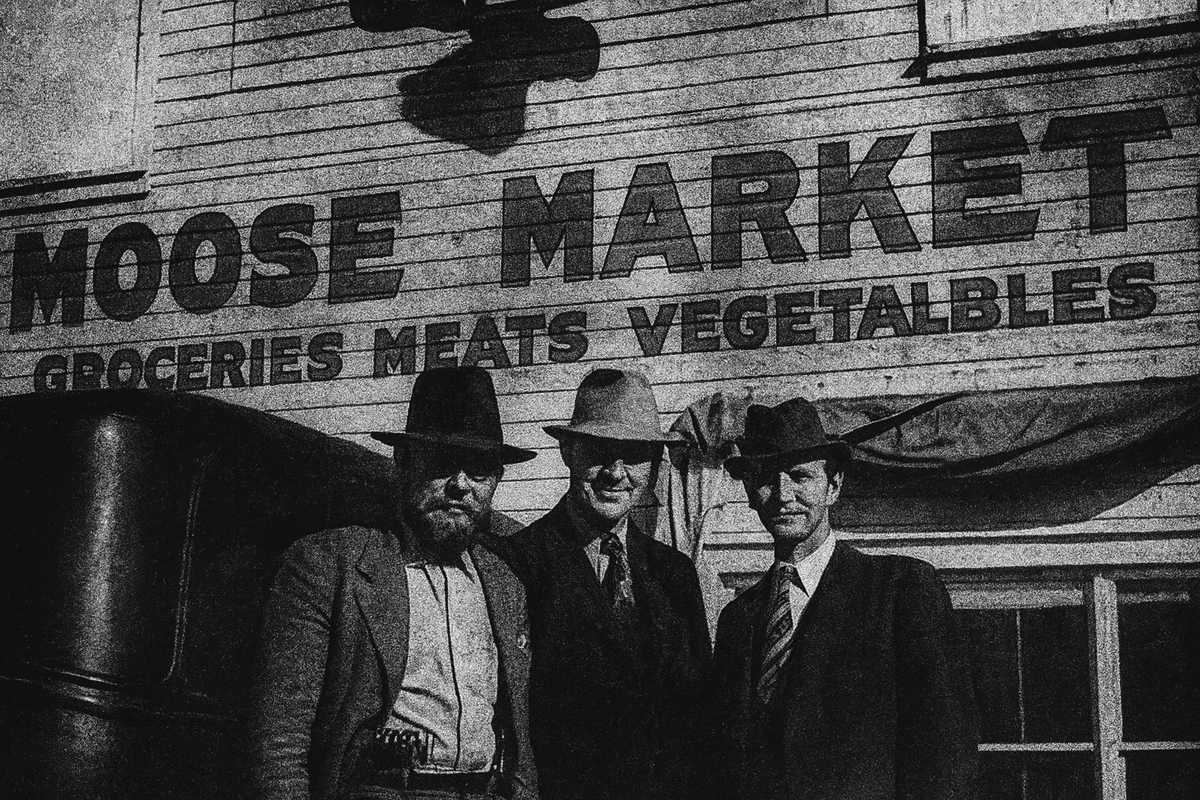
Inside, Americans found something they'd never seen before: their own lives, unvarnished and enormous, captured by photographers who treated documentary work like fine art. The cover story, "Franklin Roosevelt Has a Wild West," took readers inside the boomtowns surrounding the Fort Peck project—ramshackle settlements with names like Wheeler, New Deal, Square Deal, and Happy Hollow. These were places where 10,000 men carved the world's largest earthen dam from the Missouri River, and where their families built saloons, laundries, and dance halls in the shadow of Roosevelt's New Deal.
For a country still hemorrhaging from the Great Depression, this wasn't just journalism. It was a mirror held up to survival itself.
Archive Details
Publication: Life Magazine
Issue Date: November 23, 1936 (First Issue)
Cover Photographer: Margaret Bourke-White
Featured Story: "Franklin Roosevelt Has a Wild West" – Fort Peck Dam, Montana
Historical Context: Great Depression, New Deal Era
The Dam That Became a Nation's Metaphor
By 1936, the Great Depression had lasted nearly a decade. The Dust Bowl had turned farmland to wasteland. Unemployment had gutted entire towns. President Franklin Roosevelt's answer was audacious: massive public works projects that would rebuild not just infrastructure, but national morale.
The Fort Peck Dam was the crown jewel. Stretching across northeastern Montana, this $100 million earthen colossus became the largest structure of its kind in the world. At peak construction, it employed 10,000 men—displaced farmers, unemployed factory workers, men who'd lost everything and came west with nothing but work boots and desperation.
But the engineering marvel was only half the story. Around the dam site, entire towns materialized overnight. Rough-hewn communities with frontier names and Depression-era realities. Workers lived in tar-paper shacks. Wives ran makeshift laundries out of converted chicken coops. Saturday nights meant packed dance halls where exhaustion and hope collided on sawdust floors.
Roosevelt called it progress. Life Magazine called it what it was: a new Wild West, forged not by gold rushes and gunslingers, but by government paychecks and the grit of ordinary people reinventing America one shovelful at a time.
Bourke-White's Lens: When Photography Became Truth
What made the November 23, 1936 issue revolutionary wasn't just its subject—it was how Life told the story.
Margaret Bourke-White's cover photograph set a standard that would define photojournalism for generations. Her Fort Peck Dam wasn't merely documentation; it was sculpture, shadow, and ambition rendered in black and white. The image captured modernity as both achievement and enigma—massive, impersonal, yet somehow deeply human in its scale.
Inside, the magazine abandoned the conventions of 1930s publishing. No posed portraits. No genteel studio work. Instead, Life deployed photographers as witnesses. The spreads showed saloon crowds pressed shoulder-to-shoulder, waitresses bringing their children to work because childcare didn't exist, mothers bent over washtubs outside shacks that barely qualified as shelter. Workers crammed into dance halls on Saturday nights, their faces etched with exhaustion and defiance.
Each photograph was paired with minimal text—sharp, declarative sentences that trusted the images to carry the narrative weight. This was radical. Magazines in 1936 were still dominated by words, with photographs serving as illustrations. Life inverted the formula. The pictures weren't supporting the story. They were the story.
No other publication could deliver this immediacy. Life transformed distant Montana into something intimate, turning the anonymous masses of the Depression into faces you recognized, lives you understood. History stopped being abstract. It became a waitress's exhausted smile. A child asleep on a saloon chair. A dam rising against the sky.
A Magazine That Saw the Future
The November 23, 1936 Life Magazine captured America in transition—from despair to determination, from breadlines to dam sites, from abstract suffering to individual human faces.
It proved that photography could do more than illustrate. It could investigate, argue, and remember. It showed that journalism could be both art and testimony. And it documented the resilience of families who endured conditions most Americans today cannot fathom, sustained by the promise that massive public works might rebuild more than rivers—they might rebuild hope itself.
This isn't just a collectible. It's evidence of a national transformation, preserved in ink and paper.
Why This Issue Matters to Collectors
First Issue Pedigree
As the debut of Life's legendary run, this magazine marks the birth of modern photojournalism. It's the cornerstone of any serious collection of vintage magazines.
Historical Gravity
The Fort Peck feature captured the essence of Roosevelt's New Deal and the lived reality of Depression-era America. It documented a pivotal moment when government intervention reshaped both landscape and national identity.
Photographic Mastery
Bourke-White's cover remains one of the most recognizable industrial images ever published. The issue established visual standards that influenced documentary photography for decades.
Cultural Memory
For families whose grandparents survived the Depression, this issue serves as tangible connection to that era—not nostalgia, but actual evidence of what endurance looked like.
Original copies in good condition command premium prices not merely as reading material, but as authenticated artifacts of the 1930s. They represent a moment when American journalism reinvented itself and, in doing so, helped a nation see its own reflection clearly for the first time.
Explore More Original Life Magazines
If Roosevelt's "New Wild West" has captured your attention, the story doesn't end here. Life Magazine documented nearly every defining moment of the 20th century—World War II's battlefield realities, the Civil Rights Movement's moral urgency, the Space Race's technological triumph, and countless other turning points.
Whether you're a serious collector, a cultural historian, or someone honoring family memory from the Depression years, these magazines are living documents. They let you see history exactly as it was first reported—with all the visual power and editorial immediacy that changed how America understood itself.
Browse Life Magazine Collection