
When Ladies' Home Journal Broke the Silence
The 1952 Article That Changed How America Talked About Miscarriage
October 1952. Across America, women reached for their monthly copy of Ladies' Home Journal—the same magazine that brought them recipes, fiction, and the latest in postwar fashion. But buried between advertisements for baby lotion and children's sleepwear was something unprecedented: Dr. Herman N. Bundesen's "Miscarriage: Why it Happens, and How You May Avoid It."
It was the first time many American women had seen the word "miscarriage" in print outside a medical textbook.
In an era when pregnancy loss was shrouded in silence, guilt, and superstition, the Journal did something radical. It treated miscarriage not as a shameful secret or divine punishment, but as a medical condition—one that could be studied, explained, and sometimes prevented. For millions of readers, this wasn't just health journalism. It was permission to grieve, to ask questions, to stop blaming themselves.
Seven decades later, this issue remains one of the most culturally significant artifacts of 1950s women's media.
The Baby Boom's Hidden Grief
The early 1950s belonged to babies. Birth rates soared as families rebuilt in the shadow of World War II. Motherhood wasn't simply celebrated—it was enshrined as both personal fulfillment and civic duty. Against this backdrop of relentless natalism, pregnancy loss carried a double burden: private grief compounded by public shame.
Medical understanding was primitive by today's standards. Myths proliferated. Women were told miscarriage resulted from lifting heavy objects, experiencing shock, or even thinking negative thoughts. Some physicians dismissed it as nature's way of "eliminating defects." Few women had access to compassionate, scientifically grounded information.
The Journal shattered that silence. By dedicating editorial space to Bundesen's article, the magazine signaled that miscarriage deserved the same thoughtful attention as any other health crisis. It told women their experiences mattered—and that modern medicine was beginning to catch up.
Historical Record
Featured Article: "Miscarriage: Why it Happens, and How You May Avoid It"
Author: Dr. Herman N. Bundesen, Physician and Public Health Advocate
Publication: Ladies' Home Journal, October 1952
Archive Significance: First major women's magazine to address pregnancy loss with medical authority and compassionate detail
The Magazine That Defined Midcentury Domesticity
By 1952, Ladies' Home Journal commanded an audience of over five million readers. It sat on coffee tables and kitchen counters from Maine to California, shaping how women understood everything from child-rearing to Cold War citizenship. The magazine's genius lay in its ability to merge authoritative expertise with intimate, accessible storytelling.
The miscarriage article exemplified this formula perfectly.
Authority with empathy: Dr. Herman N. Bundesen was no minor figure. As a respected physician and public health advocate, his byline carried weight. He explained hormonal imbalances, infections, uterine complications, and the newly understood Rh factor—all in language designed for intelligent laypeople, not medical professionals.
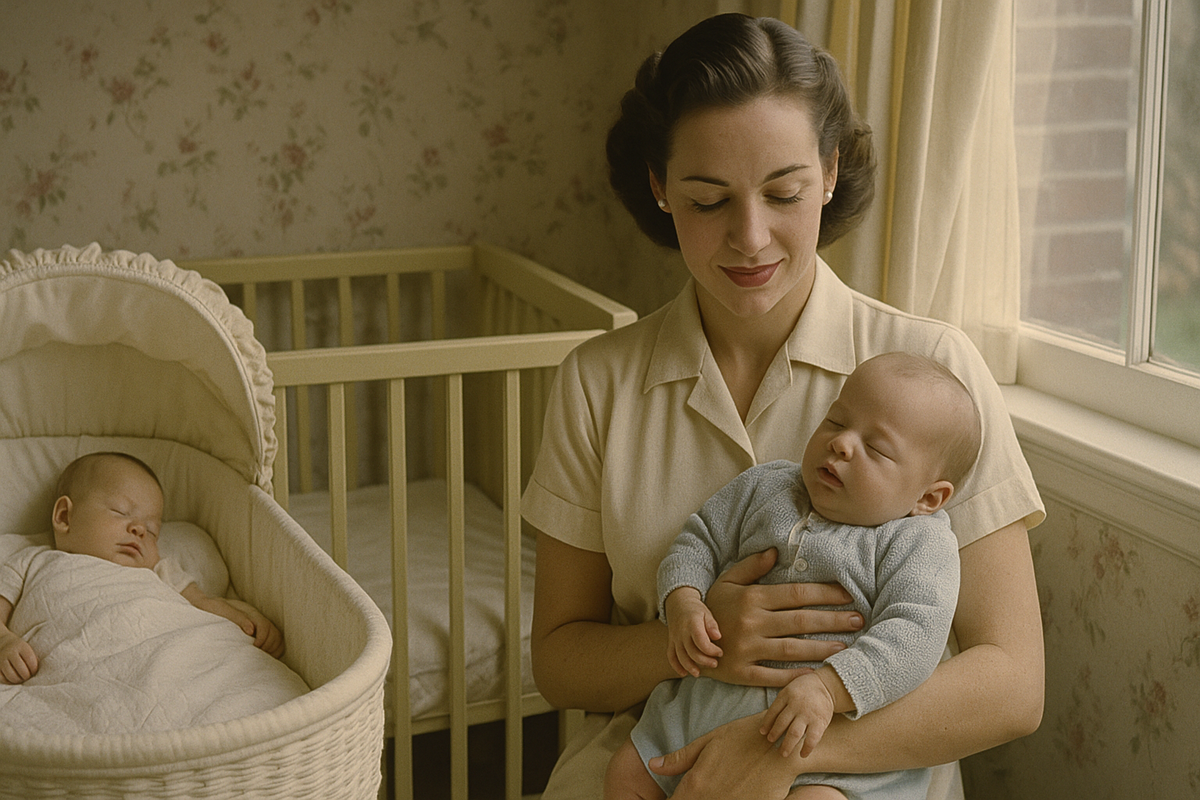
Visual reassurance: The article was illustrated with tender photographs of healthy infants and nurturing mothers. These images served a deliberate purpose: they softened the clinical discussion while reminding readers of what they longed for. The message was subtle but clear—this conversation ends in hope, not despair.
Practical intervention: Bundesen didn't traffic in fatalism. He emphasized prevention, early detection, and the expanding capabilities of modern obstetrics. For readers accustomed to viewing pregnancy as mysterious and uncontrollable, this was revolutionary.
What the Article Actually Said
Bundesen's piece offered ten major insights, each one quietly dismantling decades of misconception:
Most miscarriages were not the mother's fault—perhaps the most radical statement in the entire article, offering exhausted women relief from crushing guilt.
Hormonal imbalances, particularly insufficient progesterone, could trigger pregnancy loss—and new treatments were emerging.
Infections posed serious risks, validating women's instincts that illness during pregnancy warranted medical attention.
The Rh factor, a recent medical discovery, could endanger pregnancies if left unaddressed—proof that science was advancing.
Uterine complications and physical abnormalities contributed to some losses, removing these cases from the realm of personal failure.
Early detection mattered profoundly. Bundesen urged first-trimester medical supervision at a time when many women delayed prenatal care.
Maternal age and health influenced outcomes, though he reassured readers that countless older or less-than-perfectly-healthy women delivered successfully.
Self-care and infection prevention offered practical steps women could take immediately.
The emotional burden deserved acknowledgment—a gesture nearly unheard of in 1950s medical writing, which typically ignored women's psychological experiences.
Hope remained paramount. Bundesen stressed that medical progress was accelerating, and most women would carry healthy pregnancies to term.
Each point represented a seismic shift. Miscarriage was no longer fate or punishment. It was biology—imperfect, sometimes tragic, but increasingly manageable.
The Gloss and the Gravity
The October 1952 cover projected classic midcentury optimism: vibrant colors, elegant fashion, beaming families. The magazine's exterior sold aspiration—the promise of a better, more beautiful domestic life.
Inside, however, the Journal revealed a more complex mission. Features like Bundesen's article addressed the unspoken anxieties beneath the polished surface. The placement was telling: advertisements for Johnson's Baby Lotion and Nitey Nite Sleepers surrounded the miscarriage discussion, weaving together consumer culture, medical science, and maternal identity into a single narrative.
This wasn't accidental. The Journal understood that postwar motherhood existed at the intersection of biology, commerce, and ideology. By acknowledging pregnancy loss while simultaneously selling the products of successful motherhood, the magazine both reflected and shaped how women navigated this terrain.
The Legacy of Breaking Taboos
The miscarriage article endures because it represents more than medical education. It stands as proof that popular media once carried the responsibility of breaking cultural silences when no other institutions would.
Just as LIFE documented global warfare, Ladies' Home Journal documented the intimate struggles of family life, health, and female identity. Both remain collectible not merely as print artifacts but as records of how Americans lived, feared, hoped, and slowly changed their minds.
Why Collectors Treasure This Issue
Historical Convergence
The issue captures the exact moment when baby boom optimism collided with emerging medical transparency. It's a document of cultural transition.
Editorial Courage
Women's magazines of this era are often dismissed as frivolous. This issue proves they served as vital conduits for taboo-breaking health information when few other sources existed.
Advertising Archaeology
The juxtaposition of miscarriage discussion with baby product marketing reveals the complex commercial landscape of midcentury motherhood.
Enduring Relevance
Conversations about pregnancy loss remain fraught today. This issue demonstrates how far the dialogue has evolved—and how many battles were fought long before our current era.
For Collectors and Cultural Historians
If you're drawn to women's history, the evolution of medical communication, or the hidden narratives of midcentury America, the October 1952 Ladies' Home Journal is essential. It reveals what women read when they were alone, what they feared in silence, and how a trusted magazine gave them language for experiences society preferred to ignore.
Browse Ladies' Home Journal Magazine CollectionThrough decades of issues, you can trace the full arc of American women's lives—from suffrage campaigns to baby boom anxieties to second-wave feminism's emergence—all documented as it unfolded.
The October 1952 Ladies' Home Journal accomplished something rare: it gave women clarity, lifted the burden of unfounded guilt, and offered hope grounded in scientific progress rather than platitudes. Its fusion of medical authority, emotional intelligence, and cultural courage makes it one of the most important collectible issues of its era. To hold this magazine is to hold a conversation from 1952—one that whispered, then declared: It's not your fault. Medicine can help. You are not alone.
That message still resonates.