
When Teenagers Wrote the Record Reviews
Teen Magazine, October 1971, and the Birth of Participatory Music Criticism
In October 1971, American teenagers didn't just read about music—they ranked it, voted on it, and shaped what came next. Tucked inside that month's issue of Teen Magazine was something radical: a ballot. Not for homecoming queen or class president, but for the albums that mattered. List your Top 10. Nominate the stars you wanted covered. Send it in, and you might become a "Teen special reporter."
This wasn't Rolling Stone handing down verdicts from on high. This was democracy in LP form—direct, participatory, and powered by the same kids who were stitching peace signs onto denim jackets and debating whether Paul McCartney could survive without John Lennon.
The October 1971 issue captured youth culture at a crossroads. Vietnam draft notices still arrived in mailboxes. The Beatles were gone. Motown was crossing over into rock. Women were stepping out from behind their famous partners. And Teen Magazine was there, giving its readers not just a voice, but a platform.
Archive Details
Publication: Teen Magazine
Issue Date: October 1971
Feature: "Rapping on Records" by Maureen Donaldson
Archive Source: Original Magazine Collection
The Ballot That Made Teens Critics
"Rapping on Records," reviewed by Maureen Donaldson, wasn't your standard album roundup. It was an invitation. Beneath the reviews sat a ballot form asking readers to rank their favorites, add their own picks, and suggest which stars deserved coverage. This turned consumption into conversation—record-buying into community-building.
The albums reviewed that month read like a survey of rock's fracturing identity:
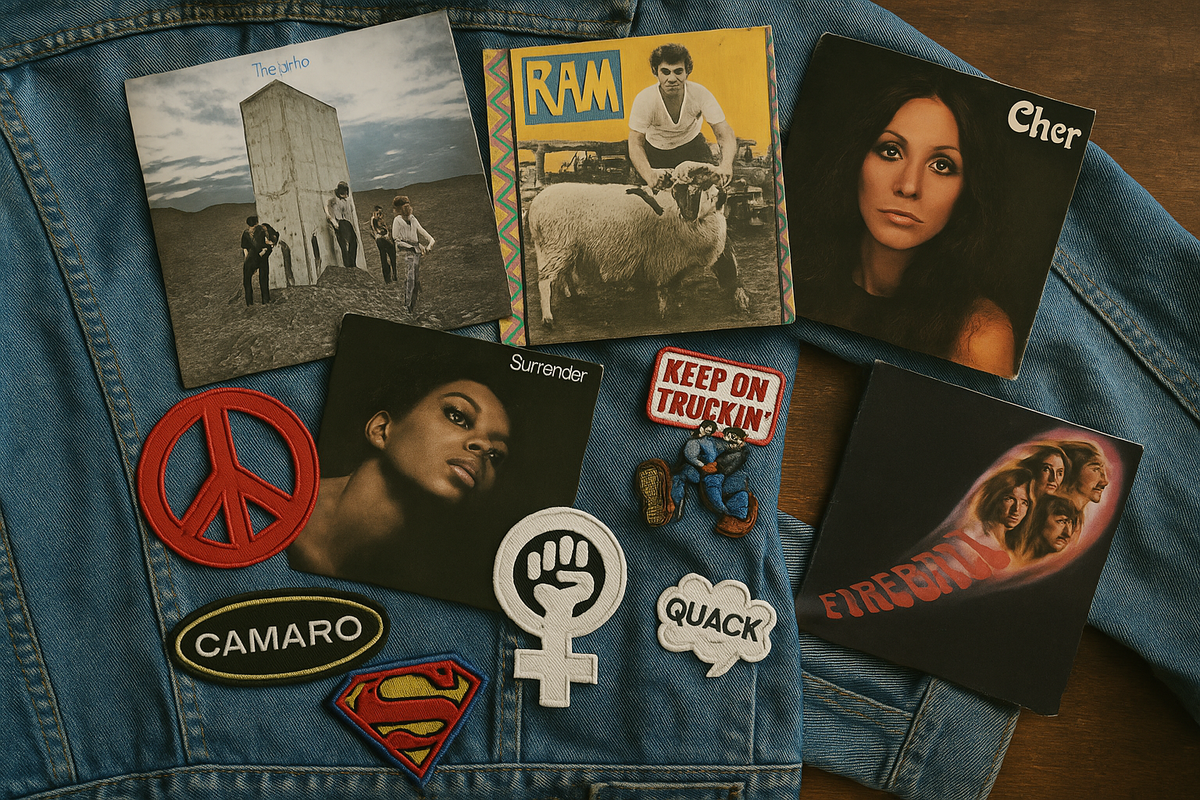
The Who — Who's Next, hailed as "the best Who material around."
Paul & Linda McCartney — Ram, described as delicate and romantic—proof that life after the Fab Four could work.
Diana Ross — Surrender, marking her rise as a solo force beyond The Supremes.
Rare Earth — One World, Motown's bold experiment in rock-soul fusion.
The Moody Blues — Every Good Boy Deserves Favour, praised for its arrangements and vocals.
Deep Purple — Fireball, a hard rock powerhouse.
Cher — Gypsys, Tramps & Thieves, celebrated as one of her strongest LPs.
Hard rock sat beside progressive explorations. Motown shared space with folk-rock. Established icons appeared next to emerging artists like Kyle (Times That Try a Man's Soul) and Second Coming. The reviews were punchy, conversational, and accessible—written for teens who wanted guidance, not gatekeeping.
But the genius was the ballot itself. By asking readers to submit their own rankings, Teen transformed passive consumers into active critics. It was interactivity before the internet—fandom as editorial process.
The Visual Language of Youth Identity
Flip the page from the record reviews and you'd find something equally revealing: a full spread of sew-on patches. Peace signs. Feminist fists. "Keep on Truckin'" cartoons. Camaro and Mustang logos. Superman. "Class of '72."
This wasn't random merchandising. It was a catalog of identity. Teens could read about Who's Next on one page, then literally wear their allegiances on the next. Music, politics, fashion, and rebellion were all stitched together—sometimes literally.
The patches told their own story about 1971: activism had become aesthetic. The peace symbol was as marketable as a muscle car. Feminism had its own icon (✊♀). And teens had the tools to personalize their wardrobes with cultural statements, turning jackets into manifestos.
Together, the reviews and patches captured something essential: youth culture wasn't just about what you listened to or believed in. It was about what you wore, what you displayed, and how you announced yourself to the world.
1971: Rock Fractured, Icons Reborn
The albums reviewed in October 1971 reflected a music industry in flux.
The Beatles were over. Paul McCartney's Ram represented a new era of solo artistry—softer, more domestic, less world-changing. Critics dismissed it. Teens were kinder.
Women were stepping out. Diana Ross was no longer just one-third of The Supremes. Cher was no longer just Sonny's partner. Both were redefining themselves on their own terms, and Teen was there to document it.
Motown was expanding. Rare Earth's One World showed the label's willingness to cross genre boundaries, blending rock instrumentation with soul sensibilities.
Hard rock was ascending. Deep Purple's Fireball represented a louder, heavier sound that would dominate the decade's second half.
Progressive rock was maturing. The Moody Blues' Every Good Boy Deserves Favour offered lush arrangements and conceptual ambition—proof that rock could be symphonic.
This wasn't just a list of albums. It was a snapshot of rock's identity crisis—and its explosive creativity.
Key Themes: What Makes This Issue Matter
The ballot system made teens part of the editorial process, anticipating the participatory culture of later decades.
Paul McCartney's Ram represented a new era of solo artistry in the wake of the Fab Four's dissolution.
Diana Ross and Cher were both redefining themselves apart from their famous partnerships.
Hard rock, soul, Motown, and progressive explorations all shared space in a single feature.
Patches gave teens tools to personalize their wardrobes with political and cultural statements.
Unlike industry trades or critic-driven outlets, Teen gave authority directly to its teenage readers.
Why This Issue Still Matters
Decades later, the October 1971 issue of Teen Magazine remains significant for reasons beyond nostalgia.
It captured contemporary reactions to now-canonical albums. Who's Next and Fireball are rock landmarks today, but in 1971, they were just new releases—reviewed by and for teenagers.
It documented youth consumer culture. The patch catalog is as important as the music reviews. It shows how activism, pop art, and commerce merged into everyday teen life.
It democratized music criticism. Long before online reviews and fan polls, Teen made its readers participants in the editorial process. The ballot system anticipated the interactive culture of later decades.
It preserved the voices of women in transition. Diana Ross and Cher were both navigating post-partnership careers. Teen tracked their evolution in real time.
It's a complete time capsule. Music, fashion, politics, and identity—all packaged in one feature. For collectors, that completeness is everything.
Issues with intact ballots and uncut patch spreads are particularly prized. They're artifacts of participation—documents of how young people saw themselves, their idols, and their world.
The Legacy of Teen Participation
Unlike Life or Time, which reported on culture from above, Teen Magazine was rooted in the voice of its readers. Its mix of celebrity coverage, fashion tips, and interactive features gave teens not just something to read, but something to be part of.
That participatory spirit makes issues like October 1971 enduringly valuable. They aren't just magazines. They're records of agency—proof that teenagers in 1971 had opinions, influence, and the tools to shape popular culture.
The ballot, the patches, the reviews—they all pointed toward a future where audiences wouldn't just consume media, they'd create it. Teen Magazine understood that before anyone else.
Collector Significance
Contemporary reactions to albums that are now canon, including Who's Next and Fireball.
The patch catalog is an artifact of youth consumer culture, as important as the music reviews themselves.
Diana Ross, Paul McCartney, and Cher remain iconic names, and their coverage boosts demand.
Issues with the ballot intact and patch spreads uncut are particularly prized.
For readers who grew up with Teen Magazine, owning this issue is like holding a piece of their adolescence.
Documents of how young people saw themselves, their idols, and shaped popular culture through their voices.
For Collectors and Historians
If you're seeking the October 1971 issue of Teen Magazine—or any vintage issue featuring Diana Ross, Cher, Paul McCartney, or the cultural crossroads of early '70s youth—this is essential material.
It's more than glossy paper. It's a cultural mirror, reflecting the sound of rock, the pull of Motown, the rise of female stars, and the visual language of peace signs and denim jackets.
Browse Teen Magazine CollectionFrom the 1950s to the 1980s, these magazines trace decades of fashion, music, and teen dreams. Whether you're a collector, a pop-culture historian, or someone nostalgic for their youth, each issue is an original artifact of style and spirit.