
The Night America Crowned a New King
Inside Time's 1984 Michael Jackson Cover Story That Captured Pop's Greatest Transformation
On March 19, 1984, Time Magazine did something unprecedented. It placed a pop star on its cover—not as entertainment news, not as celebrity gossip, but as the subject of a full cultural investigation. The headline read simply: "Why He's a Thriller."
This wasn't a profile. It was a proclamation.
Michael Jackson had transcended music itself. He'd become a force that rewired how America—and the world—experienced pop culture. Time's editors knew it. And when families across the country pulled that red-bordered magazine from their mailboxes, they weren't just reading about a singer. They were witnessing the documentation of a cultural earthquake.
Archive Details
Historical Figure: Michael Jackson
Issue Date: March 19, 1984
Archive Source: Time Magazine
Feature Title: "Why He's a Thriller"
The Context: 1984 and the Birth of Total Pop
The early 1980s had cracked America wide open. The economic malaise of the 1970s was lifting. Cable television—MTV in particular, launched in 1981—had turned music into a visual medium. Technology was reshaping daily life. And into this moment of reinvention stepped Michael Jackson, armed with a sixth solo album that would redefine what a record could achieve.
By March 1984, Thriller had already shattered every known metric. Released in late 1982, it dominated 1983 and showed no signs of slowing. "Billie Jean," "Beat It," and the title track weren't just hits—they were cultural currency. Jackson's televised moonwalk in March 1983 had stopped the nation cold. His music videos didn't promote songs; they elevated MTV into a cultural institution.
Jackson had become something unprecedented: a Black artist who commanded mainstream pop, rock radio, and global adoration simultaneously. He bridged audiences that American culture had long kept separate. He made the impossible look effortless.
Time Magazine recognized what was happening. This wasn't entertainment. This was history.
Why Time Magazine's Coverage Mattered
Time had spent decades as America's cultural arbiter. Its covers signaled importance. Presidents. World leaders. Moments of crisis and triumph. By devoting its March 19, 1984 issue to Michael Jackson, Time declared that pop music was no longer a sideshow—it was the main event.
The article "Why He's a Thriller" positioned Jackson as a phenomenon that reflected the decade's optimism and anxieties. Readers discovered his obsessive rehearsal habits, his reverence for Black musical pioneers, and the almost mythic quality that surrounded his performances. This wasn't gossip served with a wink. It was cultural analysis delivered with the weight Time reserved for subjects that mattered.
For readers in 1984, this issue was an education. For collectors today, it's a time capsule.
The Cover: Pop Royalty, Captured
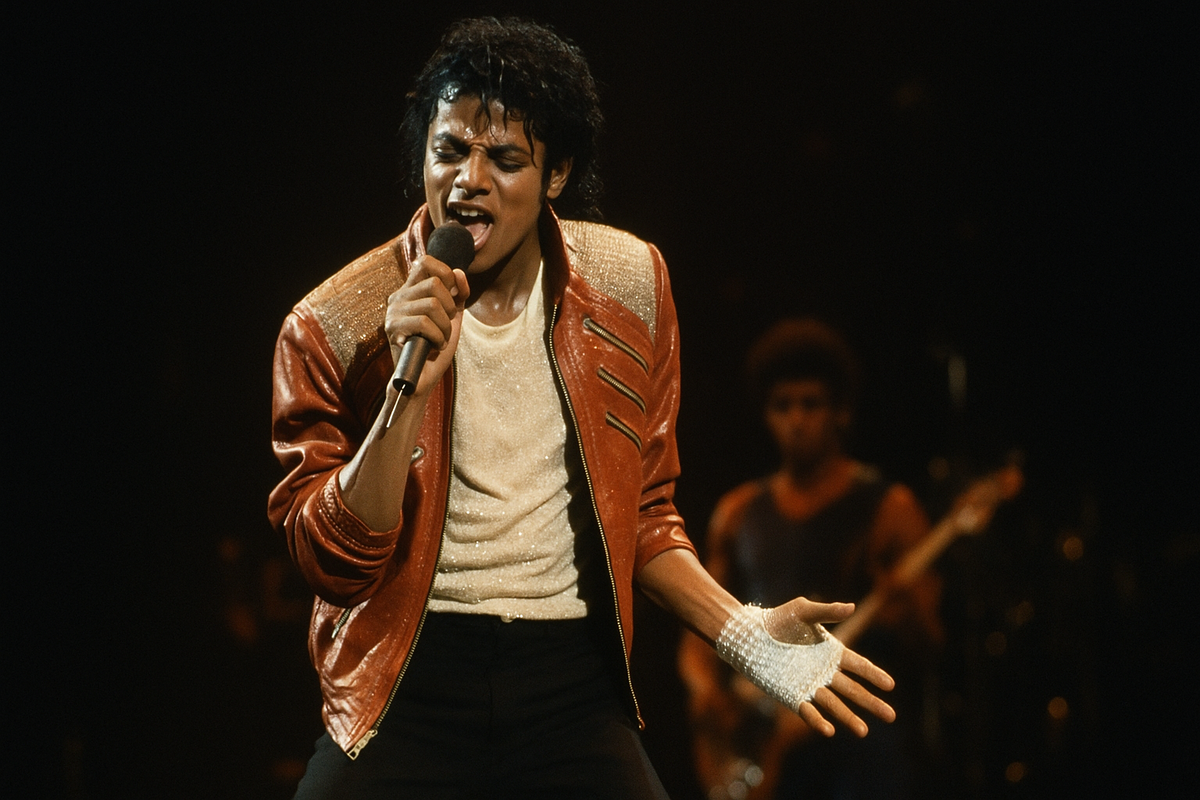
Against Time's iconic red border, Michael Jackson appeared in full regalia—youthful, enigmatic, untouchable. The photography captured his signature style: the sequined glove, the military-inspired jackets, the posture of someone who'd already left the ground.
Inside, the layout delivered visual storytelling at its finest. Color photographs showed Jackson mid-performance, in rehearsal, frozen in moments of pure electricity. Time's editors understood that Jackson's power couldn't be conveyed through words alone. The images did half the work—Jackson in motion, Jackson transformed, Jackson as the embodiment of a new kind of stardom.
This wasn't journalism. It was documentation of a coronation.
What Time Captured: Five Pillars of the Thriller Phenomenon
The Record-Breaking Album
By early 1984, Thriller had moved over 30 million copies worldwide—a figure that obliterated industry expectations. Time emphasized how Jackson's music had shattered boundaries, dominating not just R&B charts but claiming mainstream pop in a way no Black artist had achieved before.
The Videos That Rewrote the Rules
Jackson's videos for "Billie Jean," "Beat It," and "Thriller" weren't promotional clips—they were short films. Time highlighted how these mini-movies redefined the relationship between music, image, and narrative. MTV wasn't just playing them; MTV was built on them.
The Pepsi Deal and the Fire
Time noted Jackson's Pepsi sponsorship—the largest corporate partnership a pop star had ever secured. The accident during filming, when Jackson's hair caught fire, was still fresh news in early 1984. Time framed it as another chapter in Jackson's mythology: even his moments of vulnerability became public fascination.
The Paradox of Personality
Journalists observed Jackson's duality: shy and soft-spoken offstage, explosive and untouchable when performing. Time captured this tension vividly, noting how audiences projected their hopes and fantasies onto a figure who seemed almost otherworldly.
The Legacy of Black Musical Genius
Perhaps most crucially, Time positioned Jackson within a continuum. The article drew direct lines from Ray Charles, Little Richard, Jackie Wilson, and James Brown to Jackson, showing how his artistry carried forward—and amplified—their innovations for a global generation.
The Editorial Legacy
Time's power always lay in its ability to transform journalism into something larger than reporting. Its wartime issues gave Americans a window into global conflict. Its cultural issues gave readers a lens to understand themselves.
The Michael Jackson cover story endures because it didn't just profile an artist—it captured a transformation. It documented how one man's music, style, and charisma could bridge divides and reimagine the possibilities of popular culture.
Why This Issue Matters to Collectors
Perfect Timing
This issue captured Michael Jackson at the exact peak of Thriller's global dominance—the moment he became the most famous entertainer on Earth.
Iconic Imagery
The photographs of Jackson in his red leather jackets, sequined gloves, and mid-performance electricity remain defining symbols of the MTV era.
Cultural Weight
Owning this issue means holding a piece of the early 1980s cultural DNA—when pop became a global language and one artist rewrote the rules.
Historical Demand
Milestone issues like this one attract not just Jackson devotees but cultural historians who recognize its value as primary-source material.
When you hold this issue, you're not flipping through old pages. You're touching the same images and words that millions encountered in real time, when Michael Jackson wasn't just topping charts—he was reshaping what culture could be.
Explore the Archive
Thousands of original Time magazines are available in our collection—from pivotal political moments to cultural revolutions, from wartime reporting to iconic music milestones. Time documented it all with precision and authority.
Browse Time Magazine CollectionWhether you're a seasoned collector, a cultural historian, or someone preserving the memory of the 1980s, these magazines offer something extraordinary: history as it was first reported, unfiltered and immediate.
Final Word
The March 19, 1984 issue of Time Magazine stands as one of the decade's most important cultural artifacts. Its feature on Michael Jackson's Thriller era was more than music criticism—it was a mirror held up to a moment when pop became the dominant global language, when television and print media crowned new icons, and when one artist stood above all others.
To hold this issue today is to hold living history—the story of how Michael Jackson's genius, charisma, and resilience reshaped the music industry and created a legacy that still reverberates.
For anyone who values cultural history, vintage magazines like this aren't simply reading material. They're artifacts that preserve the rhythm, the energy, and the revolution of a world in motion.