
The Picasso of Violence Meets the Magazine That Defined Cool
Sam Peckinpah's Brutal Reckoning in Playboy, August 1972
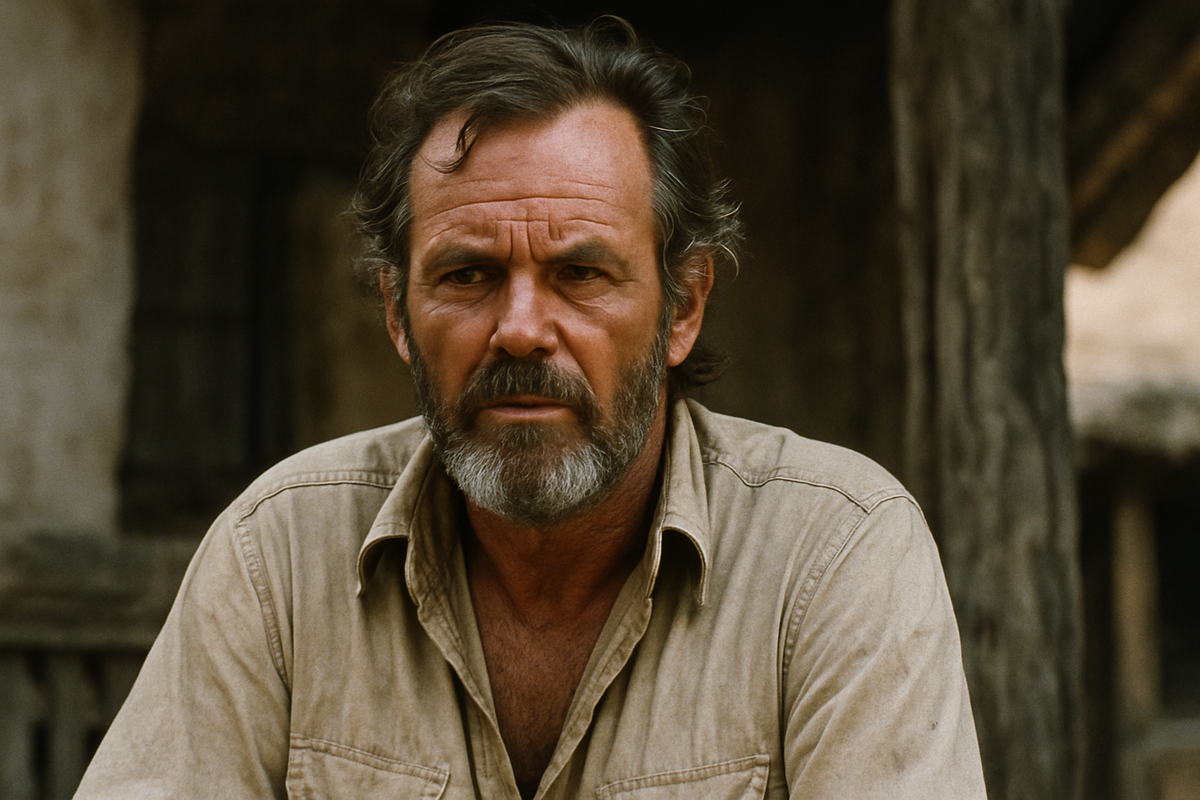
A blonde in a white bikini clutches an inflatable Playboy Bunny, grinning in the Pacific surf. Turn the page, and Sam Peckinpah—unshaven, sun-scorched, defiant—stares back at you, ready to defend the most violent films Hollywood had ever seen.
Welcome to August 1972. Welcome to the contradiction that was Playboy. Welcome to the moment American cinema stopped apologizing.
A Nation Unraveling, A Cinema Reborn
By the summer of 1972, America was hemorrhaging. Vietnam dragged on, broadcasting carnage into living rooms every night. The civil rights and feminist movements had fractured consensus on race, sex, and power. Young people weren't just questioning authority—they were detonating it.
Hollywood felt it too. The studio system had collapsed. In its ruins emerged New Hollywood—Martin Scorsese, Francis Ford Coppola, and Sam Peckinpah—filmmakers who traded sanitized fantasy for blood, ambiguity, and unvarnished truth.
Peckinpah led the charge. The Wild Bunch (1969) delivered slow-motion massacres and morally bankrupt antiheroes. Critics split: masterpiece or moral obscenity? Then came Straw Dogs (1971), a powder keg of sexual violence and siege mentality that ignited debates still unresolved today.
By 1972, Peckinpah wasn't just controversial—he was dangerous. And Playboy gave him the microphone.
Archive Details
Featured Director: Sam Peckinpah
Publication: Playboy Magazine
Issue Date: August 1972
Historical Context: Vietnam War era, New Hollywood revolution
Cultural Impact: Landmark interview on violence in American cinema
Playboy: Where Bunnies and Intellectuals Collided
Hugh Hefner had built something unprecedented: a men's magazine that was as likely to feature Martin Luther King Jr. as a centerfold. Playboy's long-form interviews were cultural events—John Lennon, Malcolm X, and now Sam Peckinpah—giving provocateurs space to explain, defend, or self-immolate in print.
The August 1972 issue embodied this tension perfectly. The cover radiates carefree eroticism: sun, sand, and a smiling woman with a giant inflatable Bunny. Inside, Peckinpah delivers one of the decade's most combative interviews—pages of justification, rage, and unfiltered philosophy about violence, masculinity, and American hypocrisy.
High art. Low culture. All in one magazine. That was Playboy's genius.
Inside the Interview: Peckinpah Unchained
The interview pulled no punches. Neither did Peckinpah.
On Violence in America
Peckinpah insisted his films were honest reflections of a brutal nation. To sanitize violence on screen, he argued, was to lie about what America actually was.
On Straw Dogs
He defended the film's most disturbing scenes not as exploitation but as explorations of fear, weakness, and survival instinct. Critics called it dangerous. Peckinpah called them cowards.
On Hollywood Critics
He dismissed them as hypocrites terrified of reality, praising audiences for their willingness to confront uncomfortable truths.
On Masculinity
His views were harsh, abrasive, often ugly—reflecting both his personal demons and a culture in violent transition between old and new definitions of manhood.
On His Mission: Peckinpah painted himself as an outlaw, a filmmaker who refused safety and convention. Cinema, he believed, had to stare into humanity's darkness without flinching.
The interview didn't rehabilitate his reputation. It crystallized his legend.
The Visual Language: Rugged Rebel Meets Glossy Icon
Playboy's photographers captured Peckinpah in his natural habitat: rugged landscapes, harsh light, weathered features. He looked like his films—unpolished, uncompromising, built for confrontation.
The magazine's design heightened the contrast. One spread featured the lighthearted "Girls of Munich" pictorial. The next plunged readers into Peckinpah's brooding philosophy on violence and morality. This whiplash juxtaposition—pleasure and provocation, entertainment and intellectual combat—made Playboy culturally indispensable.
The cover itself became iconic. That red inflatable Bunny against blue ocean—playful, bold, unmistakable. It's instantly recognizable five decades later, a visual timestamp of 1972's strange cocktail of liberation and unease.
Why Collectors Covet This Issue
For serious collectors of vintage Playboy, August 1972 occupies rarified territory
Cultural Flashpoint
Published at the apex of Vietnam and the sexual revolution, it captures America mid-fracture.
Landmark Interview
The Peckinpah feature remains required reading in film studies programs, cited in scholarly works on New Hollywood and screen violence.
Iconic Design
That inflatable Bunny cover is one of the era's most recognizable magazine images—collectibility gold.
Time Capsule Depth
Beyond Peckinpah, the issue features Richard Rhodes examining American sex laws and Senator Philip Hart on corporate crime. It's a full portrait of 1972's preoccupations.
This isn't nostalgia. It's primary source material—a document of the debates that forged modern American culture.
The Enduring Power of Print Provocation
Playboy's 1970s issues endure because they refused to choose between pleasure and seriousness. Each magazine balanced erotic fantasy with cultural critique, mixing centerfolds with confrontation.
August 1972 exemplifies this perfectly. Beach bunny on the cover, cinematic violence theorist inside. That contradiction was the point.
In our current era of algorithmic feeds and disposable content, these magazines remind us when print could be luxurious, provocative, and intellectually ferocious simultaneously. They're not just collectibles—they're windows into the battles that shaped us.
Explore the Archive
This issue represents one chapter in a larger story. Our collection of original Playboy magazines spans decades, tracing the evolution of American politics, sexuality, cinema, and culture from the 1950s through the 1980s.
Browse Playboy Magazine CollectionWhether you're a film historian tracking New Hollywood's revolution, a collector seeking iconic covers, or simply curious about how America wrestled with sex and violence in print, these are original artifacts—not reprints, not digital scans, but the actual magazines that sparked conversations fifty years ago.
The Verdict
The August 1972 Playboy Magazine stands as a landmark in American publishing—a moment when a filmmaker at the height of controversy met a magazine at the height of its cultural power.
Sam Peckinpah used those pages to defend his art, savage his critics, and expose the contradictions in his own worldview. Playboy gave him the platform because they understood: violence on screen mirrored violence in the world, and someone had to say it out loud.
Five decades later, this issue remains urgent. The debates it captured—about violence in media, masculinity in crisis, art's responsibility to truth—haven't ended. They've only intensified.
To hold this magazine today is to hold Hollywood rebellion, cultural reckoning, and iconic design in physical form. It's both collectible treasure and historical testimony—proof that some conversations are too important to be forgotten, even when they make us uncomfortable.
Especially when they make us uncomfortable.