
Why Lesbians Married Men: When Jet Magazine Broke the Silence in 1953
The pocket-sized magazine that published what mainstream America refused to print
On January 1, 1953, Jet Magazine did something extraordinary.
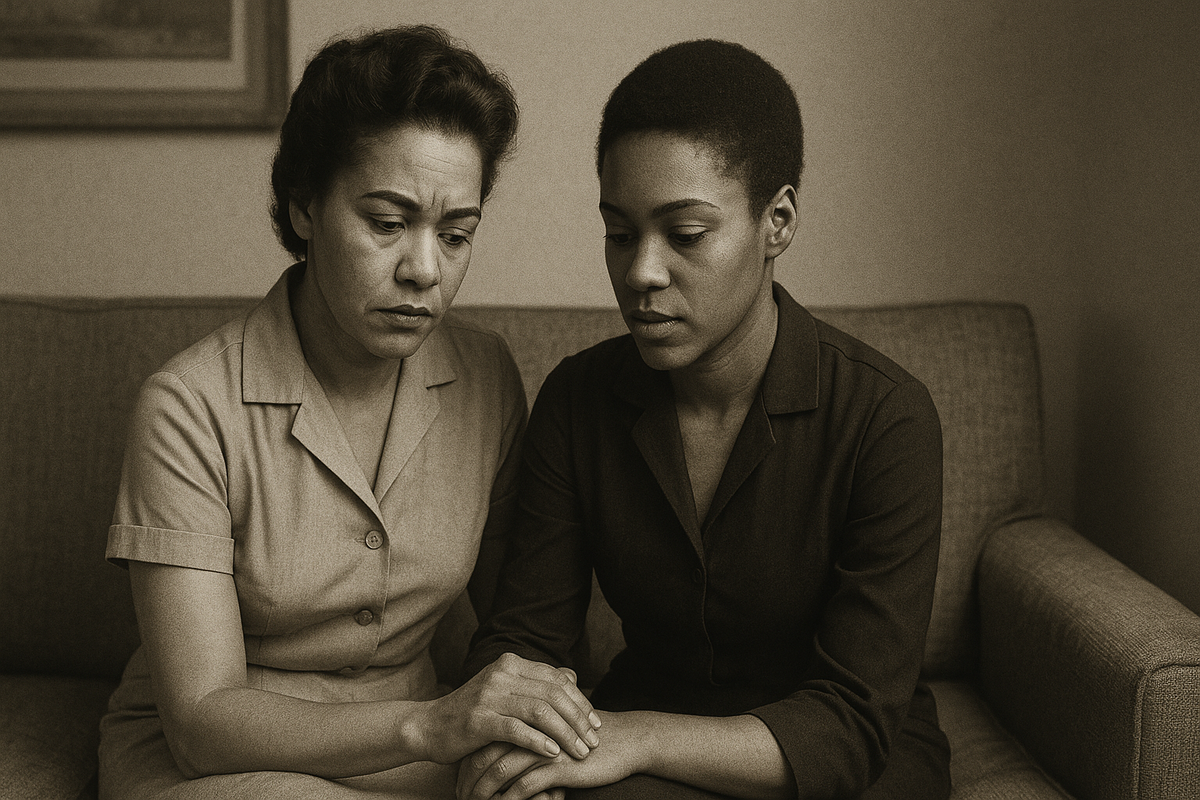
Tucked between its pocket-sized covers—alongside photographs of entertainers and reports on segregation battles—sat an article that mainstream America refused to print: "Why Lesbians Marry." Not a whisper. Not an insinuation. A full feature exploring why African American women entered heterosexual marriages despite identifying as lesbian.
Most publications wouldn't touch it. Jet published it on New Year's Day.
This wasn't recklessness. It was editorial courage. And for Black families reading Jet in early 1953, it meant confronting questions about marriage, identity, and respectability that had been confined to whispers.
Historical Context
Publication: Jet Magazine
Issue Date: January 1, 1953
Feature Title: "Why Lesbians Marry"
Archive Significance: Pre-Civil Rights era documentation of sexuality in Black communities
The America That Wouldn't Talk
The early 1950s were brutal for anyone outside the prescribed social order. Homosexuality remained criminalized across the United States. Psychiatrists classified it as mental illness. Churches condemned it. And for African Americans navigating both racial oppression and rigid gender expectations, the pressure to conform was suffocating.
Black women bore a particular burden. They were expected to uphold respectability politics, anchor traditional families, and serve as living rebuttals to racist stereotypes. Any deviation risked not just personal condemnation but ammunition for those who sought to justify segregation and discrimination.
One year after Jet's feature, Brown v. Board of Education would dismantle legal school segregation. The Civil Rights Movement was gathering force. But in January 1953, Black communities were still calibrating how much internal complexity they could afford to reveal while fighting external oppression.
Jet decided the answer was: everything.
What the Magazine Dared to Print
Founded just two years earlier in 1951, Jet had already established itself as fearless. Its pocket format made it portable. Its editorial stance made it essential. Where Time and Newsweek filtered content for white audiences, Jet spoke directly to Black readers without apology.
"Why Lesbians Marry" combined psychiatric analysis, case studies, and cultural commentary in ways that were startling for 1953:
What made this coverage remarkable wasn't its enlightened stance—it wasn't. What made it remarkable was that Jet printed what others buried.
Why This Issue Commands Attention Today
For collectors and historians, the January 1, 1953 issue of Jet Magazine is more than a vintage publication. It's evidence.
Evidence that these conversations happened. That Black communities grappled with sexuality and identity even while fighting Jim Crow. That some publications chose documentation over silence.
The Historical Rarity – Mainstream media ignored sexuality in Black communities entirely. Jet's willingness to publish this feature makes it a primary source for understanding how African Americans discussed these issues in the pre-Civil Rights era.
The Language as Artifact – The article's psychiatric framing and moral language may feel dated, even offensive. That's precisely why it matters. This is how real people thought and spoke in 1953. Sanitizing the past doesn't serve history.
The Personal Connection – For descendants of that era, this issue preserves the world their grandparents inhabited—the debates at kitchen tables, the pressures on marriages, the unspoken truths that shaped families.
The Civil Rights Context – Published just months before the Brown decision and years before Stonewall, this issue captures a moment when both racial justice and sexual liberation were still building toward confrontation.
Holding this magazine means holding a conversation that happened 72 years ago—one that communities needed and one that most media refused to host.
Jet's Legacy: The Full Archive Matters
Just as Life Magazine's wartime photography became essential documentation of global conflict, Jet's social features became essential documentation of Black identity and struggle. Civil rights battles, celebrity breakthroughs, cultural milestones, and controversial conversations about sexuality—all preserved without filter.
From the 1950s through the 1990s, Jet recorded what others ignored. For researchers, collectors, and anyone seeking to understand African American history beyond sanitized narratives, these magazines are irreplaceable.
The January 1, 1953 issue featuring "Why Lesbians Marry" stands out even in that remarkable archive. It represents a publication willing to risk controversy for documentation. Willing to print discomfort alongside celebration. Willing to acknowledge that Black life contained multitudes.
Why Collectors Seek This Issue
Documentary Evidence
Primary source material for understanding sexuality and race in pre-Civil Rights America. Academic researchers and cultural historians rely on these original issues for authentic voices from the era.
Editorial Courage
Jet's willingness to publish taboo subjects makes this issue a testament to fearless journalism. At a time when most media avoided controversial topics, Jet chose documentation over silence.
Family History
For descendants researching their heritage, this issue provides context for the social pressures and private struggles their grandparents faced. It preserves conversations that shaped Black families.
Physical Artifact
Digital archives cannot replicate the experience of holding the original magazine—the paper, the ink, the editorial choices made in real time. These are tangible connections to history.
Explore the Complete Jet Magazine Archive
Whether you're building a research library, preserving family history, or seeking primary sources that tell untold stories, original Jet magazines offer irreplaceable documentation of African American life from the 1950s through the 1990s.
Browse Jet Magazine CollectionConclusion: History Unfiltered
The "Why Lesbians Marry" feature wasn't perfect. Its psychiatric framing pathologized identity. Its language reflected prejudices of the era. But it existed—printed, distributed, read in homes across Black America.
That existence matters.
It means that when historians study sexuality and race in the 1950s, they have evidence. When descendants research family history, they have context. When collectors preserve media history, they have artifacts that prove what was said when most said nothing.
Jet Magazine didn't wait for society to be ready. It documented society as it was—tensions, contradictions, and all. The January 1, 1953 issue is a testament to that editorial philosophy.
For anyone who values history unfiltered, these magazines aren't just collectibles. They're proof that the conversations we think are new have been happening for generations—sometimes in whispers, sometimes in print, but always with stakes that mattered.
This is what makes vintage Jet irreplaceable: it captured the stakes.