
Willie Mays, the Summer of '58, and Why Jet Magazine Called Him "The Greatest"
How a pocket-sized magazine challenged a segregated nation to expand its definition of greatness
Picture this: July 1958. Willie Mays is batting .382 with 14 home runs by mid-season. The Giants have moved west to San Francisco. And in Black barbershops, living rooms, and newsstands across America, readers are picking up a pocket-sized magazine that's about to make a declaration white sportswriters wouldn't dare touch.
"Why Willie Mays is the 'Greatest.'"
Not one of the greatest. Not "best Negro player." The greatest—period. Full stop.
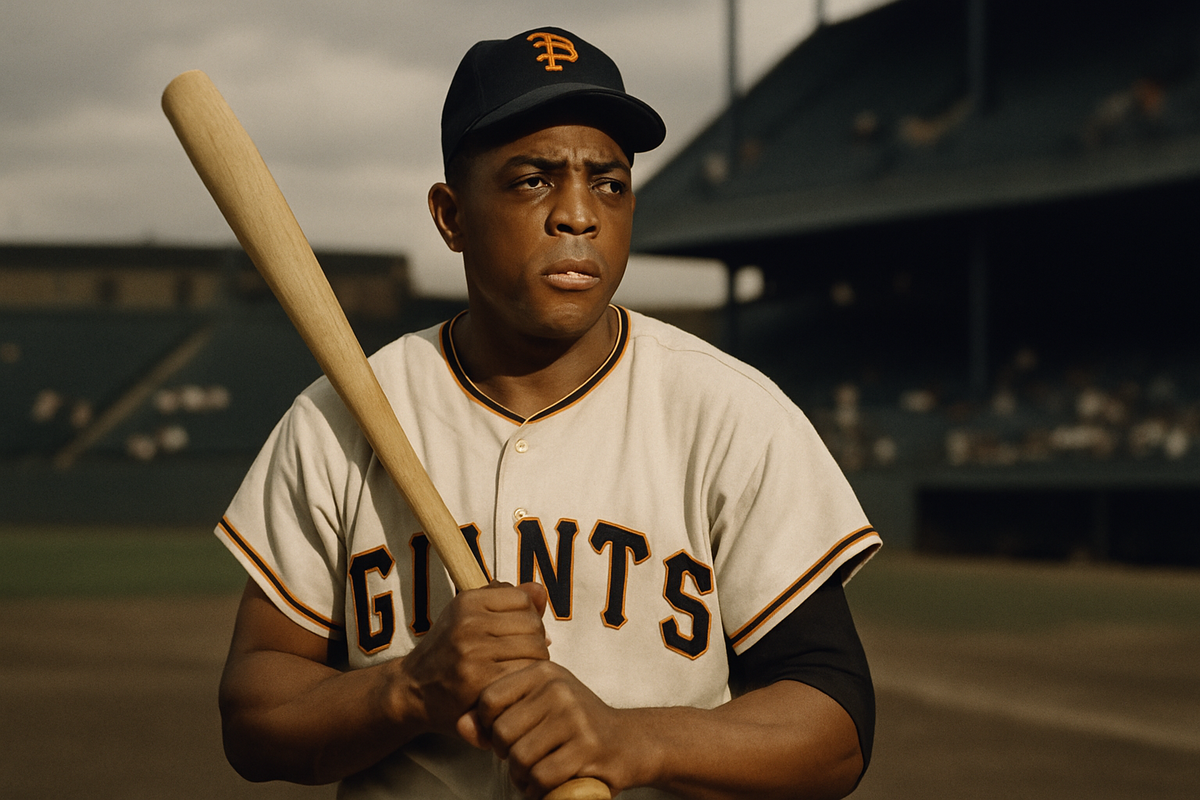
When Jet Magazine put Willie Mays on its July 3, 1958 cover, bat gripped, eyes locked forward, it wasn't just sports coverage. It was a cultural manifesto published in the middle of a segregated nation still reeling from Montgomery, still waiting for lunch counter sit-ins, still three years away from Freedom Rides.
This issue didn't ask permission to crown a Black athlete. It simply did.
The America That Needed Willie Mays
By summer 1958, the Civil Rights Movement had momentum but not yet victory. Martin Luther King Jr. and Thurgood Marshall were fighting in courtrooms and on streets. Jackie Robinson had broken baseball's color line eleven years earlier, but Black players still faced an exhausting test: prove you're not just good enough—prove you're undeniable.
Willie Mays was undeniable.
At 27, he was no longer the joyous kid from Harlem's sandlots. He was a $70,000-a-year professional leading the San Francisco Giants with a combination of power, speed, and baseball intelligence that even skeptics couldn't dismiss. He mentored rookies like Felipe Alou and Don Taussig. He carried a franchise.
And Jet knew exactly what that meant.
While mainstream sports pages debated Mays' statistics, Jet's readers understood something deeper: this was about what a Black man from Alabama—once barred from white-only fields—could become in America. Not just a participant. A standard-bearer.
Archive Details
Historical Figure: Willie Mays
Issue Date: July 3, 1958
Archive Source: Jet Magazine
Cultural Context: Published during the Civil Rights Movement, featuring headline "Why Willie Mays is the 'Greatest'"
Key Statistics: Batting .382, 14 home runs, 42 RBIs (mid-season 1958), $70,000 contract
How Jet Covered Greatness Differently
Jet Magazine didn't operate like Sports Illustrated or The Sporting News. Those publications covered athletes. Jet covered what athletes meant.
The July 3, 1958 article detailed Mays' .382 batting average, his 14 home runs, his 42 RBIs. But it also framed his maturity, his leadership, his $70,000 contract, and his home in San Francisco as proof of something larger: Black excellence wasn't theoretical—it was living, breathing, and signing autographs in full view of a nation that still wanted to pretend otherwise.
Writer Milton Gross put it plainly: Mays was doing for the Giants what Joe DiMaggio had done for the Yankees and Jackie Robinson for the Dodgers—shaping not just a team, but an entire city's sense of pride.
The article even speculated whether Mays might one day chase Babe Ruth's home run record. This wasn't idle fantasy. It was Jet planting a flag: a Black athlete could eclipse one of baseball's most mythologized white legends.
For readers in 1958, this wasn't just hope. It was documentation.
The Cover That Demanded Attention
Jet's design was built for impact. Pocket-sized, bold colors, headlines that grabbed you at the newsstand.
The July 3, 1958 cover featured a striking black-and-white photograph: Willie Mays in uniform, bat in hand, staring into the distance with focus and determination. The headline was unapologetic: "Why Willie Mays is the 'Greatest.'"
Inside, the photography reinforced the narrative. Images of Mays sliding into bases, relaxing at home with his wife, signing his $70,000 contract—these weren't just action shots. They were evidence of athletic dominance and financial success, respectability and stability.
Every visual choice said the same thing: this is what greatness looks like, and it looks like us.
Maturity and Leadership
Jet emphasized that Mays, at age 27, was no longer the "Harlem kid" but a professional whose discipline and leadership elevated the San Francisco Giants. He mentored rookies like Felipe Alou and Don Taussig, showing that his value went beyond hitting home runs.
Chasing Babe Ruth's Record
The article speculated whether Mays might one day challenge Babe Ruth's home run record. This wasn't just about numbers—it was about whether a Black athlete could eclipse one of baseball's most mythologized white legends.
Financial Success and Stability
Jet detailed Mays' $70,000 contract with the Giants, noting that he had matured into not just a ballplayer but a responsible provider with a home in San Francisco. This reinforced the image of stability, respectability, and financial progress.
Cultural Impact
Writers like Milton Gross described Mays as doing for the Giants what Joe DiMaggio had done for the Yankees and Jackie Robinson for the Dodgers—leading not only a team but shaping an entire city's sense of pride.
Why This Issue Matters to Collectors
Historical Timing
Published at Mays' peak, when he was already being compared to Babe Ruth and carrying an entire franchise on his shoulders.
Cultural Weight
This wasn't sports fluff. It was a declaration of Black excellence during segregation—published in a magazine that served as both news source and cultural lifeline for Black America.
Iconic Imagery
That cover photograph of Mays, bat gripped, eyes forward, has become one of Jet's most recognizable sports covers. It's pure determination in a single frame.
Enduring Relevance
More than six decades later, this issue remains a primary source for understanding how Black media shaped narratives around representation, achievement, and progress when mainstream outlets wouldn't.
Owning this issue means holding a physical artifact from the moment when a magazine and an athlete together redefined what "greatest" could mean in 1958 America.
What Willie Mays and Jet Magazine Built Together
Sports have never been just about statistics. For Willie Mays in 1958, being called "the greatest" meant carrying the aspirations of millions who saw their own potential reflected in his swing.
Jet's coverage made that connection explicit. Mays wasn't just a ballplayer—he was proof that excellence couldn't be segregated, that talent couldn't be diminished by prejudice, that a Black man from Alabama could rewrite what America considered possible.
More than sixty years later, this issue stands as a reminder: athletes become symbols, magazines become archives, and culture becomes history—one bold headline at a time.
Explore the Complete Jet Magazine Archive
Whether you're a collector, cultural historian, or student of baseball and Black American history, the July 3, 1958 issue is more than memorabilia—it's a document of the moment when Willie Mays and Jet Magazine together challenged a segregated nation to expand its definition of greatness.
Browse Original Jet Magazines