
When Vogue Declared War on Winter Sun
The 1970 Beauty Bulletin That Changed Skincare Forever
On November 15, 1970, Vogue magazine did something radical. Nestled between fur coat editorials and holiday gift guides, the world's most glamorous fashion authority published what amounted to a medical warning: your skin is under attack, and winter is the weapon.
The feature was called "Your Skin vs Winter Sun," and it marked the moment when dermatology crashed the beauty party. No longer were wrinkles a vague consequence of aging or sun-worshipping on Mediterranean beaches. Now, science had entered the conversation—complete with clinical terminology, research citations, and a University of Pennsylvania dermatologist telling affluent women that their ski weekends in Aspen were destroying their faces.
This wasn't just seasonal advice. It was a cultural inflection point, captured in glossy pages that still crackle with urgency five decades later.
Archive Details
Publication: Vogue Magazine
Issue Date: November 15, 1970
Feature: Beauty Bulletin — "Your Skin vs Winter Sun"
Key Figure: Dr. Albert M. Kligman, University of Pennsylvania
Featured Product: Elizabeth Arden Eight Hour Cream
The Collision of Science and Aspiration
By 1970, Vogue had perfected the art of making readers feel simultaneously empowered and inadequate. The late 1960s bohemian aesthetic—natural, effortless, sun-kissed—was colliding headlong with a new mandate: flawless skin required vigilance, not just good genes. The November 15 issue embodied this tension perfectly.
Dr. Albert M. Kligman, the dermatological researcher at the University of Pennsylvania whose warnings anchored the piece, wasn't delivering cosmetic suggestions. He was delivering science. Cumulative sun exposure—even in winter, even in those supposedly harmless late-afternoon hours—caused premature aging and wrinkles. The damage was invisible until it wasn't. And by then, it was permanent.
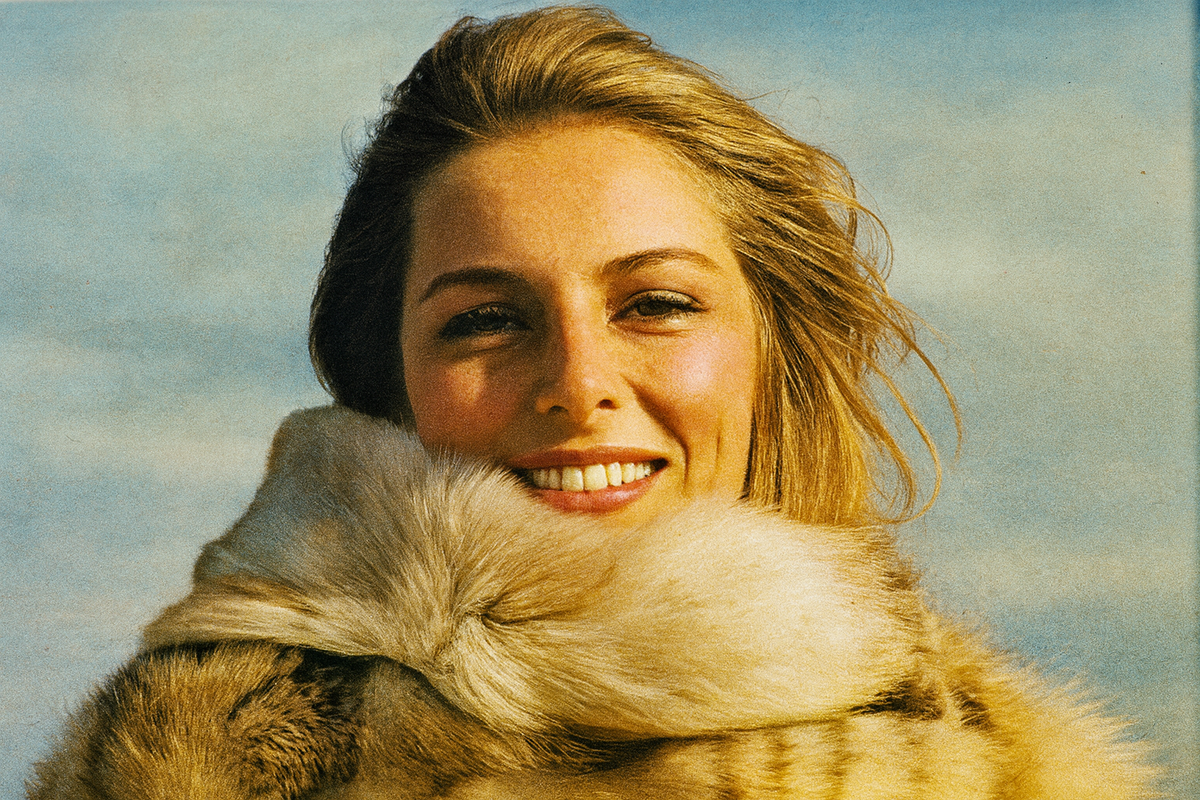
What made this feature extraordinary wasn't the warning itself. It was how Vogue packaged it: radiant models in fur-trimmed coats, a smiling young woman with long bangs catching winter light, an elegant blonde in profile suggesting vitality rather than vulnerability. The photographs promised glamour. The text delivered danger. Both were true.
This was Vogue's genius—offering medical knowledge wrapped in aspiration, making skincare feel less like maintenance and more like membership in an enlightened elite who understood what others didn't.
The New Hazards of the Affluent Life
The timing wasn't accidental. International travel had become a status symbol among Vogue's readership, and winter sports—particularly skiing—signaled wealth and sophistication. But those snow-covered slopes at high altitude presented a dermatological nightmare: reflected UV rays intensified exposure, turning a weekend in the mountains into an aging accelerant.
The article named winter sun a "weapon" specifically because of snow's reflective properties. Readers who thought they were safe under cloud cover or during après-ski golden hour were wrong. The feature corrected a dangerous myth: late-day sun wasn't harmless. It could cause more trouble than midday exposure.
Even more striking was the clinical discussion of herpes simplex—cold sores and fever blisters—triggered by sun exposure. This was medical language rarely seen in mainstream beauty pages, yet Vogue presented it matter-of-factly, as if readers should expect their fashion magazine to teach them virology.
The subtext was clear: modern women lived modern lives, and modern lives required modern knowledge. Leisure came with consequences.
The Paradox of Liberation
Here's where the issue becomes culturally revealing. The women's movement was expanding opportunities and challenging gender roles throughout 1970. Yet Vogue reinforced the idea that success—professional, social, romantic—still required meeting rigorous beauty standards. The Winter Sun article epitomized this contradiction: yes, go skiing in Aspen, but know that your freedom outdoors could scar your skin.
Liberation, but with a warning label.
This wasn't hypocrisy so much as honesty about the double bind facing women in 1970. They were expected to be natural yet flawless, effortless yet vigilant, liberated yet responsible for maintaining the very appearance that signaled their worth. Vogue didn't create this paradox—it simply documented it with ruthless clarity.
The Winter Weapon
Snow and altitude intensified sunburn risks, making winter as dangerous as summer for the skin.
Cumulative Damage
Dr. Kligman explained that wrinkles and aging came from repeated exposure—not just dramatic burns.
Late-Day Sun Myth
The article corrected the belief that late-afternoon rays were harmless, warning they could actually cause more trouble.
Clinical Language
Vogue boldly discussed herpes simplex and fever blisters, framing skincare in medical terminology unusual for fashion magazines.
The Products That Promised Protection
Elizabeth Arden's Eight Hour Cream appears in the feature as both medicine and magic—a product that bridged dermatology and fashion, protection and glamour. Already legendary by 1970, the cream was presented as essential equipment for the modern woman navigating winter hazards. Makeup, too, was reframed: not merely decorative but functional, shielding skin from environmental assault.
This was aspirational commerce at its finest. Vogue didn't just tell readers they faced danger—it offered salvation, available for purchase.
Why This Issue Matters to Collectors
Historical Documentation
Published at the threshold of a transformative decade, it records how women were taught to see themselves—not just fashionable but responsible for preventing their own aging through informed vigilance.
Editorial Innovation
Few Vogue issues so explicitly merged dermatology with aspirational lifestyle content. This wasn't a sidebar on sunscreen—it was a full Beauty Bulletin framing winter sun as an adversary requiring strategic defense.
Cultural Artifact
The issue reveals the paradoxes of early 1970s femininity—the expectation that women could have it all, provided they also maintained it all.
Design Transition
The sleek, modernist photography and minimal layout reflect Vogue's shift away from fantasy illustration toward a more immediate, documentary style of fashion presentation.
Product Legacy
The Elizabeth Arden Eight Hour Cream reference connects the issue to a beauty icon that remains relevant today, creating a through-line from 1970 to the present.
Primary Source Value
Holding this issue isn't just possessing vintage fashion editorial—it's holding evidence of how medicine, commerce, and cultural expectations converged to reshape beauty standards in ways we still live with.
Wartime Life magazines endure because they captured history as it happened. Vogue magazines from the 1970s endure because they captured how women were taught to see themselves—what science entered the beauty conversation, what products promised salvation, what cultural shifts demanded new forms of vigilance.
In an era when beauty advice appears online and vanishes within hours, these printed pages remind us that fashion was once studied carefully, collected, preserved. That permanence is what makes them valuable—not just as collectibles, but as primary sources for understanding how we got here.
The November 15, 1970 issue of Vogue, with its Winter Sun feature warning readers about invisible dangers, remains one of the most revealing artifacts of its decade. Its photographs celebrated glamour. Its text delivered medical authority. Its products promised both allure and safety.
And five decades later, it still speaks directly to anyone willing to listen: beauty has always been complicated, liberation has always come with conditions, and the past is never really past.
Explore the Collection
Dozens of original Vogue magazines from the 1920s through the 1990s are available in our collection, offering the chance to trace entire decades of fashion, culture, and beauty as they were first imagined—in their own words, photographs, and aspirations.
Browse Vogue Magazine CollectionWhether you're a seasoned collector, a fashion historian, or someone captivated by the beauty of vintage publishing, these magazines offer something rare: history as it was first presented—unfiltered, unrevised, and unforgettable.