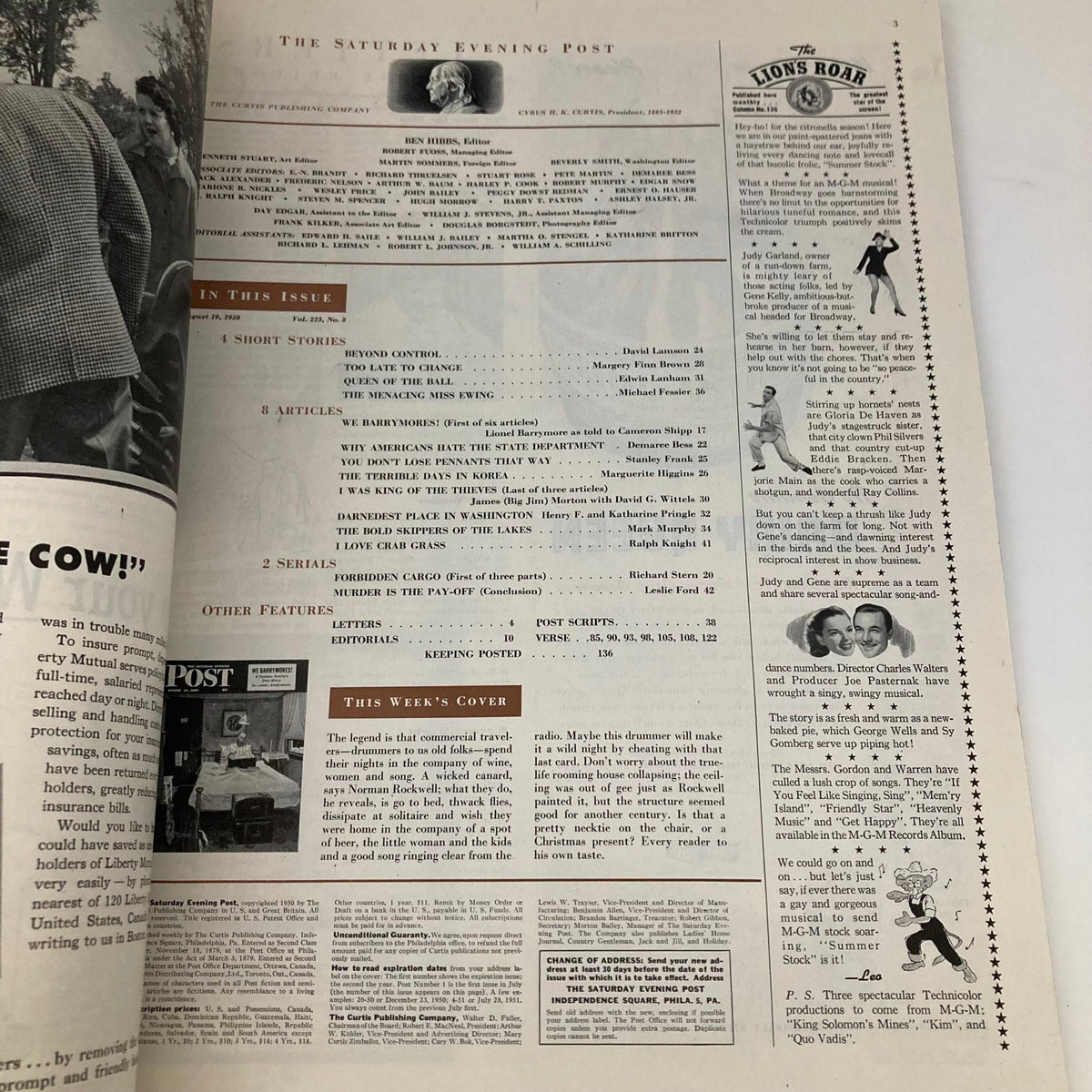
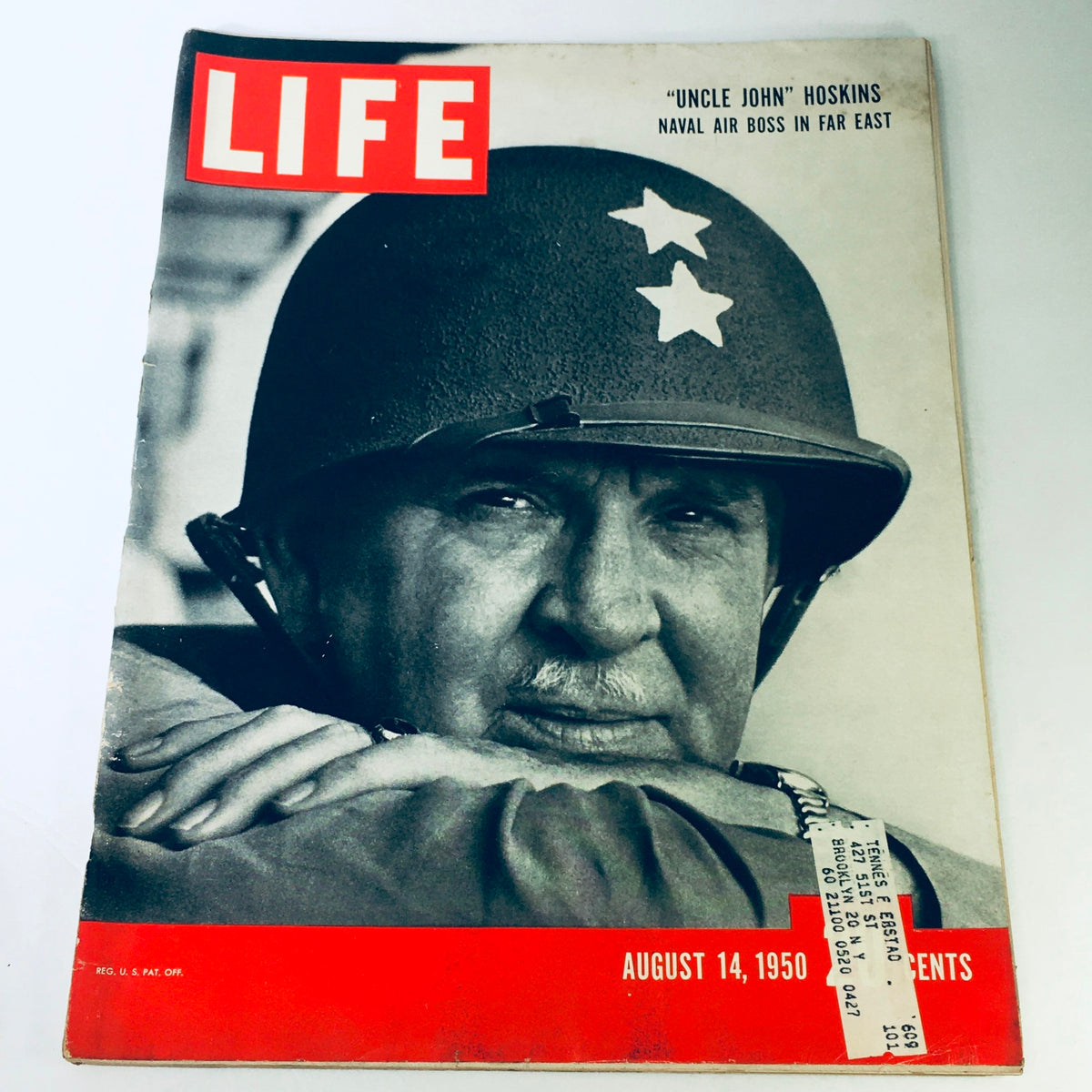
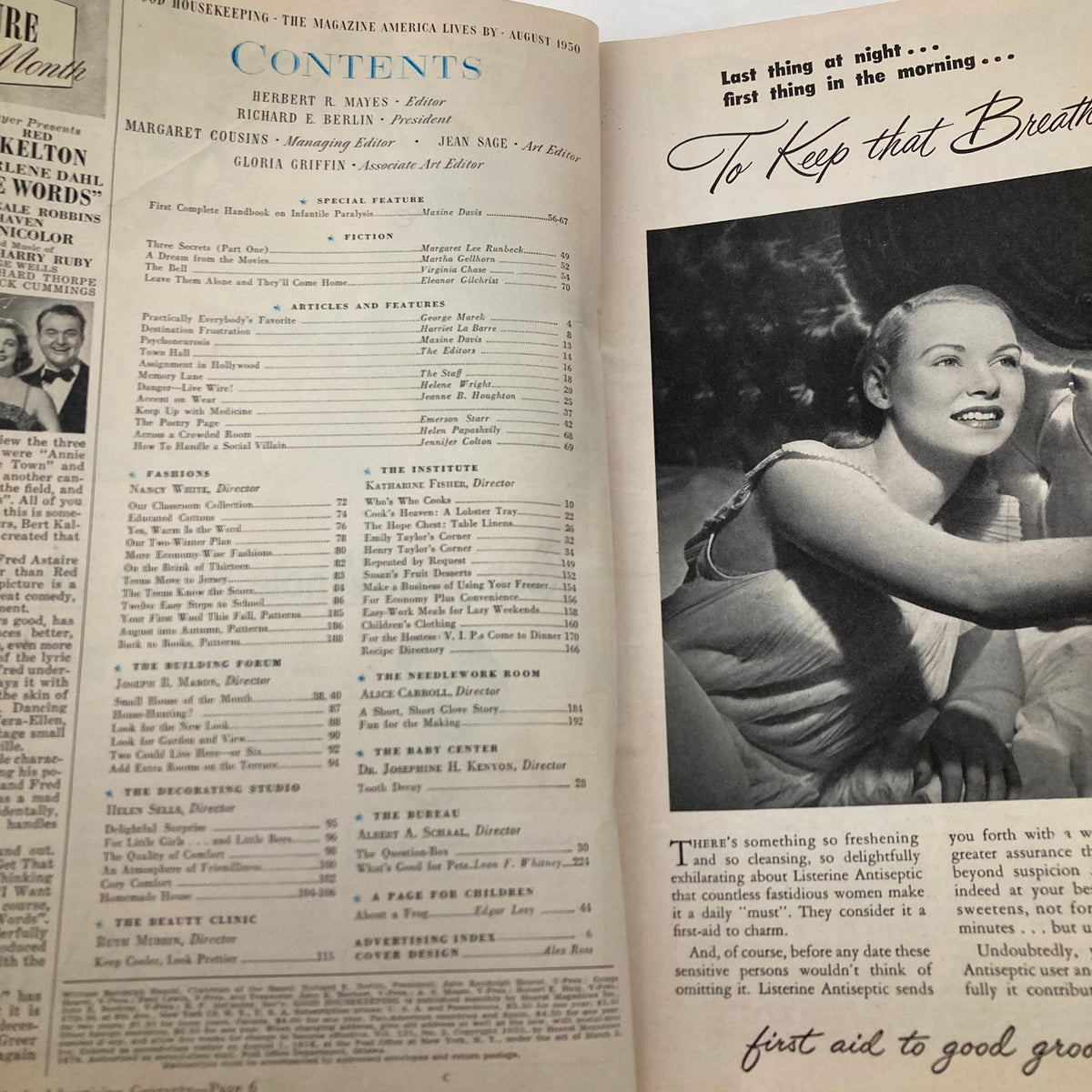
📖 About this Collection
August 1950: The Summer of Breaking Barriers
The Historical Context
The world in August 1950 crackled with transformation as old boundaries—racial, athletic, artistic—gave way to forces that would reshape the coming decade. The month opened with the American Bowling Congress ending its all-white-male rule, a quiet revolution in America's bowling alleys that mirrored larger societal shifts. Meanwhile, President Harry Truman ordered military aid to the Vietnamese regime of Bảo Đại, entangling the United States in a conflict that would define a generation. At home, Ethel Rosenberg testified before a grand jury on espionage allegations that would culminate in one of the Cold War's most controversial trials. In Belgium, King Leopold abdicated in favor of his son Baudouin, ending a reign shadowed by wartime controversies. This was the world your loved one entered—a month when courage meant crossing channels, breaking color lines, and challenging the status quo at every turn.
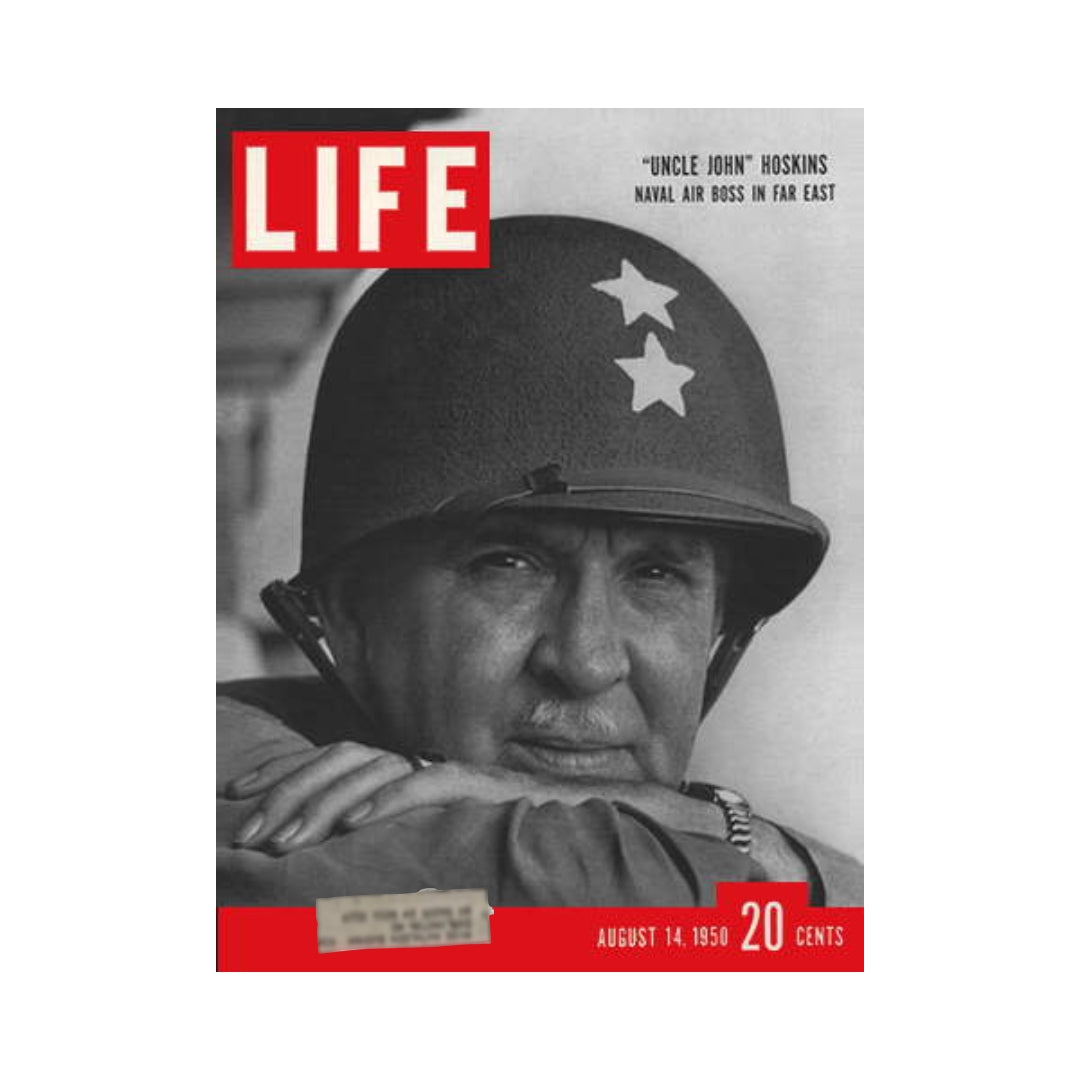
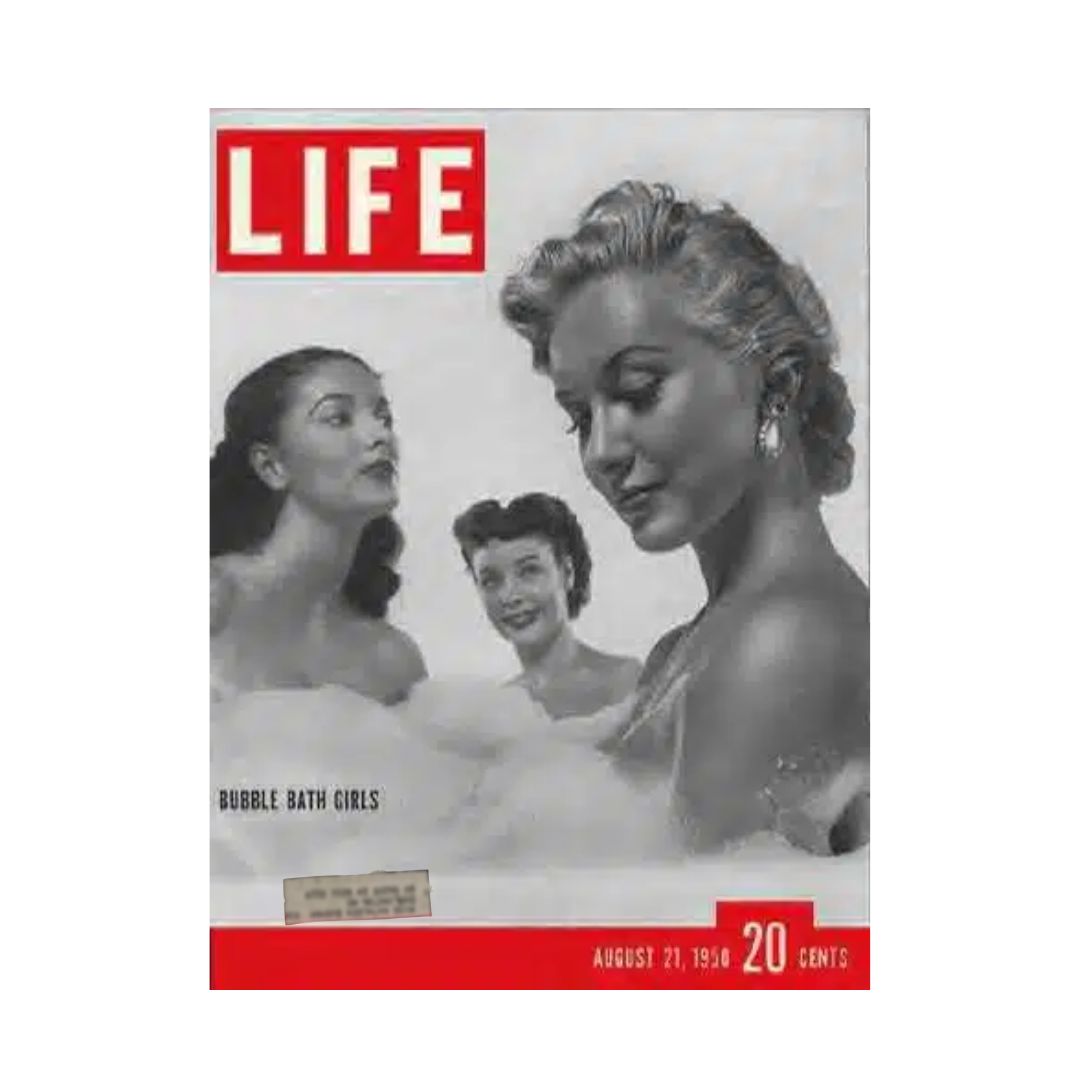
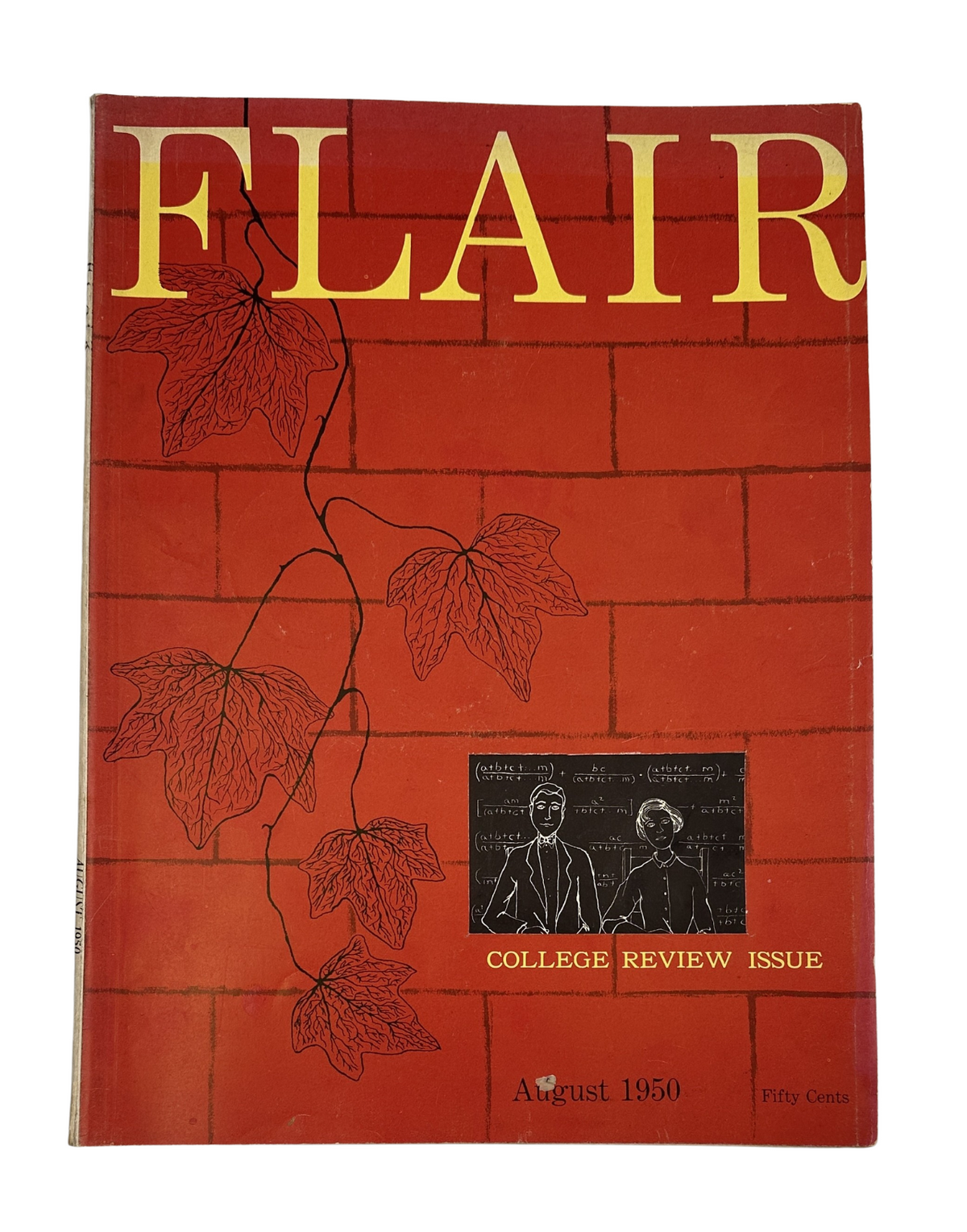
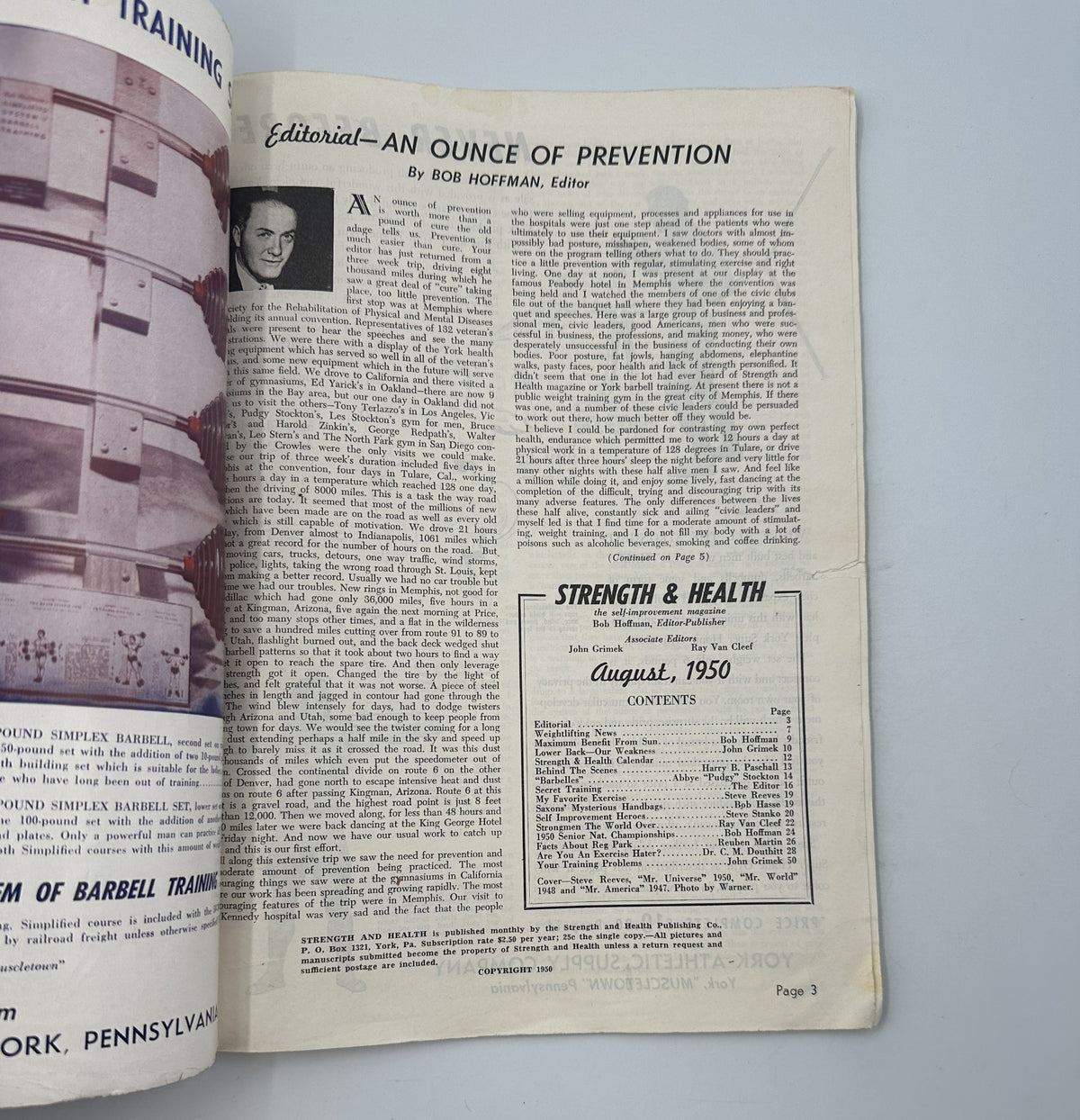
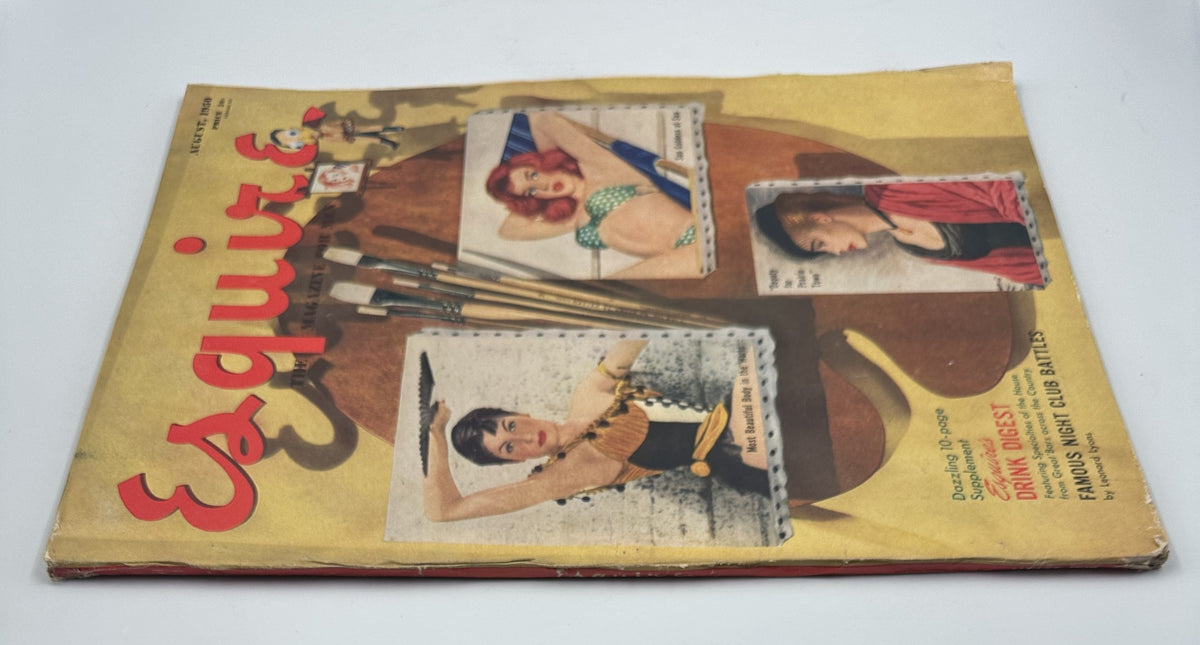
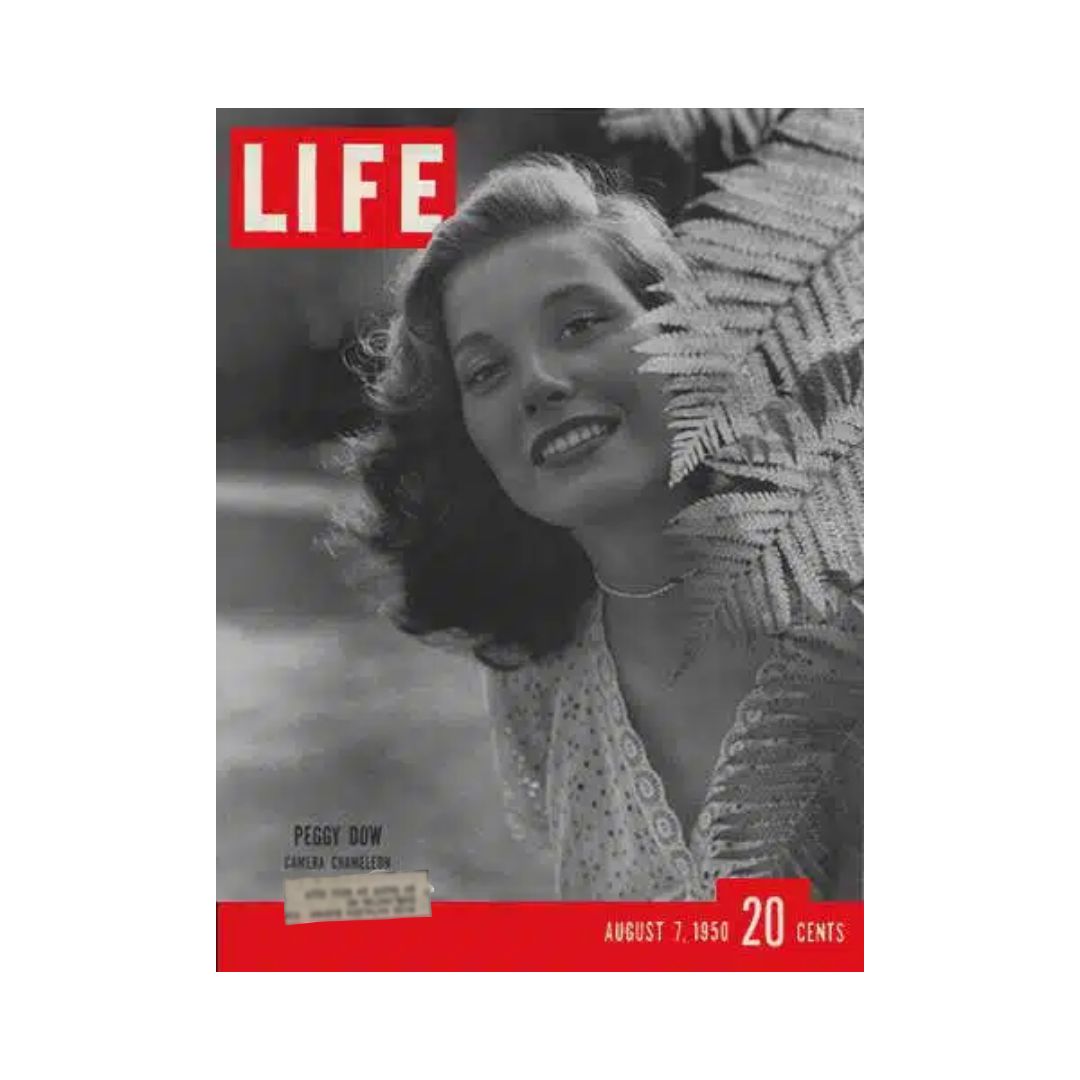
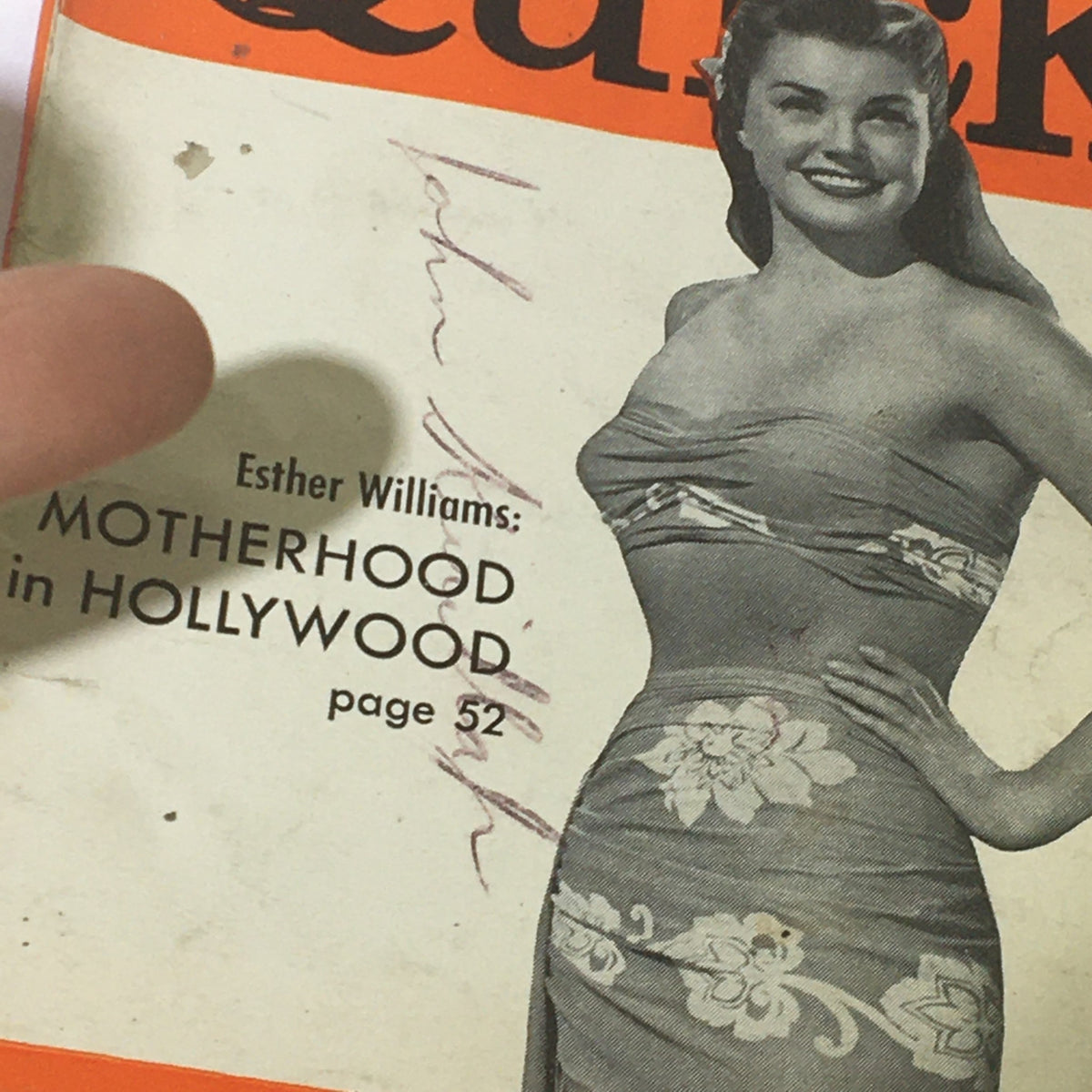
On August 22nd, Althea Gibson became the first Black competitor in a U.S. national tennis competition, her appearance at Forest Hills opening doors that had remained locked for generations. Billy Wilder's "Sunset Boulevard" premiered at Radio City Music Hall, its dark meditation on Hollywood's cruelty dominating entertainment pages. Florence Chadwick conquered the English Channel in record time—13 hours and 23 minutes of sheer determination. Sugar Ray Robinson claimed the middleweight boxing title with a knockout of Jose Basora, while baseball fans witnessed Gil Hodges hammer four home runs in a single game. Akira Kurosawa's "Rashomon" opened in Japan, introducing audiences to a revolutionary narrative structure. Original magazines from August 1950 preserved these breakthroughs in vivid photography and breathless reportage, their pages still radiating the month's electric sense of possibility.
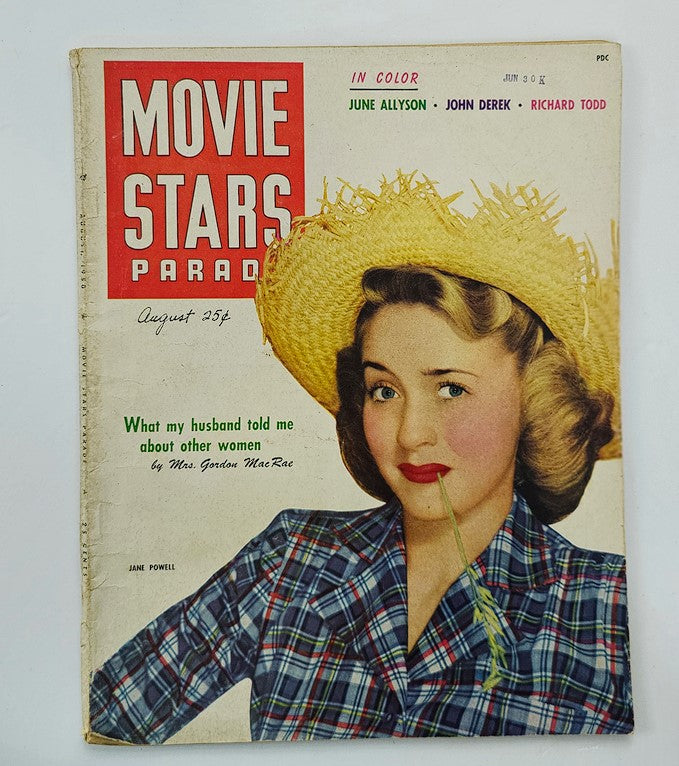
What to Look for in Vintage Magazines from August 1950
-
The Rosenberg Espionage Case: News magazines like Time and Life featuring dramatic coverage of Ethel Rosenberg's grand jury testimony, often illustrated with courtroom sketches and photographs that captured the era's Red Scare paranoia and the human faces behind the headlines.
-
Breaking the Color Barrier in Sports: Sports Illustrated predecessors and general interest periodicals chronicling Althea Gibson's historic tennis debut, showcasing the elegant determination that opened championship courts to Black athletes and changed American sports forever.
-
"Sunset Boulevard" Premiere: Entertainment magazines and rare film industry publications featuring Gloria Swanson's haunting comeback, Billy Wilder's behind-the-scenes genius, and the noir aesthetics that made this film an instant classic—preserved in original promotional layouts.
-
Channel Swimming Records: International news weeklies documenting Florence Chadwick's record-breaking swim with the kind of inspirational photography and human-interest storytelling that made ordinary people into heroes for Depression and war-weary readers.
-
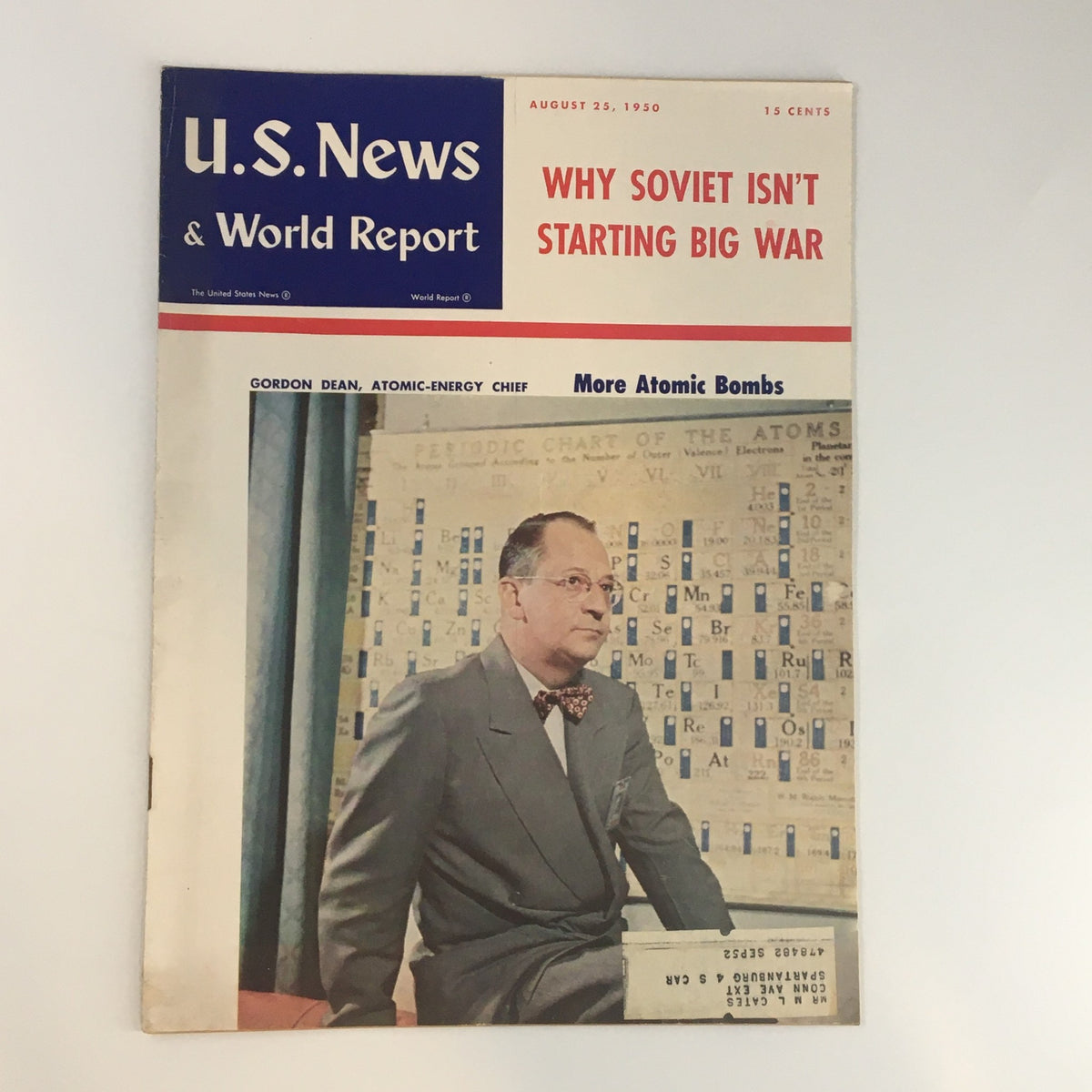
Cold War Escalation in Asia: Political magazines presenting the deepening U.S. involvement in Vietnam through President Truman's military aid decision, complete with maps, analysis, and the optimistic assumptions that would prove tragically misguided.
The Perfect Gift
For someone born in August 1950, an original magazine from this barrier-breaking month isn't just a nostalgic keepsake—it's an authentic time capsule from the summer when America began dismantling segregation, one bowling alley and tennis court at a time, preserved in genuine advertisements, headlines, and photography that no reproduction can replicate.