📖 About this Collection
December 1941: The Day Infamy Rewrote History
The Historical Context
Sunday morning, December 7th, began like any other in Hawaii—and ended like no other in American history. At 7:55 a.m., 353 Japanese aircraft swept over Pearl Harbor Naval Base, killing 2,403 Americans and drawing the United States irrevocably into the bloodiest conflict the world had ever known. By the following afternoon, President Franklin D. Roosevelt stood before a joint session of Congress and delivered words that crackled across every radio in the nation: the date, he declared, would "live in infamy." Within days, the entire architecture of the world had shifted. Britain and the United States declared war on Japan; Germany and Italy declared war on America; China entered the fray. Winston Churchill, sensing the momentous pivot, sailed for Washington to meet Roosevelt in person—the alliance that would ultimately decide the war's outcome forged in those urgent December days.
Meanwhile, across the Atlantic, the Soviet counteroffensive had begun pushing Nazi forces back from the gates of Moscow, and the eight-month Siege of Tobruk finally broke. This was the world—taut with danger, electric with history—that greeted those born in December 1941.
What the World Was Watching, Wearing, and Reading
The culture of December 1941 carries a before-and-after quality that no other month quite matches. In the days before Pearl Harbor, Sullivan's Travels—Preston Sturges's sharp, humane comedy starring Joel McCrea and Veronica Lake—had just opened in theaters, a film that asked searching questions about art and hardship that would take on new weight once the newsreels changed forever. On the gridiron, the Chicago Bears dominated the NFL Championship at Wrigley Field, defeating the New York Giants 37–9 to claim consecutive titles, while the Heisman Trophy went to Minnesota's Bruce Smith. Broadway audiences were settling into Patrick Hamilton's Angel Street, a psychological thriller that felt strangely apt for a world suddenly full of shadows.
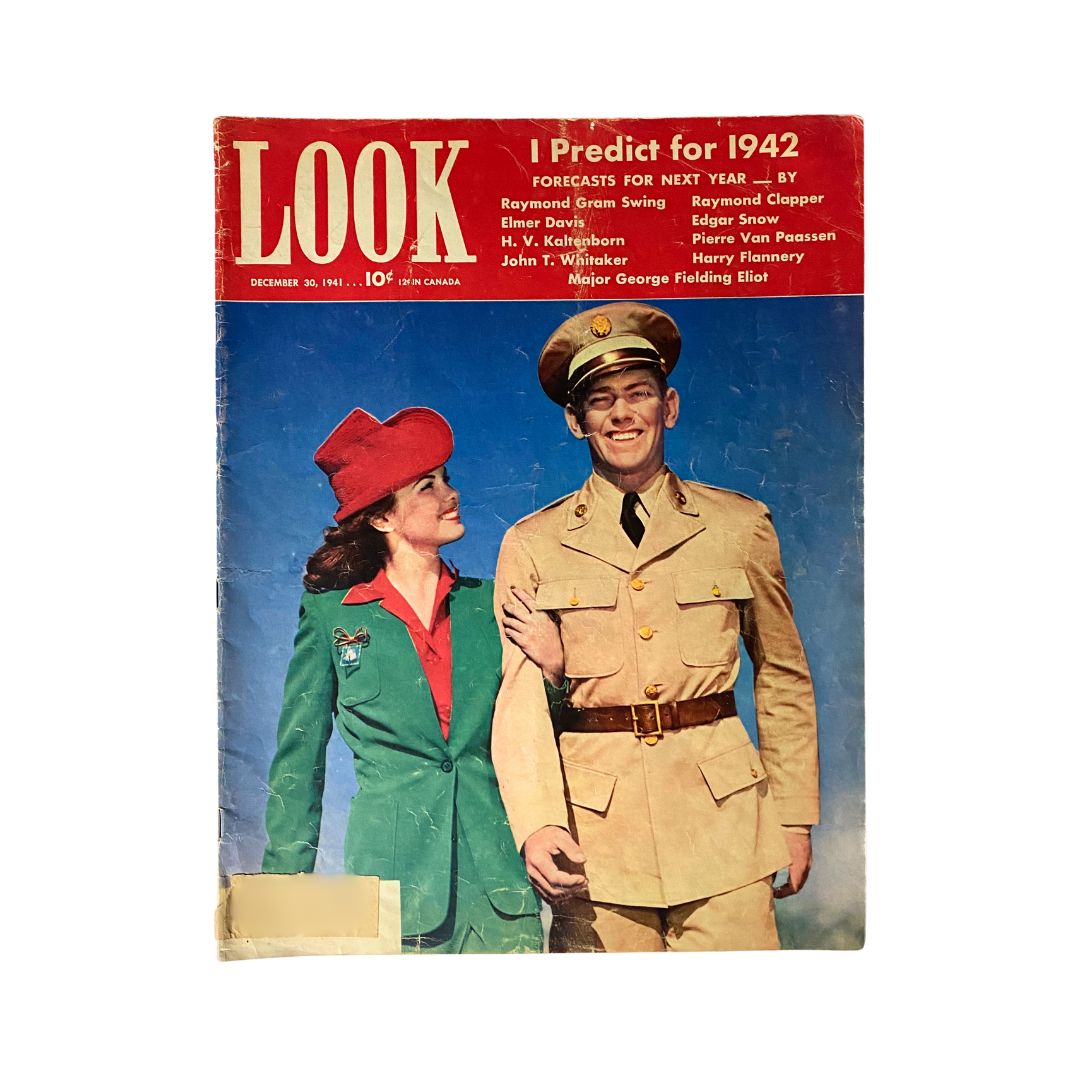
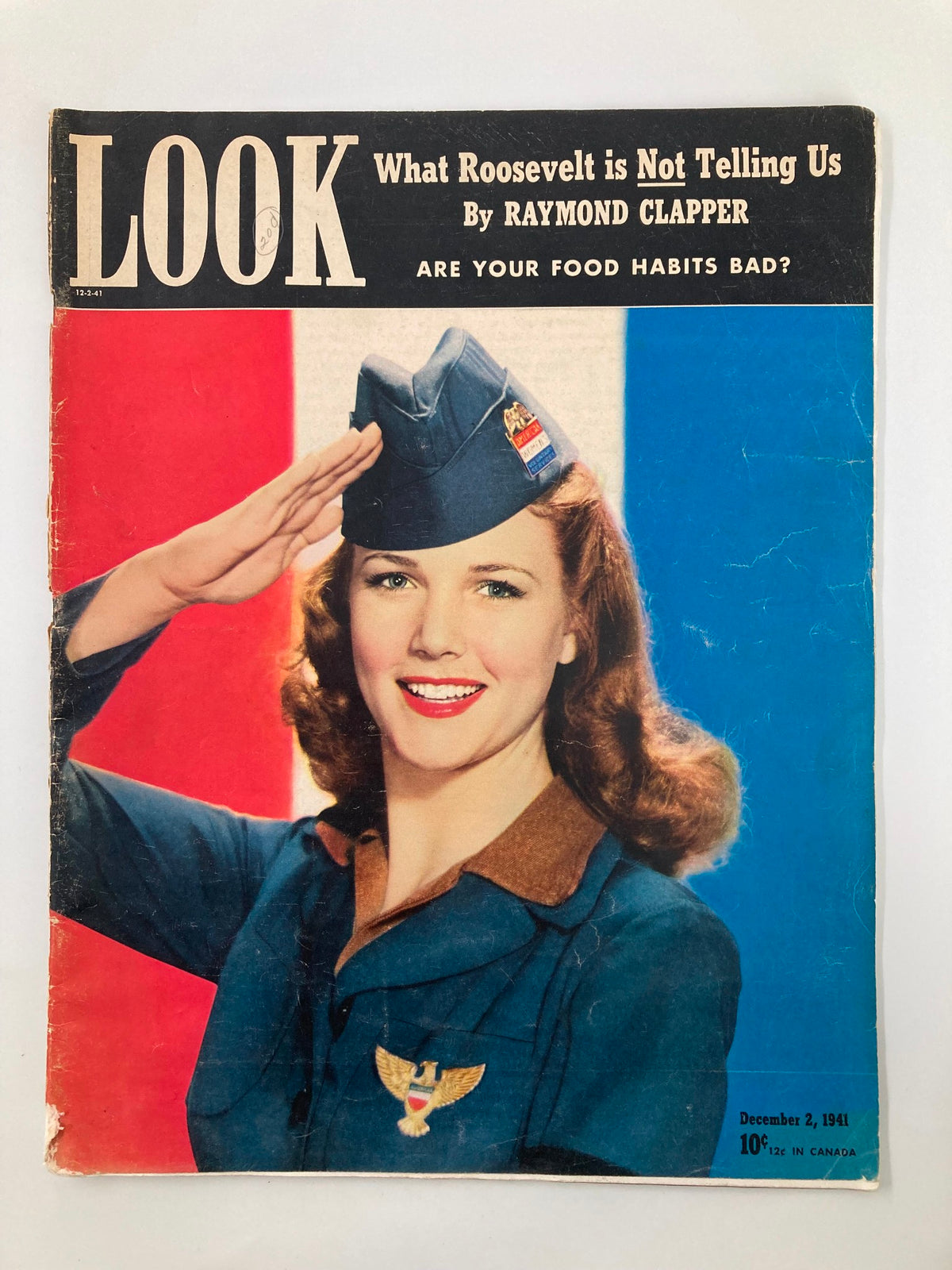
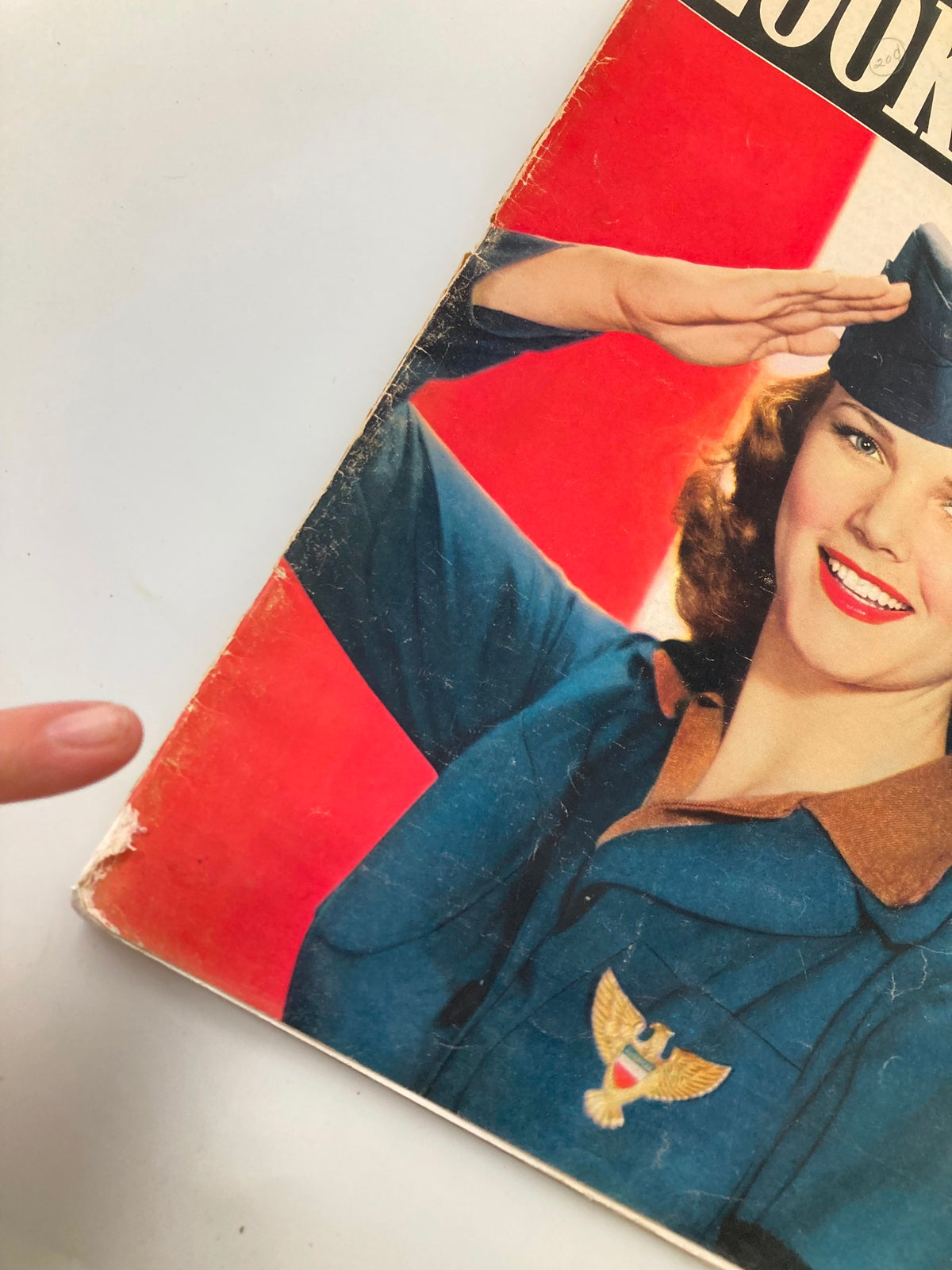
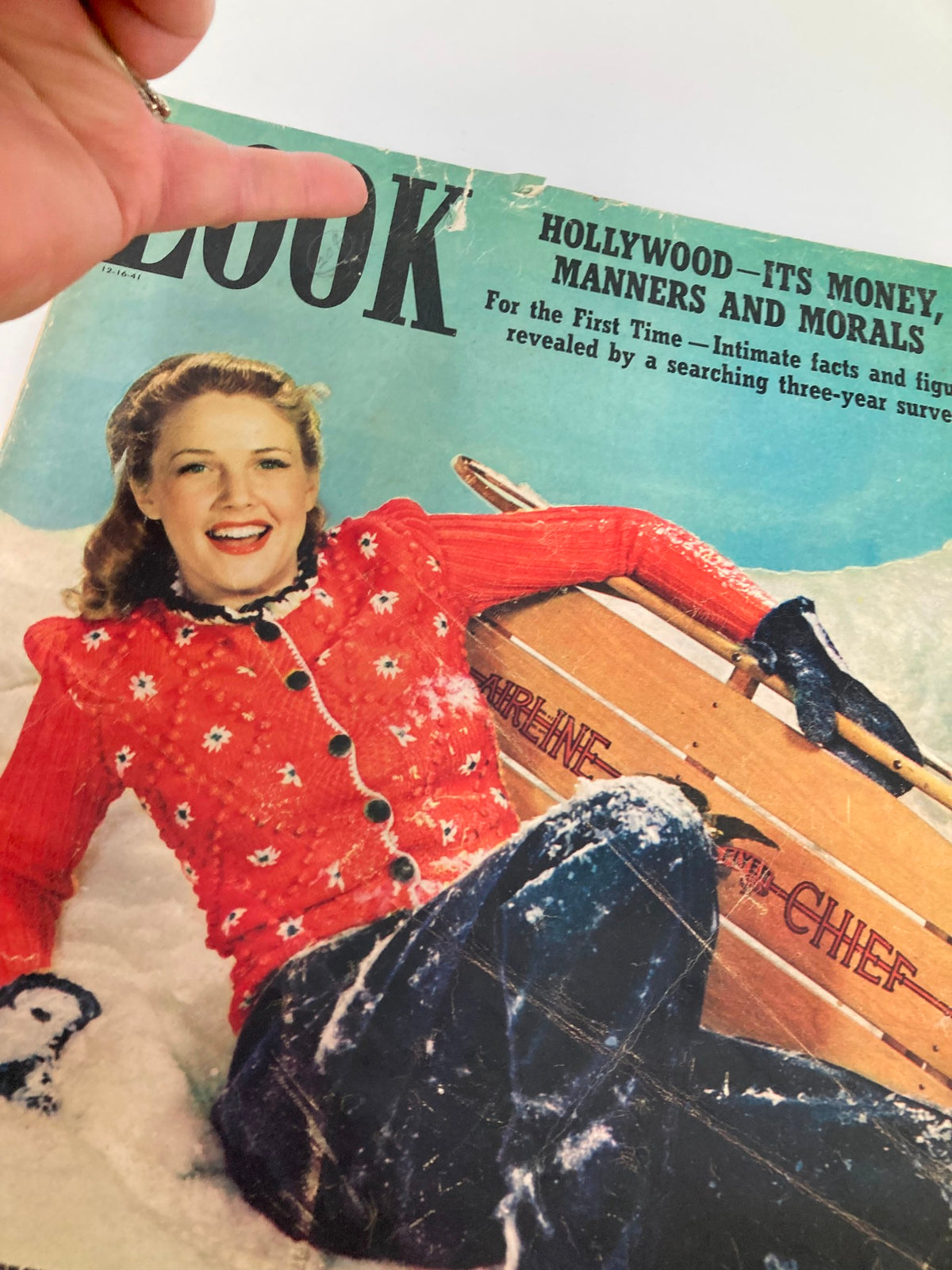
Original magazines from December 1941 capture this extraordinary cultural rupture in real time. Life and Time pivoted within days to wall-to-wall war coverage, their photographers already stationed across the Pacific. Look and Newsweek chronicled the "Day of Infamy" with the raw immediacy only print journalism of the era could deliver. Advertisements in these rare magazines—for nylons, automobiles, radio sets—sit alongside war maps and casualty lists, the collision of ordinary life and world-historical crisis preserved on every page.
Curator's Checklist: What to Look for in Your December 1941 Magazine
-
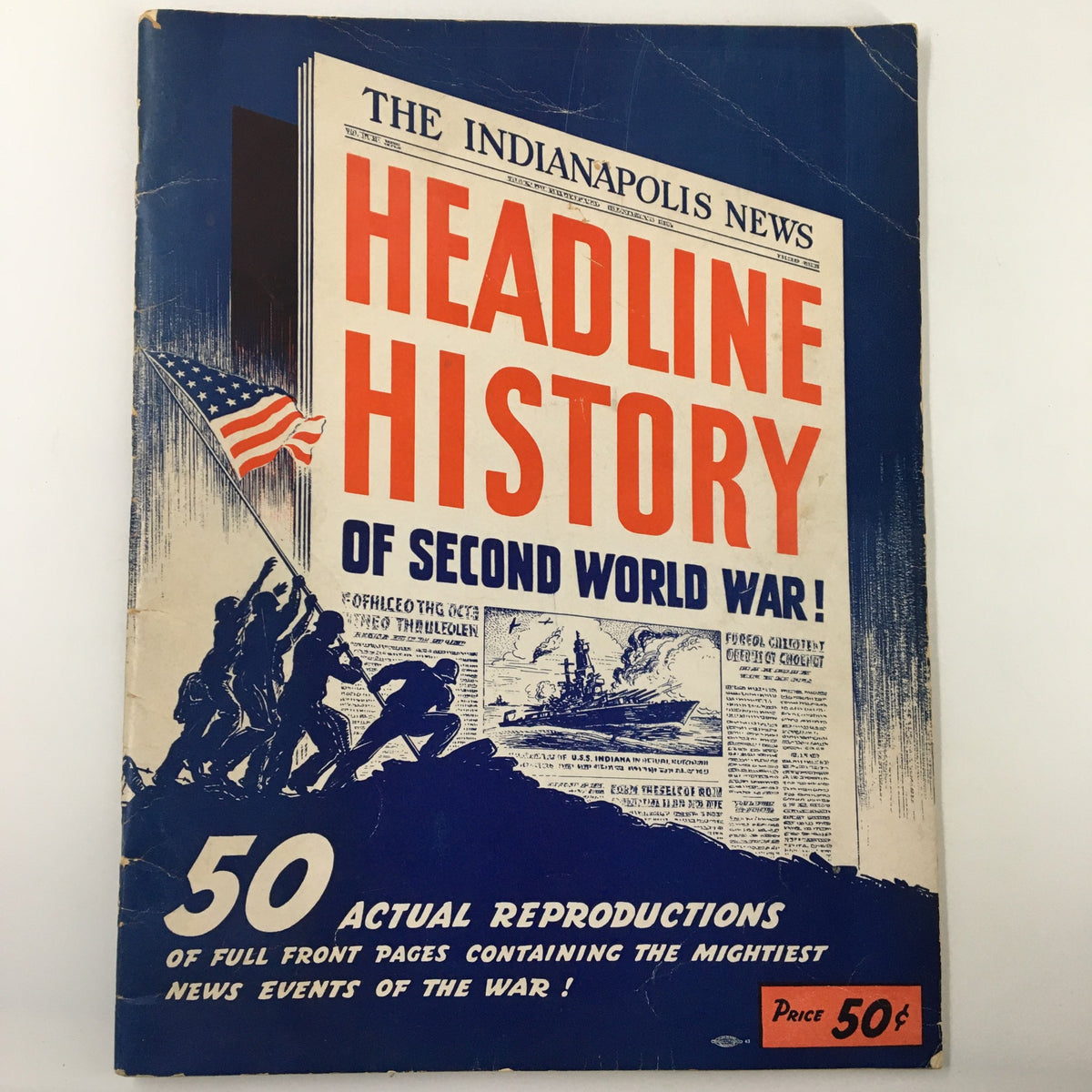
Pearl Harbor Coverage: Life, Time, and Newsweek issues from mid-to-late December featuring urgent front-page photography of the USS Arizona ablaze, maps of the Pacific theater, and Roosevelt's "Day of Infamy" speech reproduced in full—among the most historically significant pages in American magazine publishing.
-
Roosevelt's "Day of Infamy" Speech: News and political magazines from December 8–15 illustrating the joint session of Congress, often with striking photographic spreads of a visibly grim President Roosevelt—authentic primary-source documents of the moment America entered World War II.
-
Churchill in Washington: Time and Look issues from late December showcasing Churchill's dramatic wartime arrival in the U.S. capital and his historic address to Congress, frequently illustrated with Yousuf Karsh's now-iconic "The Roaring Lion" portrait.
-
Pre-War American Life: Issues dated December 1–6 carry vintage magazines advertisements for consumer goods—automobiles, appliances, women's fashion—representing the last commercial America before wartime rationing transformed daily life, a poignant contrast collectors prize.
-
NFL Championship & Sports: Sports Illustrated would not yet exist, but general-interest magazines and newspapers chronicled the Bears' historic back-to-back NFL title win on December 21, making these authentic birthday gift artifacts for football enthusiasts born this month.
The Perfect Gift
For someone born in December 1941, an original magazine from this world-altering month isn't just a piece of paper—it's a genuine time capsule of the day history lurched forward, preserved in authentic headlines, original photographs, and the actual advertisements of an America on the edge of everything.