📖 About this Collection
Desi Arnaz: The Rhythm That Rewired America
The Legend & The Legacy
Long before the algorithm decided what was worth watching, a Cuban-born bandleader with a contagious smile and an irrepressible conga drum forced his way into the American living room — and never left. Desiderio Alberto Arnaz III arrived in the United States with almost nothing, yet he would go on to co-found Desilu Productions, one of the most consequential entertainment companies in television history, and star alongside his real-life wife Lucille Ball in I Love Lucy, the show that essentially invented the modern sitcom. At his peak in the early-to-mid 1950s, he was not merely a celebrity — he was a cultural phenomenon, a weekly guest in tens of millions of American homes at a time when a single television set was still a neighborhood event. His story carried layers that fascinated the press: the immigrant who conquered Hollywood, the Latin heartthrob who broke ethnic barriers on primetime, the behind-the-scenes genius who pioneered the three-camera filming format still used today. Fans didn't follow him through social media or streaming clips — they followed him through the pages of the magazines stacked on their coffee tables and tucked into their kitchen drawers, waiting eagerly for the next glossy glimpse into his world.
Inside the Archive
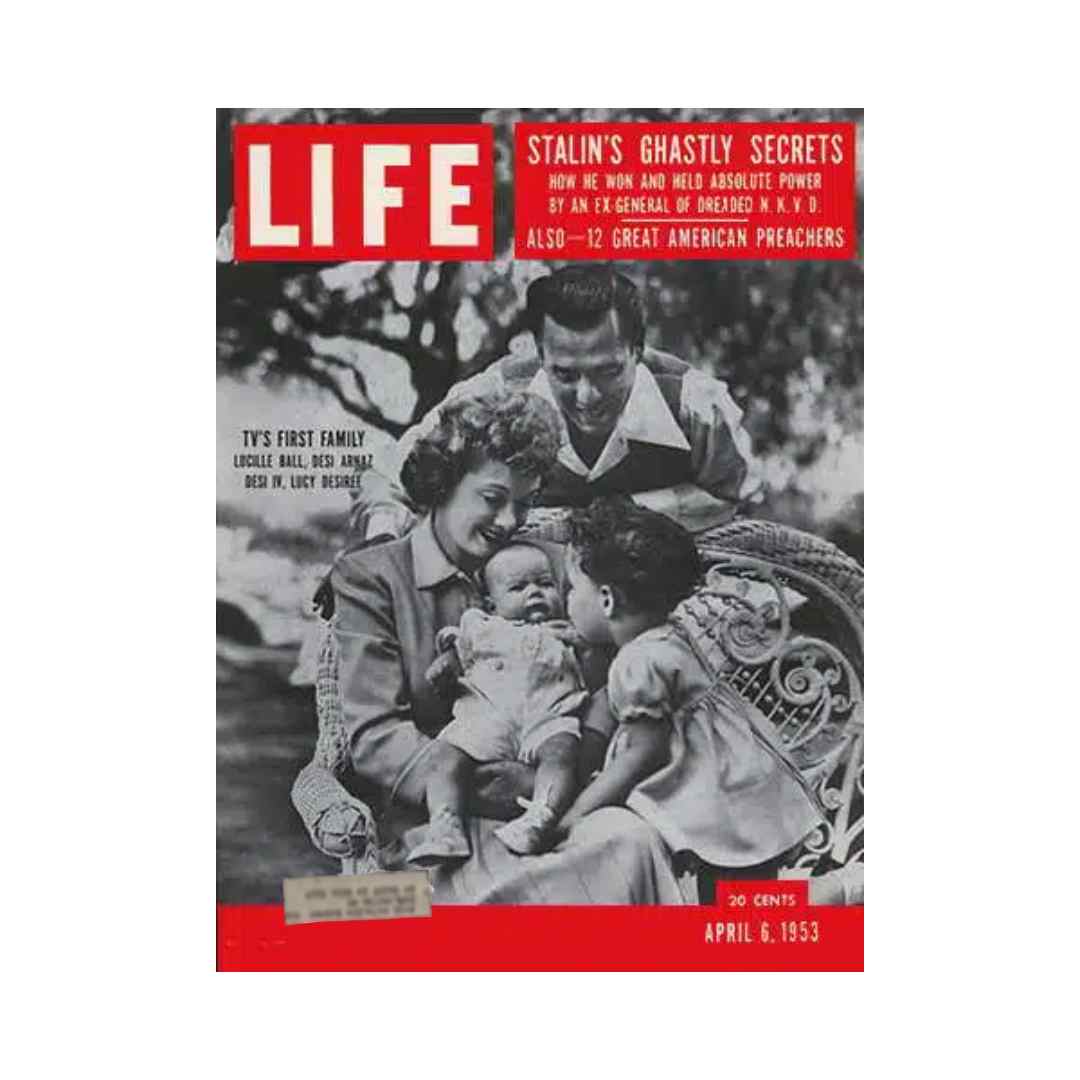
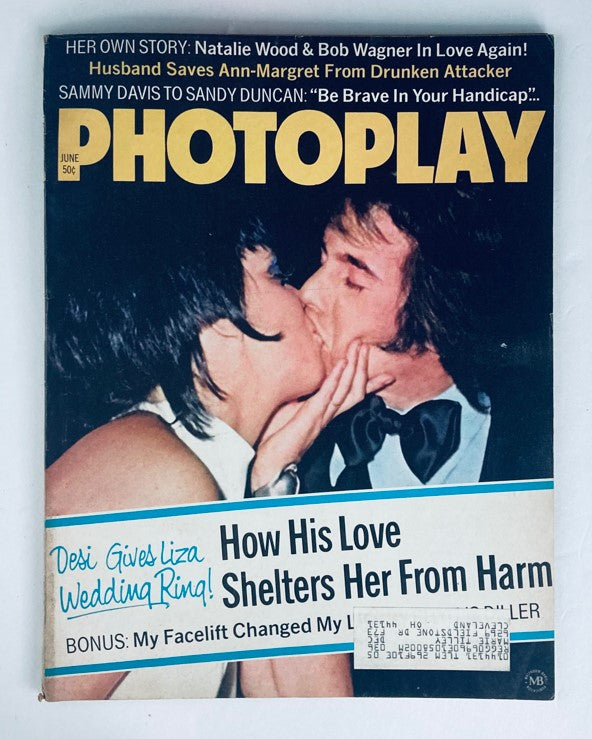
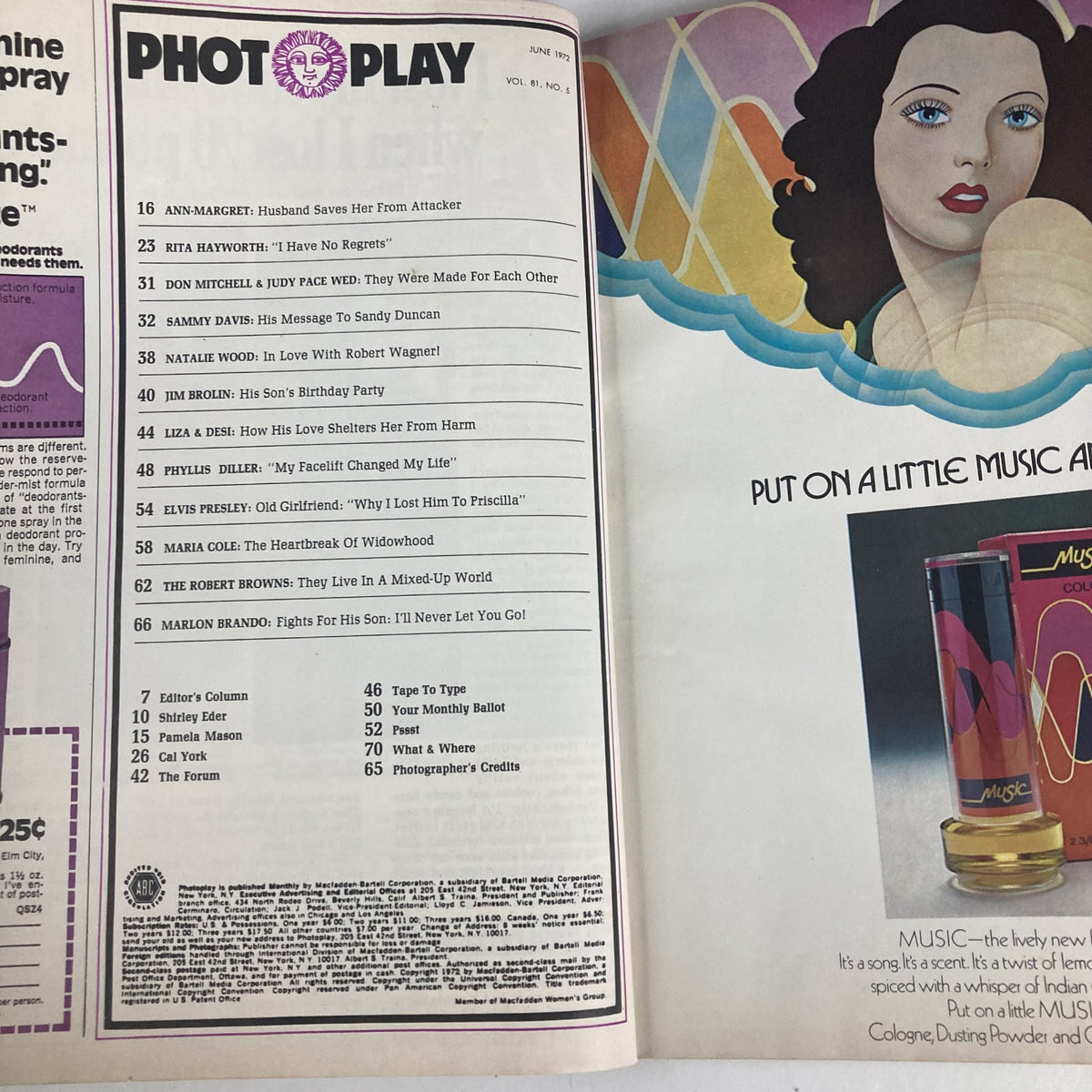
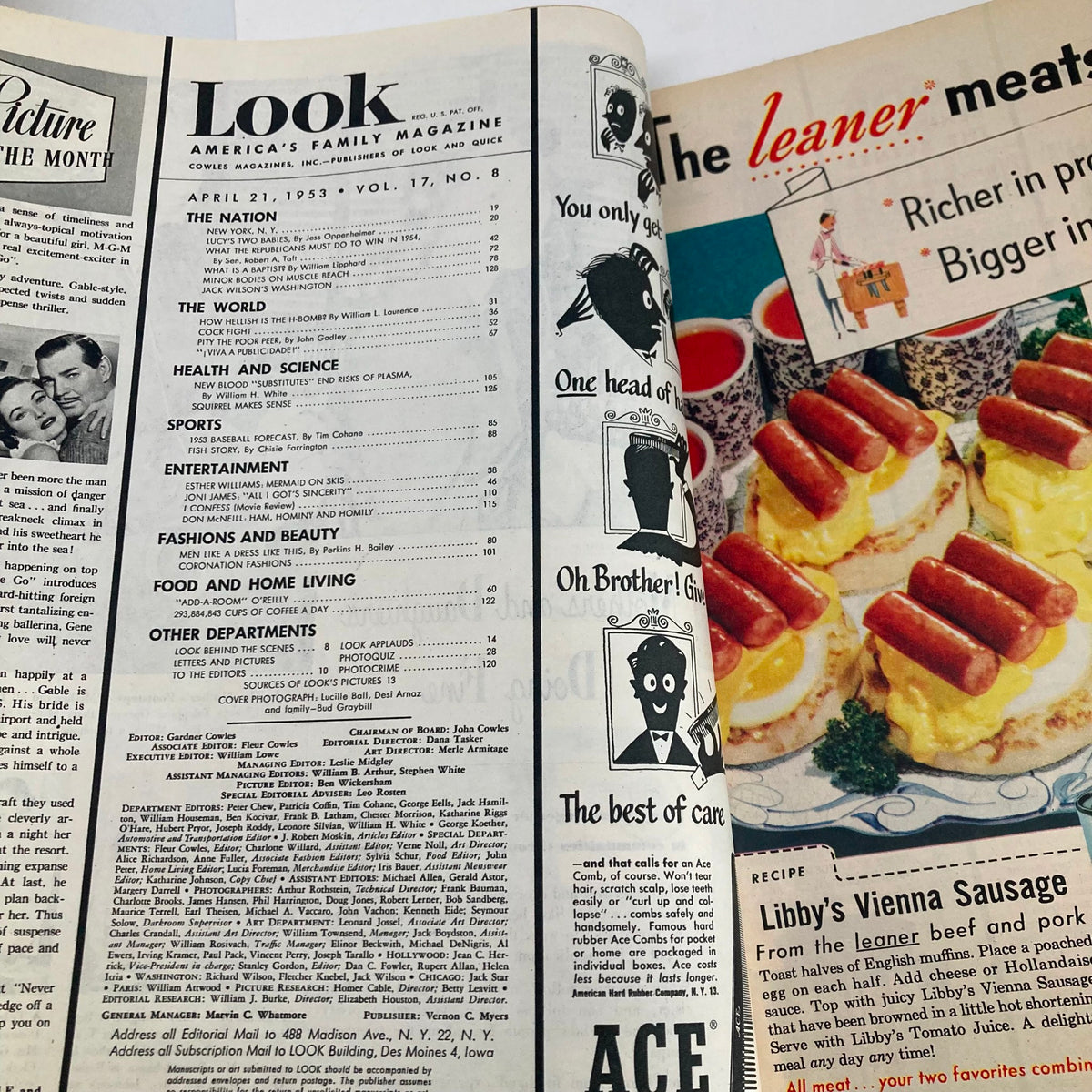
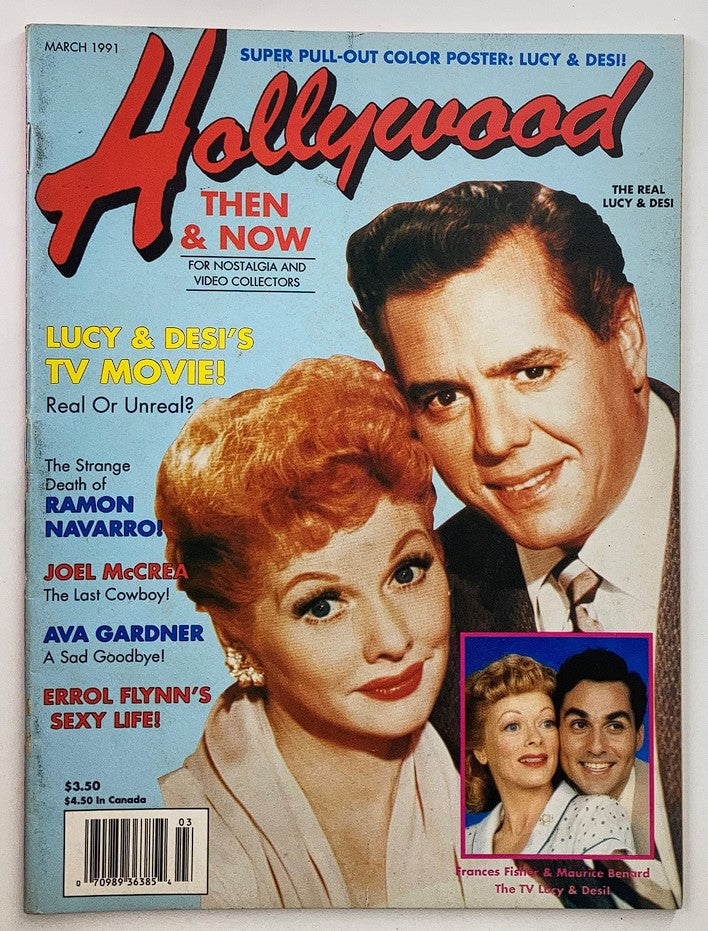
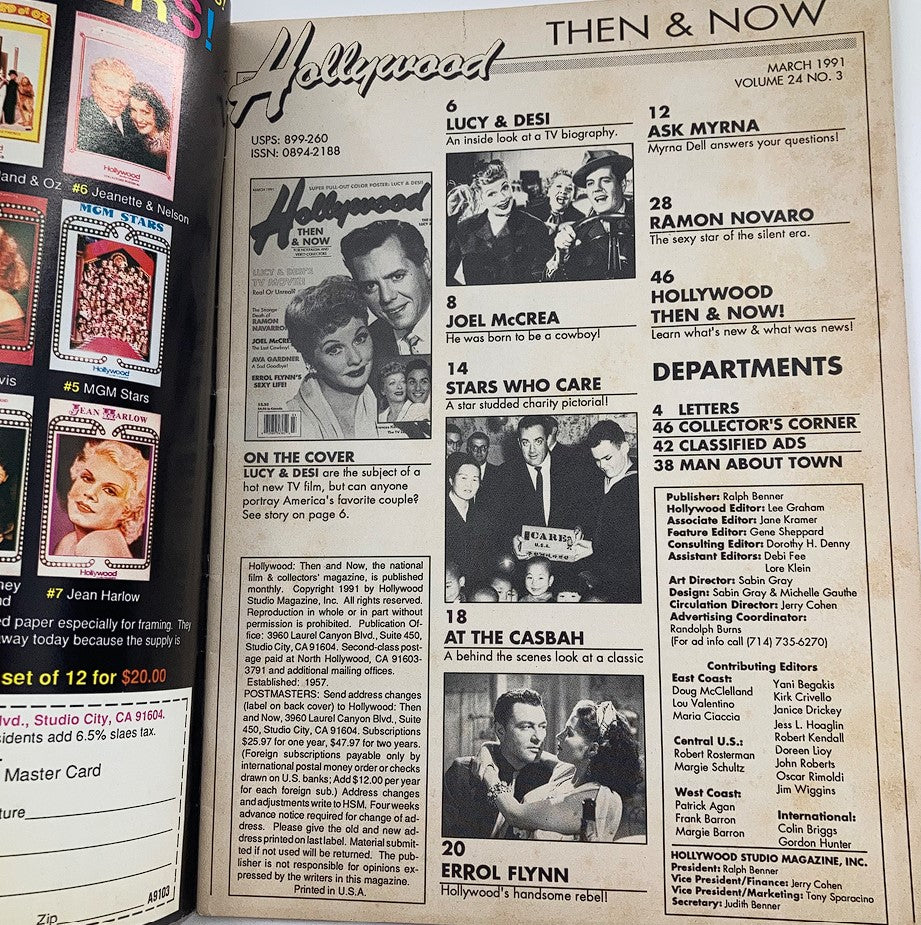
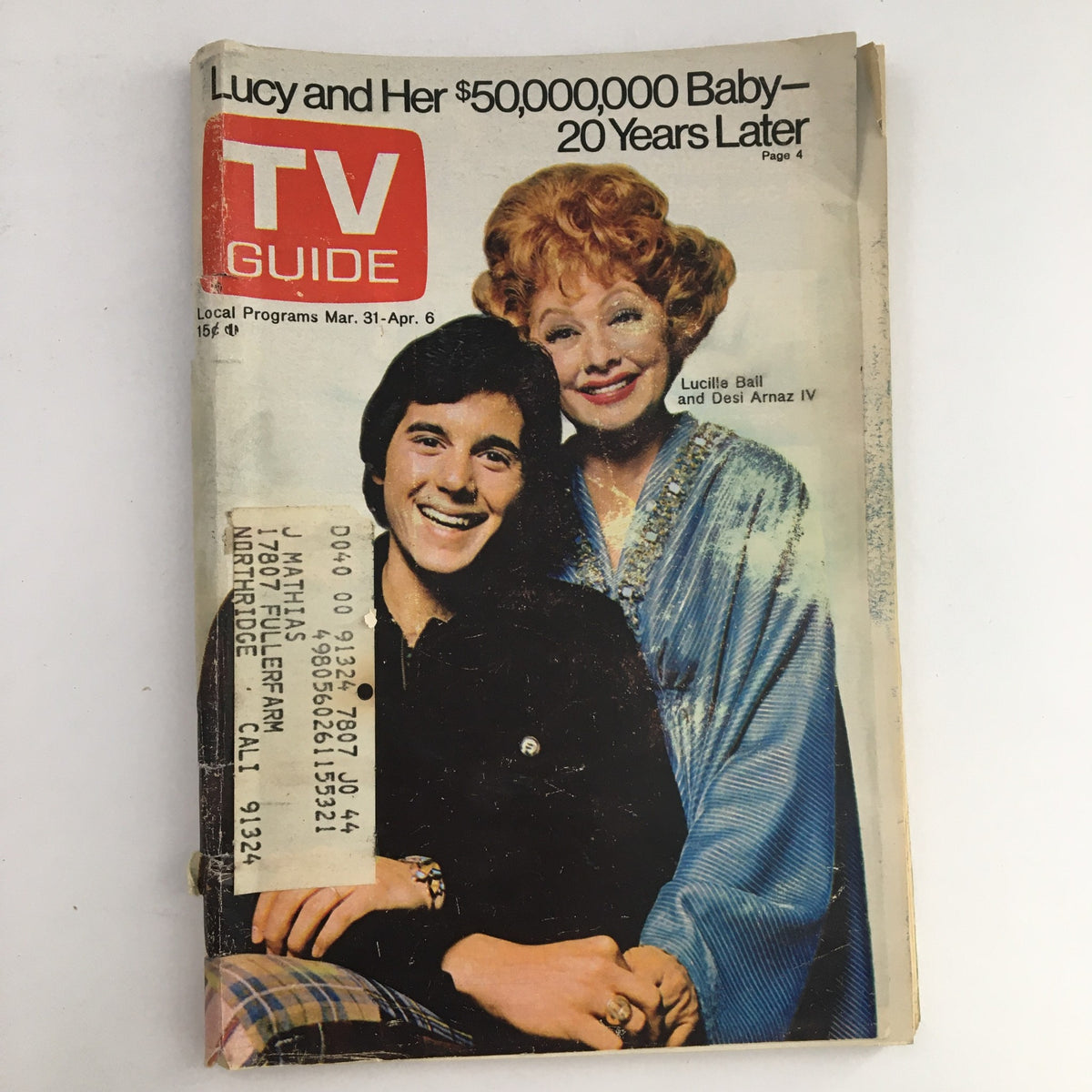
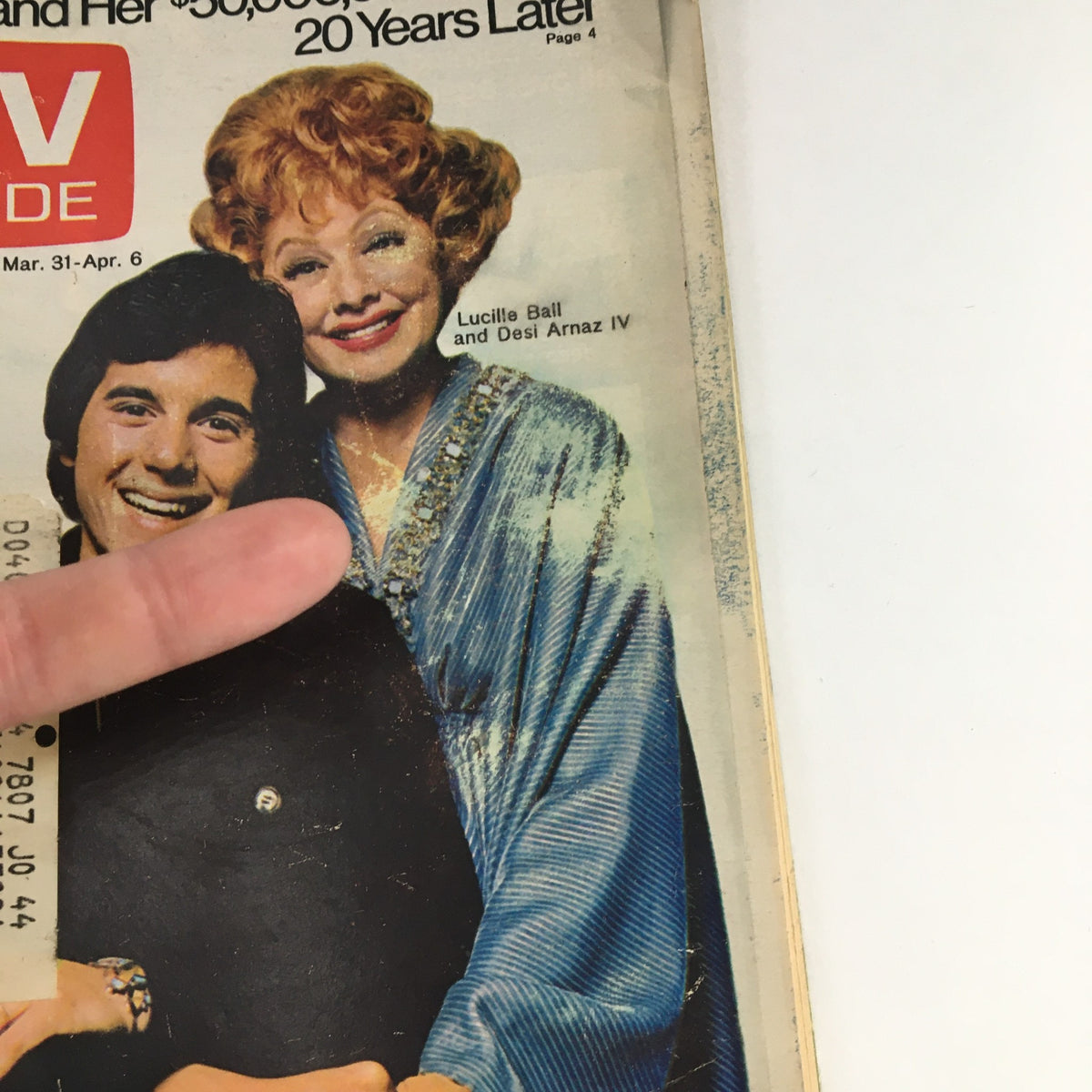
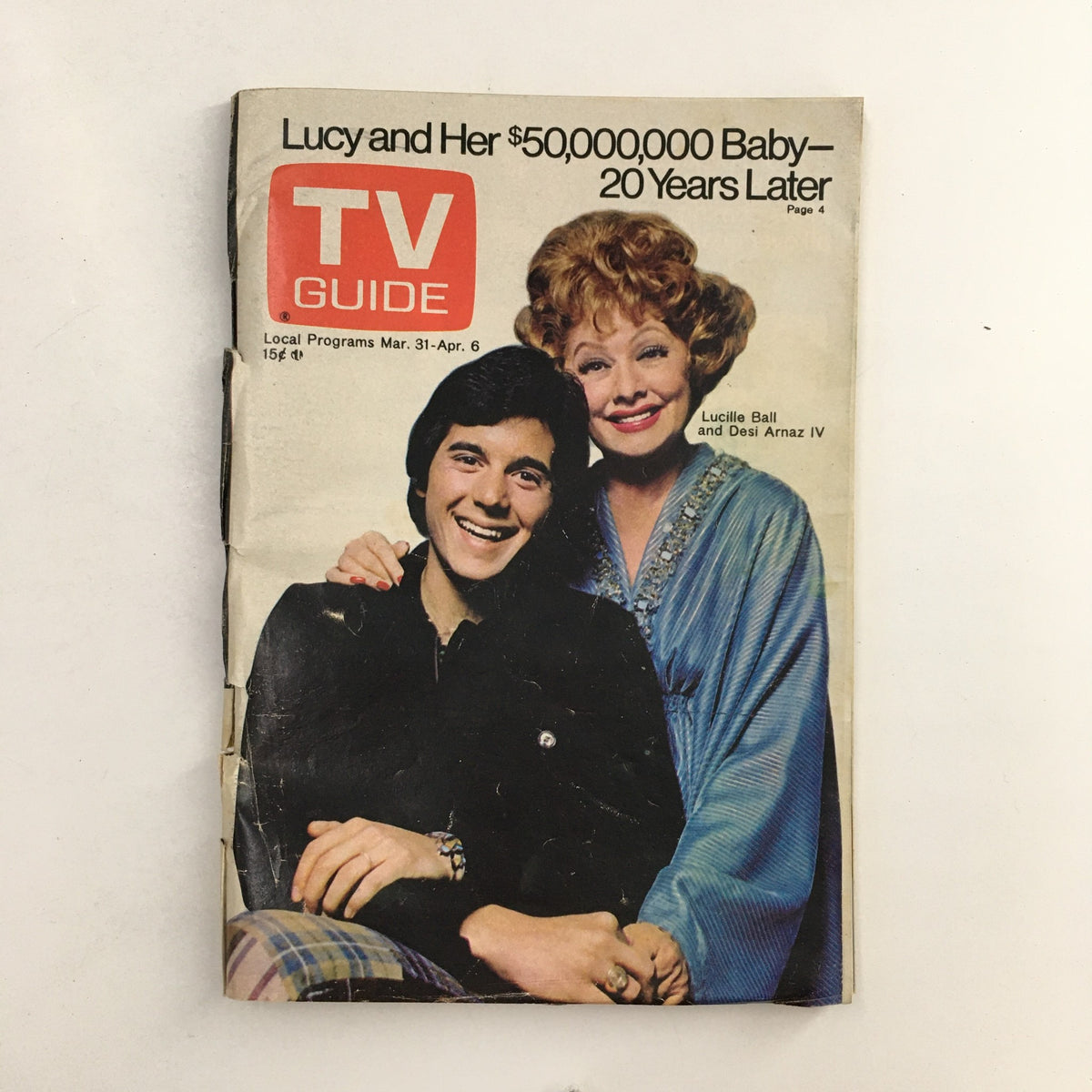
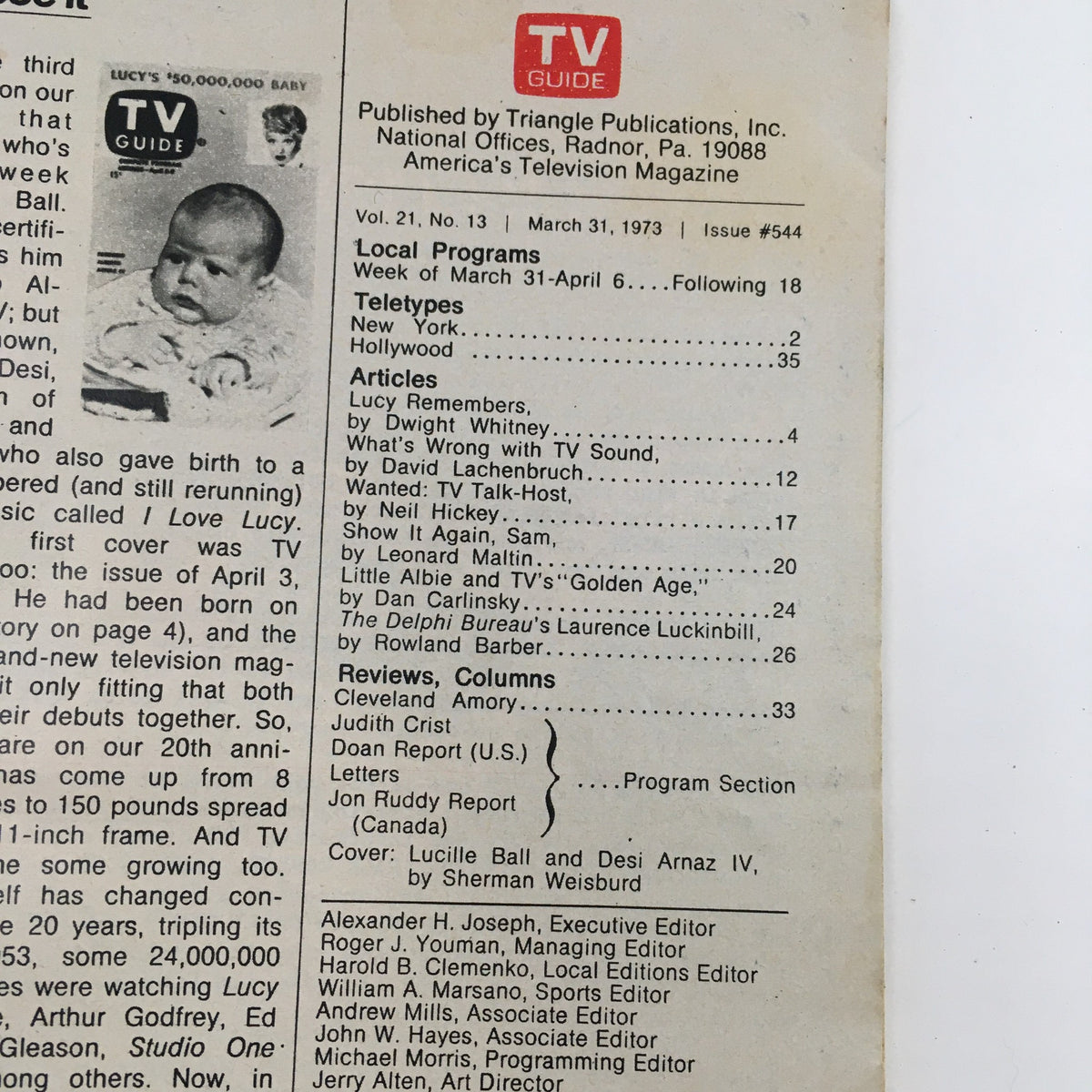
The golden age of illustrated magazines treated Desi Arnaz and his world with the full weight of the era's photographic glamour. Photographers captured him mid-performance — sweat-lit and exuberant behind his conga — as well as in quieter domestic tableaus alongside Lucy that played perfectly into America's postwar fantasy of joyful, chaotic family life. Life magazine, the era's definitive chronicler of American culture, covered the I Love Lucy phenomenon extensively, bringing the Arnaz-Ball household into vivid, large-format black-and-white portraiture. TV Guide, which became one of the best-selling publications in American history largely on the back of the show's staggering ratings, featured the couple on its covers with remarkable frequency throughout the 1950s. Meanwhile, Photoplay — the reigning bible of Hollywood fan culture — explored the romantic and turbulent real-life marriage with the breathless, intimate tone that made it indispensable reading for a generation of devoted fans. International publications, too, took note: the Latin heartthrob's crossover appeal meant coverage extended into Spanish-language periodicals and entertainment weeklies across Latin America and Europe, making his archive genuinely global in scope.
Curator's Checklist: Highlights Often Include
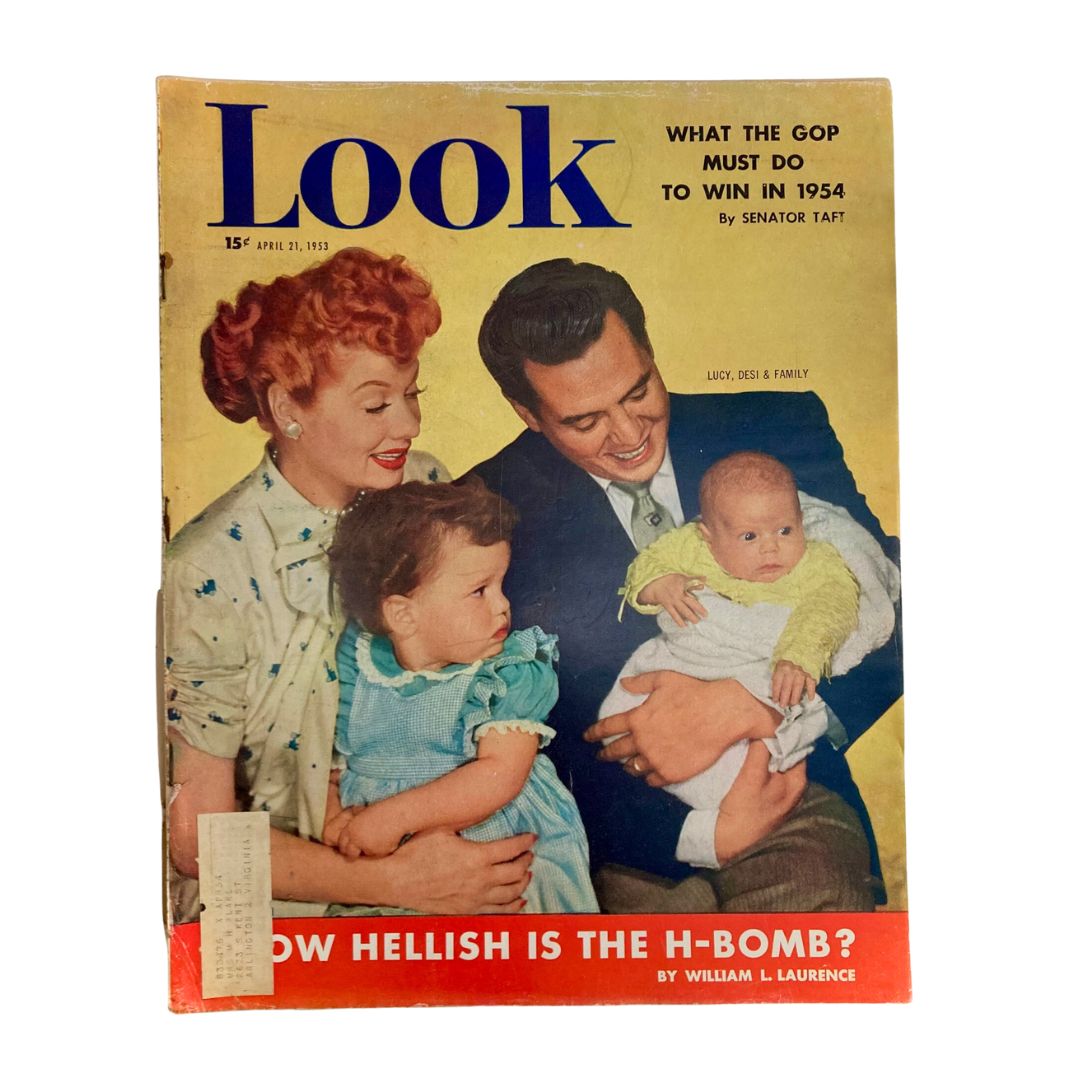
- Landmark I Love Lucy coverage — feature spreads and cover appearances tied to the show's record-breaking seasons, including the famous 1953 episode in which Lucy's real-life pregnancy was written into the script, a moment covered breathlessly by the press
- Behind-the-scenes profiles of Desilu Productions — editorial features exploring how Arnaz and Ball built their independent production empire at a time when studio control was considered absolute, positioning him as a visionary industry disruptor
- Bandleader and performance photography — earlier issues from the mid-to-late 1940s documenting his rise as a Latin big-band performer, capturing a pre-television glamour deeply rooted in the ballroom and nightclub culture of the era
- Marriage, stardom, and tabloid fascination — fan magazine coverage navigating the public's obsession with the real relationship behind television's most beloved fictional couple, often walking the line between celebration and careful scandal
- Post-Lucy transition pieces — later coverage from the early 1960s onward reflecting on his legacy, his divorce, and his quieter second chapter, offering collectors a poignant counterpoint to the era of peak fame
The Collector's Value
To hold one of these publications is to hold the actual paper that a 1953 housewife turned in her hands while her family gathered around the television set. The slightly coarse, yellowed stock of a mid-century Life or Photoplay carries a sensory weight no digital archive can replicate — the faint must of decades-old ink, the soft crackle of pages that have waited patiently in someone's attic for seventy years, the surrounding advertisements for Chevrolets and Lucky Strike cigarettes that frame the editorial content in the full, unfiltered texture of their historical moment. These are not reproductions or collector's facsimiles; they are primary sources, artifacts of a cultural era that shaped the very grammar of American entertainment. For collectors of classic television memorabilia, Latin American cultural history, or Golden Age Hollywood ephemera, these publications offer an irreplaceable connection to a man whose influence runs quietly beneath nearly everything we recognize as modern television. Browse the current available inventory below and discover which pieces of this remarkable legacy are waiting to find their way into your collection.