📖 About this Collection
Eddie Vedder: The Voice That Bled Through the Page
The Legend & The Legacy
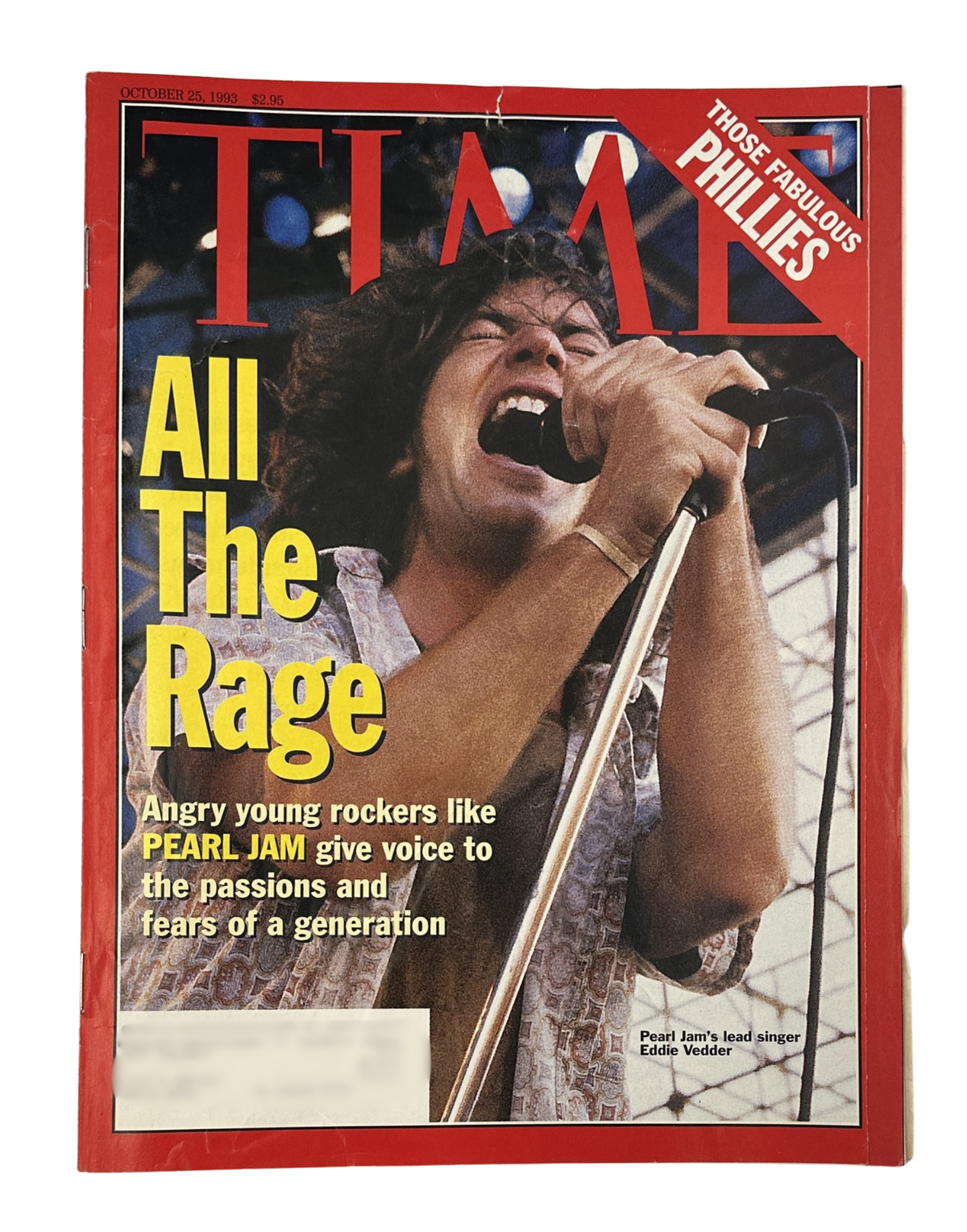
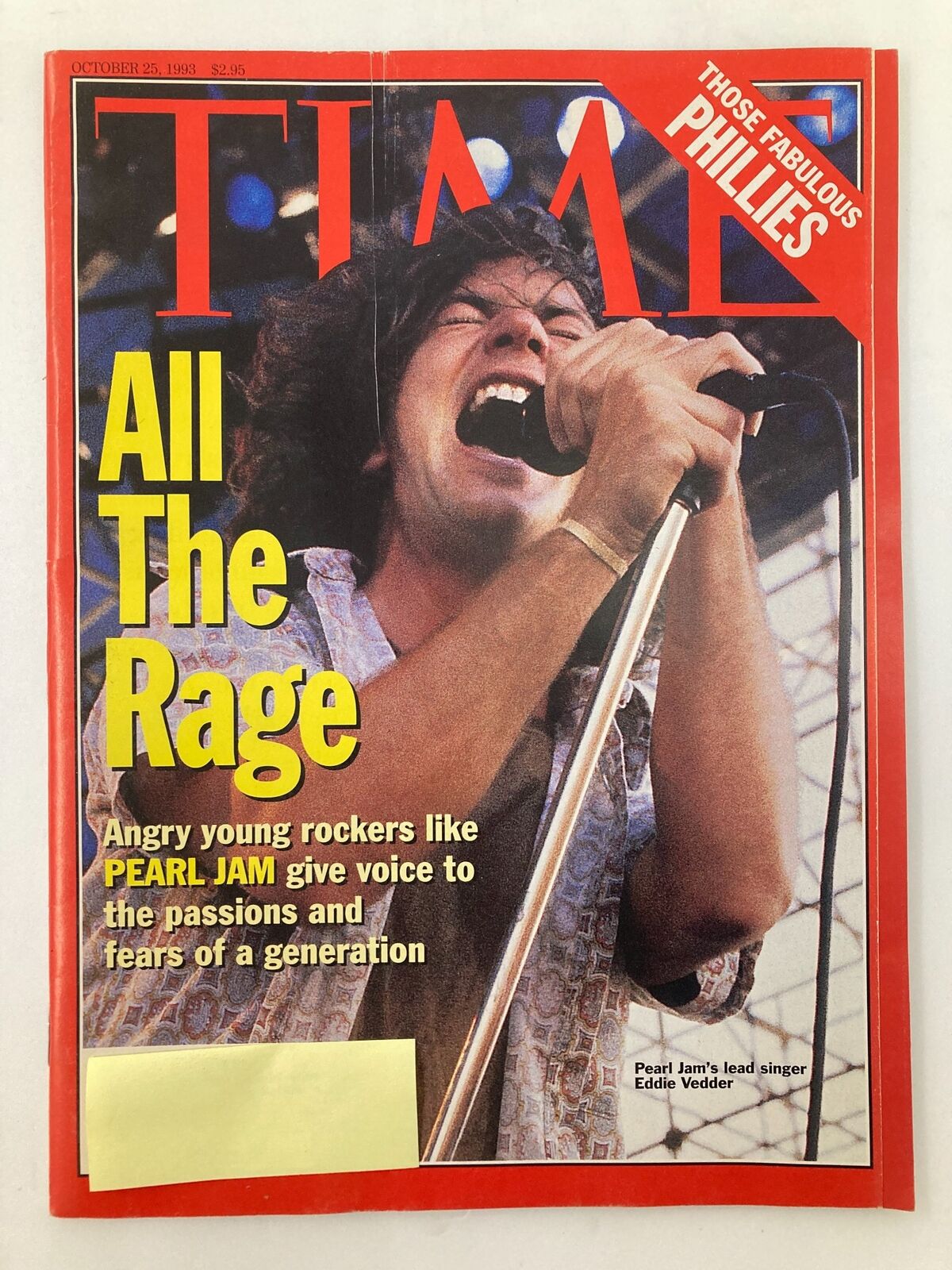
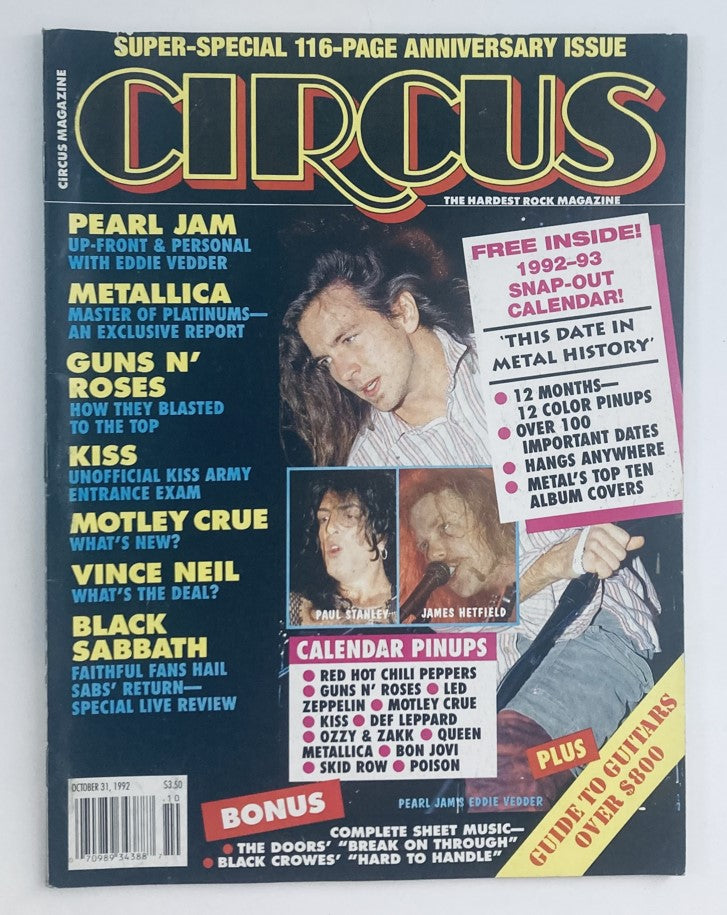
When Eddie Vedder emerged from Seattle's rain-soaked underground in the early 1990s, he did not simply front a band — he became the reluctant conscience of a generation. As the lead vocalist of Pearl Jam, the gravel-throated poet carried the full emotional weight of post-Reagan disillusionment, channeling alienation, rage, and aching tenderness into anthems that sold millions while somehow still feeling deeply personal. In an era before streaming algorithms and social media feeds, the public's relationship with Vedder was mediated almost entirely through physical print — dog-eared issues passed between friends, centerfold posters tacked to bedroom walls, and cover stories dissected in high school hallways. He was simultaneously a superstar and a man who seemed to despise stardom, and that paradox made editors hunger for him. Every new profile, every candid photograph from the road, every think-piece about the Seattle sound was consumed as a rare, precious dispatch from inside a world that felt electric and fleeting.
Inside the Archive
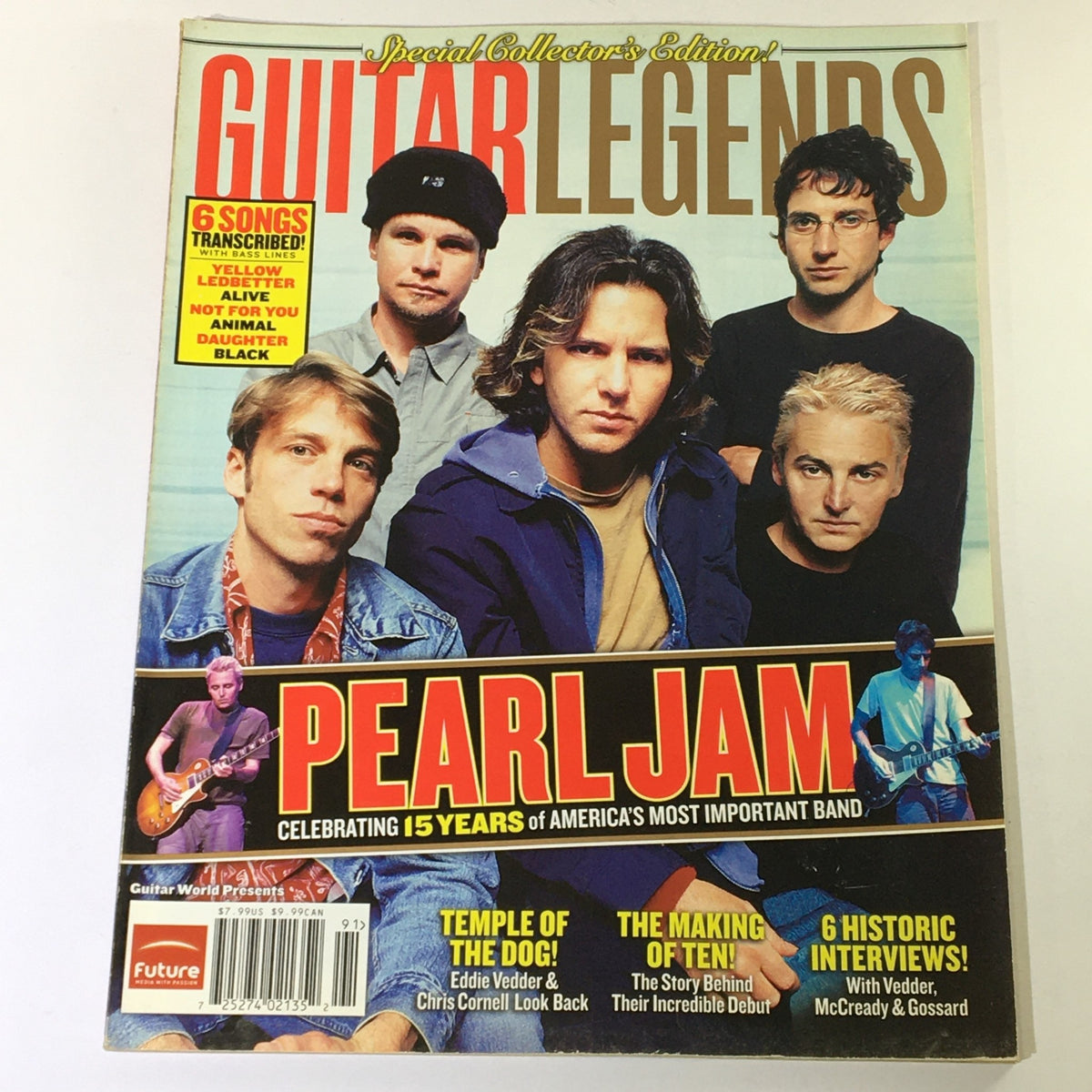
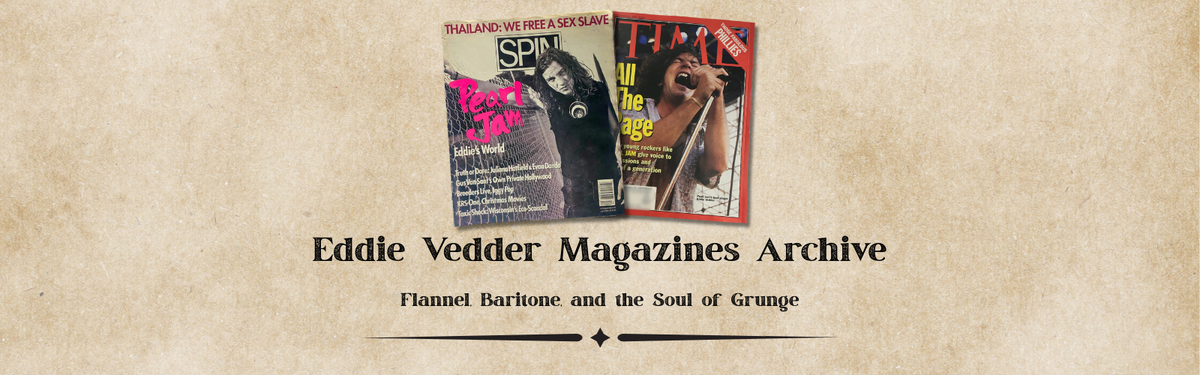
Vintage magazine coverage of Vedder and the Pearl Jam era captures something the digital archive simply cannot replicate: the raw, unpolished texture of a cultural moment still in the act of becoming. Photographers of the period favored stark, high-contrast black-and-white portraiture — close-cropped shots that lingered on his weathered features and intense, dark eyes — alongside visceral concert photography that conveyed the almost frightening physical energy of his performances. Editorial tone ranged from reverent long-form journalism to breathless, urgent dispatches written as if the writer feared the whole scene might dissolve overnight. Rolling Stone was perhaps the definitive chronicler of his arc, placing the Pearl Jam frontman on its cover during the band's meteoric rise and returning to him repeatedly as grunge reshaped the commercial landscape of rock. Spin magazine, scrappier and more ideologically aligned with the alternative underground, offered some of the era's most probing and contextually rich coverage. Meanwhile, international publications such as Melody Maker and the British NME covered him with a passionate critical seriousness that American mainstream press occasionally lacked, treating the Seattle movement as the most significant rupture in rock culture since punk.
Curator's Checklist: Highlights Often Include
- Landmark cover appearances from the 1991–1994 period, when Pearl Jam's ascent from Ten through Vs. to Vitalogy was one of the most closely watched stories in popular music
- In-depth feature interviews in which Vedder spoke candidly about his difficult childhood, his complicated relationship with fame, and his political convictions — including his outspoken stance against Ticketmaster during the mid-1990s
- Year-end and decade-retrospective issues from major music publications placing him and Pearl Jam at the center of the grunge and alternative rock narrative alongside Nirvana and Soundgarden
- Festival and concert coverage from historic performances, including Lollapalooza and the band's incendiary sets at events that defined the live music culture of the decade
- Crossover cultural profiles in mainstream publications venturing beyond the music press, reflecting the moment when alternative rock broke fully into the American mainstream
The Collector's Value
To hold one of these issues is to hold the anxiety and electricity of the early 1990s in your hands — the slightly rough tooth of the newsprint stock, the sharp mineral smell of decade-old ink, the surrounding advertisements for Doc Martens and cassette tape brands that place you unmistakably in a specific, irretrievable moment. These are not reprints or facsimiles; they are primary sources, the very pages that teenage fans and seasoned critics alike reached for when they needed to understand what was happening to rock and roll. A digital scan conveys information, but it cannot convey the weight of a Rolling Stone from 1993, its spine slightly creased from a dozen readings, its cover image of Vedder slightly faded by twenty years of light. For collectors of alternative and grunge memorabilia, 1990s popular culture ephemera, or original rock music print history, these publications offer an irreplaceable window into an era that continues to influence artists, fashion, and cultural discourse decades on. Explore the current available inventory below, and claim your piece of the archive before it passes to another collector.