📖 About this Collection
Evel Knievel: The Man Who Made America Hold Its Breath
The Legend & The Legacy
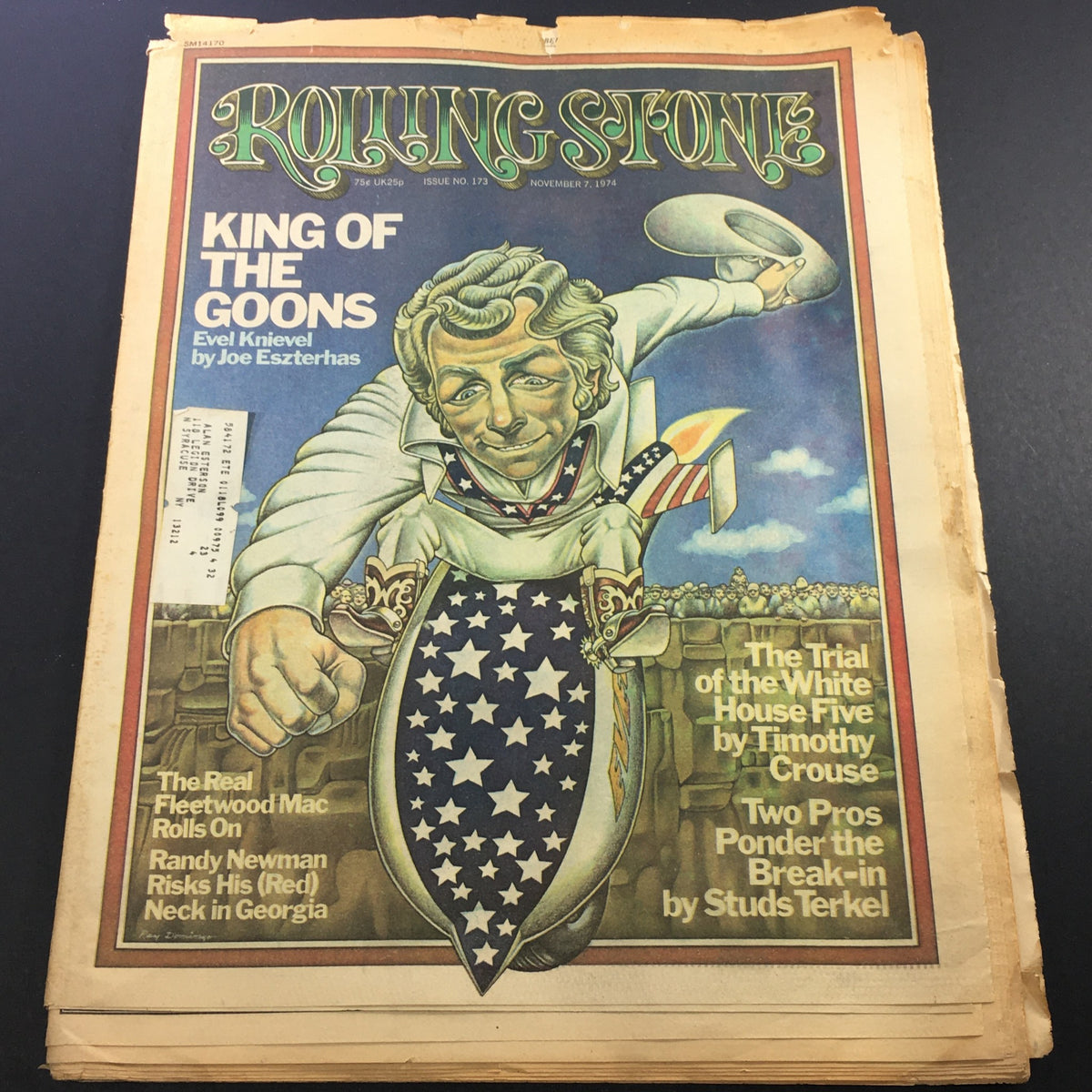
Before highlight reels and viral clips, before the algorithm decided what was thrilling, there was a man in a white leather jumpsuit standing at the edge of a ramp — and an entire nation leaning forward in unison. Evel Knievel was not merely a stuntman; he was a self-invented American myth, a walking collision between P.T. Barnum showmanship and genuine, mortal courage. From his early regional jumps in the late 1960s through the Caesar's Palace fountain leap that transfixed a generation, to the made-for-television spectacle of Snake River Canyon in 1974, Knievel understood something profound: America was hungry for heroes who bled. In an era shadowed by Vietnam, Watergate, and cultural fracture, he offered something bracingly simple — a man, a motorcycle, and the audacity to try. Families gathered around television sets for his Wide World of Sports appearances, but it was the magazine rack that kept his legend alive between jumps, turning every issue that featured him into a small monument to daring.
Inside the Archive
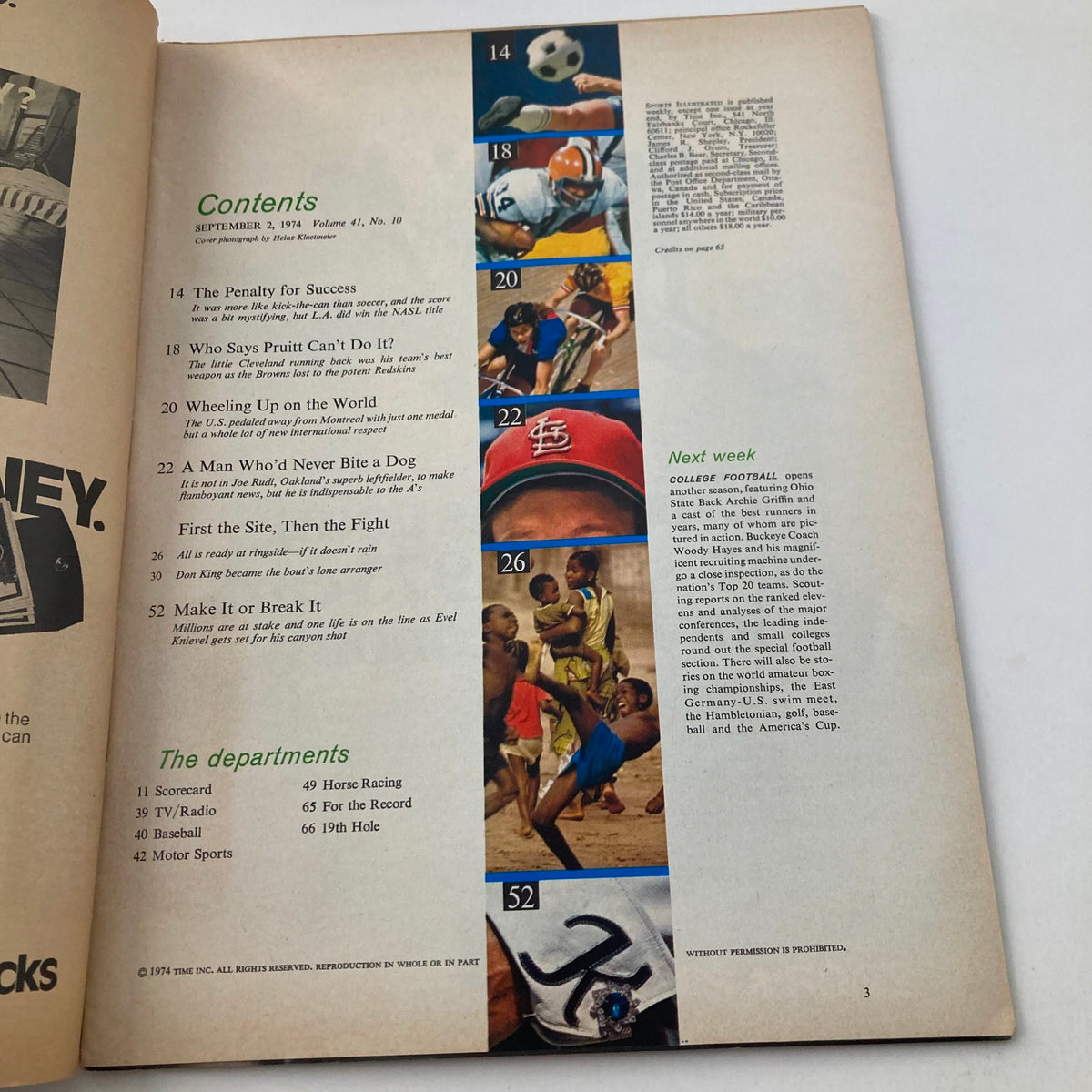
The magazines that covered Knievel captured something the evening news could not — the mythology between the moments. Sports Illustrated brought him into the mainstream sports conversation with the editorial gravitas of a legitimate athletic phenomenon, wrestling with the then-radical question of whether what he did constituted sport at all. Life magazine, in its twilight years of the early 1970s, approached him as pure Americana — its photographers framing the sequined jumpsuits, the crutches, and the adoring crowds with the same sweeping visual drama they had once reserved for astronauts and presidents. Meanwhile, publications like Cycle World and the broader motorsports press treated him as a genuine figure of the motorcycle culture, tracking the technical madness behind each jump with the reverence of an engineering journal. The photography across these publications shares a distinct visual language: wide stadium shots that dwarf the solitary rider, close portraits that linger on the square jaw and the showman's grin, and the unflinching aftermath images of wreckage and bandages that, paradoxically, only deepened the public's devotion.
Curator's Checklist: Highlights Often Include
- The Caesar's Palace Era (1967–1968): Coverage of the fountain jump and its catastrophic landing, one of the most-replayed moments in American sports broadcasting, which transformed a regional daredevil into a national obsession almost overnight.
- The Wide World of Sports Years: Features tied to his recurring appearances on ABC's flagship program, often with behind-the-scenes editorial exploring the carnival apparatus — the promoters, the pyrotechnics, and the crowds — that surrounded each event.
- The Snake River Canyon Spectacle (1974): Extensive pre- and post-event coverage of his attempted canyon crossing aboard the "Skycycle X-2," an event marketed with the scale of a moon launch and dissected by publications across the sports, entertainment, and general interest press.
- International & Counterculture Coverage: Issues from British motorcycle and pop-culture magazines, which embraced him as a quintessentially excessive American export — a fever dream of chrome, patriotism, and recklessness that fascinated European audiences immensely.
- The Toy and Merchandise Phenomenon: Consumer and entertainment publications from the mid-1970s chronicling his transformation into one of the decade's most lucrative licensing empires, with his name appearing on everything from Ideal toy stunt cycles to lunchboxes — a cultural reach that rivaled professional athletes of far greater institutional standing.
The Collector's Value
To hold a vintage magazine featuring Evel Knievel is to hold a primary document of a very specific and irreproducible American moment. The paper stock of a 1974 Sports Illustrated carries a weight and warmth that no screen can replicate — the slight give of the pages, the faint amber tint of decades well spent, the ghost of ink that smells faintly of the print house and the newsstand. Surrounding his features are the advertisements of his era: muscle car spreads, Schlitz beer campaigns, and Kodak film pages that ground him firmly in the world that produced him, transforming each issue into an accidental time capsule of 1970s America. The minor creases and subscription stamps on a surviving copy are not flaws — they are evidence of a life genuinely lived alongside this object. For collectors of Americana and pop culture memorabilia, motorsports and daredevil history, or 1970s television and broadcast sports ephemera, these publications offer an irreplaceable physical connection to a legend who existed, gloriously, before the internet could have possibly contained him. Browse the current available inventory below and discover which piece of that story is waiting to find a new home.