📖 About this Collection
February 1942: The World on the Razor's Edge
The Historical Context
February 1942 arrived not as a month but as a verdict. The Pacific was burning. On February 15, Singapore—the so-called "Gibraltar of the East," home to 85,000 Allied troops—fell to Japanese forces in what Winston Churchill would call the worst British military disaster in history. The shock reverberated through every household, every newsstand, every radio broadcast. Weeks earlier, the fall had seemed unthinkable. Now, nothing was.
The Pacific collapse triggered decisions that would define American history for generations. On February 19, President Roosevelt signed Executive Order 9066, mandating the forced internment of Japanese Americans on the West Coast—a moment of national fear and injustice still reckoned with today. Meanwhile, Australia itself came under direct attack when an estimated 150 Japanese warplanes struck Darwin on the same day. February 1942 was the month America understood, with cold clarity, that no ocean was wide enough. This was the world your loved one entered.
What People Were Watching, Reading, and Living
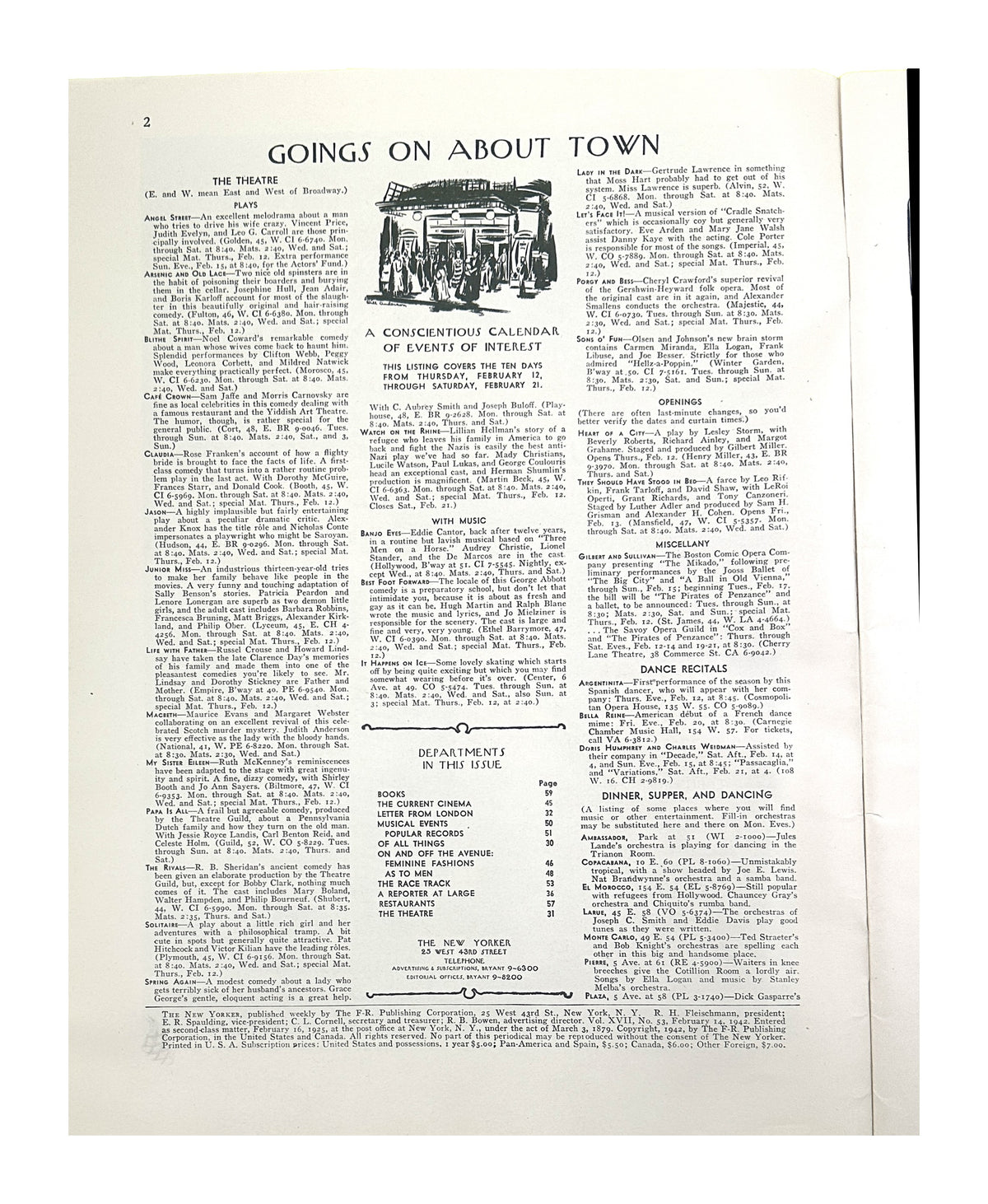
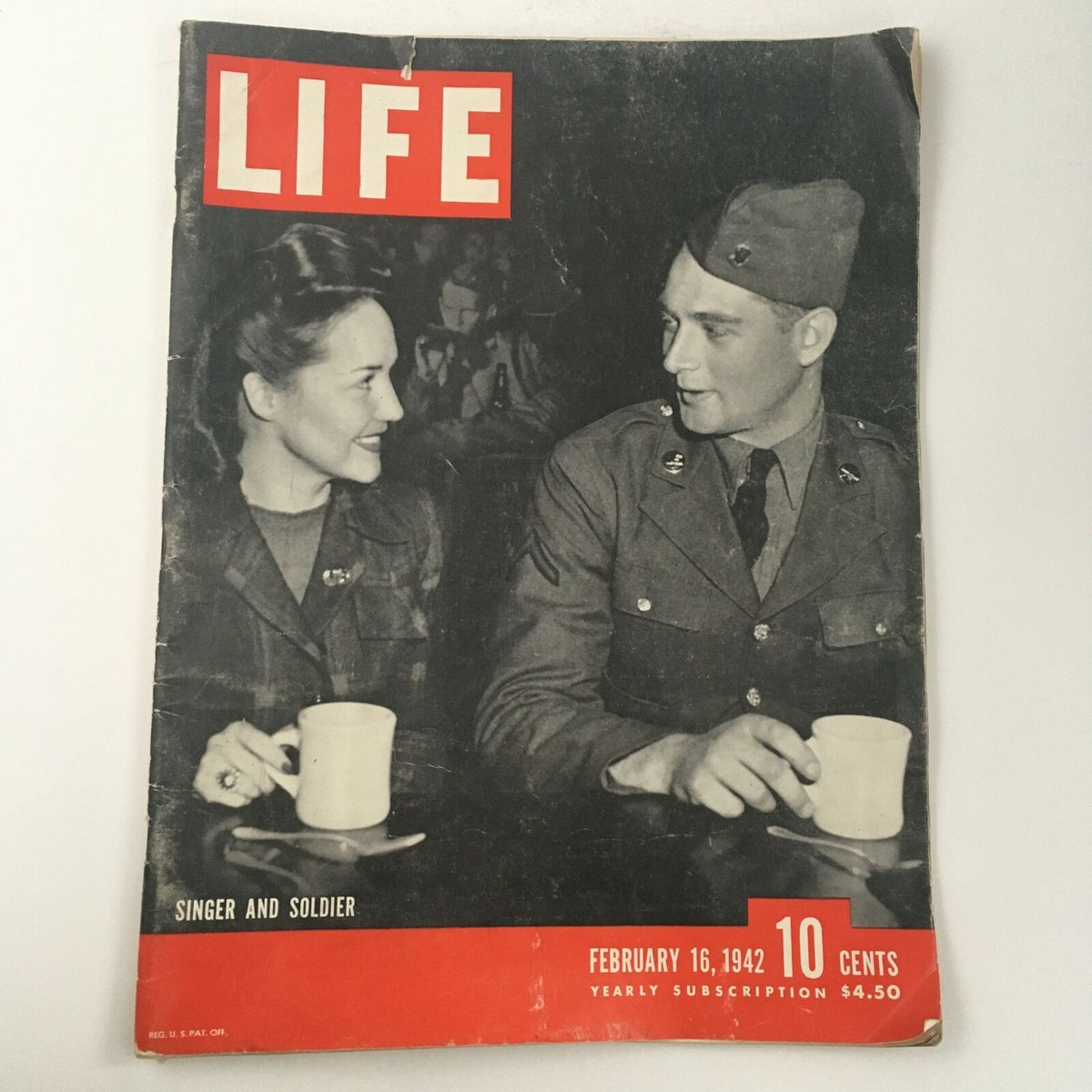
Against this backdrop of war, American culture pressed forward with extraordinary resilience. On February 5, Woman of the Year—starring the electrifying pairing of Katharine Hepburn and Spencer Tracy—opened at Radio City Music Hall in New York City, launching one of Hollywood's most beloved screen partnerships. Audiences packed theaters hungry for escape, and Life and Look magazines captured the glamour with full-spread features on Hollywood's brightest names.
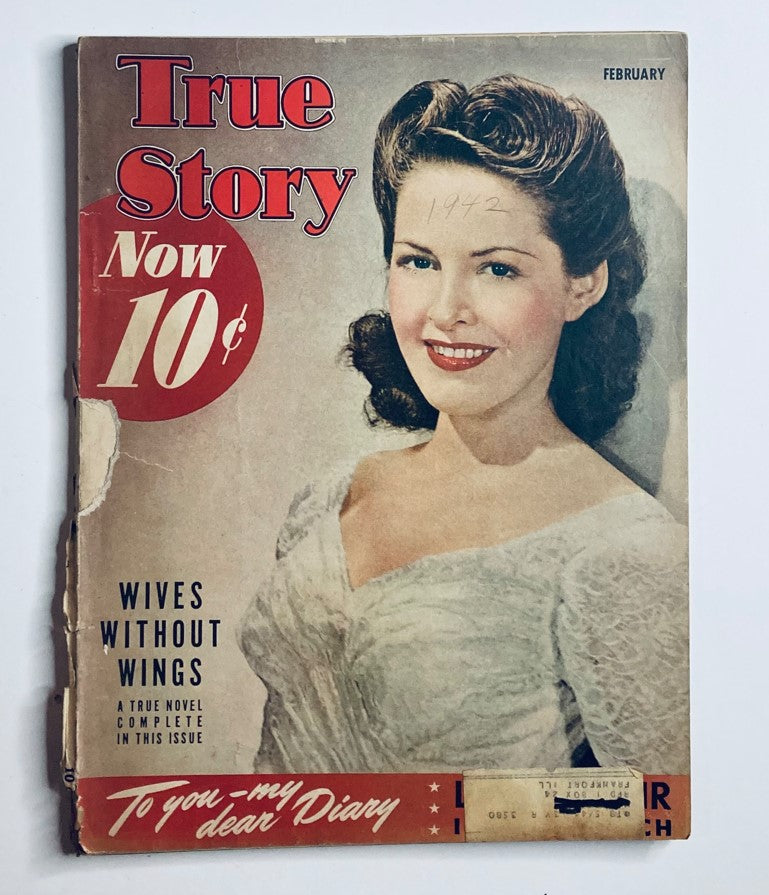
On the music front, something historic happened: Glenn Miller and his Orchestra received the first-ever gold record, recognizing one million sales of "Chattanooga Choo Choo"—a moment that would reshape the music industry forever. Tommy Dorsey's orchestra was recording new material, and Big Band ruled the airwaves. On February 11, a scrappy redheaded teenager made his comic debut: Archie hit newsstands for the very first time. Original magazines from February 1942 captured all of it—the defiant glamour, the jazz-soaked radio culture, the newsstand energy of a nation simultaneously at war and fully, stubbornly alive.
Curator's Checklist: What to Look For
-
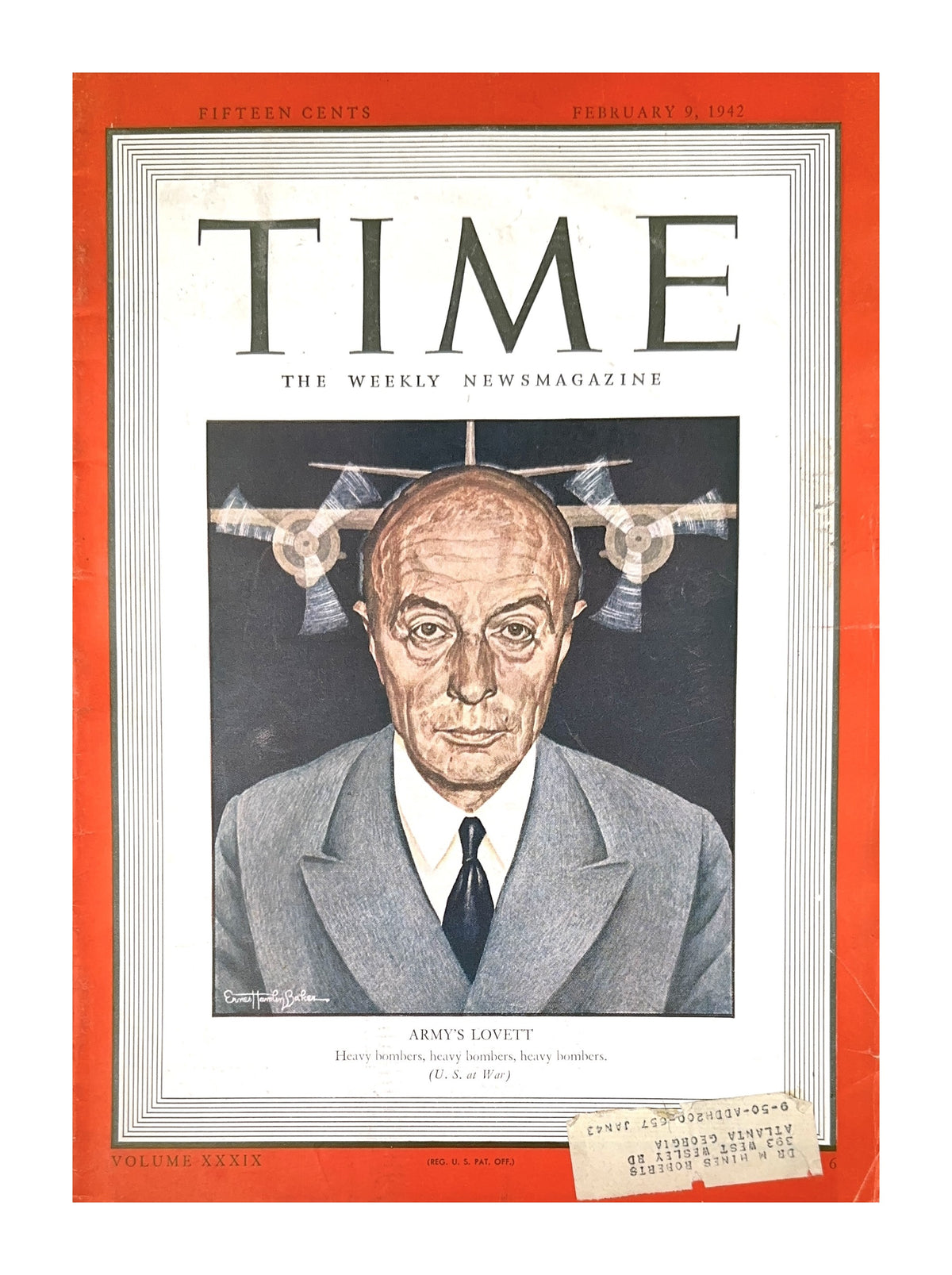
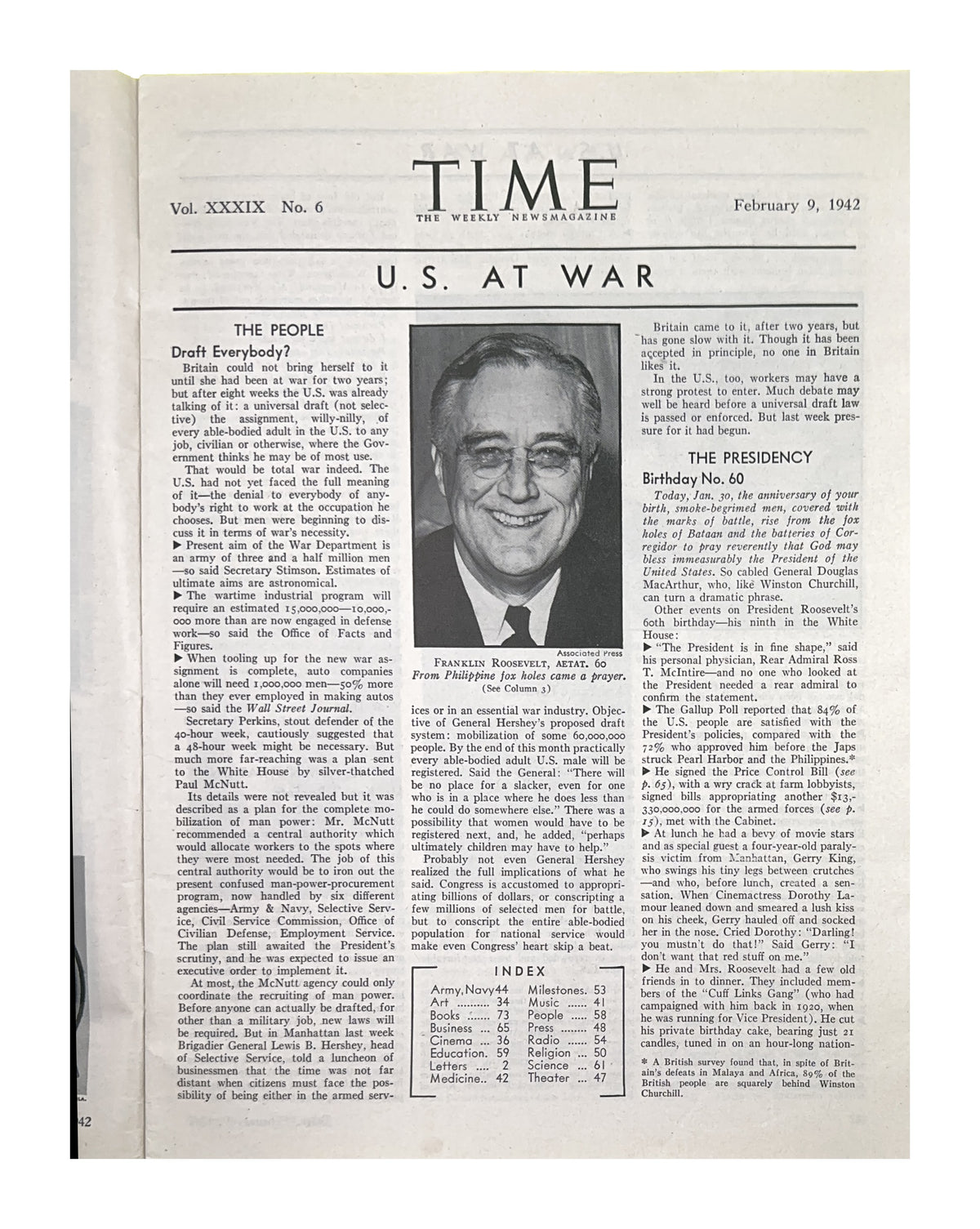
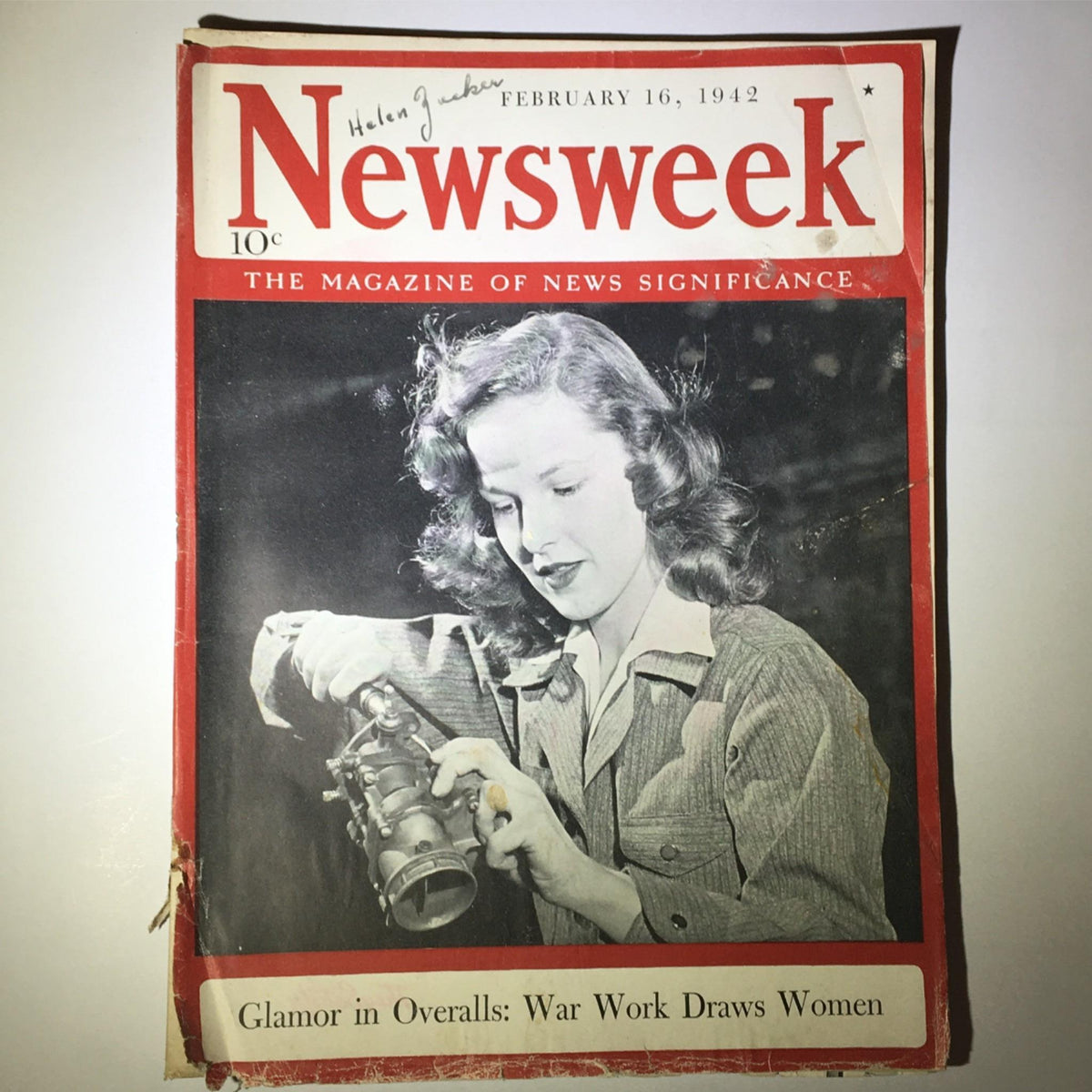
The Fall of Singapore: Issues of Time, Life, and Newsweek featuring urgent front-page coverage of Britain's greatest military defeat, often illustrated with striking maps of the Pacific theater and dramatic wire photographs of retreating Allied forces.
-
Japanese American Internment: Life and Look issues from late February featuring coverage of FDR's Executive Order 9066, showcasing photojournalism that documents the political anxiety gripping the American West Coast—rare magazines capturing a deeply contested historical moment.
-
Glenn Miller's Gold Record: Variety and entertainment-focused publications from this month featuring coverage of the first-ever gold record milestone, alongside vintage advertisements for 78 rpm records and Big Band dance venues.
-
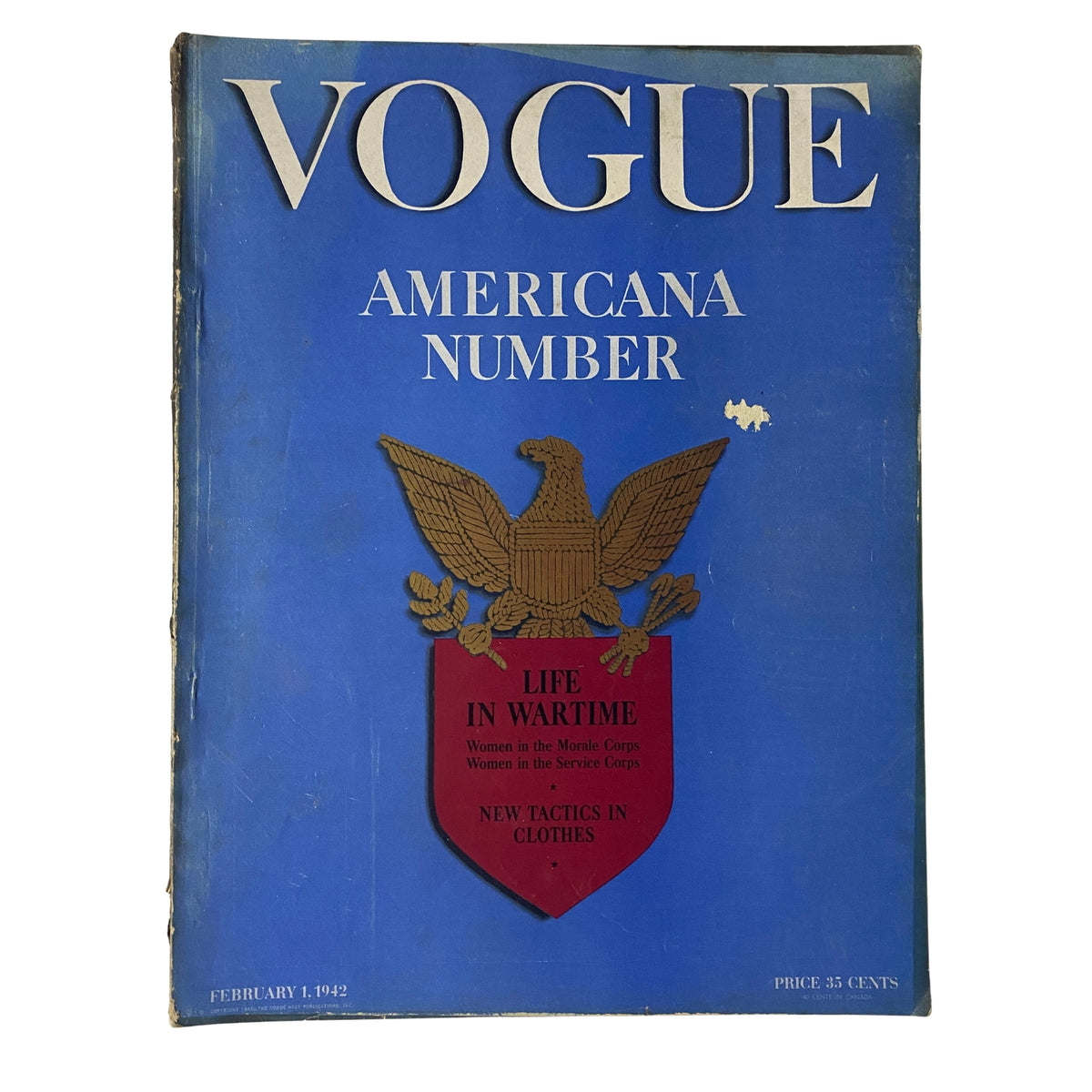
Woman of the Year Premiere: Vogue, Harper's Bazaar, and general-interest magazines showcasing the Hollywood premiere of the Hepburn-Tracy film, with authentic period advertising that reveals how studios marketed prestige pictures to wartime audiences.
-
The Battle of Los Angeles: West Coast editions and Time covers from late February chronicling the infamous false-alarm anti-aircraft engagement over Los Angeles—a genuinely rare window into civilian wartime panic, illustrated with searchlight photographs that are among the most striking images of the home front.
The Perfect Gift
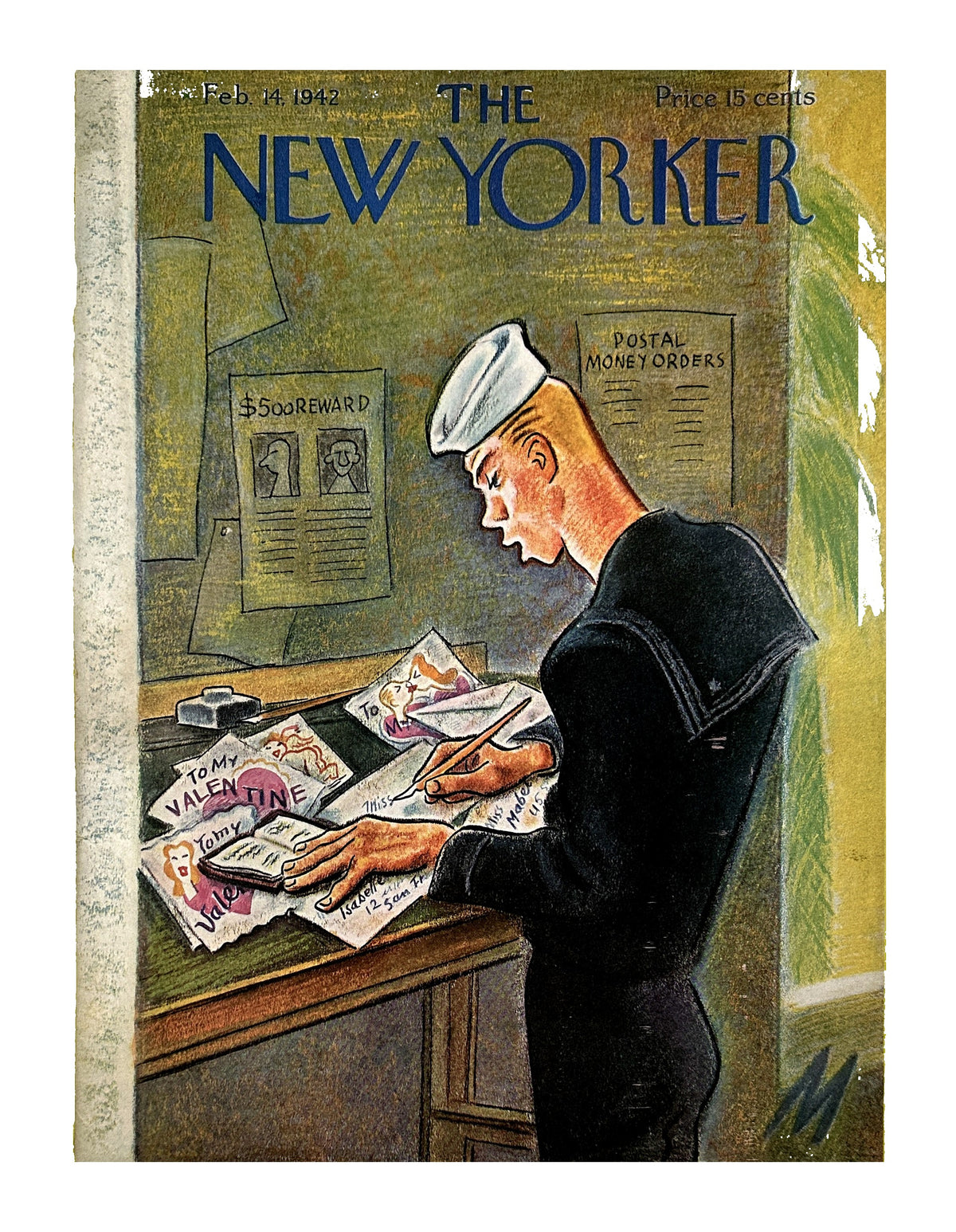
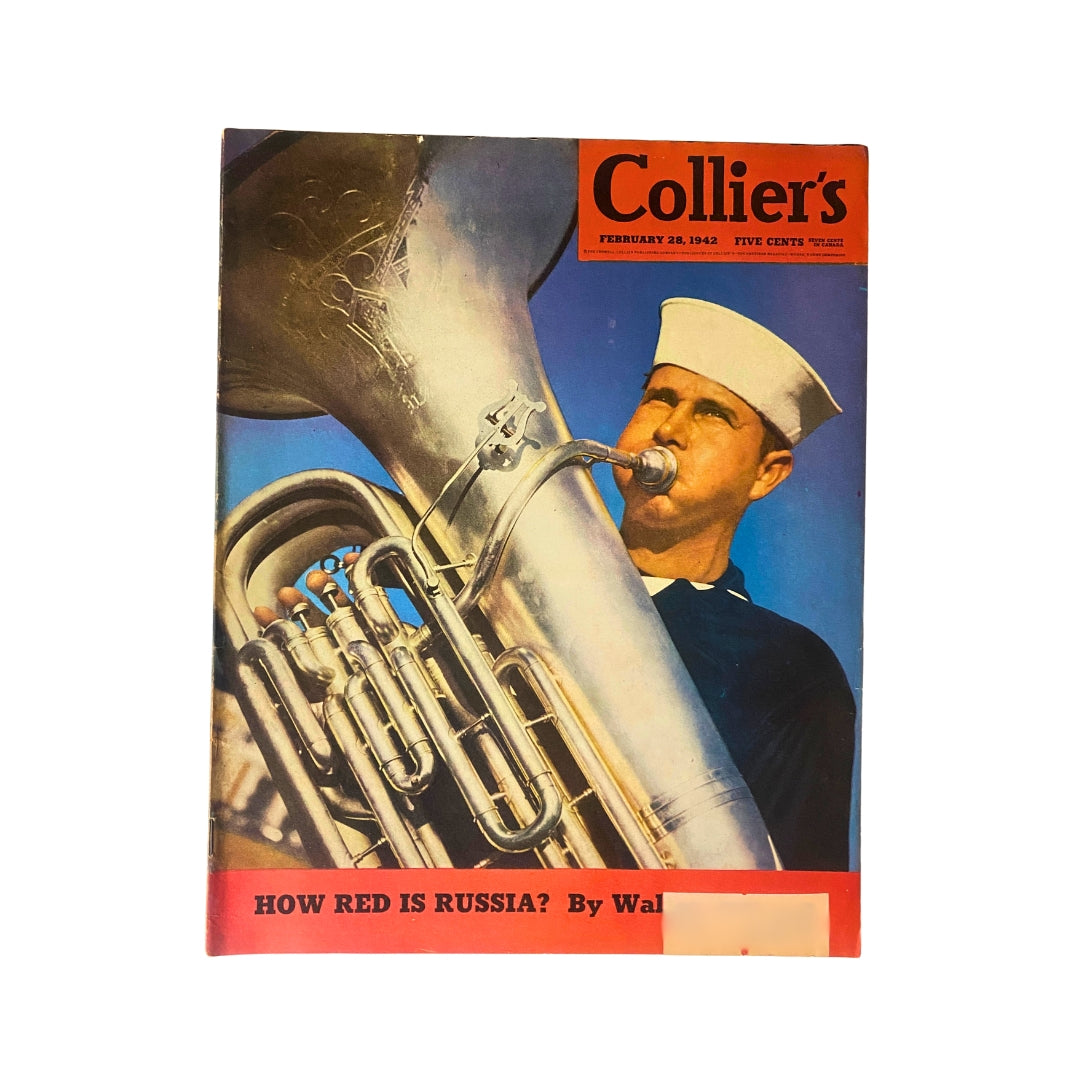
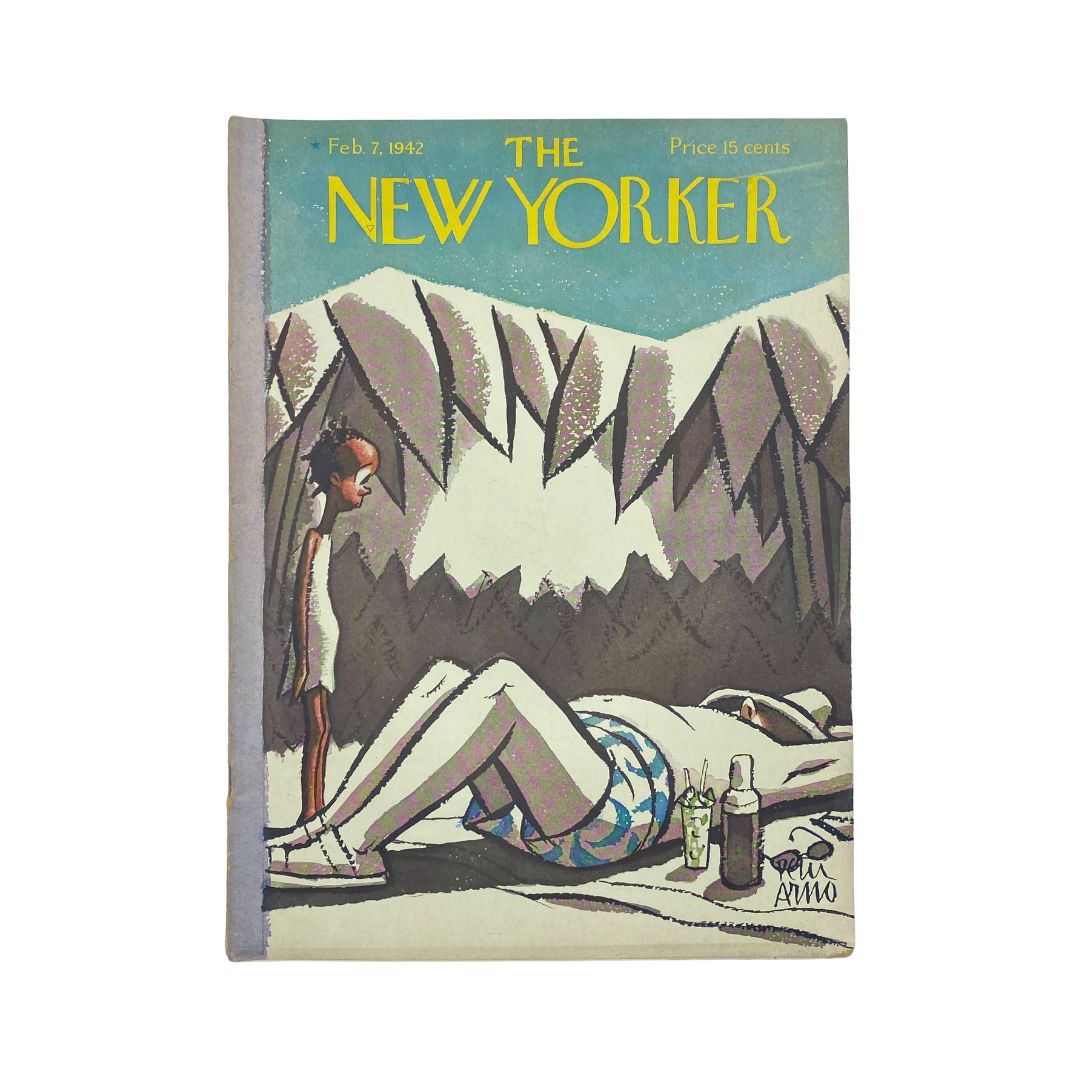
For someone born in February 1942, an original magazine from this pivotal month isn't just a gift—it's an authenticated time capsule of the most consequential weeks of the 20th century, preserved in genuine headlines, period advertising, and the exact photography that greeted them on the day they arrived in the world.