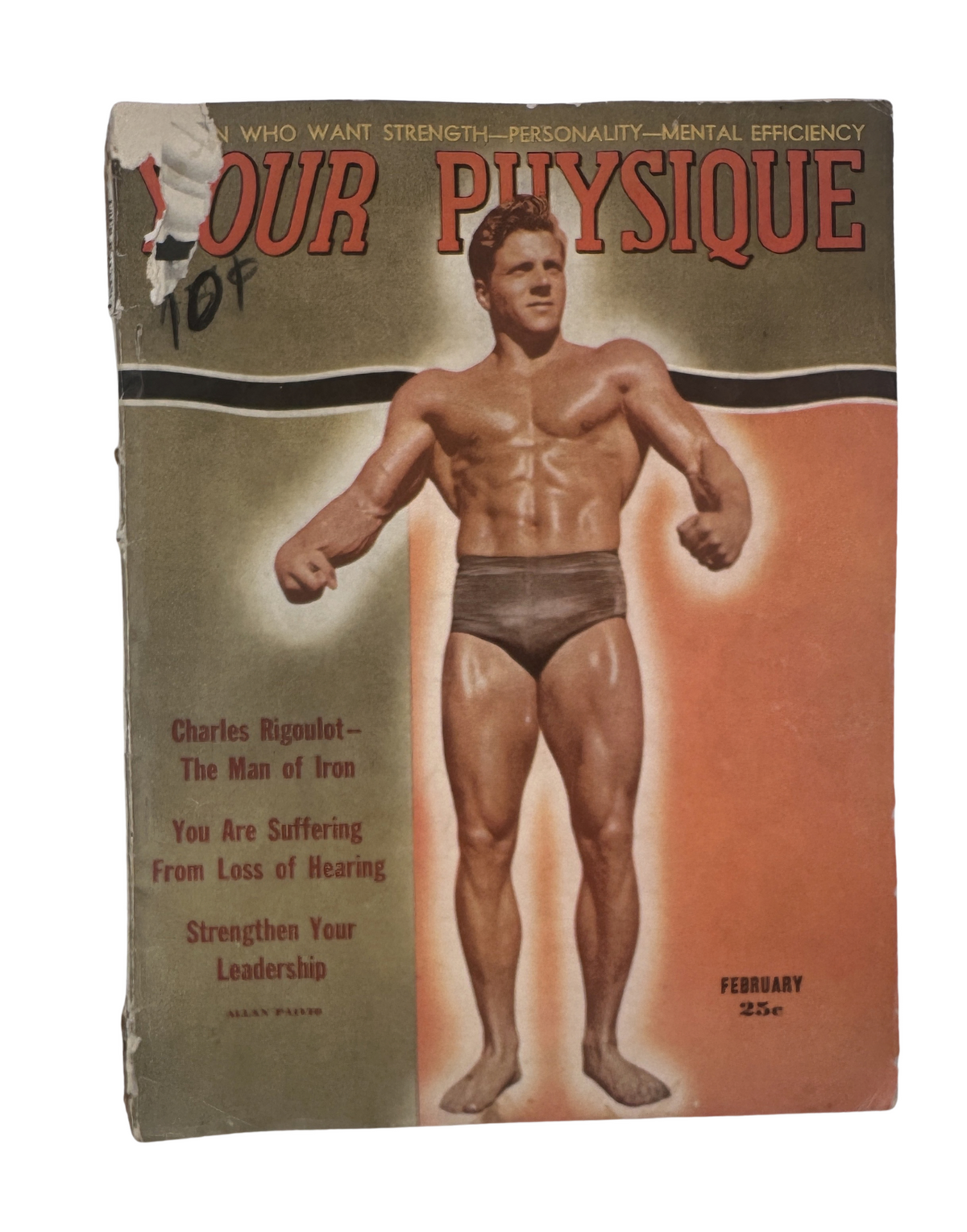
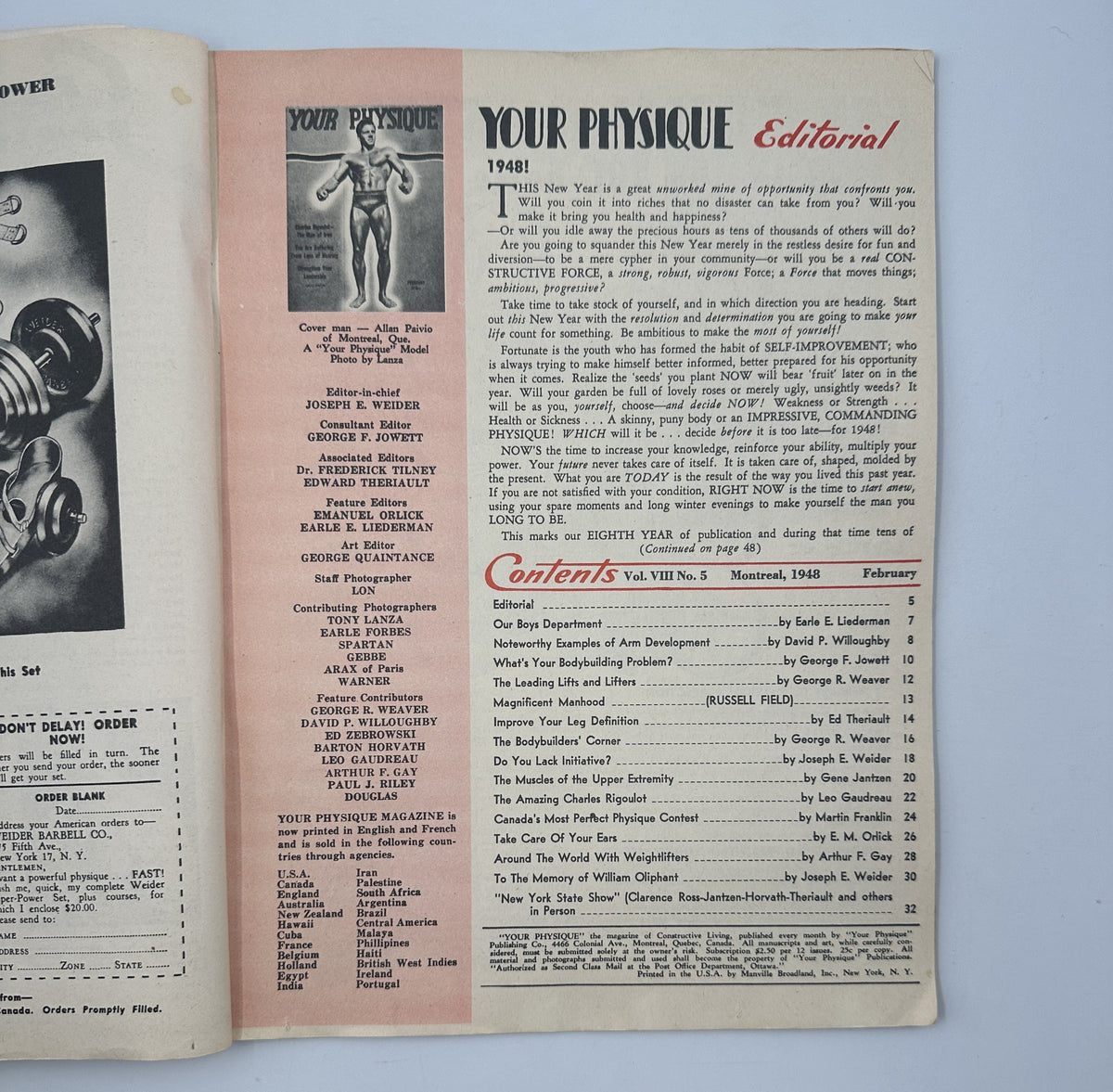
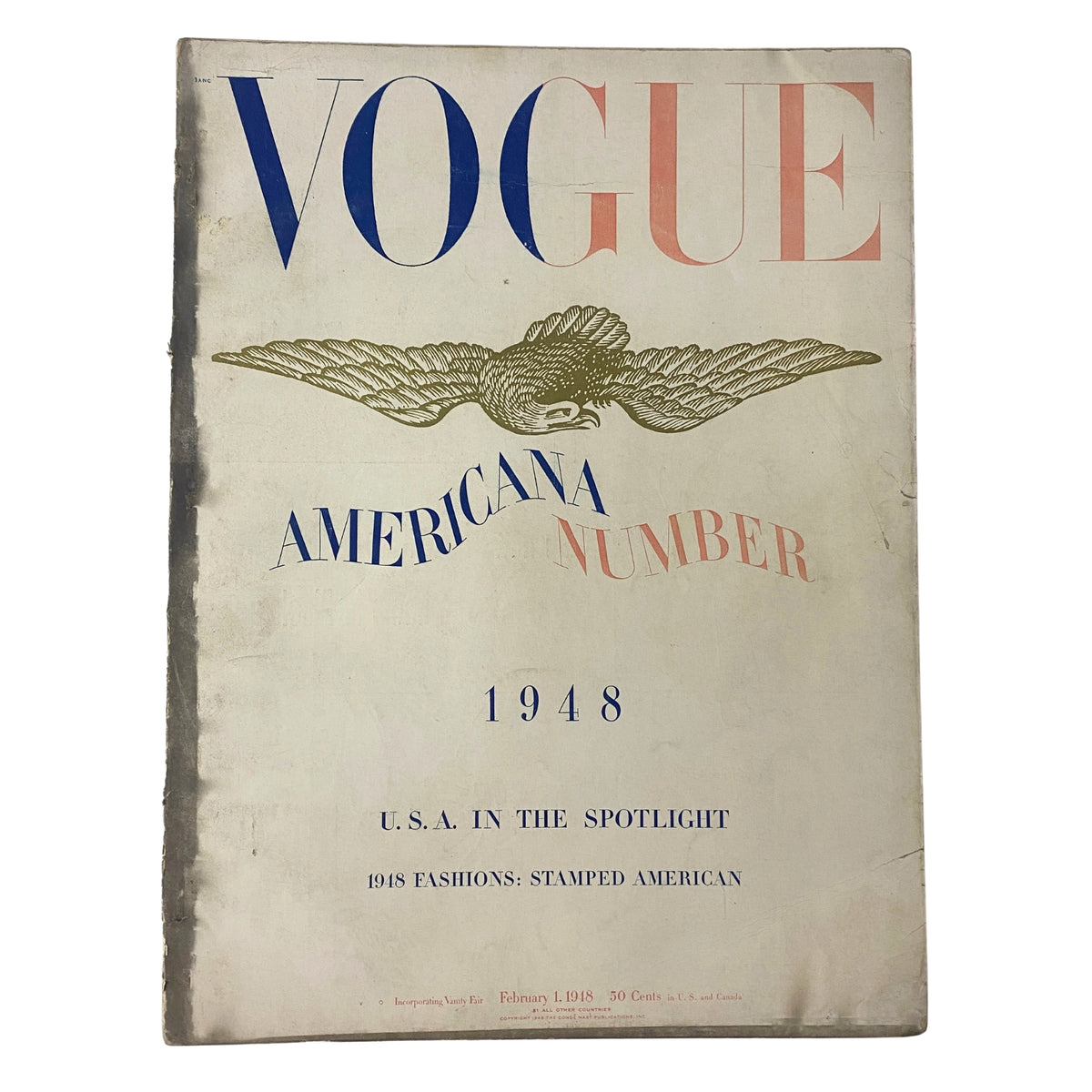
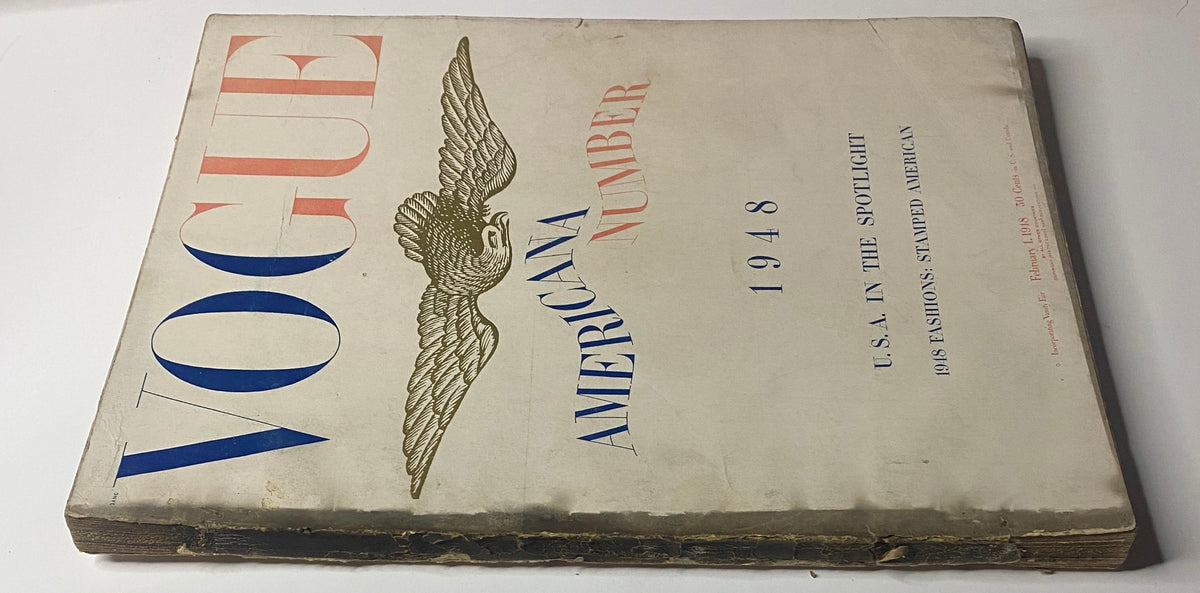
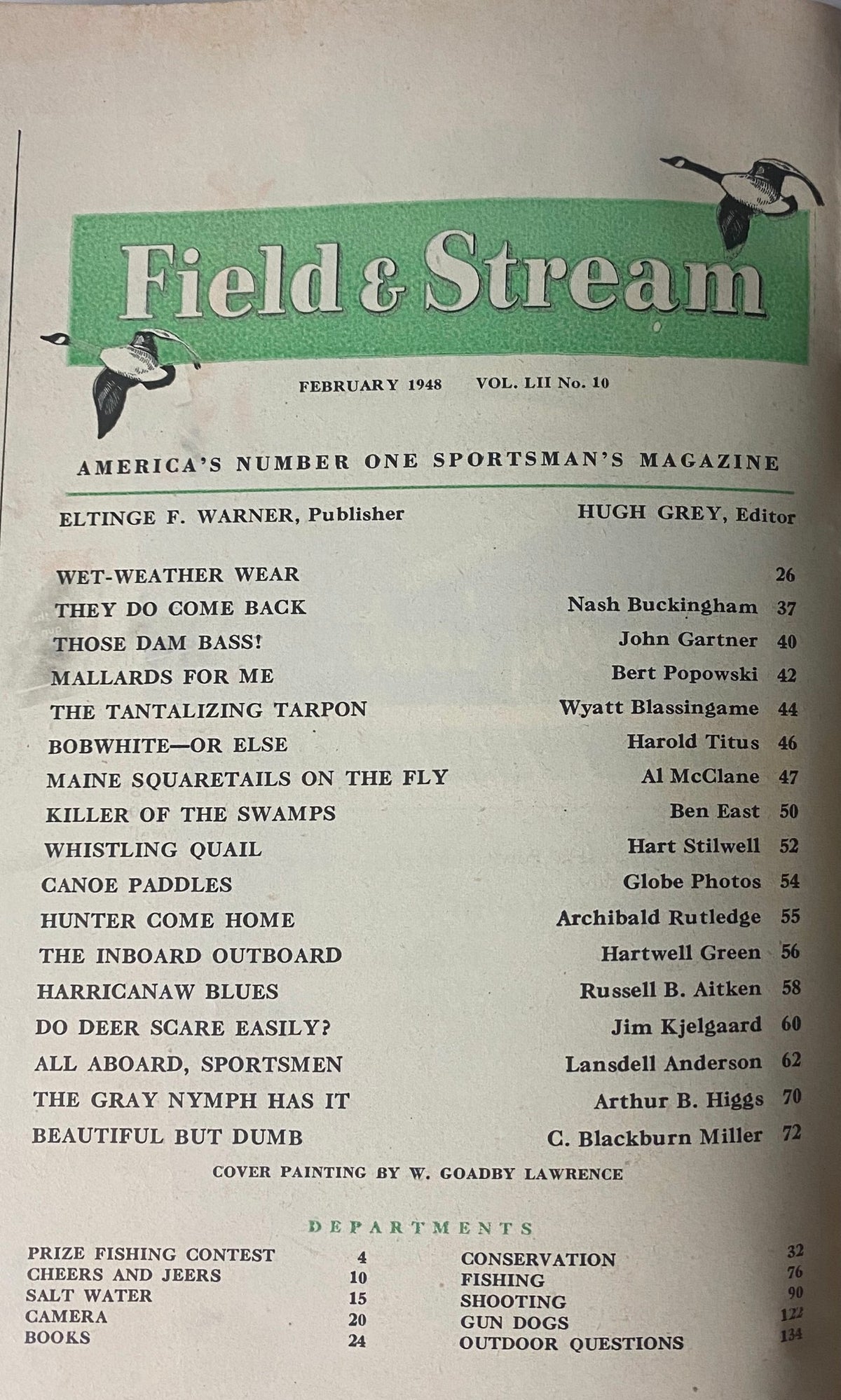
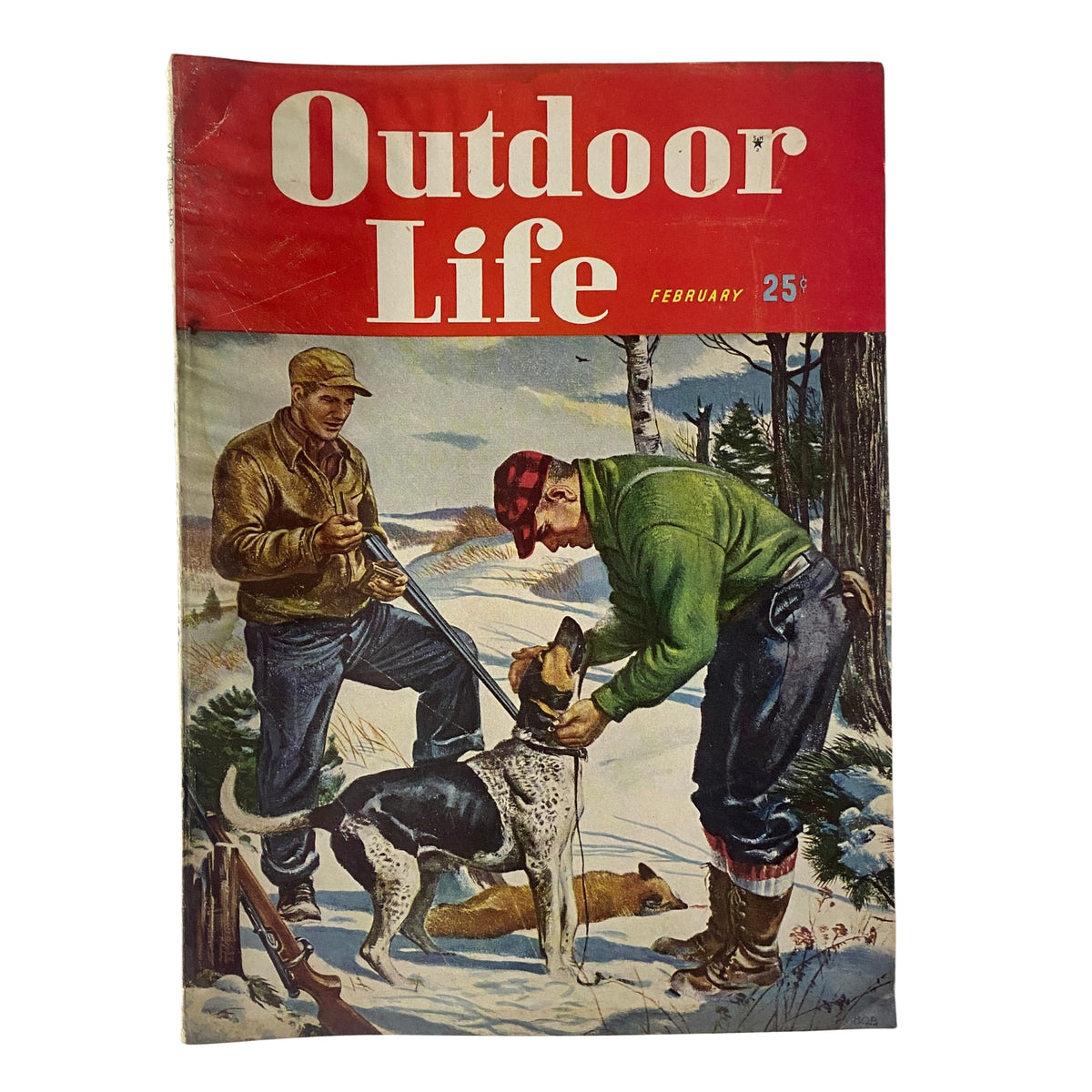
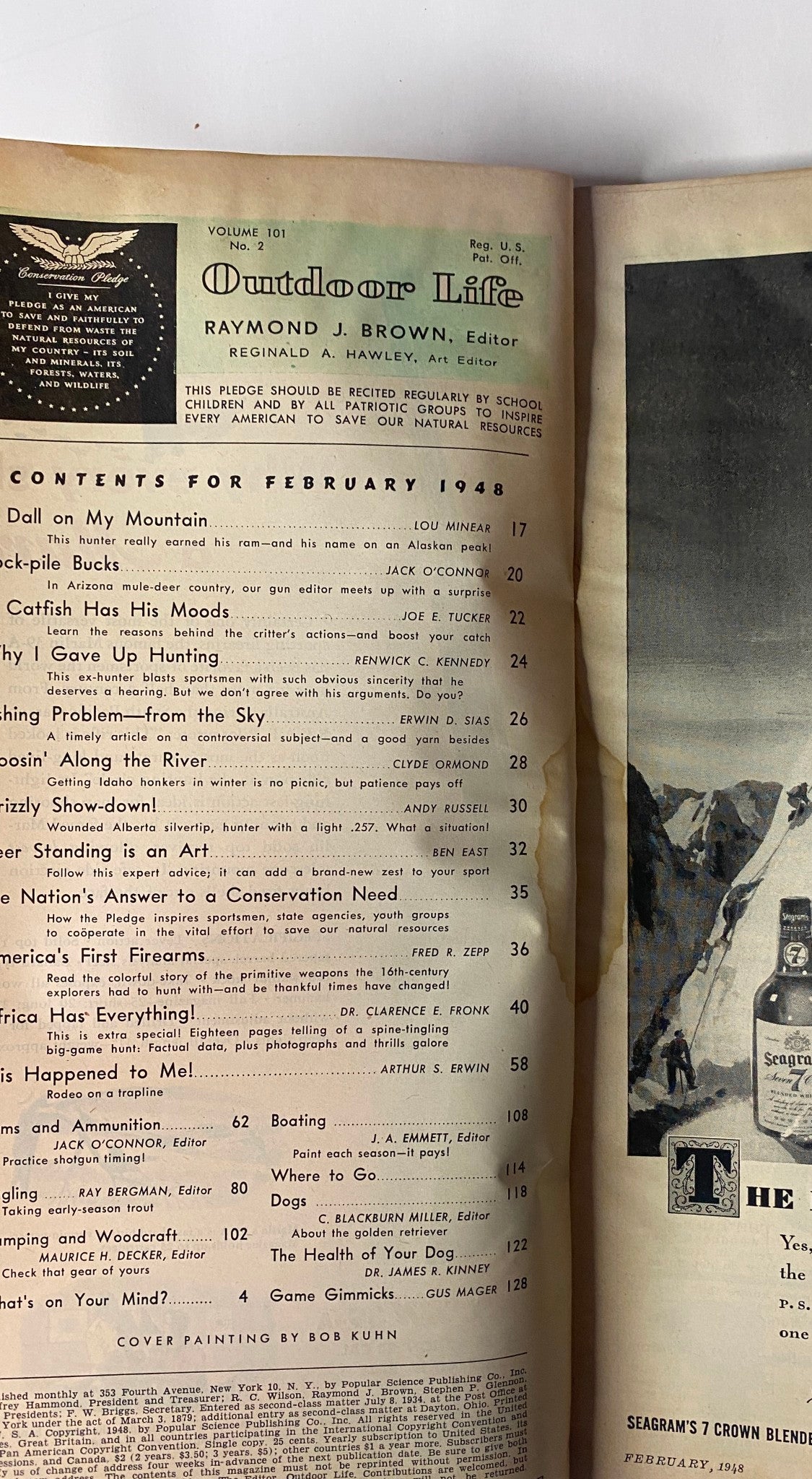
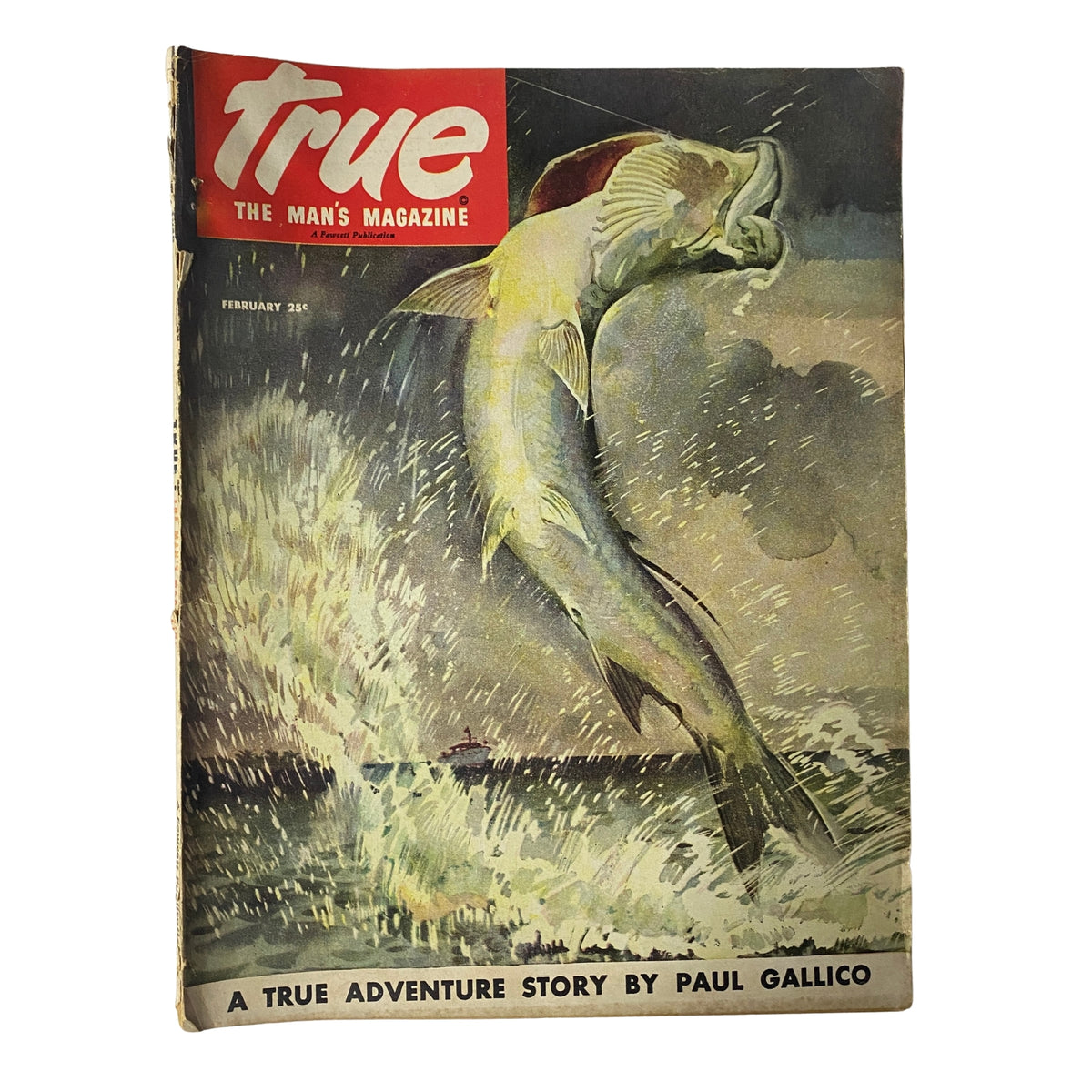
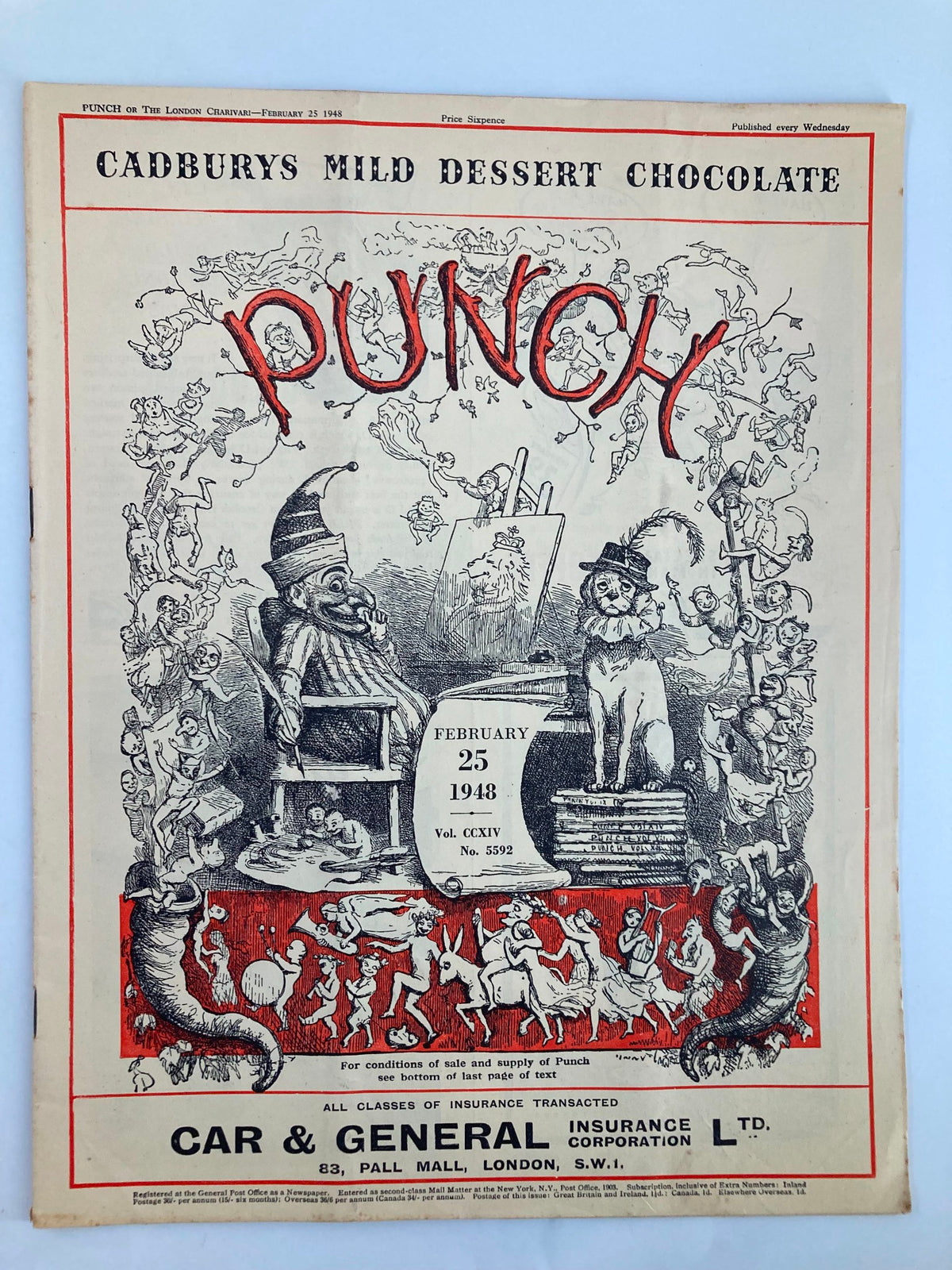
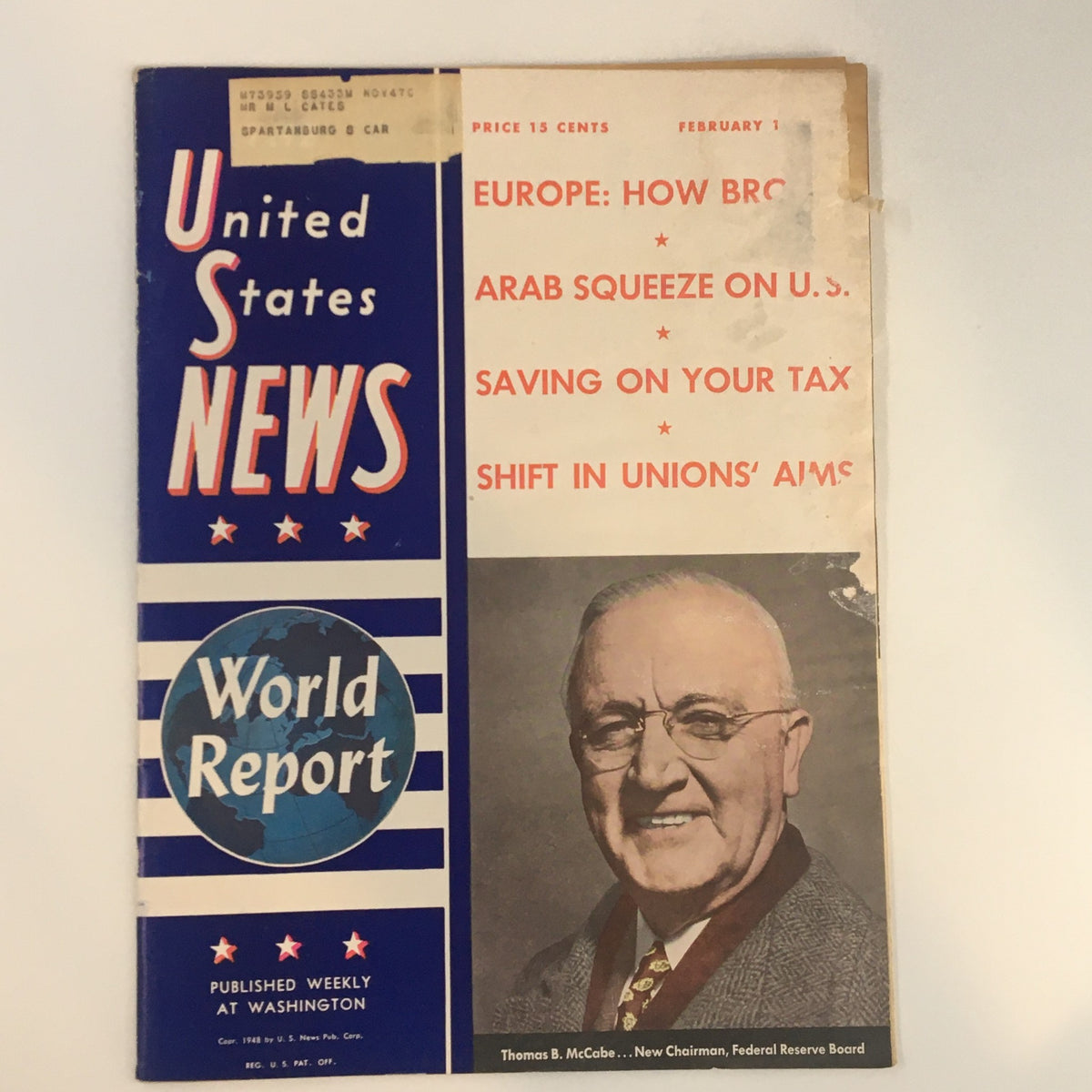
📖 About this Collection
February 1948: Iron Curtains and Olympic Glory
The Historical Context
The world held its breath in February 1948. In the snow-draped mountains of St. Moritz, athletes from nations still healing from war competed for Olympic glory—while thousands of miles away, democracy itself was fracturing. The communist coup in Czechoslovakia on February 25th sent shockwaves through Western capitals, as President Edvard Beneš capitulated to Soviet-backed forces in a chilling reminder that the peace was fragile. It was a month of stark contrasts: the pageantry of sport against the shadow of ideology, independence celebrations against the specter of new occupations. Ceylon broke free from British rule on February 4th, adding another young nation to a world still redrawing its maps. In the Middle East, bomb blasts shattered Jerusalem's streets, and Mao Zedong's forces occupied Yenan—signaling that China's long civil war was tilting irrevocably. This was the world your loved one entered: complex, electric, and unmistakably alive.
Culture, Sport, and the American Moment
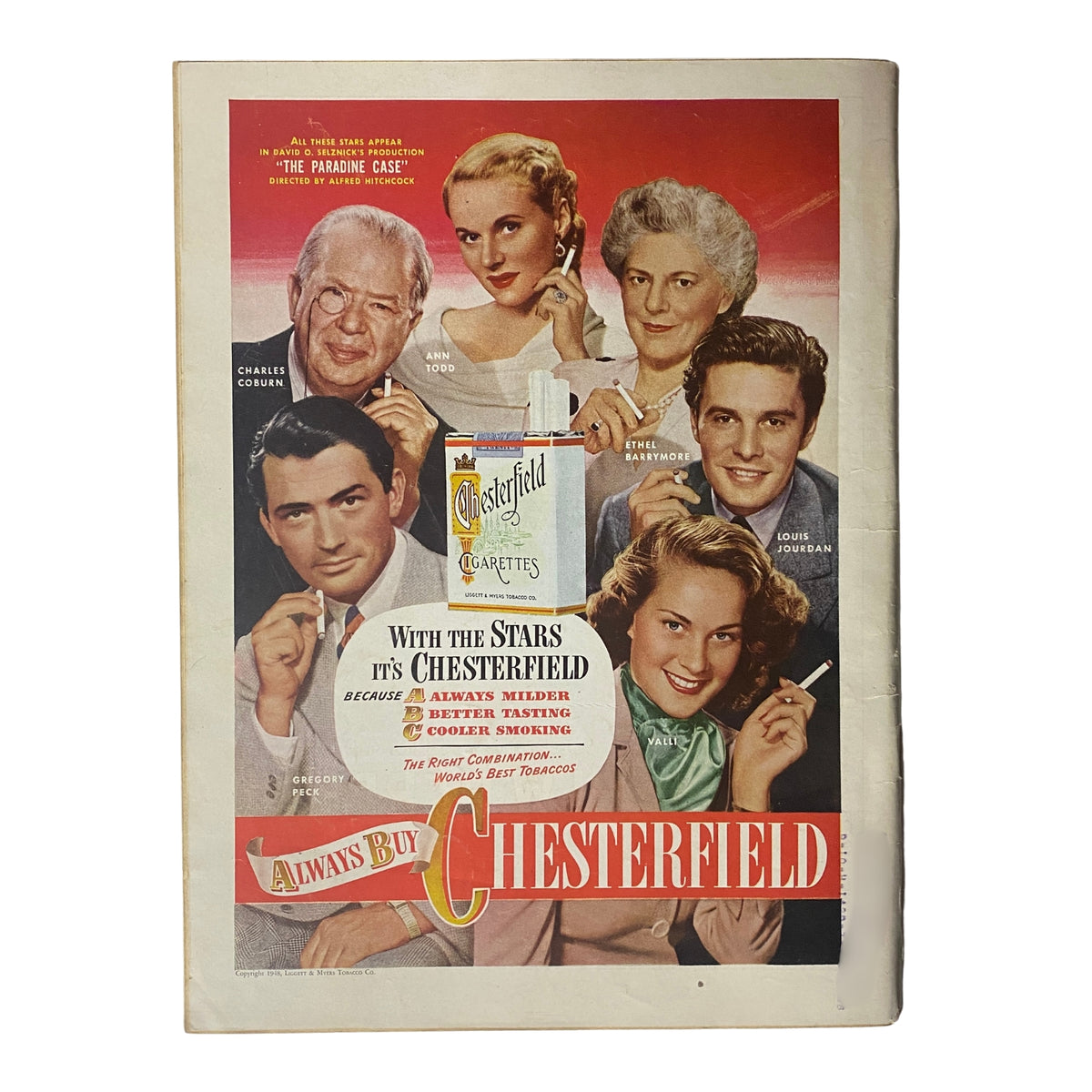
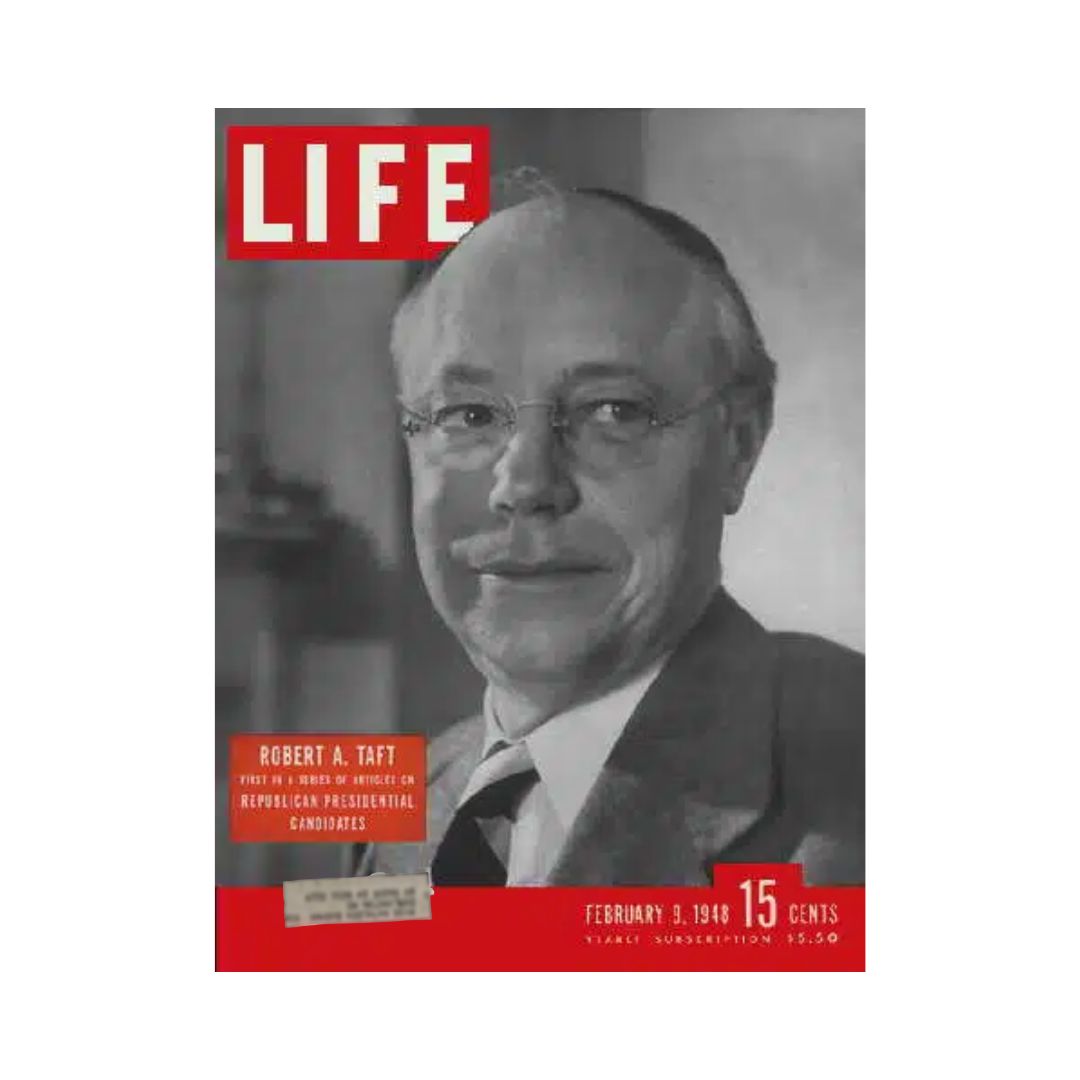
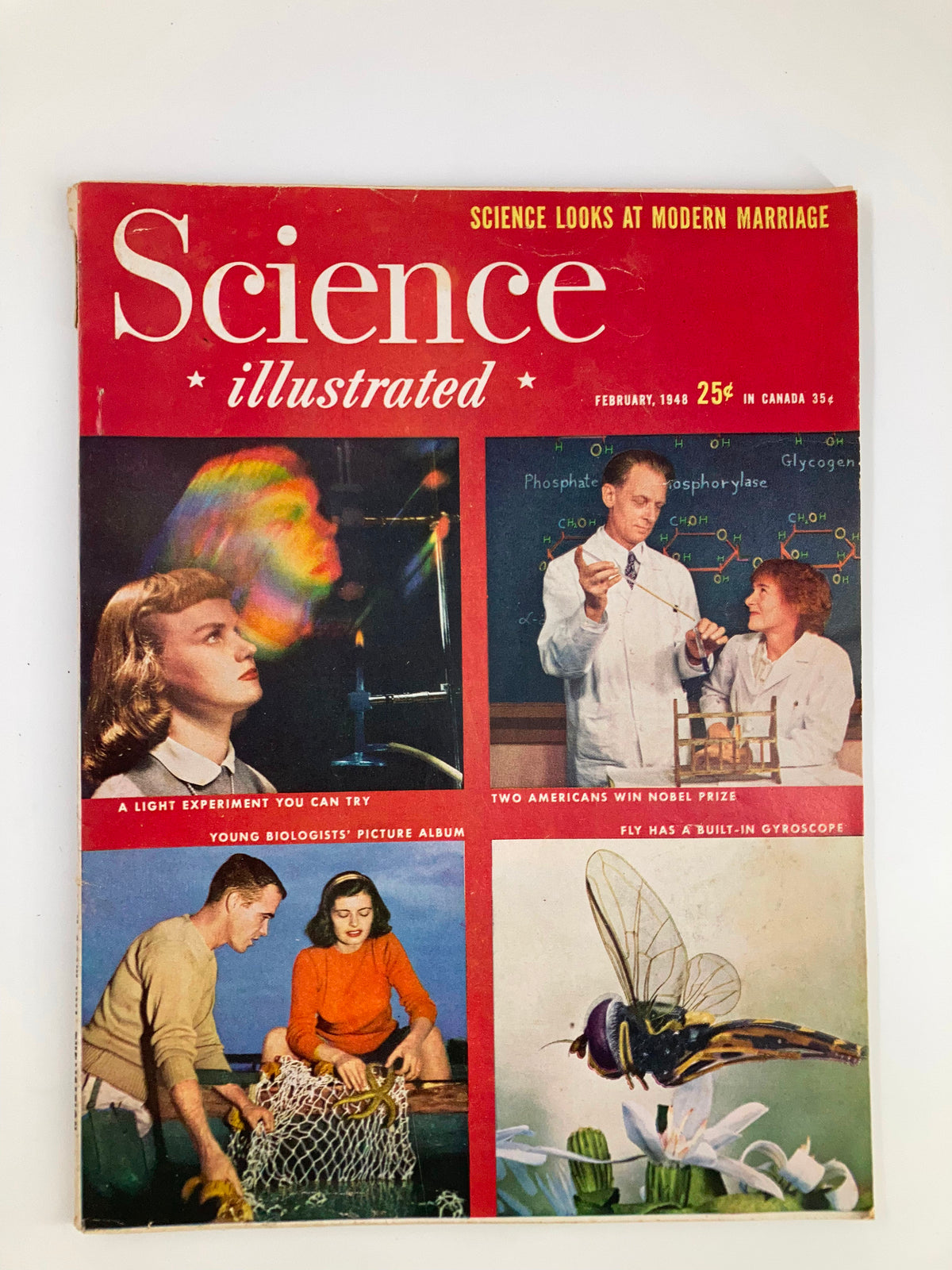
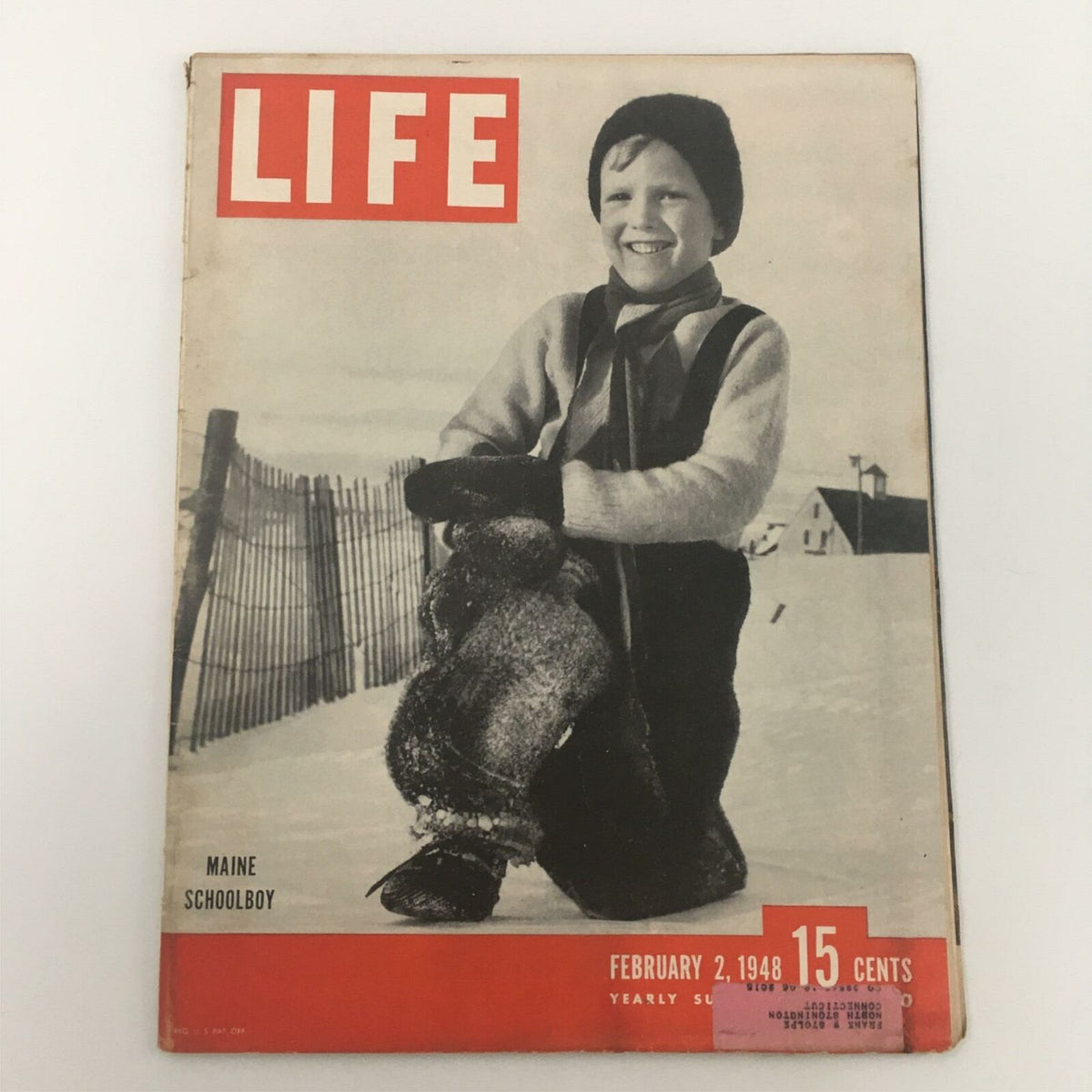
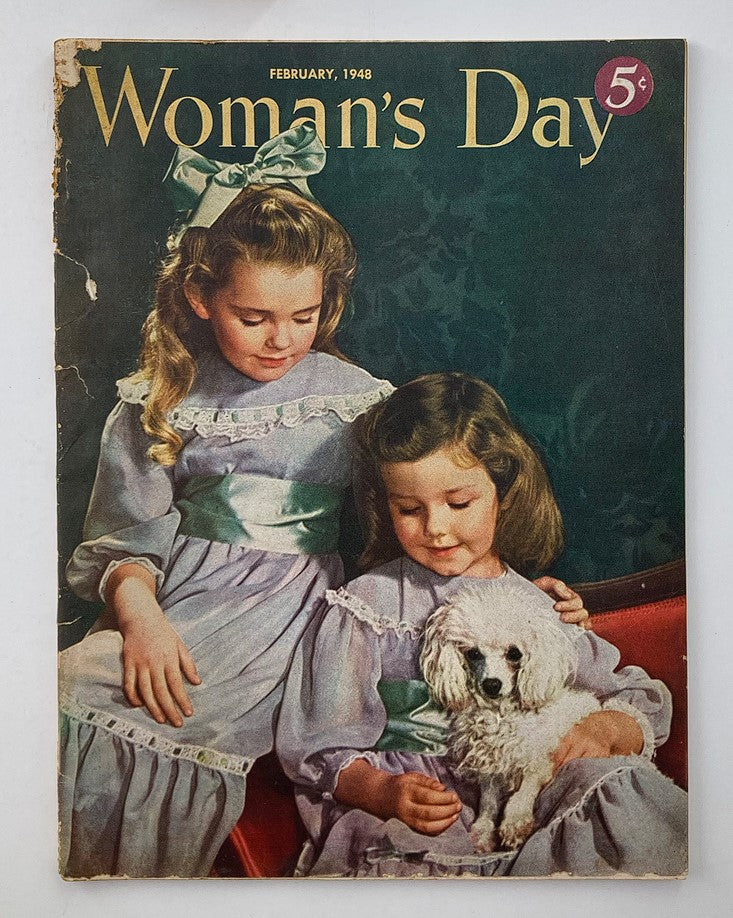
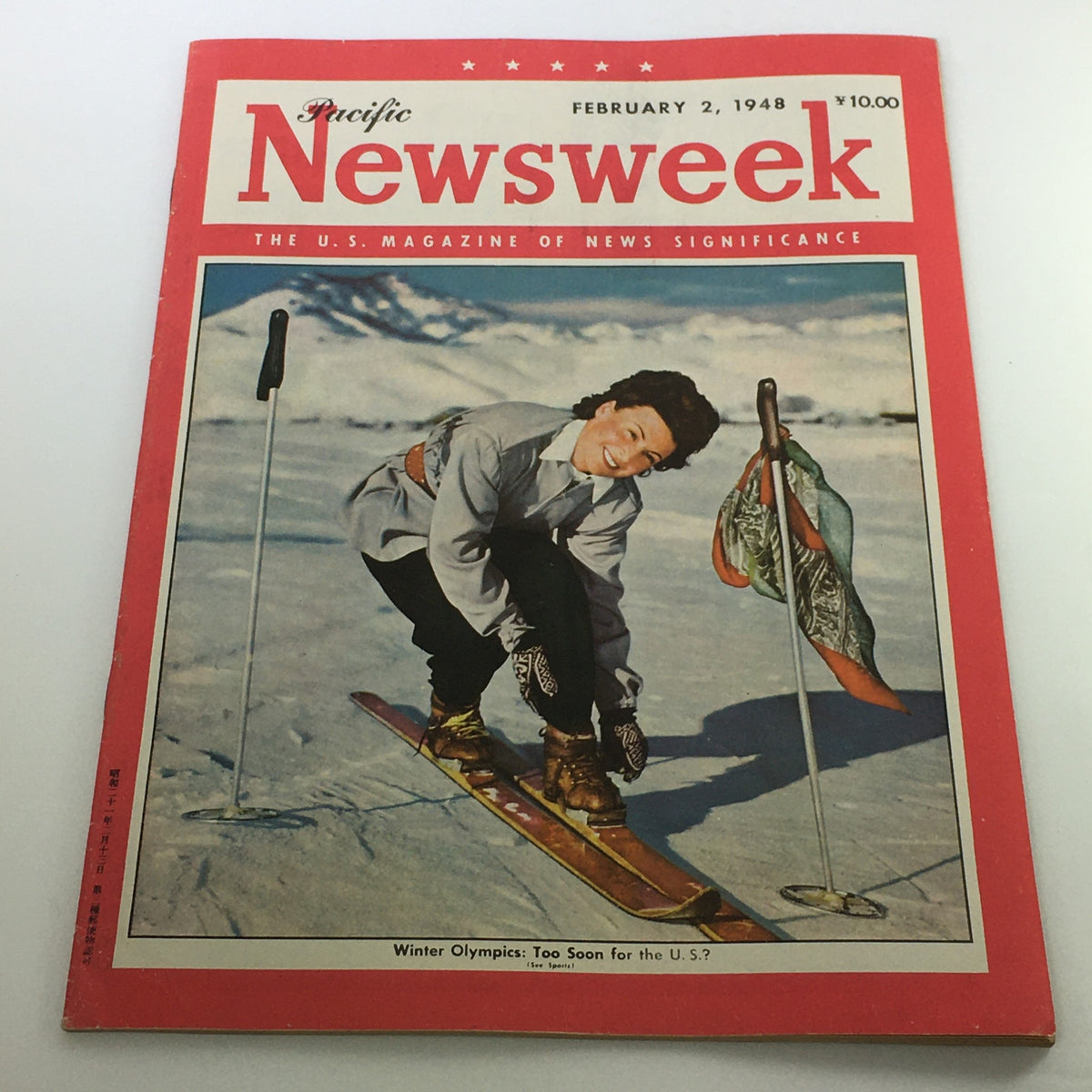
The V Winter Olympics at St. Moritz provided the month's most luminous stories, and American achievement burned brightest. Eighteen-year-old Dick Button became the first American man to win Olympic figure skating gold—executing a double axel never before completed in competition—while Gretchen Fraser claimed the women's slalom title, making the United States a genuine Alpine power. These triumphs dominated the front pages of Life and Look, whose photographers captured the crystalline Swiss backdrop in sweeping spreads. On newsstands, Sports Illustrated's predecessors and general-interest weeklies celebrated Fraser and Button as symbols of postwar American confidence. Away from the slopes, Alan Paton's shattering novel Cry the Beloved Country arrived in American bookshops, its anti-apartheid fury making it the literary conversation of the season. Time and Newsweek reviewed it with gravity befitting its subject. Television, still a novelty, flickered to life in Los Angeles as KNXT (now KCBS) made its first broadcast—and original magazines from February 1948 carry the advertisements for the very sets that made it possible.
Curator's Checklist: What to Look For
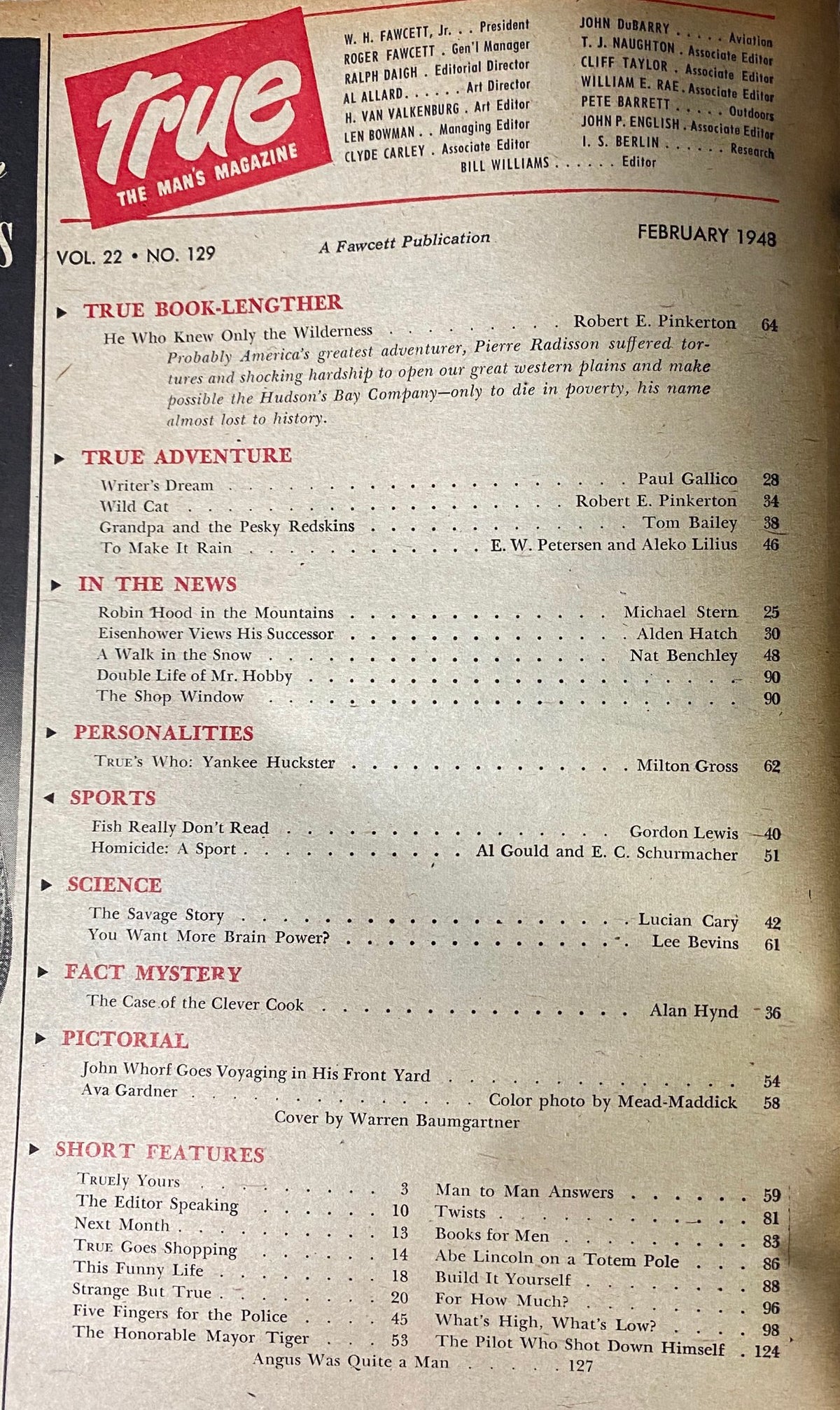
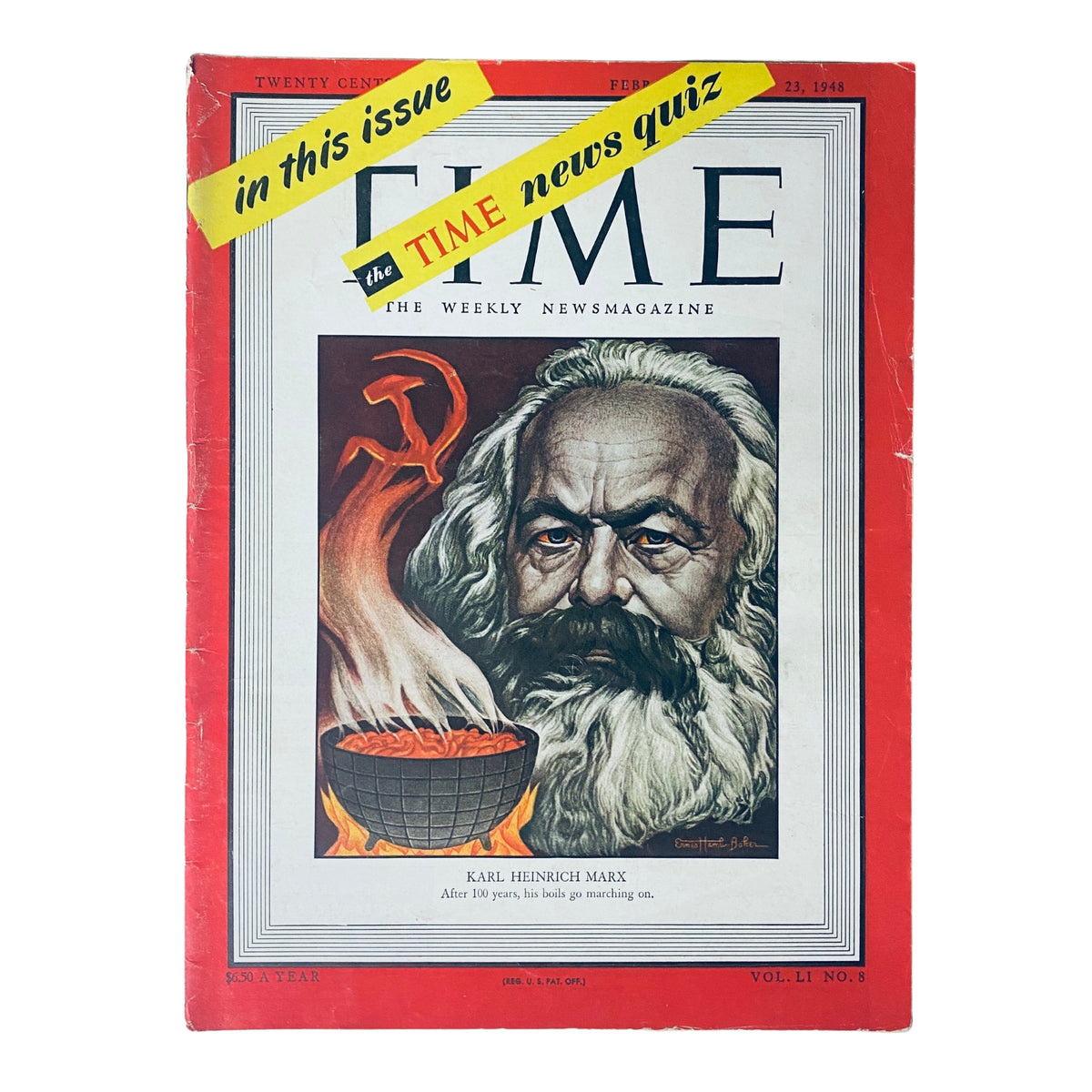
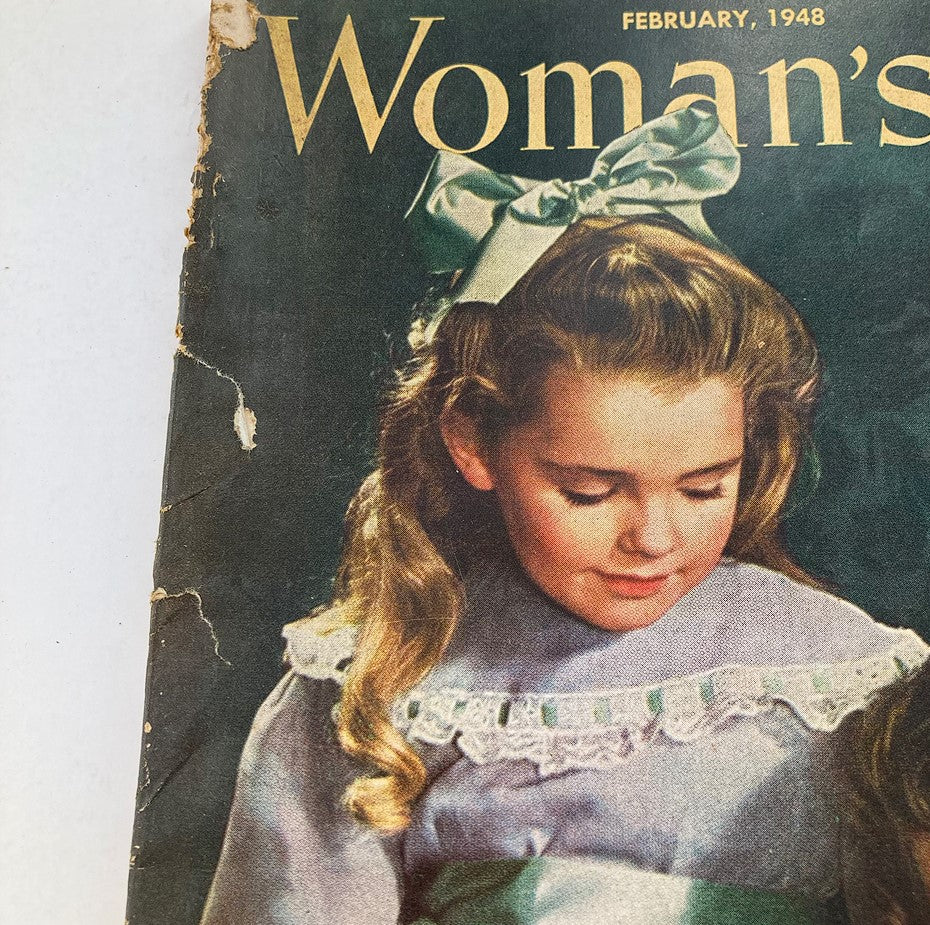
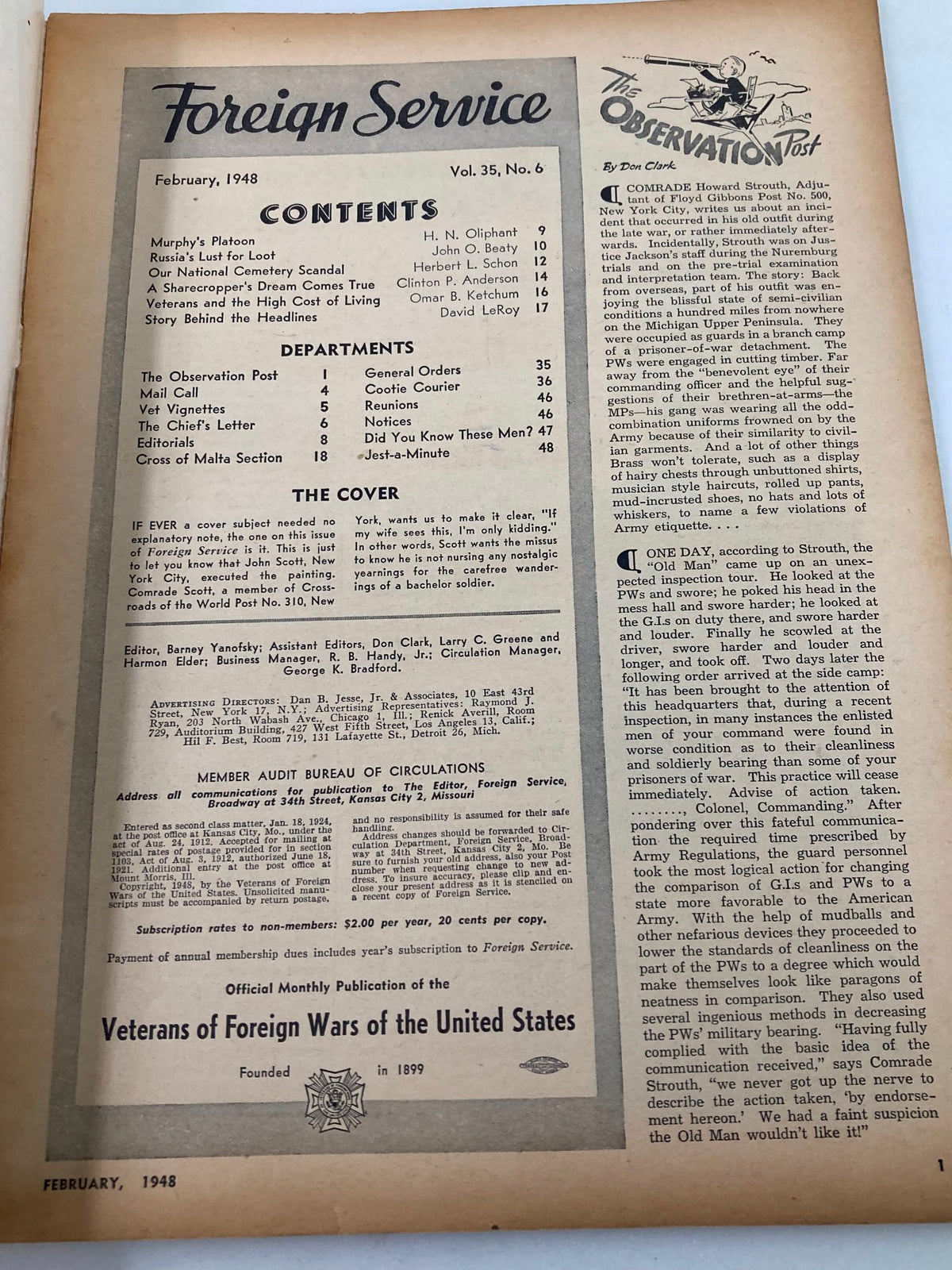
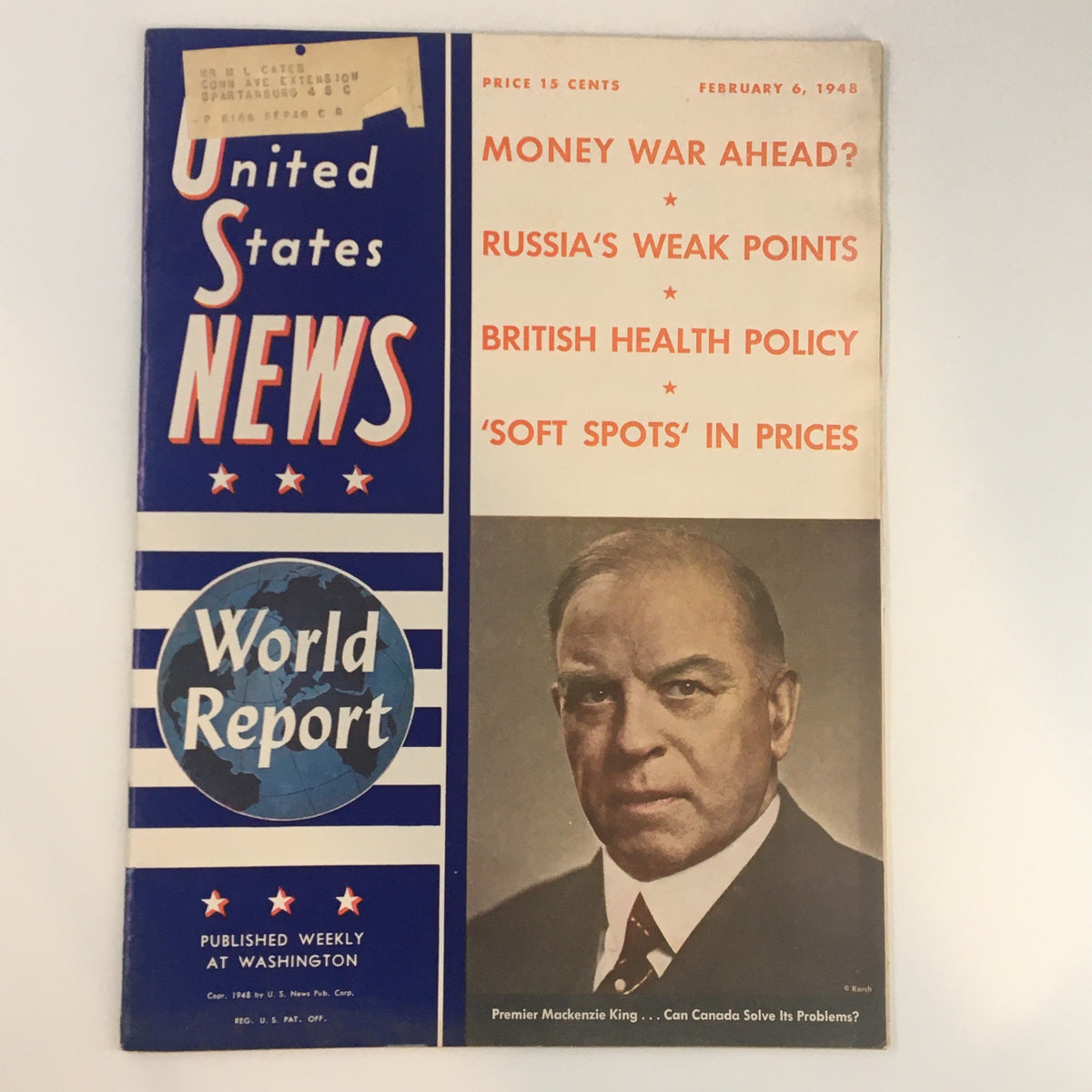
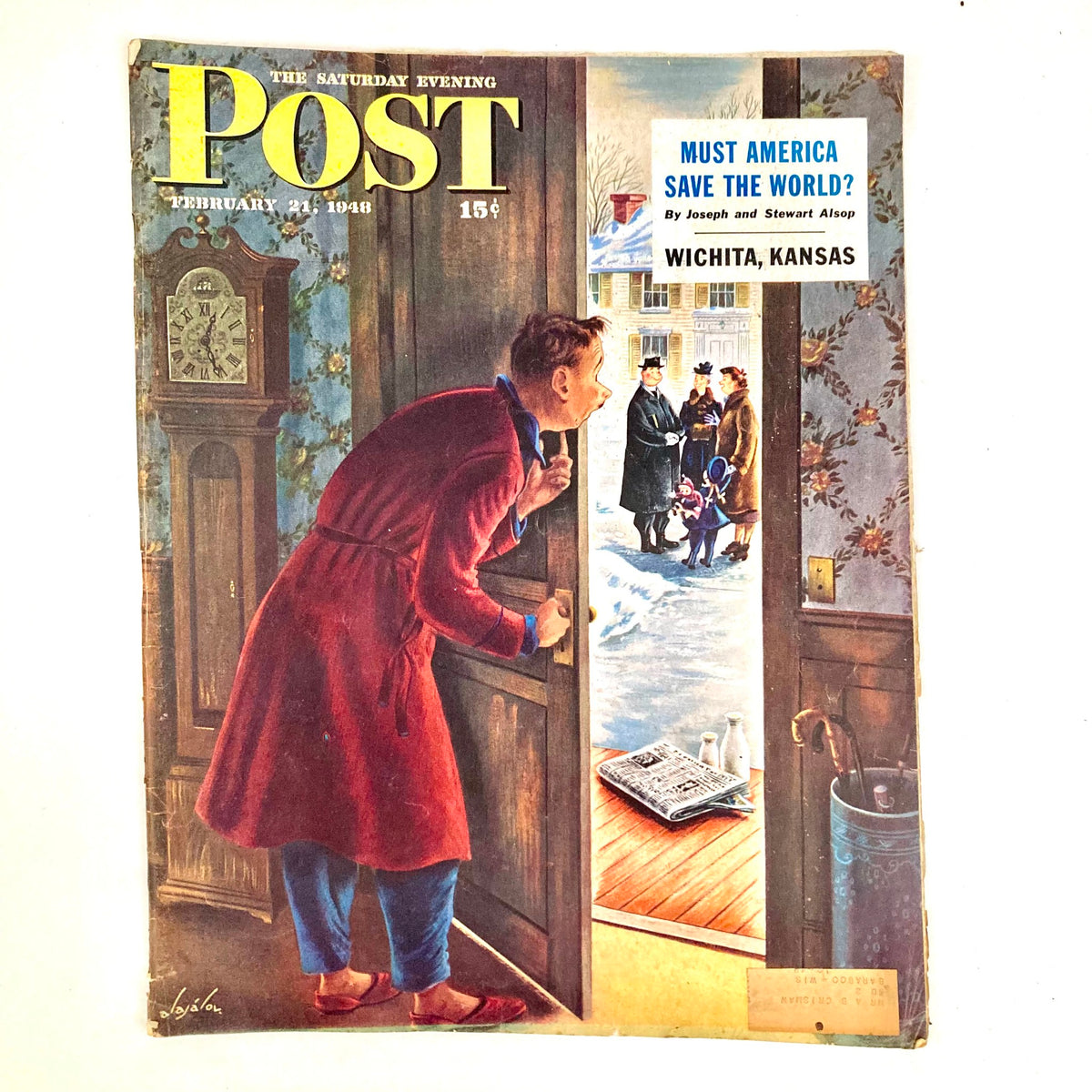
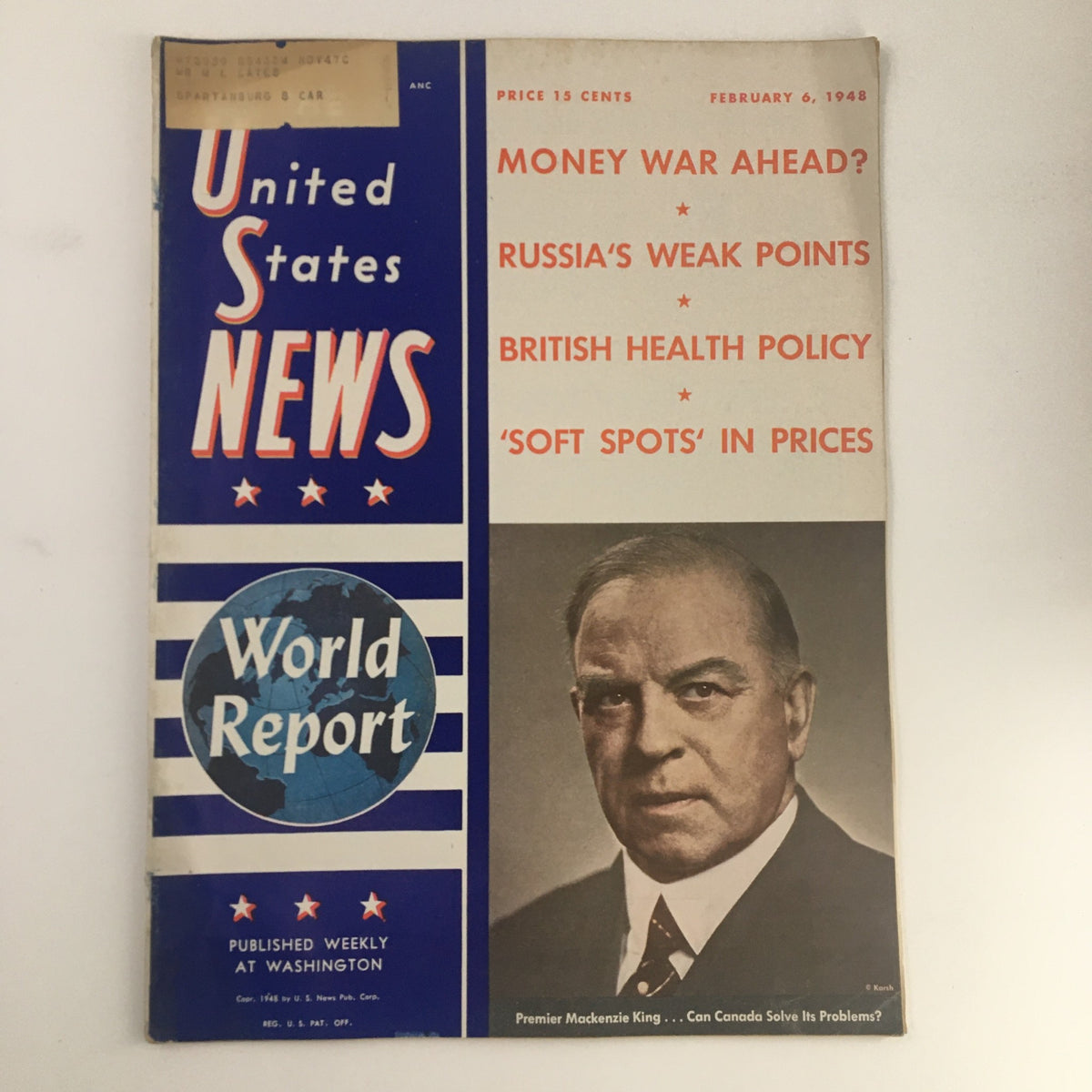
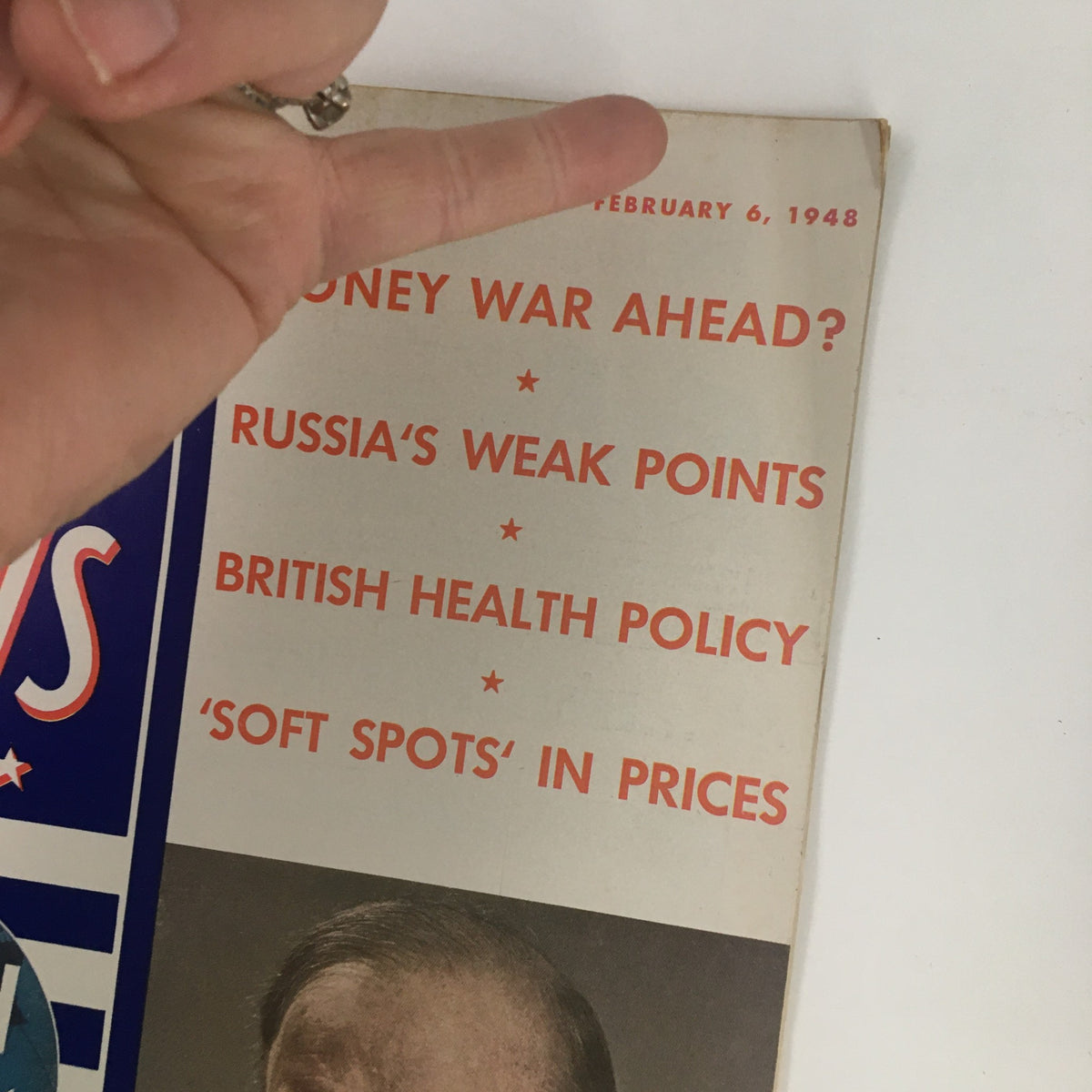
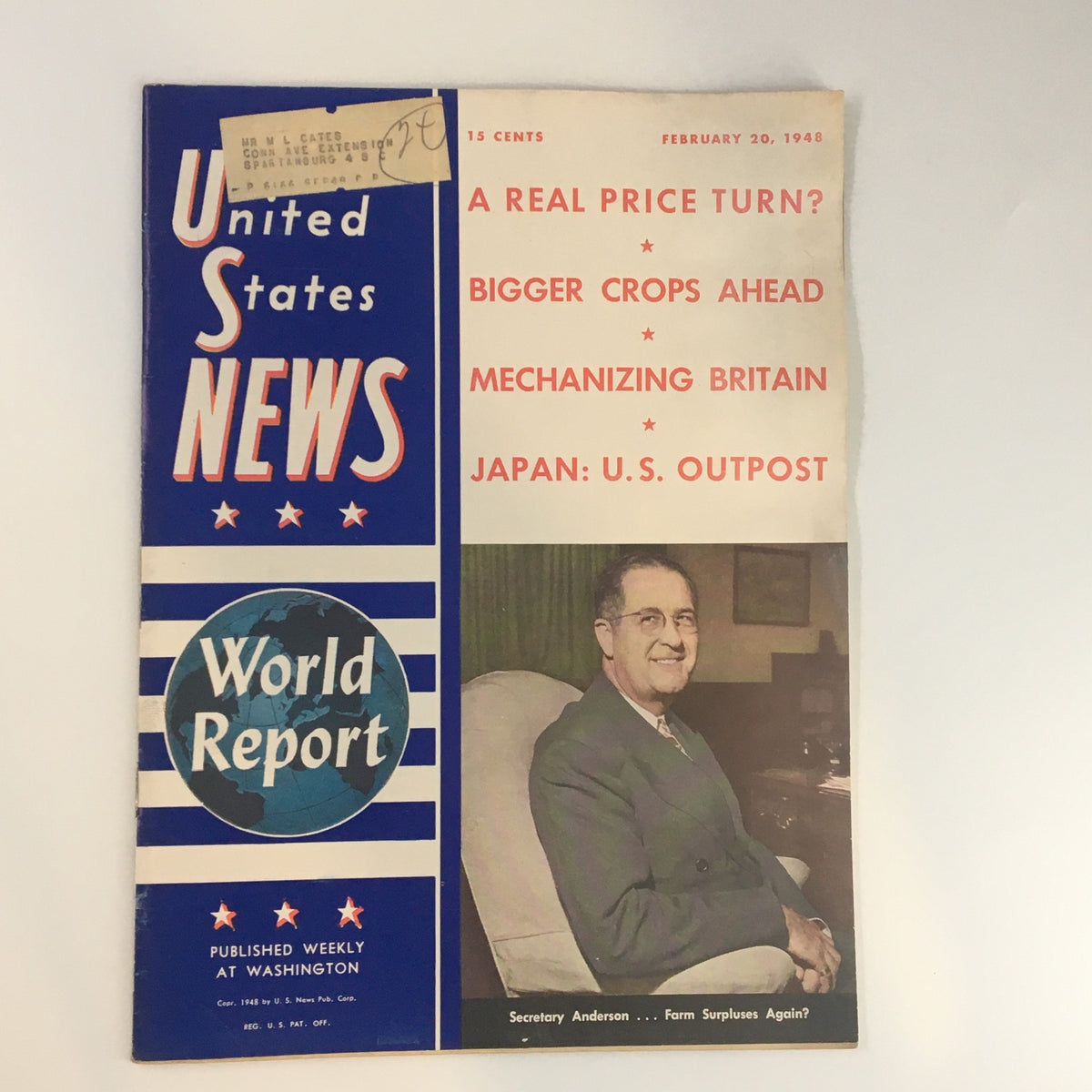
- The Czechoslovak Communist Coup: News weeklies including Time, Life, and Newsweek featuring front-page coverage of Beneš's capitulation, often illustrated with stark wire photographs of Prague streets and urgent dispatch-style typography that captures the Cold War's anxious early months.
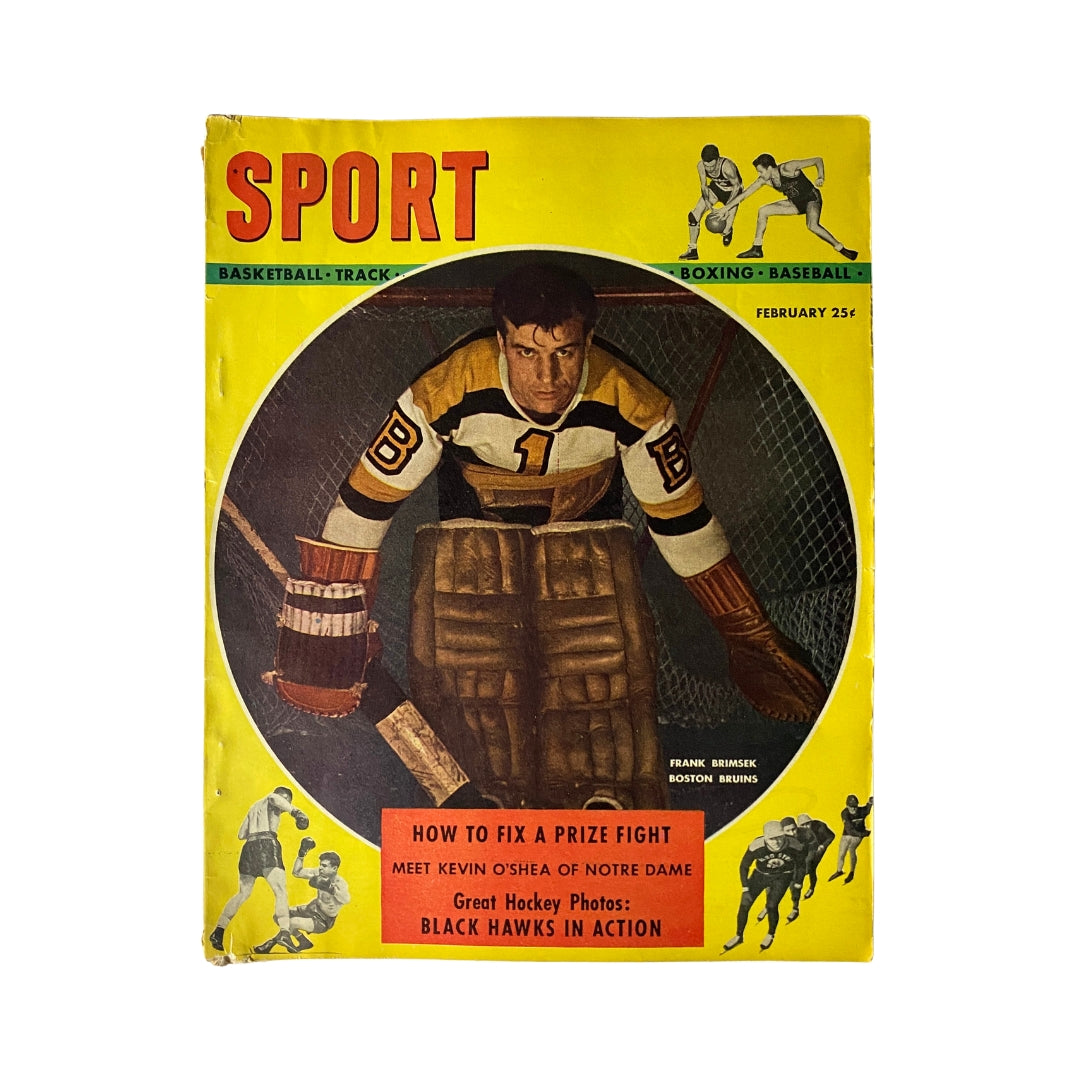
- St. Moritz Winter Olympics: Sports pages and general illustrated weeklies showcasing Dick Button's historic double axel and Gretchen Fraser's slalom gold, with action photography and medal-count infographics that reflect rare magazines produced at the height of postwar Olympic enthusiasm.
- Ceylon Independence and Federation of Malaya: International affairs sections of Look, Life, and Newsweek chronicling the peaceful transfer of power in South Asia, with portrait photography of newly sovereign leaders and maps illustrating the reshaping of the British Empire.
- Dick Button's Figure Skating Gold: Vintage magazines from the sports and illustrated press featuring full-page photography of Button's performance—a young American champion whose achievement felt perfectly timed against a backdrop of Cold War anxiety and national pride.
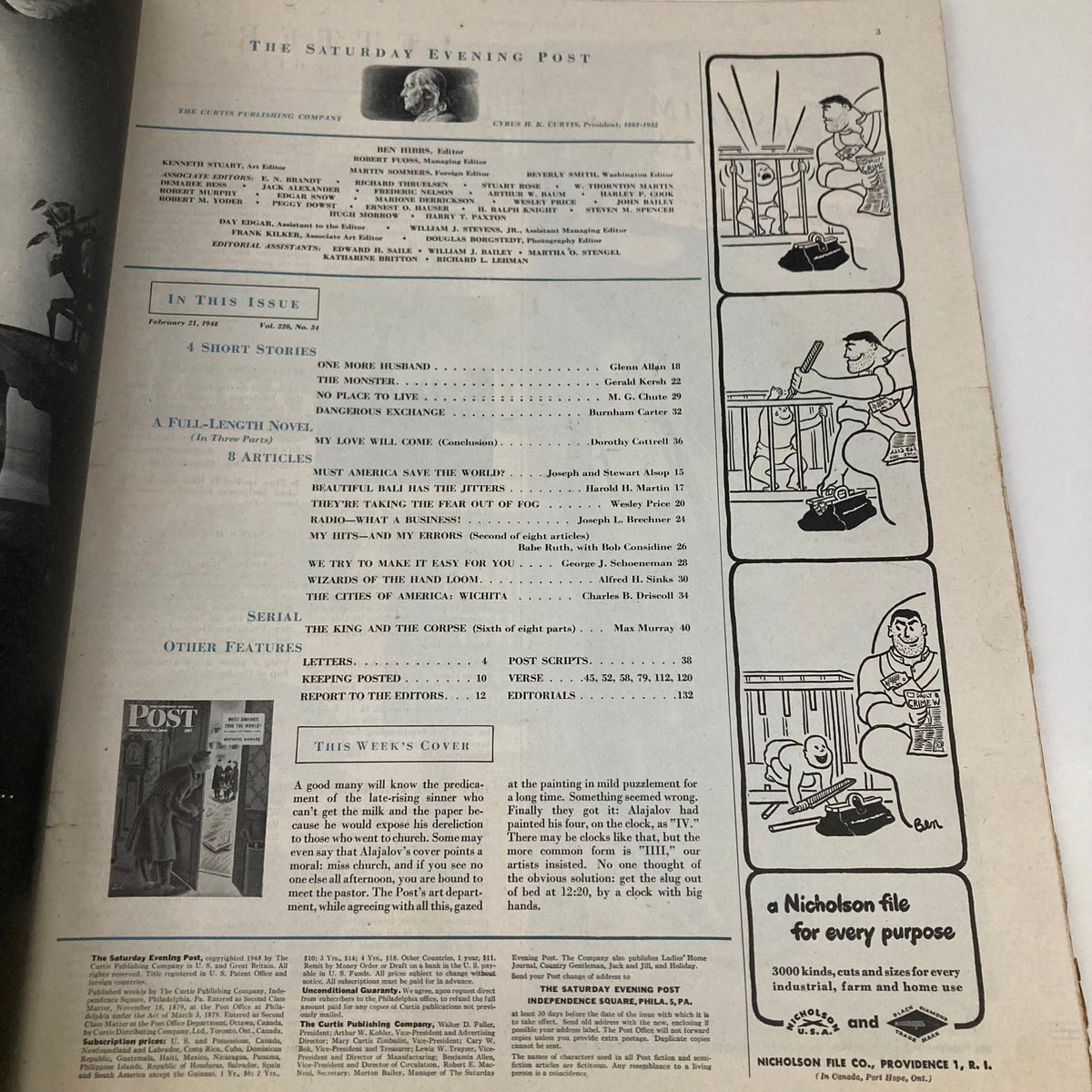
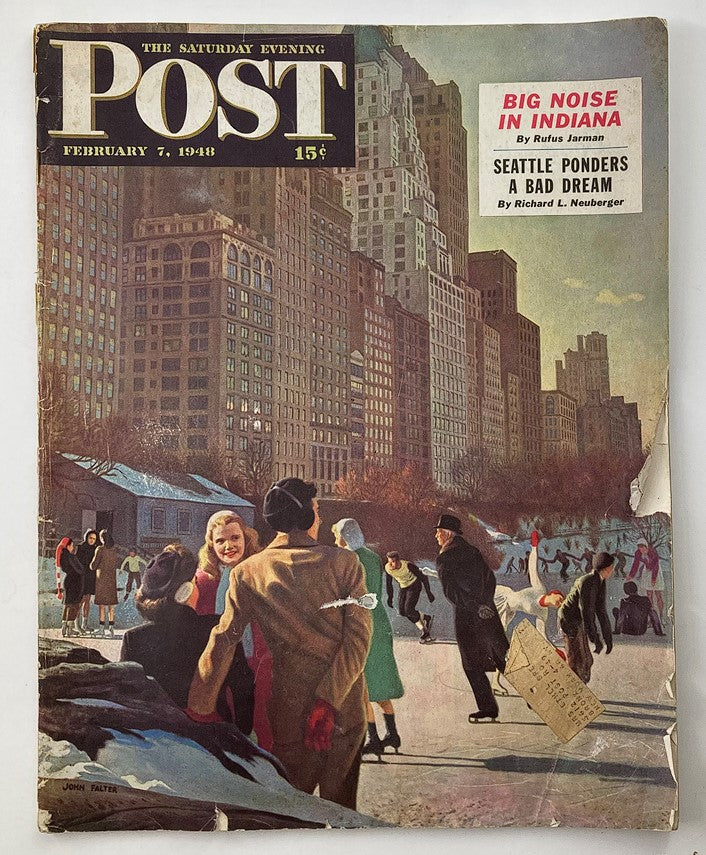
- Alan Paton's Cry the Beloved Country: Literary and culture sections of Saturday Evening Post, Time, and general-interest magazines showcasing book reviews and author profiles, authentic period advertising from major publishers that reveal how mid-century America encountered world literature.
The Perfect Gift
For someone born in February 1948, an original magazine from this turbulent, triumphant month isn't just a birthday gift—it's a genuine time capsule of the exact world that greeted them, preserved in the period typography, authentic advertisements, and urgent headlines that no reproduction can replicate.