📖 About this Collection
Gene Hackman: The Man Behind the Method — Power, Presence, and the Print That Captured It All
The Legend & The Legacy
Before algorithms could quantify a performance or streaming platforms could surface a forgotten role, Gene Hackman's ascent was chronicled entirely through the slow, deliberate rhythm of print — in feature spreads debated over kitchen tables, in review columns clipped and saved, in glossy cover portraits that made a generation stop at the newsstand. Hackman was not a manufactured star; he was an actor's actor who forced Hollywood — and the press — to reckon with a new kind of leading man. Rough-hewn, intellectually rigorous, and impossible to look away from, he redefined what masculine authority could mean on screen. From his electrifying turn in The French Connection (1971), which earned him the Academy Award and sent journalists scrambling for superlatives, through the operatic villainy of Superman, the quiet menace of The Conversation, and the weathered moral complexity of Unforgiven, his career gave editors decades of material that transcended Hollywood gossip. This was an actor who made news — cultural, cinematic, and human.
Inside the Archive
Vintage magazines of the 1970s through the 1990s approached Hackman with an unusual editorial gravity, rarely afforded to actors of his era. Unlike the glamour-first coverage lavished on contemporaries, the photography surrounding him tended toward the candid and the contemplative — a man caught thinking between takes, a candid from a New York street corner, a studio portrait that let the lines on his face do the storytelling. Time and Newsweek treated his major releases as genuine cultural events, framing him not merely as an entertainer but as a barometer of American unease. Premiere magazine, the essential journal of serious cinephilia through the 1980s and '90s, returned to him repeatedly as a subject who elevated any conversation about craft. Internationally, Stern in Germany and L'Express in France recognized his films as artistic exports of the highest order, occasionally granting him the kind of long-form profile reserved for directors and heads of state. The surrounding advertisements in these issues — for cigarettes, American automobiles, and department store suits — form an unintentional time capsule of the precise cultural moment in which his legend was being written.
Curator's Checklist: Highlights Often Include
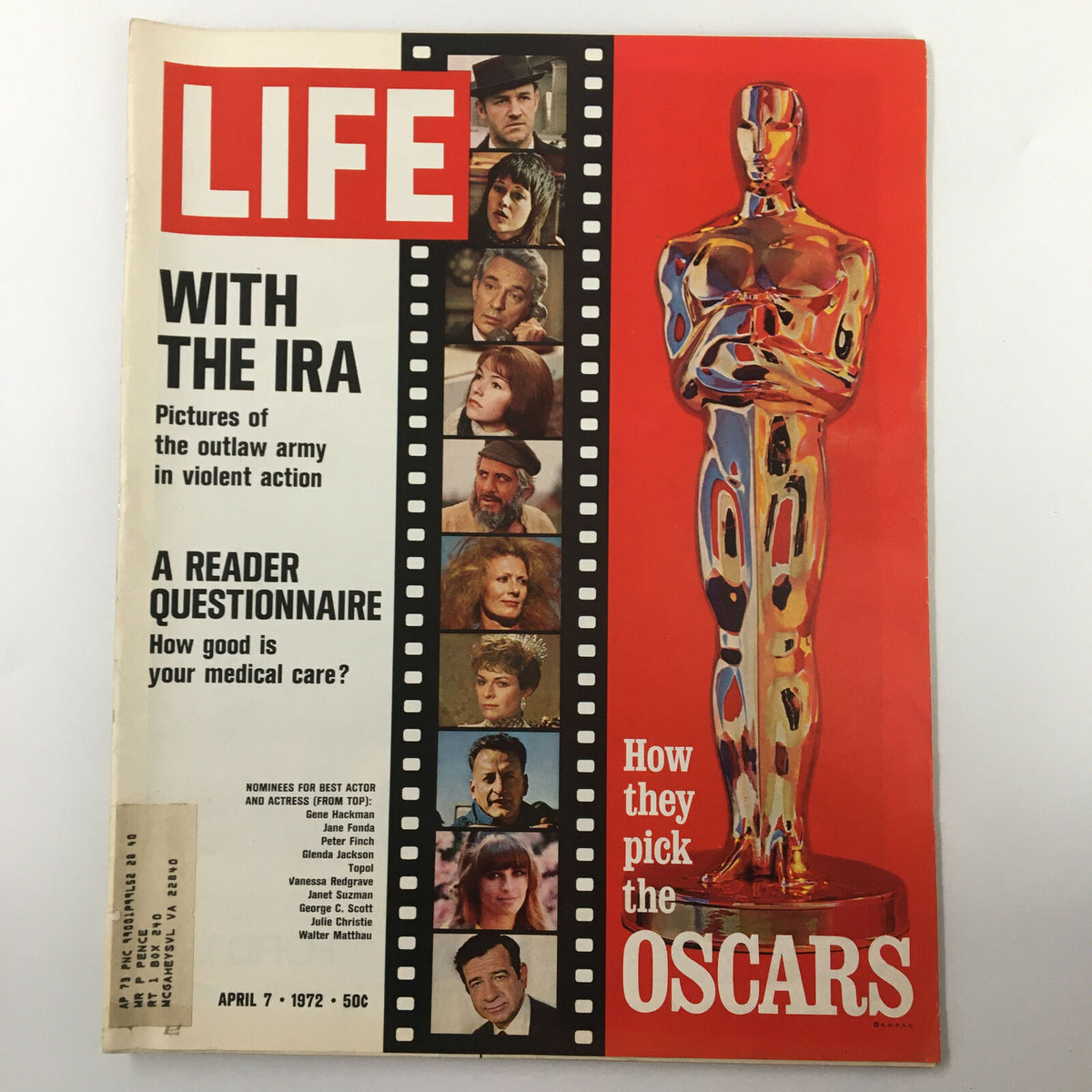
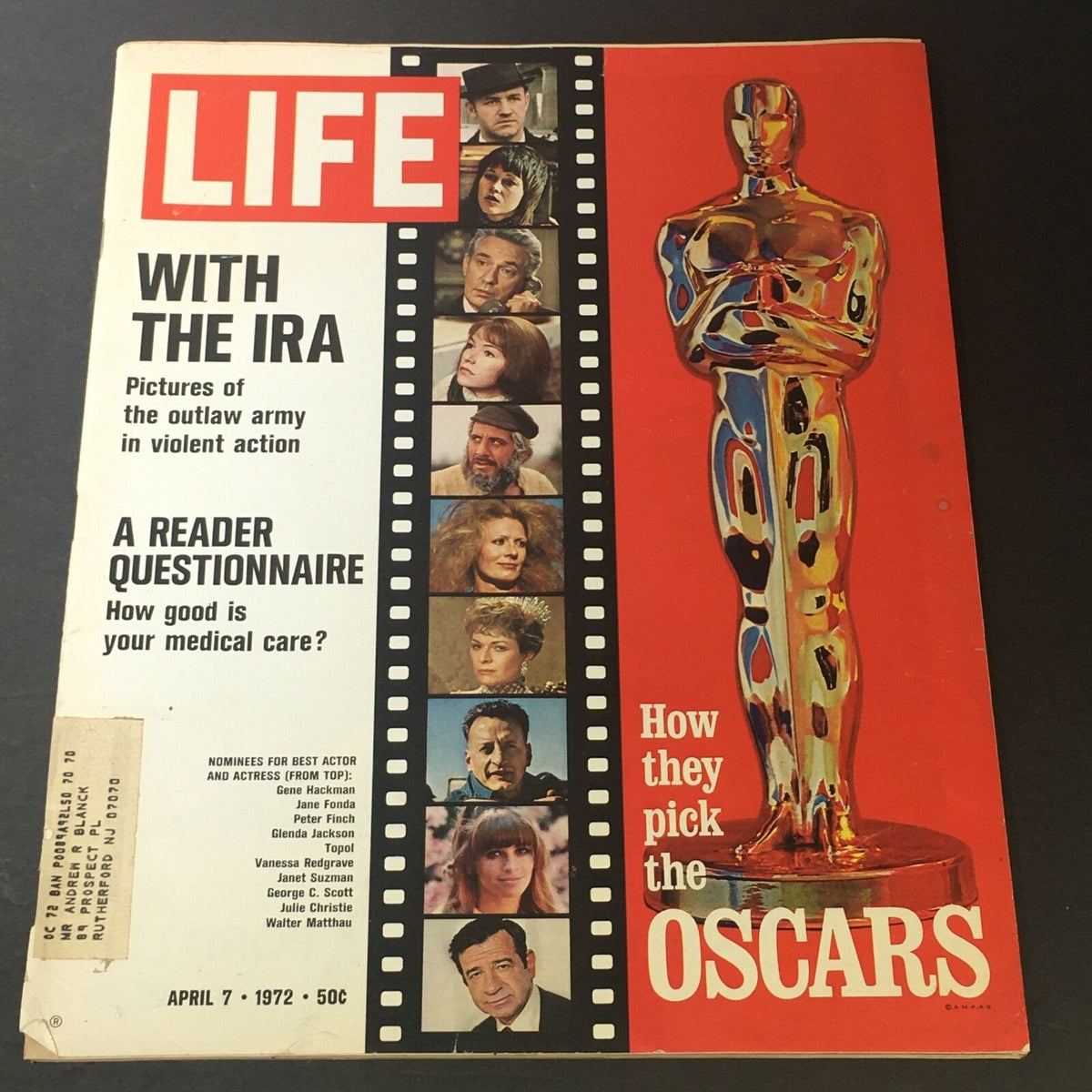
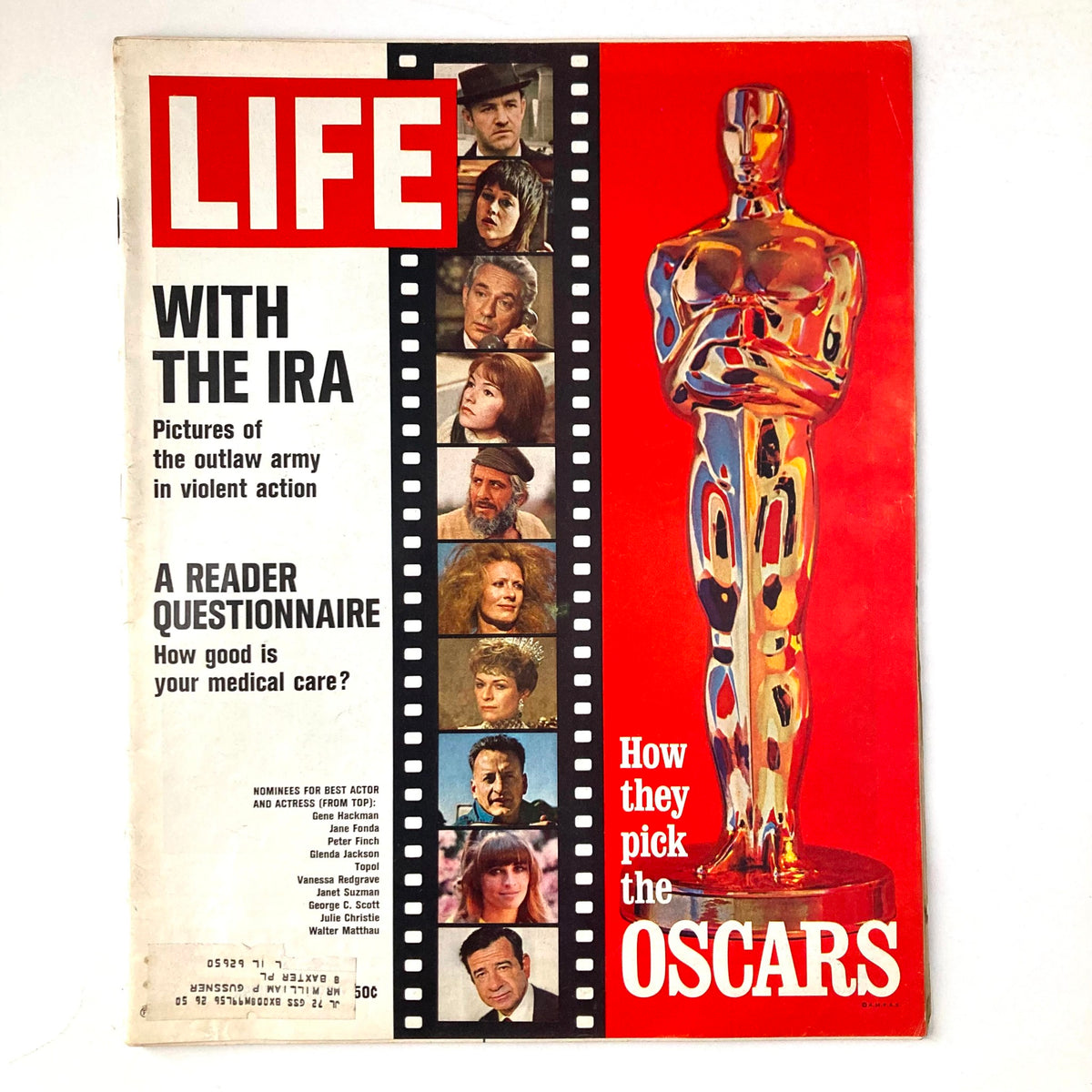
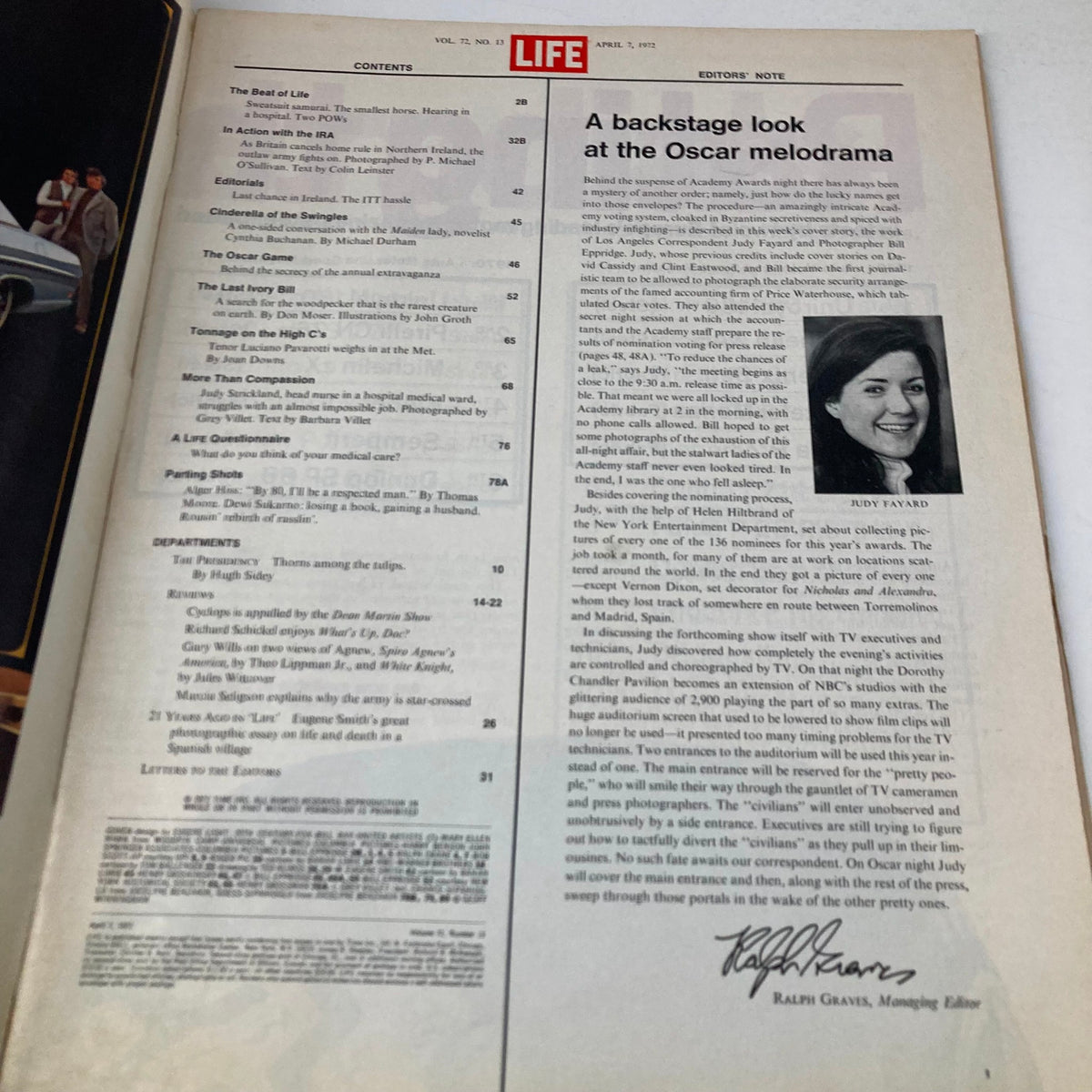
- Post-Oscar coverage from 1972, when entertainment weeklies and major news monthlies rushed to profile the unlikely new king of Hollywood following The French Connection — often featuring raw, high-contrast photography that matched the film's own aesthetic
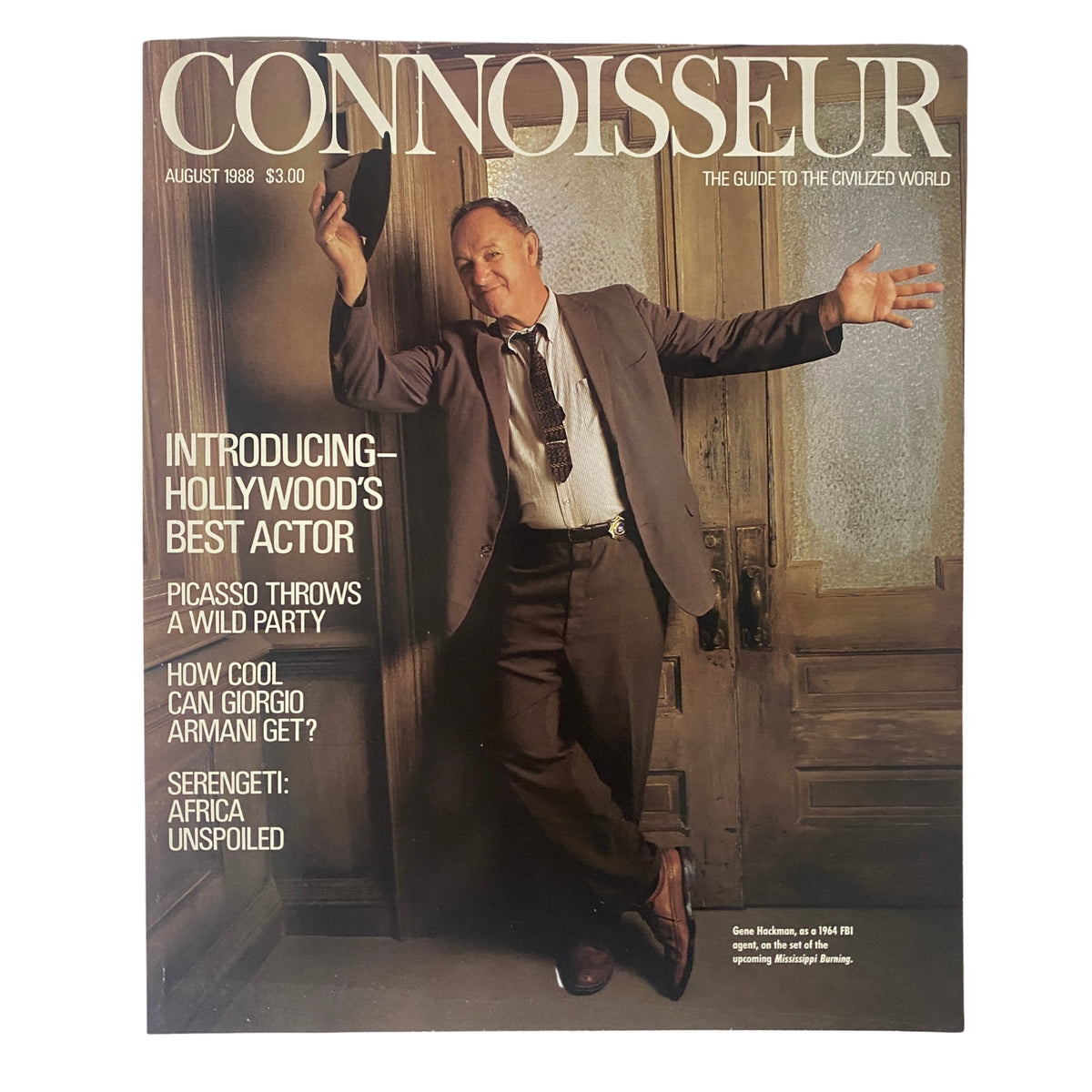
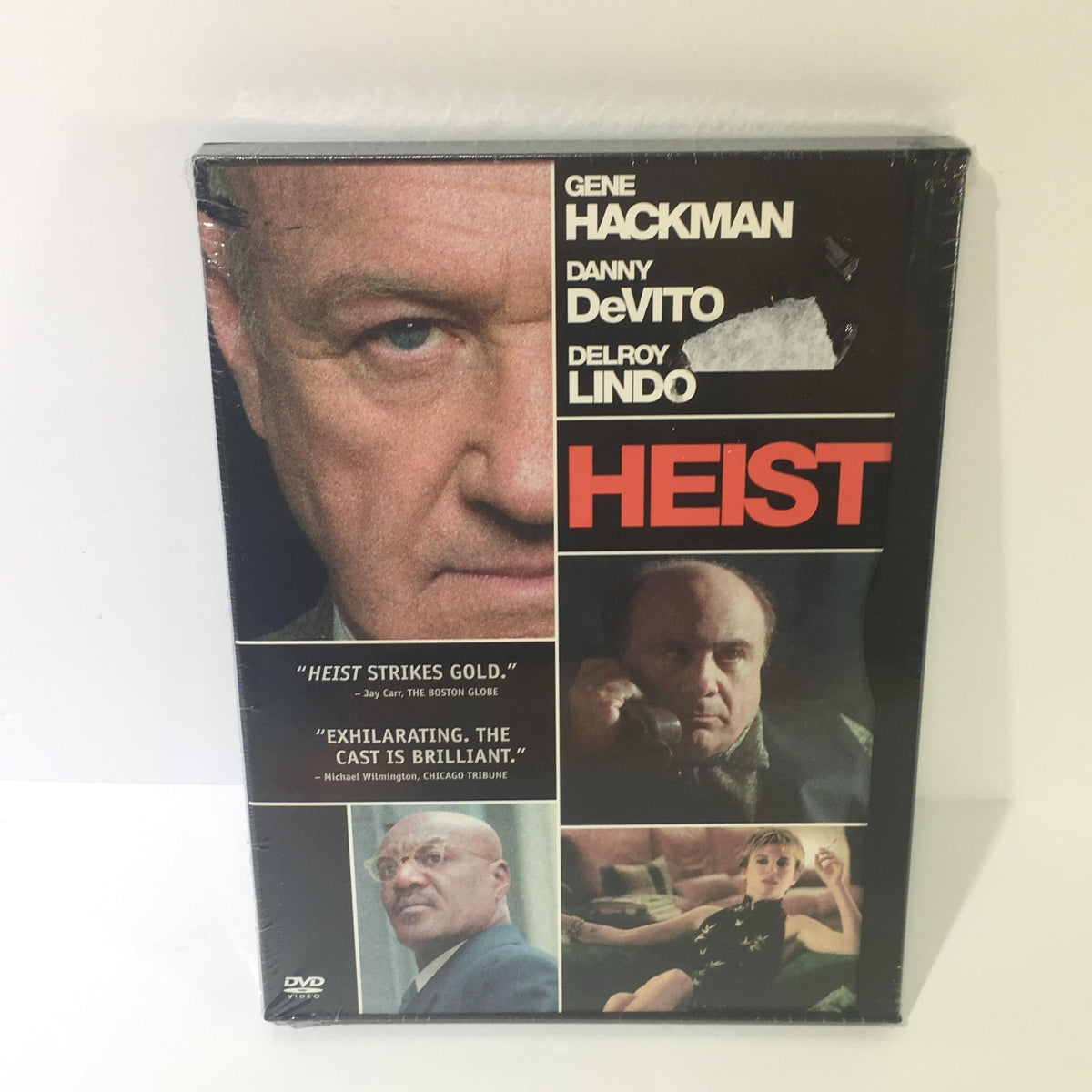
- Feature spreads tied to marquee releases such as The Conversation (1974), Night Moves (1975), Mississippi Burning (1988), and Unforgiven (1992), with editorial tones ranging from intellectual film criticism to mainstream celebration
- Ensemble and industry roundups from publications like Rolling Stone and American Film, in which he frequently appeared alongside New Hollywood peers — Coppola, Nicholson, Pacino — as part of broader examinations of a transformative era in American cinema
- International film press coverage, particularly from European publications that championed his work with an auteur's reverence, often during Cannes seasons or major festival retrospectives
- Profile pieces exploring his famously private personal life and late-blooming career, which made for compelling long-form journalism — stories about persistence, craft, and the very un-Hollywood reality of a man who drove a cab before he won an Oscar
The Collector's Value
There is something irreplaceable about holding the very issue that first told the world Gene Hackman mattered. The slightly rough tooth of coated 1970s magazine stock, the deep blacks of a halftone portrait printed at the height of American newsstand publishing, the faint, sweet mustiness of decades-old ink — these are not flaws, they are evidence. Evidence that a physical object traveled through time to reach you, that it sat in someone's living room the week The French Connection was the only thing anyone wanted to talk about. No digital archive replicates that. For collectors of New Hollywood cinema, serious acting craft, or 20th-century American cultural history, these publications offer something a streaming queue never can: primary source testimony, frozen at the precise moment history was being made. Explore our current rotating inventory below and discover which pieces of that story are available to own today.