📖 About this Collection
Hank Aaron: The Hammer's Echo in Print
The Legend & The Legacy
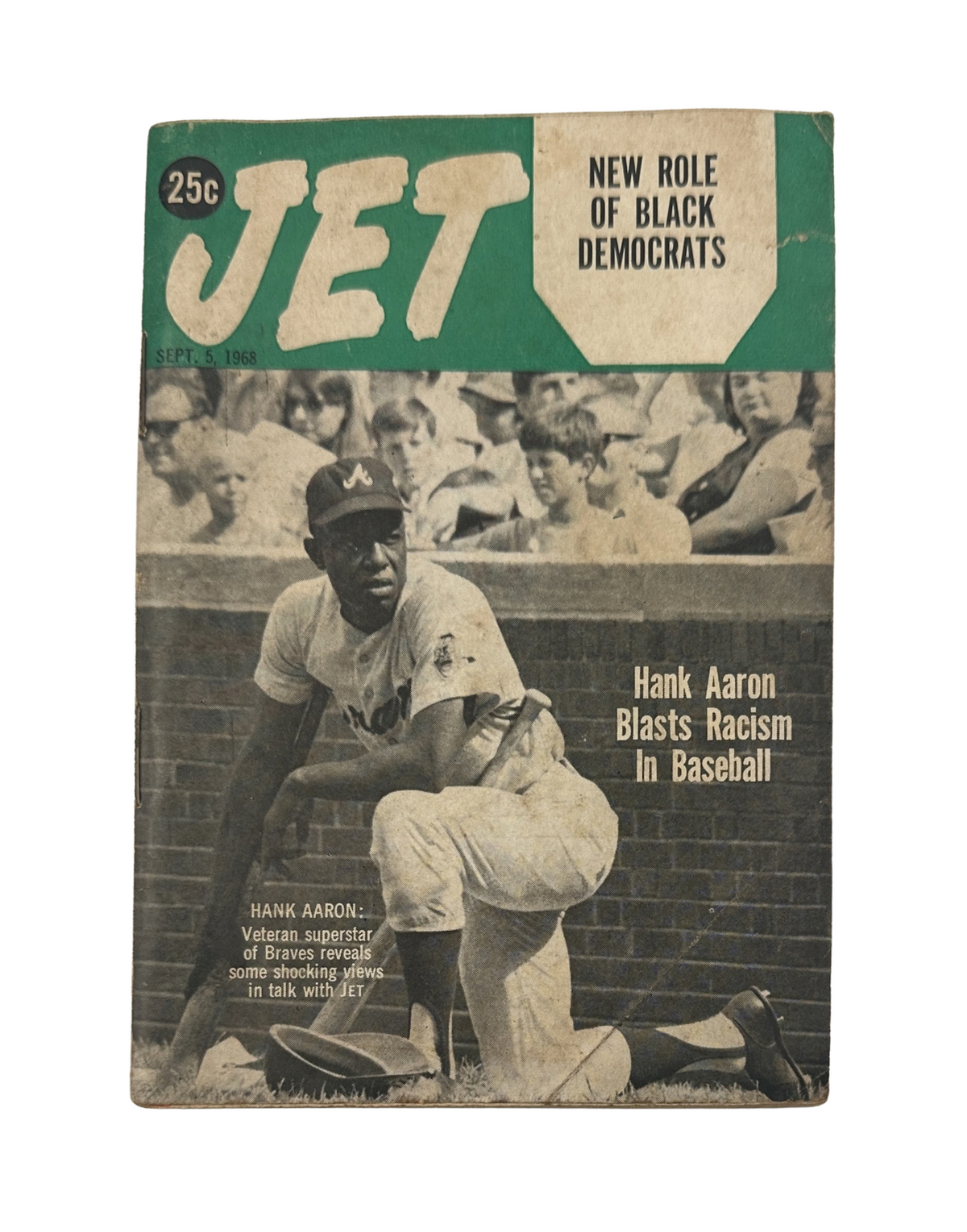
Long before the scroll of a social media feed or the instant replay of a 24-hour sports network, the story of Henry Louis Aaron was told in ink, on newsstands, and through the glossy pages of America's most beloved publications. He arrived in the major leagues in 1954 as a quiet, powerful presence from Mobile, Alabama — and over the next two decades, he systematically rewrote the record books with a consistency that left the sporting world in quiet awe. But the magnitude of his journey extended far beyond statistics. As he closed in on Babe Ruth's all-time home run record in the early 1970s, the nation watched through the lens of its magazines and newspapers, confronting uncomfortable truths about race, heroism, and who America chose to celebrate. The hate mail, the death threats, and the dignified perseverance of the man they called "Hammerin' Hank" became one of the most charged human narratives of the civil rights era — a story that print media captured with an intimacy no digital archive can replicate.
Inside the Archive
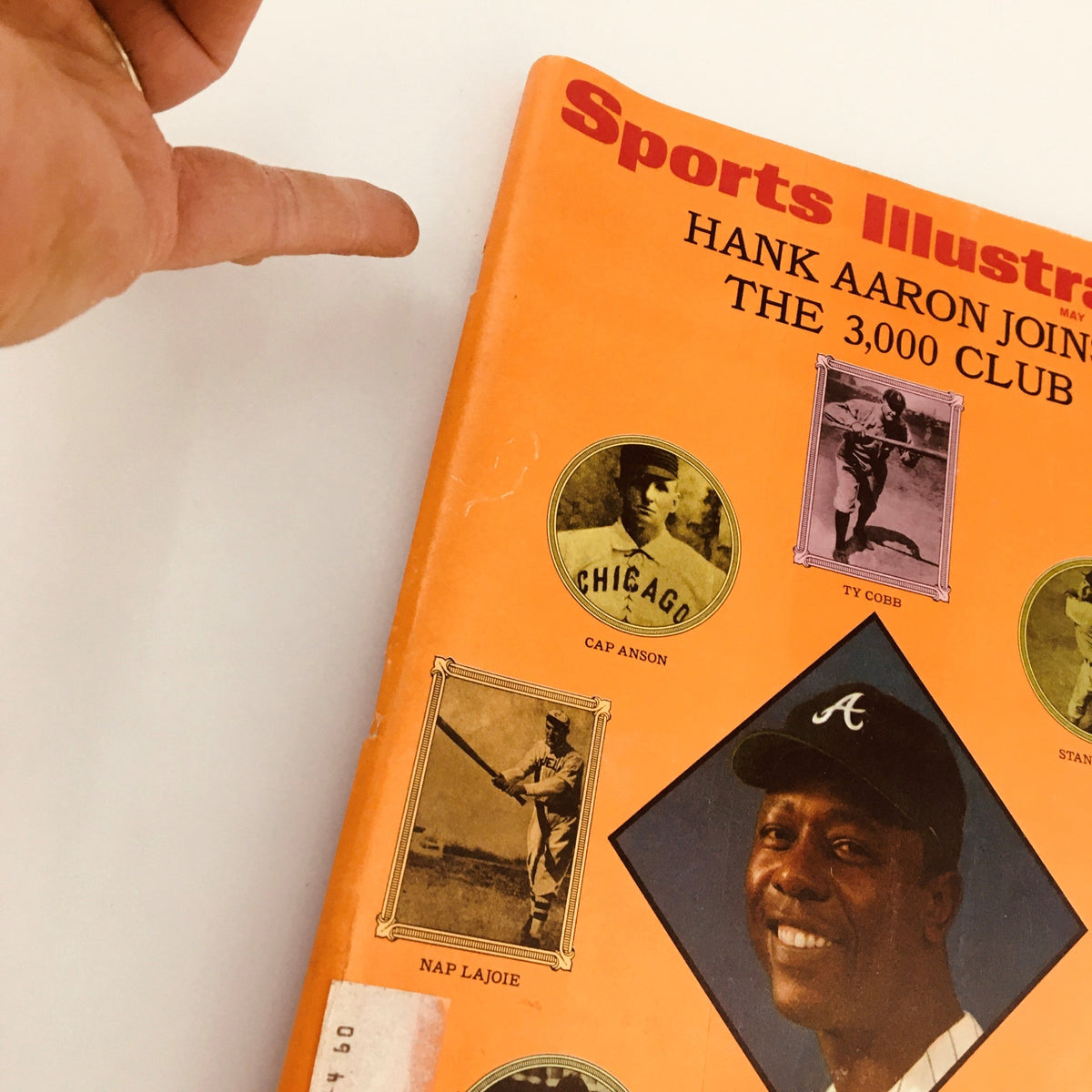
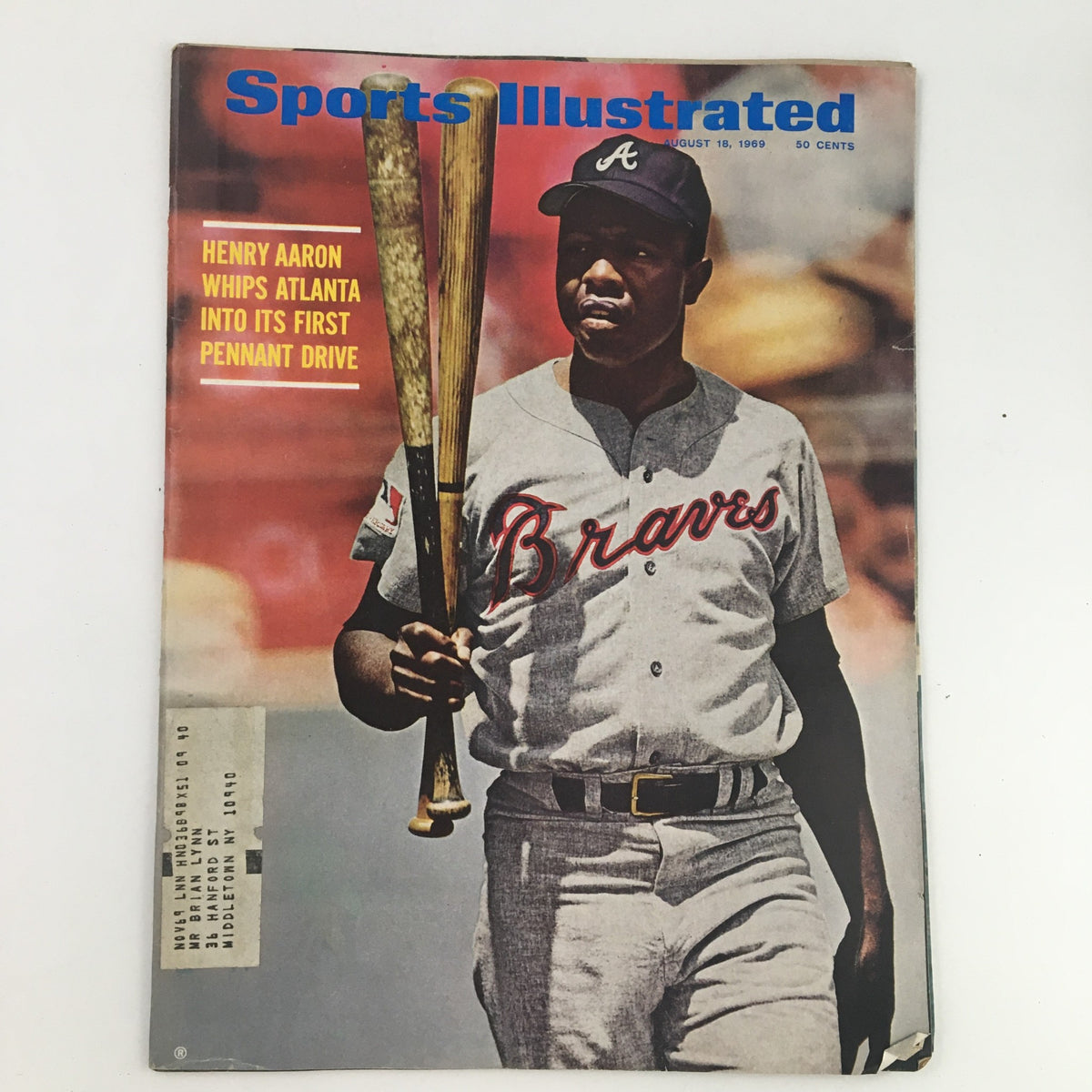
Vintage magazine coverage of Aaron spans a remarkably wide emotional register — from jubilant action photography to deeply introspective portraiture. Sports Illustrated returned to him repeatedly across his career, featuring dramatic full-bleed photography of his legendary level swing, tight editorial profiles that probed his quiet genius, and landmark cover appearances that cemented his status as one of the sport's immortals. Ebony magazine, the essential chronicle of Black American achievement, treated him with a reverence befitting his cultural stature, often photographing him at home in Atlanta, with family, or in contemplative repose — humanizing the icon in ways that mainstream sports press rarely attempted. Life magazine, with its unmatched photojournalism tradition, documented the fever pitch of the 1973–74 home run chase in sweeping visual essays, capturing both the stadium electricity and the darker shadow of racist resistance he endured. The editorial tone across these publications shifted visibly over time: early coverage was athletic and celebratory, while later issues grew weightier, positioning him not merely as a ballplayer, but as a figure of national moral consequence.
Curator's Checklist: Highlights Often Include
- The Record Chase, 1973–74 — Issues from this period frequently feature breathless countdown coverage as Aaron approached and ultimately surpassed Babe Ruth's 714 career home runs on April 8, 1974, one of the most anticipated moments in American sports history
- Civil Rights Intersections — Coverage that contextualizes his career within the broader Black freedom struggle, particularly publications from the late 1960s and early 1970s addressing the racist backlash he endured with remarkable public grace
- All-Star & World Series Features — Milwaukee Braves–era issues from the late 1950s, including coverage of the 1957 World Series championship and his back-to-back MVP-caliber seasons, are among the most sought-after by collectors
- Atlanta Braves Transition Coverage — Publications documenting his move to Atlanta in 1966, a city still navigating desegregation, often carry a charged sociopolitical dimension alongside the sporting narrative
- Post-Career Legacy Tributes — Retirement-era and Hall of Fame induction features (1982) offer reflective, long-form profiles that assessed his full legacy, frequently appearing in both mainstream sports titles and Black press publications
The Collector's Value
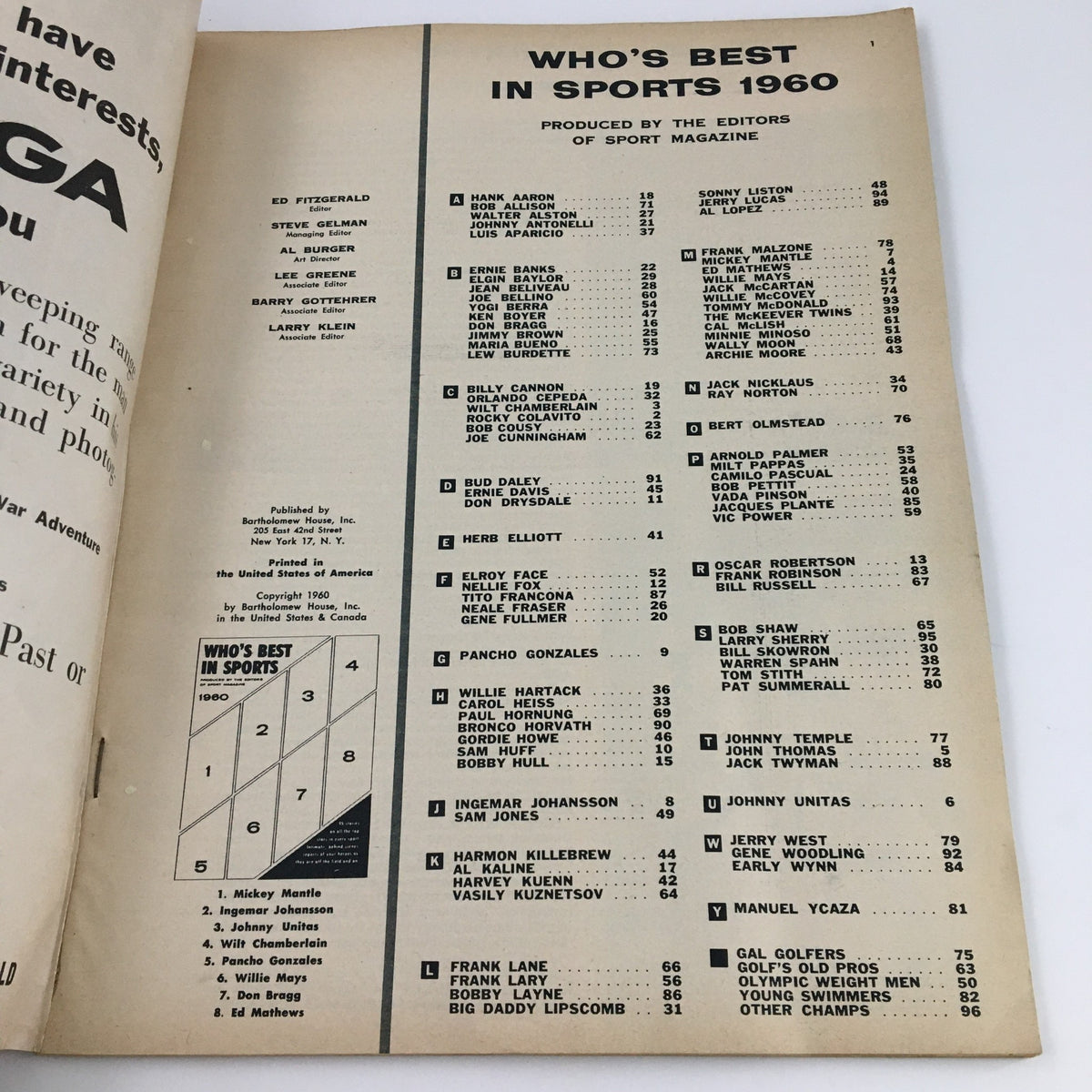
To hold one of these original issues is to hold a primary source — a time capsule pressed flat and preserved in the amber of a specific American moment. The slightly yellowed pages carry a texture that speaks to decades of careful existence; the ink holds a depth that modern printing rarely achieves; and the surrounding advertisements — for Chevrolets, Coca-Cola, Gillette razor blades — reconstruct an entire world around the story, grounding the heroism in the everyday fabric of the era. These are not reprints or commemorative editions. They are the actual objects that sat on coffee tables and barbershop counters during one of the most dramatic individual journeys in American sporting and cultural history. For collectors of vintage baseball memorabilia, African-American history and civil rights ephemera, or 20th-century American print media, these publications offer an irreplaceable convergence of athletic greatness, social courage, and the lost art of longform magazine journalism. Explore the current available inventory below, and discover which piece of that history is waiting for you today.