📖 About this Collection
Ice Cube: The Architect of Anger, Forged in Ink
The Legend & The Legacy
Before social media could amplify a voice in seconds, before streaming platforms could democratize a message overnight, the story of O'Shea Jackson — the South Central Los Angeles wordsmith who would become one of the most consequential cultural figures of his generation — was told through the slow, deliberate power of print. Ice Cube's ascent was nothing short of seismic: from the incendiary, unapologetic fury of Straight Outta Compton in 1988 to his solo dominance in the early 1990s, the West Coast rhymer forced mainstream America to confront realities it had long chosen to ignore. Magazines were the battlefield where that confrontation played out in public — where editors debated his merits, critics dissected his lyrics, and photographers attempted to capture the controlled intensity behind those now-legendary eyes. In an era when a cover placement could ignite a national conversation or land a publication on a congressional desk, the West Coast rapper's presence on a magazine page carried genuine political and cultural weight.
Inside the Archive
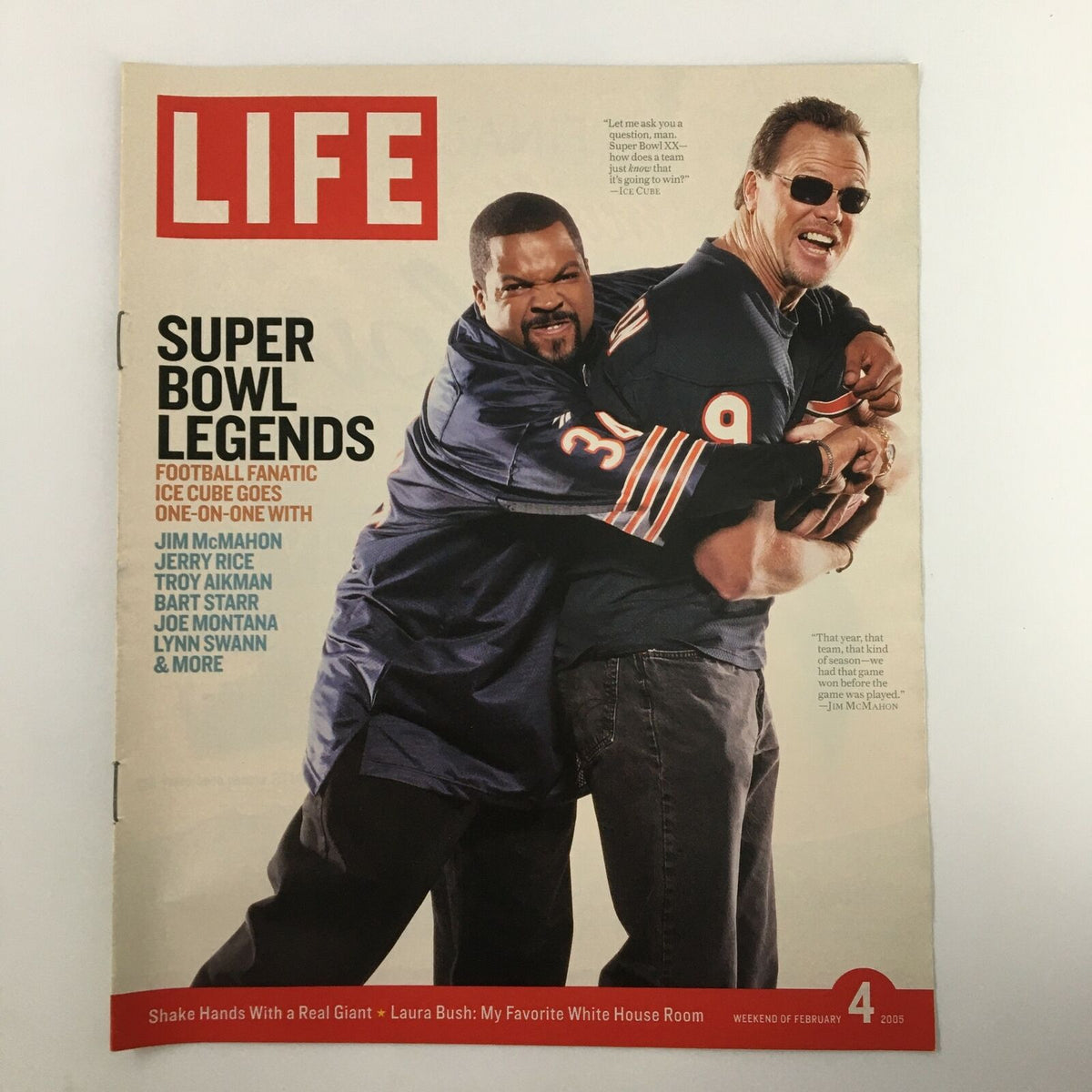
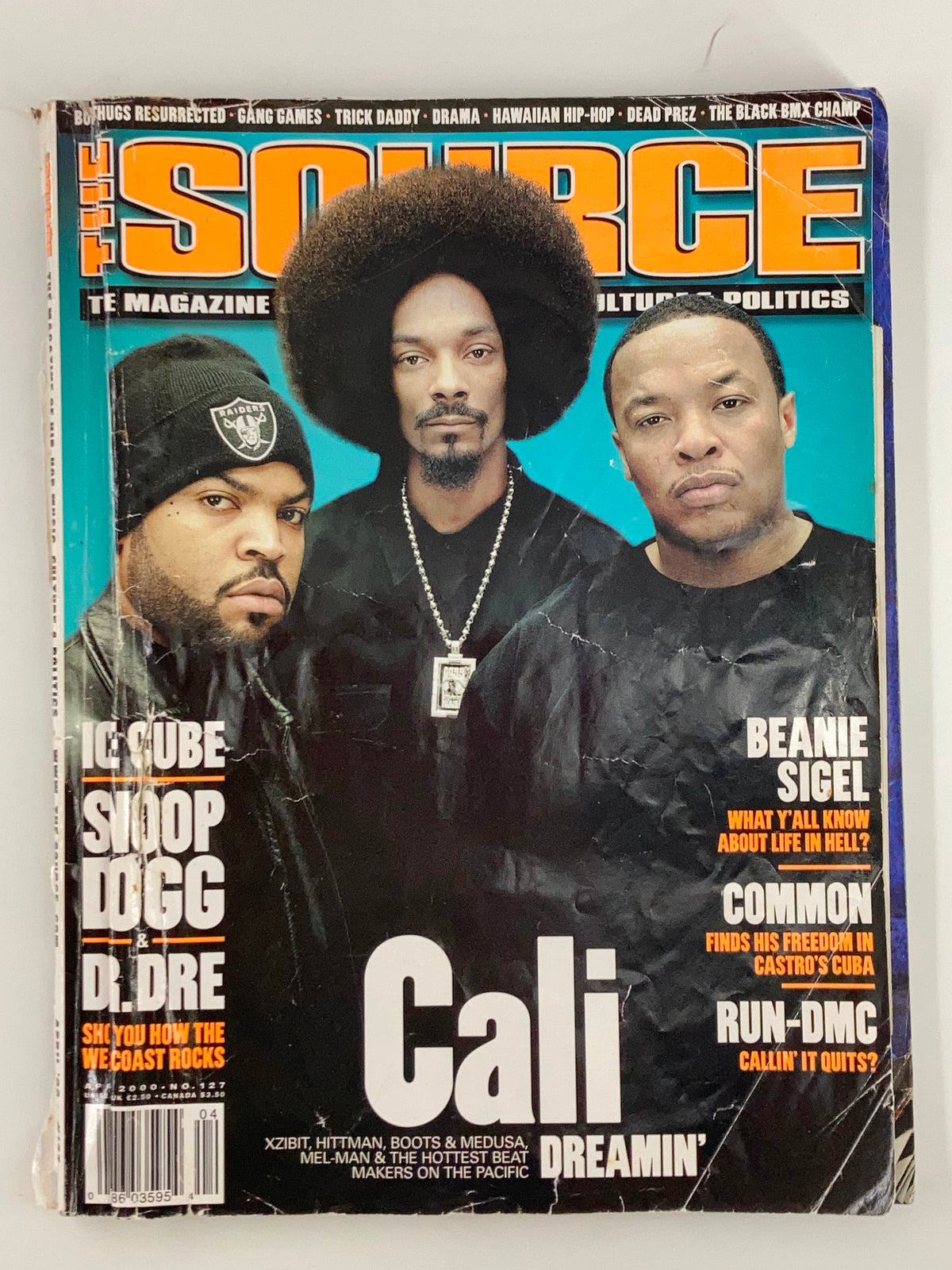
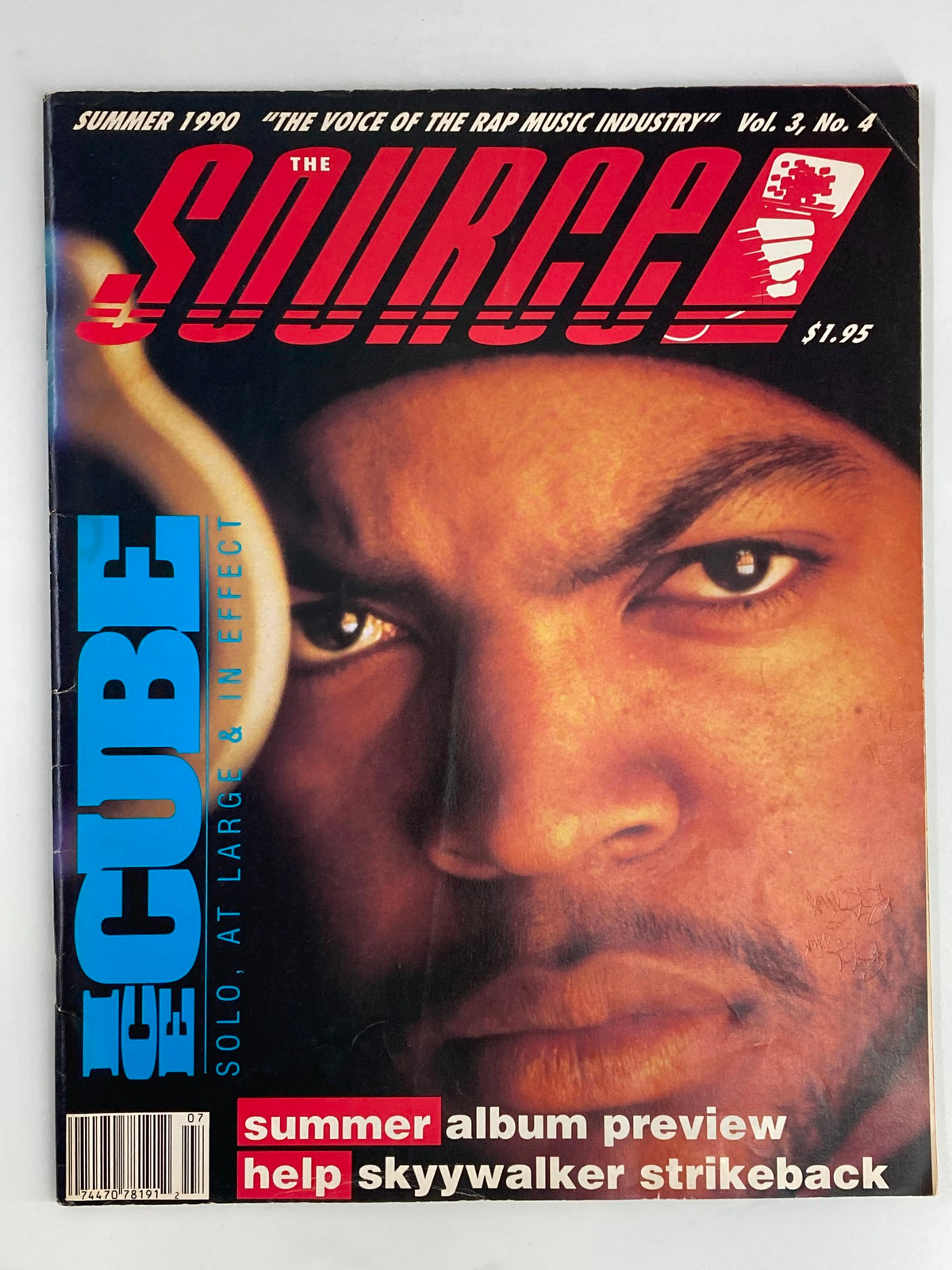
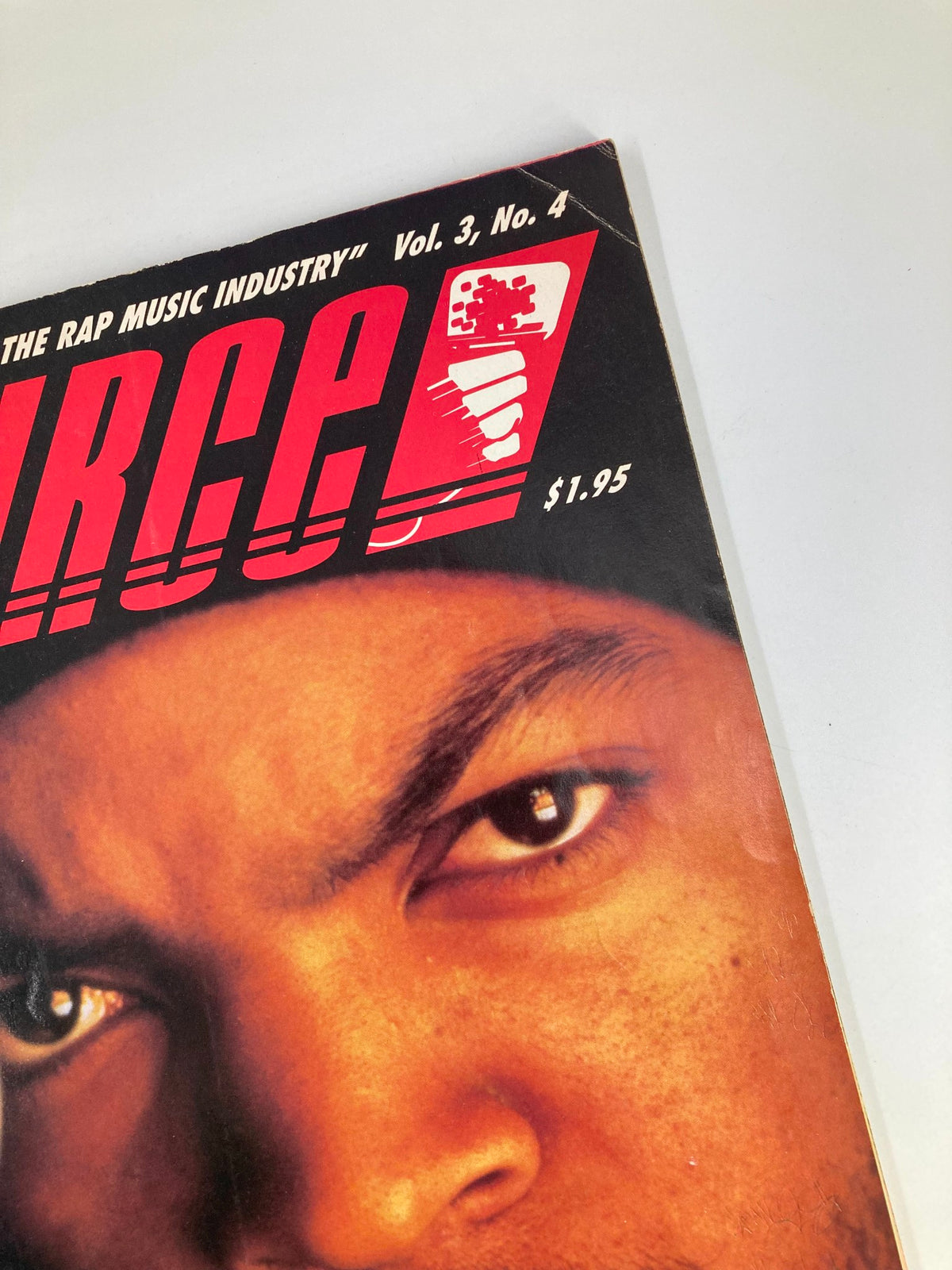
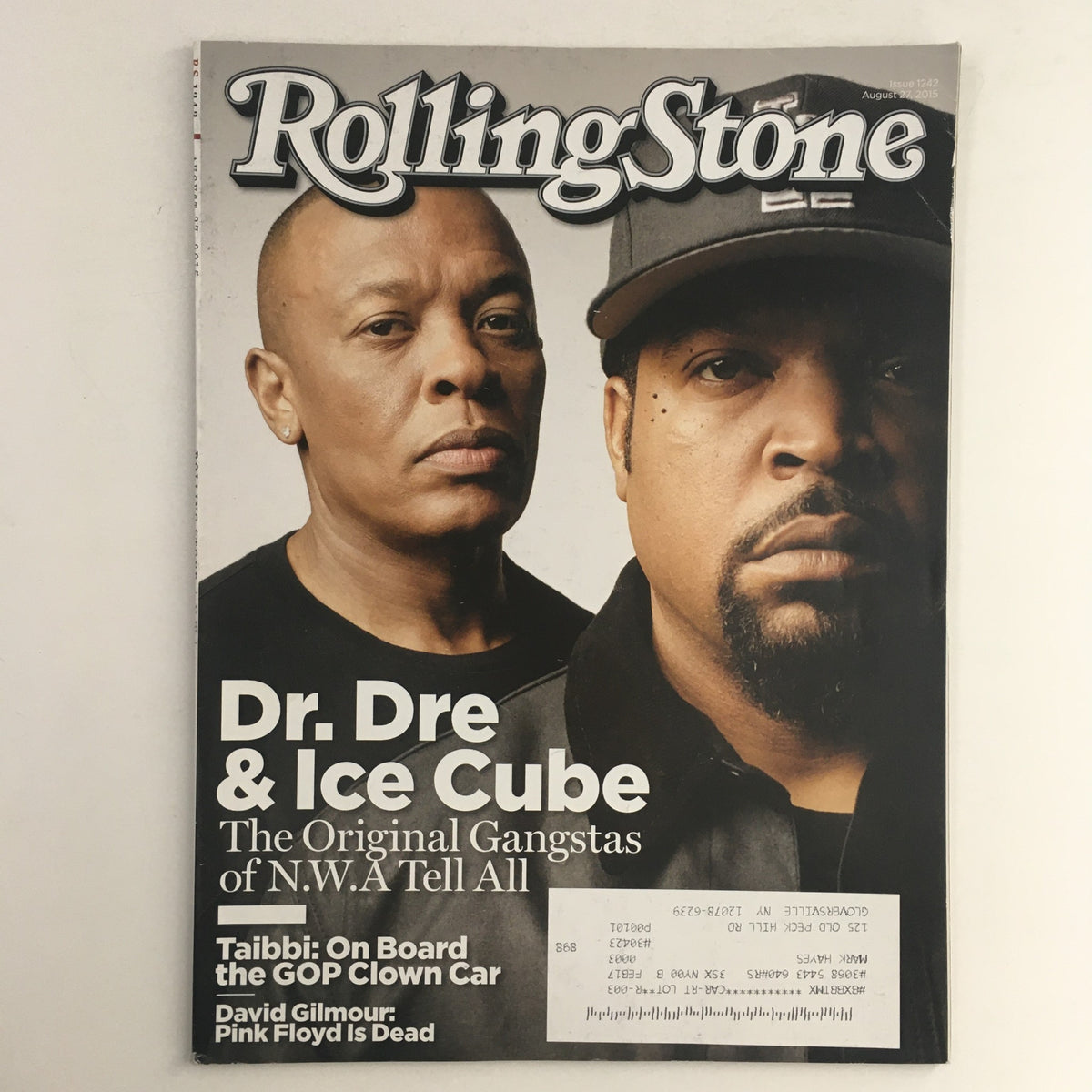
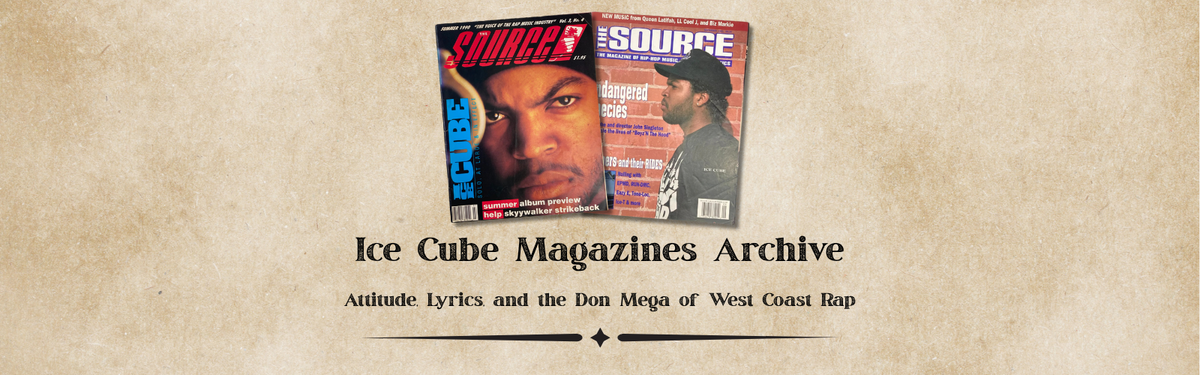
Vintage magazine coverage of the Compton-raised MC is a study in contrasts — a reflection of a media landscape genuinely unsure whether it was looking at a dangerous provocateur or a generational genius, and often suspecting it was both. Hip-hop-centric titles like The Source and Vibe treated him with the reverence of a peer institution, running long-form interviews that explored the architecture of his lyricism alongside raw, confrontational photography — close crops, stark lighting, the deliberate erasure of any softening. Mainstream crossover publications like Rolling Stone, once reluctant gatekeepers of Black musical credibility, eventually had no choice but to engage seriously with his cultural dominance, particularly as his pivot to film with Boyz n the Hood and Friday broadened his profile into a full American iconography. Meanwhile, Spin magazine, edgier and more willing to wade into controversy during the culture wars of the early 1990s, gave substantive editorial space to the debates his work ignited — covering not just the artist, but the political firestorm that surrounded him, from the FBI's infamous letter to Priority Records to the congressional hearings that invoked his name.
Curator's Checklist: Highlights Often Include
- NWA-era group features from 1988–1990, capturing the collective before the rupture — raw, historic documents of hip-hop's most explosive origin story, often accompanied by candid photography that predates the careful image management of later stardom
- Solo breakthrough coverage from 1990–1991, following the release of AmeriKKKa's Most Wanted, in which music press grappled in real time with the arrival of an undeniable solo force and the cultural shockwave of a debut that sold 500,000 copies in its first week
- Culture-war editorial pieces from early 1990s mainstream and political publications, in which the South Central lyricist's name frequently appeared alongside broader debates about free speech, censorship, and the policing of Black artistic expression
- Hollywood crossover profiles from the mid-1990s onward, as entertainment and lifestyle magazines documented his evolution into an actor and producer — a reinvention that surprised critics and cemented his longevity as something far larger than a recording artist
- Retrospective and anniversary features from the late 1990s and early 2000s, in which publications began the work of canonization, reassessing early work that had once been condemned as inflammatory and recognizing it as documentary social realism
The Collector's Value
To hold one of these original issues is to hold a dispatch from a genuinely pivotal moment in American cultural history — a moment when the establishment was still deciding how to respond to a voice that refused to be quieted or sanitized. The paper stock of a well-preserved early Source or Vibe carries a particular tactile gravity: slightly heavier than today's digital-optimized glossies, with ink that sits on the surface rather than disappearing into it, and that unmistakable scent of aged newsprint that no archive photograph or PDF scan can replicate. The surrounding advertisements — for Timberland boots, for recording equipment, for the fashions of a very specific cultural moment — are themselves historical artifacts, providing an irreplaceable window into the commercial world that surrounded and shaped this era of music. For collectors of hip-hop memorabilia, 1990s popular culture ephemera, or American social history, these publications offer something no reprint or retrospective can manufacture: the authentic, unmediated primary source, exactly as the era experienced it. Explore the current inventory below and discover which pieces of this remarkable story are available today.