📖 About this Collection
January 1946: The World Remakes Itself
The Historical Context
The January air of 1946 carried the weight of extraordinary transformation. The guns had barely fallen silent, yet history refused to pause. On New Year's Day itself, Emperor Hirohito of Japan shattered centuries of imperial mythology by publicly declaring he was not divine—a seismic cultural rupture that signaled the old world order's final collapse. Days later, the United Nations General Assembly convened for the very first time in London on January 10th, the fragile architecture of a new international peace taking its first cautious steps. Meanwhile, the United States Army bounced a radar signal off the surface of the Moon on that same extraordinary day—a quiet technological feat that whispered of possibilities not yet imagined. This was the world suspended between what had been and what was becoming, a month of endings and urgent beginnings. For someone born in January 1946, the planet was literally reinventing itself around their first cry.
The Culture Was Alive and Hungry Again
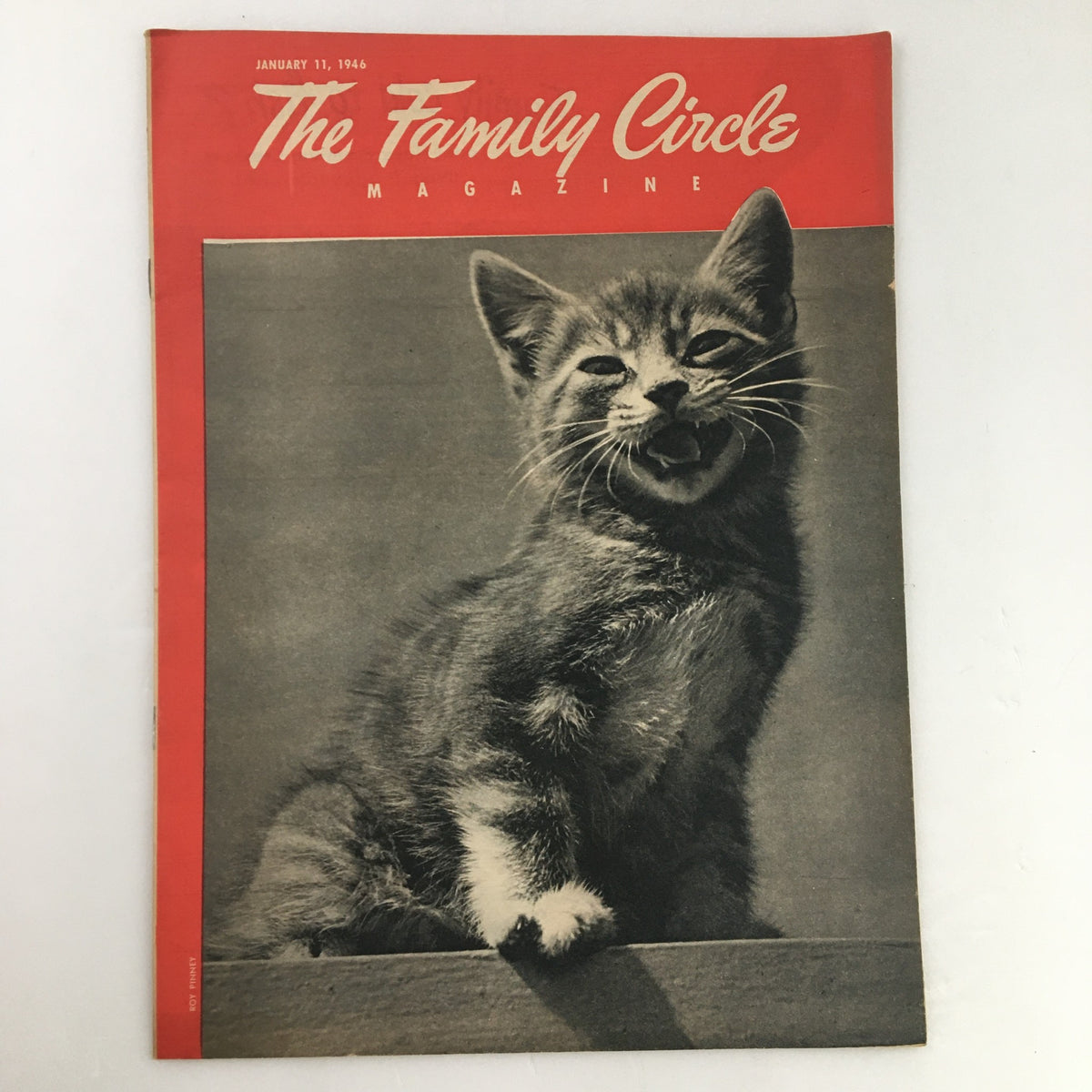
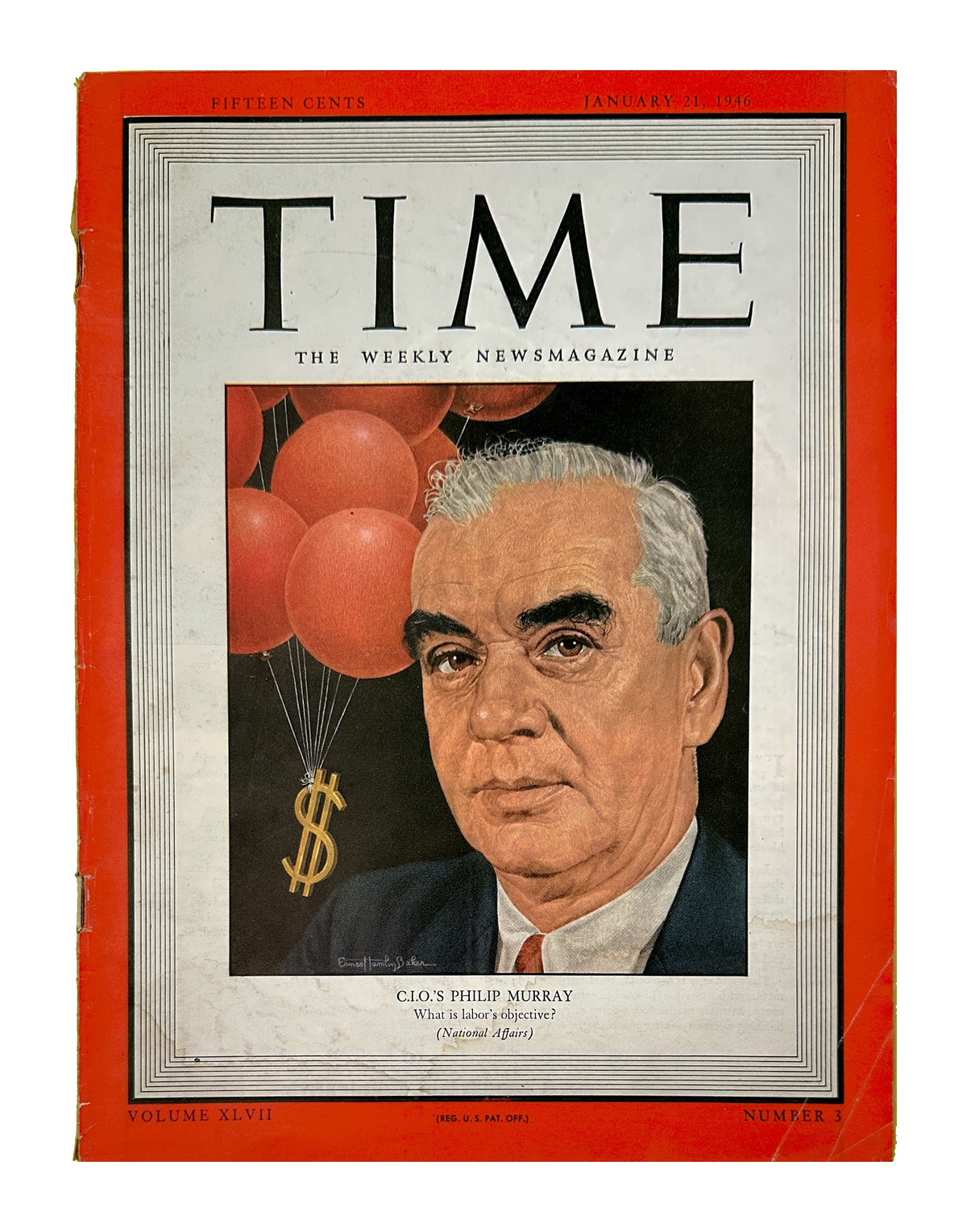
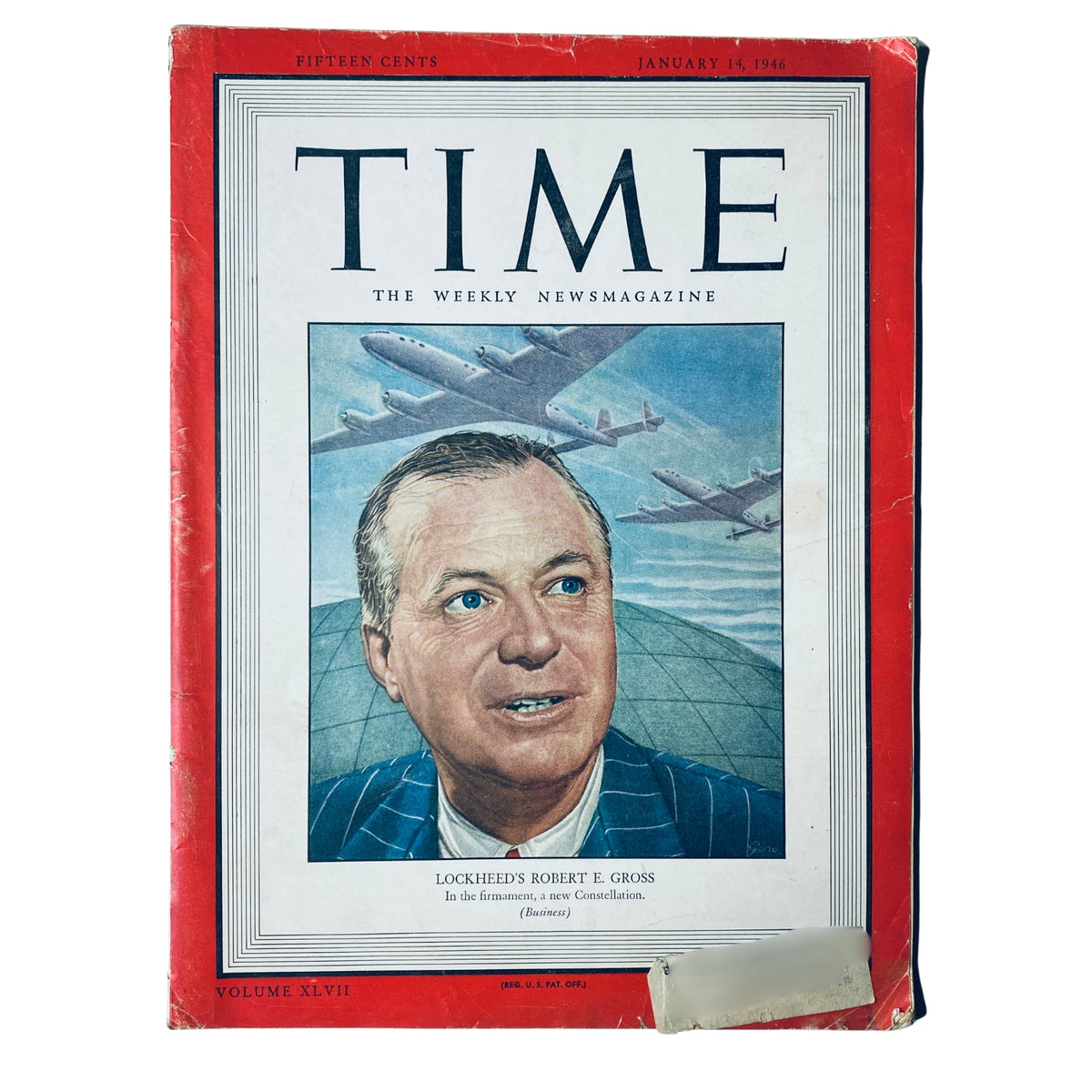
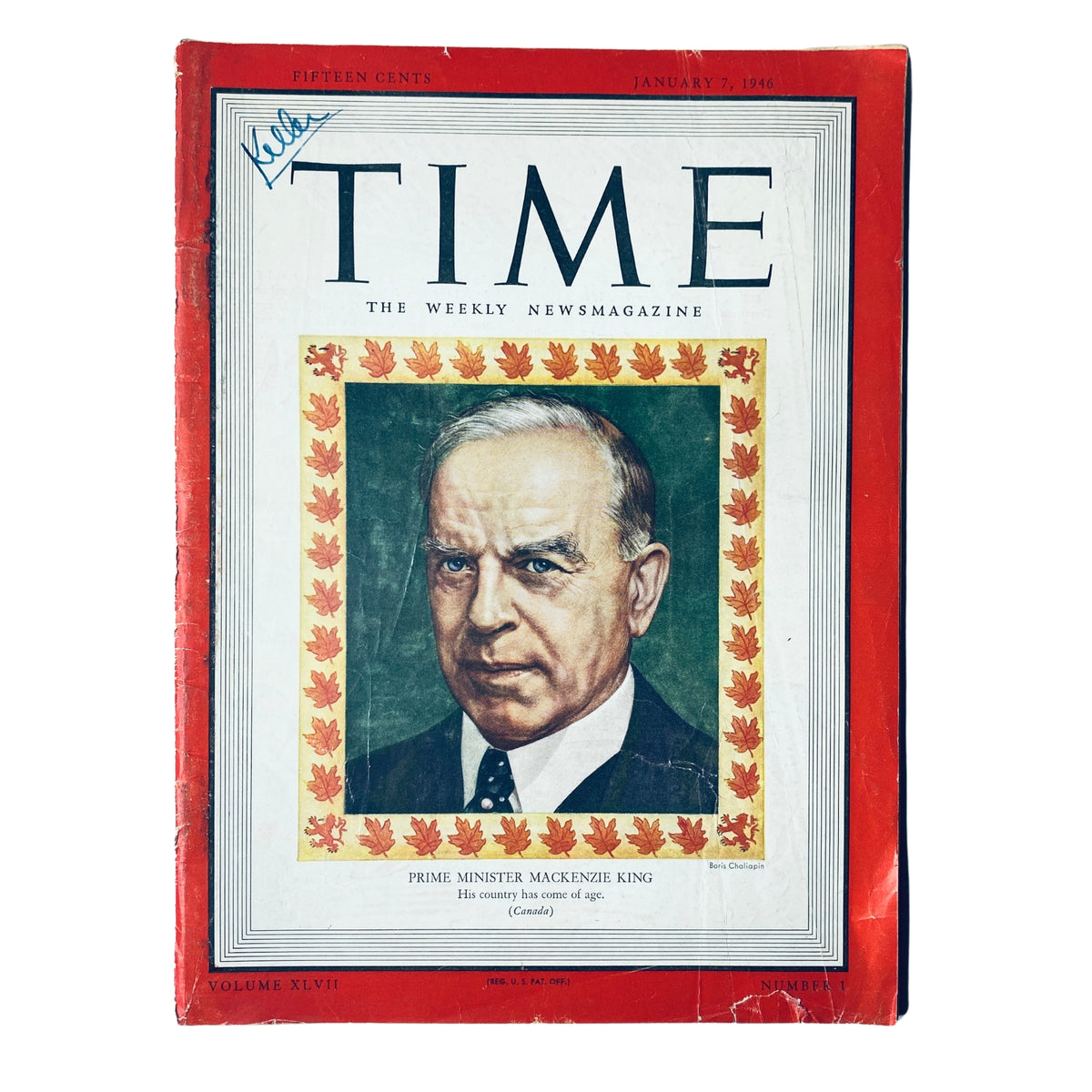
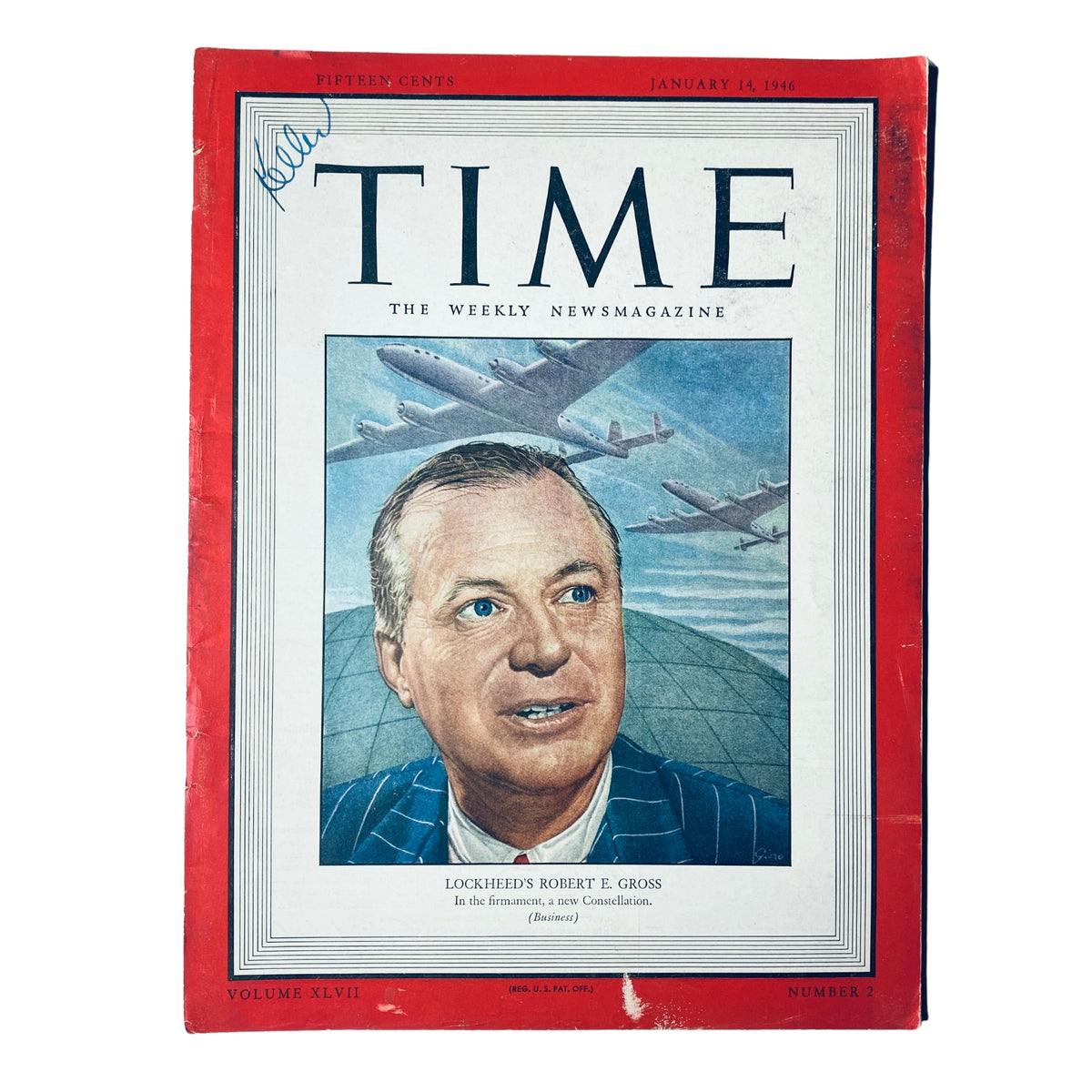
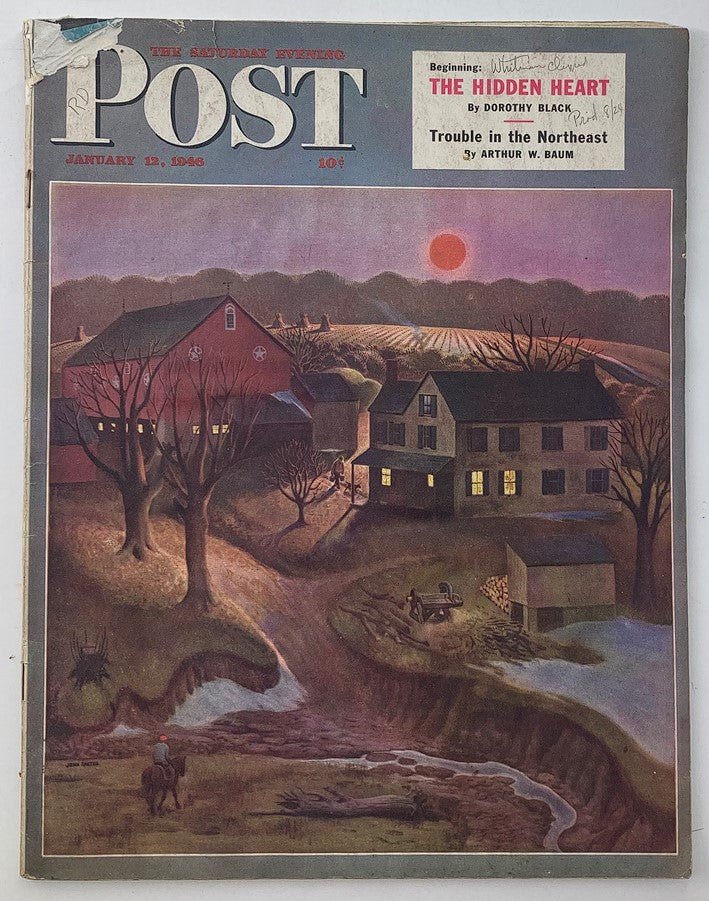
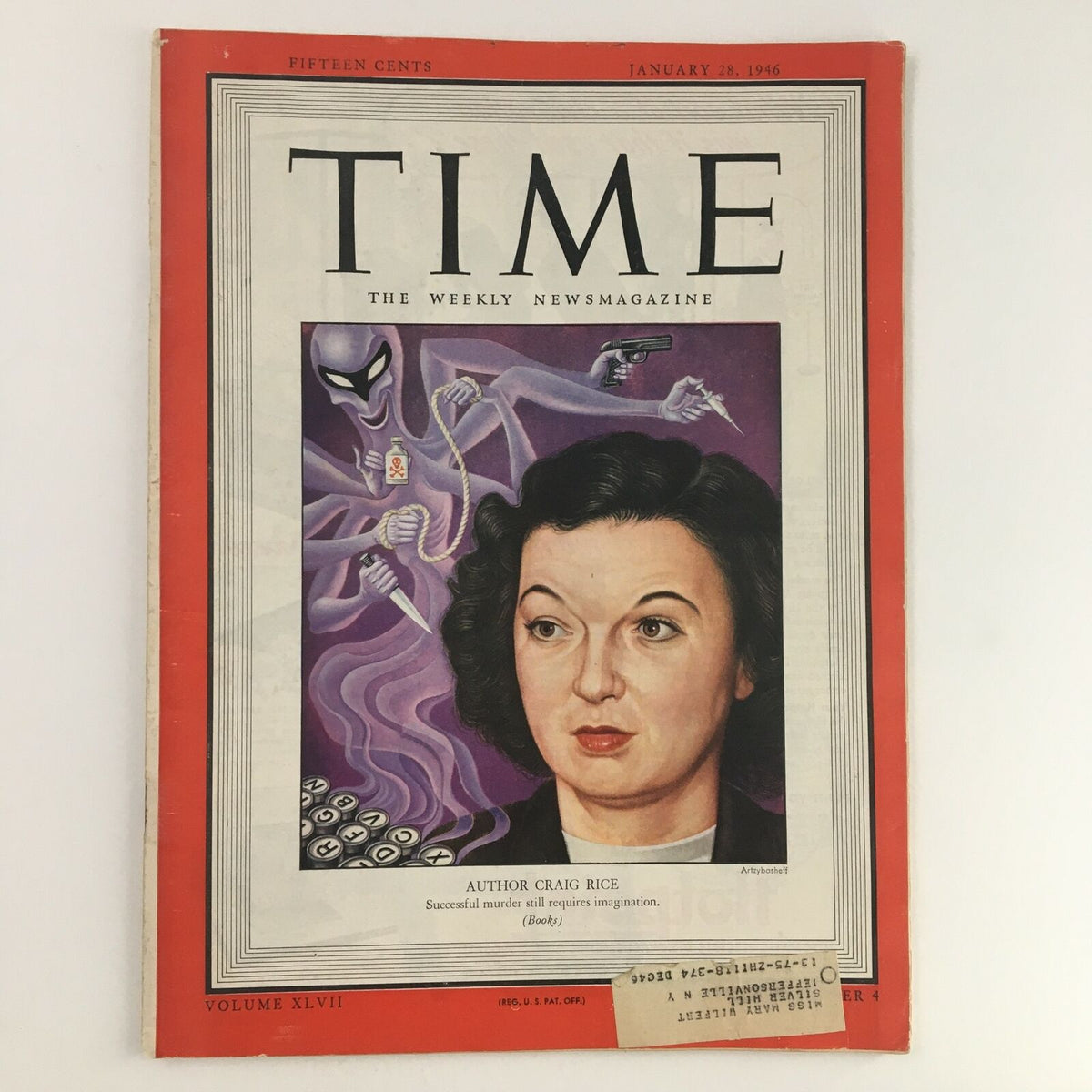
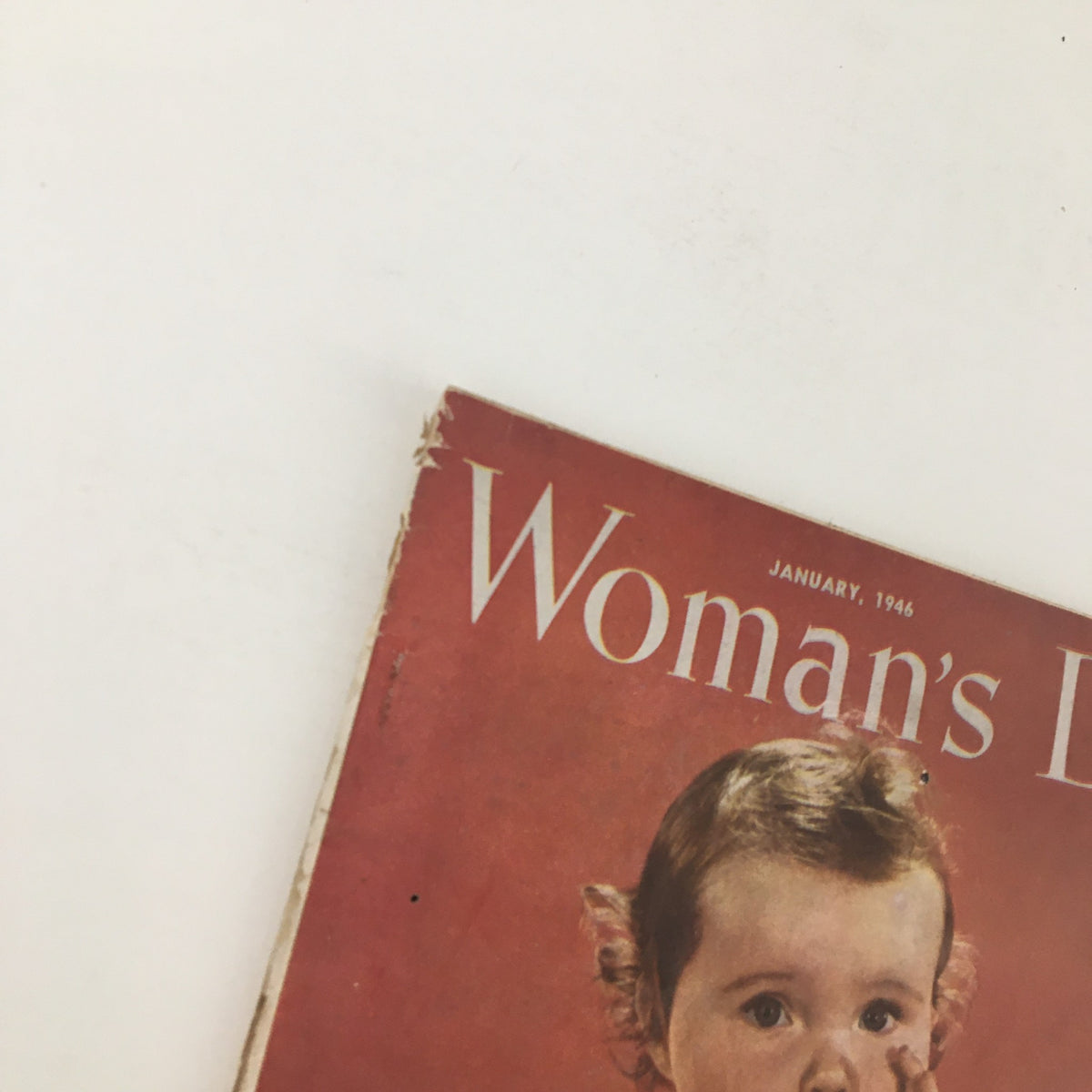
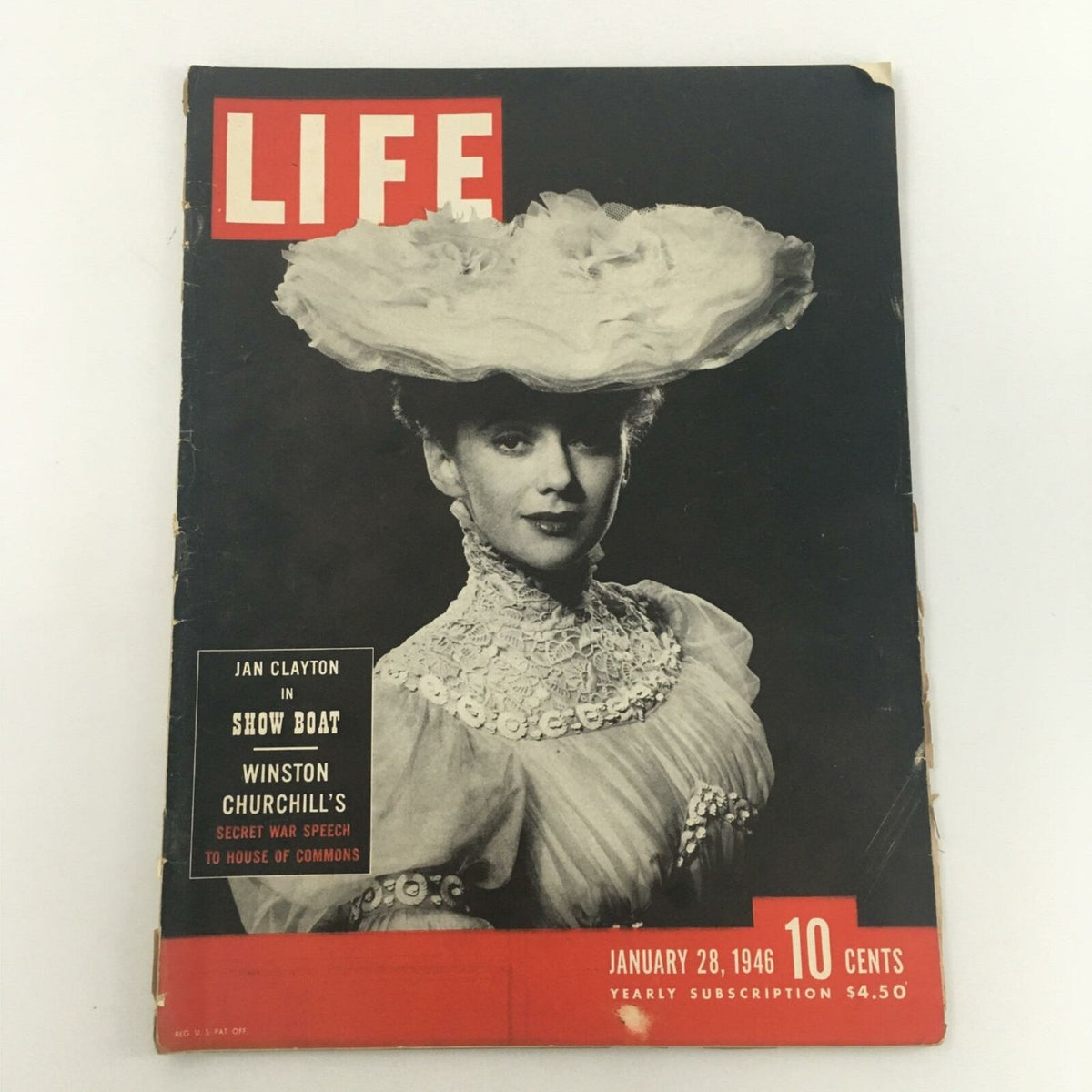
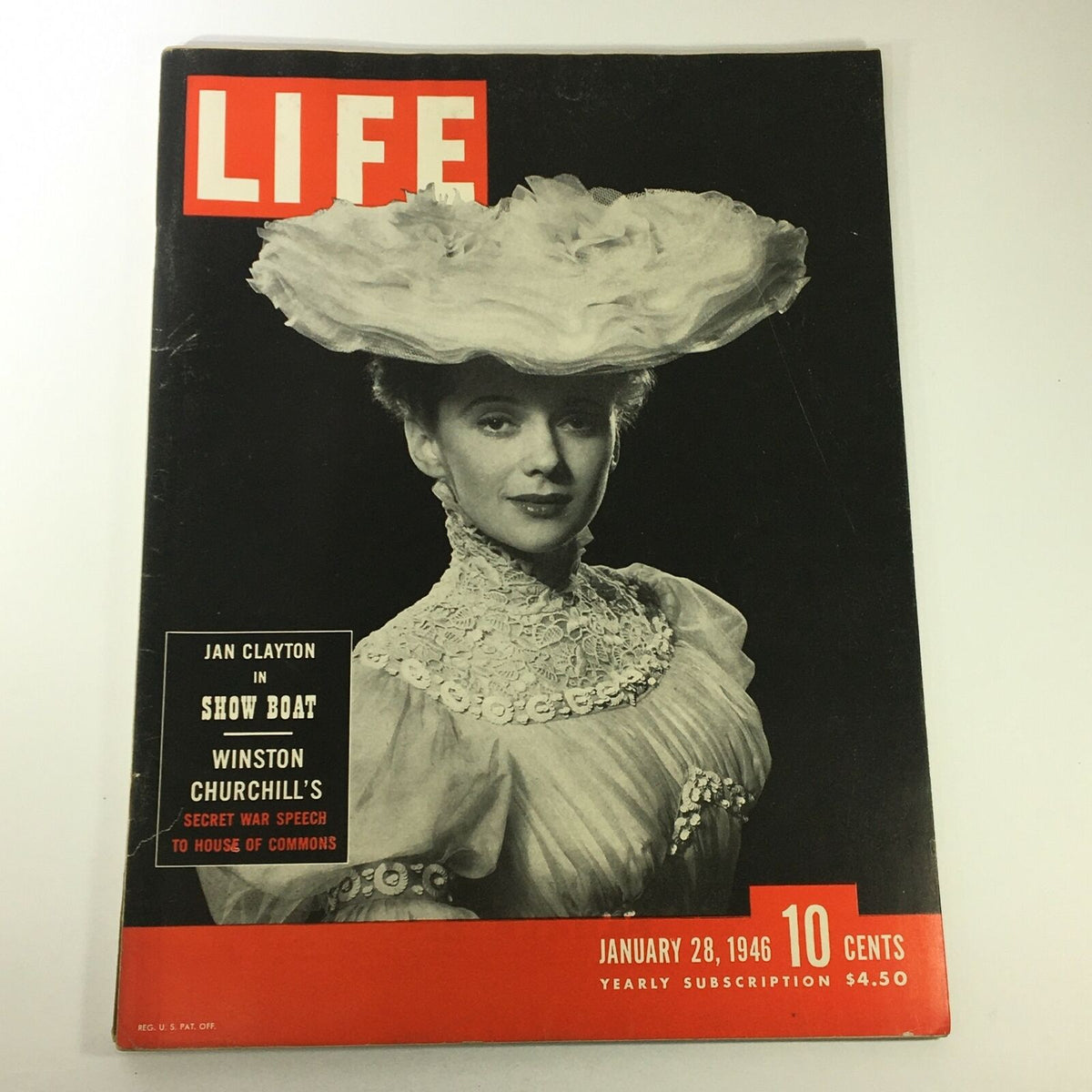
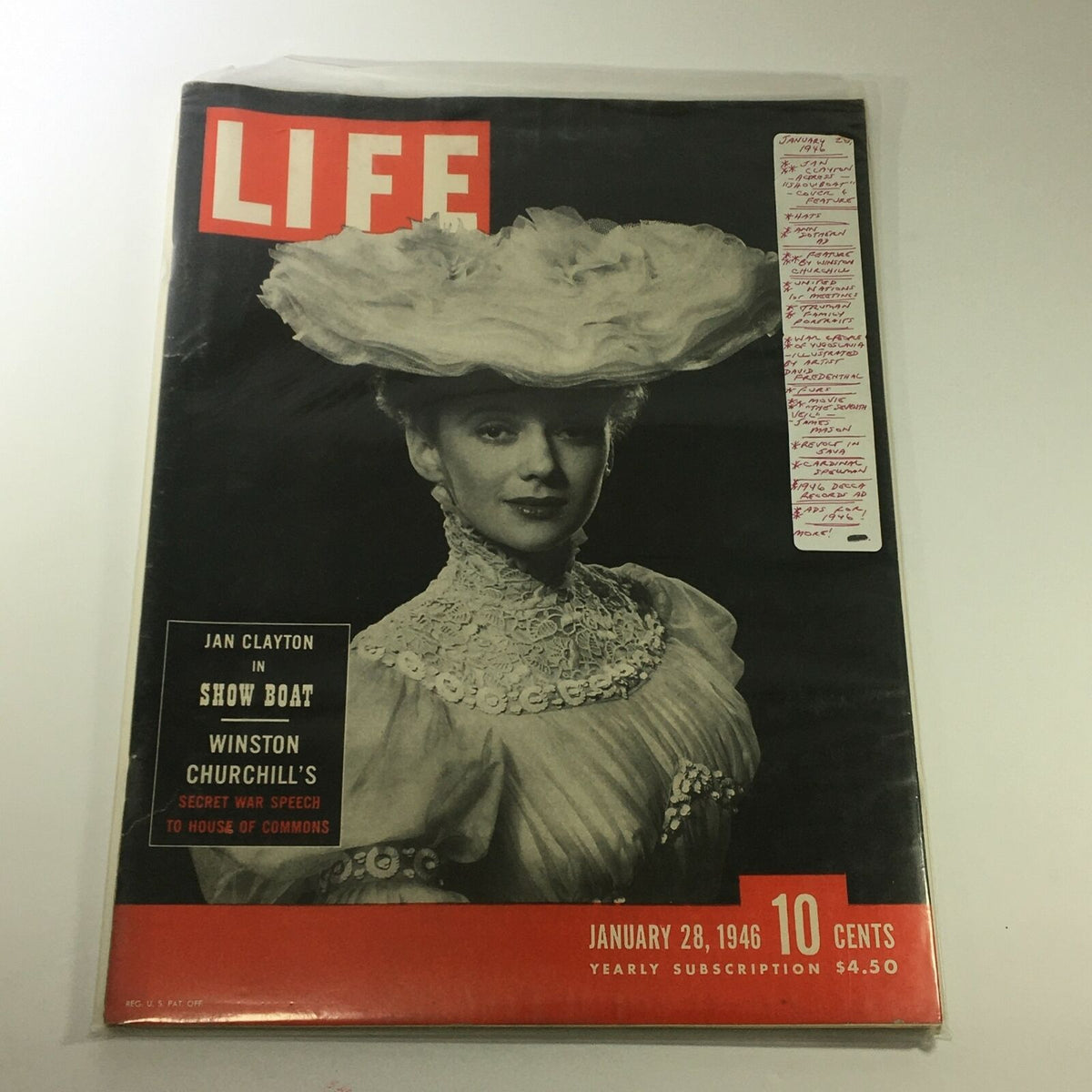
After years of rationing, sacrifice, and wartime austerity, American culture was surging back with fierce appetite. On Broadway, the beloved musical Show Boat—Jerome Kern and Oscar Hammerstein II's masterwork—reopened at the Ziegfeld Theatre on January 5th to packed houses, running for 417 performances and proving that audiences craved beauty and spectacle again. On January 8th, in a small hardware store in Tupelo, Mississippi, a mother named Gladys Presley bought her eleven-year-old son Elvis a Kay "Texan" acoustic guitar—one of history's most consequential birthday purchases, though nobody knew it yet. Original magazines from January 1946 capture this electric cultural reawakening: Life and Look ran photo essays on returning veterans and the euphoric chaos of reconstruction, while Time wrestled with the geopolitical enormity of the new United Nations. Saturday Evening Post covers from this month radiate a particular American optimism—bright, energetic, forward-looking—that defined the mood of a nation exhaling for the first time in years.
The Curator's Checklist: What to Look For
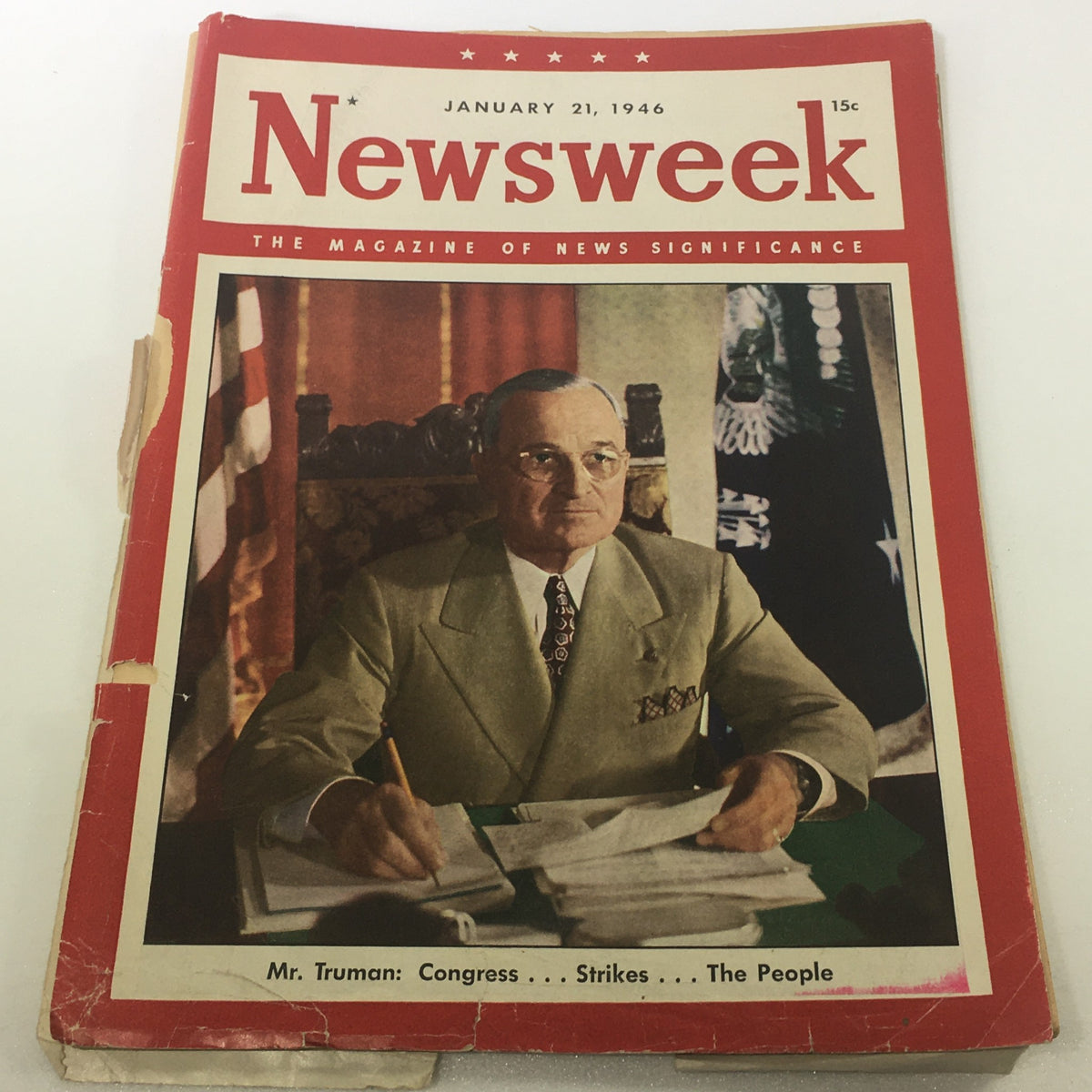
- Emperor Hirohito's Divine Renunciation: News and photo magazines including Life, Time, and Newsweek featuring coverage of Hirohito's stunning January 1st announcement, often illustrated with striking photographs of occupied Japan and the profound cultural dislocation of a defeated empire.
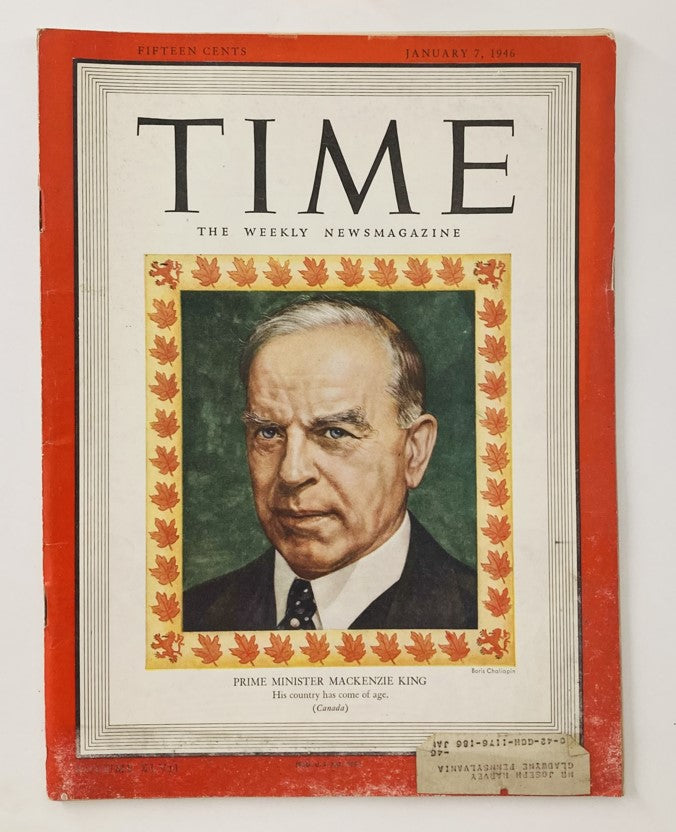
- The United Nations' First Assembly: Issues of Time and Look chronicling the historic January 10th gathering in London, showcasing diplomatic photography and the earnest, idealistic rhetoric that surrounded this first fragile experiment in global governance—rare magazines capturing the birth of a new world institution.
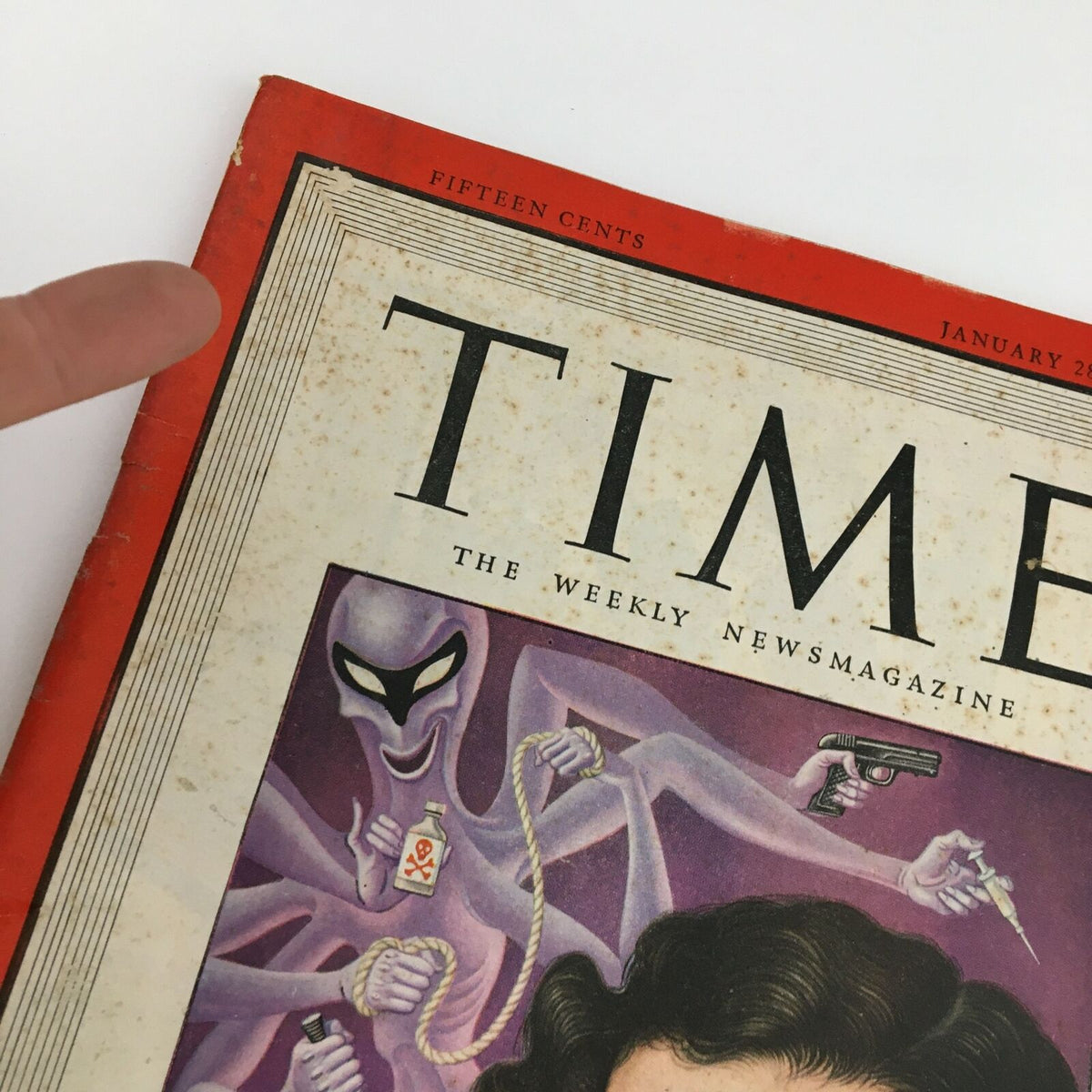
- Lucky Luciano's Commutation: True Crime and detective magazines alongside Life feature coverage of Governor Dewey's controversial January 3rd decision to commute gangster Charles "Lucky" Luciano's sentence, with authentic period photography of one of America's most notorious criminals.
- Broadway's Cultural Comeback: Variety and Theatre Arts from January 1946 feature reviews and advertisements for the Show Boat revival, showcasing the lush theatrical photography and bold period typography that defined postwar entertainment journalism—genuine time capsule artifacts of Broadway's renaissance.
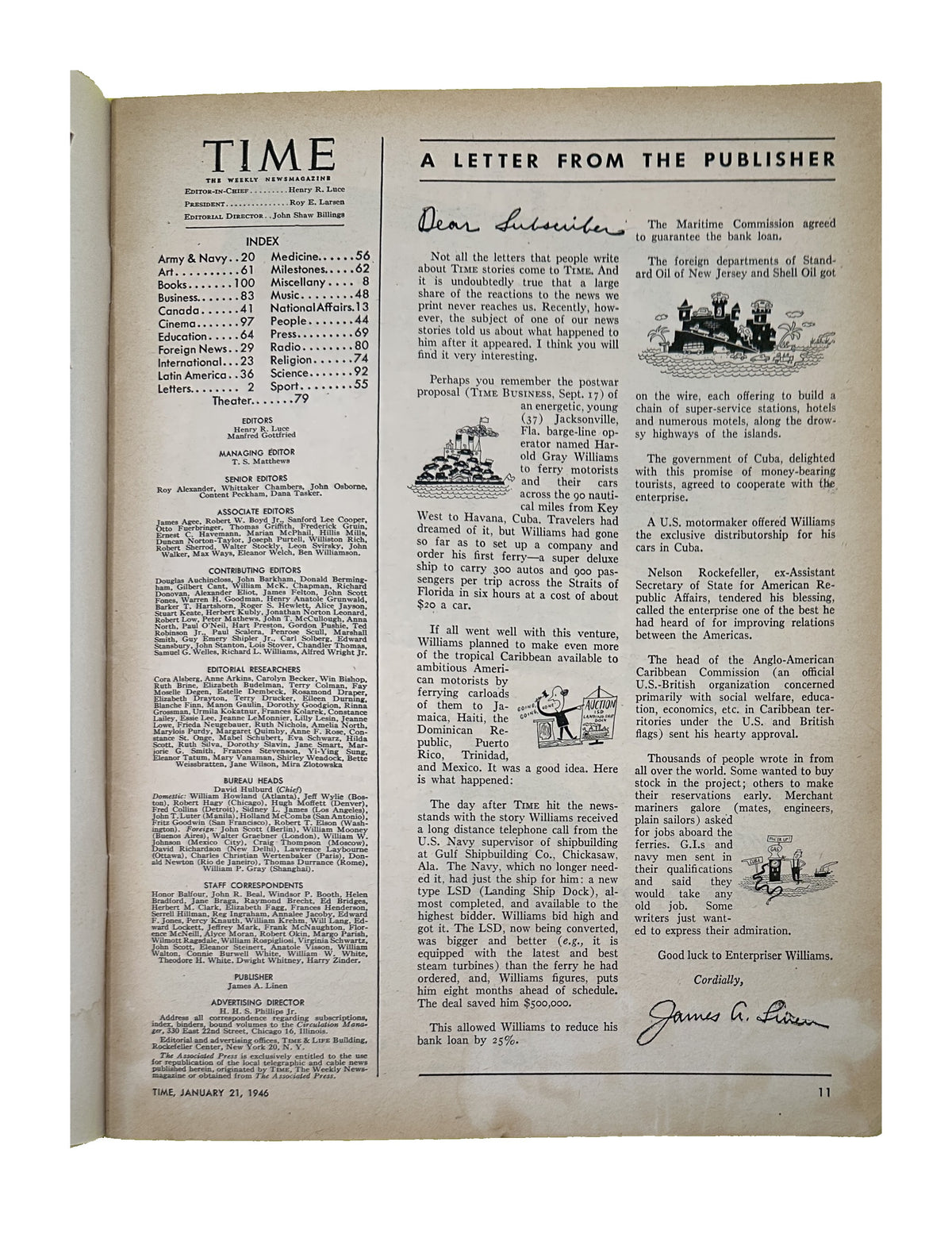
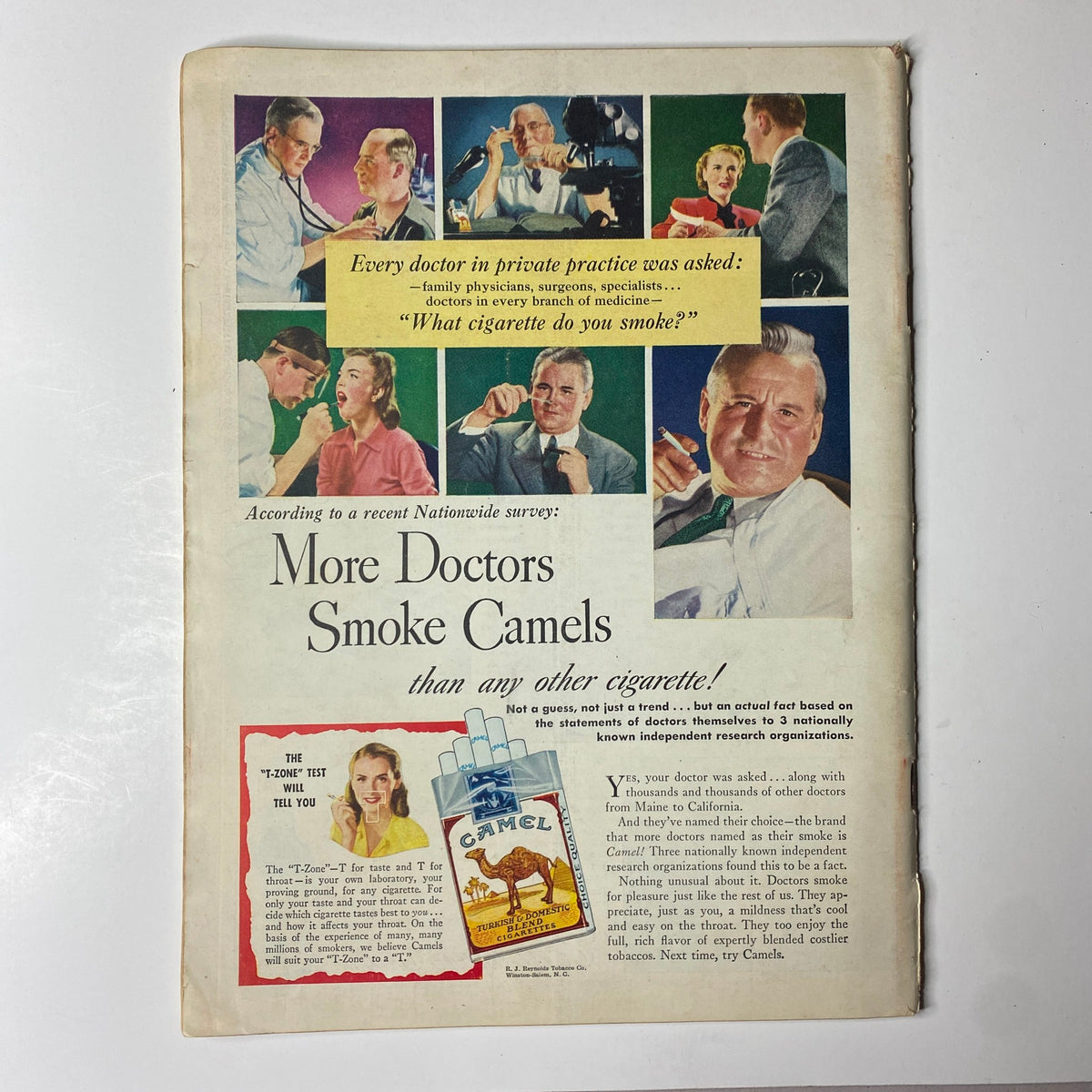
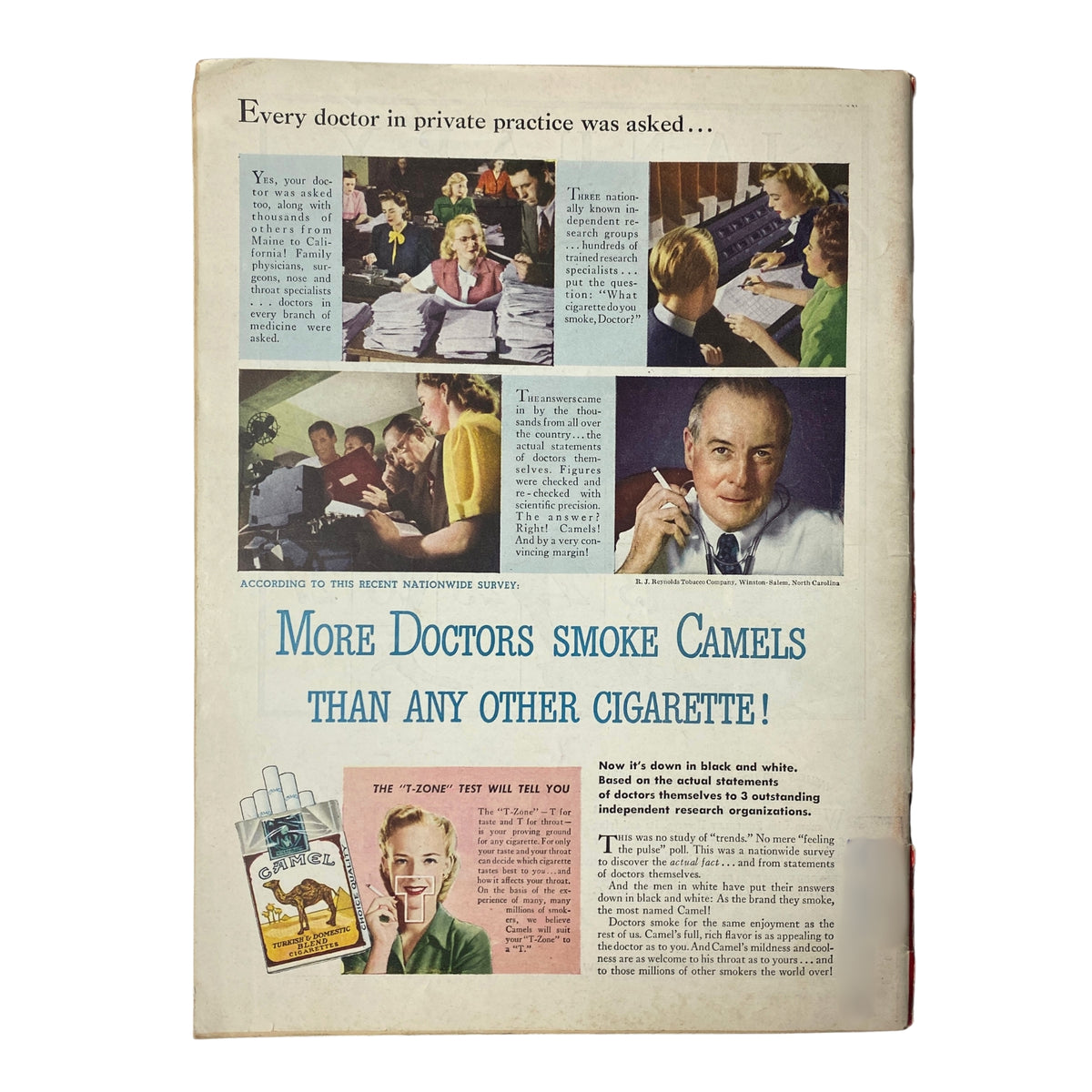
- The New American Optimism: Vintage magazines from January 1946 are distinguished by their advertising pages, which pivot sharply from wartime austerity messaging to consumer abundance—car manufacturers, appliance companies, and fashion brands announcing peacetime products with unmistakable postwar exuberance.
The Perfect Gift
For someone born in January 1946, an original magazine from this pivotal month isn't just a nostalgic keepsake—it's an authentic window into the precise moment the modern world was assembled, preserved in the actual headlines, photographs, and advertisements that shaped the era they entered.