📖 About this Collection
Jean Shrimpton: The Face That Rewrote the Rules of Beauty
The Legend & The Legacy
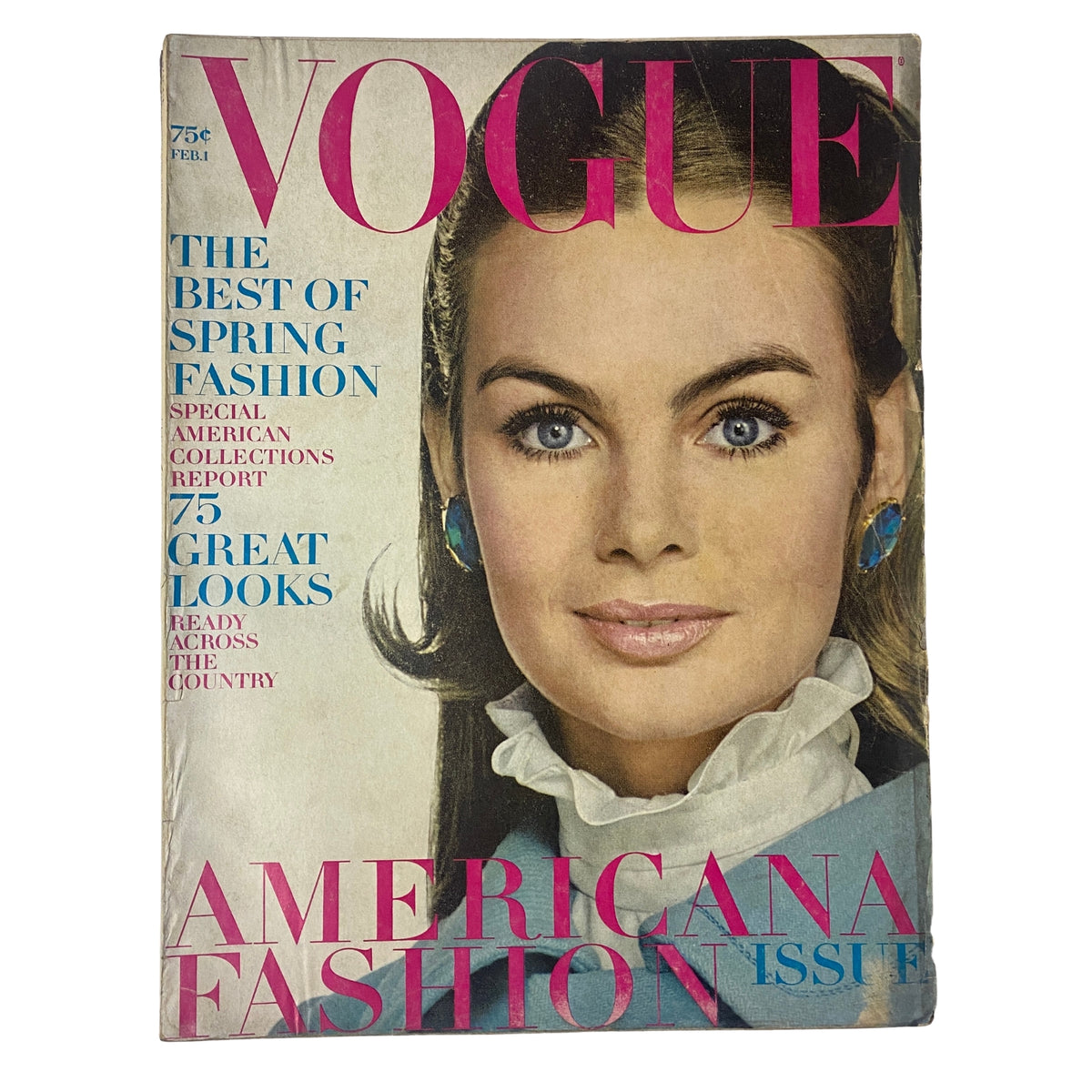
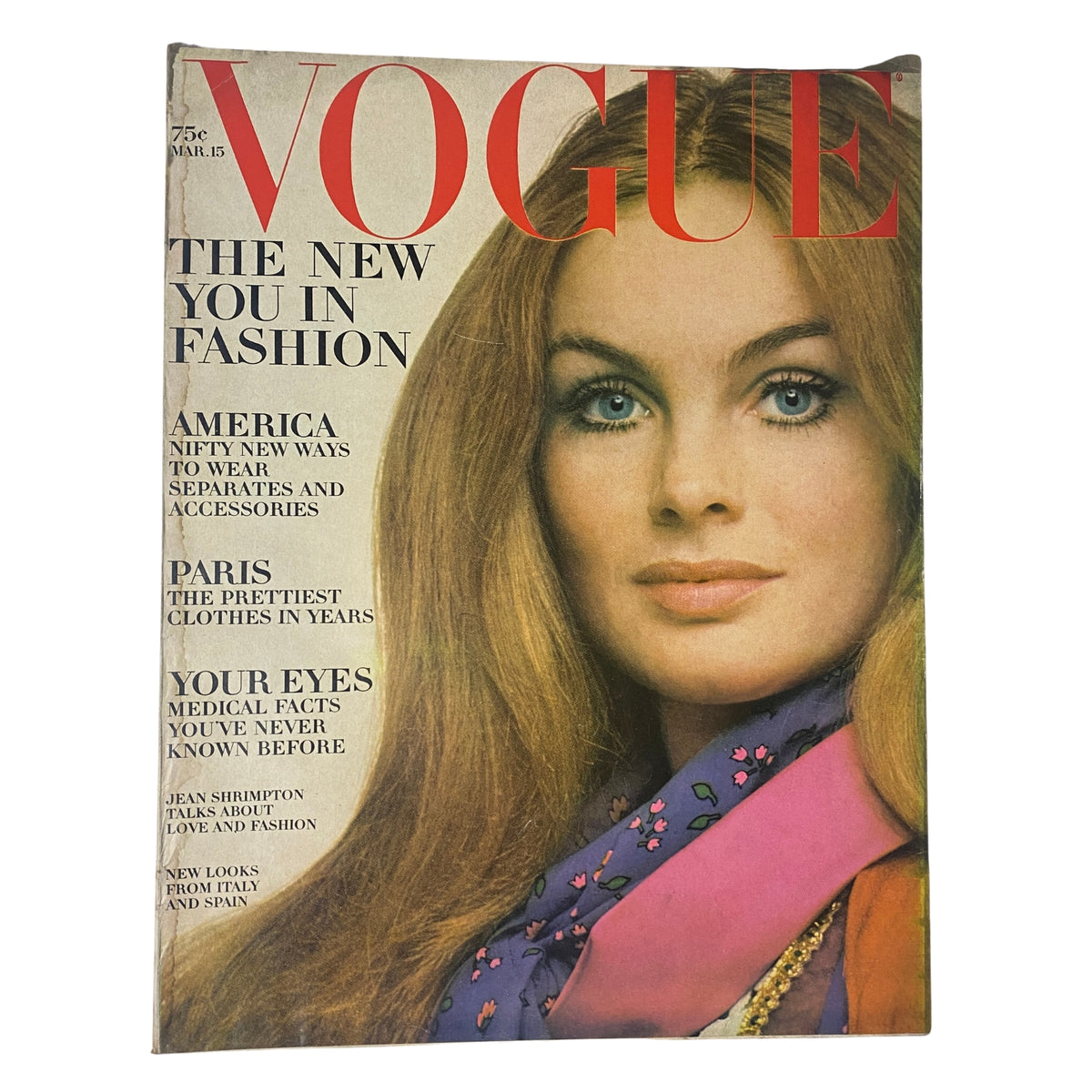
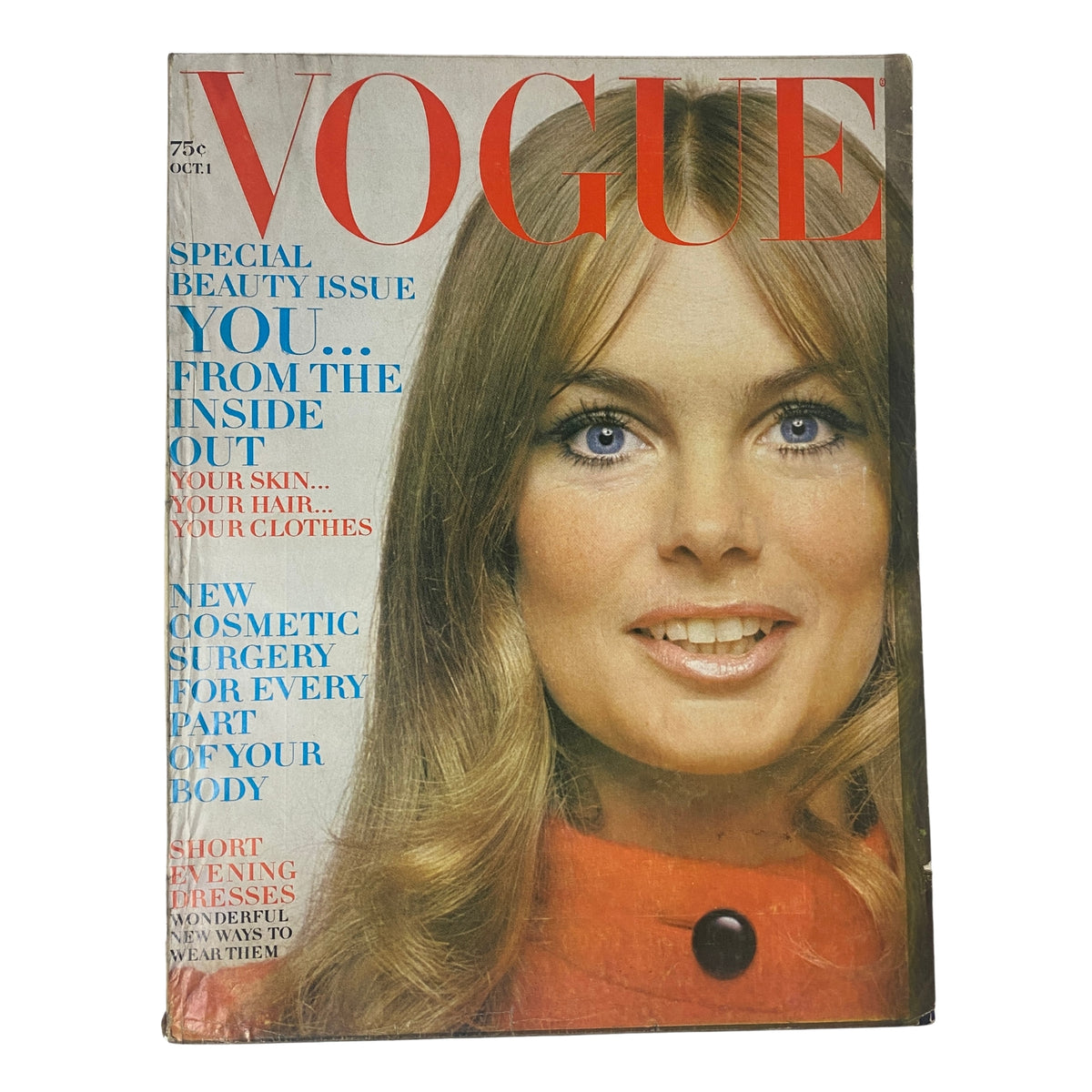
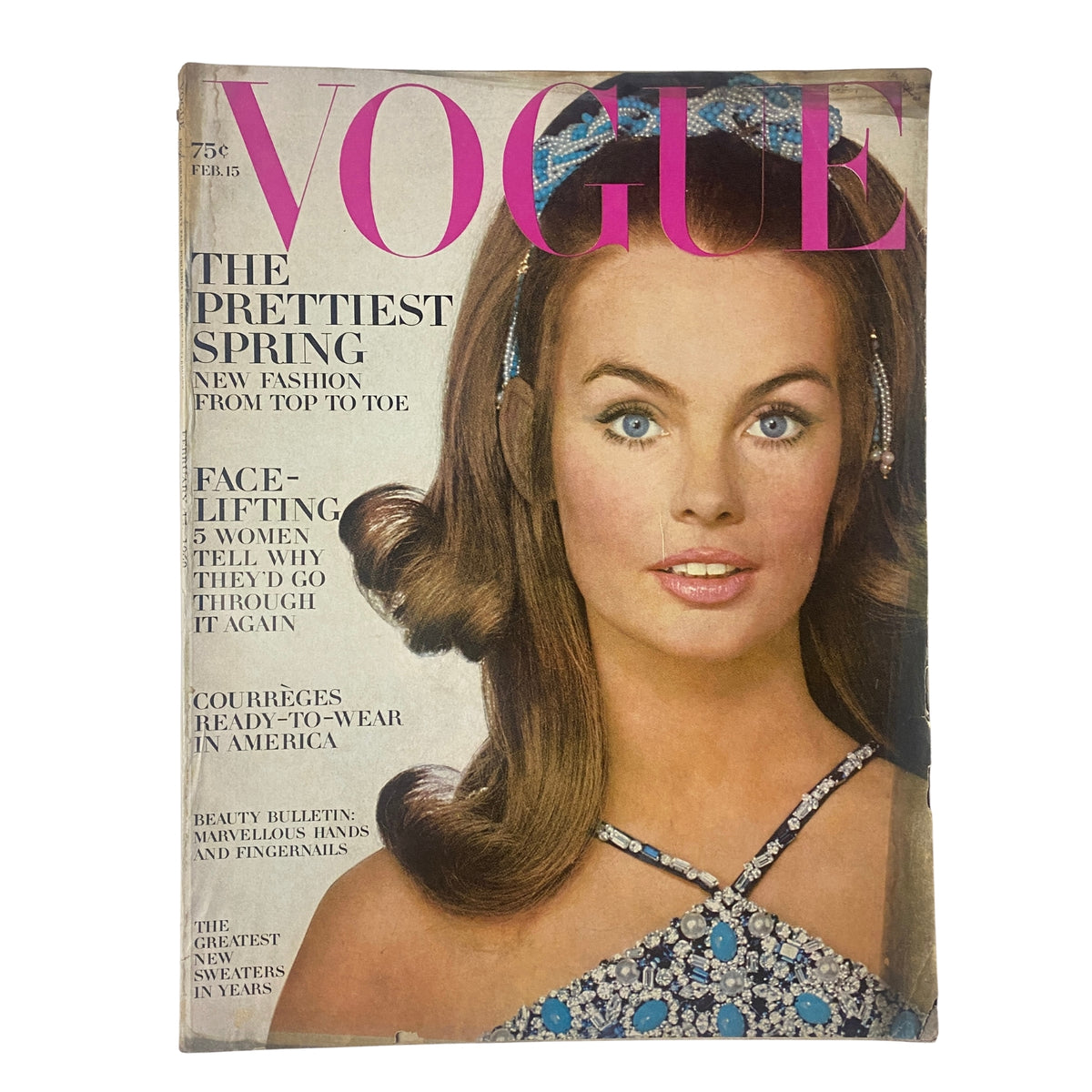
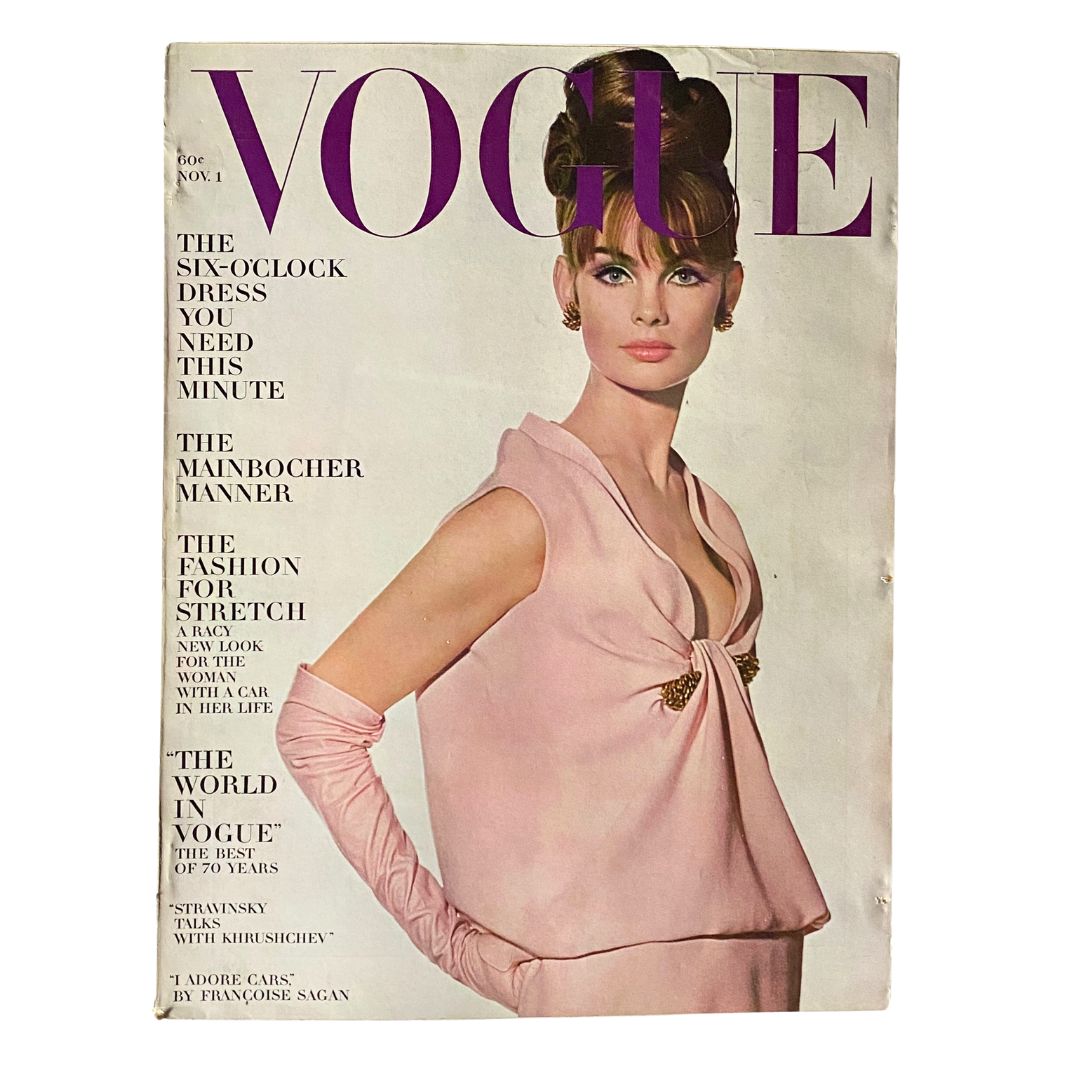
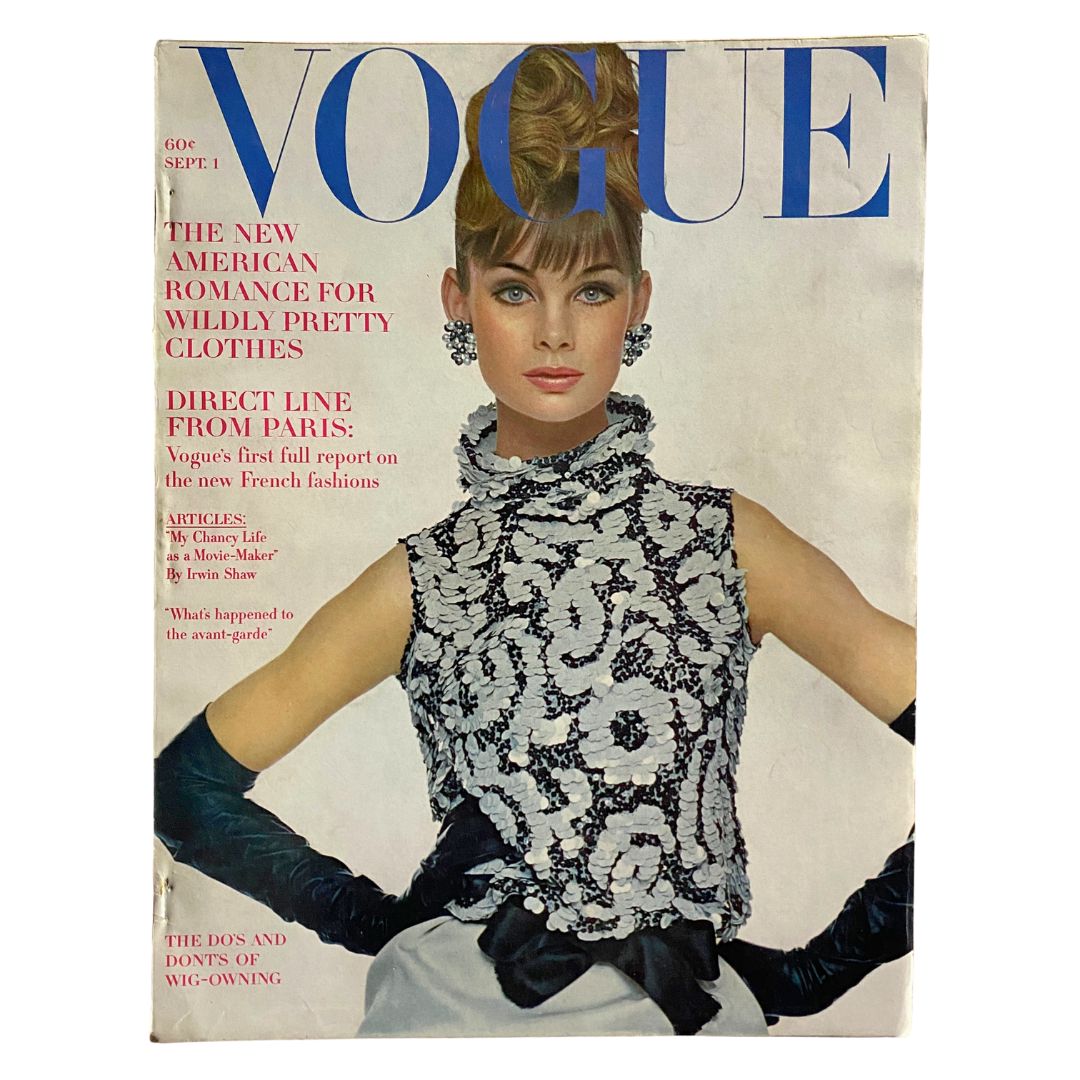
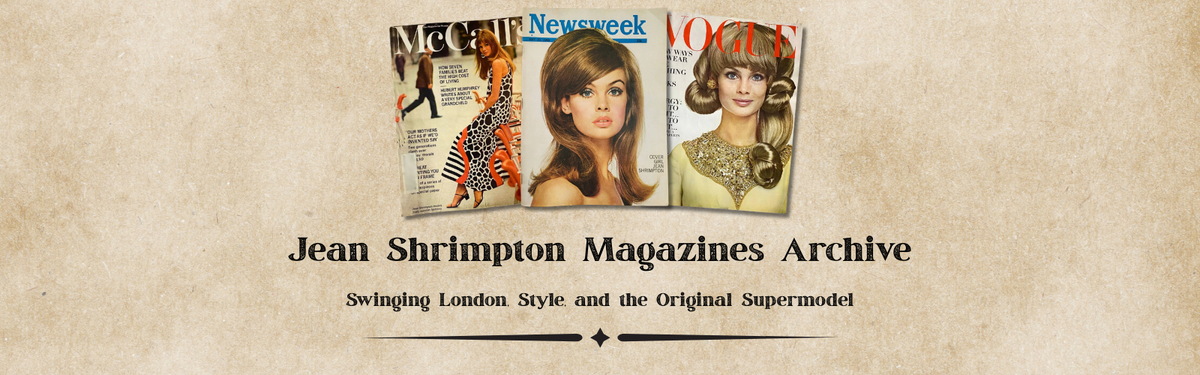
In the early 1960s, a girl from Buckinghamshire stepped in front of David Bailey's lens and, almost without effort, dismantled everything the fashion world thought it knew about glamour. Jean Shrimpton — "The Shrimp," as the press affectionately dubbed her — became the first supermodel in the modern sense of the word: not merely a clothes horse, but a cultural phenomenon, a mirror held up to a generation that was restless, young, and hungry for change. Before the age of television saturation and certainly long before any digital feed could carry her image around the globe in seconds, it was the printed page that made her famous. Readers in London, New York, and Paris would encounter her at the newsstand — those enormous eyes, that effortless fringe, the casual, slightly parted lips — and feel, viscerally, that the world had shifted. She was the visual language of the Swinging Sixties, and the magazine was her pulpit.
Inside the Archive
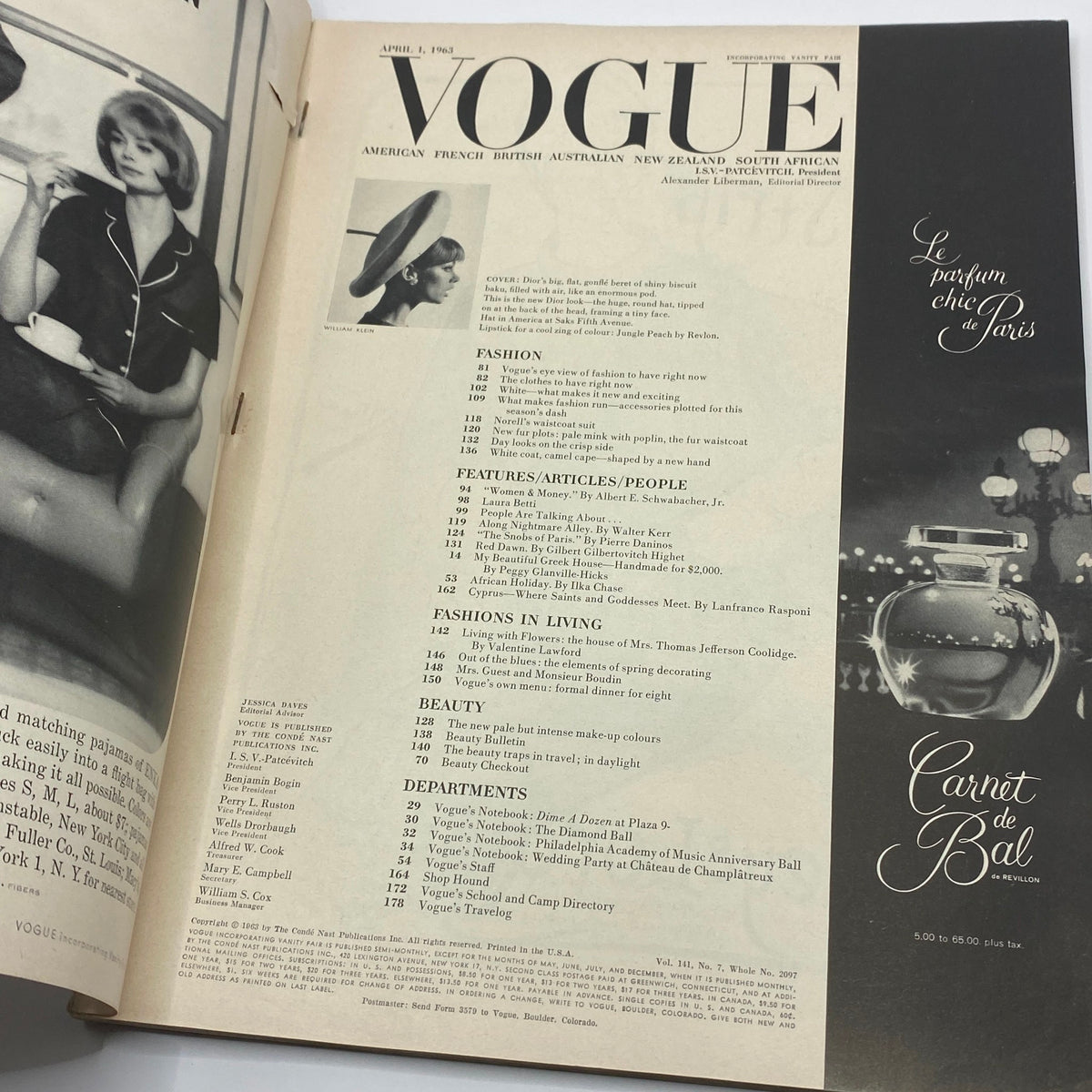
The publications that championed her rise did so with a ferocity and artistry that feels almost impossible to replicate today. Vogue — both its British and American editions — returned to her again and again throughout the decade, commissioning shoots that blurred the line between fashion photography and fine art, particularly in her legendary collaborations with Bailey and later Bert Stern, where the editorial tone shifted from aspirational to intimate, even confrontational. Harper's Bazaar, under the influence of art director Marvin Israel, used her angular grace to push the boundaries of layout and abstraction. Meanwhile, across the Atlantic, Paris Match treated her 1965 Melbourne Cup appearance — arriving in a shockingly short white shift dress, without gloves or stockings, in defiance of every convention — as nothing short of an international incident, a scandal and a sensation in equal measure. The photography of that era favored natural light, stark white backgrounds, and a new kind of unposed candor that she embodied perfectly; the editorial voice, whether reverent or breathless, always seemed to be reaching for words adequate to what the camera had already captured.
Curator's Checklist: Highlights Often Include
- Landmark editorial spreads from the early-to-mid 1960s, featuring the defining Bailey–Shrimpton collaborations that helped establish British Vogue as the most vital fashion publication in the world
- International news coverage of the 1965 Melbourne Cup controversy, in which her minimalist dress ignited a global conversation about youth culture, femininity, and the death of post-war formality
- Profile and interview features from the height of her fame, offering rare candid insight into a woman who was famously ambivalent about the celebrity her face had created
- Cross-genre appearances in general-interest and culture magazines such as Life and Queen, where she was profiled not merely as a model but as a symbol of a generation rewriting its own social contract
- Later-career and retrospective features from the 1970s onward, revisiting her legacy as the template against which all subsequent supermodels would be measured
The Collector's Value
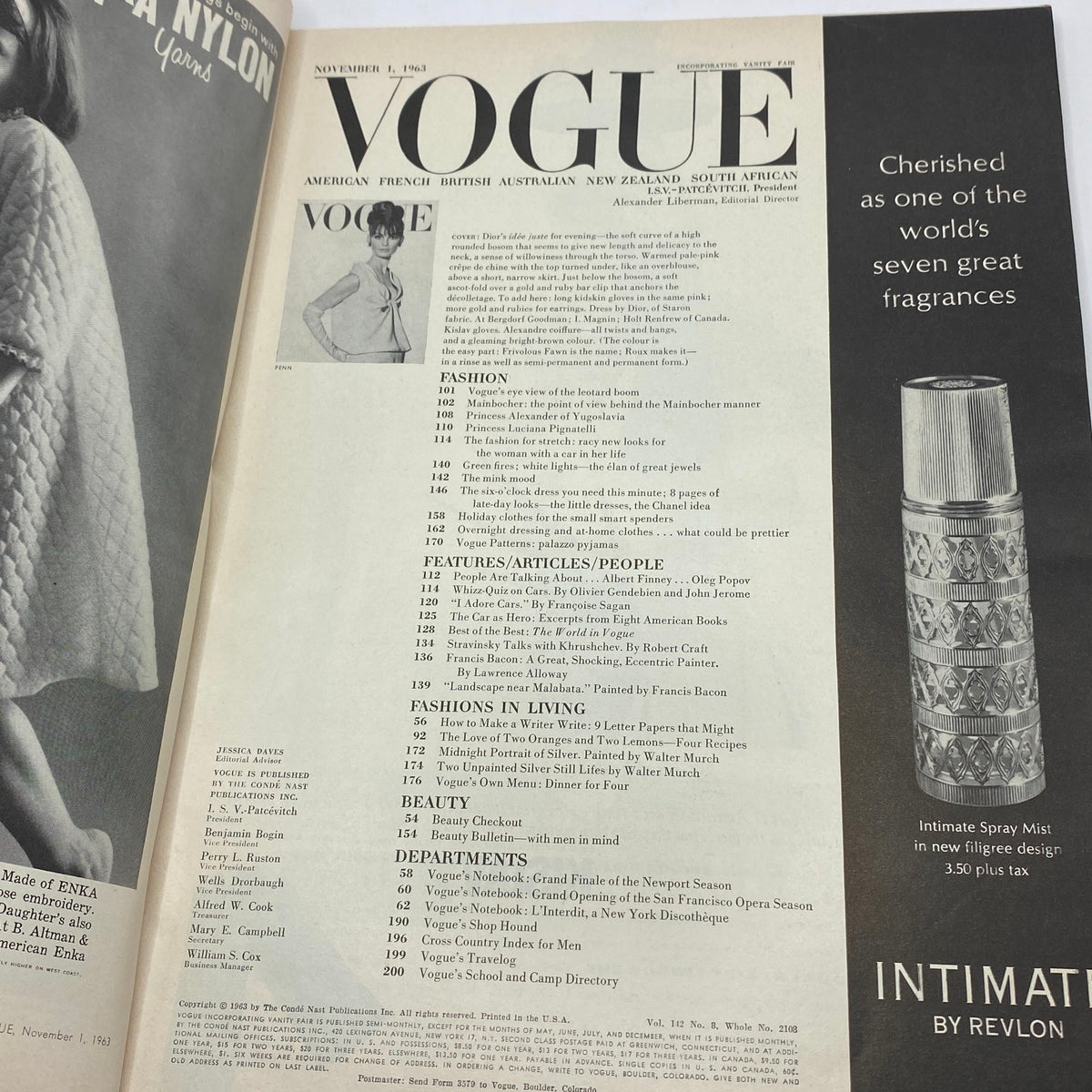
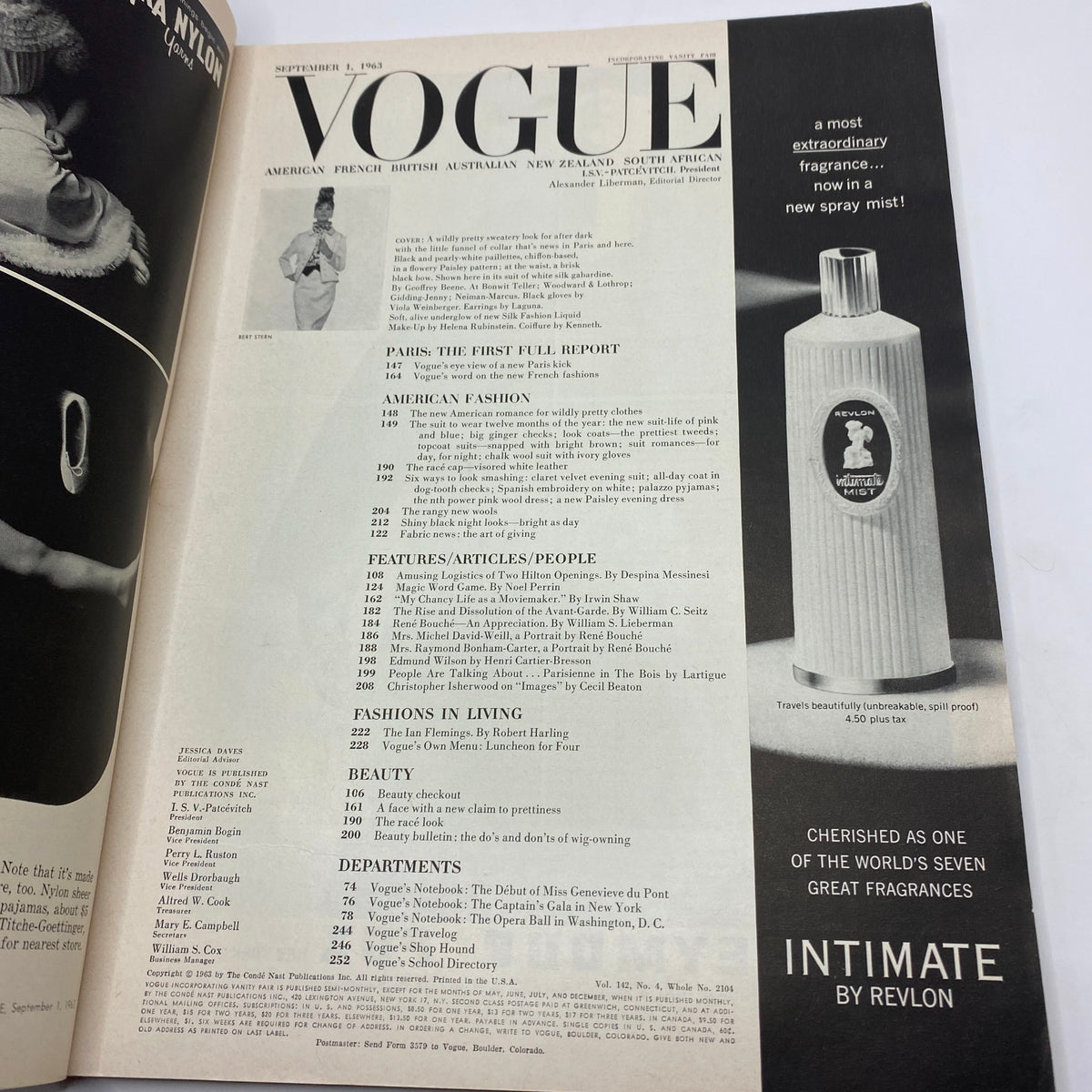
To hold one of these magazines is to hold something irreplaceable — a frozen moment from a decade that burned brighter and faster than almost any other in modern cultural history. The paper stock of a mid-1960s Vogue has a weight and warmth to it that no digital archive can simulate: slightly textured beneath the fingertips, faintly scented with the particular mustiness of decades-old ink and coated stock, its pages thick with advertisements for perfumes, furs, and automobiles that are themselves windows into a vanished world. These are not reprints or facsimiles. They are primary sources — the very objects that shaped public consciousness, passed from hand to hand in sitting rooms and salons, dog-eared and adored. For collectors of 1960s fashion history, British Invasion cultural ephemera, or vintage photography and graphic design, these publications offer an unmediated encounter with a pivotal moment in the story of image-making itself. Explore the current available inventory below and find the issue that speaks to you.