📖 About this Collection
Julius Erving: The Doctor Will See You Now
The Legend & The Legacy
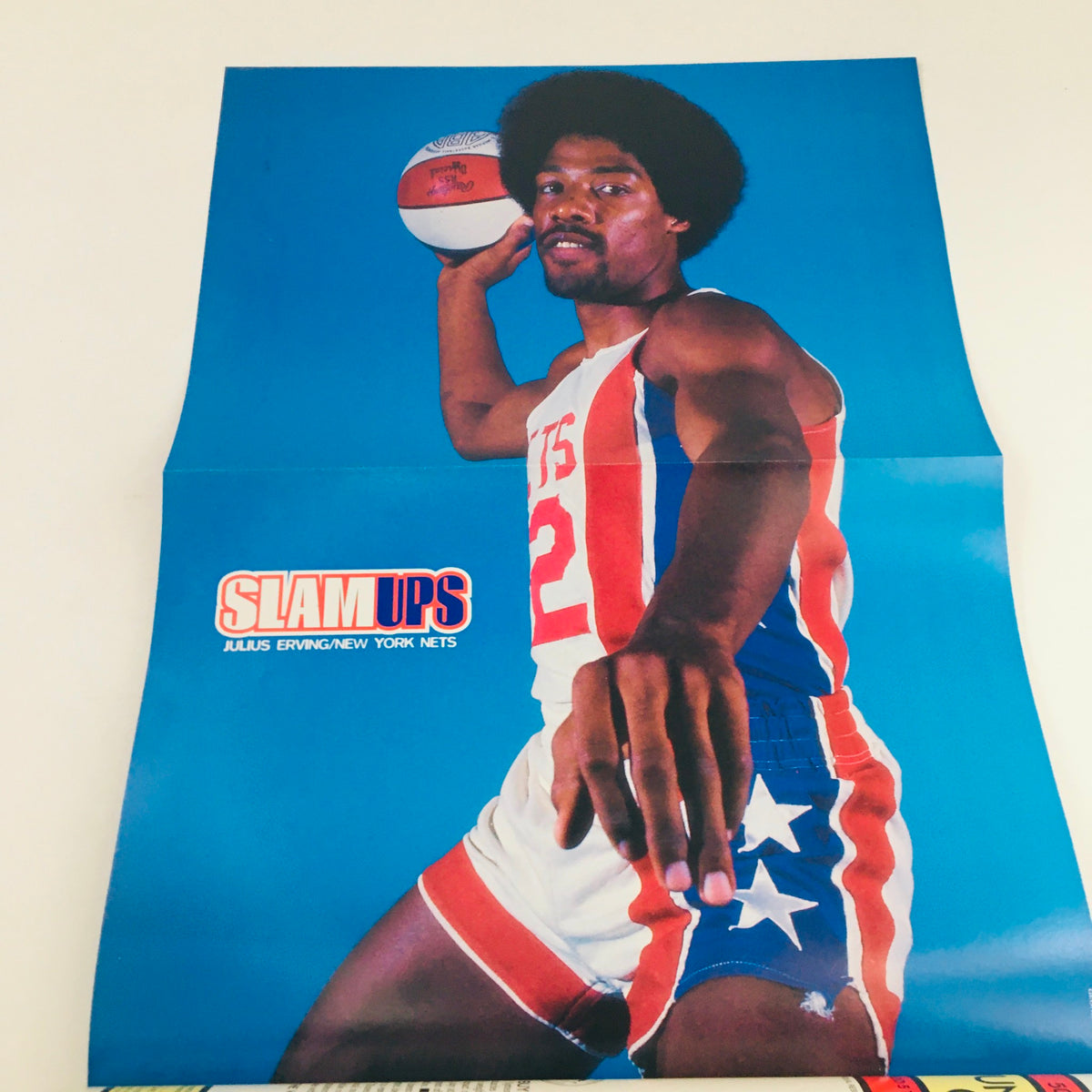
Before highlight reels could be replayed endlessly on a smartphone screen, before social media could disseminate a single jaw-dropping moment to millions within seconds, the impossible artistry of Julius Winfield Erving II lived and breathed on the printed page. "Dr. J" did not merely play basketball — he reinvented the very grammar of the game, first electrifying the American Basketball Association in the early 1970s before carrying that revolution into the NBA and into the living rooms of a nation still negotiating its own cultural identity. He was the bridge between the raw, improvisational genius of the playgrounds and the polished, prime-time spectacle that basketball would eventually become. In an era when African American athletes were redefining what excellence and elegance could look like in professional sports, the Doctor stood as one of the most compelling figures of his generation — a man of uncommon grace, both above the rim and off the court. Fans who never attended a single game nonetheless felt they knew him, because magazines brought him into their homes: his silhouette frozen mid-flight, his afro a crown, his enormous hands cradling the ball like a artifact from another dimension of human possibility.
Inside the Archive
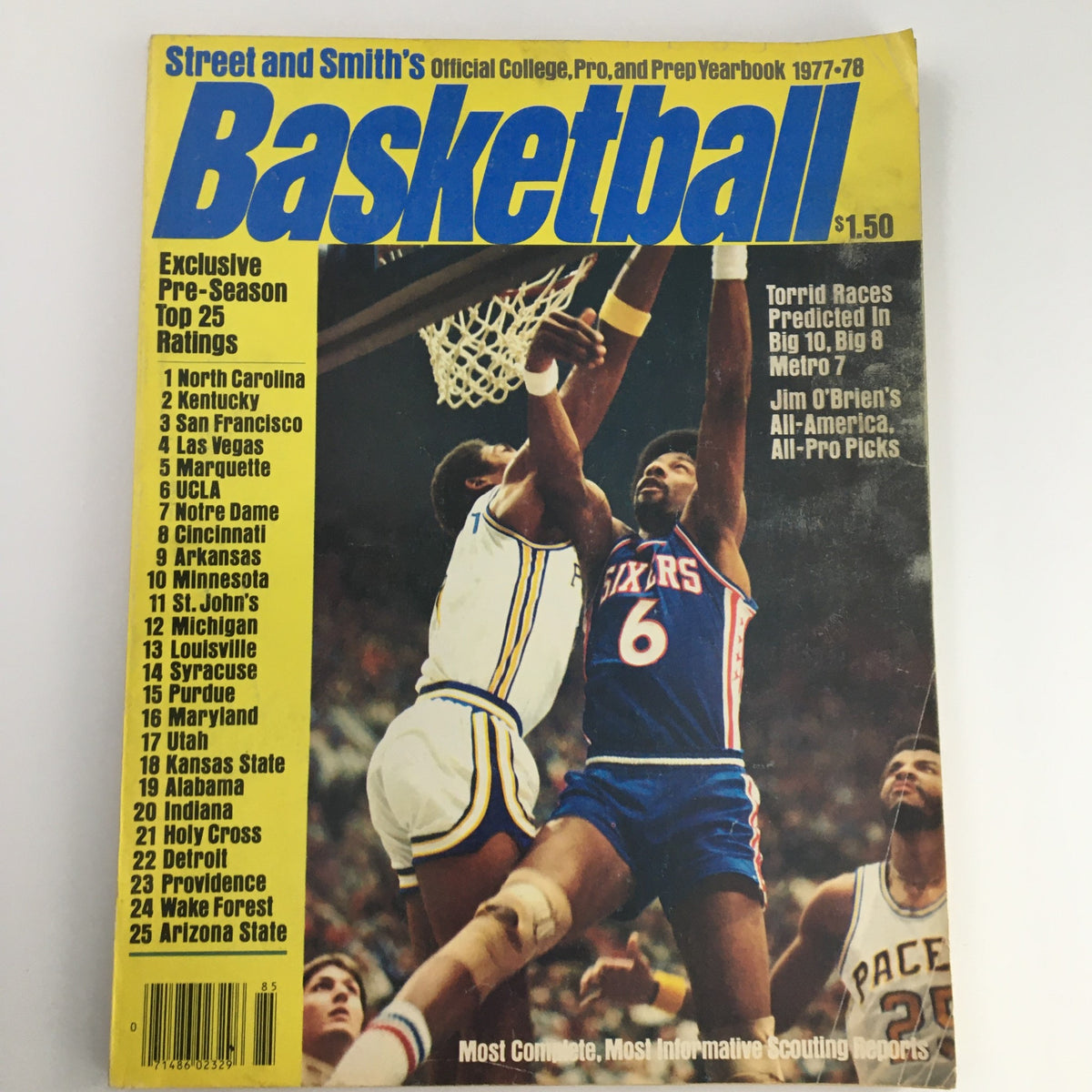
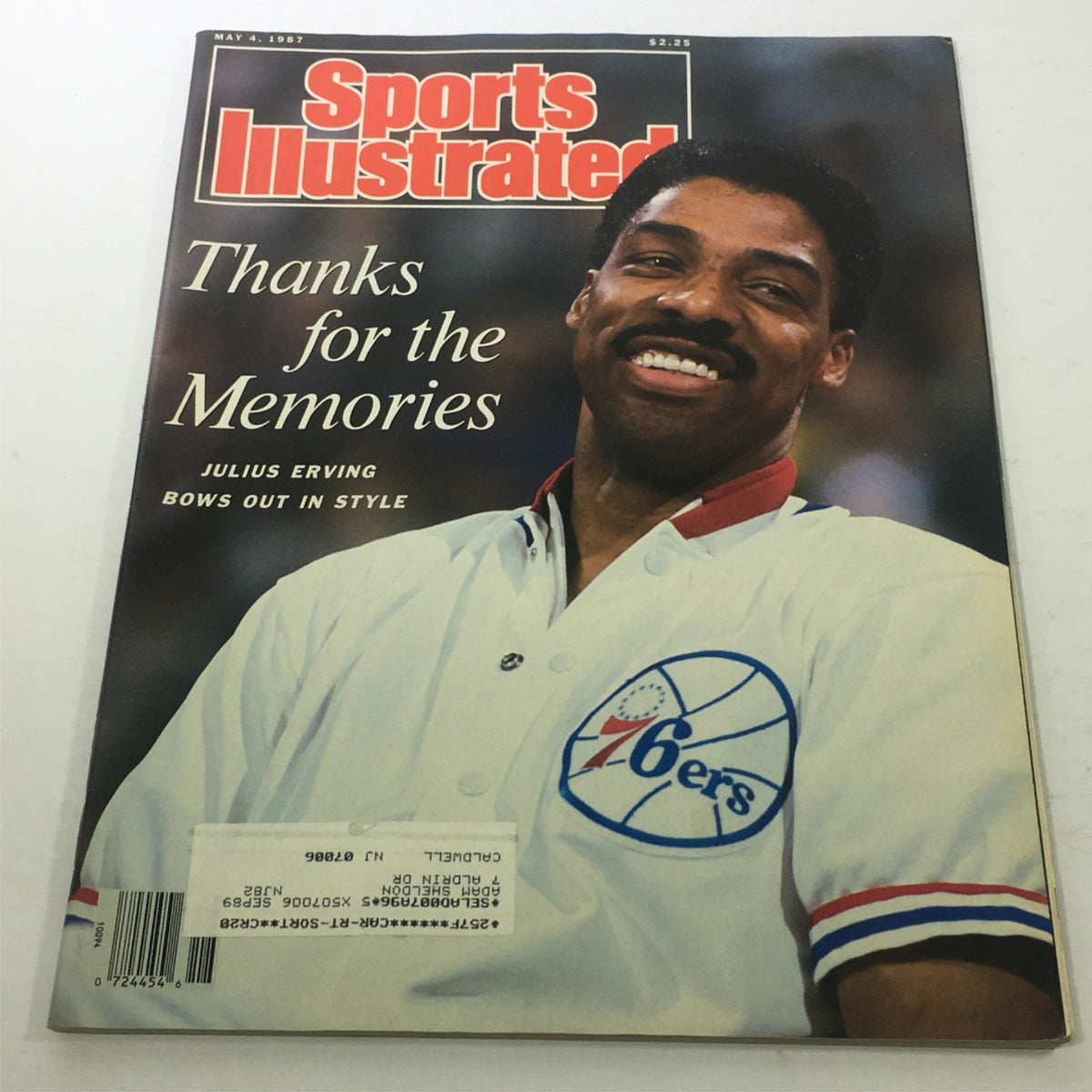
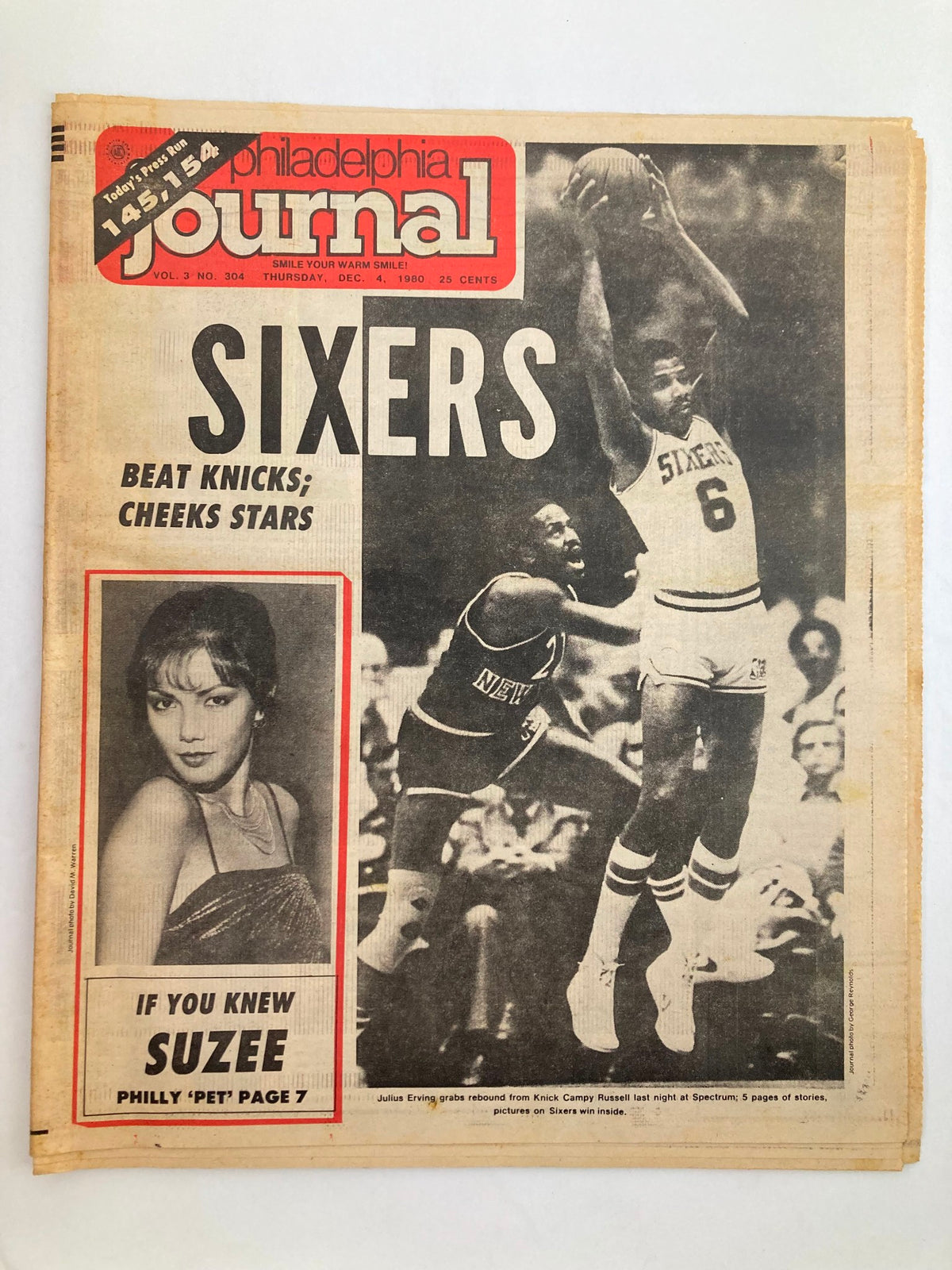
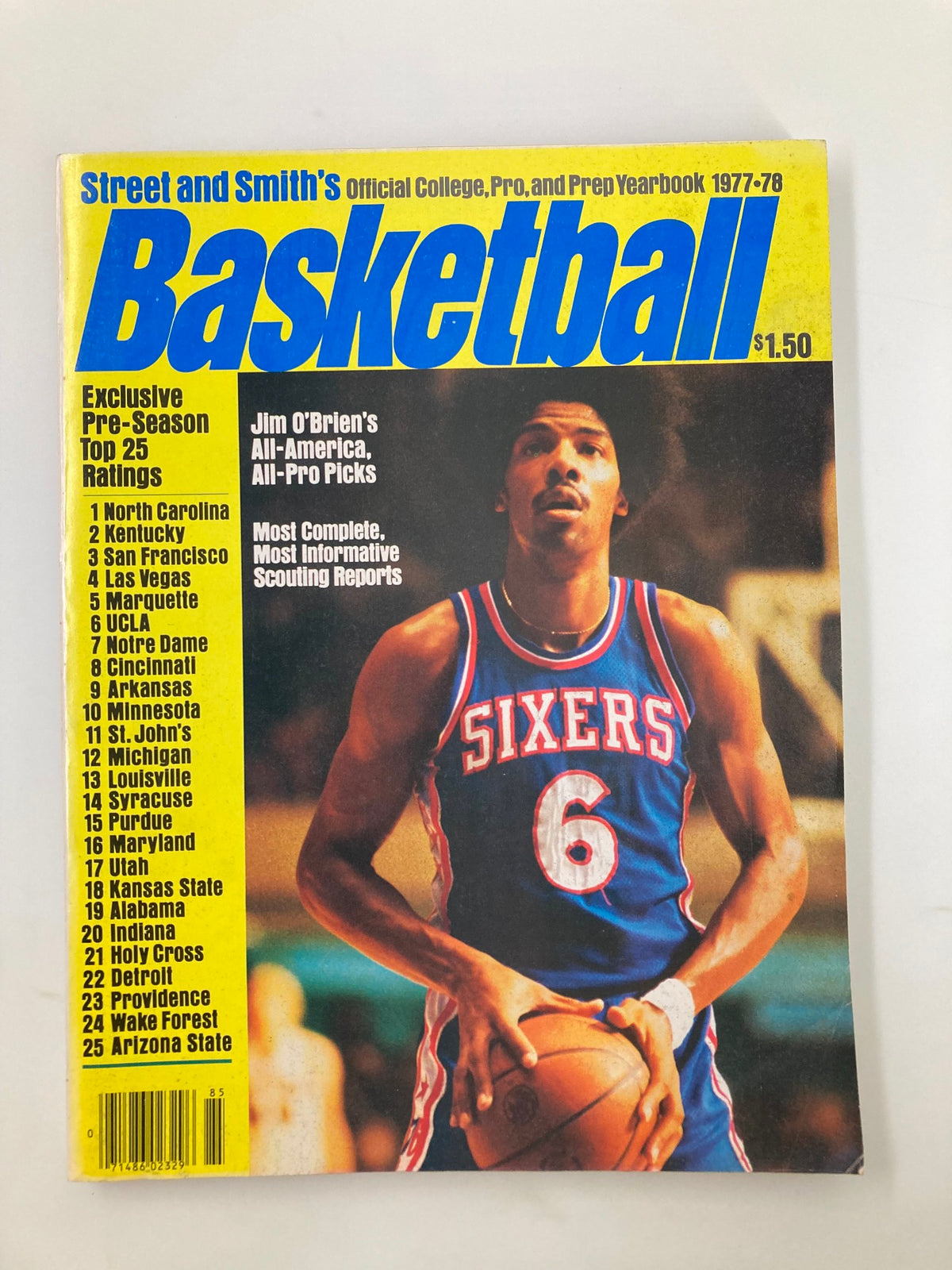
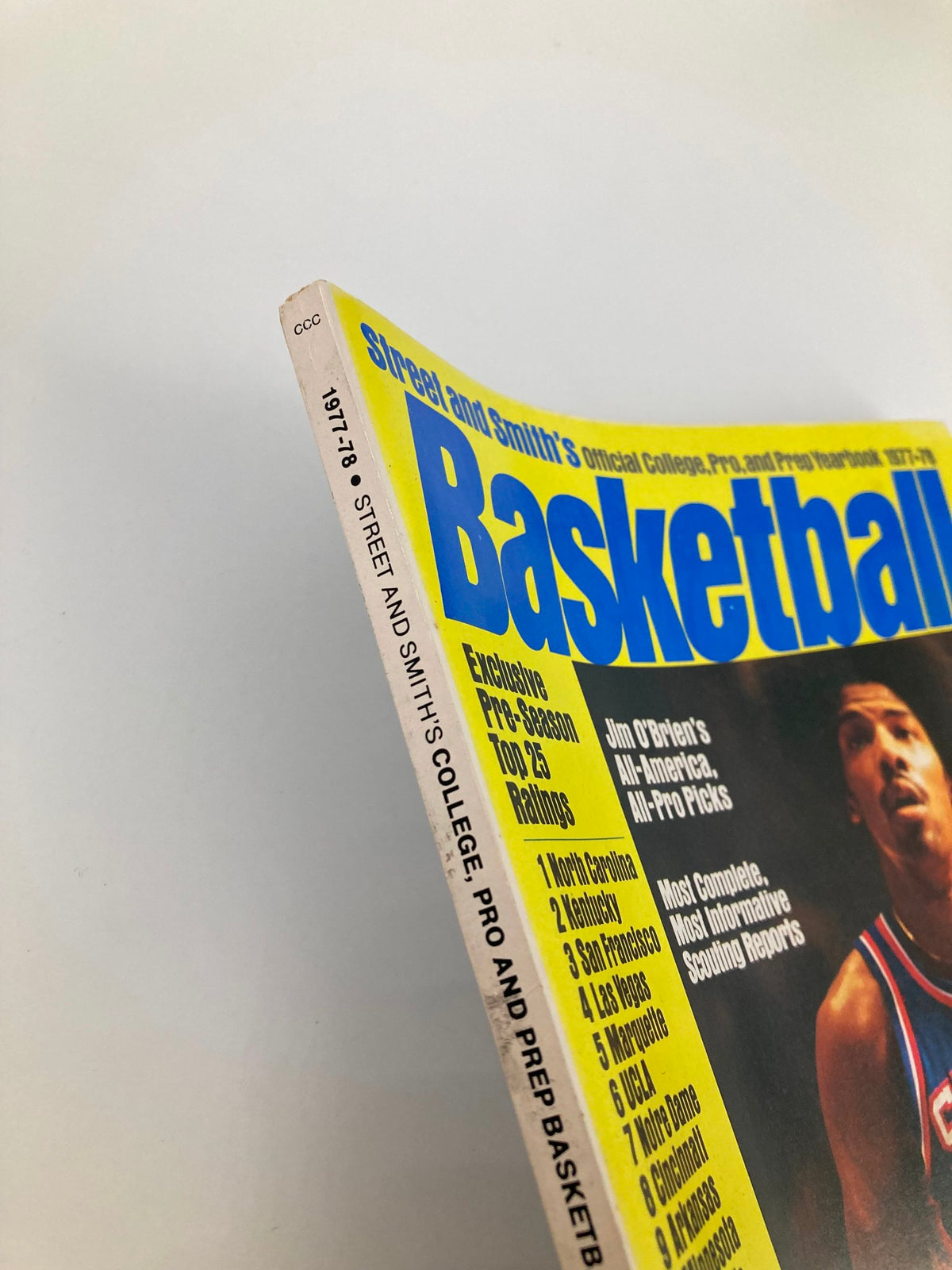
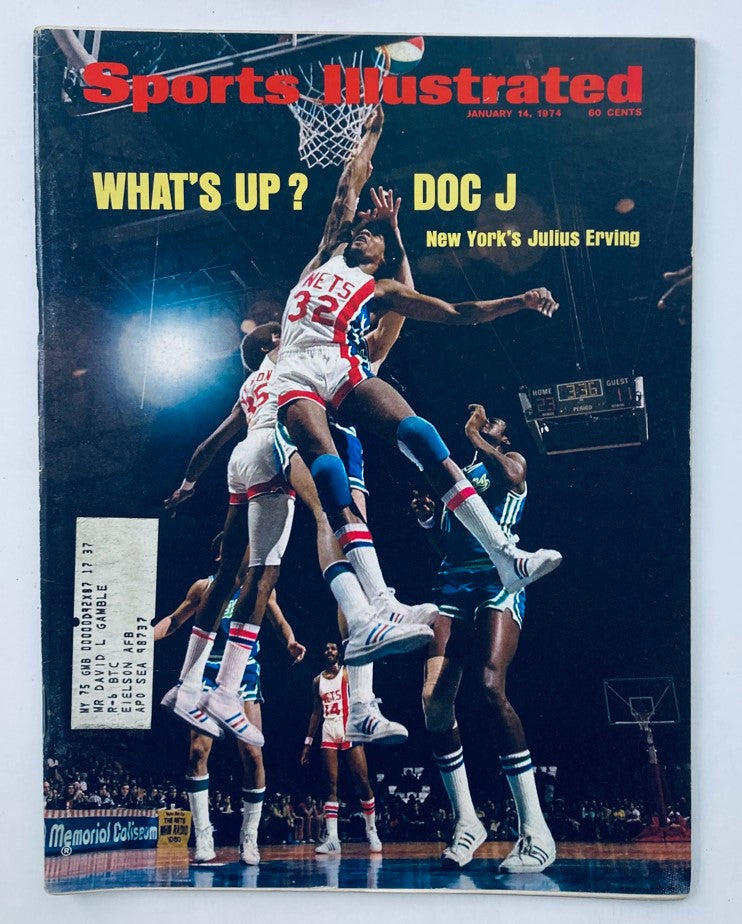
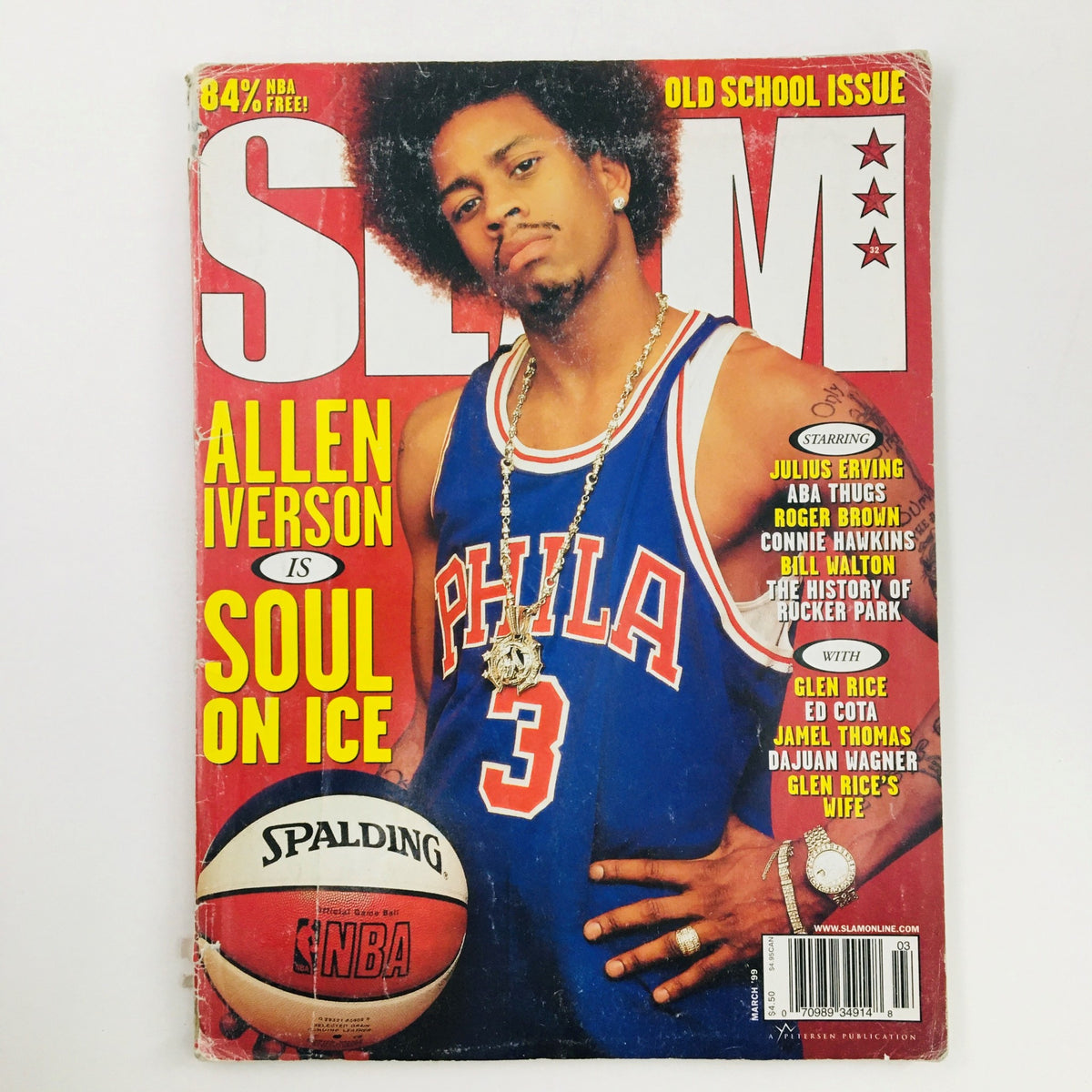
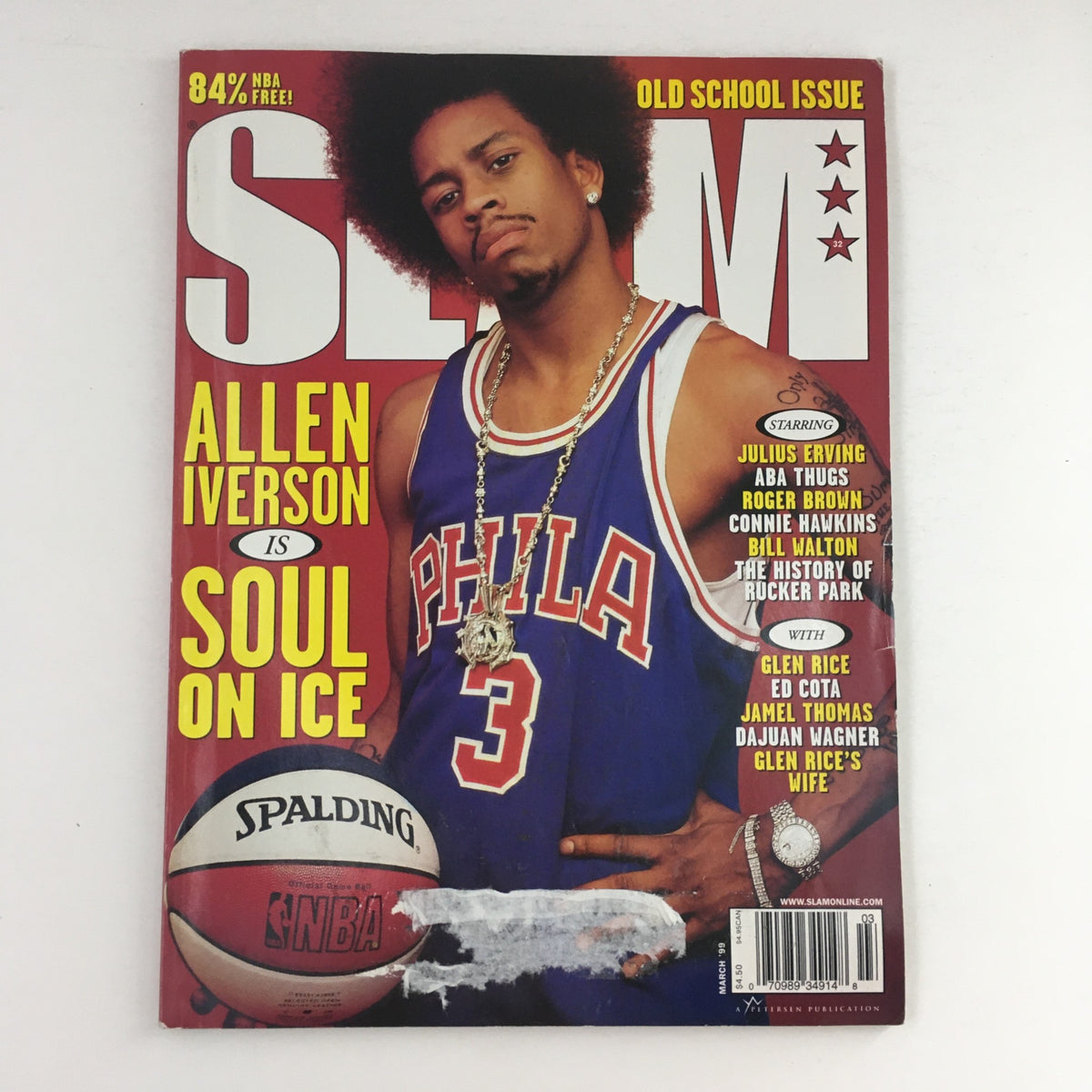
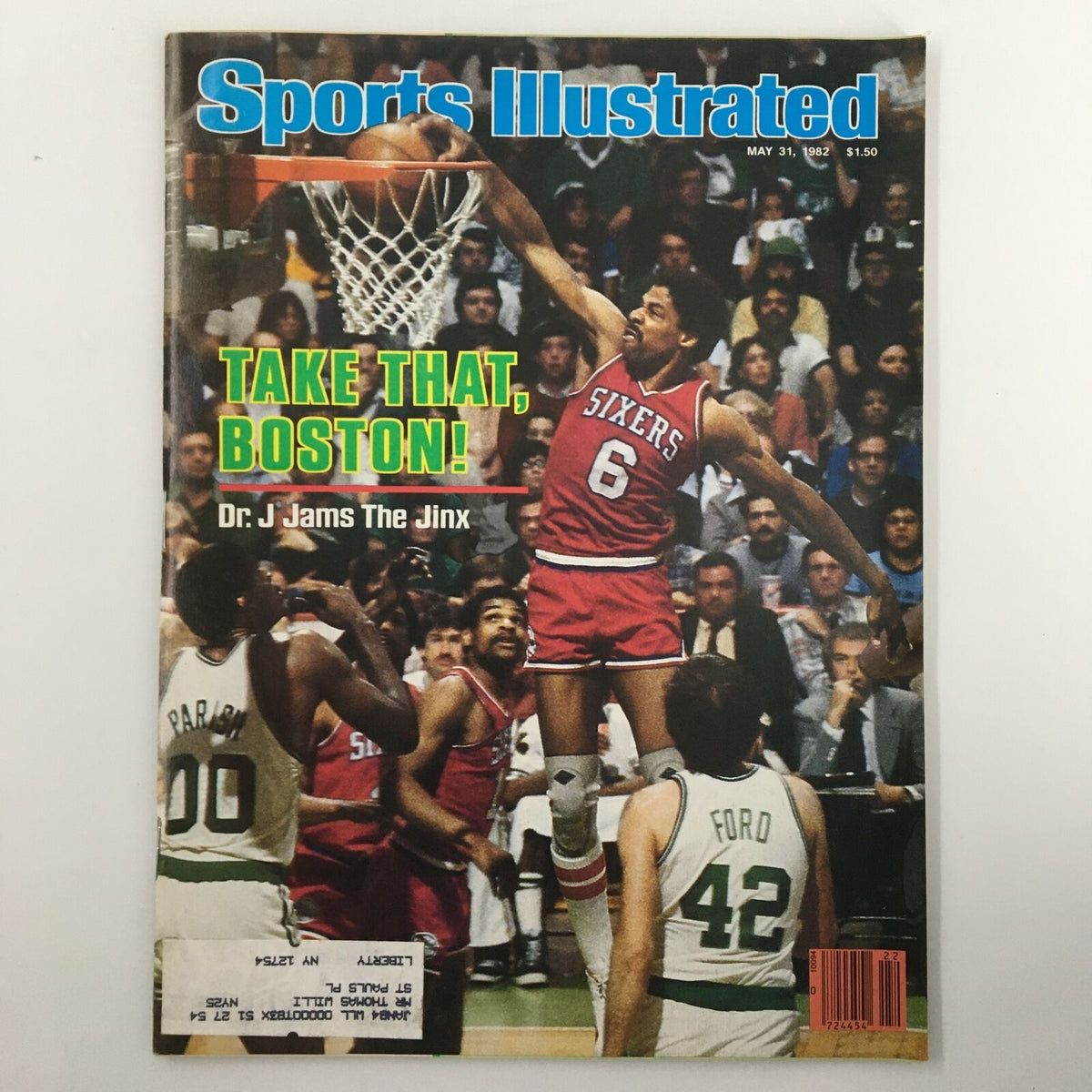
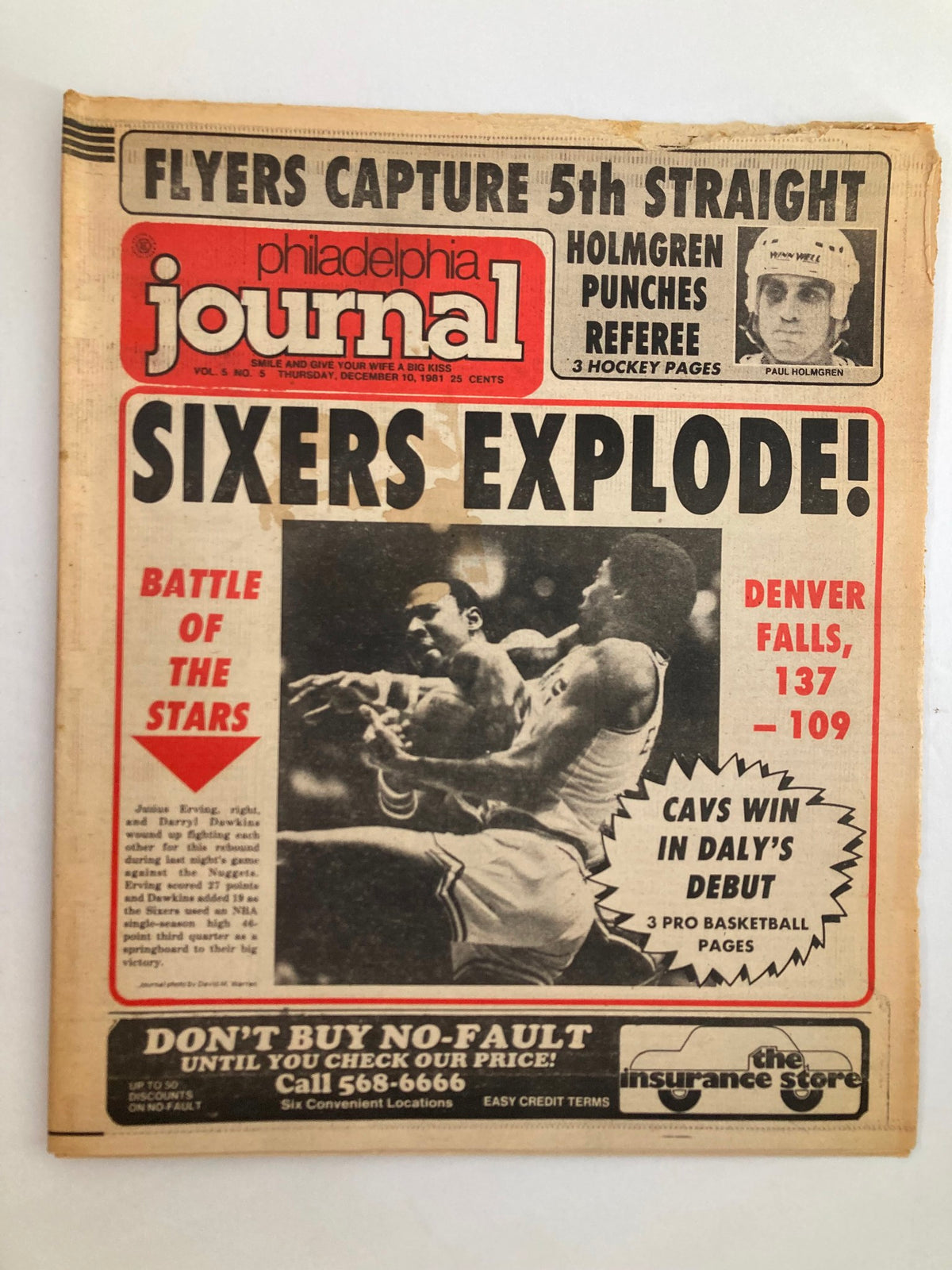
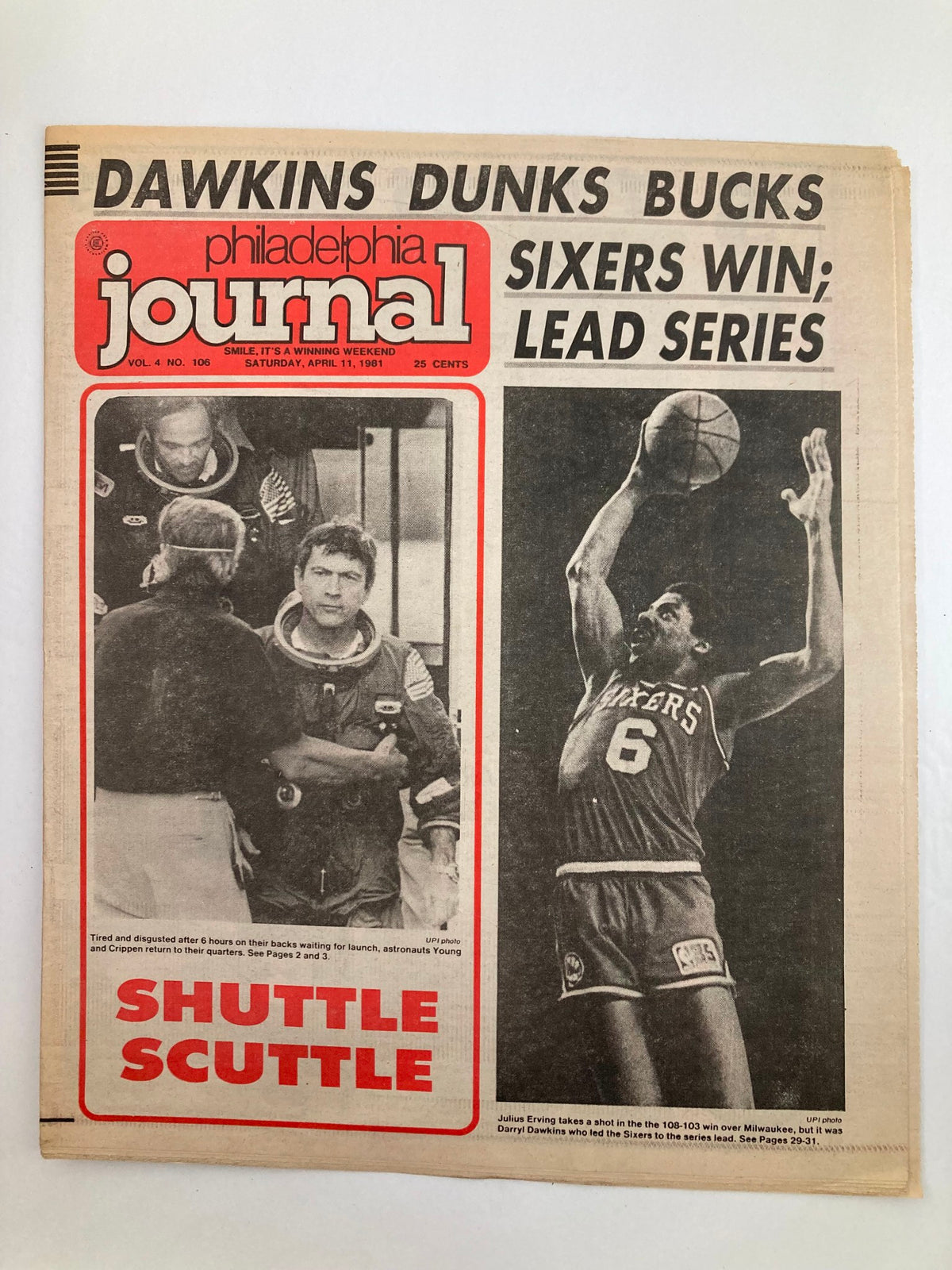
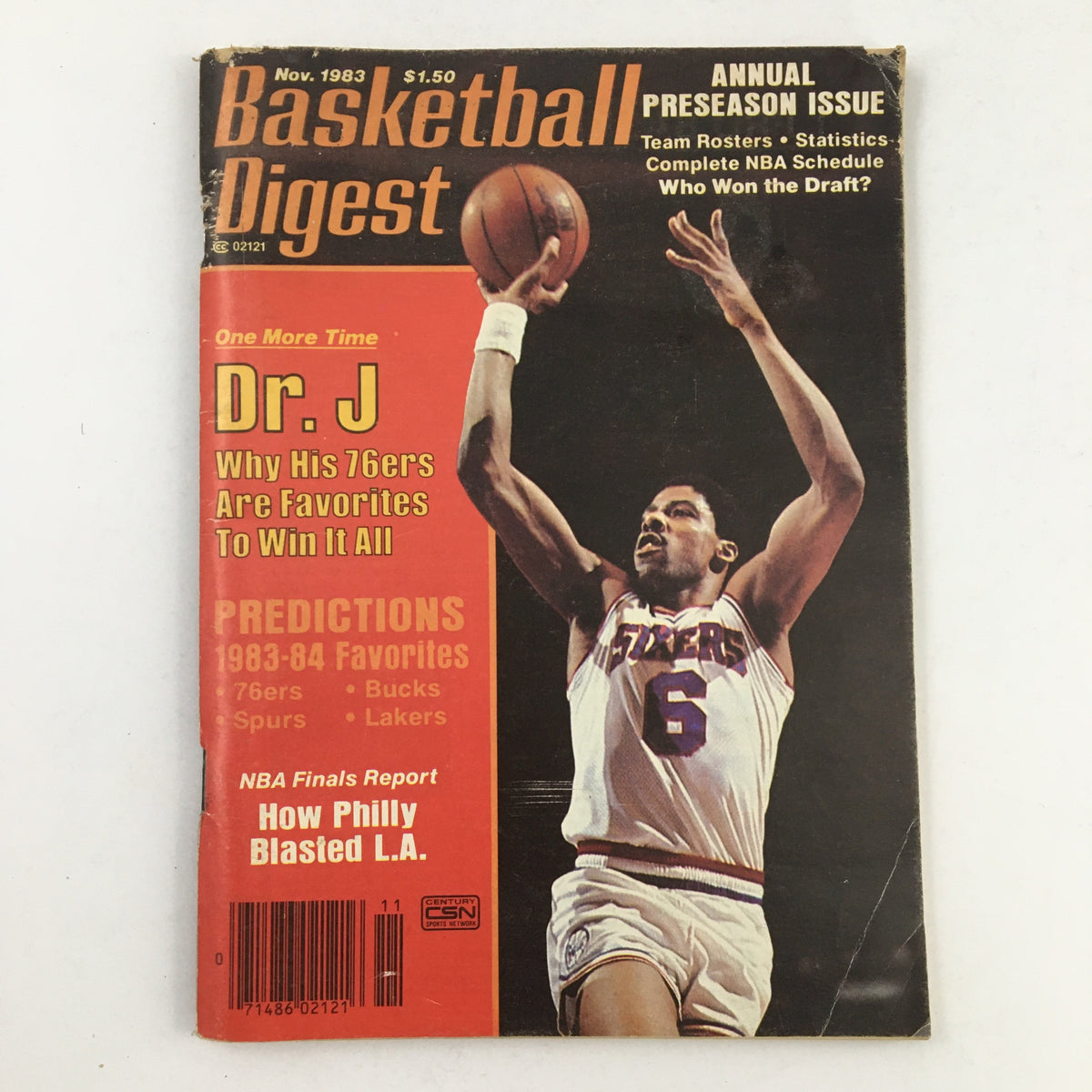
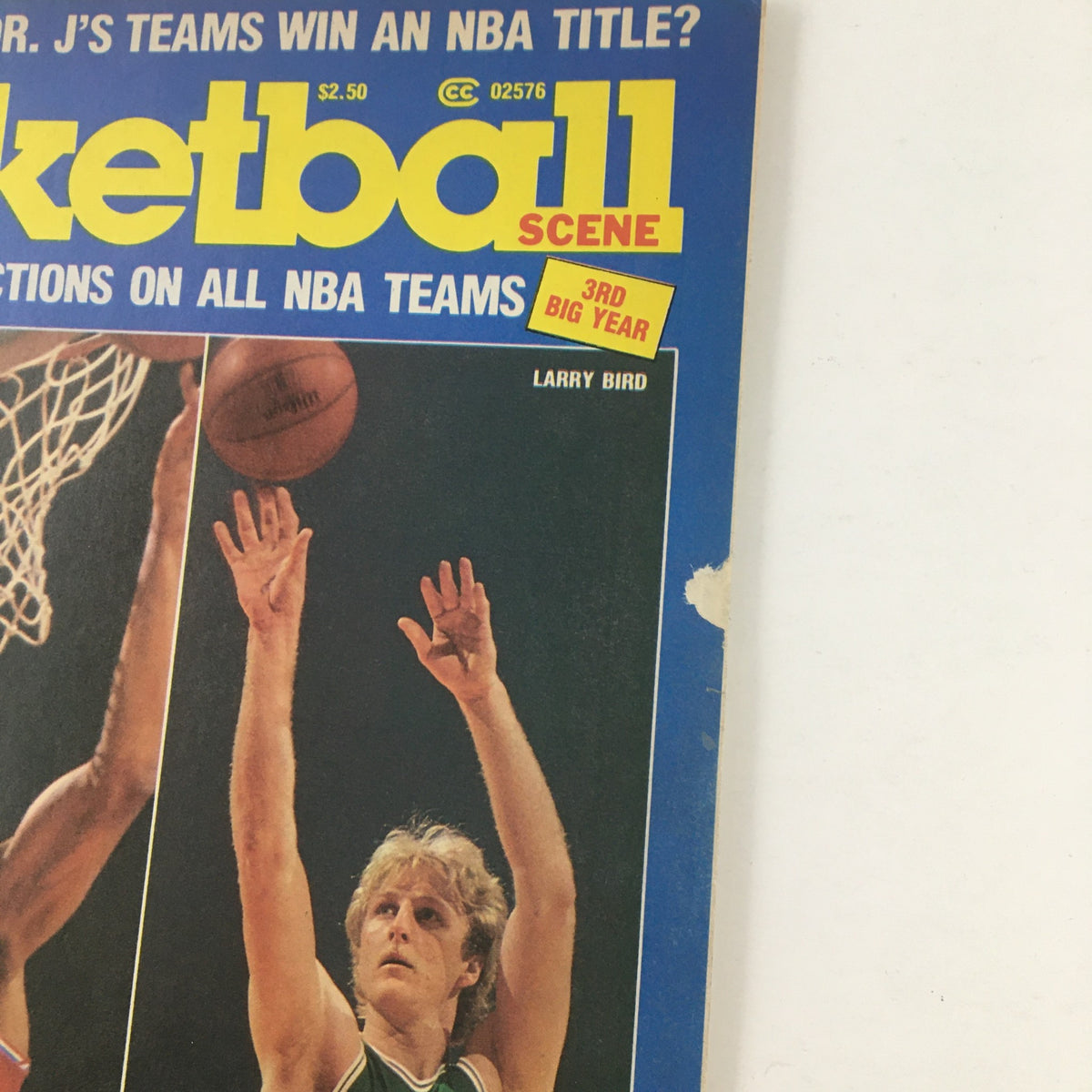
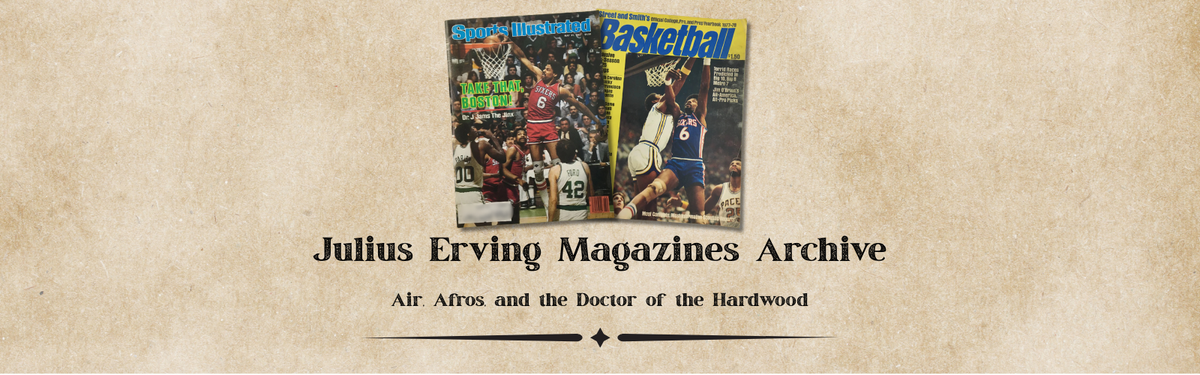
Vintage magazines of the 1970s and early 1980s approached Julius Erving with a reverence typically reserved for artists and statesmen, because editors and photographers understood, intuitively, that they were documenting something genuinely rare. Sports Illustrated returned to him again and again throughout his career — his cover appearances capturing not just athletic achievement but a kind of mythological presence, the photography wide and kinetic, designed to communicate flight and freedom in a static medium. Ebony and Jet, the twin pillars of Black American print culture, celebrated the Doctor as a community figure as much as a sporting one, their editorial tone warm and culturally intimate, contextualizing his stardom within a broader story of Black excellence and visibility during a transformative period in American life. Meanwhile, general-interest and pop-culture publications like People and Sport magazine brought him to audiences who might never have otherwise followed professional basketball, profiling the man behind the legend — his composure in interviews, his business acumen, his role as a dignified ambassador for a sport still fighting for mainstream respect. The photography from this era carries a distinctive analogue warmth: grain, shadow, and the saturated color palettes of Kodachrome film, all of which conspire to make these images feel not merely old, but mythic.
Curator's Checklist: Highlights Often Include
- ABA Championship and early dominance coverage (1972–1976) — features from the often-overlooked American Basketball Association era, when the Doctor was arguably the most breathtaking player in professional basketball and the rival league was fighting for its own survival and legitimacy
- The 1976 ABA All-Star Slam Dunk Contest — widely considered the moment that introduced the art of the dunk to a mass audience, coverage of this watershed event appears across both sports-specific and general-interest publications of the period
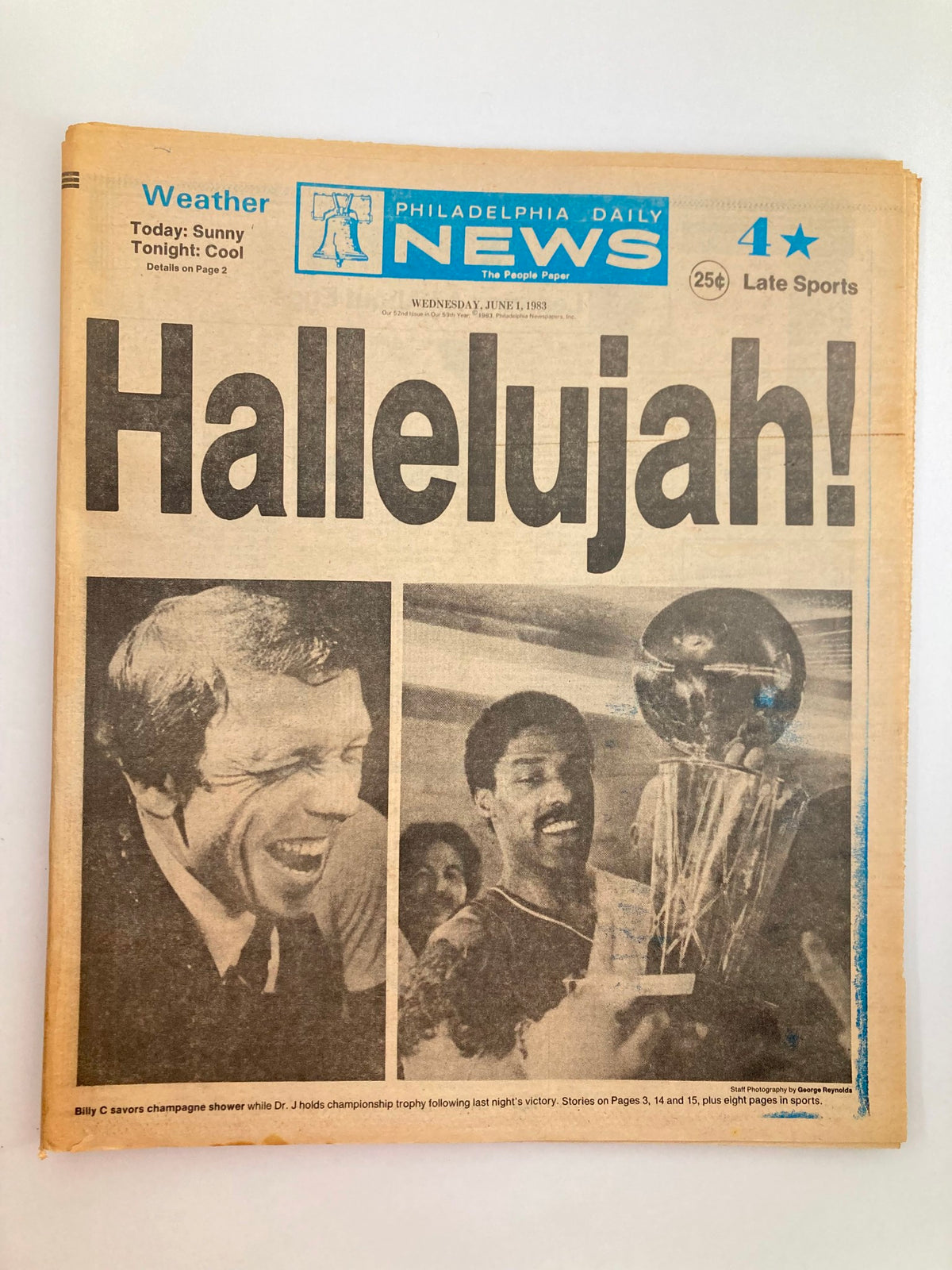
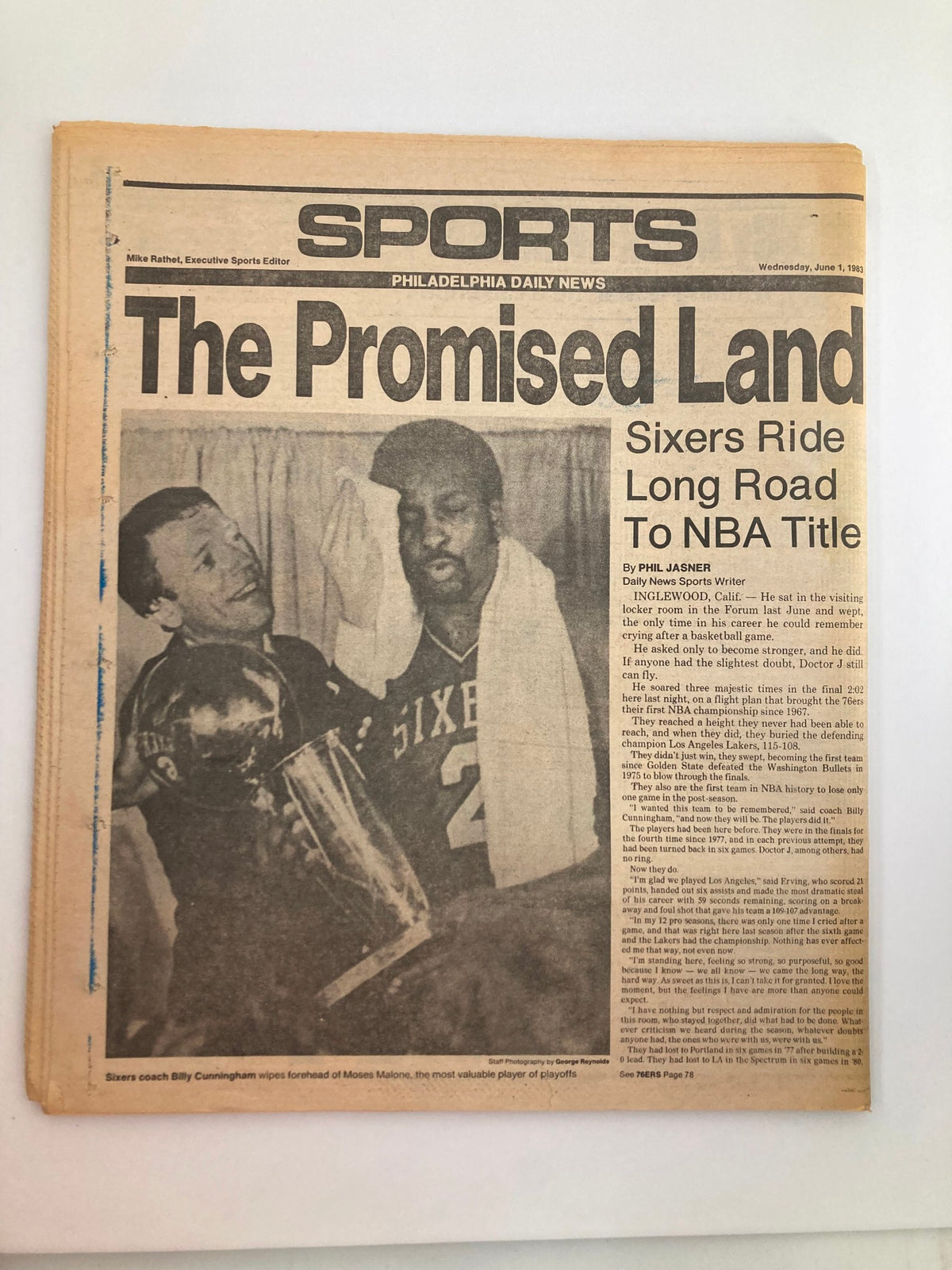
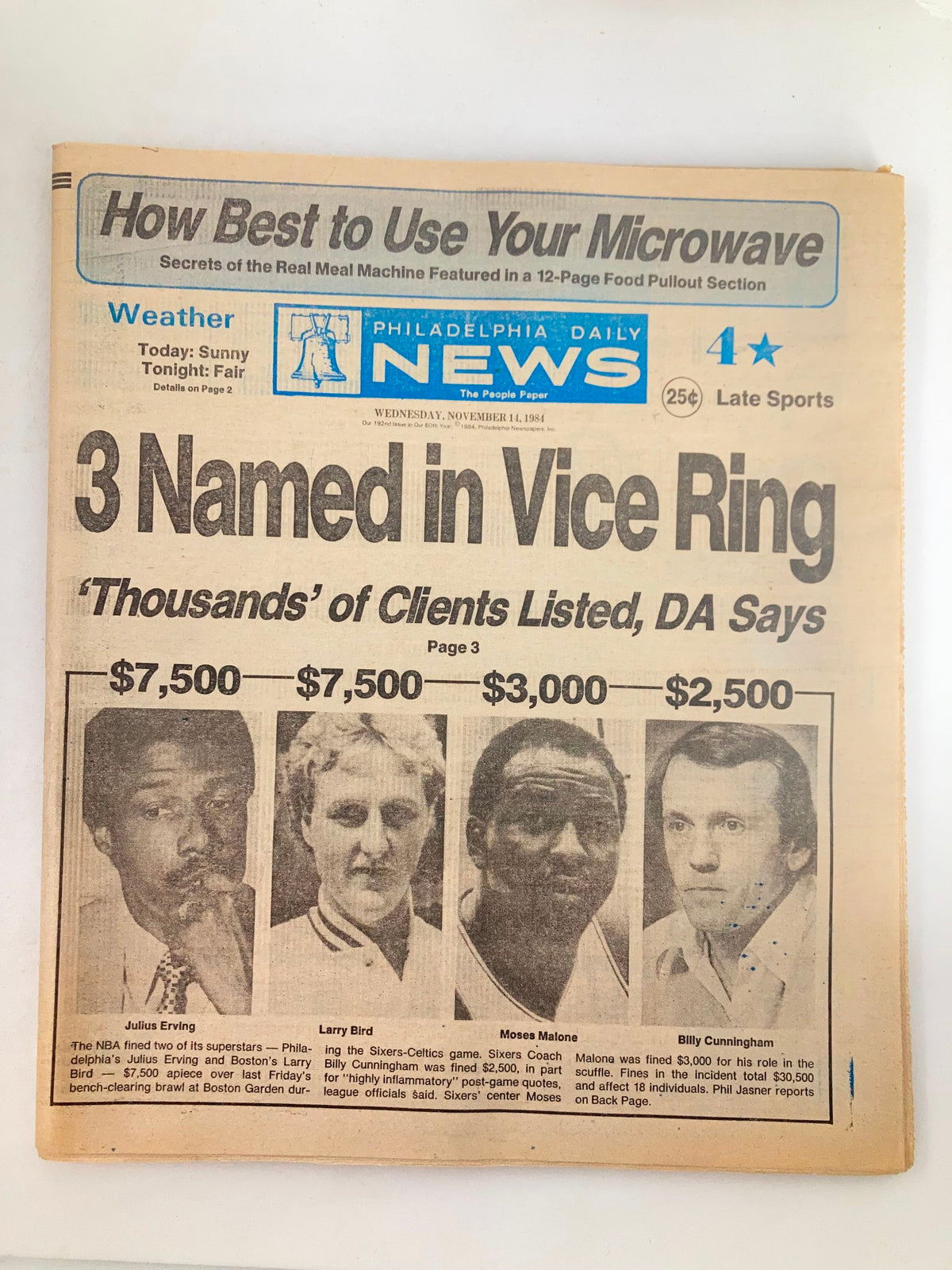
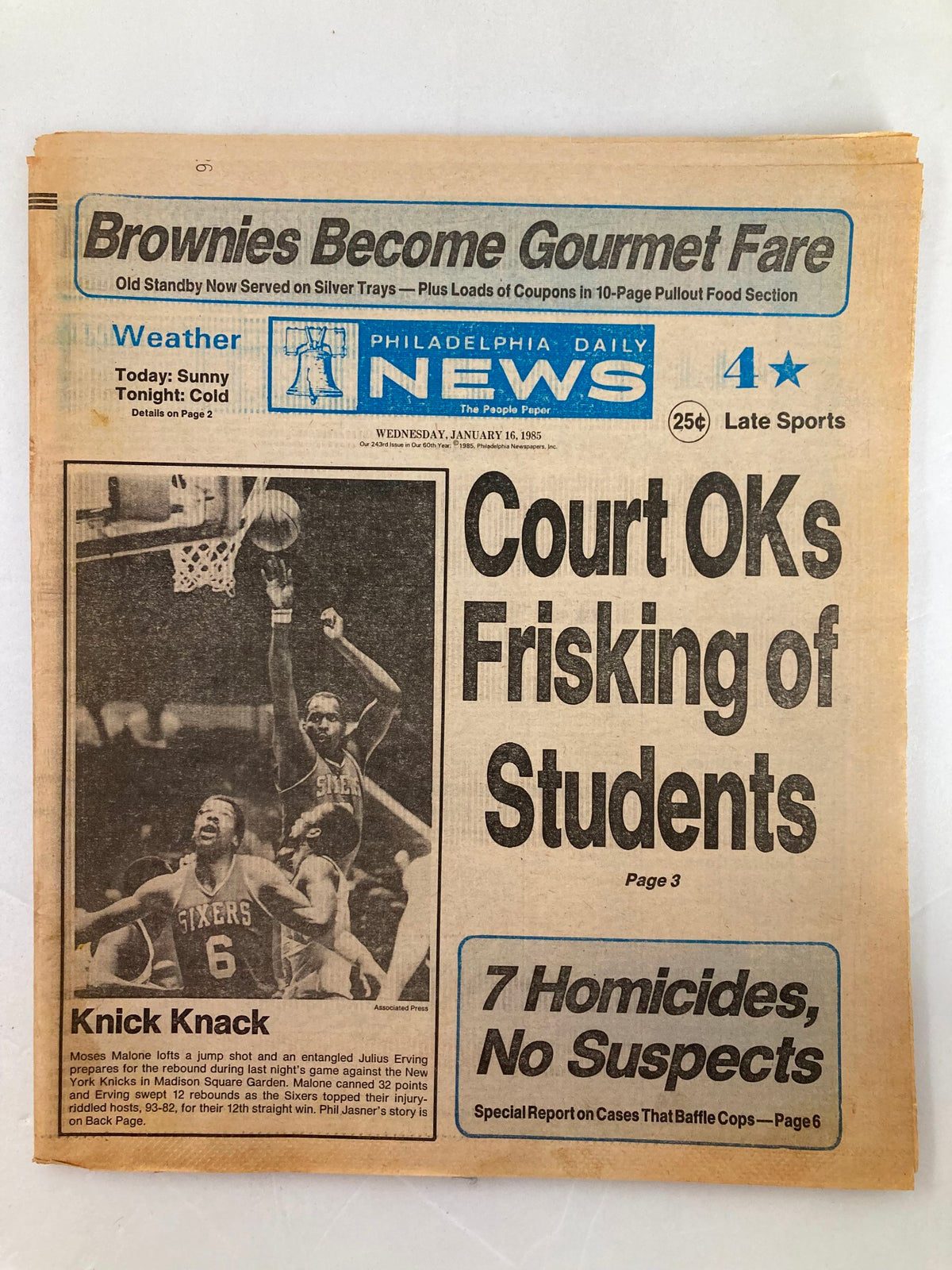
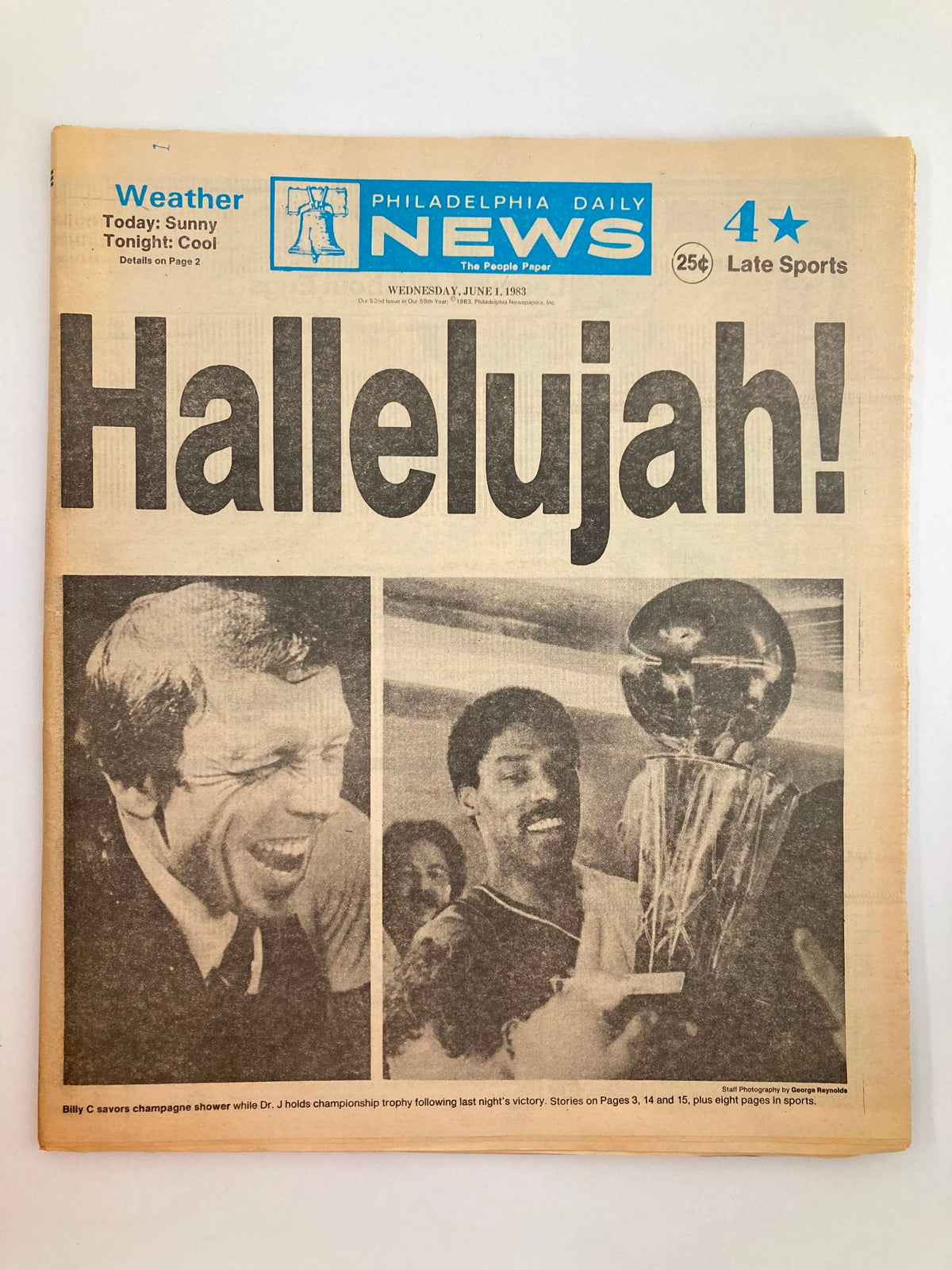
- Philadelphia 76ers championship run and the 1983 NBA title — editorial and photographic coverage of the culminating chapter of his career, when he finally captured the championship that cemented his legacy alongside Moses Malone
- Cultural and crossover profile features — longer-form pieces in magazines such as Ebony, People, and Black Enterprise exploring his identity as a businessman, a spokesperson, and a symbol of dignified Black achievement in mainstream American culture
- Retirement tributes and legacy retrospectives (1987) — a final wave of print tributes marking the close of his playing career, rich with retrospective photography and commentary from peers, coaches, and cultural critics reflecting on what his era had meant
The Collector's Value
To hold an original vintage magazine featuring Julius Erving is to hold something that no digital archive can replicate — the substantial weight of the paper stock between your fingers, the faint ghost of decades-old ink that rises from the page when you open it for the first time in years, the surrounding advertisements for cars and cologne and television sets that frame the Doctor in his precise cultural moment, reminding you that this was not history when it was printed, but simply Tuesday. These are primary sources in the truest sense: unmediated documents of how a civilization chose to celebrate one of its most extraordinary figures in real time, before nostalgia had settled over them. The pages may have softened with age, but the images inside remain electric — a testament to the photographers, editors, and designers who understood they were working with something worth the effort of permanence. For collectors of vintage basketball and ABA/NBA memorabilia, African American cultural history and print media, or 1970s and 1980s sports and pop-culture ephemera, these publications offer an irreplaceable window into an era of profound athletic and social transformation, rendered in the tactile, unhurried beauty of physical print. Explore our current available inventory below and discover which pieces of that story are waiting to find their next curator.