📖 About this Collection
July 2003: The Summer of Headlines
The Historical Context
July 2003 arrived with the world exhaling. Just weeks earlier, the WHO had declared SARS "contained" after the mysterious respiratory illness swept through 26 countries and claimed 774 lives—a global health scare that had dominated front pages and rattled international confidence for months. The sense of relief was palpable, but hardly uncomplicated. In Mosul, Iraq, U.S. forces from the 101st Airborne killed Uday and Qusay Hussein, sons of the still-fugitive Saddam, in a firefight that sent shockwaves through a nation still raw from invasion. Closer to home, the arrest of NBA star Kobe Bryant in Eagle, Colorado on sexual assault charges—charges that would eventually be dismissed—transfixed America in ways that cut across sports, celebrity, and justice. Meanwhile, in the Philippines, 321 armed soldiers seized the Oakwood Premier Ayala Center in Makati City, broadcasting their grievances against President Gloria Macapagal-Arroyo to a stunned nation. This was the world as it turned in July 2003—urgent, unsettled, and impossible to look away from.
Courts, Courses, and Cultural Moments
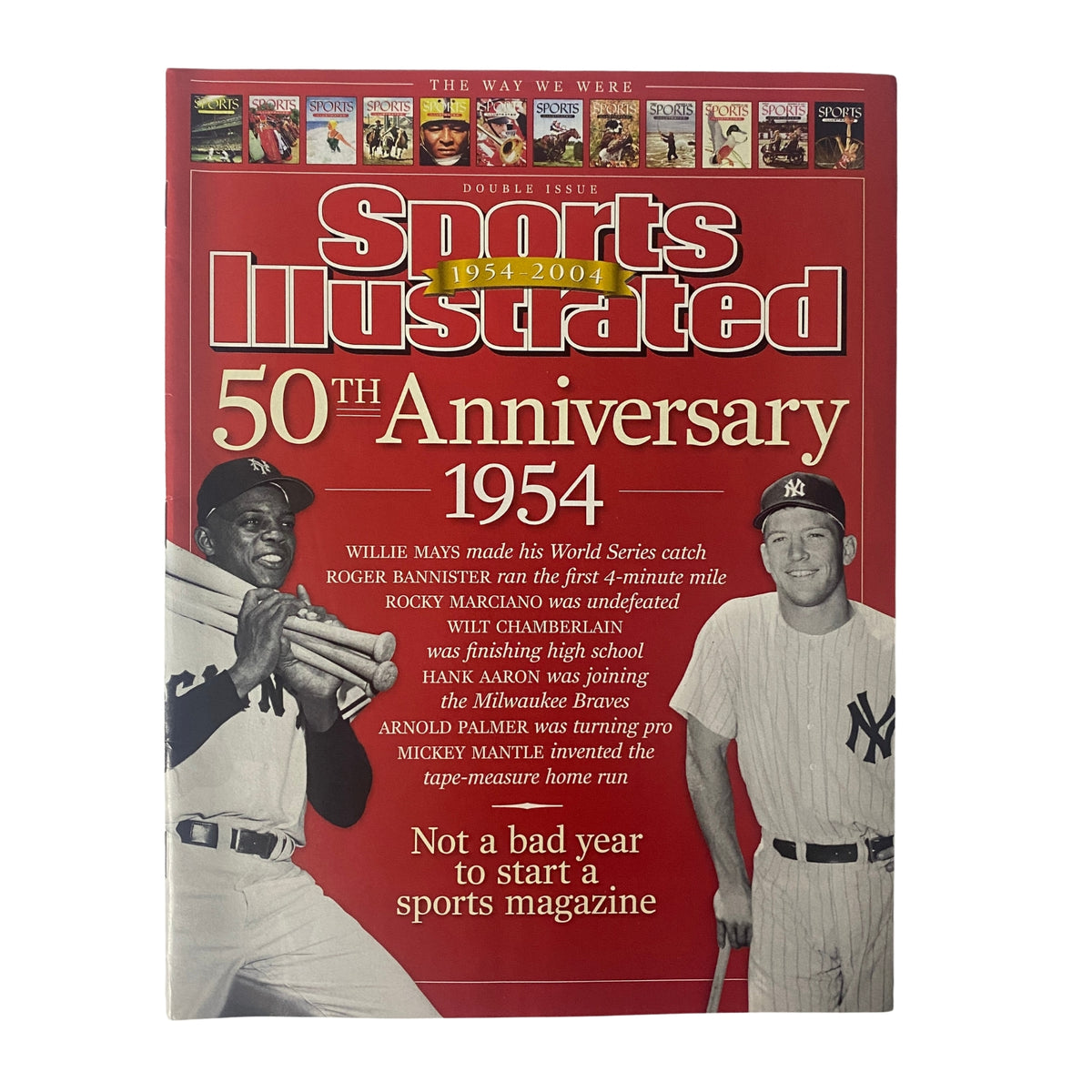
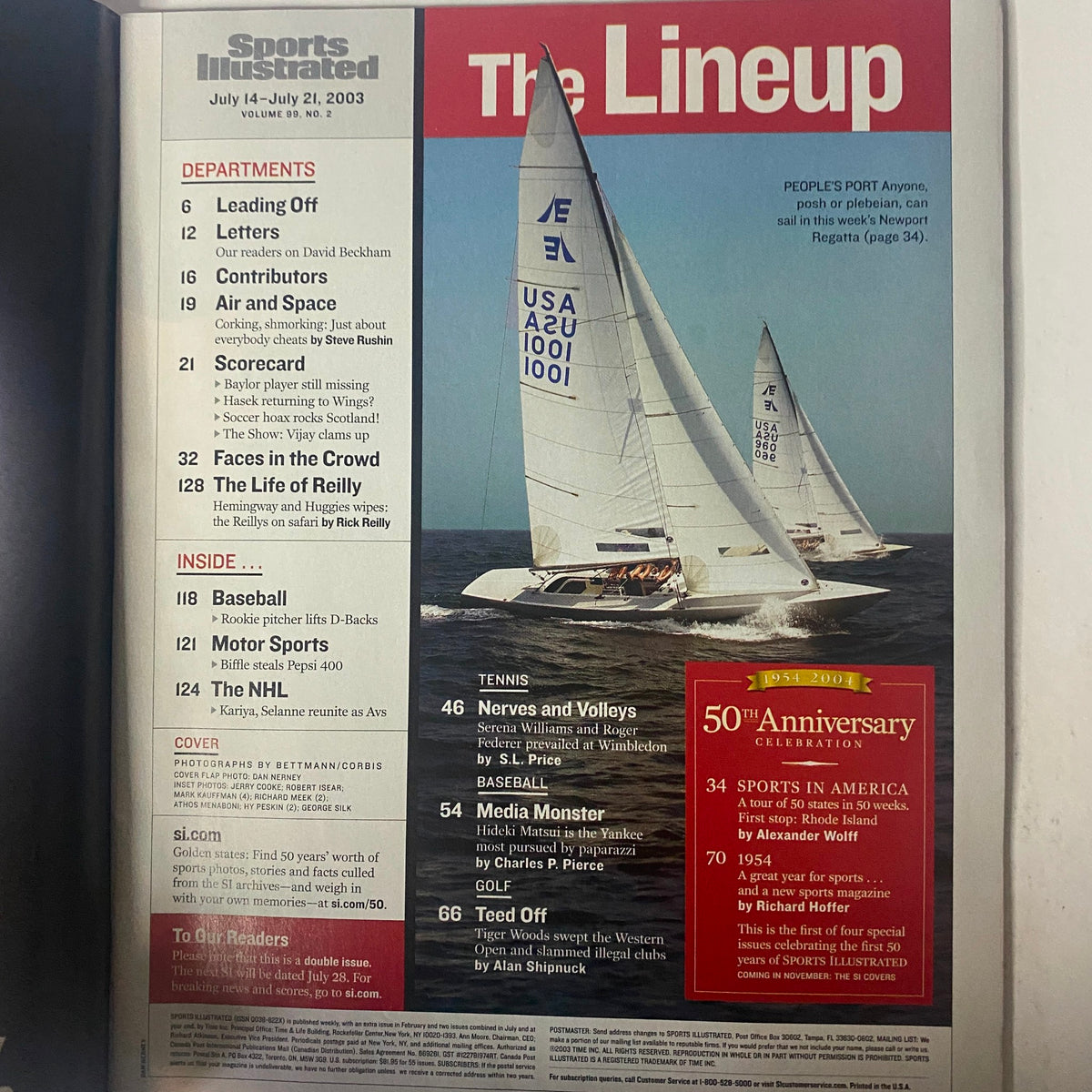
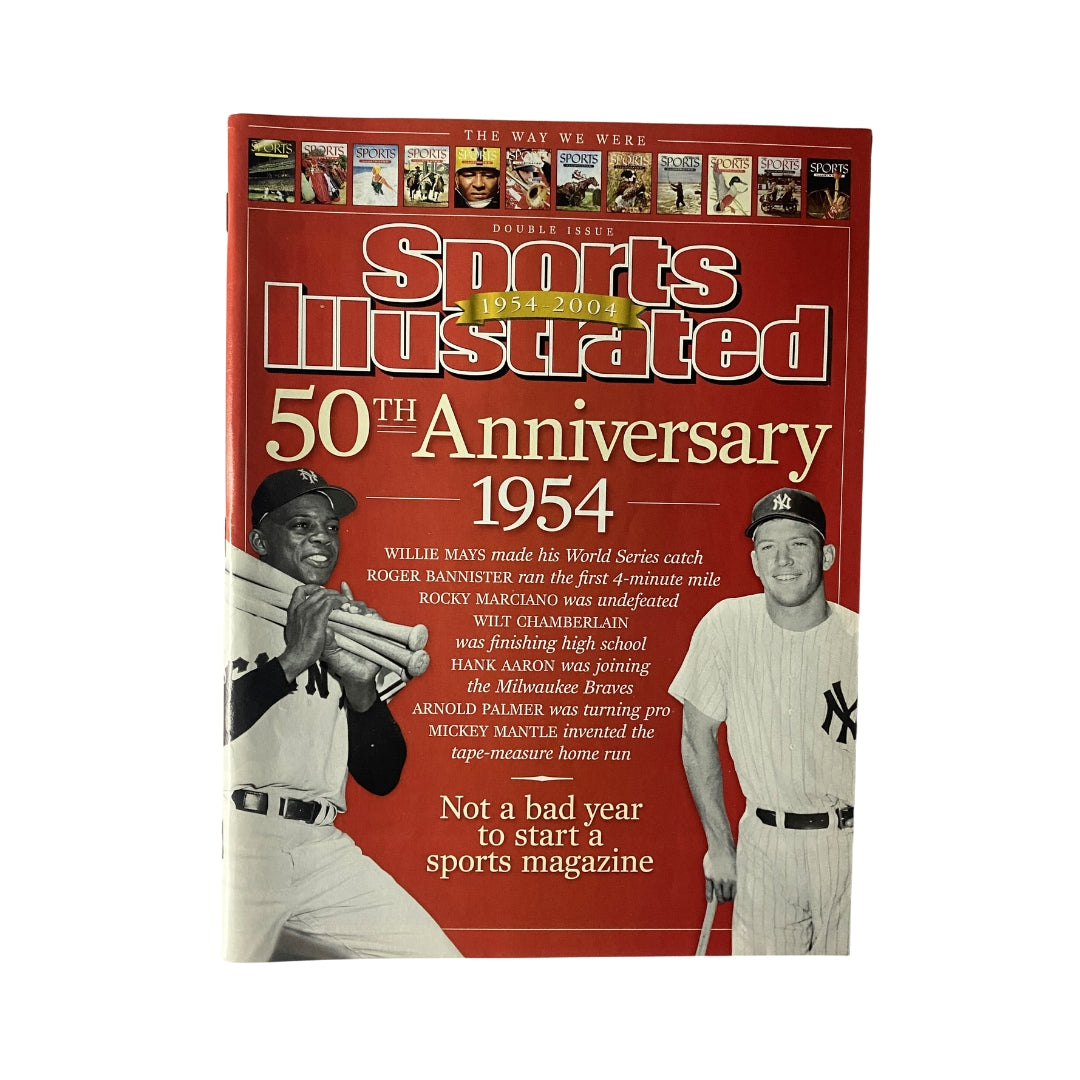
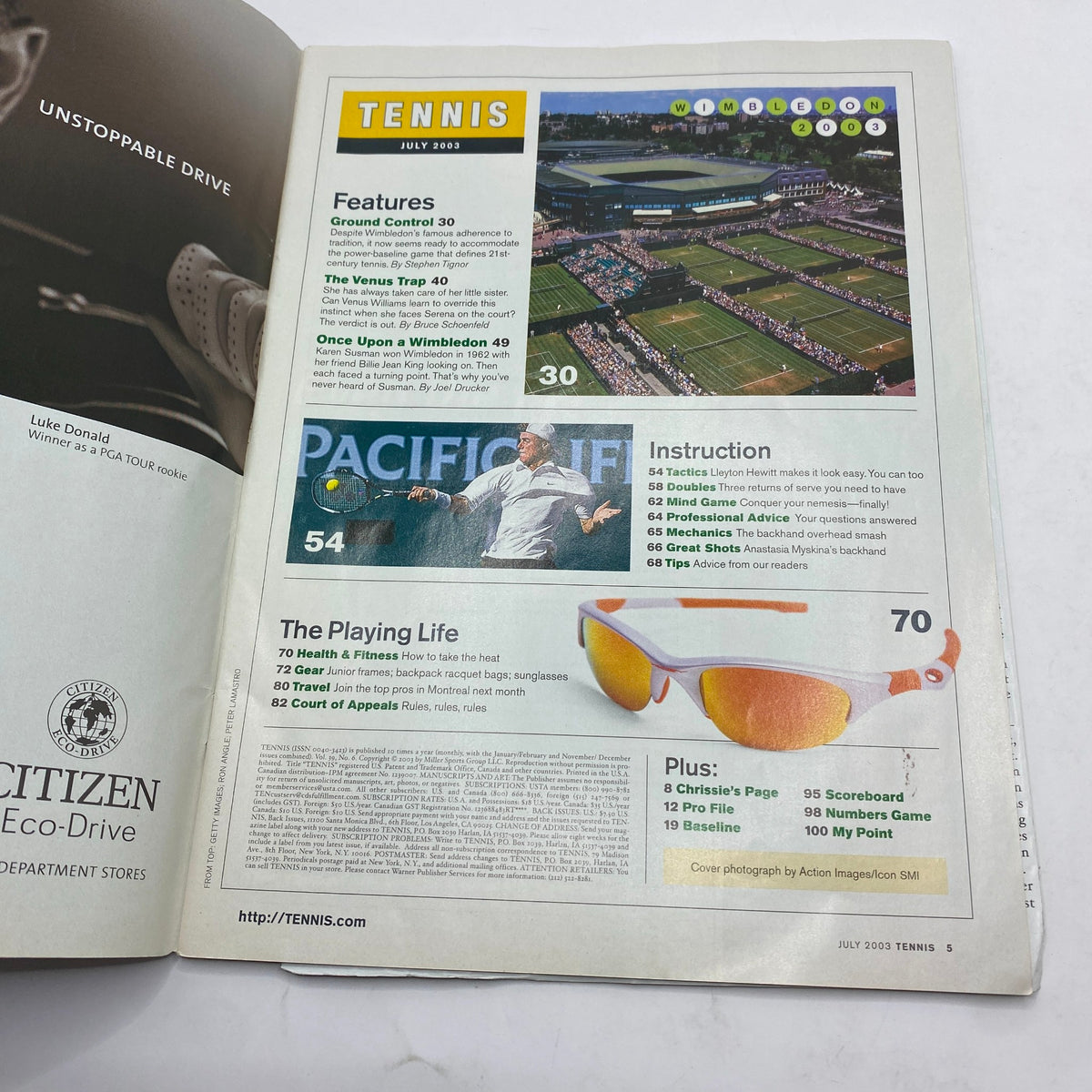
On the grass courts of Wimbledon, a 21-year-old Swiss player named Roger Federer defeated Mark Philippoussis in straight sets to claim his first Grand Slam title—a moment that, in retrospect, announced the arrival of a generational champion. Serena Williams defended her women's title by defeating sister Venus in three sets, while the ageless Martina Navratilova claimed her 20th Wimbledon title in the mixed doubles. At Royal St. George's, rank outsider Ben Curtis—making his major debut at #396 in the world—stunned the golf world by winning The Open Championship. Original magazines from July 2003 captured all of it: Sports Illustrated devoted pages to Federer's breakthrough and Curtis's improbable triumph, while Time and Newsweek wrestled with Iraq and SARS in back-to-back cover stories. On July 30, Toronto hosted what became the largest concert in Canadian history—450,000 gathered at Downsview Park for SARSStock, with The Rolling Stones, AC/DC, and Rush headlining a benefit that doubled as a city's defiant exhale. And quietly, in a Mexican factory, the very last old-style Volkswagen Beetle rolled off the assembly line—the end of an automotive era.
Curator's Checklist: What to Look for in July 2003 Magazines
-
Roger Federer's First Wimbledon: Sports publications and general news weeklies featuring early profiles of the 21-year-old Swiss champion, illustrated with action photography from the All England Club courts, often appearing alongside coverage of Serena Williams' simultaneous title defense—a remarkable double story.
-
The SARS Containment: Rare magazines from this precise month capture the WHO's official "all clear," with Time, Newsweek, and Life running retrospective features on the outbreak's global arc, complete with maps of affected countries and public health photography that now reads as eerily prescient.
-
Kobe Bryant Arrest Coverage: News weeklies and entertainment publications from July 2003 carry early reporting on the Bryant case, showcasing how the story was framed before its full legal evolution—an authentic snapshot of celebrity culture and media at a pivotal moment.
-
The Last Volkswagen Beetle: Lifestyle and automotive sections of general interest vintage magazines from this month chronicle the end of the original Beetle's production run, often with nostalgic photography that makes these issues a genuine time capsule for design and automotive history enthusiasts.
-
SARSStock and the Toronto Concert: Entertainment and music publications featuring the massive Downsview Park benefit concert, with coverage of The Rolling Stones, AC/DC, and the extraordinary 450,000-person crowd—authentic documentation of a historic cultural event largely forgotten outside Canada.
The Perfect Gift
For someone born in July 2003, an original magazine from this pivotal summer month isn't just a piece of old paper—it's genuine, preserved history: Federer's first Grand Slam, the end of SARS, and a world in mid-turn, captured in authentic ink, photography, and advertising that no reproduction can replicate.