📖 About this Collection
King Hussein: Sovereign of the Desert, Keeper of a Kingdom's Soul
The Legend & The Legacy
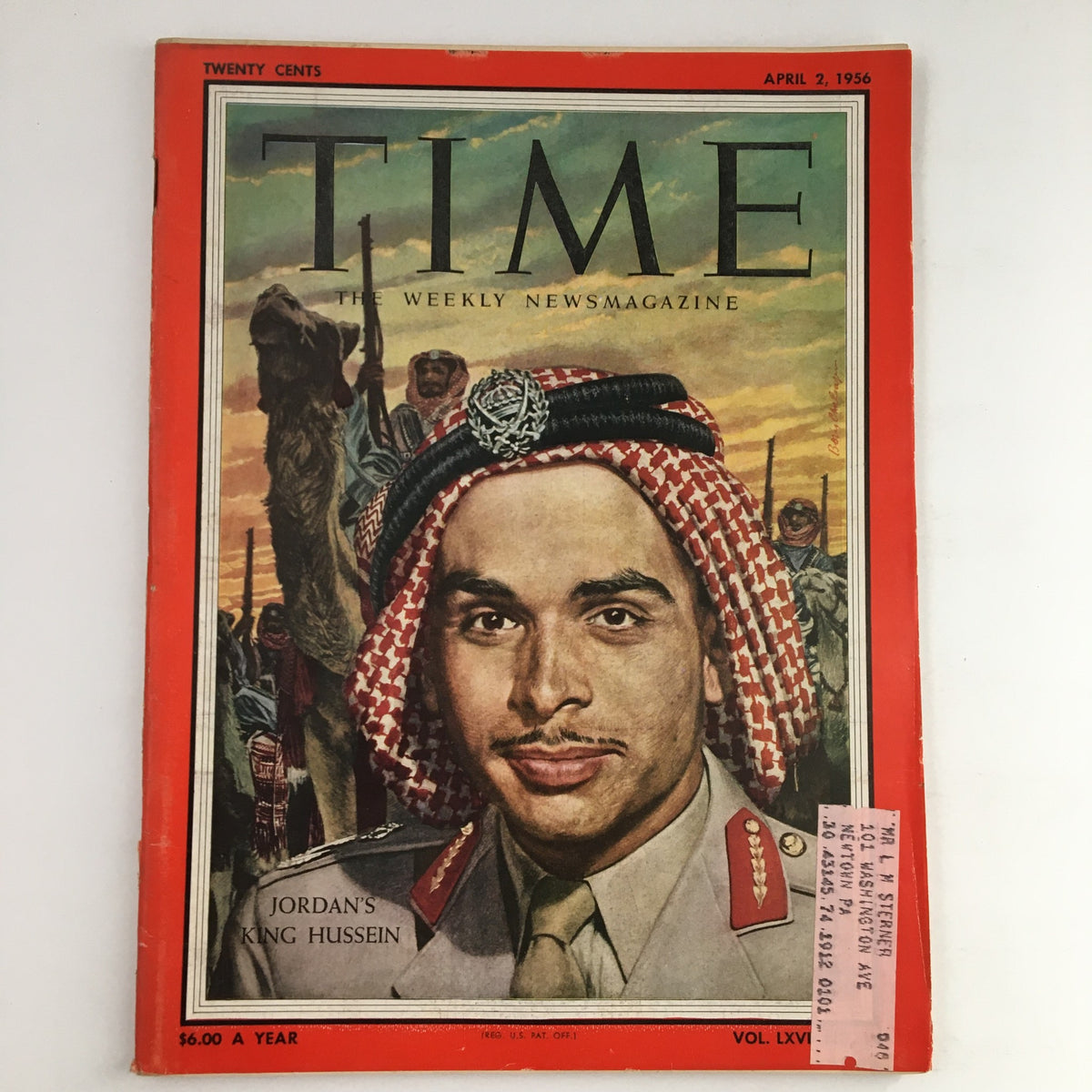
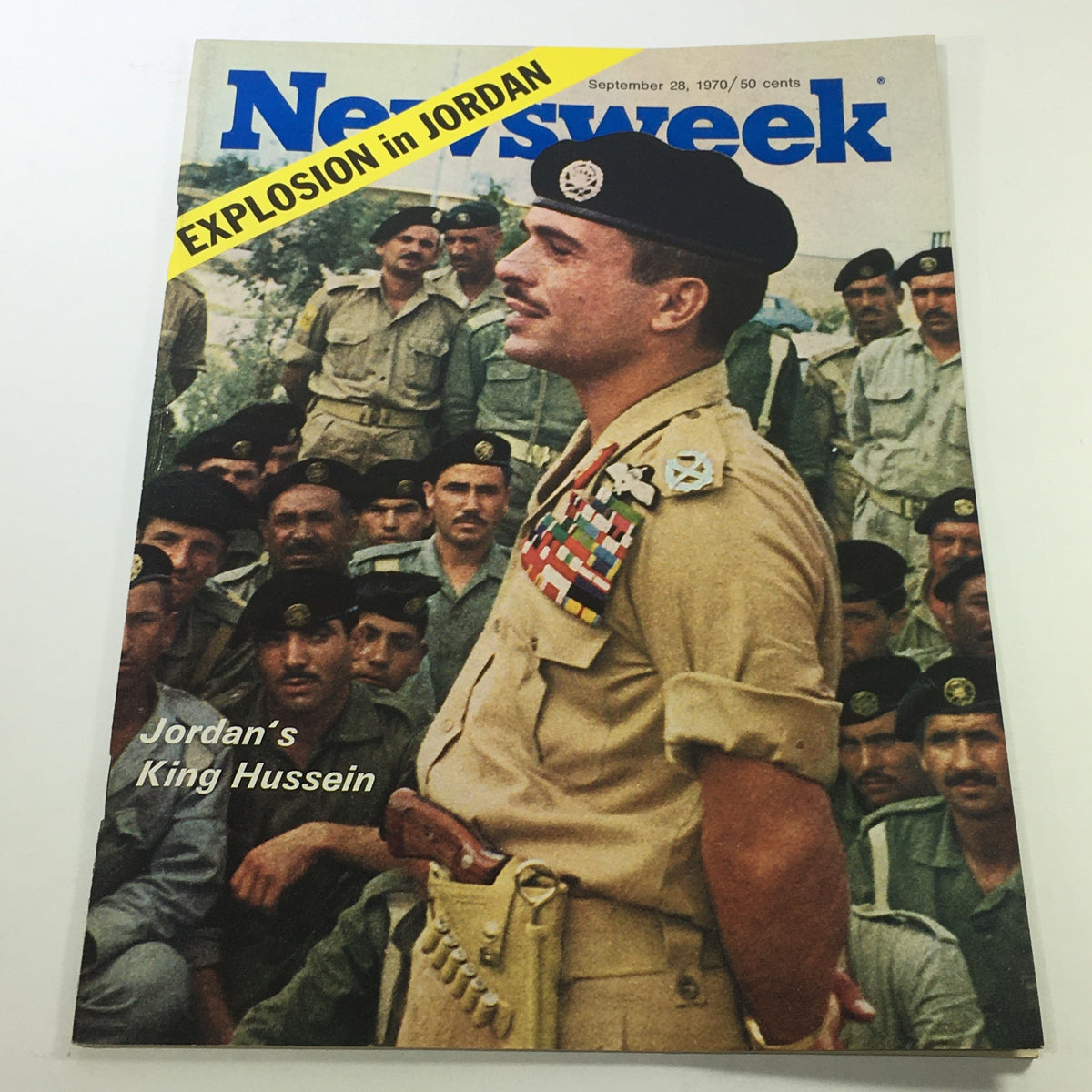
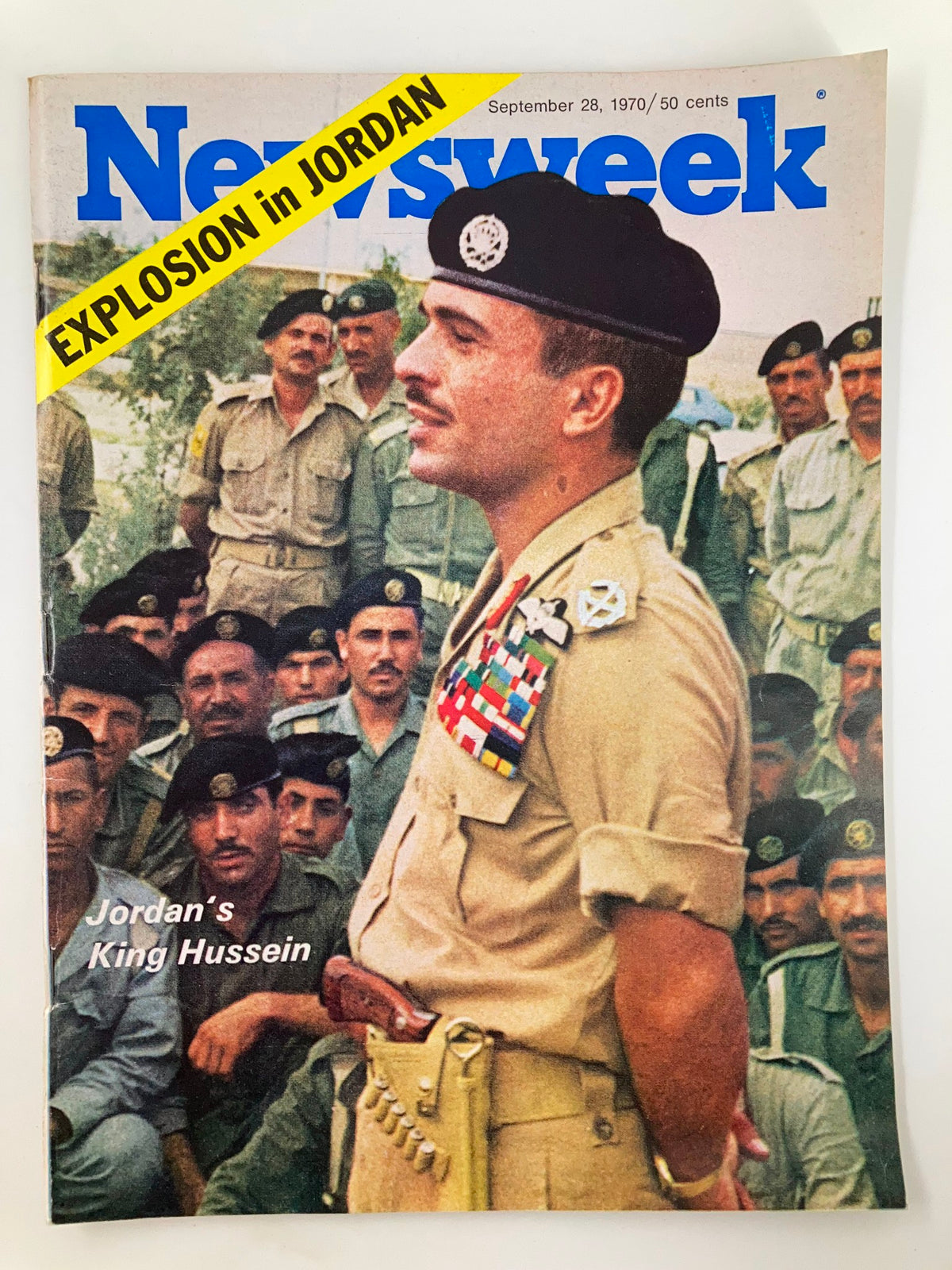
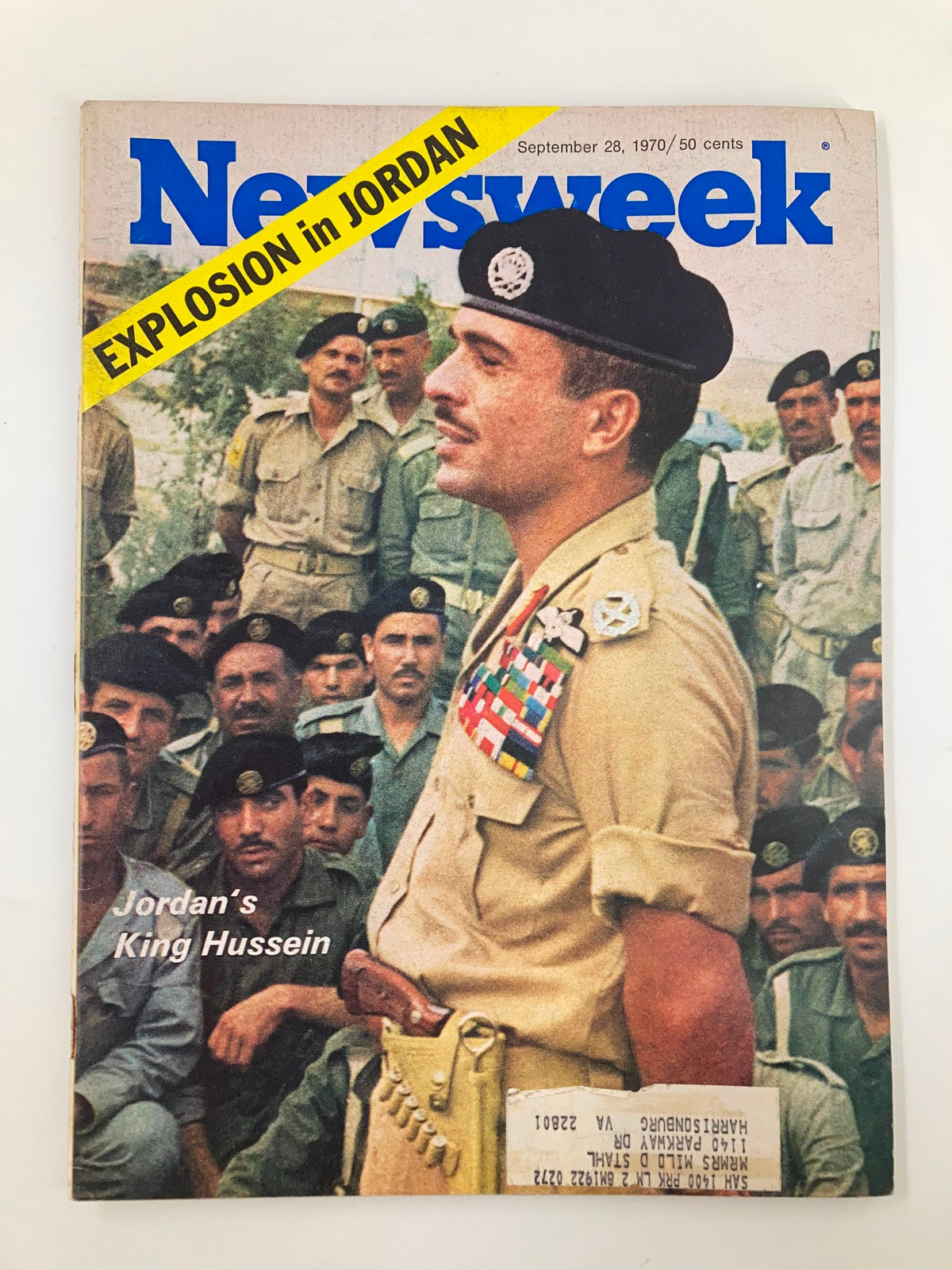
For nearly half a century, King Hussein bin Talal of Jordan occupied a singular position on the world stage — a monarch who governed a small, resource-scarce nation yet wielded an influence wholly disproportionate to its size. Crowned at just seventeen following his father's incapacitation, he became one of the most enduring and closely watched rulers of the twentieth century, navigating the treacherous crosscurrents of Cold War geopolitics, Arab nationalism, and the perennial crisis of the Middle East with a statesman's instinct and a pilot's nerve. He survived assassination attempts, coups, and wars that consumed neighboring regimes, yet somehow remained standing — a constant in a region defined by its volatility. In an era before satellite news or digital dispatches, the reading public followed his story through glossy pages and ink-heavy spreads — through cover photographs that conveyed both the weight of his crown and the warmth of his personal charisma. Every summit, every war, every precarious peace negotiation filtered into the public consciousness through the considered editorial eye of print journalists who understood that this man, small in stature and immense in consequence, was one of history's great survivors. He was, in the truest sense, a figure made legendary not only by his deeds but by the press that bore witness to them — issue after issue, decade after decade.
Inside the Archive
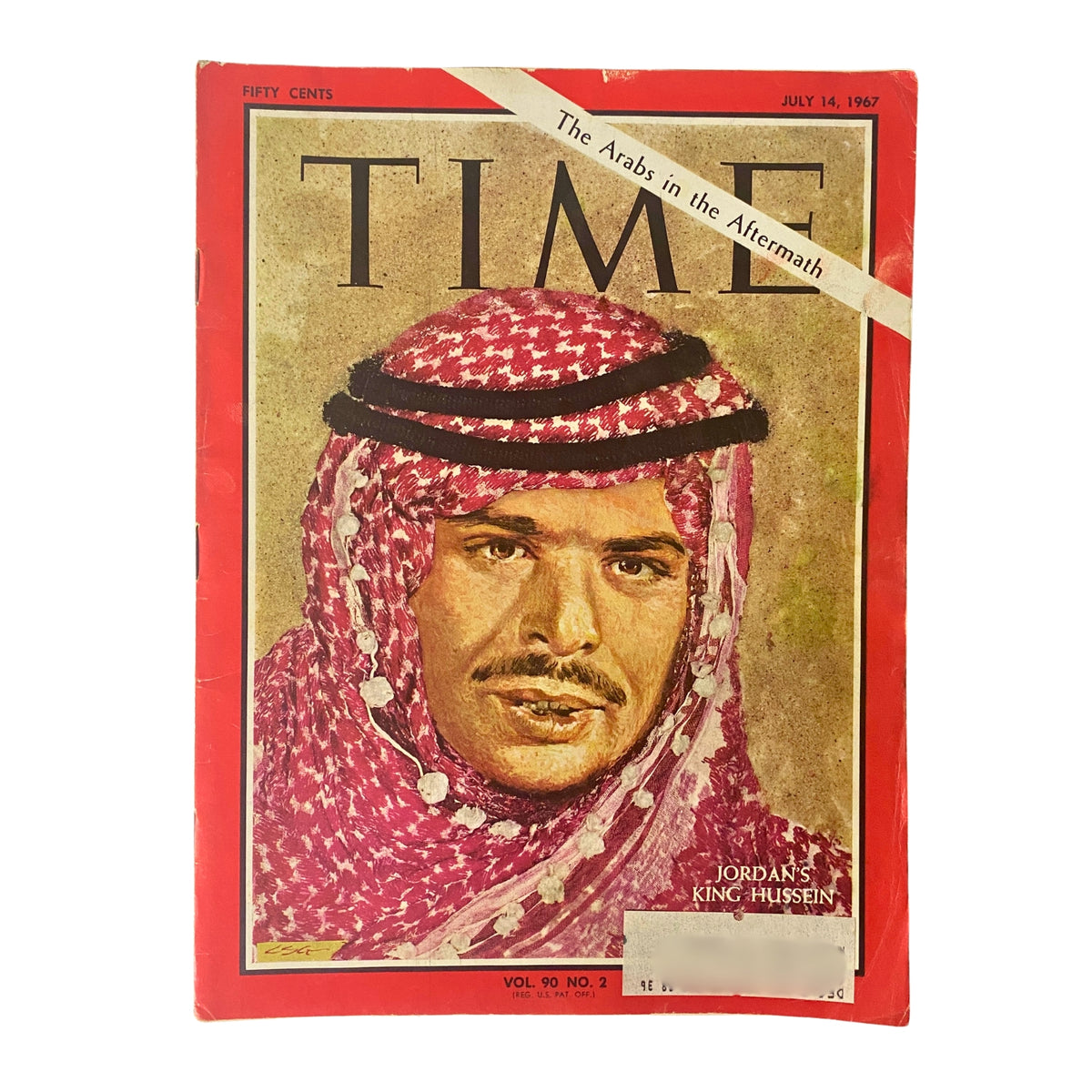
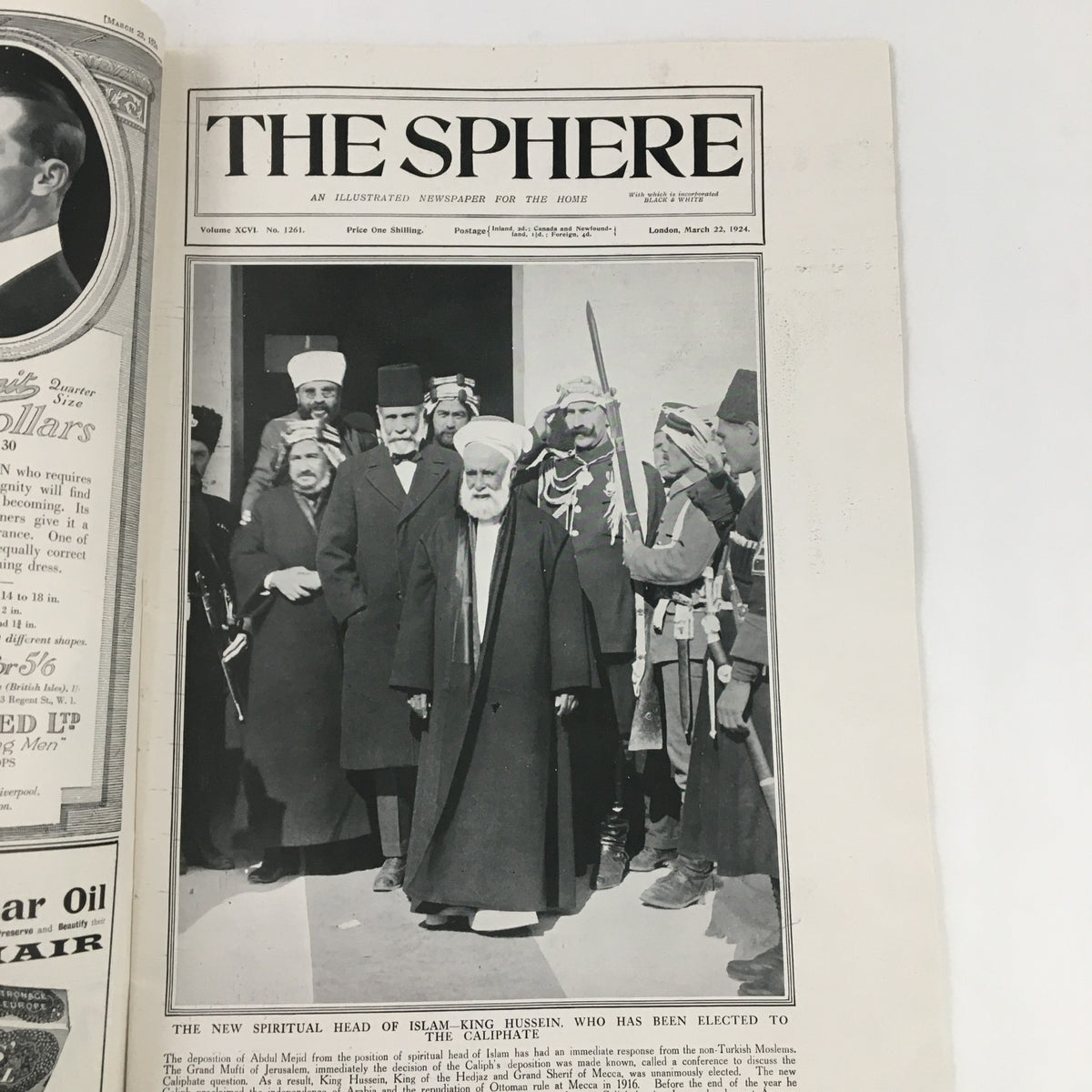
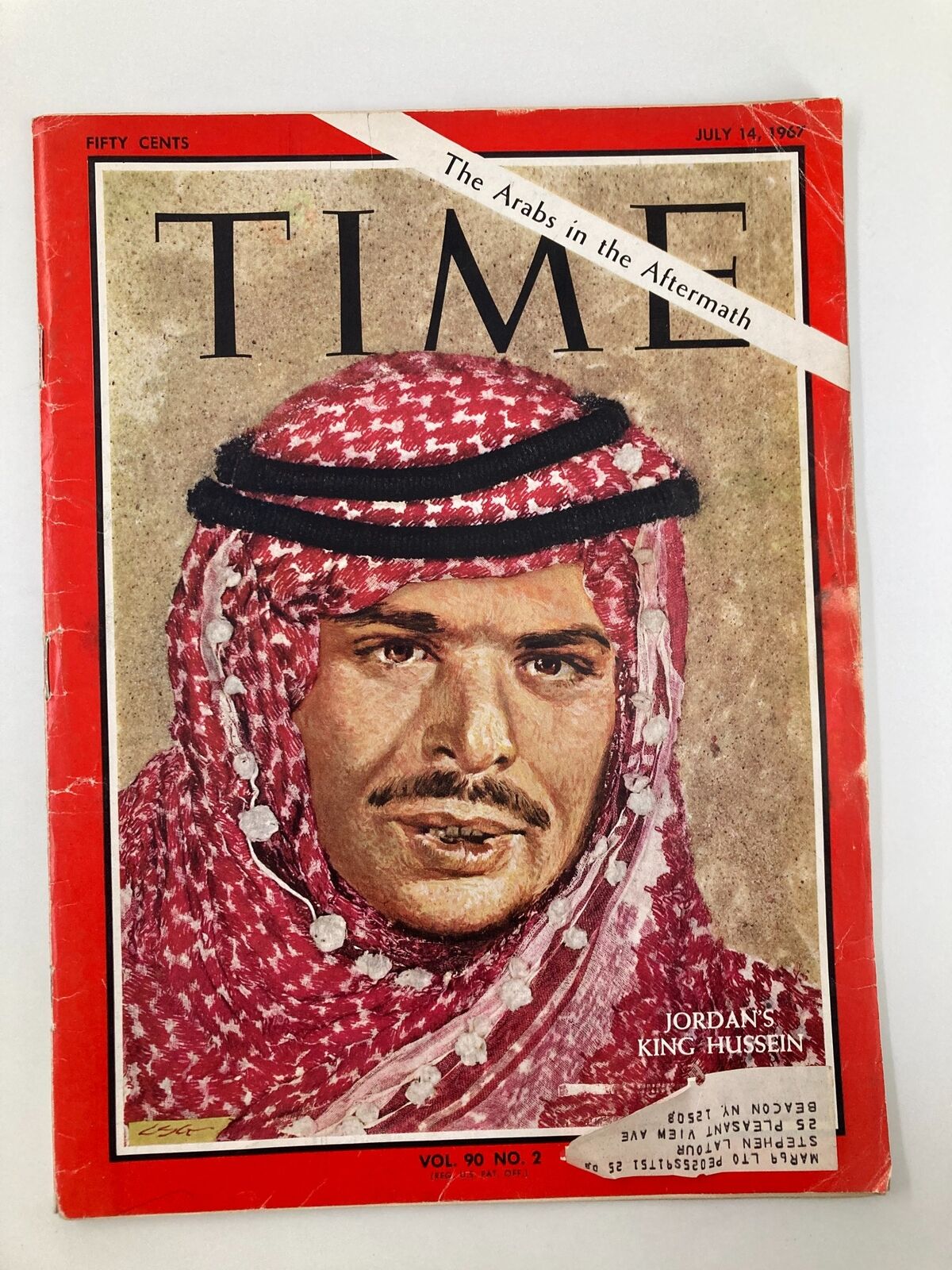
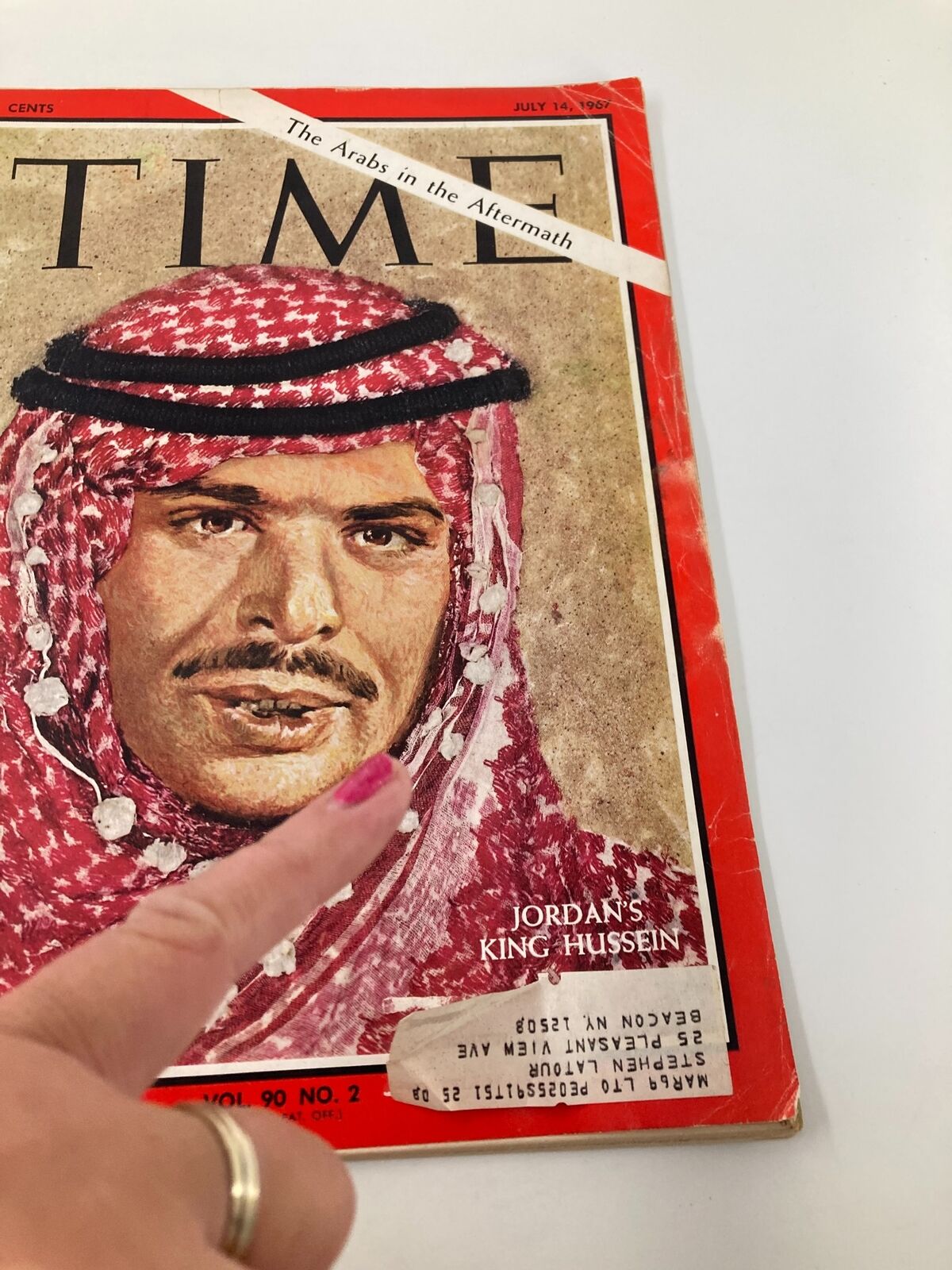
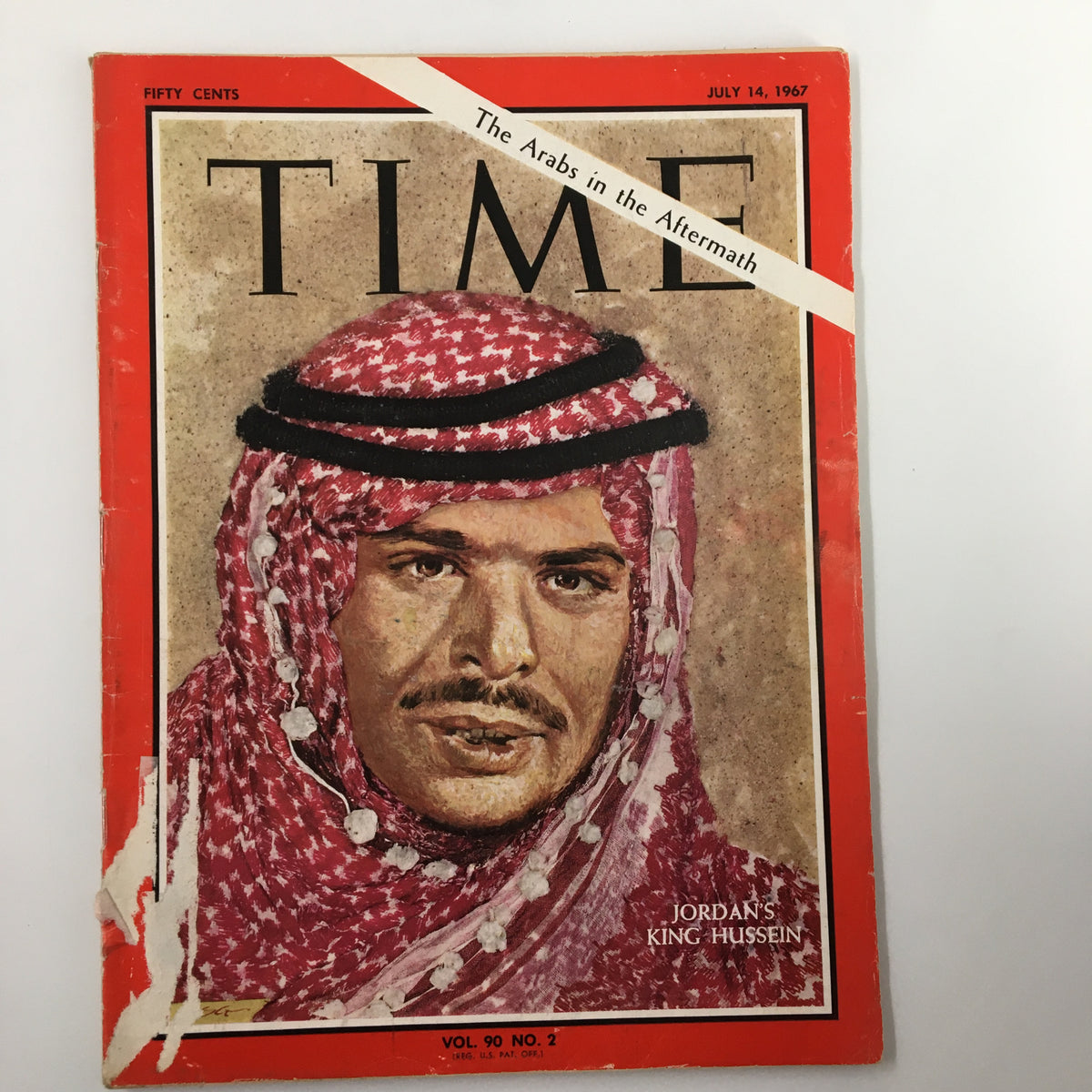
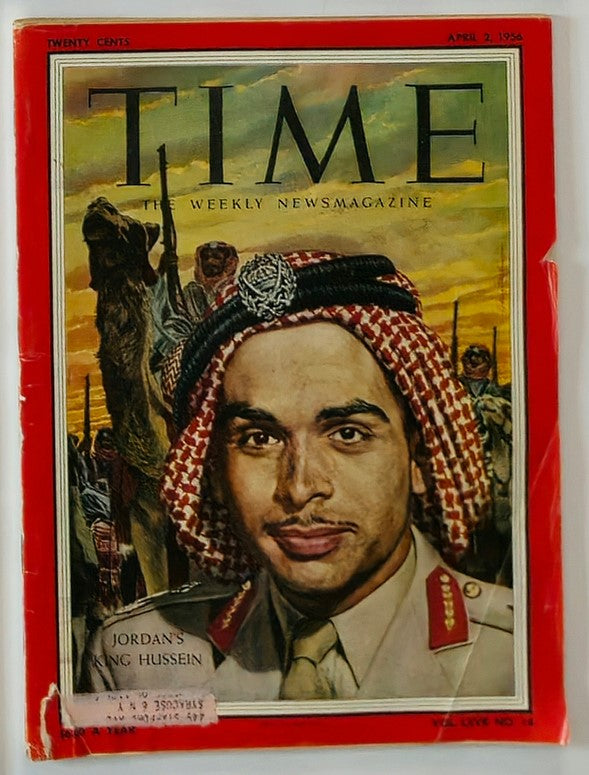
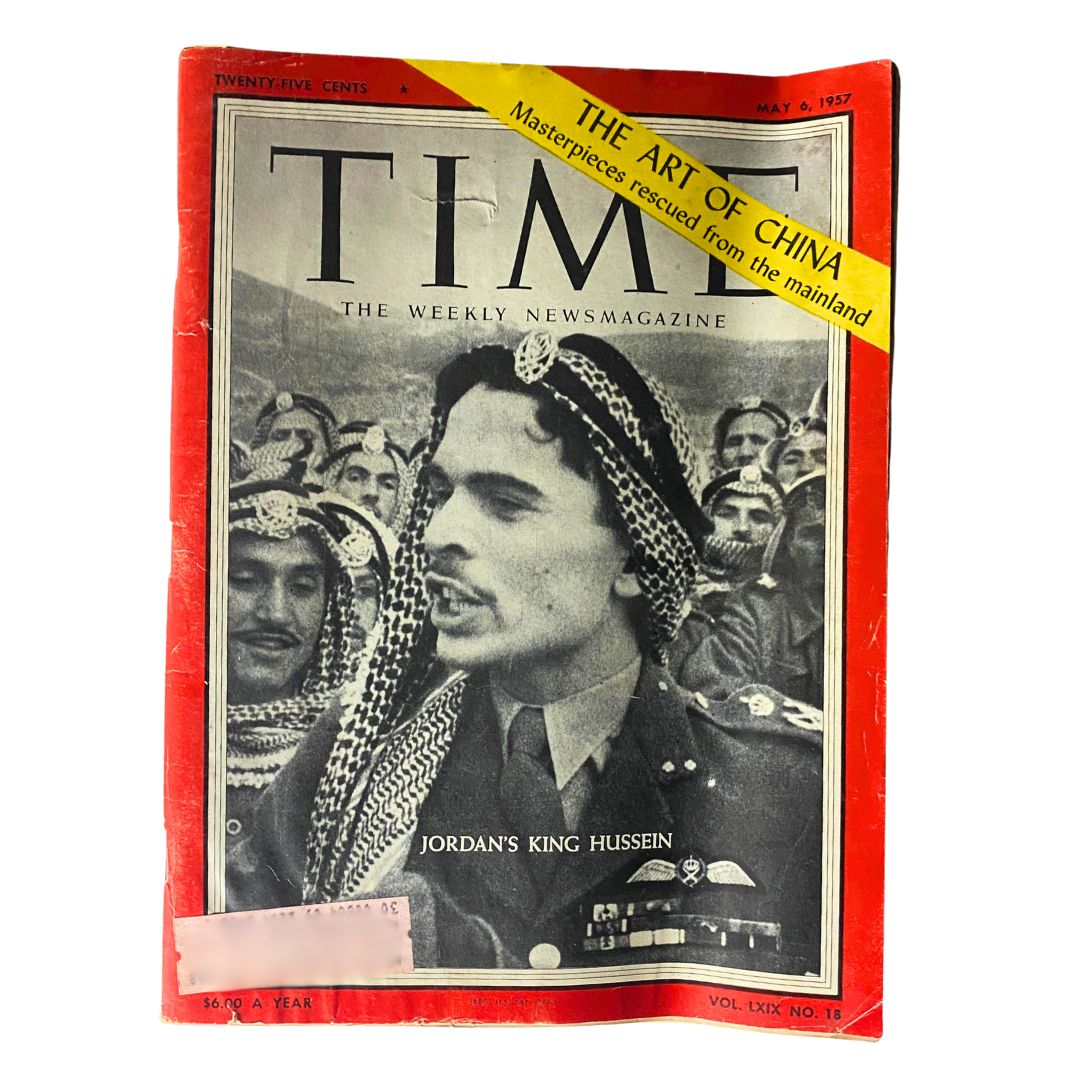
Vintage magazines covered the Jordanian king with a reverence reserved for those rare figures who exist simultaneously as head of state, romantic symbol, and geopolitical pivot. Life magazine, in its imperial midcentury form, gave him the full visual treatment — black-and-white portraiture that rendered his youthful face with a gravity that belied his age, set against the stark drama of the Jordanian landscape and the ornate interiors of royal Amman. Paris Match, with its distinctly European fascination with monarchy and Mediterranean affairs, returned to him repeatedly across the decades, chronicling his marriages — particularly his beloved union with the American-born Queen Noor — with the lush romanticism the French weekly brought to all matters of royal love. Time magazine, perhaps more than any other publication, constructed the public intellectual portrait of the monarch, placing him on its cover during moments of acute regional crisis and profiling him as both a willing partner to Western interests and a leader fiercely protective of his people's dignity. Beyond these pillars of the Western press, Arab-world and British publications added crucial additional dimensions — outlets such as The Illustrated London News and regional periodicals offered perspectives shaped by closer geographic and political proximity, lending the archive a truly international depth. The photography across these publications evolved from formal, almost imperial compositions in the 1950s and 60s to more candid, emotionally accessible imagery by the 1980s and 90s — a visual biography of a man who aged, grieved, and grew in public. Taken together, these magazines form a mosaic portrait of a ruler who was never far from the world's attention, and whose every public appearance was an occasion for the press to reassess what he meant to the age.
Curator's Checklist: Highlights Often Include
-
Coverage of the 1967 Six-Day War and its aftermath, in which Jordan lost the West Bank — issues from this period often carry the urgency of breaking history, with editorial analysis grappling with the seismic reshaping of the Middle East and the profound personal toll the defeat visibly left on the young king
-
Royal family and royal romance features, particularly surrounding his marriage to Queen Noor in 1978, a union that captivated Western and Arab press alike and generated extensive lifestyle and portrait coverage, with many publications framing the romance as a bridge between two worlds
-
Diplomatic milestone issues tied to the 1994 Wadi Araba Treaty with Israel — the peace agreement that broke decades of formal hostility and generated a significant wave of international magazine coverage, with many editors devoting extended analytical features to what the accord meant for the broader Middle East
-
Profile pieces from the Cold War era depicting his careful balancing act between Western alliances and pan-Arab solidarity, often framed through the lens of regional stability and American foreign policy, and frequently accompanied by rare behind-the-scenes photography from Amman and foreign capitals
-
Obituary and tribute editions from early 1999, following his death from lymphoma, in which publications across the globe produced commemorative issues assessing a fifty-year reign — elegiac in tone, rich in retrospective photography, and remarkable as a collective record of the global mourning that his passing inspired
The Collector's Value
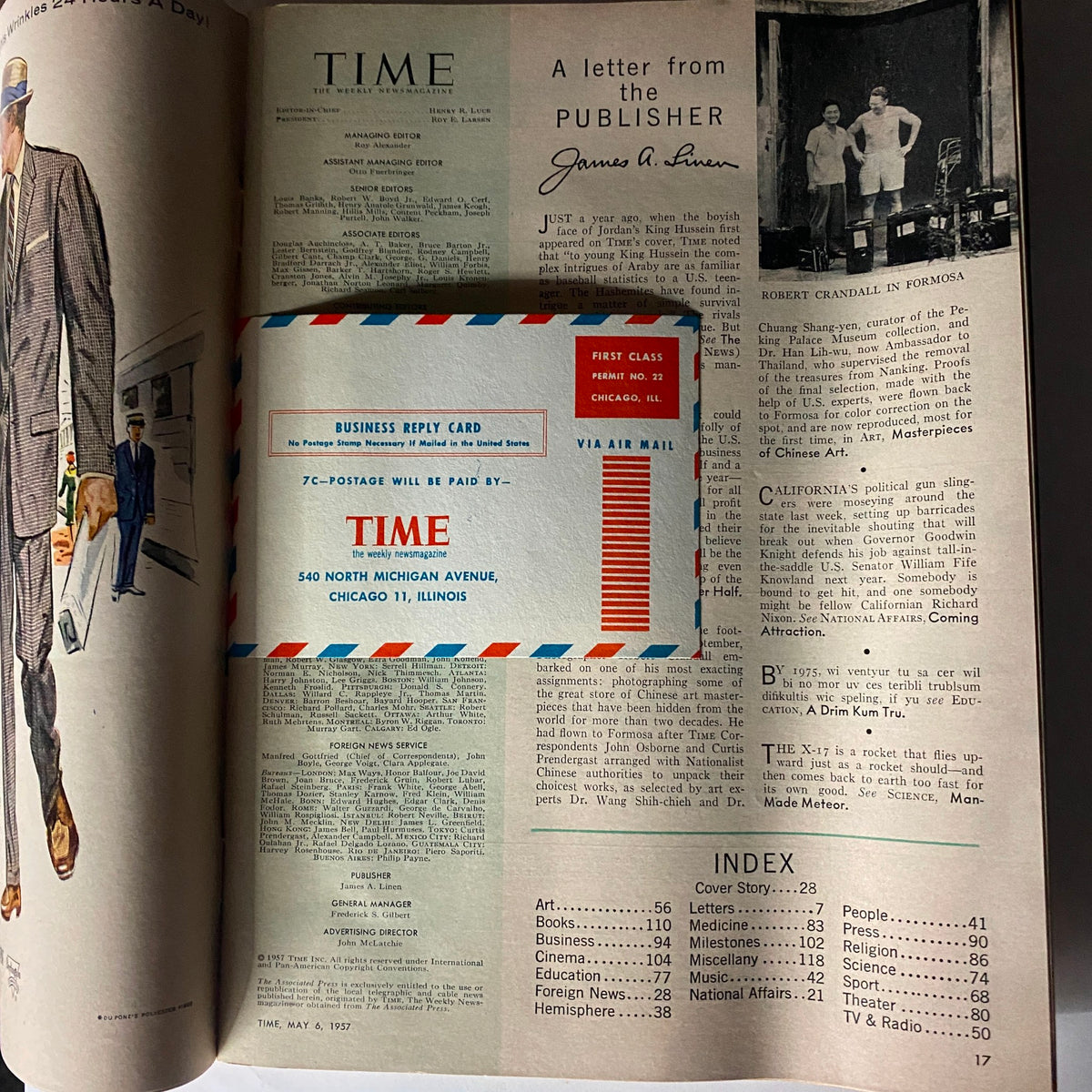
To hold one of these original issues is to reconnect with history through the most intimate medium the twentieth century produced. The slightly yellowed pages carry a warmth and texture that no digital archive can replicate — the soft give of midcentury coated stock, the faint mineral trace of decades-old ink, the unexpected pleasure of a TWA advertisement or a French cologne spread tucked between dispatches from the Middle East, reminding you precisely when this world existed. These are not reprints or facsimiles; they are primary sources, the actual objects through which physicians in Beirut, diplomats in London, and families in New York first encountered the story of a king who refused, again and again, to be swept from the stage of history. Each issue is also a time capsule of its surrounding culture — the graphic design sensibilities, the advertising aesthetics, and the editorial voice of a given decade are all preserved in amber alongside the historical reporting, making every page a layered artifact of its moment. The rarity of these originals only deepens with time; print runs were finite, preservation was never guaranteed, and each surviving copy represents a small miracle of continuity across the decades. For collectors of Middle Eastern and Arab world history, 20th-century royalty and monarchy, or Cold War geopolitical documentation, these publications offer an irreplaceable window into how the world understood — and sometimes misunderstood — one of its most consequential modern sovereigns. Explore the current available inventory below and discover which pieces of this remarkable story are waiting to find their next keeper.