📖 About this Collection
Kris Kristofferson: The Poet Who Wore Leather and Lived in Three-Quarter Time
The Legend & The Legacy
Before streaming playlists and algorithm-curated feeds flattened the texture of American music, there existed a brief, electric window in which a man could be simultaneously a Rhodes Scholar, a janitor at Columbia Recording Studios, a decorated Army Ranger, and the most important songwriter in Nashville — and the world would learn about it only through the slow, deliberate authority of print. Kris Kristofferson arrived at the cultural crossroads of the late 1960s and 1970s like a figure out of myth: too literate for country radio, too country for the literary establishment, and too beautiful for anyone to look away. When Janis Joplin bled herself into "Me and Bobby McGee," when Johnny Cash delivered "Sunday Mornin' Comin' Down" on national television, when Samantha Sang and Ray Price and a hundred others built careers on his words, it was the magazines — spread open on kitchen tables, tucked into back pockets, stacked in barbershop waiting rooms — that told America who this man was. In an era before the internet could compress a legend into a Wikipedia entry, readers encountered him in long-form, in ink, in full color, and they were not soon finished with what they found.
Inside the Archive
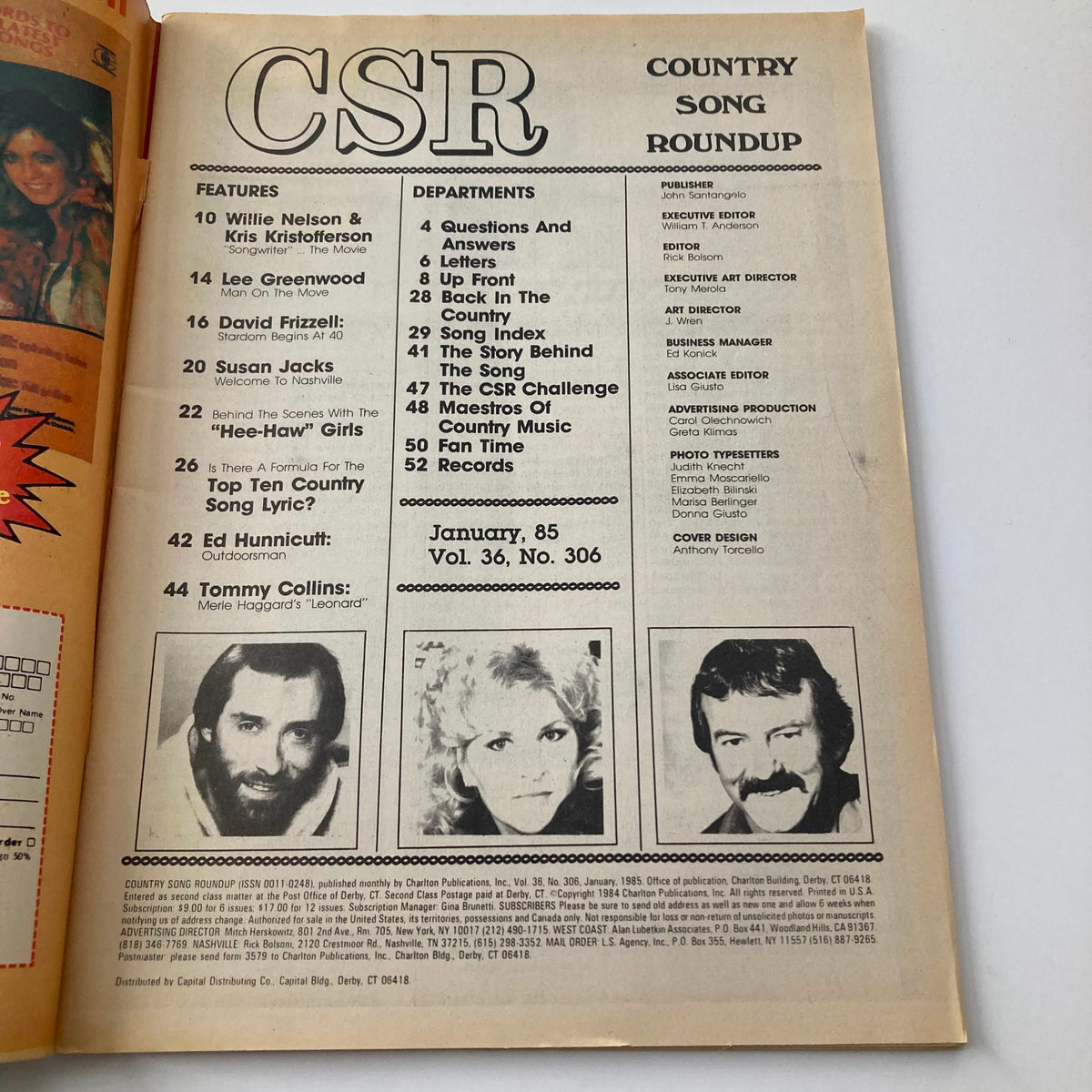
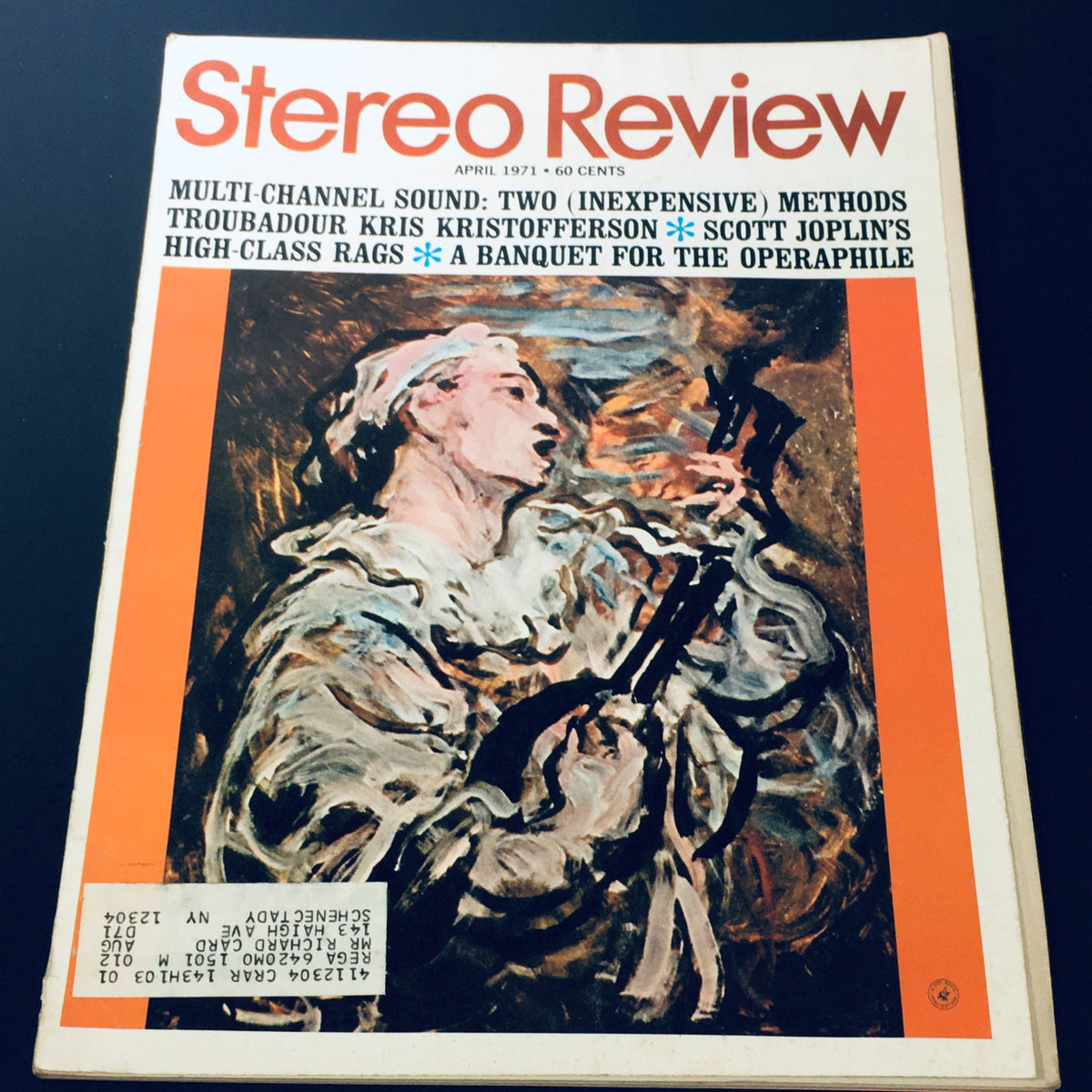
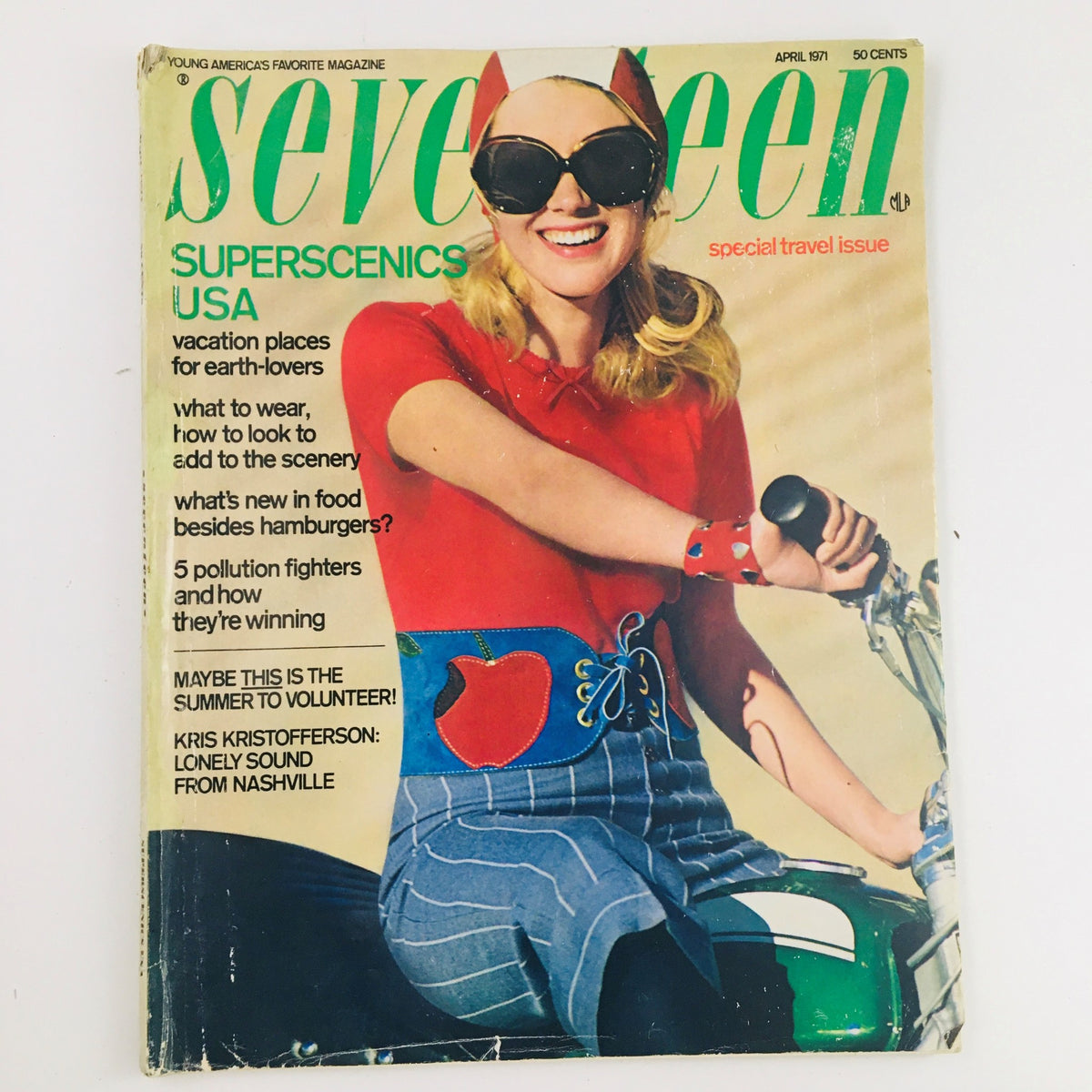
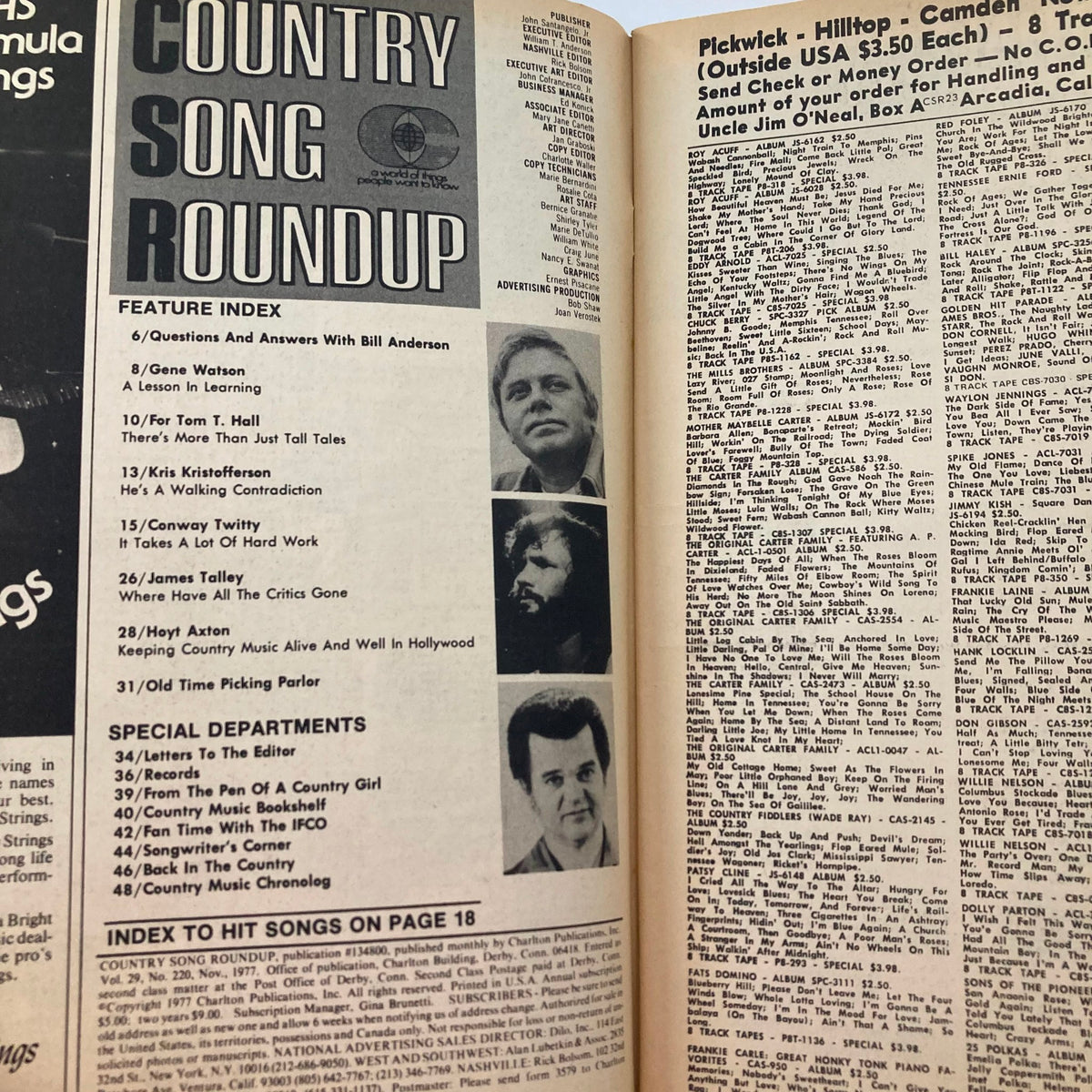
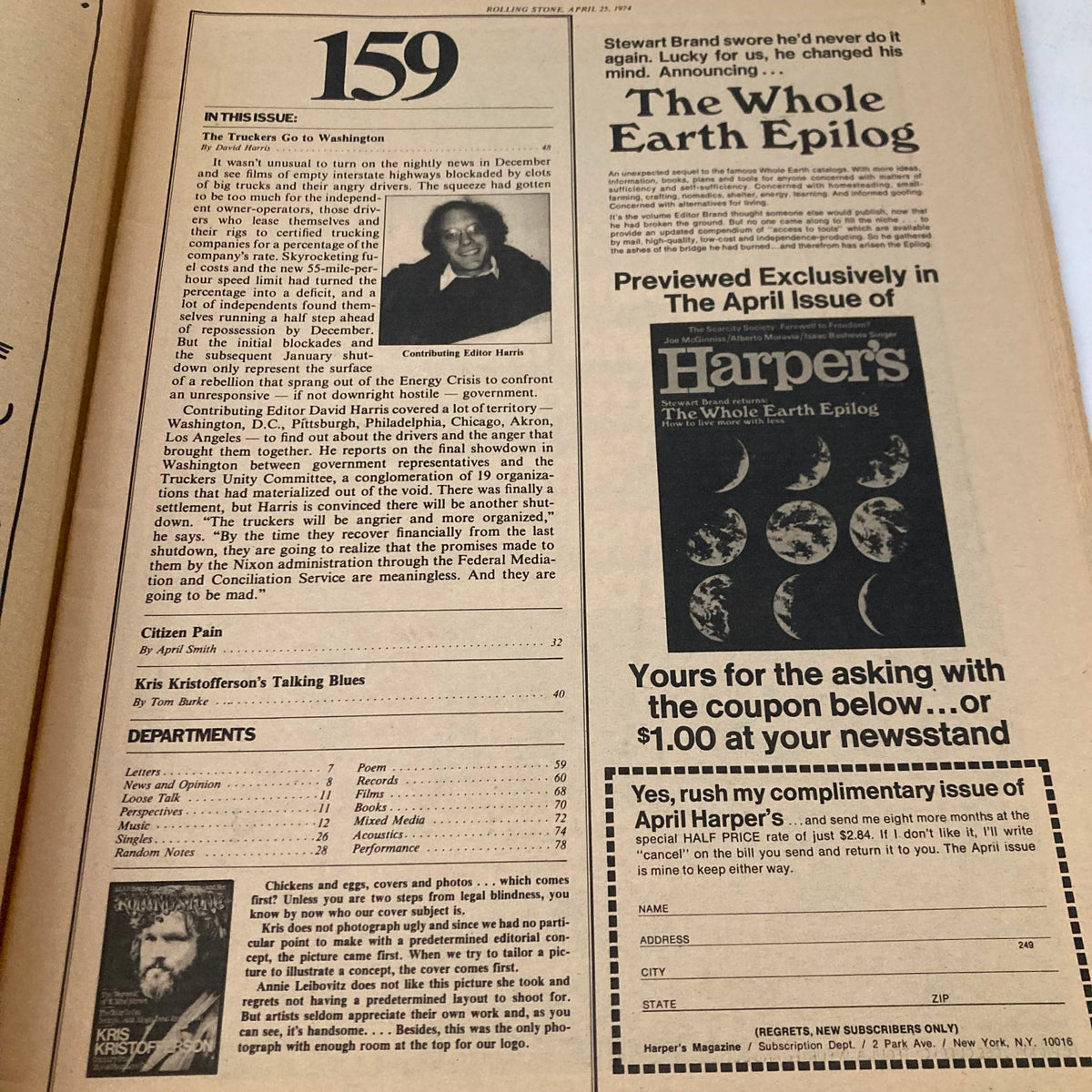
Vintage magazines approached the songwriter-turned-actor with a reverence that straddled two distinct editorial worlds. In his country music incarnation, publications like Rolling Stone and Country Music Magazine ran deeply reported profiles that wrestled earnestly with his paradoxes — the academic pedigree, the working-class romanticism, the gravel-and-velvet voice — often accompanied by photography that favored raw, available light and an unposed, almost documentary intimacy. As his film career ascended through Pat Garrett and Billy the Kid, Alice Doesn't Live Here Anymore, and the landmark 1976 remake of A Star Is Born opposite Barbra Streisand, the glossier entertainment press took notice. People magazine, then in its cultural ascendancy, treated him as a genuine American archetype — rugged, conflicted, magnetic. Meanwhile, Crawdaddy and the broader rock press engaged him as a serious intellectual force, a songwriter whose verses warranted the same close reading afforded to Bob Dylan, a comparison the era made freely and often. The photography across all these publications shares a common thread: here was a man the camera could not diminish.
Curator's Checklist: Highlights Often Include
- Landmark songwriting profiles from the early 1970s, in which music journalists first mapped the full astonishing catalogue — "Help Me Make It Through the Night," "For the Good Times," "Sunday Mornin' Comin' Down" — and grappled with the phenomenon of a single writer reshaping an entire genre almost overnight
- Film coverage from his leading-man era, including features tied to his performances in Sam Peckinpah's Pat Garrett and Billy the Kid (1973) and his Academy Award–adjacent turn in A Star Is Born (1976), often with striking on-set or promotional photography
- Country music trade and fan publications from the late 1960s through the mid-1970s documenting his arrival in Nashville, his early rejection, and his eventual coronation as the movement's presiding genius
- Political and counterculture coverage from the late 1970s onward, as he became increasingly outspoken on social causes, Central American policy, and the rights of working musicians — a dimension of his public identity that the serious press tracked with great interest
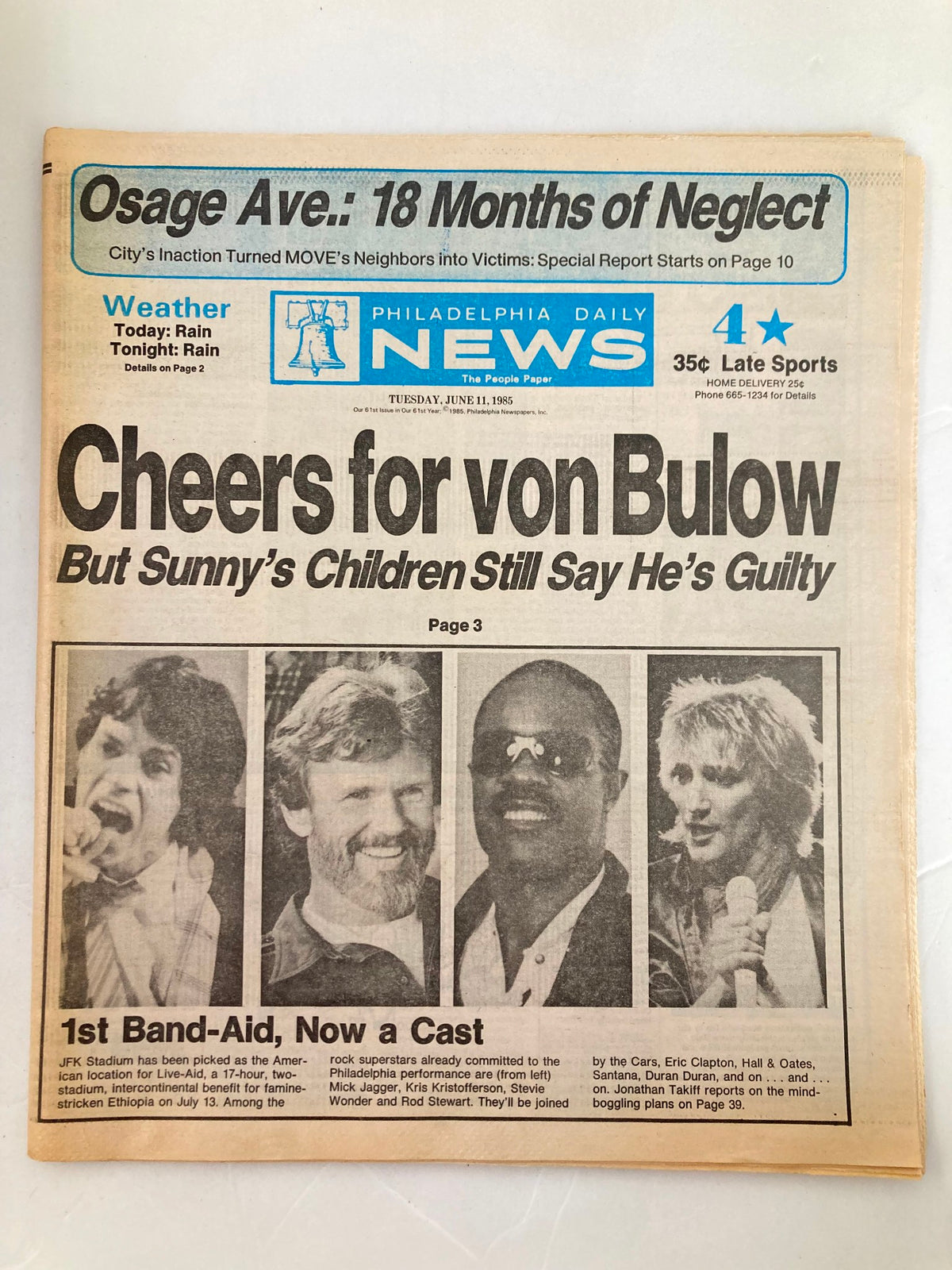
- The Highwaymen era features from the mid-to-late 1980s, in which publications documented the unlikely supergroup coalition of Kristofferson, Willie Nelson, Waylon Jennings, and Johnny Cash — one of the great late-career second acts in American music history
The Collector's Value
To hold one of these issues is to hold something the digital archive cannot replicate: the particular weight of a 1970s coated stock, the slight amber blush that time lends to the margins, the ghost of ink that transfers faintly to the fingertip, the full-bleed portrait printed before resolution was a word anyone used about photographs. Surrounding his features, you will find the advertisements of the era — whiskey brands, cigarette companies, automobile manufacturers — each one a vivid reminder that this document was printed for a specific moment in American life, then survived it. These are primary sources, not reproductions; artifacts of a media culture that took its time, paid its writers, and believed that a story about a complicated man deserved several thousand uninterrupted words. For collectors of vintage Americana, outlaw country memorabilia, or classic Hollywood cinema, these publications offer an irreplaceable window into an era when one man's voice — scratched and searching and unmistakably his own — could reshape what an entire culture considered worth singing about. Explore the current inventory below and find the issue that belongs on your shelf.