📖 About this Collection
Lauryn Hill: Where the Word Became Song and the Song Became Scripture
The Legend & The Legacy
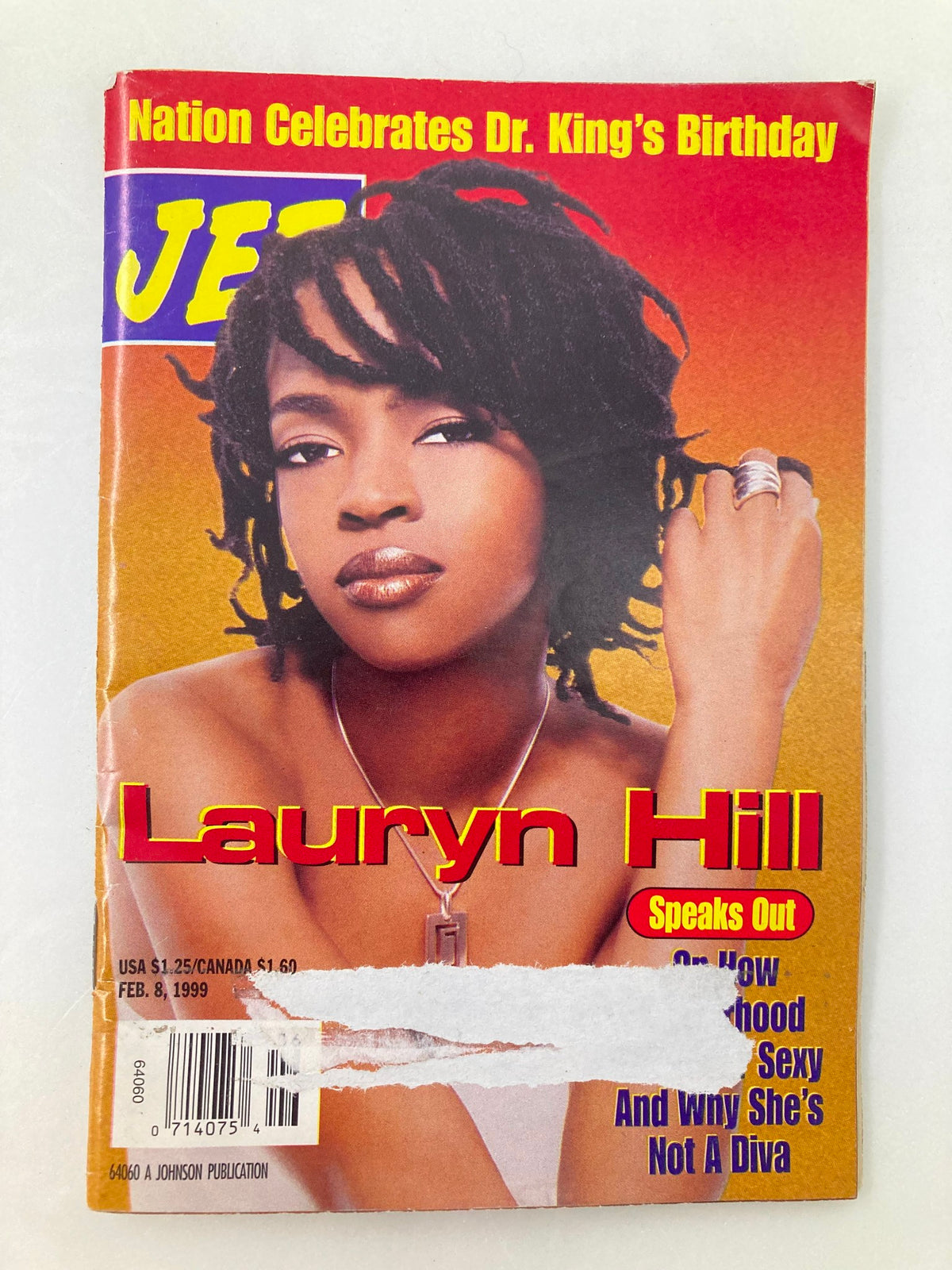
In the closing years of the twentieth century, a voice emerged from South Orange, New Jersey that would stop the music industry in its tracks and force it to reckon with something it had nearly forgotten — that art, at its most transcendent, refuses to be marketed. Lauryn Hill first captured the world's imagination as the soulful nucleus of the Fugees, the genre-defying trio that made 1996's The Score one of the best-selling albums in history, before ascending even further with The Miseducation of Lauryn Hill in 1998 — an album that swept the Grammy Awards, claimed Album of the Year, and became a generational landmark in a single, seismic release. In an era before streaming, before social media, and before the internet democratized celebrity, the public met her entirely through physical media: through the glossy weight of a magazine splayed across a coffee table, through the crackle of an album sleeve pulled from a record bag, through editorial profiles that treated her not as a pop product but as a philosopher-poet who happened to sing. She was, for a breathless moment at the end of the millennium, everywhere — and the magazines of the day scrambled to capture what she represented: Black womanhood, radical authenticity, and a creative sovereignty that the industry had rarely seen and would rarely see again.
Inside the Archive
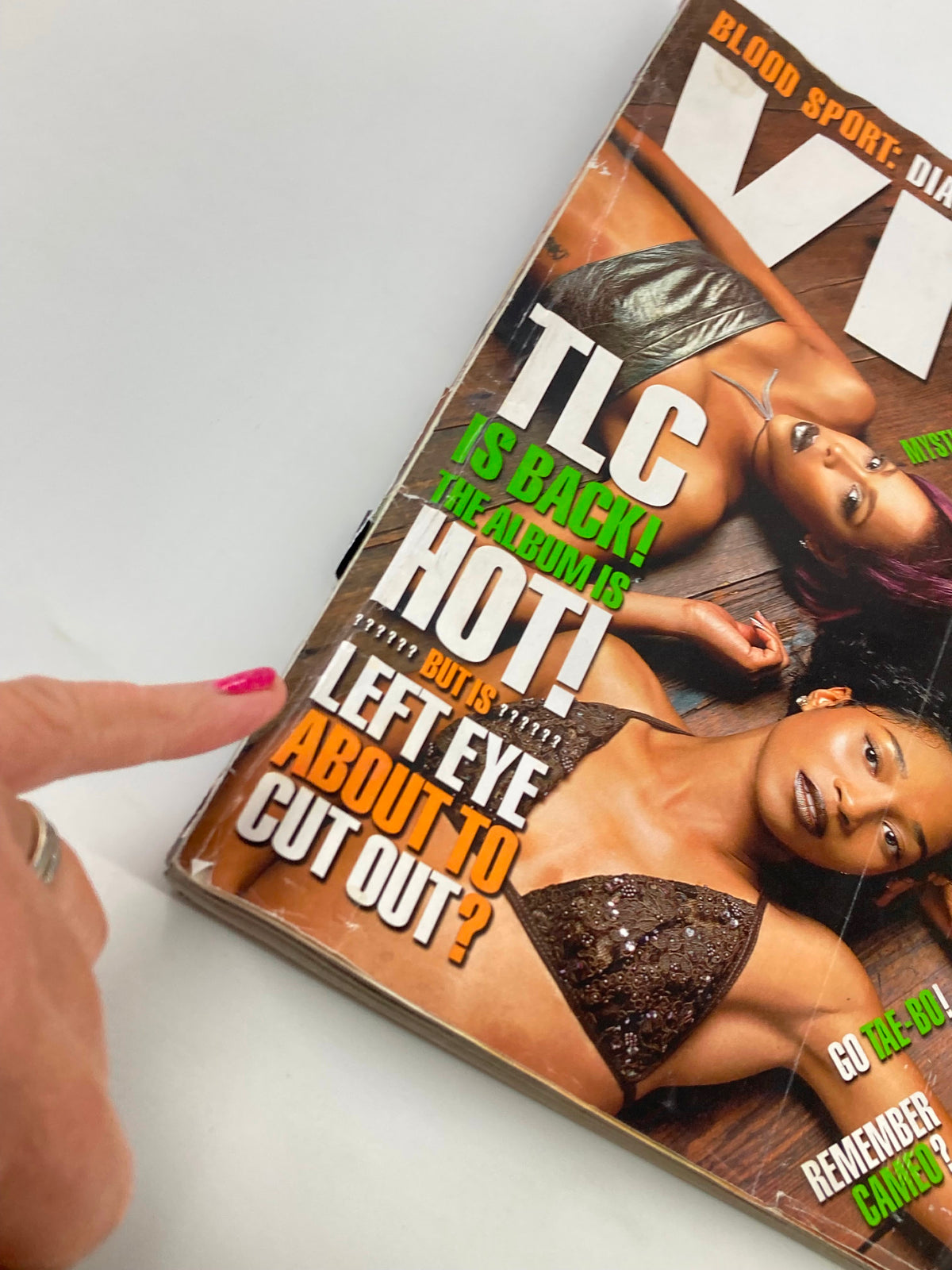
The editorial world that received Lauryn Hill did so with an almost reverent urgency, sensing that it was documenting something that would outlast the moment. Photography of that era tended toward two distinct modes when capturing her image: the lush, painterly portraiture favored by prestige publications — natural light, unguarded expressions, the deliberate rejection of the hypersexualized styling so often imposed on Black women artists — and the raw, kinetic energy of performance photography that tried to hold on film what her voice did to a room. Rolling Stone devoted significant real estate to the arc of her career, from the Fugees' breakthrough through the cultural earthquake of Miseducation, positioning her within the broader canon of American music rather than siloing her in genre. Vibe, the era's defining voice of hip-hop and R&B culture, treated her as essential reading across multiple landmark issues, weaving her story into the larger tapestry of a movement. Essence, with its unparalleled commitment to celebrating Black womanhood in all its complexity, offered some of the most intimate and intellectually serious coverage — approaching the artist as a thinker, a mother, and a cultural touchstone rather than merely a chart phenomenon. International titles, too, took notice; European music and culture magazines framed her in the tradition of great American voices, placing her alongside figures of genuine historical weight.
Curator's Checklist: Highlights Often Include
- Fugees-era features and cover appearances from the mid-1990s, capturing the trio's meteoric rise and the particular cultural electricity of a group that fused hip-hop, soul, and world music into something entirely new
- Post-Grammy coverage from early 1999, when the industry and the press processed her historic sweep — five awards in a single night — and attempted to articulate what Miseducation had meant to the culture at large
- Long-form profile journalism from prestige music, entertainment, and Black lifestyle publications that explored her philosophy, her faith, her politics, and the artistic choices that made her simultaneously celebrated and misunderstood
- Year-end and decade-retrospective issues from 1999 and 2000, where editors and critics positioned her album among the defining works of the twentieth century's final chapter
- International music press coverage, particularly from UK publications such as Q and MOJO, which situated her within a global conversation about the future of soul and the enduring power of Black American musical tradition
The Collector's Value
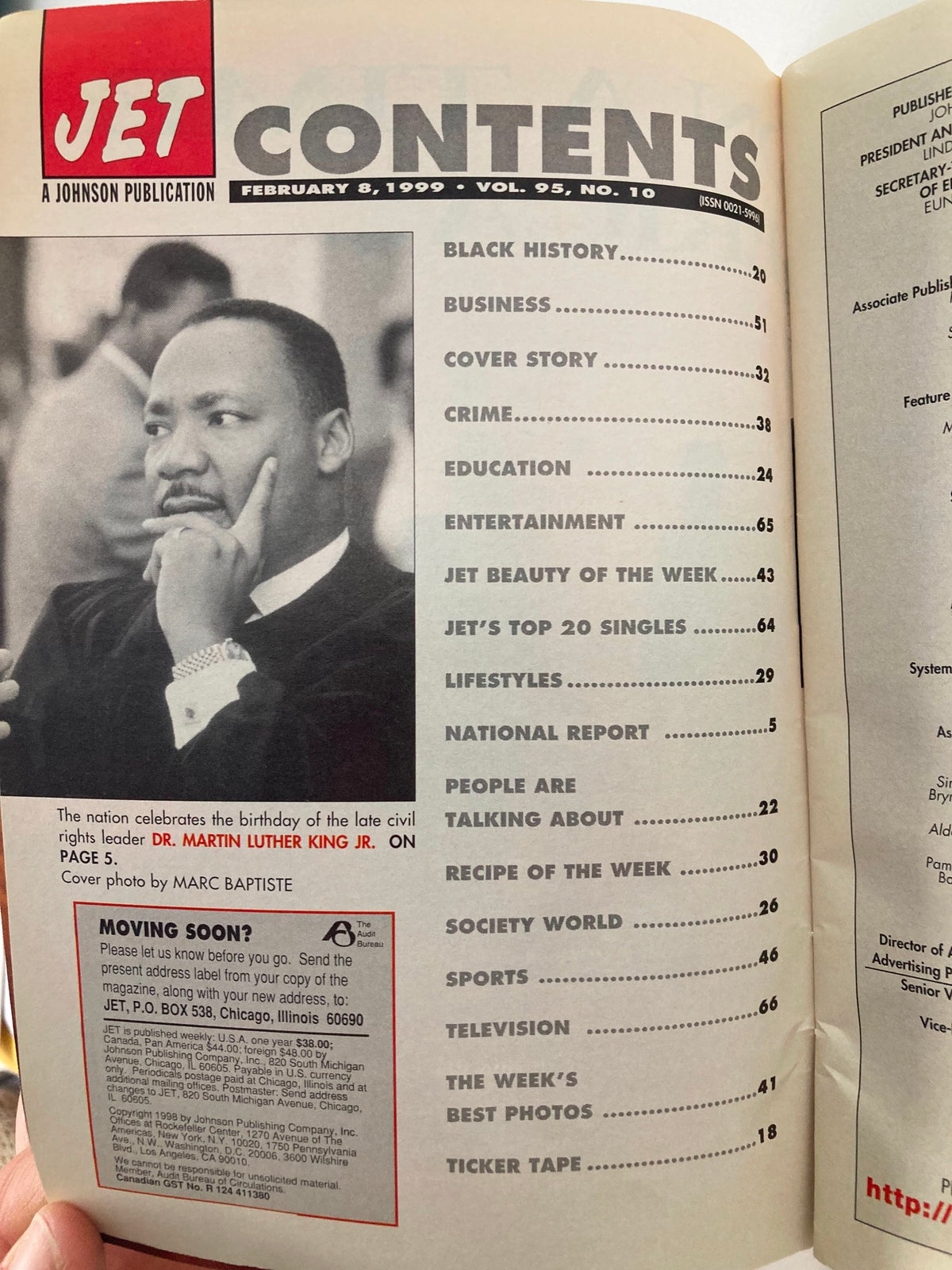
To hold a vintage magazine featuring Lauryn Hill from this era is to hold a primary source document from one of popular culture's most electrifying inflection points — and the physical experience of that encounter is irreplaceable. These are not digital reproductions or algorithmic thumbnails; they are artifacts printed on paper stock that has aged into its own particular warmth, carrying the faint, intoxicating scent of ink and decades, their pages thick with the visual language of a pre-internet world where editorial design still commanded genuine craft and intention. The advertisements surrounding the feature stories are themselves windows into the late 1990s — the fashion, the technology, the aspirations of a culture on the cusp of a new millennium — lending each issue the quality of a time capsule rather than merely a periodical. For collectors of hip-hop and R&B history, late 20th-century Black cultural media, or Grammy and music industry milestones, these publications offer an irreplaceable intimacy with a defining artist at the absolute peak of her cultural moment — a closeness that no playlist or Wikipedia entry can replicate. Explore the current inventory below and discover which pieces of this extraordinary chapter in music history are available today.