📖 About this Collection
Lou Ferrigno: The Man Beneath the Green
The Legend & The Legacy
Before the age of viral moments and streaming services, Lou Ferrigno became one of the most visually arresting figures of his generation through the slow, deliberate burn of print media and primetime television. Rising from the blue-collar neighborhoods of Brooklyn, the soft-spoken giant overcame profound hearing loss to reshape what the American public understood about physical achievement — and human resilience. When The Incredible Hulk debuted on CBS in 1977, his towering frame and impossible musculature transformed a comic book fantasy into something visceral and real, week after week, in millions of living rooms. But it was the bodybuilding world that first introduced him to the public consciousness, most memorably through the 1975 documentary Pumping Iron, where a young, hungry Ferrigno challenged Arnold Schwarzenegger for the Mr. Olympia title and, in doing so, became the brooding counterpoint to Arnold's charismatic showmanship. Readers and fans followed this saga not through social media feeds, but through the pages of magazines purchased at newsstands, dog-eared in gym locker rooms, and passed between training partners like sacred texts.
Inside the Archive
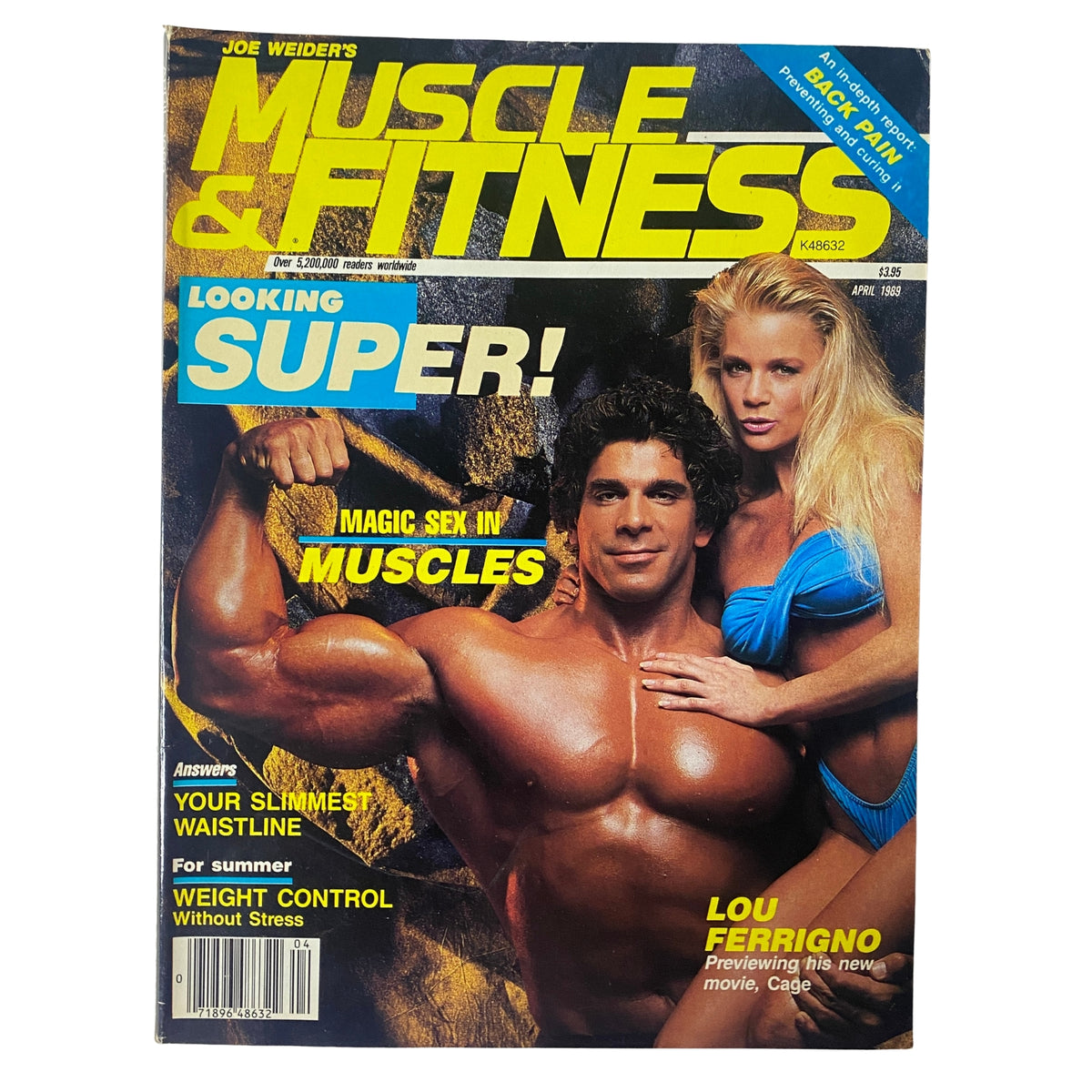
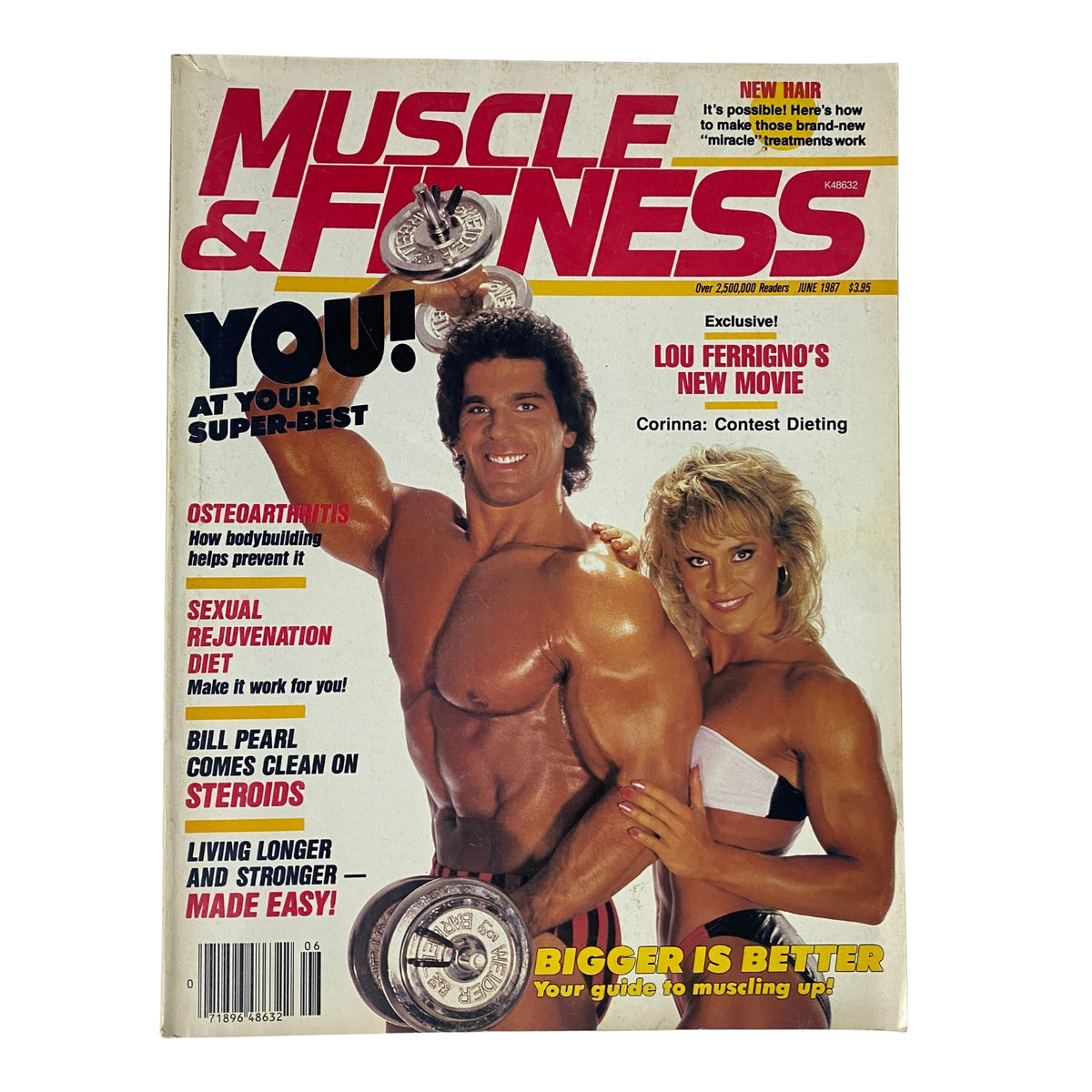
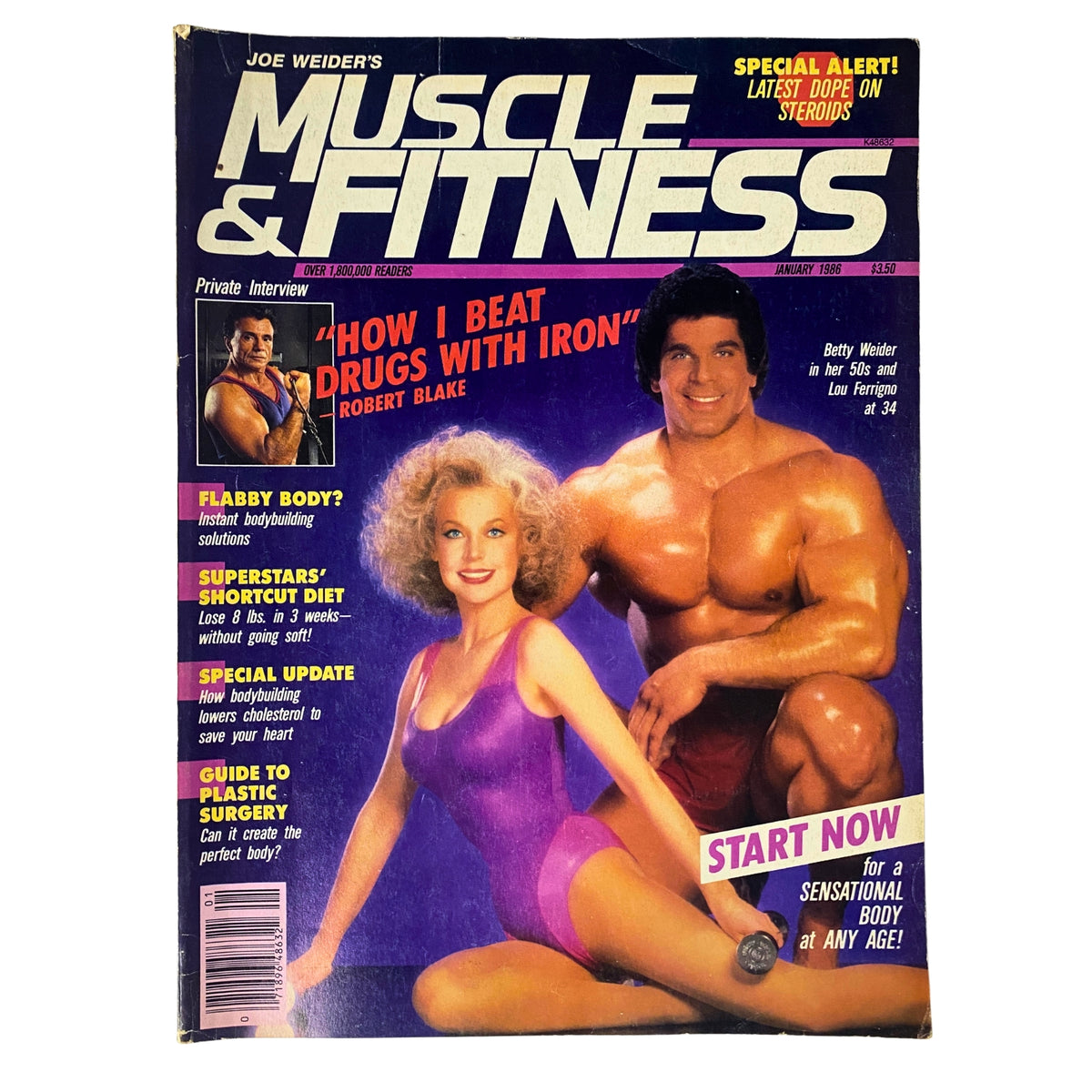
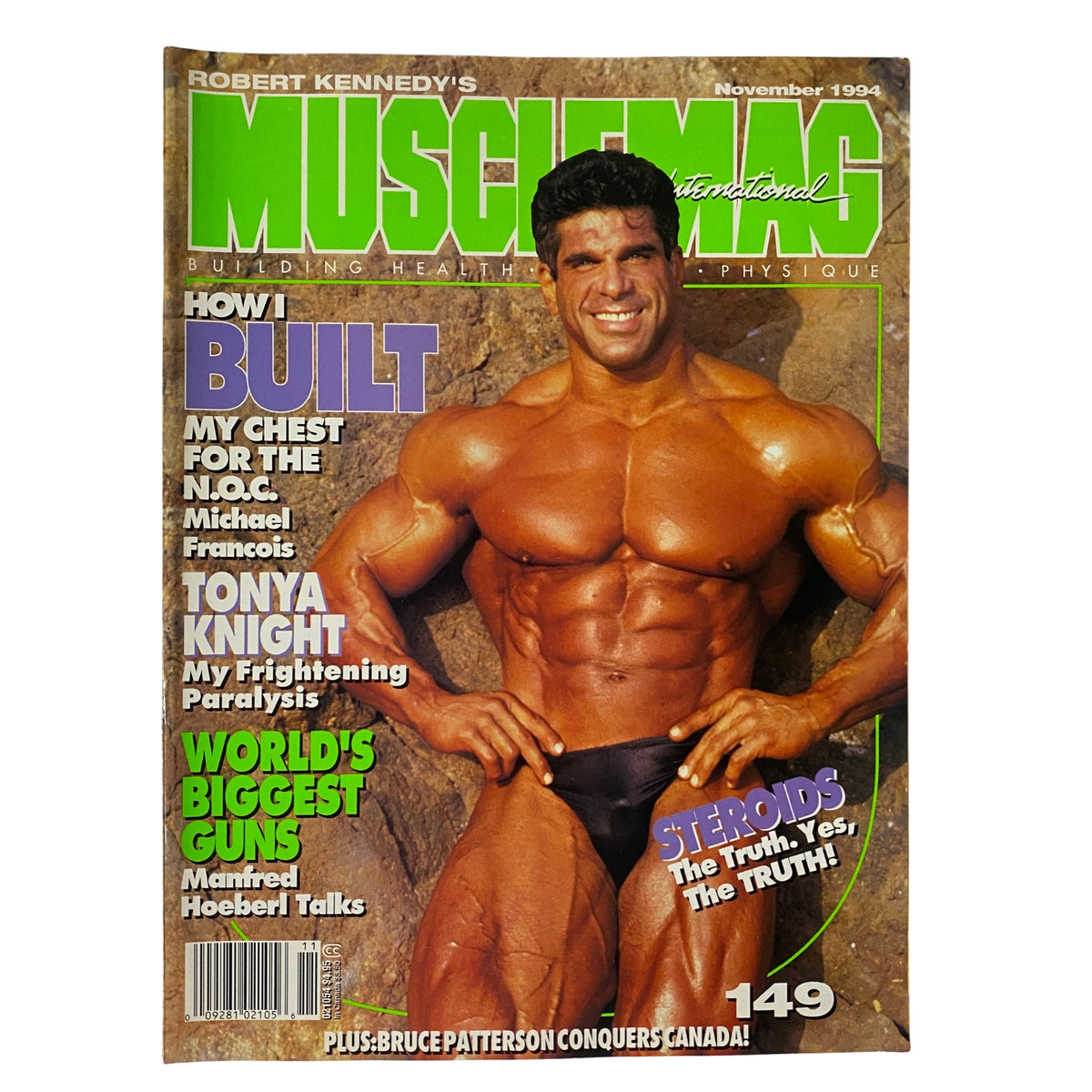
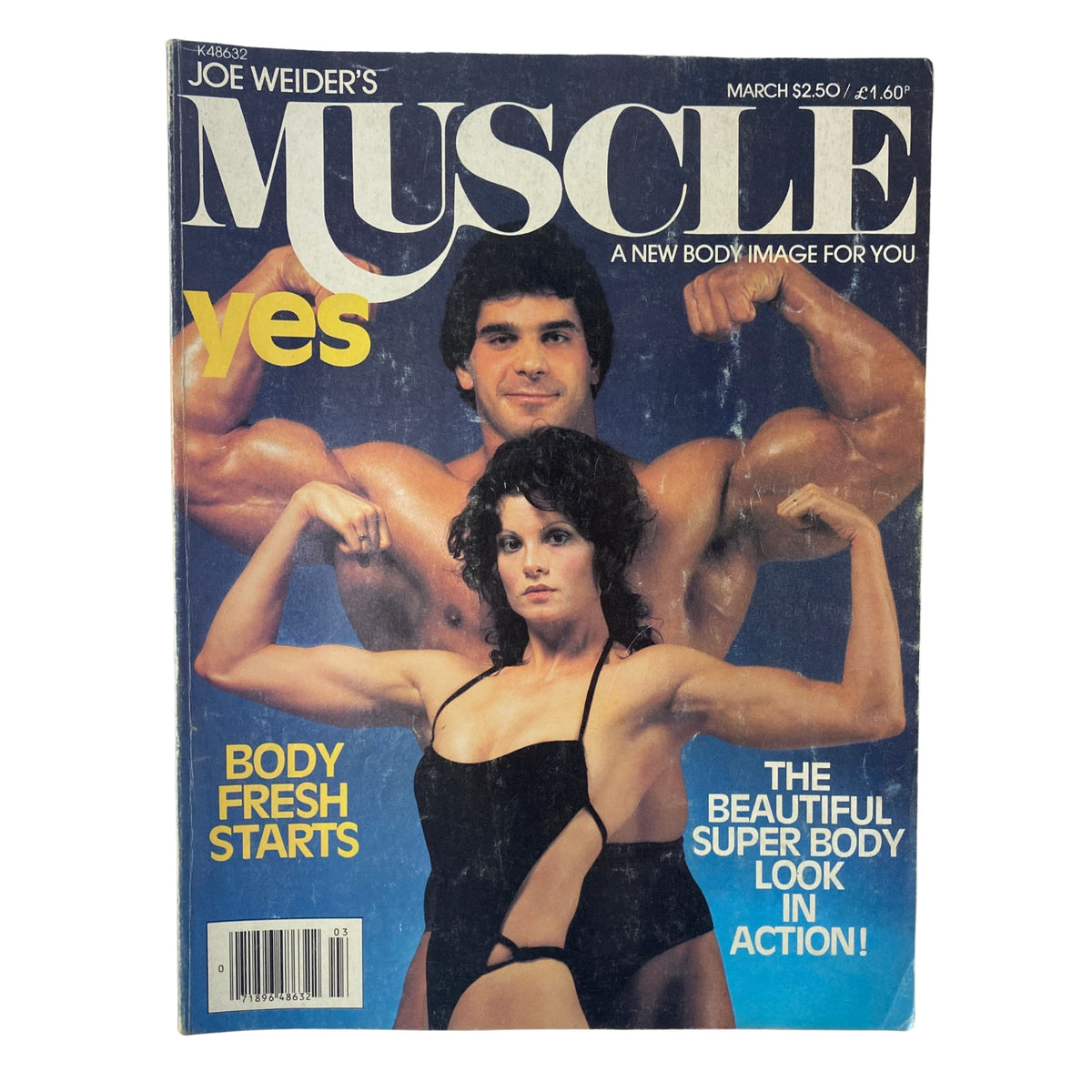
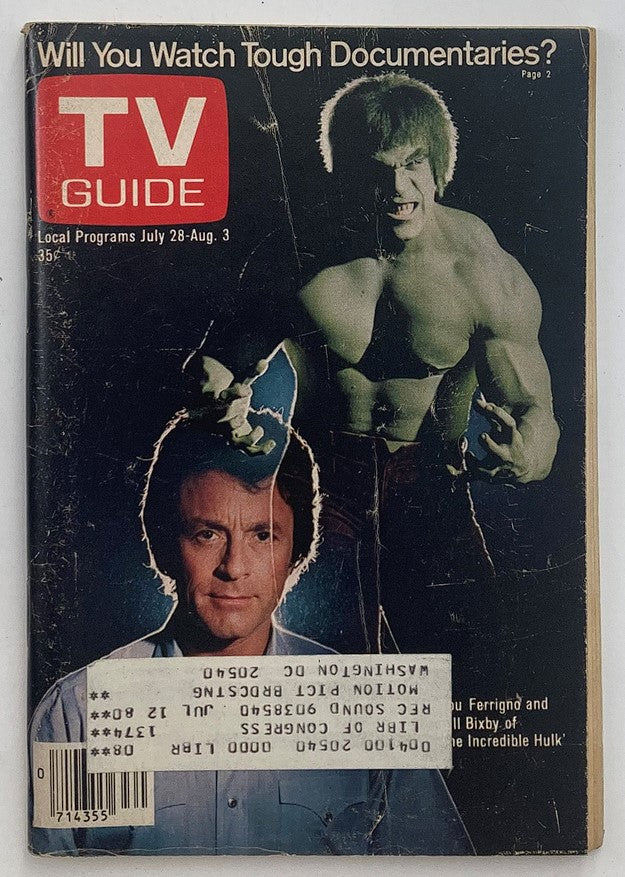
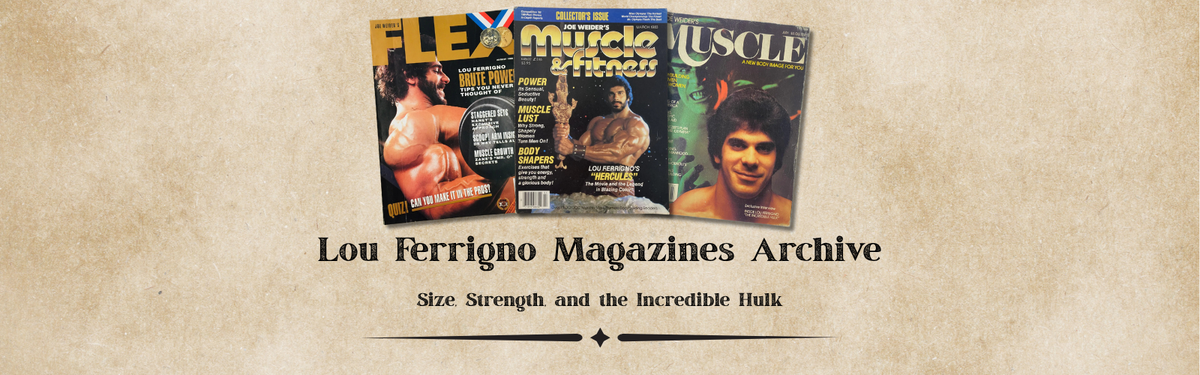
Vintage magazines of the 1970s and 1980s captured Lou Ferrigno with a raw, cinematic intensity that modern digital photography rarely replicates. In the bodybuilding press, editors leaned into dramatic chiaroscuro lighting — deep shadows cutting across stratified muscle, black-and-white portraits that read more like sculpture than sport — while mainstream entertainment publications favored the startling contrast of the gentle giant off-set, a soft-eyed man in a green-painted world. Muscle Builder/Power and its successor Muscle & Fitness were among the most devoted chroniclers of his physique and competitive journey, offering detailed training splits, contest retrospectives, and cover appearances that became instant collector staples. Joe Weider's publishing empire, including Flex magazine in its formative years, treated Ferrigno as essential editorial currency throughout the bodybuilding boom. Meanwhile, mainstream television weeklies like TV Guide brought him to an entirely different audience — families, children, suburban households — cementing his crossover status as a bona fide pop culture icon whose story transcended the weight room and landed squarely in the American living room.
Curator's Checklist: Highlights Often Include
- Pumping Iron–era coverage (1974–1977): Features and photo spreads documenting the legendary rivalry with Schwarzenegger, often including contest photography from the 1974 and 1975 Mr. Olympia and Mr. Universe competitions, when the bodybuilding world was watching closely to see if the young challenger could dethrone the king.
- The Incredible Hulk television years (1977–1982): Entertainment and fan publications frequently ran on-set photography, cast interviews, and episode preview features — issues from this window are among the most sought-after by both television memorabilia collectors and comics culture enthusiasts.
- Weider-affiliated training features: Extended editorial spreads detailing his training philosophy, dietary regimen, and personal philosophy, often written in the motivational, almost evangelical tone that defined bodybuilding journalism of the era.
- Crossover celebrity profiles: General interest and men's lifestyle publications of the late 1970s and early 1980s occasionally profiled the athlete in the context of Hollywood's growing appetite for physically imposing leading men, situating him alongside the era's action culture.
- International bodybuilding press: European fitness and sport publications — particularly from Italy and Germany, where physique sport had a serious following — sometimes featured him in coverage of international competitions, offering a fascinating non-American editorial perspective on his career and persona.
The Collector's Value
There is something irreplaceable about holding a magazine from this era — the slightly coarse texture of the newsprint beneath your fingertips, the faint ghost of offset ink that rises when you open a well-preserved issue, the surrounding advertisements for protein supplements with retro typography, home gym equipment, and drive-in movies that place you unmistakably inside a specific and unrepeatable moment in American culture. These are not reprints or digital archives; they are primary source documents — objects that existed in the same world as the events they recorded, handled by real readers living through the bodybuilding renaissance and the golden age of genre television. For collectors of vintage bodybuilding and physique culture, 1970s–80s television and pop culture memorabilia, or Marvel and comics-adjacent entertainment history, these publications offer a tactile, deeply human connection to a legend that no streaming documentary or commemorative print can fully replicate. Browse the current inventory below and discover what the archive holds today.