📖 About this Collection
Lynda Carter: The Woman Who Gave a Myth Her Face
The Legend & The Legacy
In the mid-1970s, a new kind of American icon stepped out of the pages of comic books and onto the television screen — and the nation was transfixed. When Lynda Carter first donned the golden tiara and starred as Wonder Woman beginning in 1975, she did something no actress before her had managed: she made a superheroine feel real, credible, and deeply human. This was an era before streaming, before social media, before the viral moment — celebrity and cultural resonance were built slowly, issue by issue, across the glossy pages of the magazines that lined every supermarket checkout lane, dentist's waiting room, and kitchen table in America. The dark-haired beauty from Phoenix, Arizona — a former beauty queen turned actress who had quietly earned her breakthrough — became one of the most photographed women of the late 1970s. Her image was inseparable from a specific, charged cultural moment: second-wave feminism was reshaping the national conversation, and here was a woman who was strong, glamorous, and unapologetically powerful. Print media was the arena in which that meaning was made, debated, and celebrated.
Inside the Archive
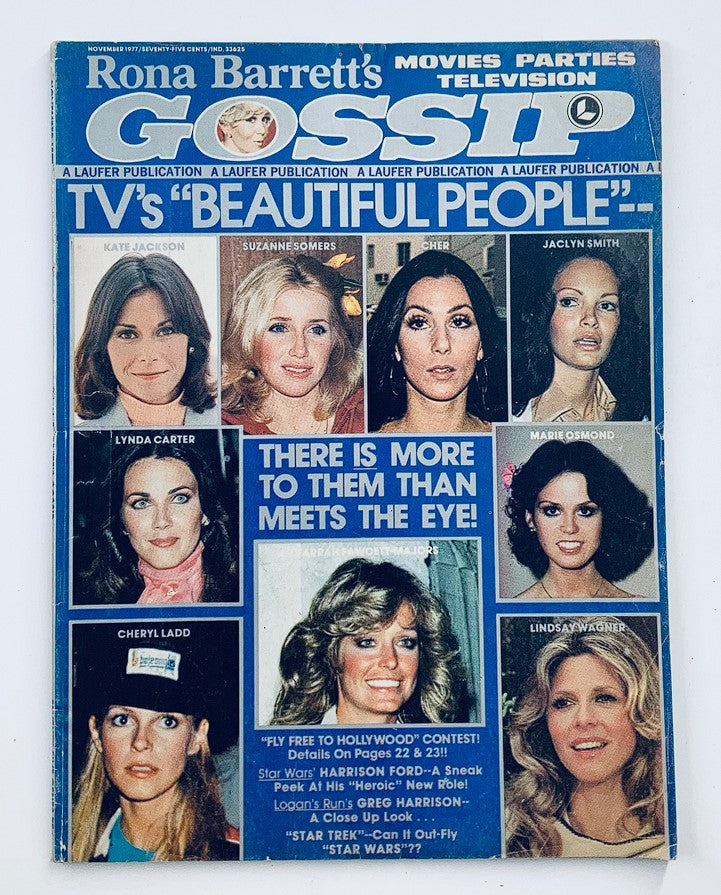
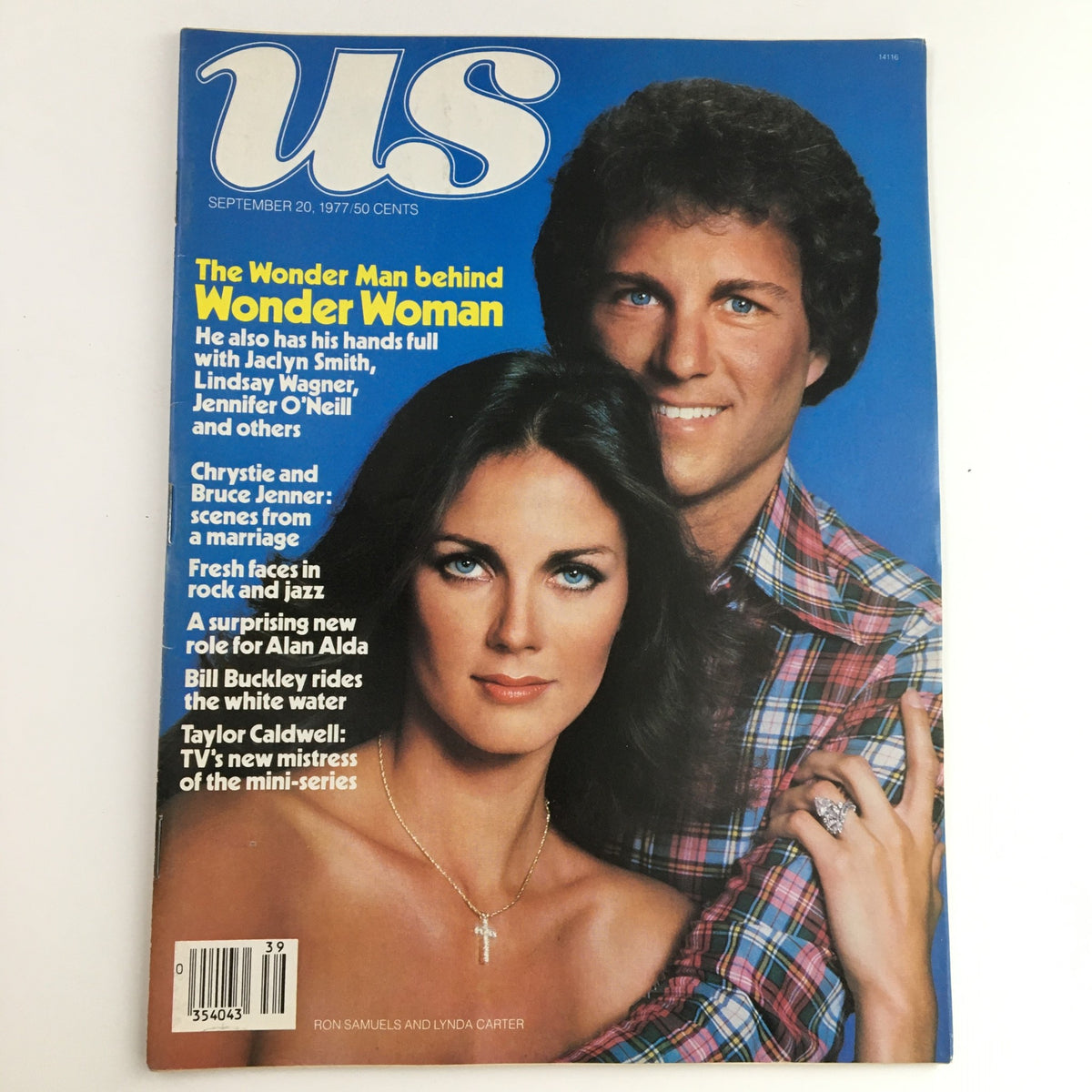
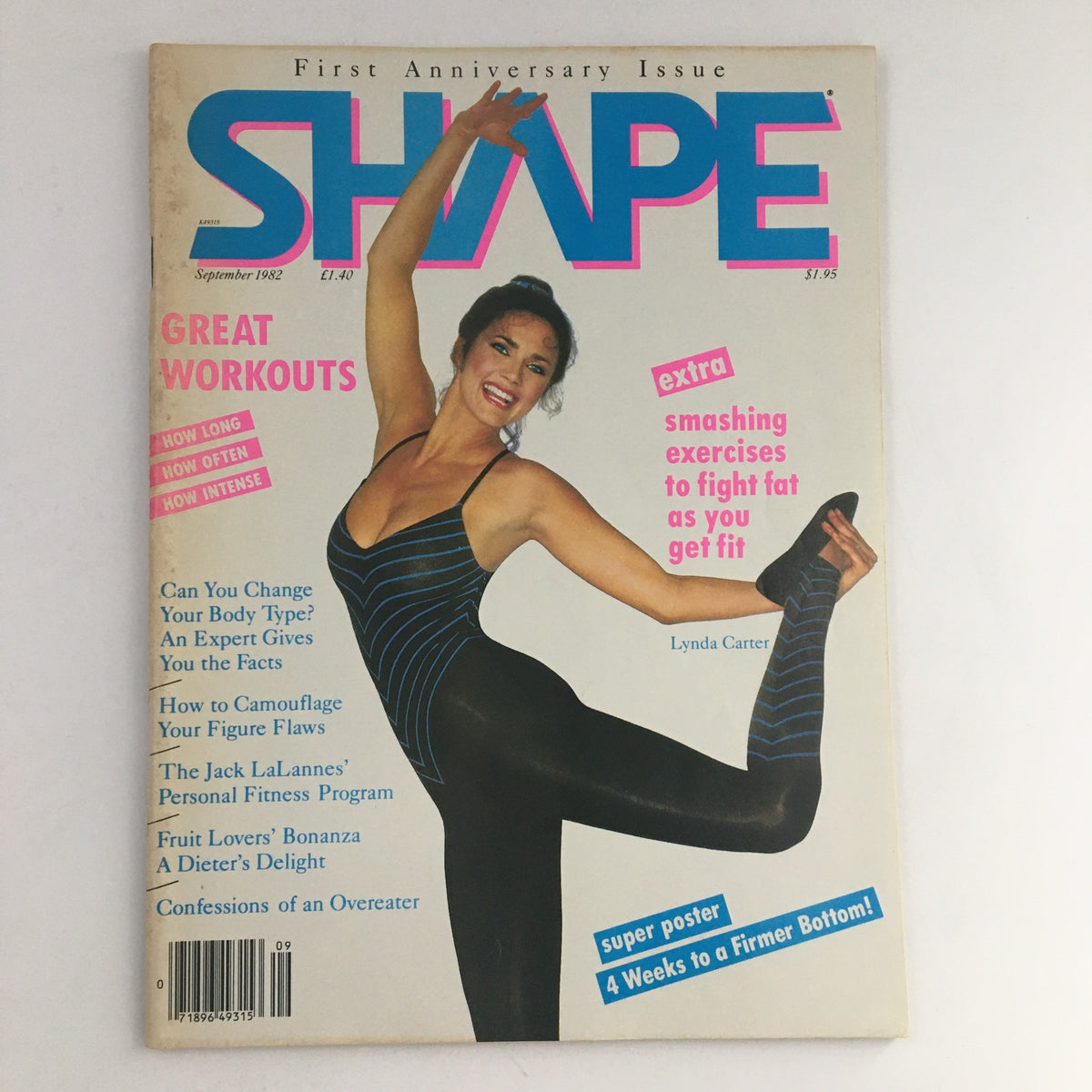
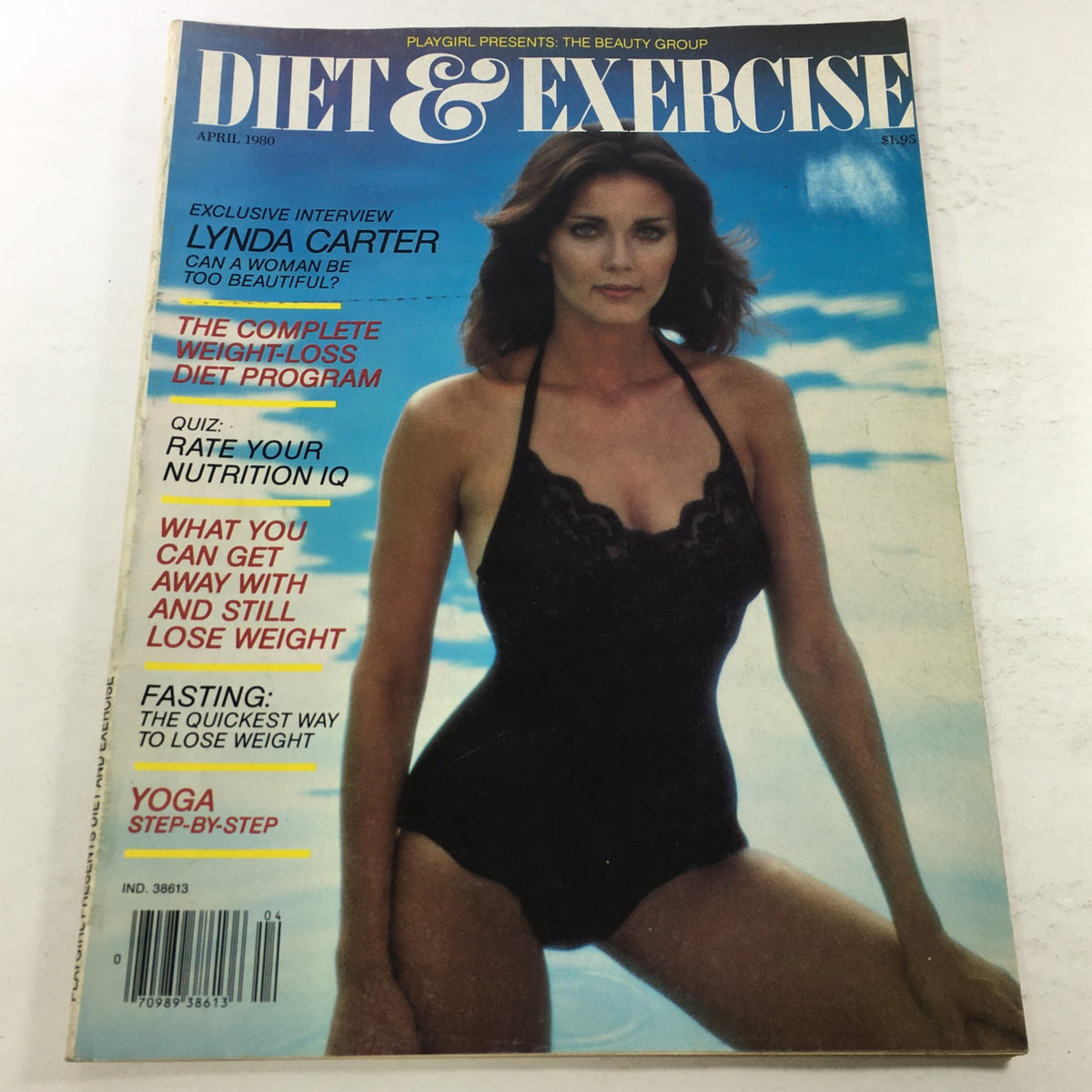
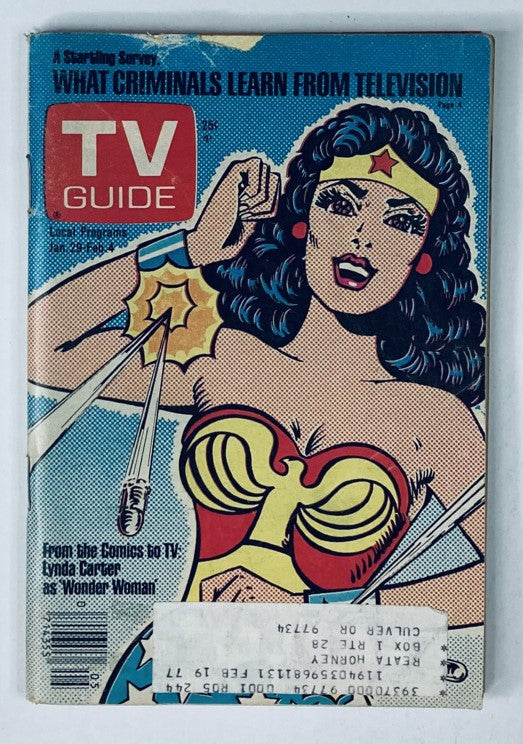
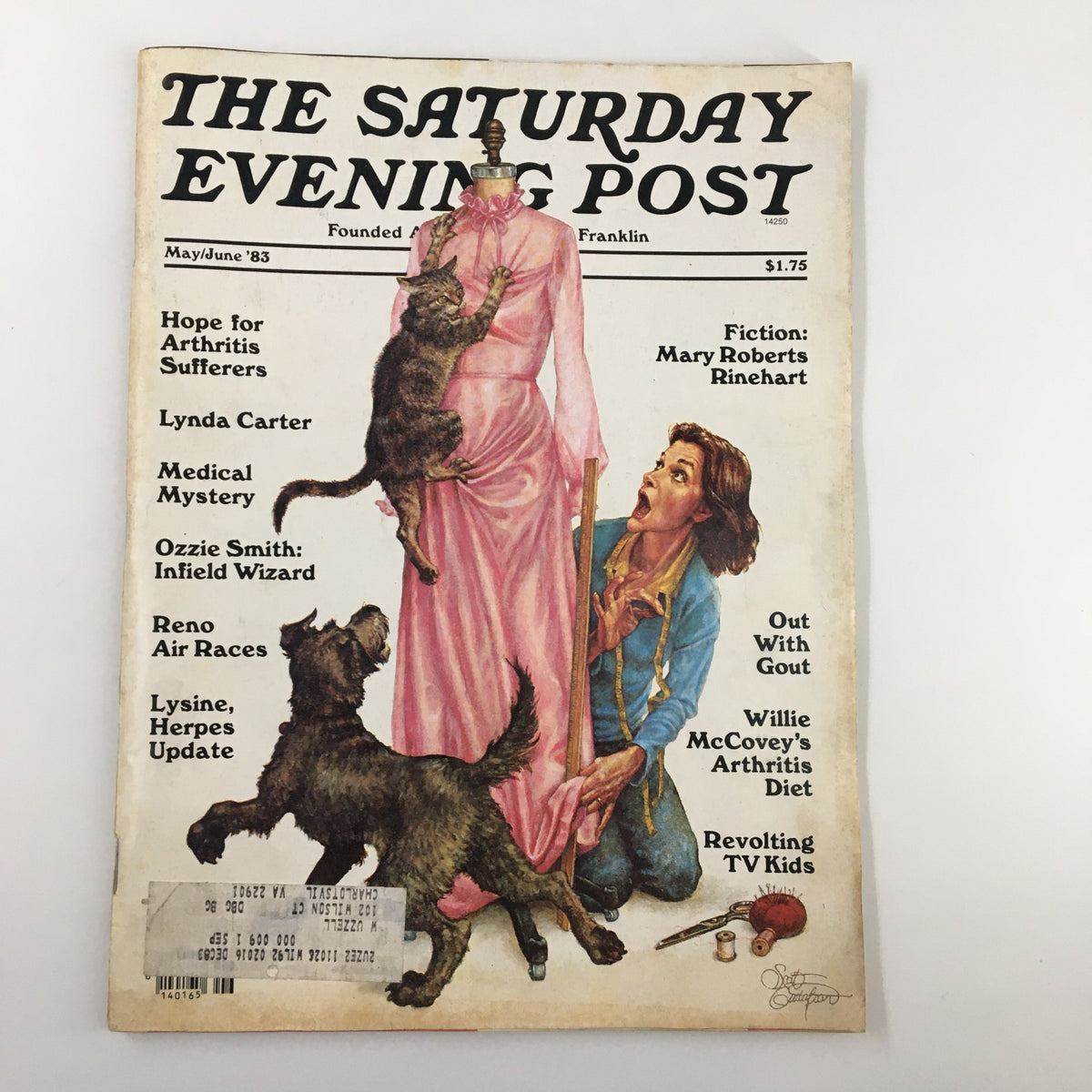
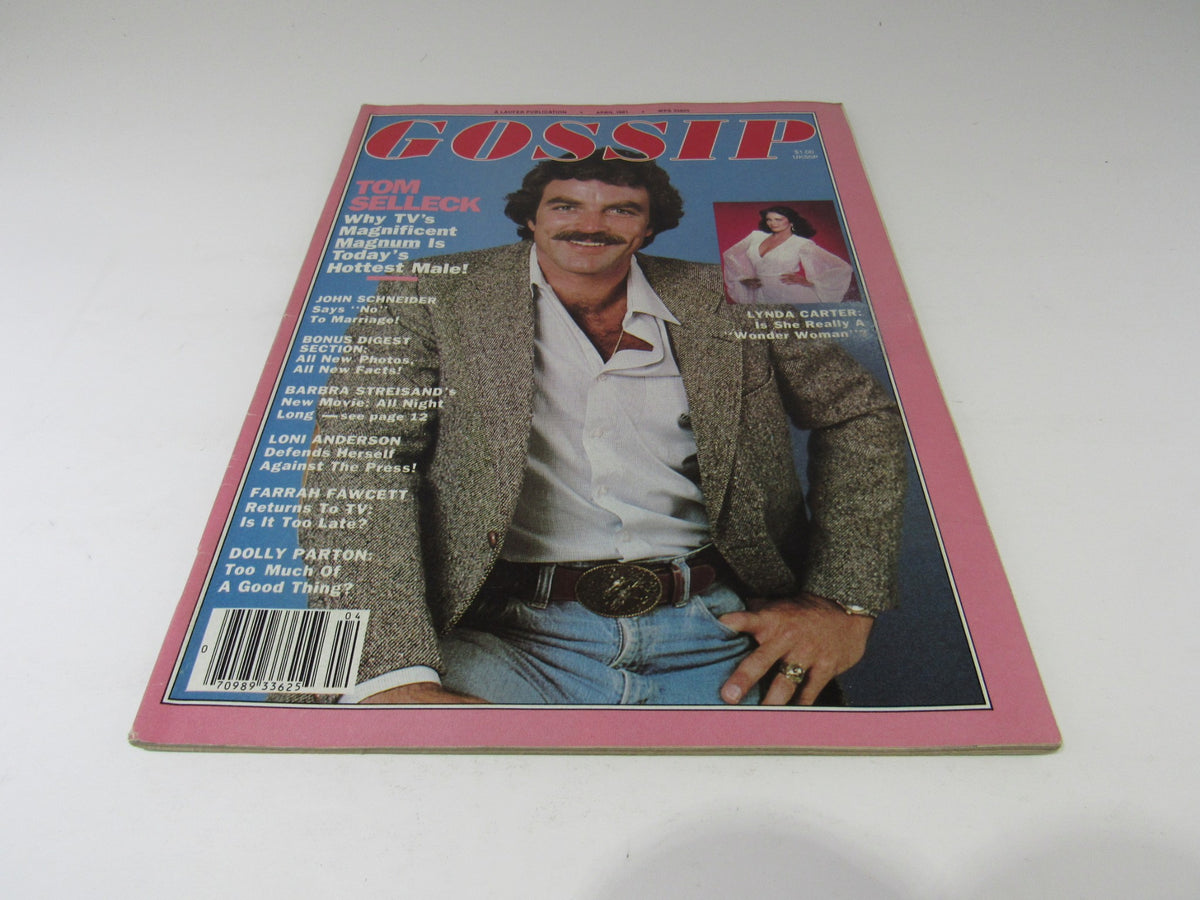
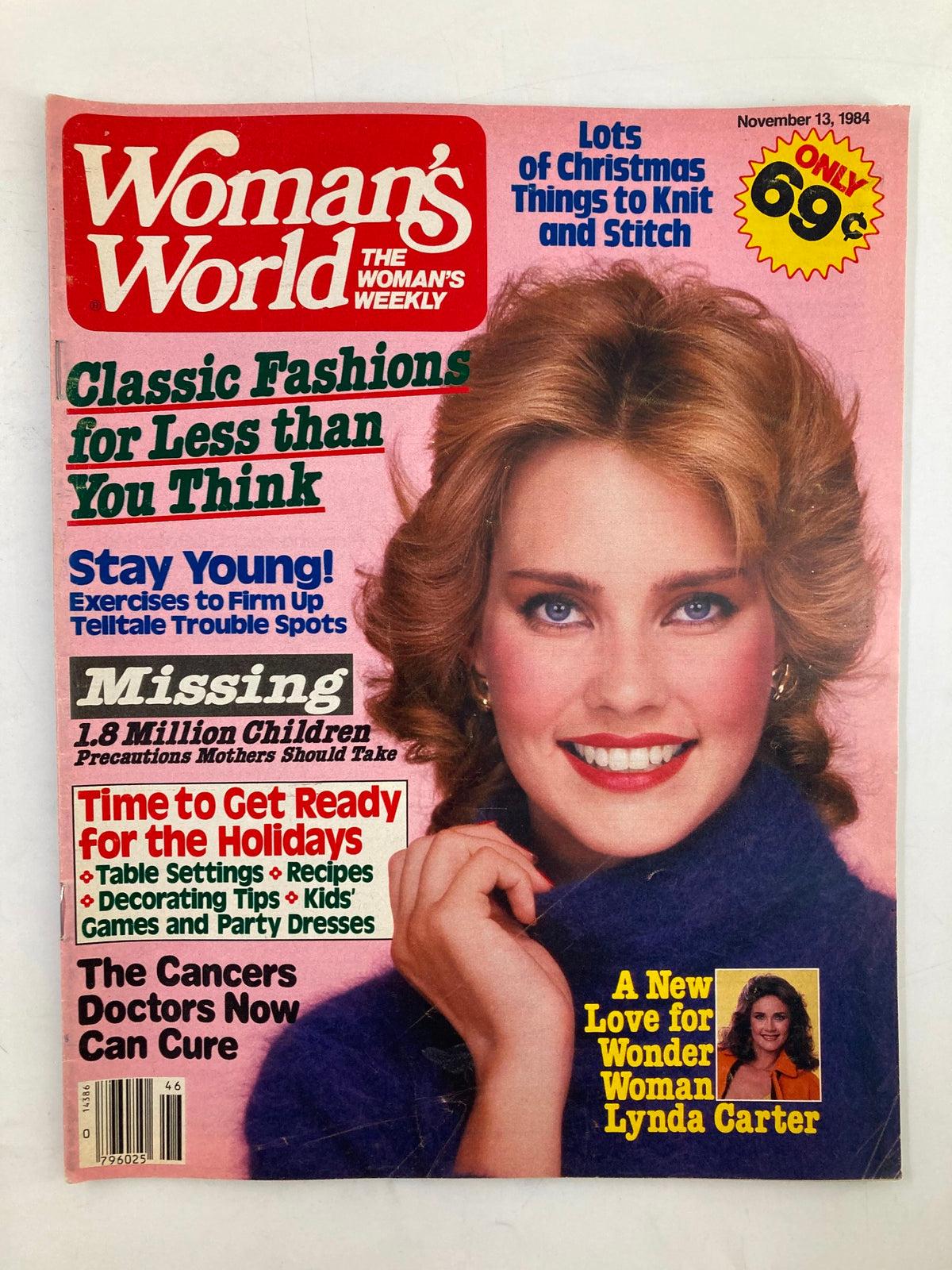
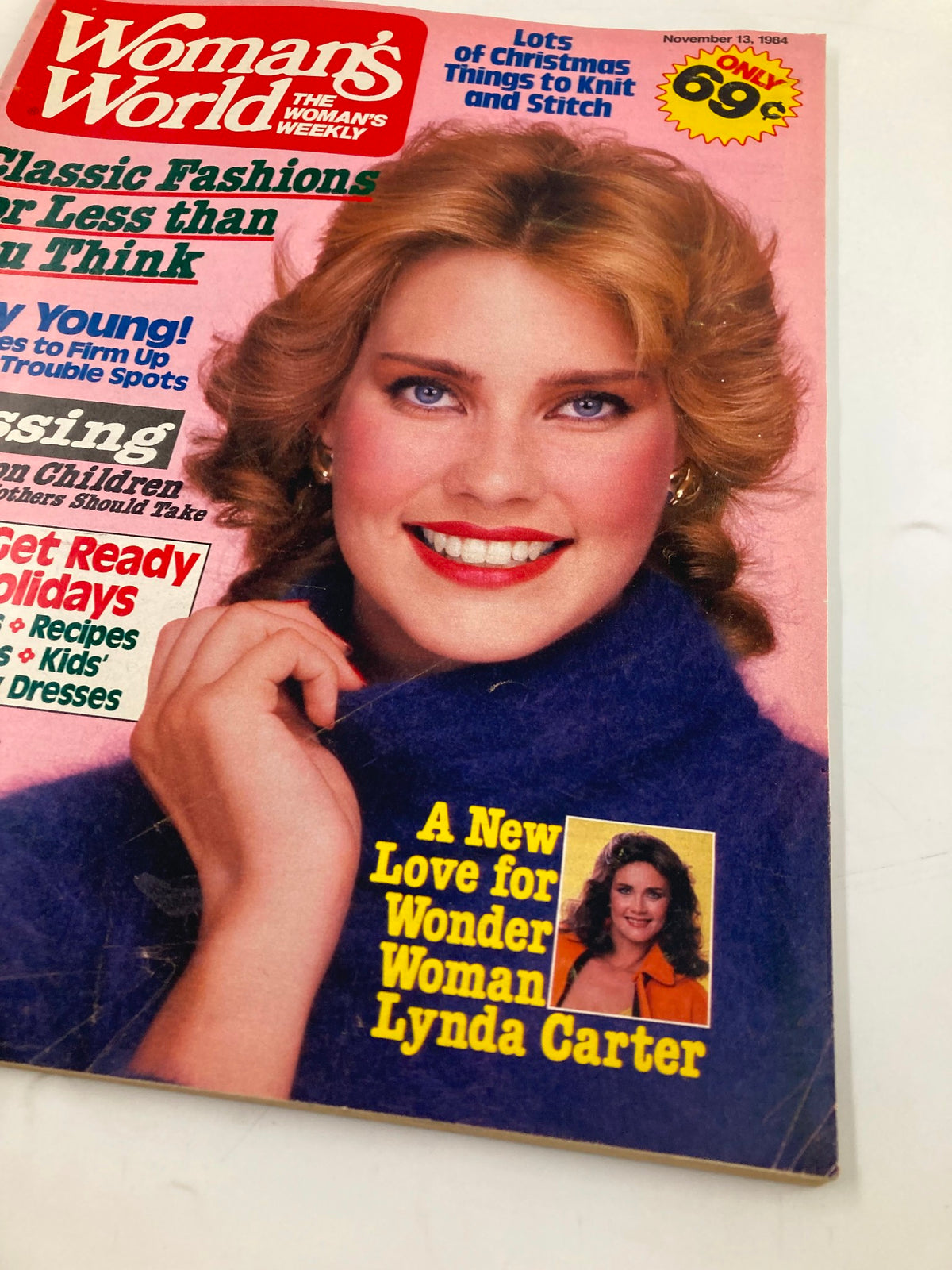
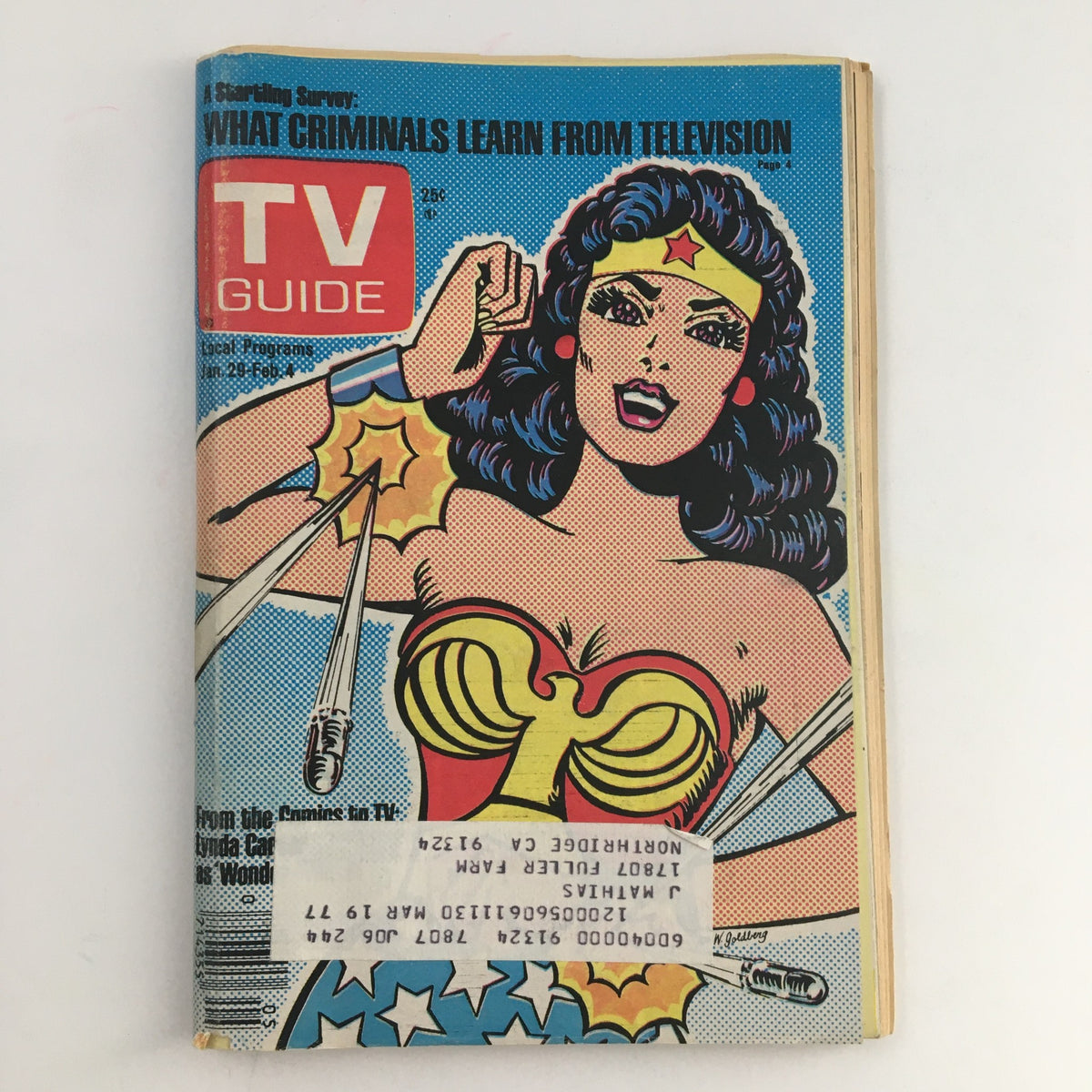
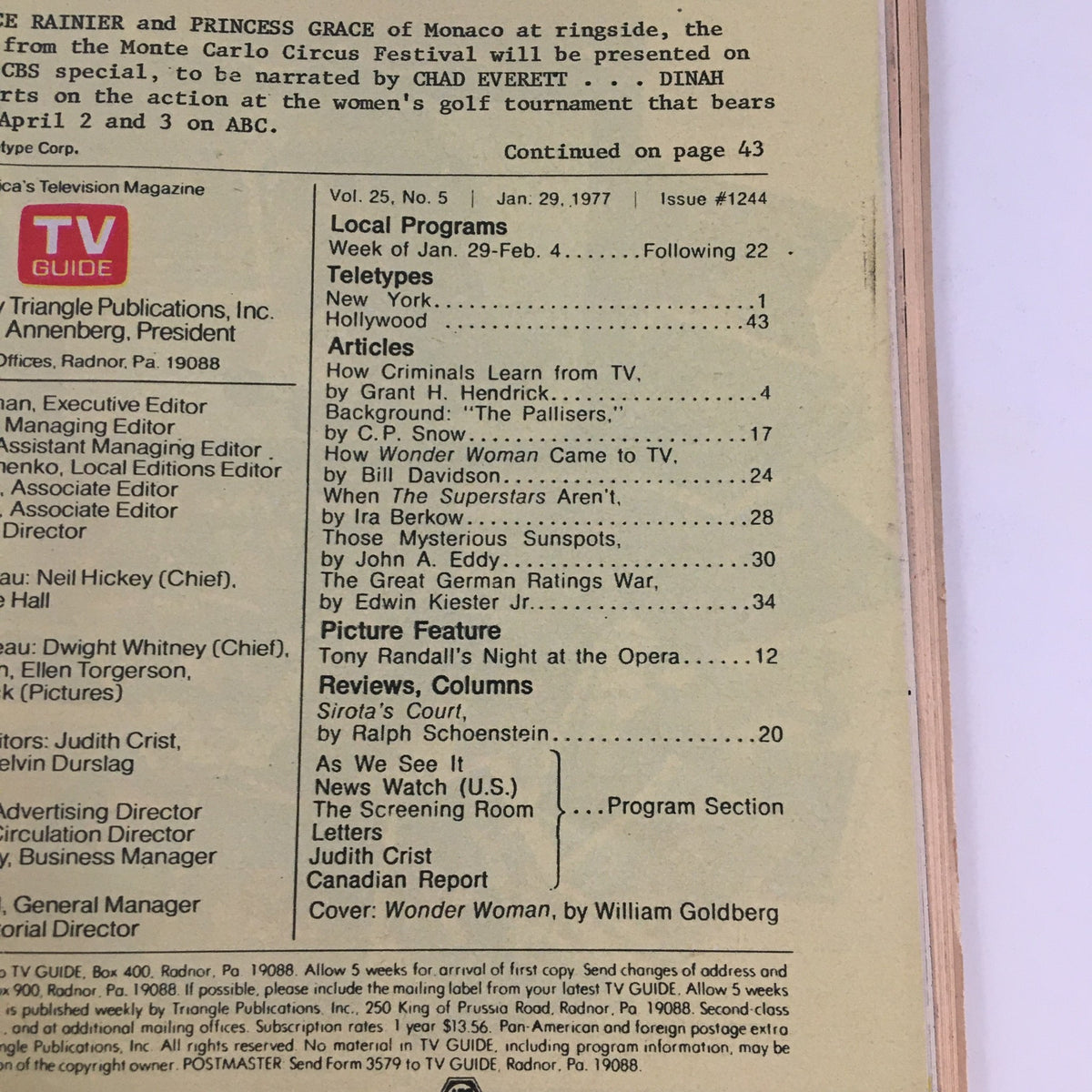
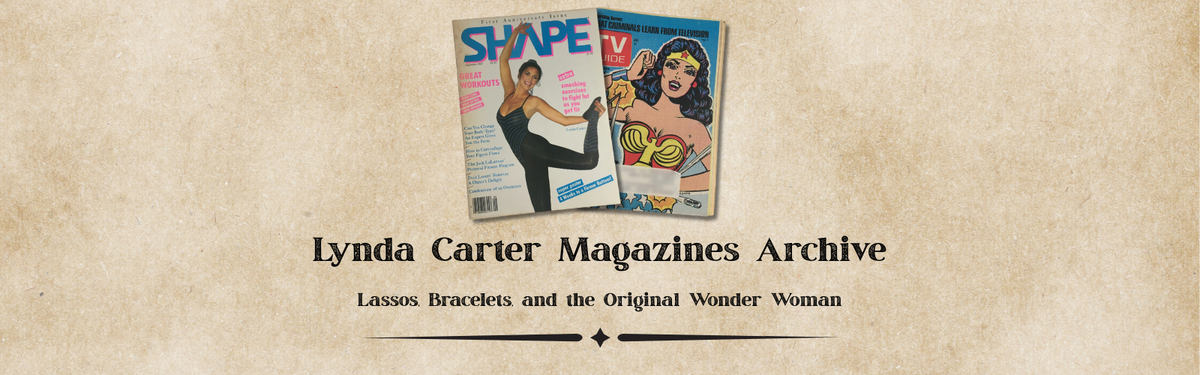
The coverage that surrounded this era of American television was rich, enthusiastic, and strikingly visual. Editors understood that her particular combination of warmth, athleticism, and classic beauty translated magnificently to the printed page — full-bleed photographs with saturated 1970s color palettes, soft-focus glamour portraiture alongside behind-the-scenes features shot on the Warner Bros. lot. TV Guide was perhaps the most essential publication of her peak years, running multiple cover features as Wonder Woman became one of the most-watched shows in America, with collectors today hunting those issues for their snapshot of network television at its cultural zenith. People magazine, then still in its early, electrifying years of reinventing celebrity journalism, featured her repeatedly as it tracked the collision of pop feminism and mainstream entertainment. More unexpectedly, international publications — particularly the European press, which had a deep appetite for American television exports — ran extensive profiles; Paris Match and various Spanish and Italian fan magazines circulated her image widely, giving her archive a genuinely global footprint. The editorial tone across publications was almost uniformly admiring, if frequently reductive in that particular 1970s way — writers forever marveling at the paradox of beauty and strength, seldom realizing they were documenting something historically significant.
Curator's Checklist: Highlights Often Include
- Wonder Woman-era television features from the 1975–1979 broadcast run, including on-set photography, cast interviews, and network promotional coverage that captured the show at its prime
- Beauty and fashion spreads from the mid-to-late 1970s showcasing her status as one of the era's defining style figures, with the distinctive hair, costuming, and color photography that defines the aesthetic of the period
- Music career crossover coverage from the early 1980s, when she pursued a recording career and received coverage in entertainment weeklies that documented this lesser-known chapter of her public life
- Feminist and cultural commentary pieces from publications exploring the broader significance of a female action hero in prime time — a surprisingly rich vein of editorial content that placed her within the women's liberation discourse of the era
- International and foreign-language editions from European fan and entertainment magazines, which often featured exclusive photography and profiles unavailable in the American domestic press
The Collector's Value
There is something irreplaceable about holding one of these original issues in your hands — the slight give of the newsstand paper stock, the faintly sweet, dusty perfume of decades-old ink, the full-page advertisements for products that no longer exist framing the very editorial content you came for. These are primary sources. They do not merely depict an era; they are the era, untranslated and unmediated by digital reproduction or retrospective curation. The colors have a warmth that no screen can replicate. The typography, the pull-quotes, the letters pages — every element is a document of how an entire society consumed and processed fame in real time. For collectors of 1970s television memorabilia, second-wave feminist cultural history, or Golden Age superhero iconography, these publications offer a direct, tactile connection to a pivotal moment in American popular culture that no reprint or digital archive can honestly approximate. Browse the current available inventory below and find your piece of that era.