


Description
Collector's Note – Why This Issue Matters
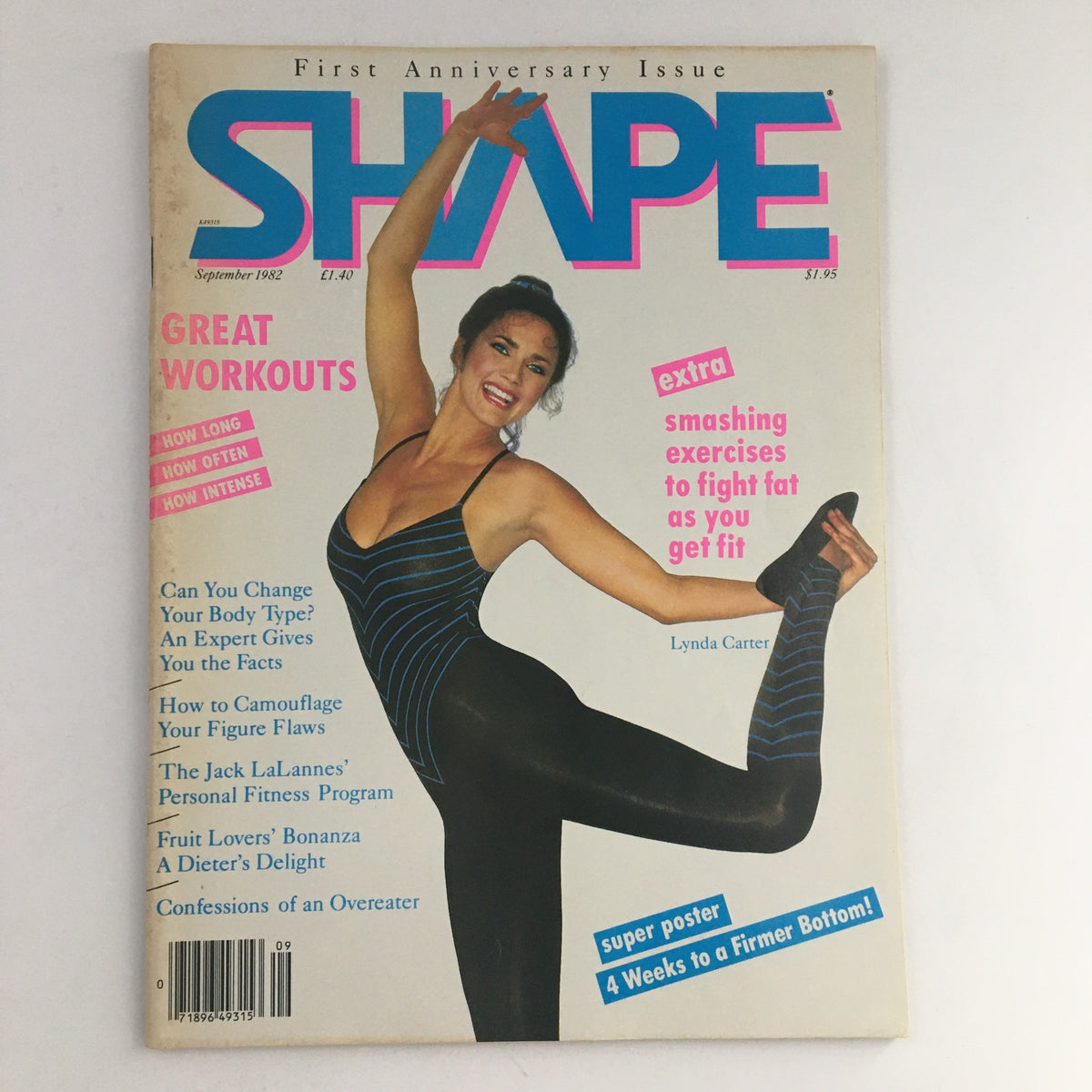
By September 1982, Lynda Carter was several years removed from her star-making run as Wonder Woman, which had concluded in 1979, and had spent the intervening years building a career as a singer and television performer through a series of CBS variety specials. Her cover appearance on Shape that month places her within this transitional period of her career, when she was working to establish an identity beyond the role that had made her famous while remaining one of the most recognizable women in American entertainment. Carter's long-running position as a top spokesmodel for Maybelline cosmetics throughout the 1980s also made her a natural fit for a fitness and beauty-oriented cover, since her public image was already closely tied to questions of health, glamour, and physical presentation. Notably, 1982 was also the year her first marriage ended, a personal milestone that coincided with this period of professional reinvention as she continued performing and building a public profile independent of her most famous role. Her statuesque build and athletic background, including her years of dance training, made her a credible face for a fitness-focused cover at a moment when the broader culture was increasingly associating physical fitness with both health and glamour.
This issue also arrives during a pivotal moment for women's fitness publishing more broadly, as the early 1980s saw an explosion of interest in exercise, aerobics, and health-conscious living among American women. Shape, positioned within this growing market, built its identity around exactly this combination of practical workout guidance and aspirational celebrity appeal, using recognizable cover personalities to draw readers into its fitness and wellness content. Pairing a famous television actress with workout-focused cover lines reflected a broader strategy among fitness magazines of this era, which often relied on celebrity association to lend credibility and aspirational appeal to their service journalism. The early 1980s fitness boom was closely tied to a cultural shift in how women's magazines approached health, moving away from purely cosmetic beauty advice toward a more holistic emphasis on exercise and physical wellbeing. Carter's appearance on this cover situates the issue squarely within that broader cultural and publishing moment.
For collectors, this issue offers a meaningful artifact from a specific and somewhat underappreciated period of Carter's career, the years between her defining television role and her remarriage in 1984, when she was actively reshaping her public image through music, television specials, and lifestyle media appearances. That transitional period, combined with the issue's place within the broader early-1980s fitness magazine boom, gives this issue a layered appeal for collectors interested either in Carter's career specifically or in the broader history of women's fitness publishing during this formative decade.
About the Publication
Shape, launched in 1981, emerged as one of the leading American magazines dedicated specifically to women's fitness, nutrition, and overall wellness during a period of rapidly growing cultural interest in exercise and healthy living. The magazine distinguished itself from more general women's lifestyle titles by focusing primarily on practical fitness content, including workout routines, nutrition guidance, and features on exercise trends, while still incorporating recognizable cover personalities to draw newsstand attention. Its readership consisted of health-conscious women drawn to the growing aerobics and fitness culture of the early 1980s, an audience the magazine courted through service-oriented content paired with aspirational imagery. Shape's editorial format typically combined detailed workout features with shorter wellness and nutrition content, anchored by a cover personality whose own fitness routine or philosophy often served as the centerpiece of that issue's feature content. This combination of celebrity appeal and genuinely practical fitness guidance helped distinguish Shape within the increasingly crowded field of health and wellness magazines that emerged throughout the decade.
Key Highlights Inside
- Cover feature on actress and singer Lynda Carter, best known for her role as Wonder Woman from 1975 to 1979. By 1982, Carter had moved into a career built around music and television variety specials, making this fitness-focused cover part of her broader public reinvention during this period. Her long association with Maybelline as a cosmetics spokesmodel further reinforced her credibility as a fitness and beauty cover personality.
- Workout-focused editorial content described in the issue's cover line as "Great Workouts." Fitness magazines of this era typically paired a celebrity cover personality with detailed workout routines intended to be both practical and aspirational for readers. This kind of feature was central to Shape's editorial identity throughout the early 1980s.
- Additional wellness and lifestyle content characteristic of early-1980s fitness publishing. Issues from this period of Shape typically combined workout guidance with nutrition and overall wellness coverage aimed at health-conscious women. Specific additional articles for this issue are not detailed beyond the cover feature and are best confirmed by viewing the issue directly.
Condition & Rarity
Surviving copies of this issue are generally evaluated using the same standards collectors apply across vintage fitness and lifestyle magazines: cover gloss and corner sharpness, spine integrity, absence of subscription labels or mailing stickers, and overall page condition free of tears, foxing, or moisture damage. A copy described as being in good condition, with minor wear typical of its age, would be considered a solidly collectible example for a magazine now well over forty years old. The absence of a newsstand label is generally regarded as a desirable trait among collectors, since labeled copies often carry mailing residue or address imprinting that can detract from a cover's overall presentation. A plastic protective sleeve is a standard and effective safeguard for issues of this vintage, helping prevent further handling wear, UV exposure, and humidity damage, though it has no bearing on the underlying grade of the magazine itself. As an early issue from a magazine that launched only the year before, in 1981, copies from this period of Shape's run can be somewhat less common than issues from the title's later, more established years, since fitness magazines from this specific early-1980s boom were often read, used for reference, and discarded rather than archived. Given this issue's cover personality, presentation and color vibrancy carry particular weight in condition assessments for collectors specifically interested in Carter's career and public image during this period. Pages free of yellowing, brittleness, or prior tape repairs remain the benchmark for a well-preserved copy of any magazine from this era.
Looking for More Issues Like This?
A Shape cover featuring Lynda Carter during this specific transitional period of her career, several years removed from Wonder Woman and actively rebuilding her public image through music and television, is a worthwhile find for collectors interested in her broader body of work. If this particular issue isn't available, it's worth browsing the full Lynda Carter magazine collection for other covers spanning her decades-long career in entertainment. The broader Shape magazine collection is also worth exploring for more from this title's run as a leading voice in women's fitness publishing. Collectors focused on the era itself may want to look through the full range of 1982 magazines for other issues from that year. Each of these collections offers a different way into the period, whether the interest lies in a specific public figure, this title's role in the early-1980s fitness boom, or the broader cultural snapshot of a single year. A single year's worth of magazines often tells a fuller story than any one issue alone, particularly for a year that captured American fitness culture at one of its most energetic moments. Whichever angle appeals most, these collections are a useful starting point for going further into this period of magazine and celebrity history.