📖 About this Collection
Malcolm X: The Unapologied Voice of Black Liberation
The Legend & The Legacy
Malcolm X didn't ask for permission—he demanded recognition. In an era when America still clung to segregation and second-class citizenship, he stood at podiums, in ballrooms, and on street corners, declaring that Black humanity was non-negotiable. His voice cut through the civility of the civil rights era like a blade, rejecting patience as a virtue when dignity was at stake. From the temples of the Nation of Islam to the global stage after Mecca, his evolution from Black nationalism to human rights internationalism captured a generation searching for its own power. The incense of mosque prayers, the crackle of radio broadcasts, the flash of press cameras—Malcolm existed in the friction between reverence and fear, and the magazines of his time tried desperately to capture both.
Inside the Archive
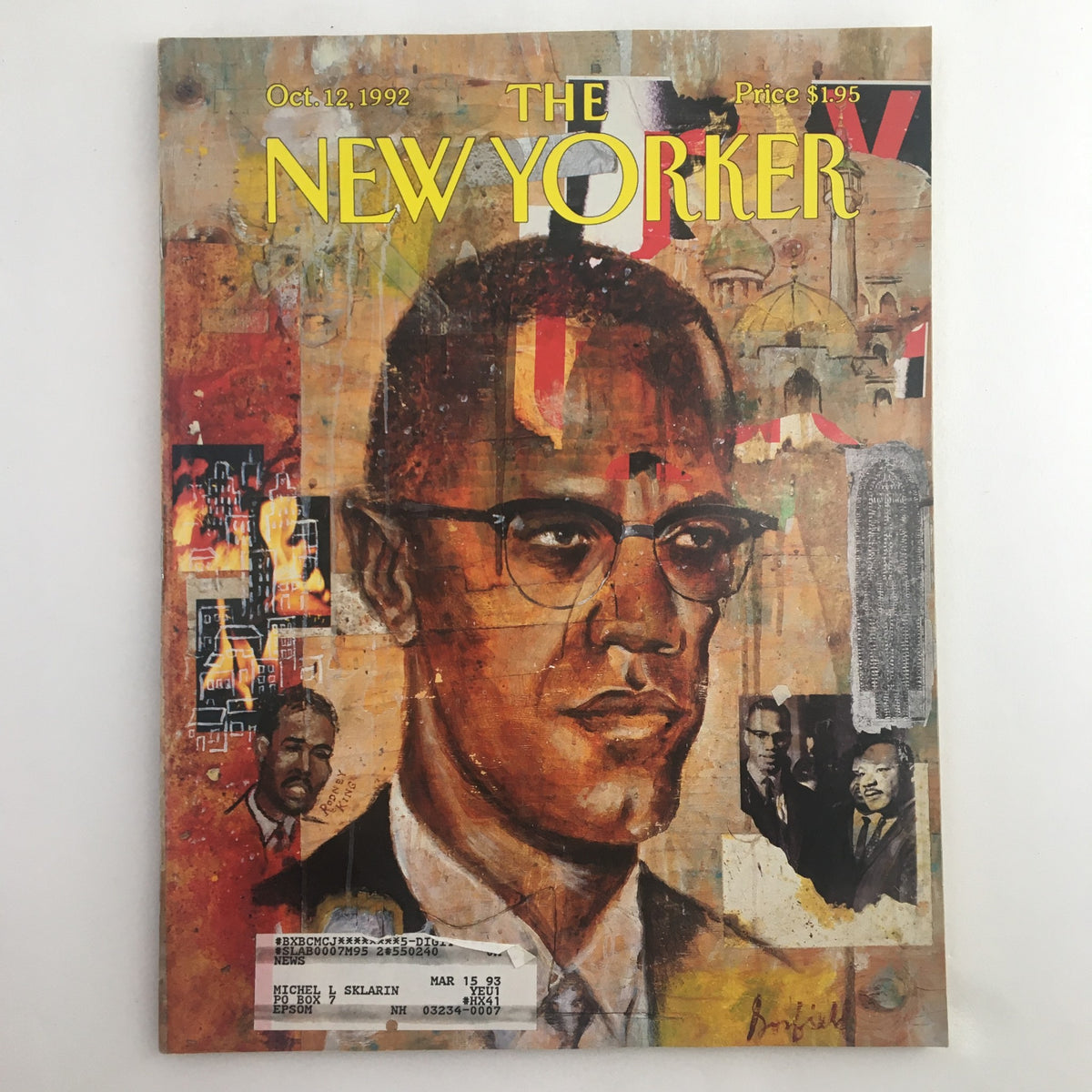
The print coverage of Malcolm X ranged from curiosity to alarm, often within the same publication. Photojournalists captured his intensity in close-cropped portraits—the sharp angles of his glasses, the finger pointing skyward mid-sermon, the calm defiance in his eyes during televised debates. Long-form interviews revealed a man whose intellect rivaled his passion, while editorial cartoons caricatured him as dangerous, even as profile pieces grudgingly acknowledged his brilliance. After his assassination at the Audubon Ballroom, the tone shifted: tributes poured in, retrospectives dissected his metamorphosis, and suddenly, the man many had dismissed became impossible to ignore. These magazines are artifacts of transformation—both his and the nation's attempt to reckon with him.
Curator's Checklist: Highlights Often Include
- Firebrand Speeches & Debates: Coverage of his legendary Oxford Union address, confrontations with journalists, and the rhetorical force that made him unmissable on television and radio
- Nation of Islam Era: Features on his partnership with Elijah Muhammad, Temple Number Seven in Harlem, and the philosophy of separation that defined his early ministry
- The Pilgrimage & Pivot: Reports from his 1964 hajj to Mecca, the letters he sent home, and the broadened worldview that redefined his final year
- Organization of Afro-American Unity: Founding documents, manifestos, and the vision for a new kind of Black political power rooted in self-determination
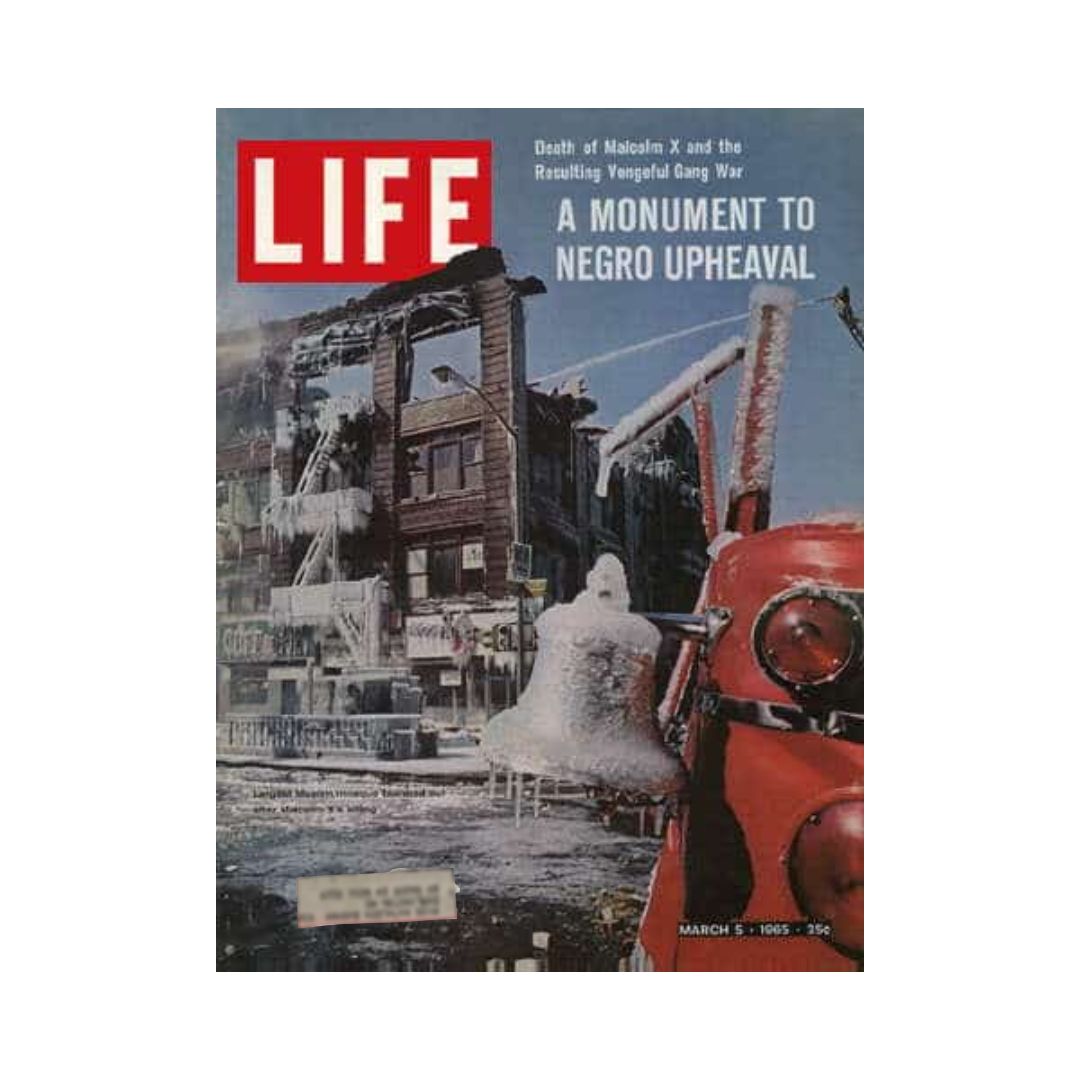
- Assassination & Aftermath: Front-page coverage from February 21, 1965, eyewitness accounts from the Audubon, and the tributes that followed from global leaders and grief-stricken communities
The Collector's Value
Original magazines featuring Malcolm X are more than collectibles—they are primary sources in the most essential American story. They capture a voice that refused to be moderated, a mind that never stopped evolving, and a legacy that transcends any single movement. Owning these issues means holding the unfiltered narrative of a leader whose words still ignite classrooms, protests, and conversations about justice. Explore our current inventory below to discover which chapter of Malcolm X's transformative journey is available today.