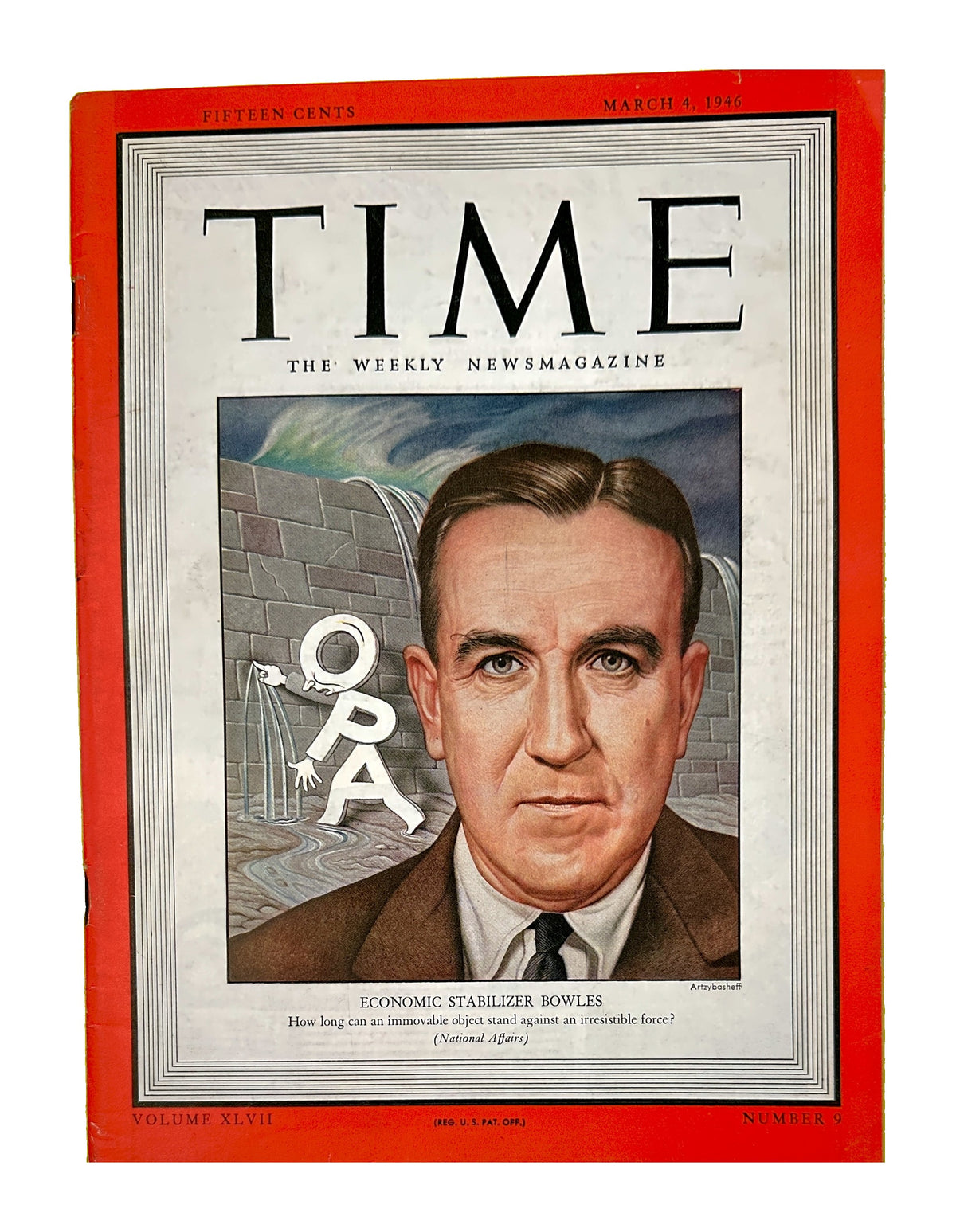
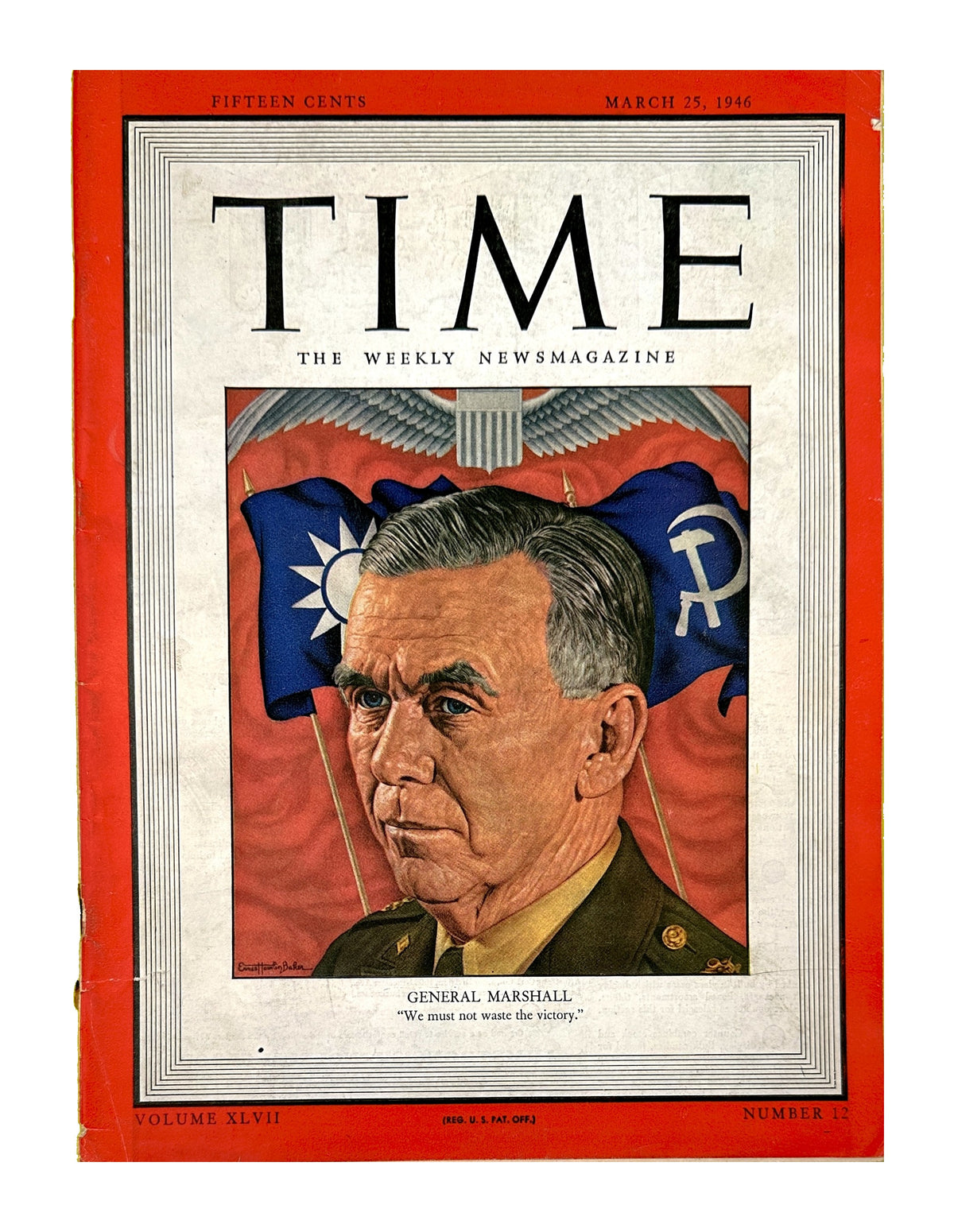
📖 About this Collection
March 1946: Iron Curtains and Atomic Dawns
The Historical Context
The world in March 1946 was learning to breathe again—but the air carried new tensions. Europe's rubble was still warm, the ink barely dry on the peace, when a single speech in a small Missouri town reordered the planet's understanding of itself. Winston Churchill stood at Westminster College in Fulton on March 5th and named what everyone already felt but hadn't dared say aloud: an Iron Curtain had descended across the continent, dividing East from West with the cold finality of a vault door closing. The phrase crackled through newsrooms and living rooms alike, defining an era before most people understood they were living in one. Meanwhile, the United States evacuated the islanders of Bikini Atoll, quietly clearing paradise for nuclear testing—a transaction that announced, without ceremony, what kind of century this would be. In London, the Bank of England was nationalized after 252 years of private operation, while Britain simultaneously acknowledged India's right to independence. This was the world your loved one entered—one remaking itself, one uneasy headline at a time.
The Culture of a Nation Catching Its Breath
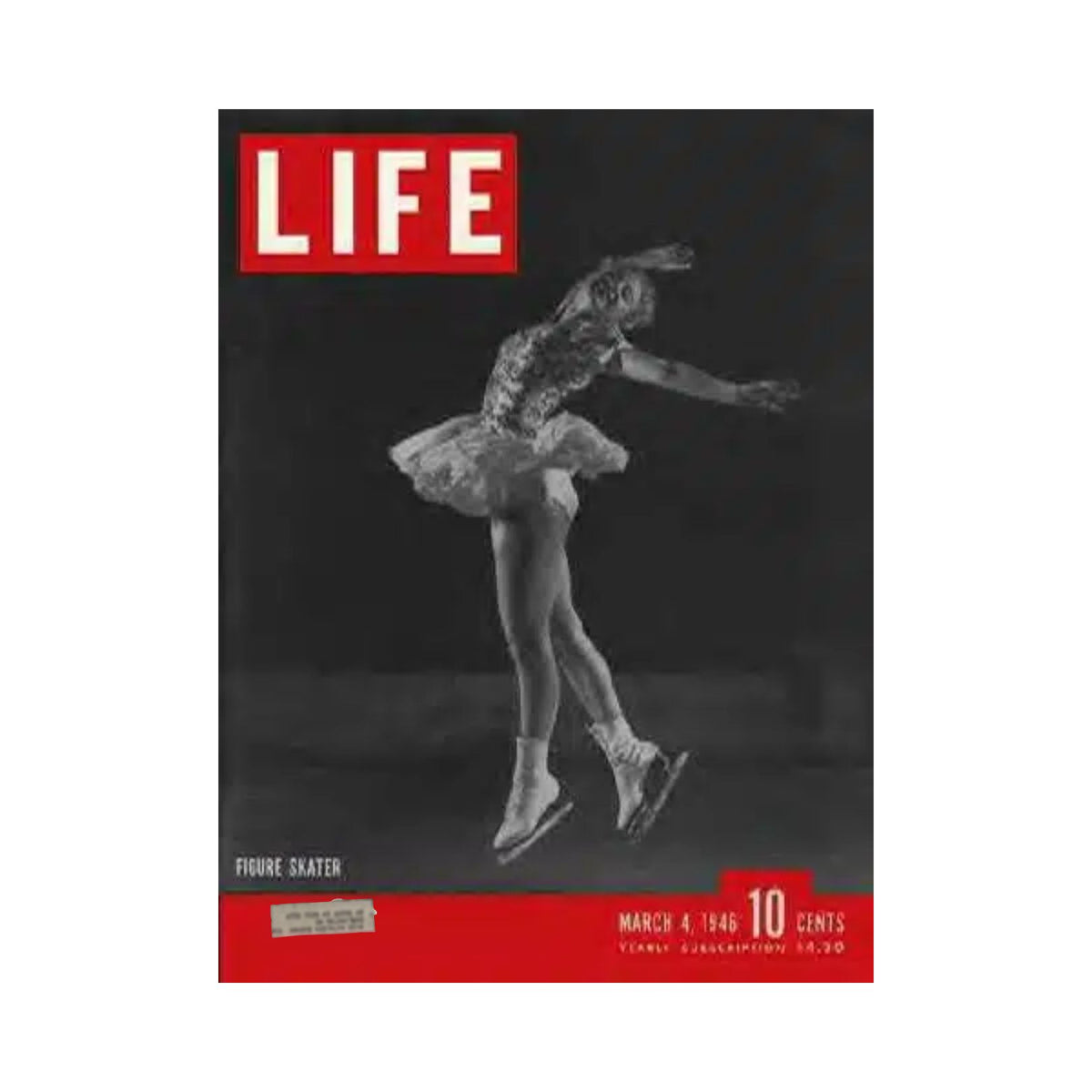
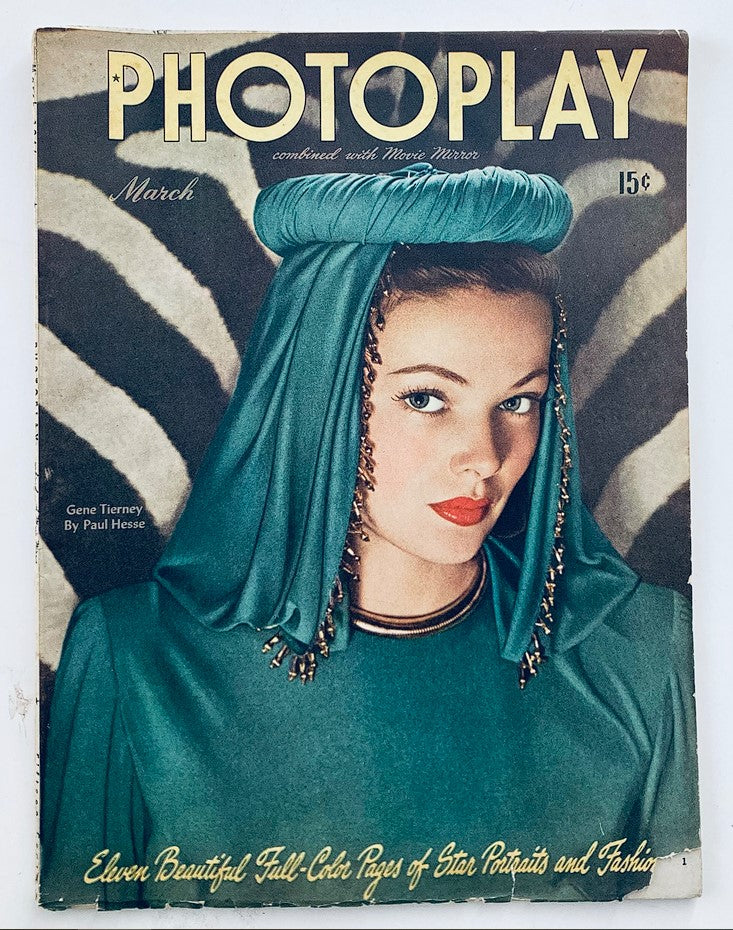
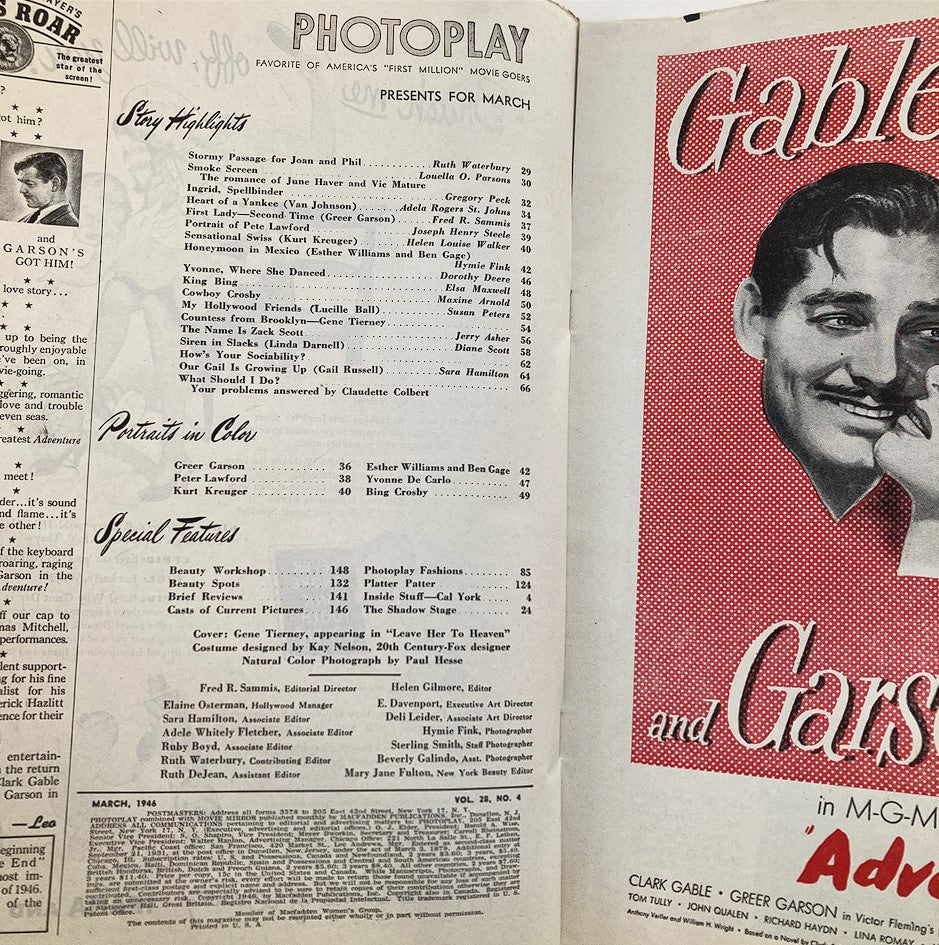
Hollywood, ever alert to the public mood, delivered one of its most enduring gifts that March. Gilda premiered in New York City on the 14th, and Rita Hayworth's performance ensured that original magazines from March 1946 would carry one of the most iconic faces in cinema history across their pages. The film would become shorthand for a whole style of postwar cool. Days earlier, on March 7th, the Academy Awards had crowned The Lost Weekend—Ray Milland taking Best Actor, Joan Crawford Best Actress—and the evening's drama carried through Life, Newsweek, and Look, whose photographers captured every charged moment. The 3rd Golden Globes, also that month, reinforced these favorites, with Ingrid Bergman joining the celebration. On Broadway, Harold Arlen and Johnny Mercer's St. Louis Woman opened at the Martin Beck Theater, featuring Pearl Bailey and the Nicholas Brothers. At Carnegie Hall, Igor Stravinsky's Ebony Concerto received its world premiere with Woody Herman's orchestra—a collision of the classical and the jazz age that felt like March 1946 in miniature: formal traditions bending toward something thrillingly new.
Curator's Checklist: What to Look for in Your March 1946 Magazine
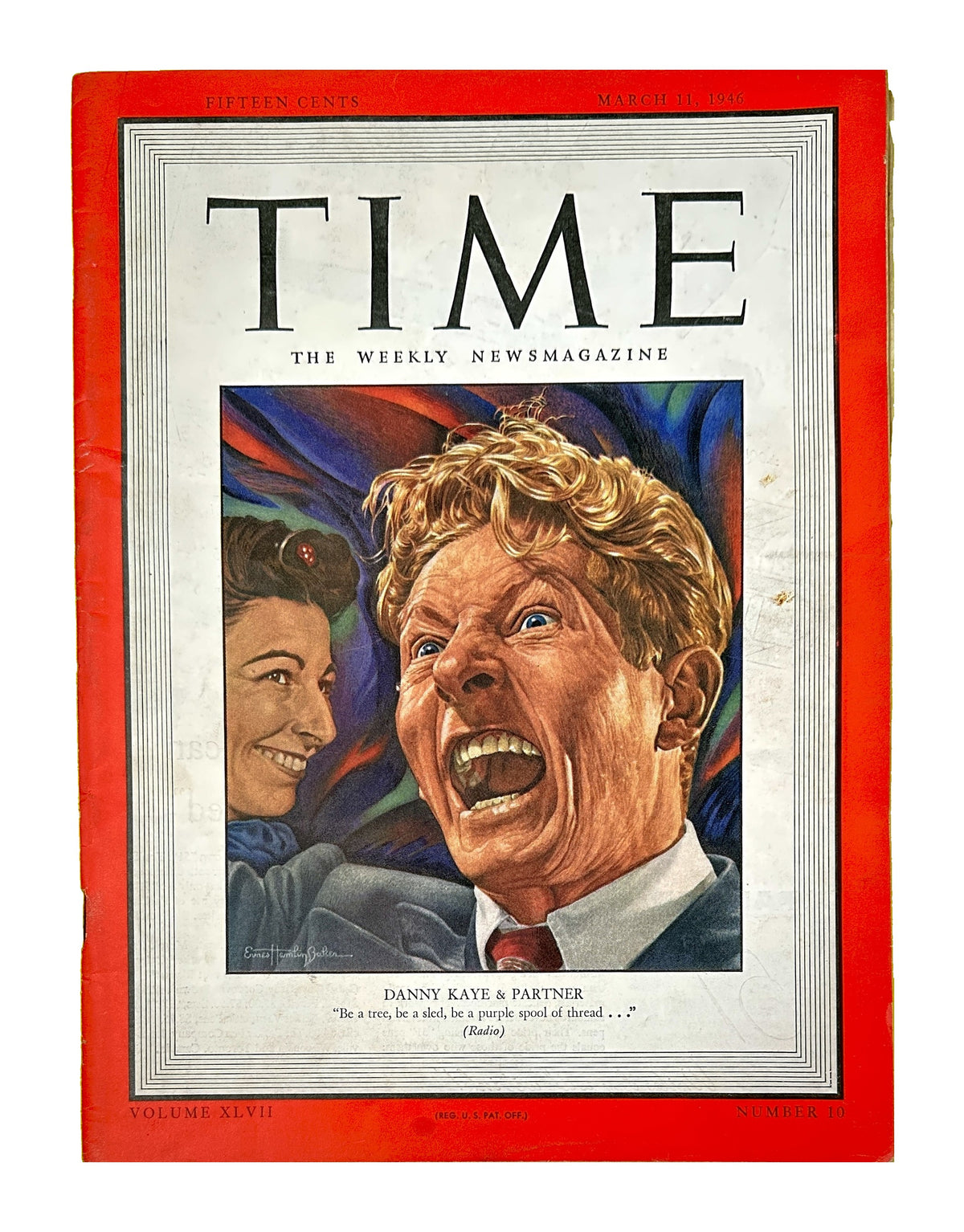
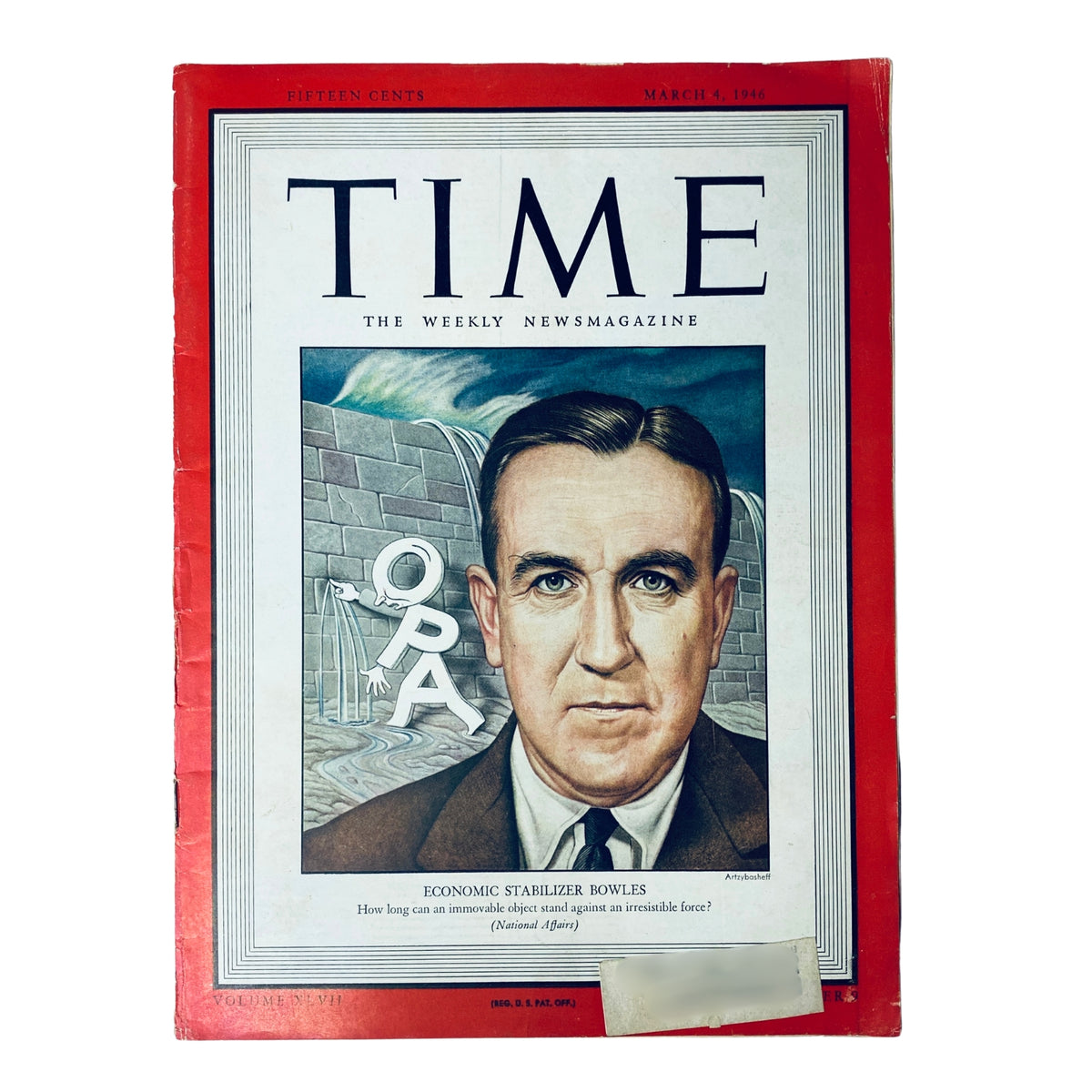
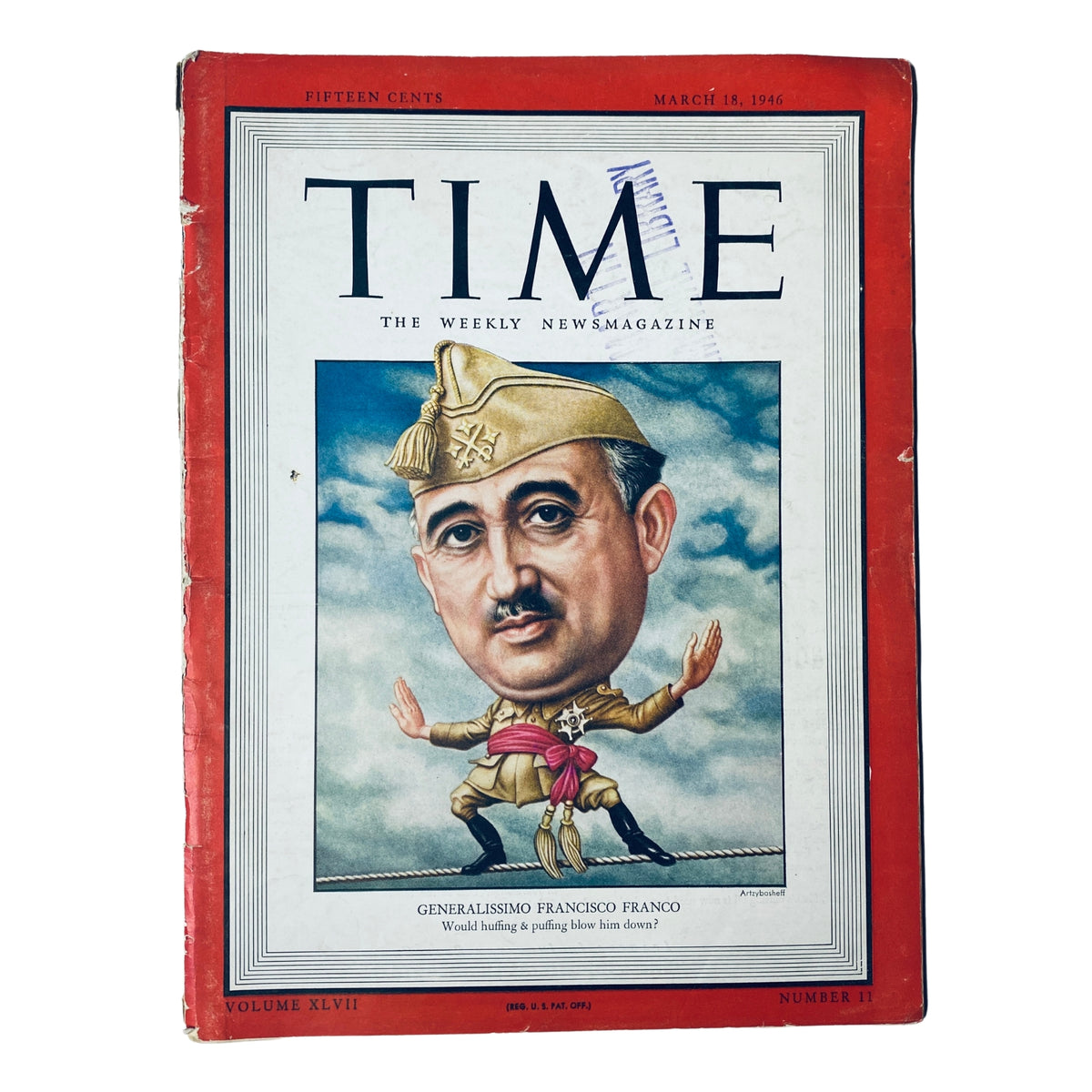
- Churchill's "Iron Curtain" Speech: News weeklies including Time, Newsweek, and Life featuring front-page coverage of Churchill's Fulton address, often illustrated with wire photographs of the former Prime Minister at the podium alongside urgent editorial analysis of Soviet expansionism.
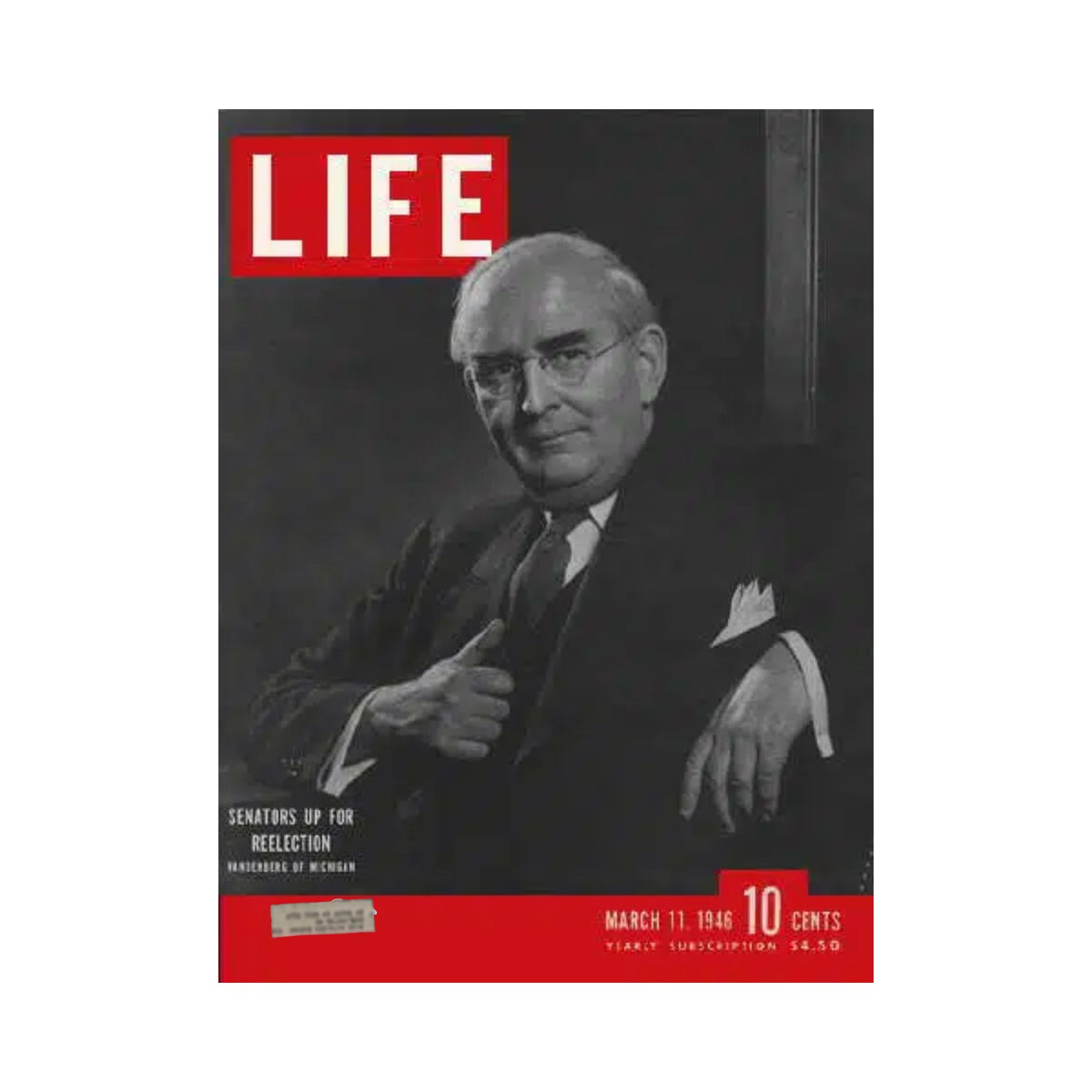
- The Academy Awards & Gilda: Entertainment spreads in Life and Look showcasing the 18th Academy Awards ceremony, alongside studio publicity photographs of Rita Hayworth, Joan Crawford, and Ray Milland—genuine artifacts of Hollywood at its most glamorous.
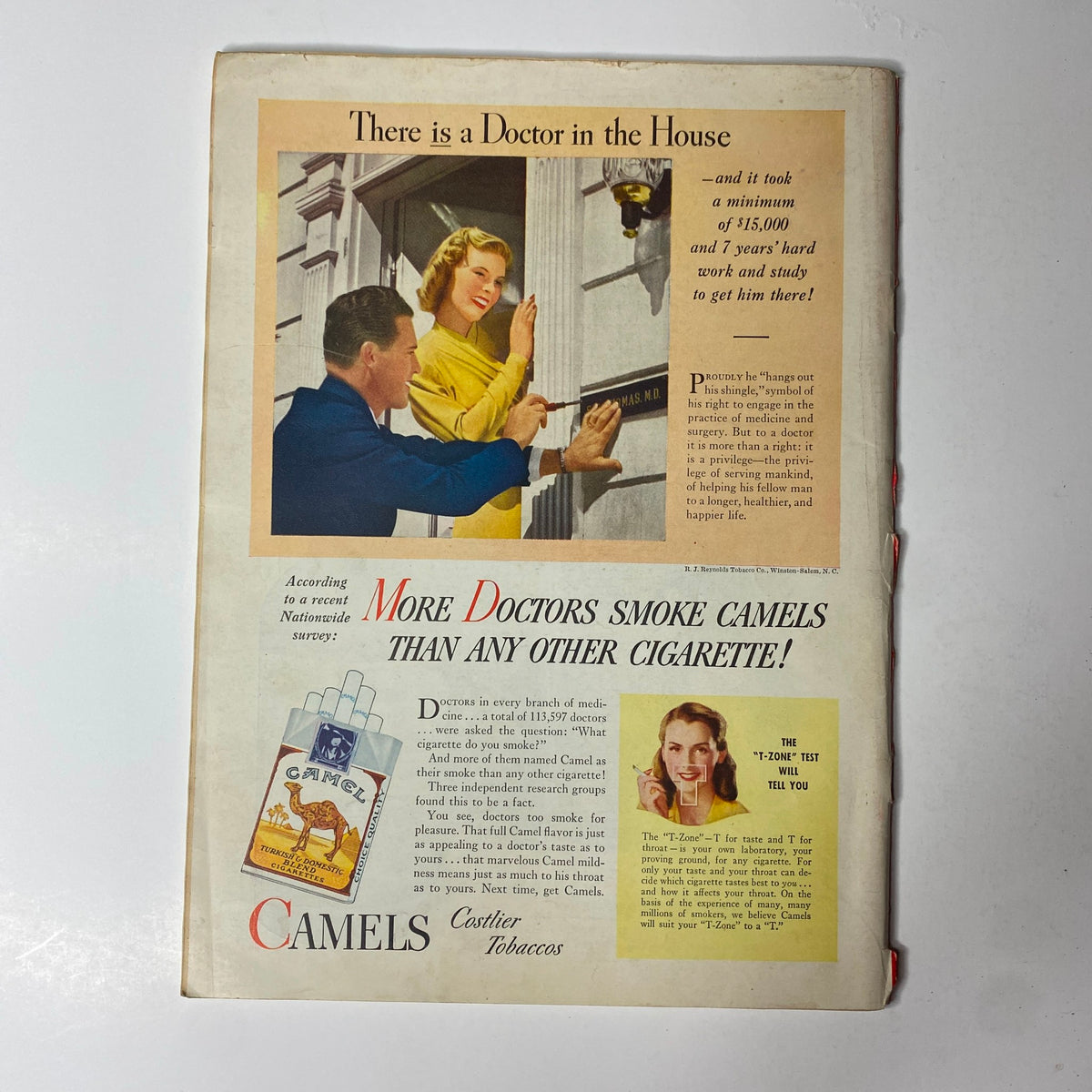
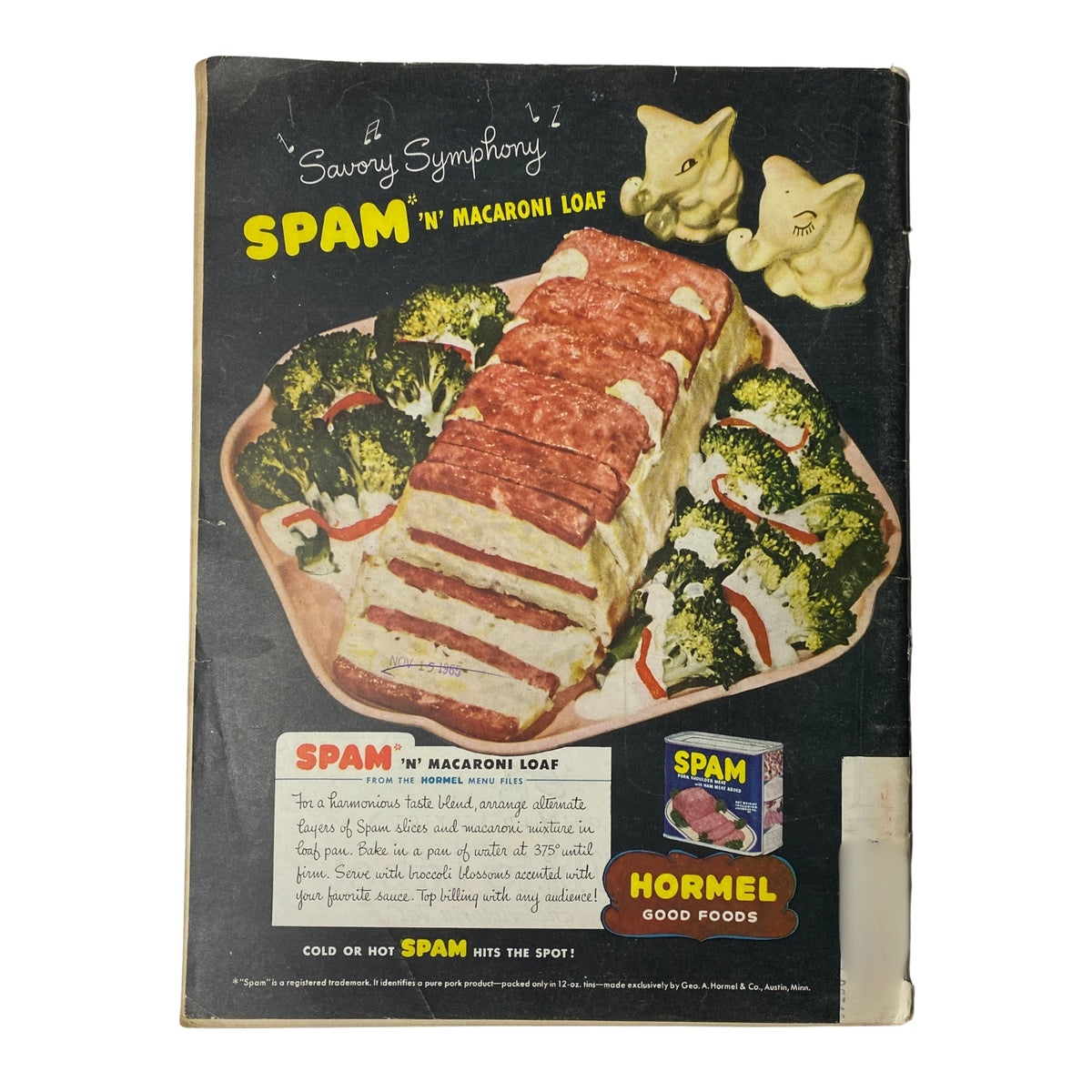
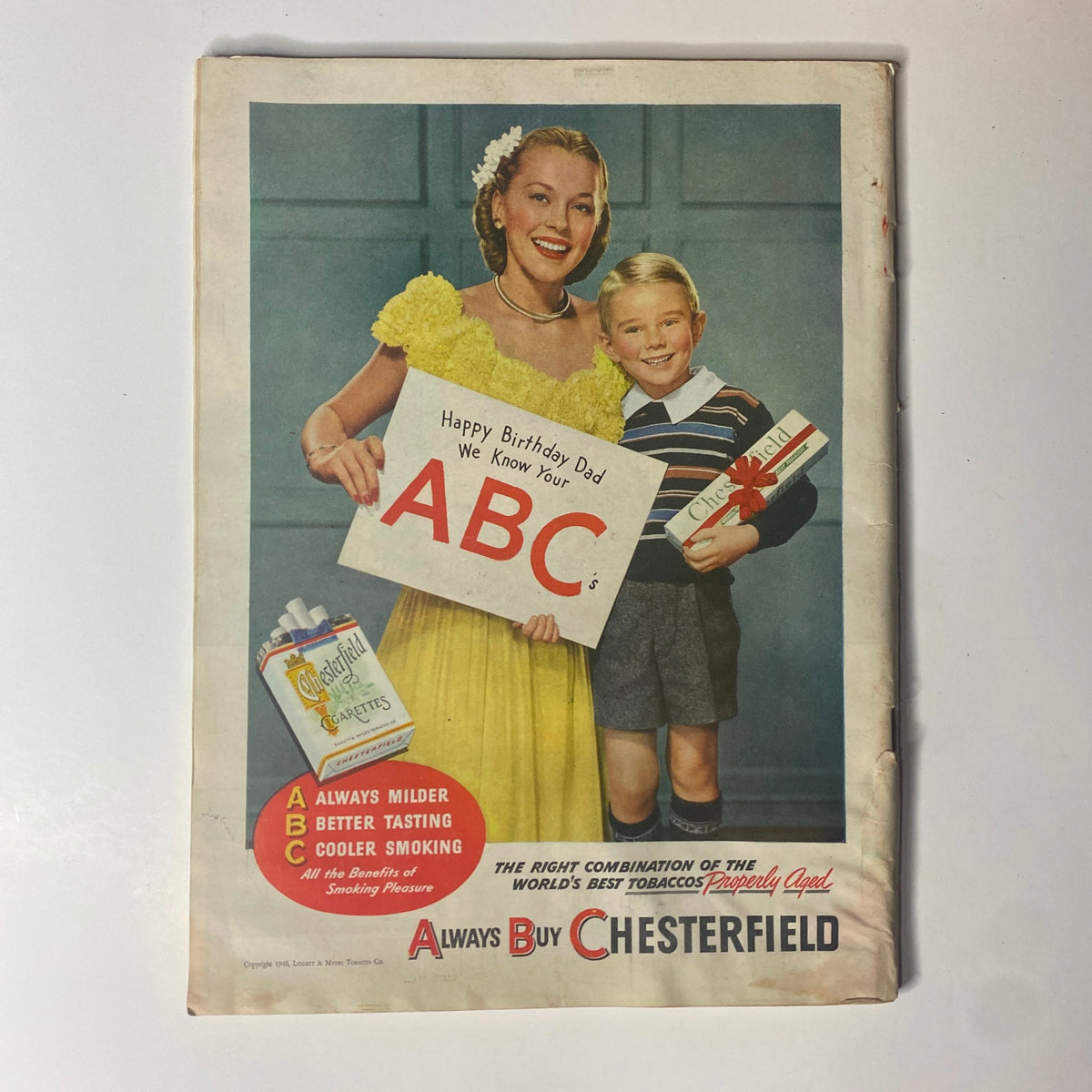
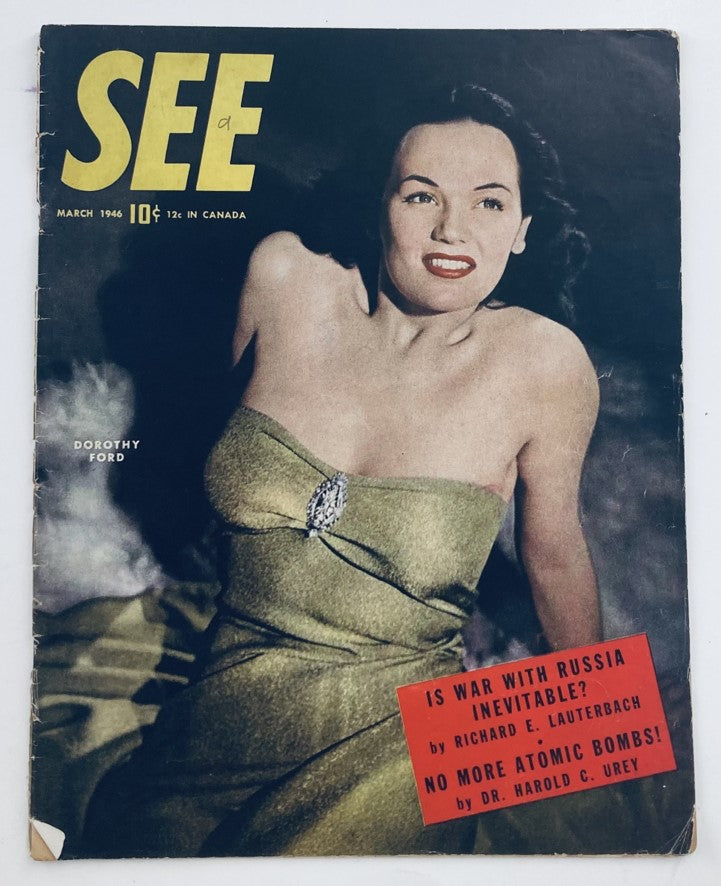
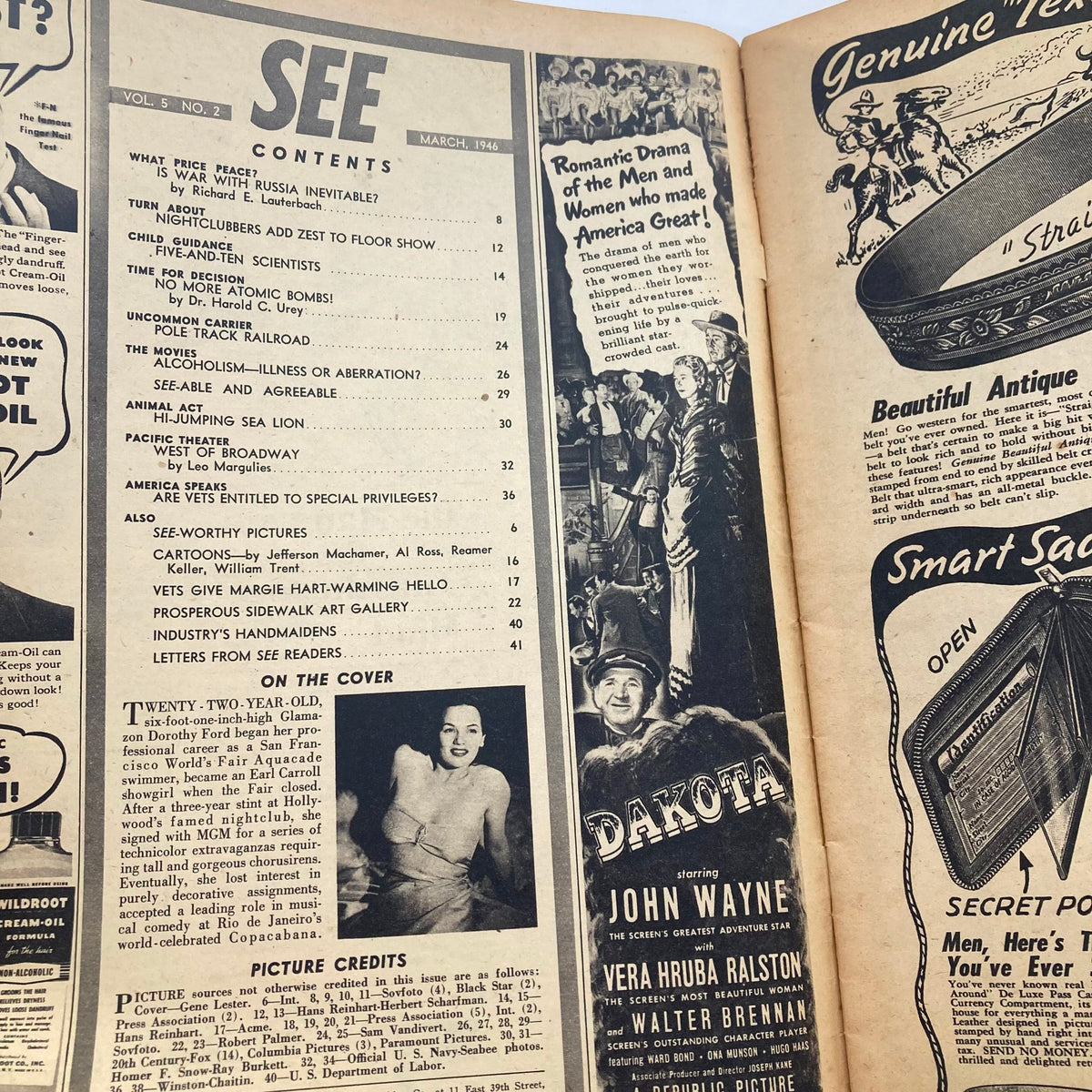
- Bikini Atoll and the Atomic Age: Rare magazines from this month carry early, matter-of-fact coverage of the Bikini evacuation in science and news titles, alongside advertisements for consumer goods that feel poignant against the backdrop of atomic anxiety—authentic documents of a nation rationalizing the unthinkable.
- Ho Chi Minh's Election and Vietnam: Vintage magazines covering international affairs—Time, Newsweek, Life—include early, formative coverage of Ho Chi Minh's election as President of North Vietnam, offering a genuinely rare window into a conflict the world did not yet know was coming.
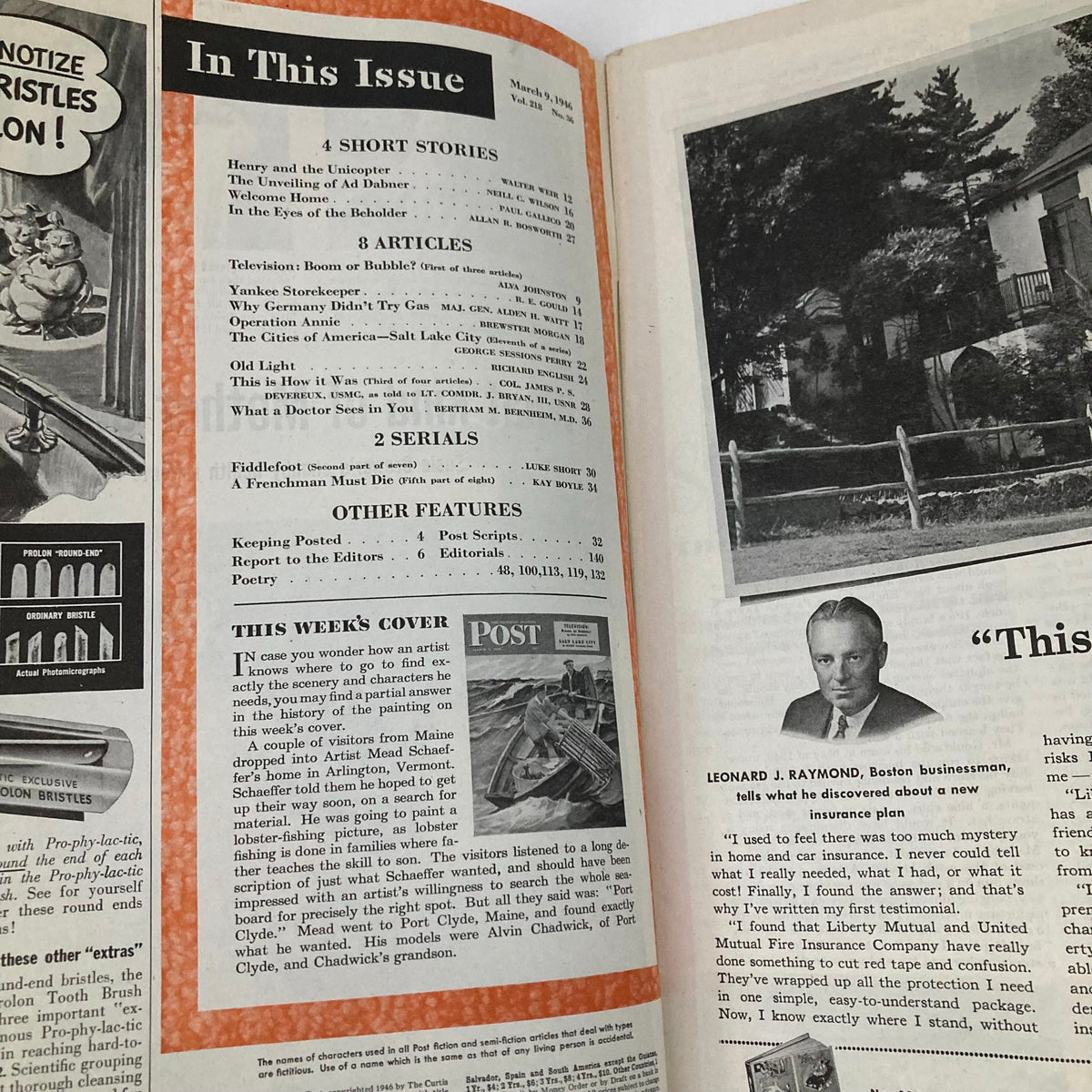
- Broadway and Carnegie Hall: Arts and culture sections of The Saturday Evening Post, Esquire, and entertainment publications chronicling the openings of St. Louis Woman and Stravinsky's Ebony Concerto, often featuring production photography and reviews that read as dispatches from another world.
The Perfect Gift
For someone born in March 1946, an original magazine from this extraordinary month isn't just a piece of paper—it's a time capsule of the precise world that shaped them, preserved in genuine headlines, authentic advertisements, and the unretouched photography of a civilization writing its own future in real time.