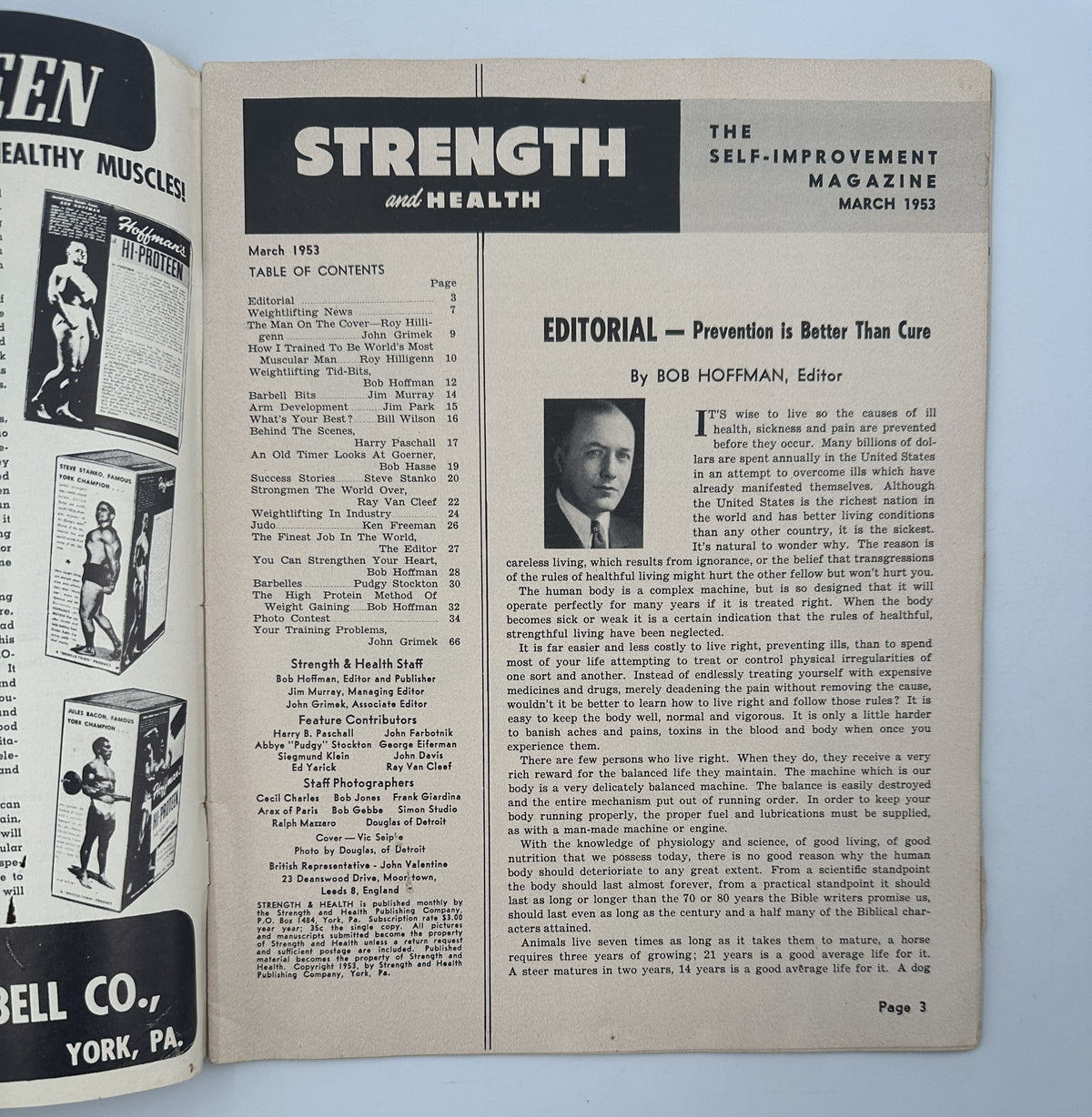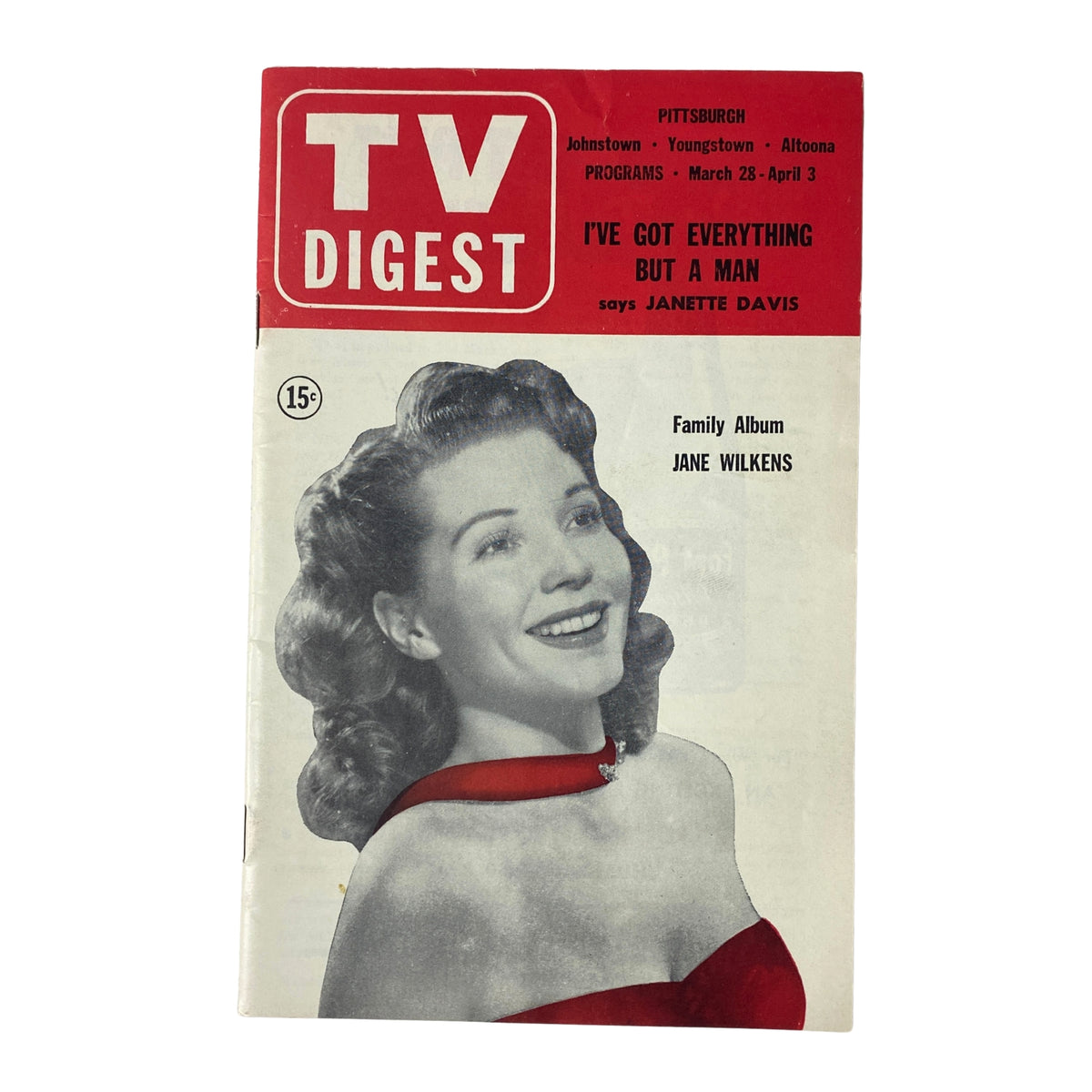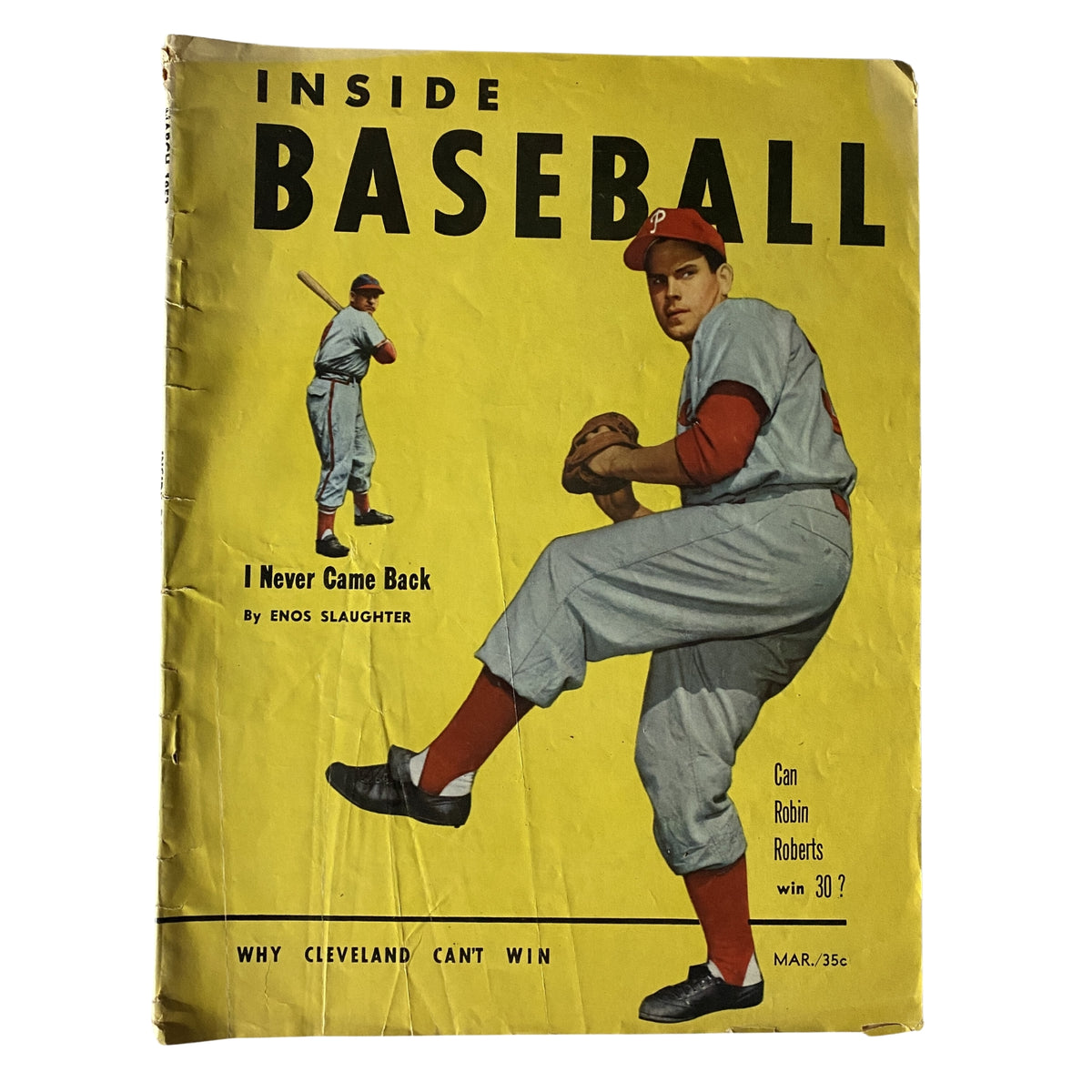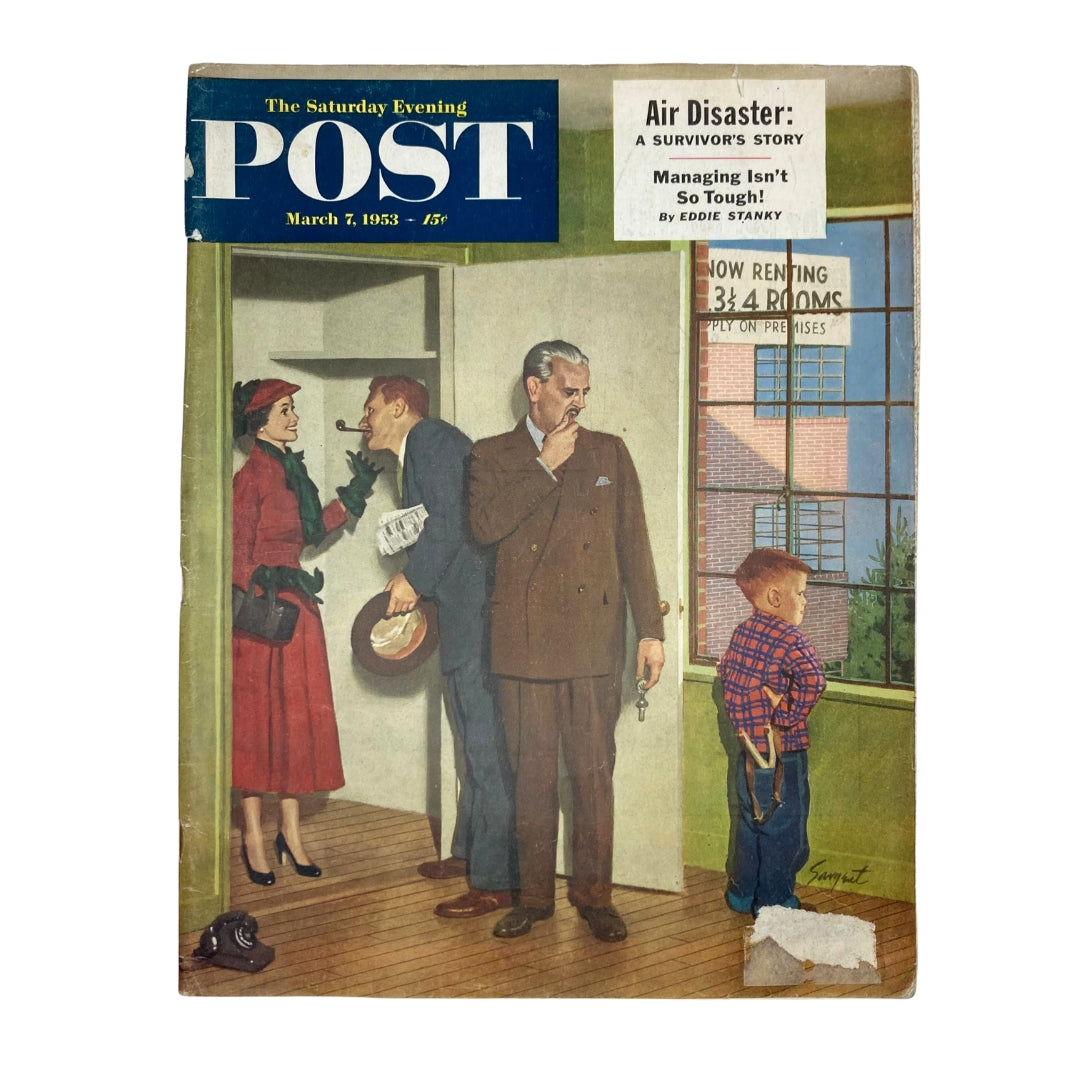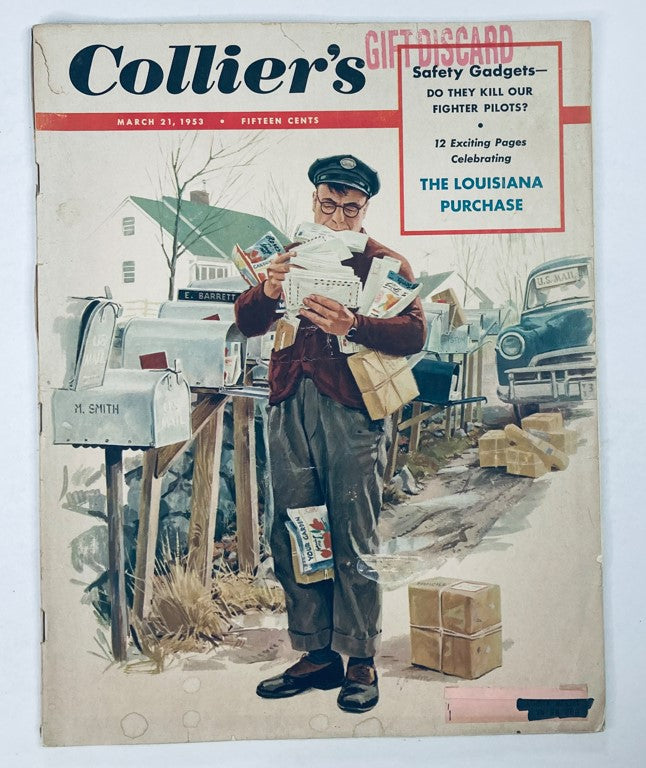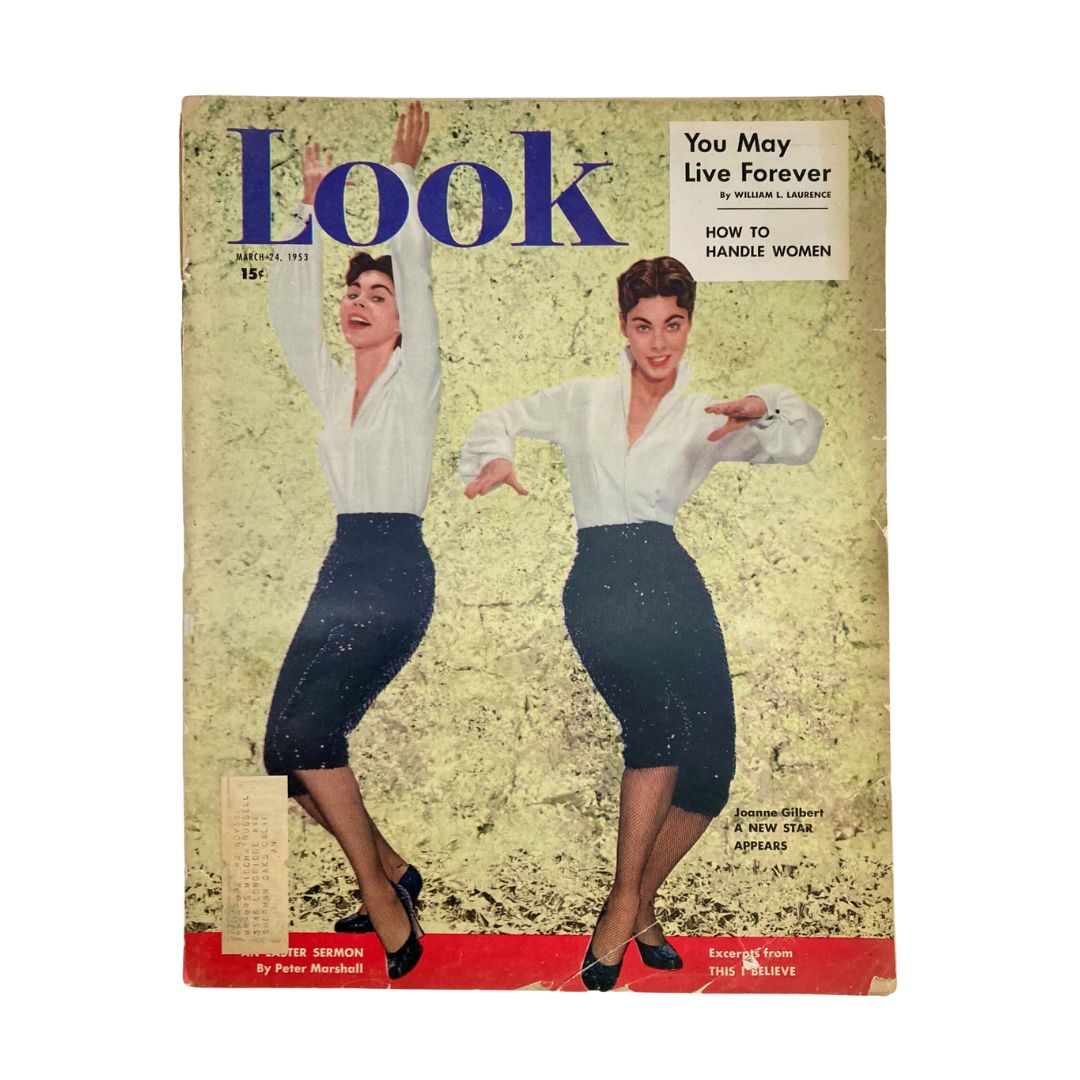
📖 About this Collection
March 1953: When Giants Fell and History Turned
The Historical Context
March 1953 witnessed the death of one era and the birth of another. On the first day of the month, Joseph Stalin suffered a stroke after an all-night session with advisers; four days later, the Soviet dictator was dead, ending nearly three decades of brutal rule. His funeral in Moscow drew massive crowds as the world watched anxiously to see who would inherit the Communist empire—Georgy Malenkov quickly assumed leadership of the USSR. Yet even as geopolitical power shifted, hope emerged from American laboratories: Dr. Jonas Salk announced successful testing of a polio vaccine on March 26th, promising liberation from the disease that had paralyzed thousands of children annually. The Oscars were televised for the first time, bringing Hollywood glamour into living rooms nationwide, while Albert Einstein announced his revised unified field theory, attempting to unlock the universe's deepest mathematical secrets. This was the world your loved one entered in March 1953—a month when titans fell, scientific breakthroughs promised better tomorrows, and the television age truly arrived.
Pop Culture & Lifestyle
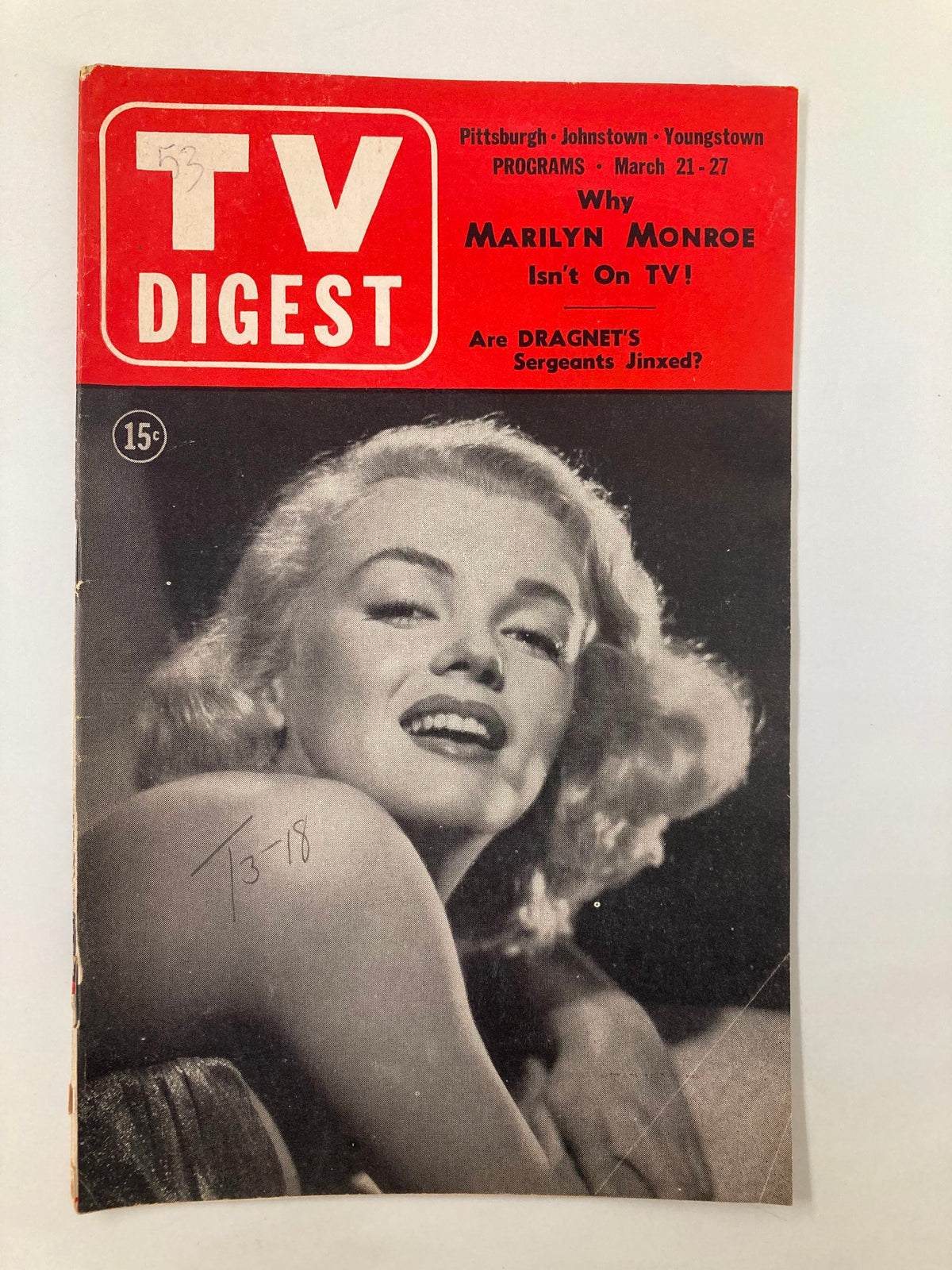
Entertainment dominated the cultural conversation as Hollywood's biggest night went public. The 25th Academy Awards ceremony became the first to be televised, with Gary Cooper and Shirley Booth taking home acting honors for performances audiences had discussed all year. Broadway continued its remarkable season: the Tony Awards honored Arthur Miller's "The Crucible" and Leonard Bernstein's "Wonderful Town," while Tennessee Williams' experimental "Camino Real" premiered to mixed reviews. Sports fans witnessed dramatic moments across multiple arenas—the NCAA basketball championship saw Indiana edge Kansas 69-68, the Boston Braves received approval to relocate to Milwaukee (baseball's first franchise shift since 1903), and a controversial LPGA tournament saw Babe Zaharias win despite playing partner Louise Suggs refusing to sign her scorecard. Figure skating champion Tenley Albright claimed another national title. Original magazines from March 1953 preserved these cultural milestones through vivid Oscar night photography, sports action shots, and the theatrical advertisements that defined midcentury American entertainment.
What to Look for in Vintage Magazines from March 1953
-
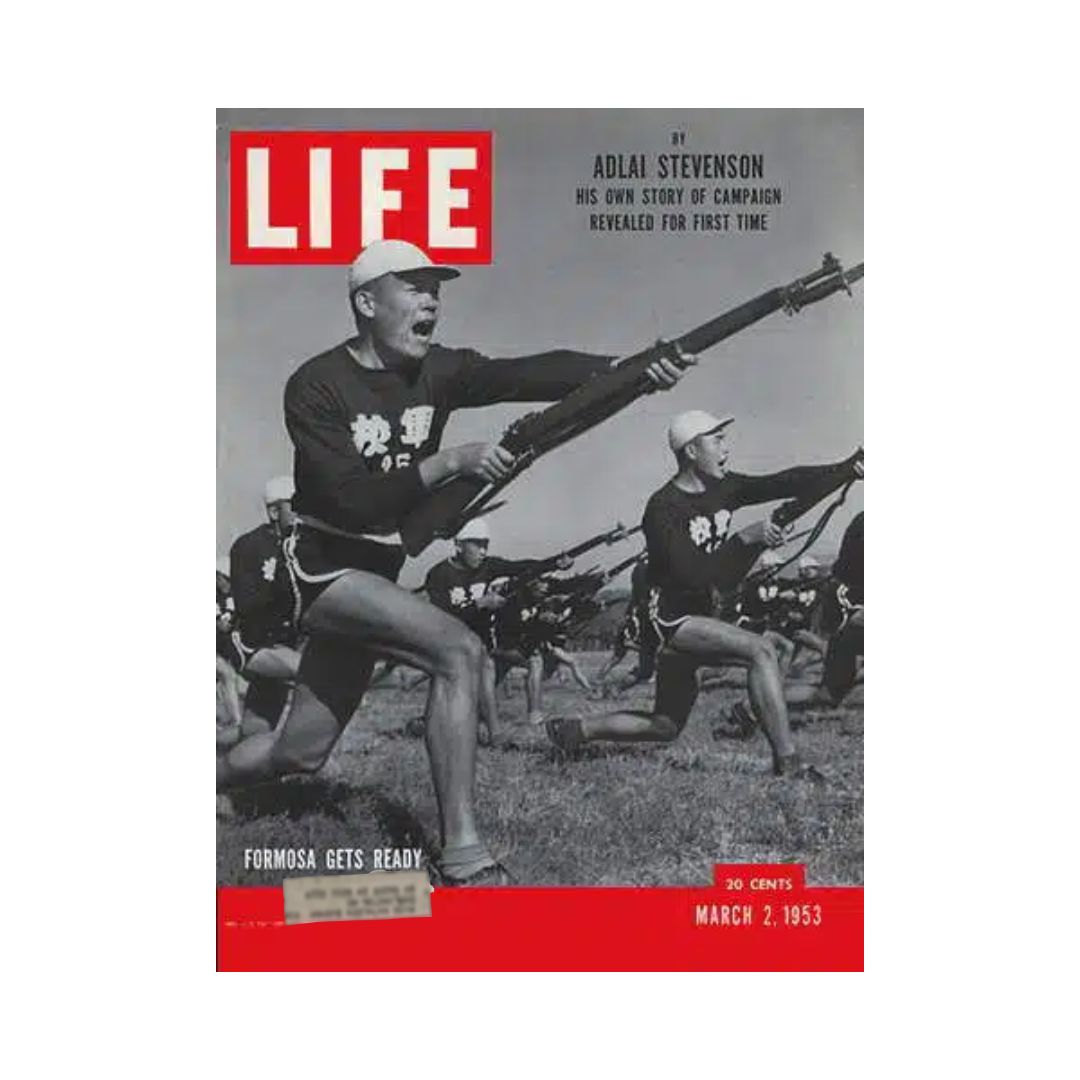
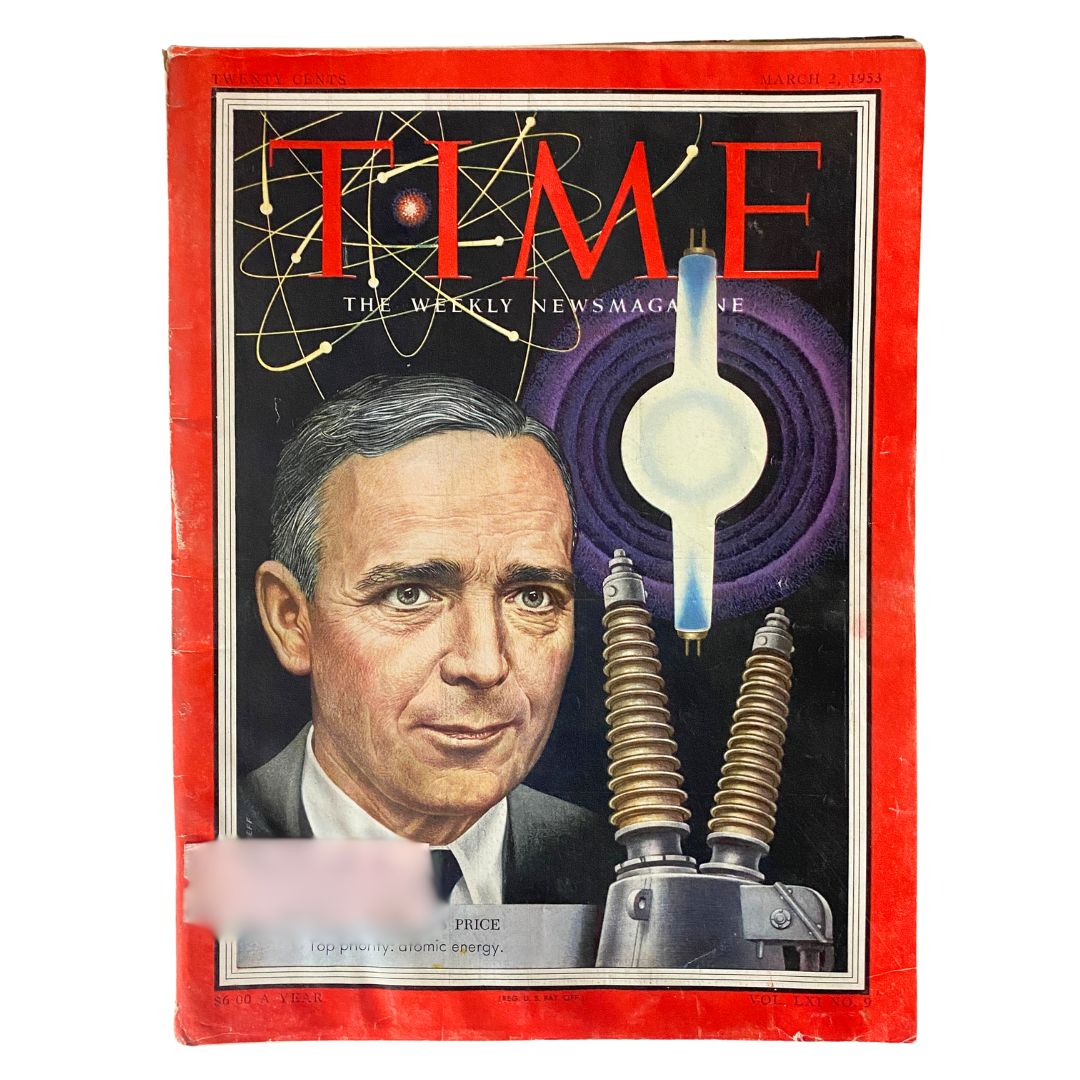
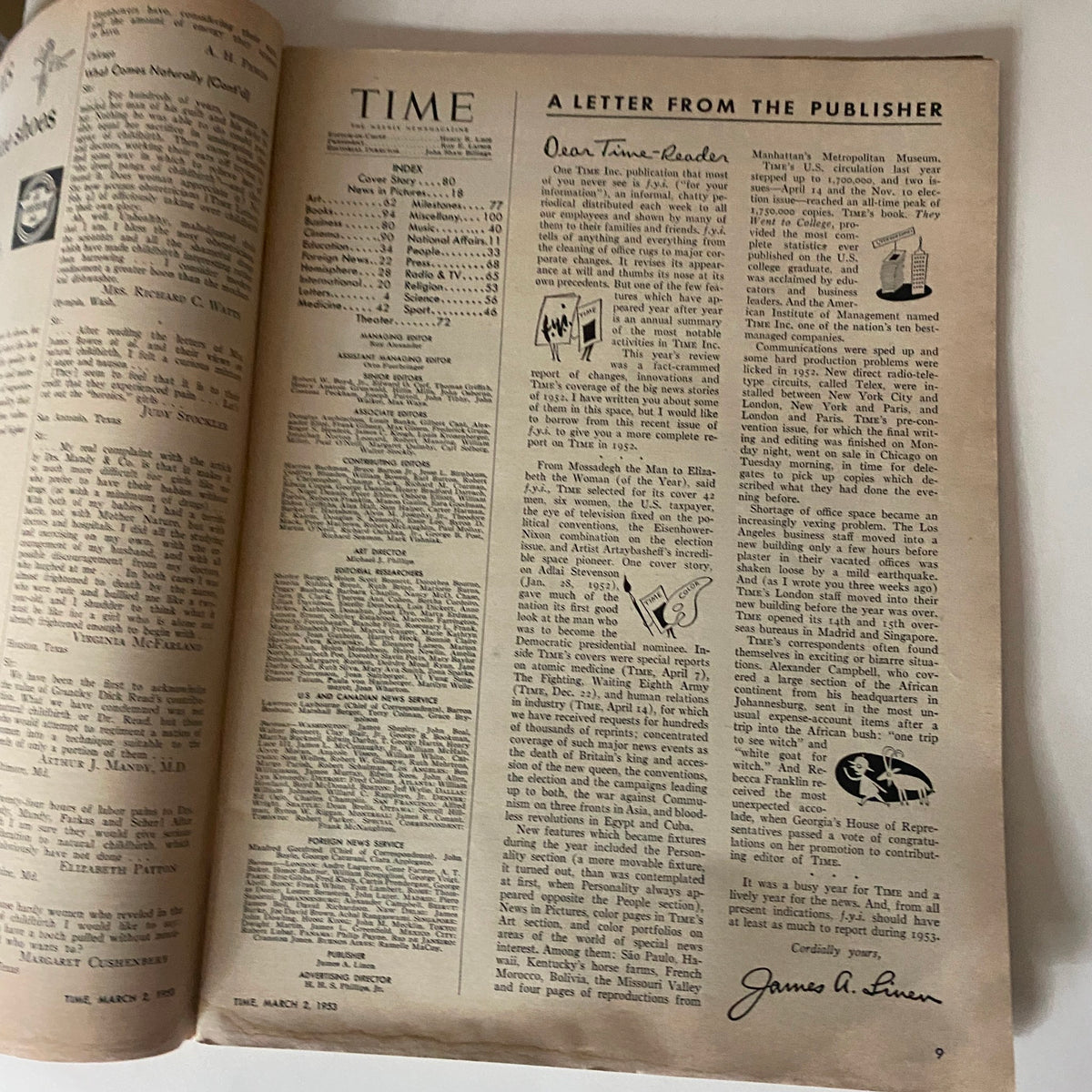
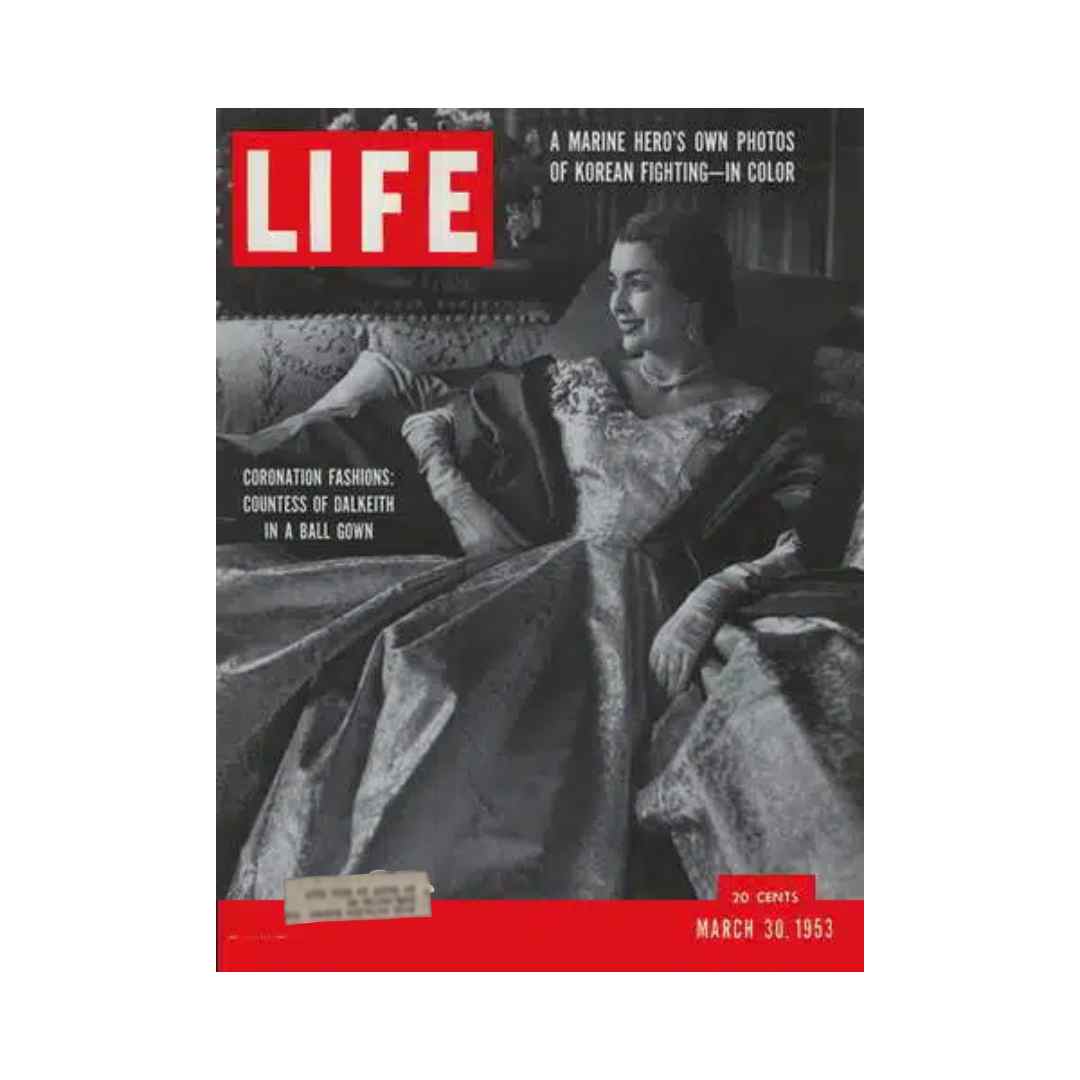
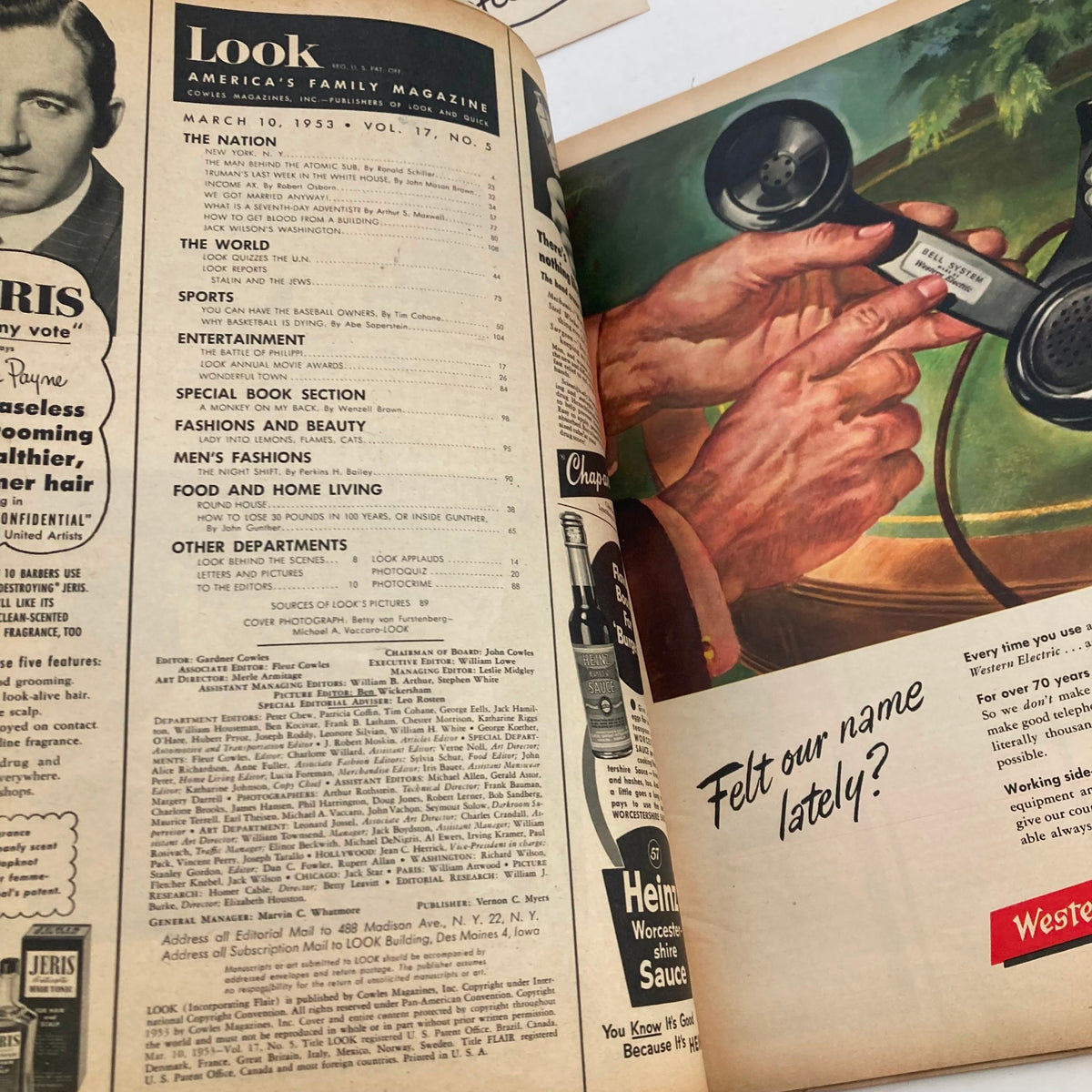
Stalin's Death and Soviet Succession: Time, Life, and Newsweek featuring dramatic funeral coverage from Moscow, photojournalism documenting the massive crowds, and political analysis of Malenkov's rise—rare magazines capturing the Cold War's most significant leadership transition.
-
Dr. Salk's Polio Vaccine Announcement: Medical journals and general-interest publications chronicling the breakthrough that would save millions, illustrated with laboratory photography, interviews with hopeful parents, and authentic period advertisements reflecting the era's medical anxieties.
-
First Televised Academy Awards: Entertainment magazines and Variety showcasing the historic Oscar broadcast, featuring behind-the-scenes coverage, winner photography, and the advertising campaigns that promoted Hollywood's transition from exclusive theater event to national television spectacle.
-
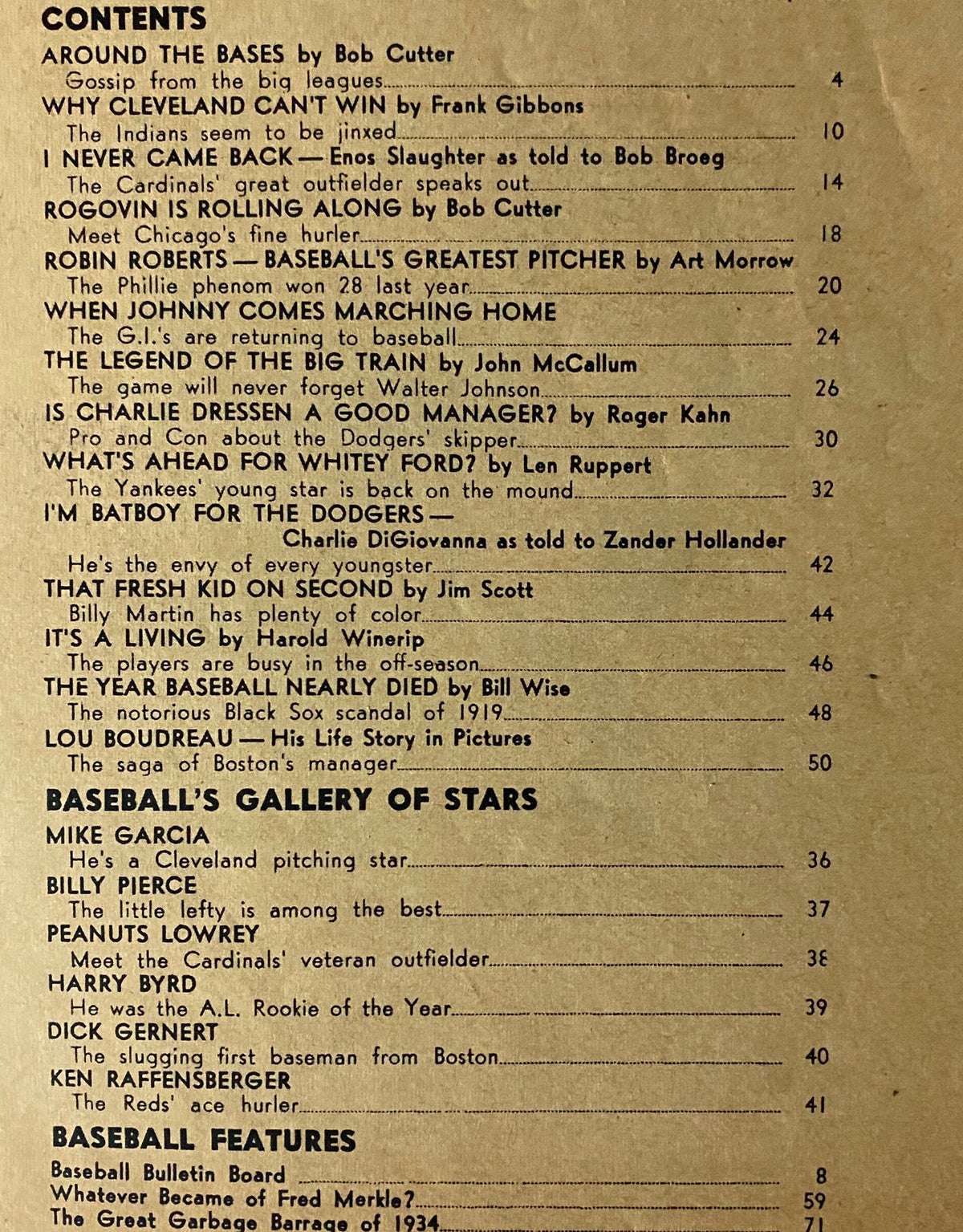
Baseball's Geographic Revolution: Sports magazines documenting the Boston Braves' approved move to Milwaukee, featuring stadium photography, franchise analysis, and the sports business coverage that marked professional baseball's first geographic expansion in fifty years.
-
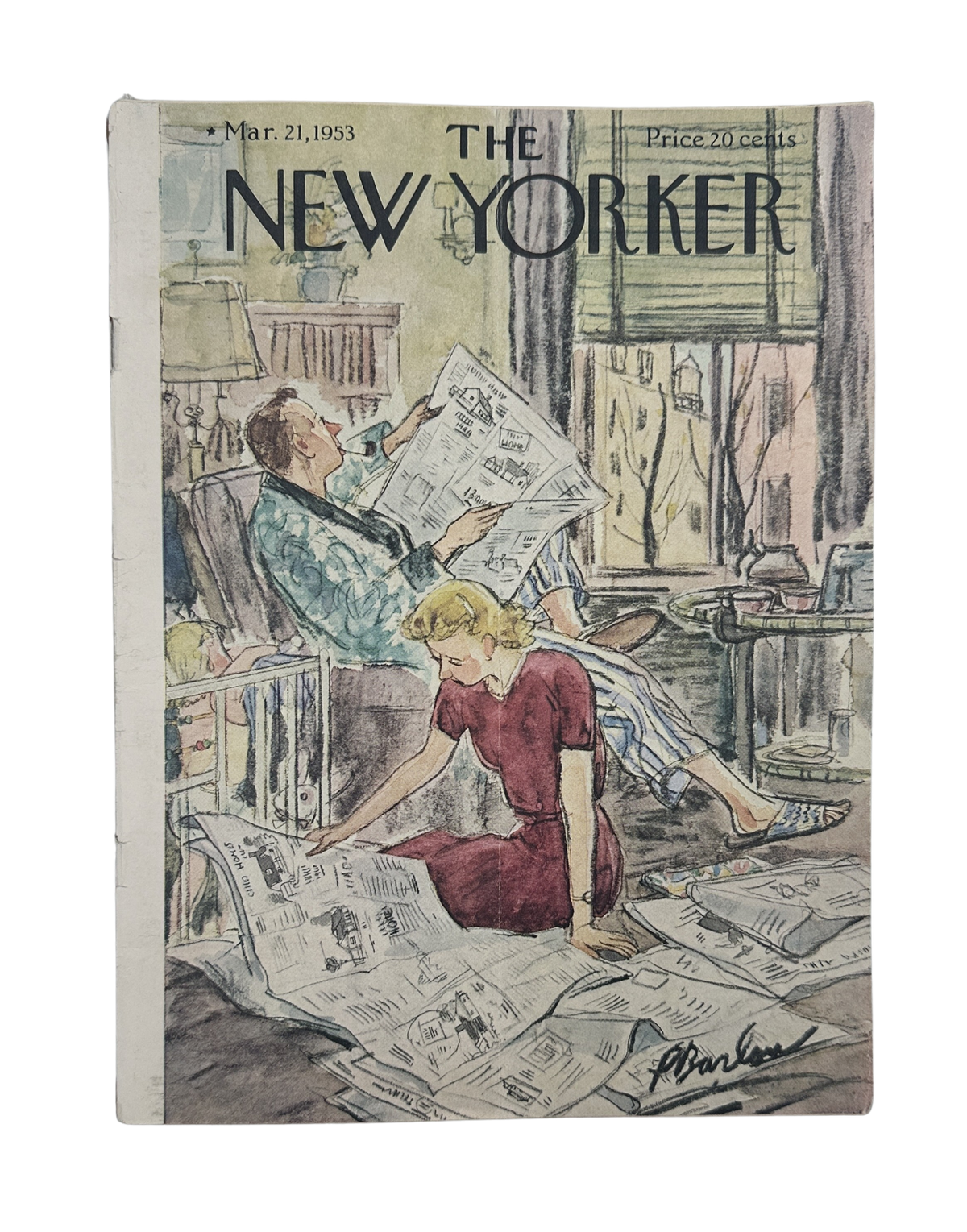
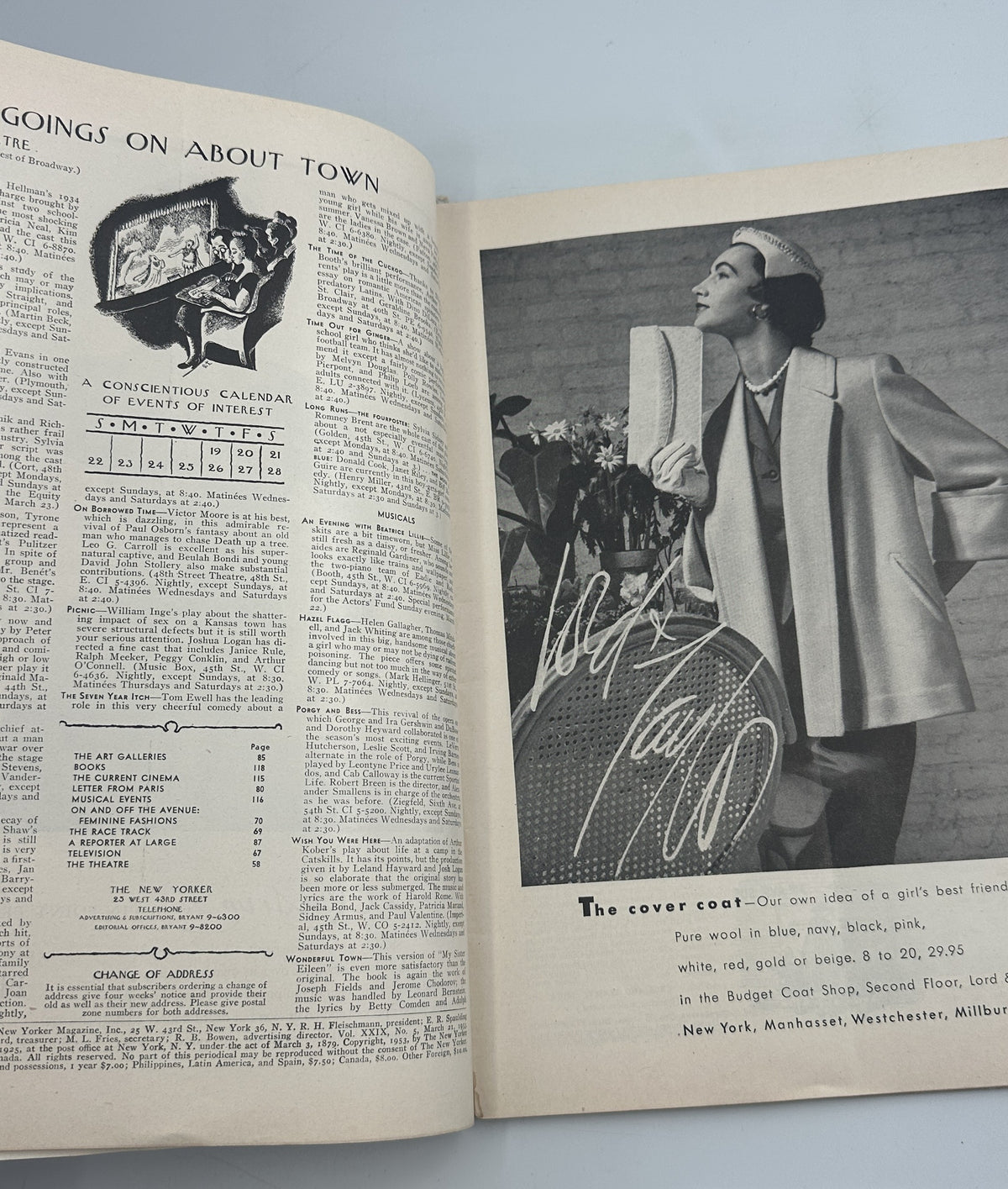
Broadway's Prestige Season: Theater coverage in vintage magazines highlighting the Tony Awards, Tennessee Williams premieres, and the sophisticated theatrical advertising that filled publications catering to New York's cultural elite.
The Perfect Gift
For someone born in March 1953, an original magazine from this pivotal month isn't just a birthday gift—it's authenticated witness to the moment Stalin's death reshaped global power and Salk's vaccine promised hope, preserved in genuine news photography, theatrical advertisements, and the time capsule authenticity only rare magazines deliver.