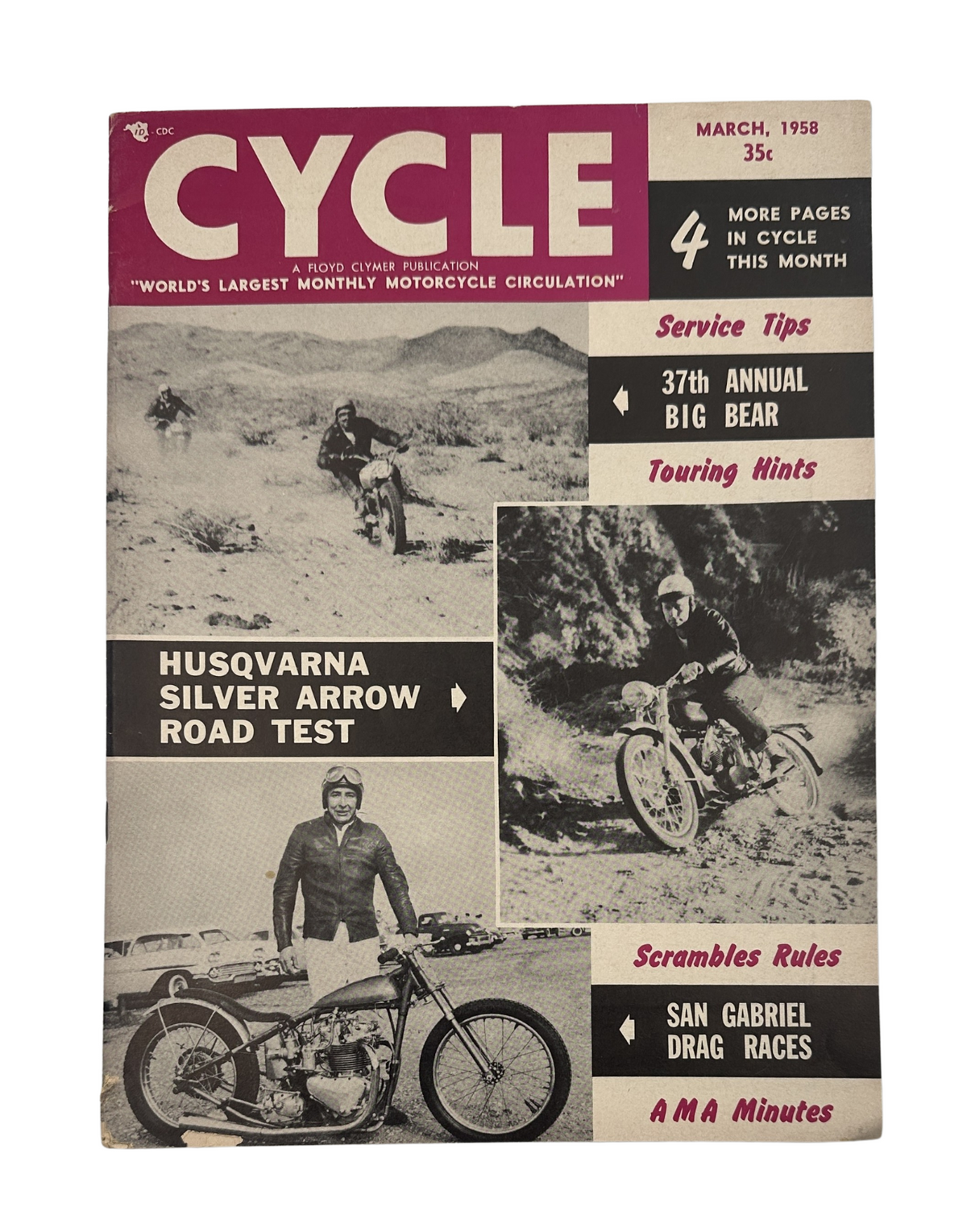
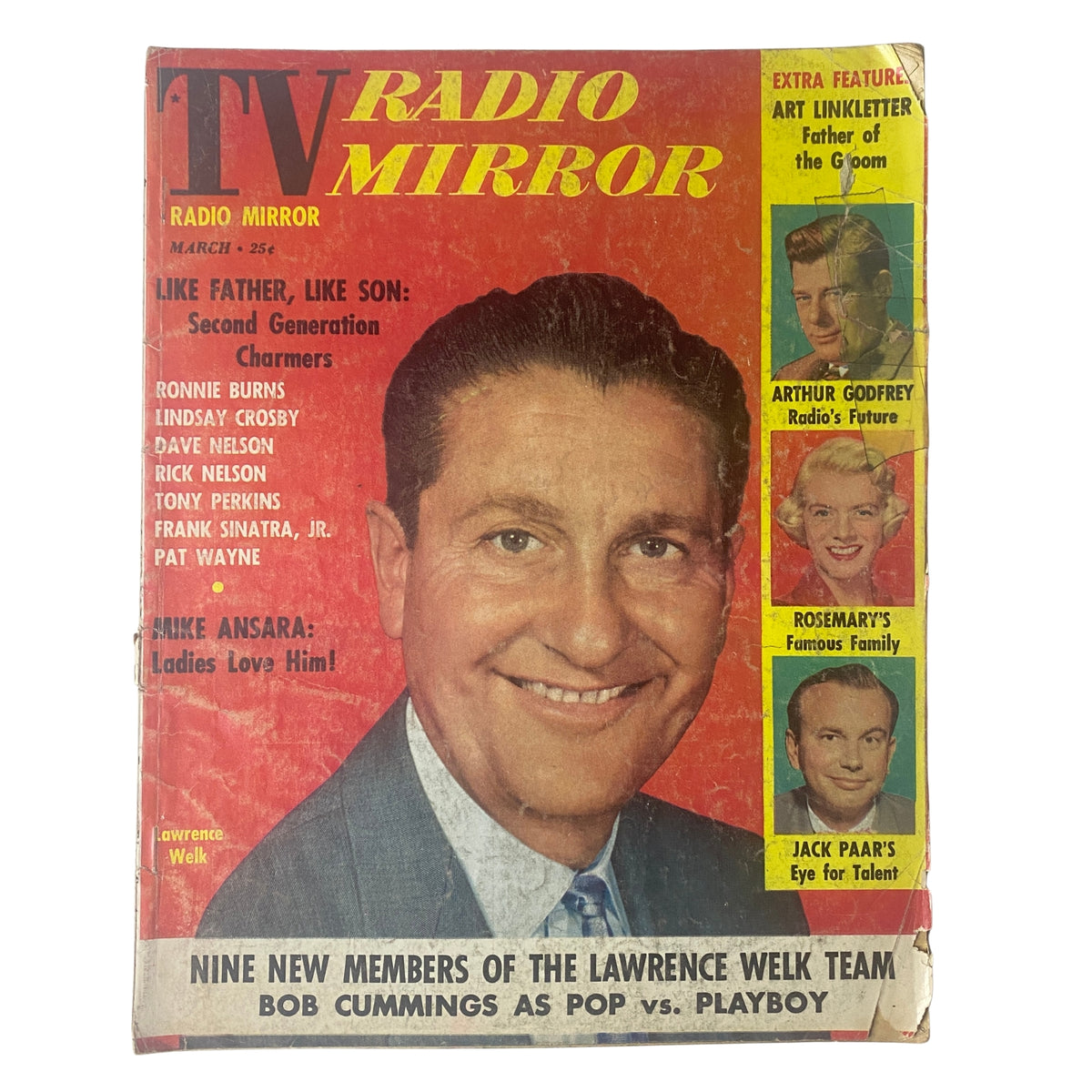
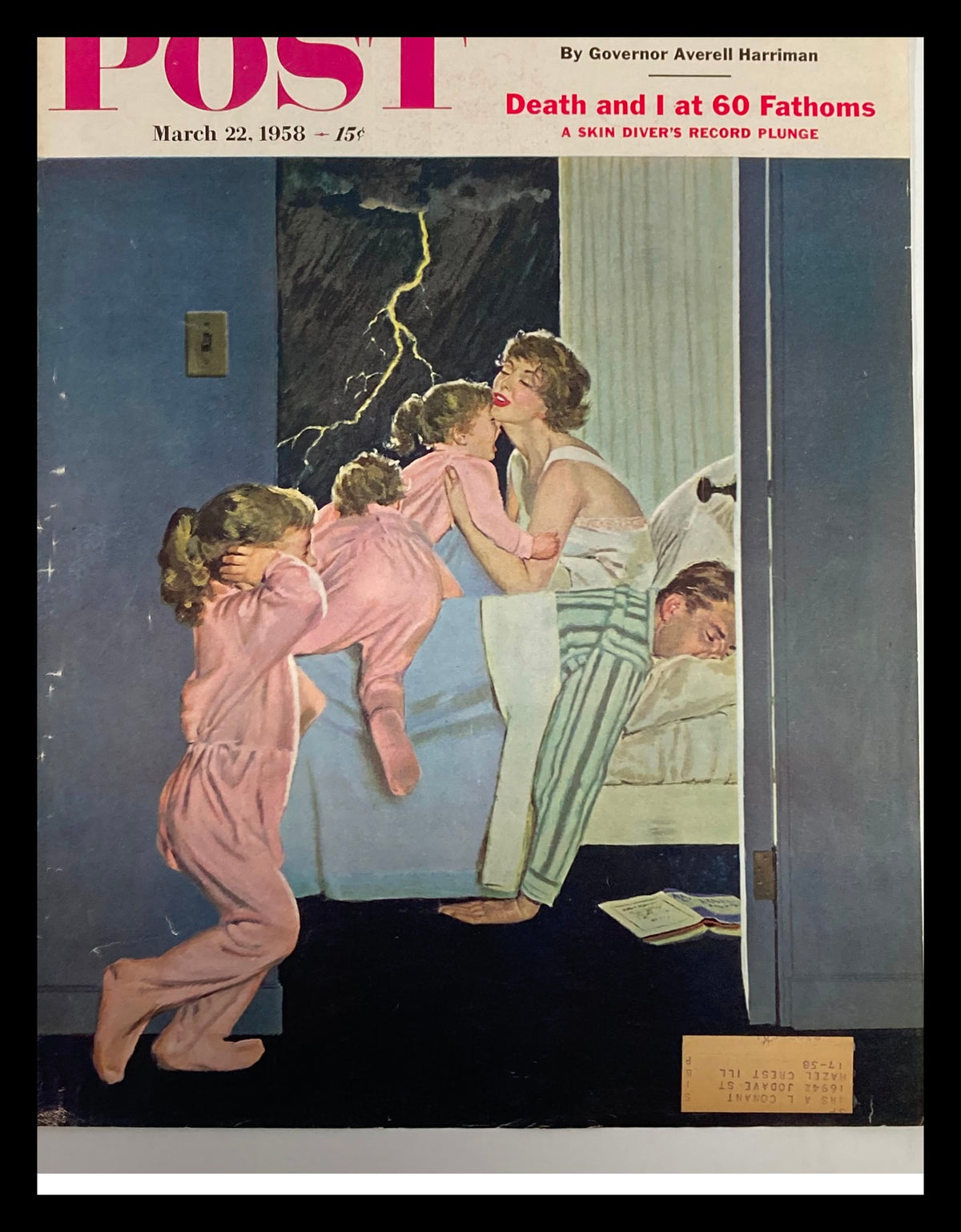
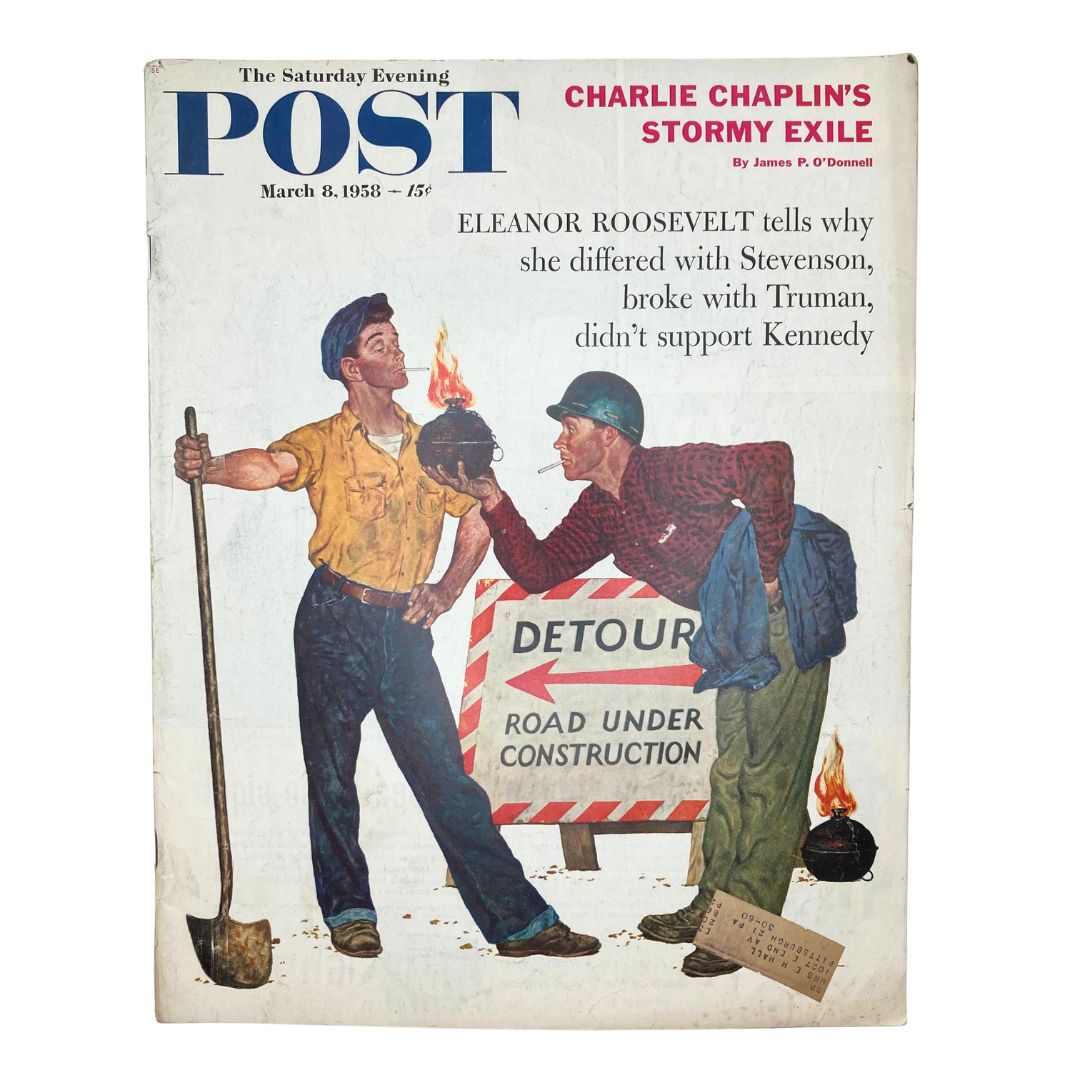
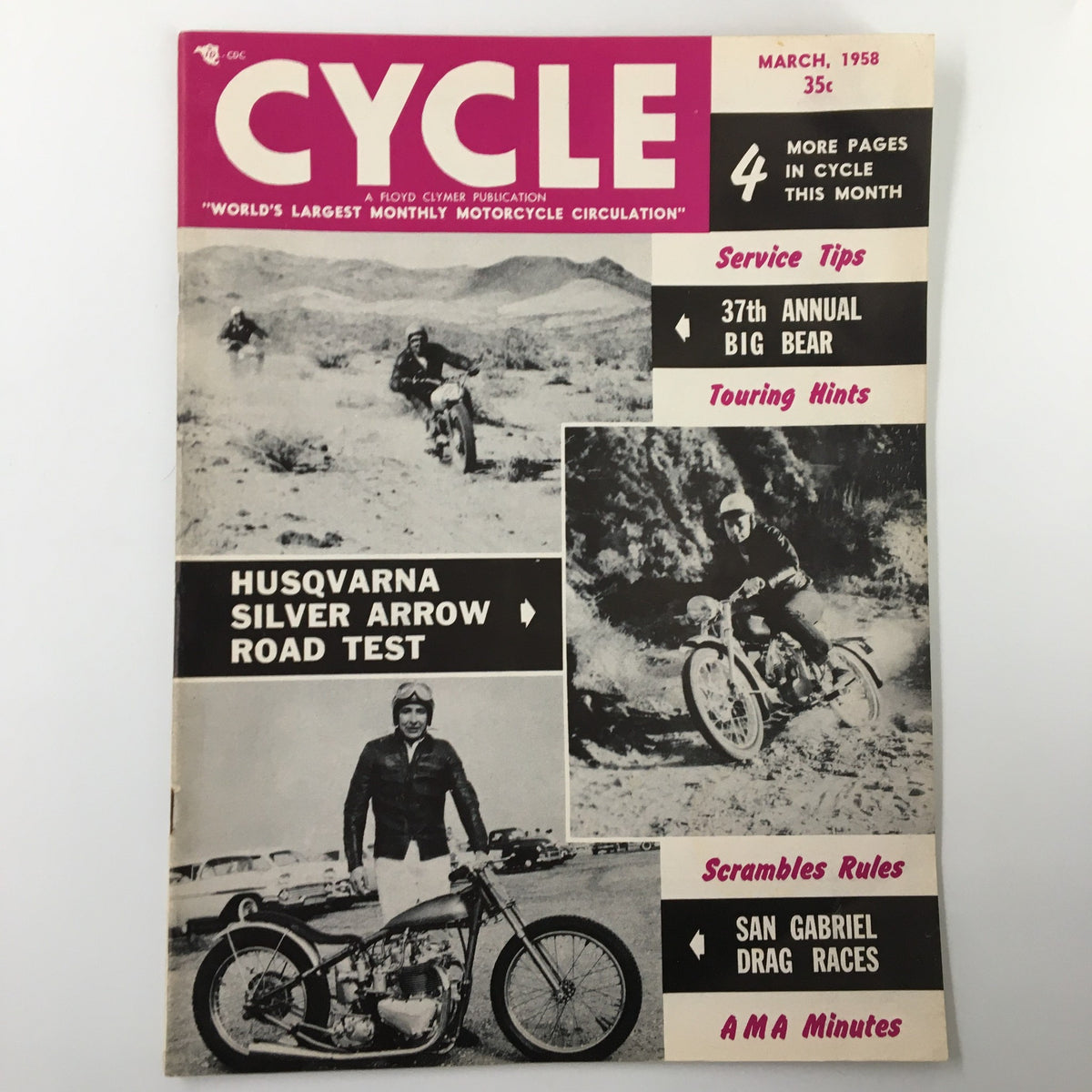
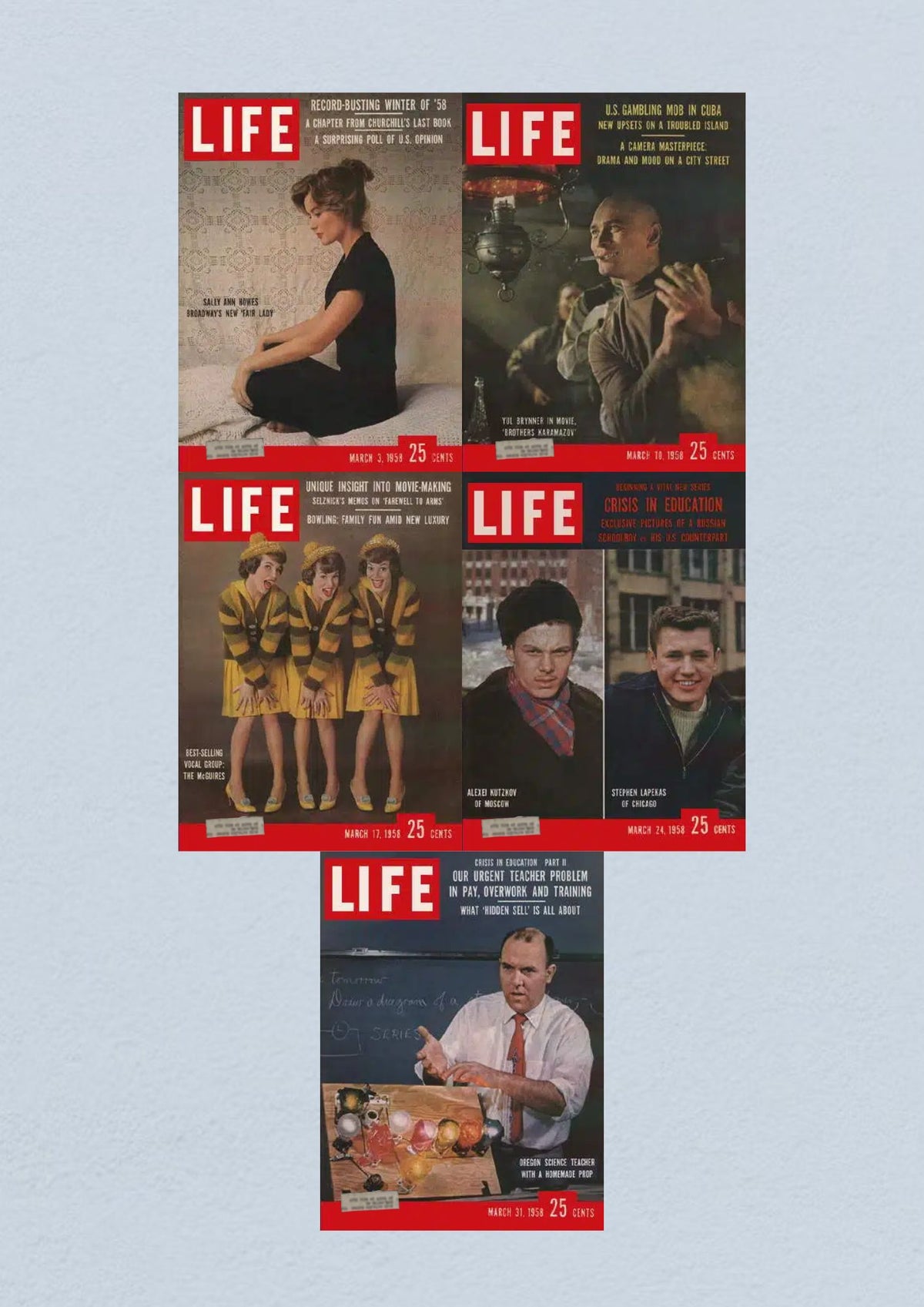
📖 About this Collection
March 1958: The Month the World Stood Still
The Historical Context
The spring of 1958 arrived under the shadow of mushroom clouds and Cold War paranoia. The United States accidentally dropped a nuclear bomb on South Carolina on March 11th—mercifully without its plutonium core, yet still creating a 75-foot crater in a family's backyard and sending shockwaves through an already nervous nation. The incident crystallized America's atomic anxiety even as both superpowers conducted atmospheric nuclear tests throughout the month. Meanwhile, Nikita Khrushchev consolidated absolute power by becoming both Soviet Premier and Communist Party Secretary on March 27th, intensifying the geopolitical standoff. The USSR's surprise announcement of a nuclear testing moratorium on March 31st left Western powers scrambling to respond. Beneath this nuclear tension, the U.S. Navy was racing to space with the successful Vanguard 1 satellite launch on March 17th, while Elvis Presley reported for Army duty on March 24th—a symbolic sacrifice that demonstrated even America's biggest star answered his country's call. This was the world your loved one entered, balanced precariously between technological triumph and existential dread.
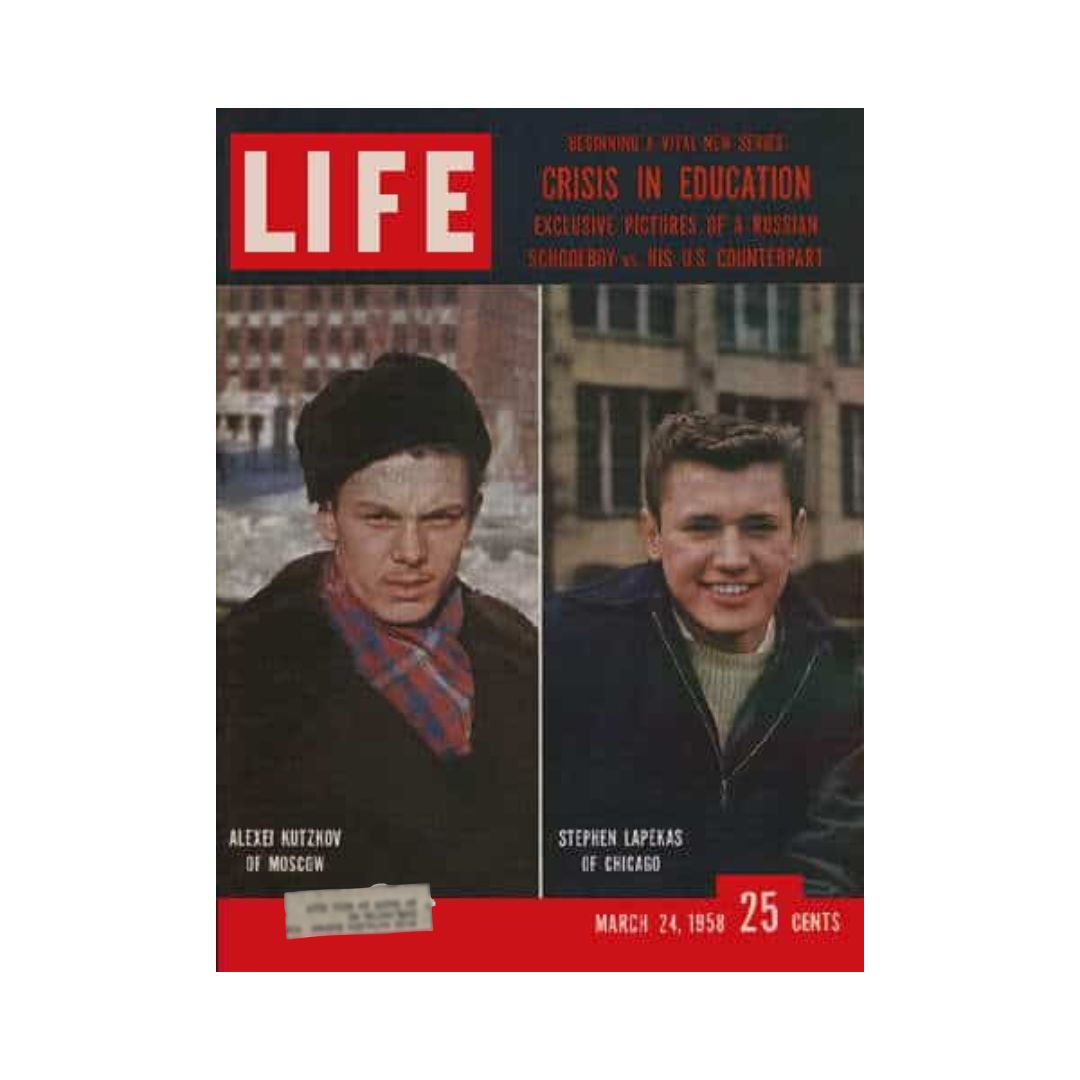
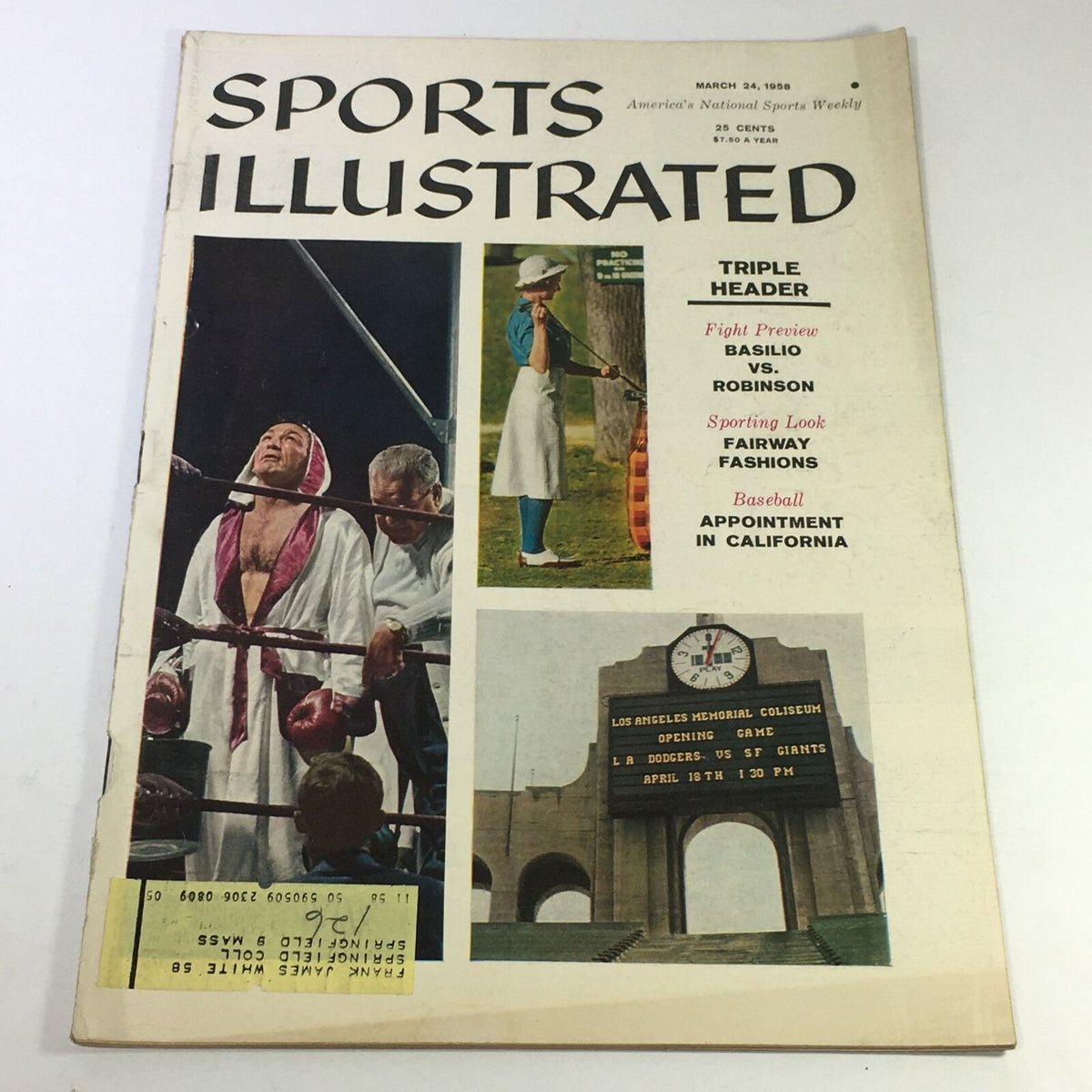
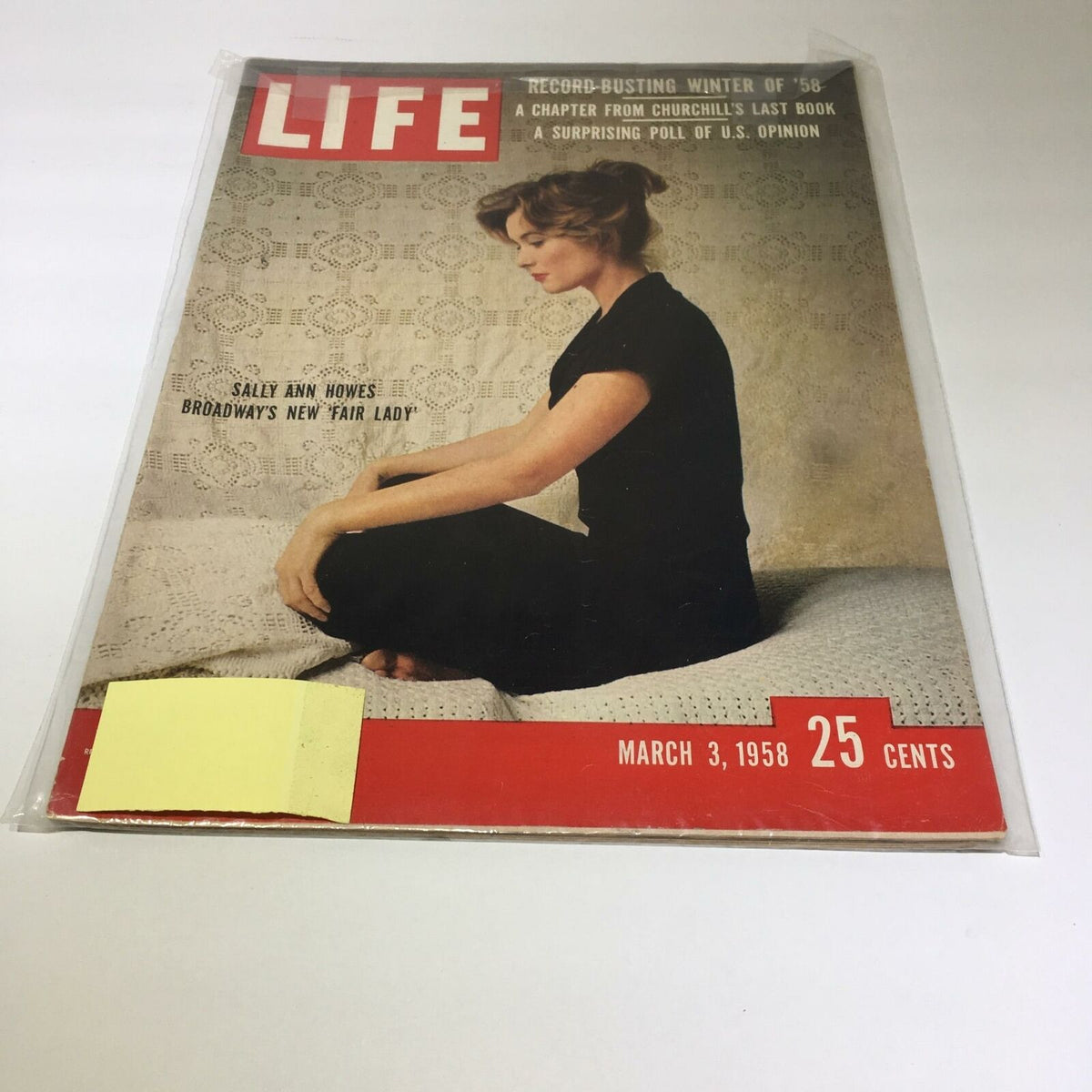
The nation sought escape in glamorous diversions captured vividly in original magazines from March 1958. The Academy Awards ceremony on March 26th crowned The Bridge on the River Kwai as Best Picture, with Alec Guinness and Joanne Woodward taking home acting honors—their elegant portraits dominating the covers of Life and Look magazines that week. Sports provided another refuge: Sugar Ray Robinson made boxing history by becoming the first champion to win the title five times on March 25th, his comeback story chronicling resilience that resonated in Sports Illustrated. Meanwhile, 21-year-old cricket sensation Garfield Sobers shattered world records with his 365 not-out in Kingston, Jamaica, his athletic prowess featured in international sports coverage. CBS Labs announced revolutionary stereophonic records on March 27th, promising hi-fi enthusiasts a sonic revolution advertised extensively in consumer magazines. Fashion spreads in Vogue and Harper's Bazaar showcased spring collections that deliberately radiated optimism, with full skirts and pastels defying the era's darker undercurrents. Perry Como received the first-ever RIAA Gold Record for "Catch A Falling Star" on March 14th, his wholesome smile beaming from TV Guide covers.
What You'll Discover in Vintage Magazines from March 1958
-
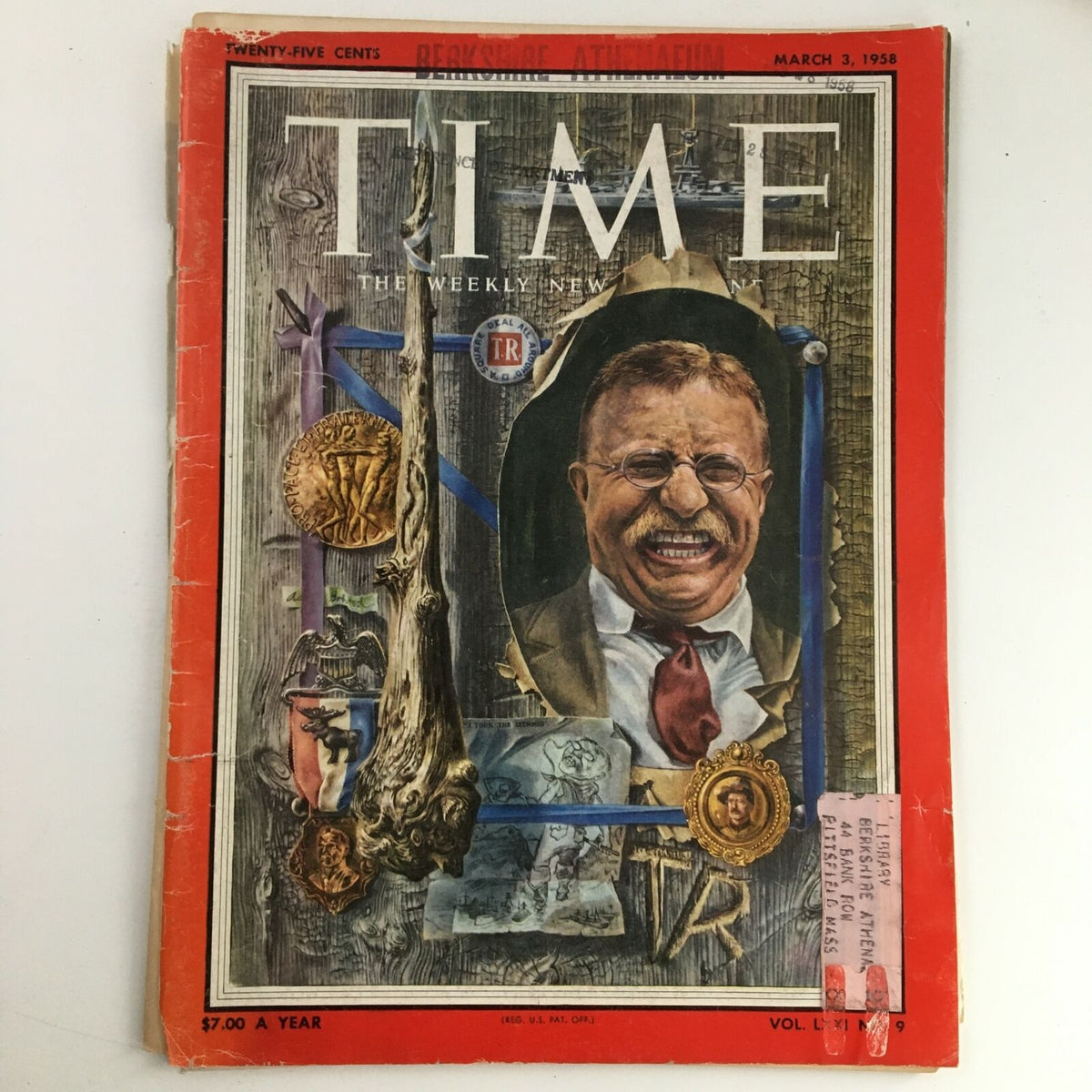
The Mars Bluff Nuclear Incident: Time and Newsweek featuring dramatic aerial photography of the South Carolina crater, with technical diagrams explaining how the 7,600-pound Mark 6 bomb fell from a B-47 bomber, offering rare authentic documentation of America's most publicized nuclear accident.
-
Elvis Enters the Army: Entertainment magazines and Life showcasing the King's transformation from rock 'n' roll rebel to clean-cut Private Presley (serial #53310761), with candid photographs from his Fort Chaffee induction that captured a cultural turning point.
-
Khrushchev's Power Consolidation: News weeklies chronicling the Soviet leader's March 27th appointment as Premier with Cold War analysis and Kremlin photography that defined the era's geopolitical tension, essential documents for understanding the escalating superpower rivalry.
-
Oscar Night Glamour: Variety and entertainment magazines featuring full-page advertisements for The Bridge on the River Kwai, plus red carpet photography of Joanne Woodward and Alec Guinness, preserving Hollywood's golden age elegance in glossy layouts.
-
Space Race Acceleration: Popular Mechanics and science magazines illustrating the Navy's Vanguard 1 satellite launch with technical cutaways and trajectory maps, showcasing the authentic optimism and innovation that competed with nuclear anxiety in rare magazines from this pivotal month.
The Perfect Gift
For someone born in March 1958, an original magazine from this contradictory month isn't just a birthday gift—it's a time capsule from the precipice of the Space Age and atomic anxiety, preserved in genuine advertisements, Cold War headlines, and Oscar-night glamour that museums cannot replicate.