📖 About this Collection
Molly Ringwald: The Girl Who Defined a Generation in Print
The Legend & The Legacy
In the years before algorithm-driven celebrity and instant digital access, the American public fell in love with Molly Ringwald one magazine rack at a time. Rising to cultural prominence through John Hughes' defining trilogy — Sixteen Candles (1984), The Breakfast Club (1985), and Pretty in Pink (1986) — she became the rare young actress who transcended teen idol status to embody something far more resonant: the complicated, intelligent, emotionally articulate teenage girl who had never quite seen herself on screen before. Teenagers clutched her covers in high school hallways; parents read profile pieces trying to understand what their daughters were feeling. At a moment when youth culture was being commodified at an unprecedented scale, she was its most unlikely and most authentic face — a redheaded daughter of a jazz musician who made vulnerability look like power.
Inside the Archive
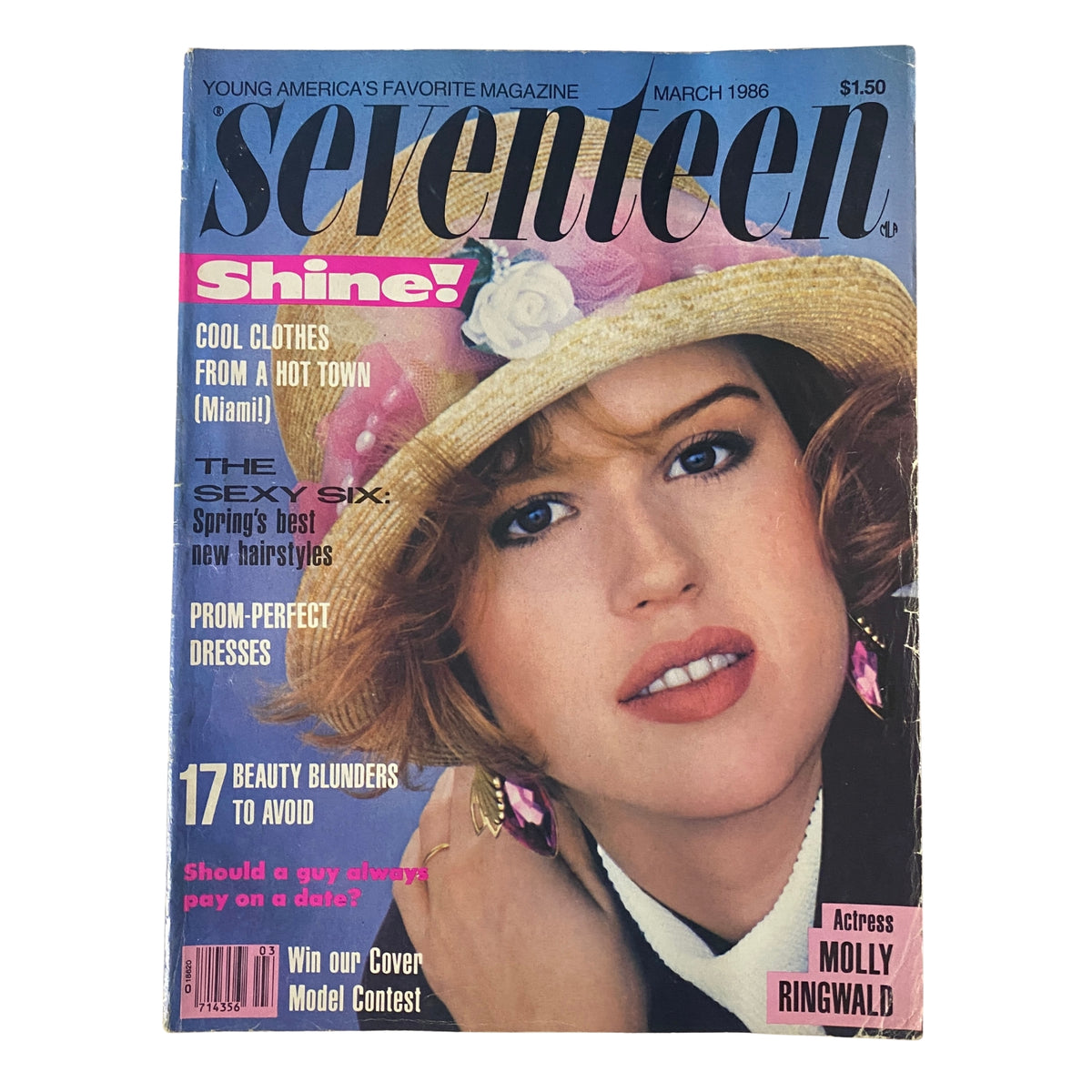
The print media of the mid-1980s through early 1990s approached her with a fascination that was equal parts glamour and genuine curiosity. Photographers frequently leaned into her Pre-Raphaelite coloring — the copper hair, the pale skin, the expressive eyes — staging her in soft, saturated editorial palettes that felt at once of-the-moment and timeless. Teen-focused publications like Seventeen and Tiger Beat devoted breathless cover features to her, treating her as the reigning queen of a new suburban romanticism, while more culturally ambitious outlets like Rolling Stone and Interview magazine sought to excavate the artist beneath the icon, publishing long-form profiles that grappled seriously with her craft and her place in the cultural landscape. International press, particularly in France — where she filmed La Boum-era adjacent coverage and was embraced as a kind of American nouvelle vague heroine — gave her a gravitas that domestic teen press sometimes withheld.
Curator's Checklist: Highlights Often Include
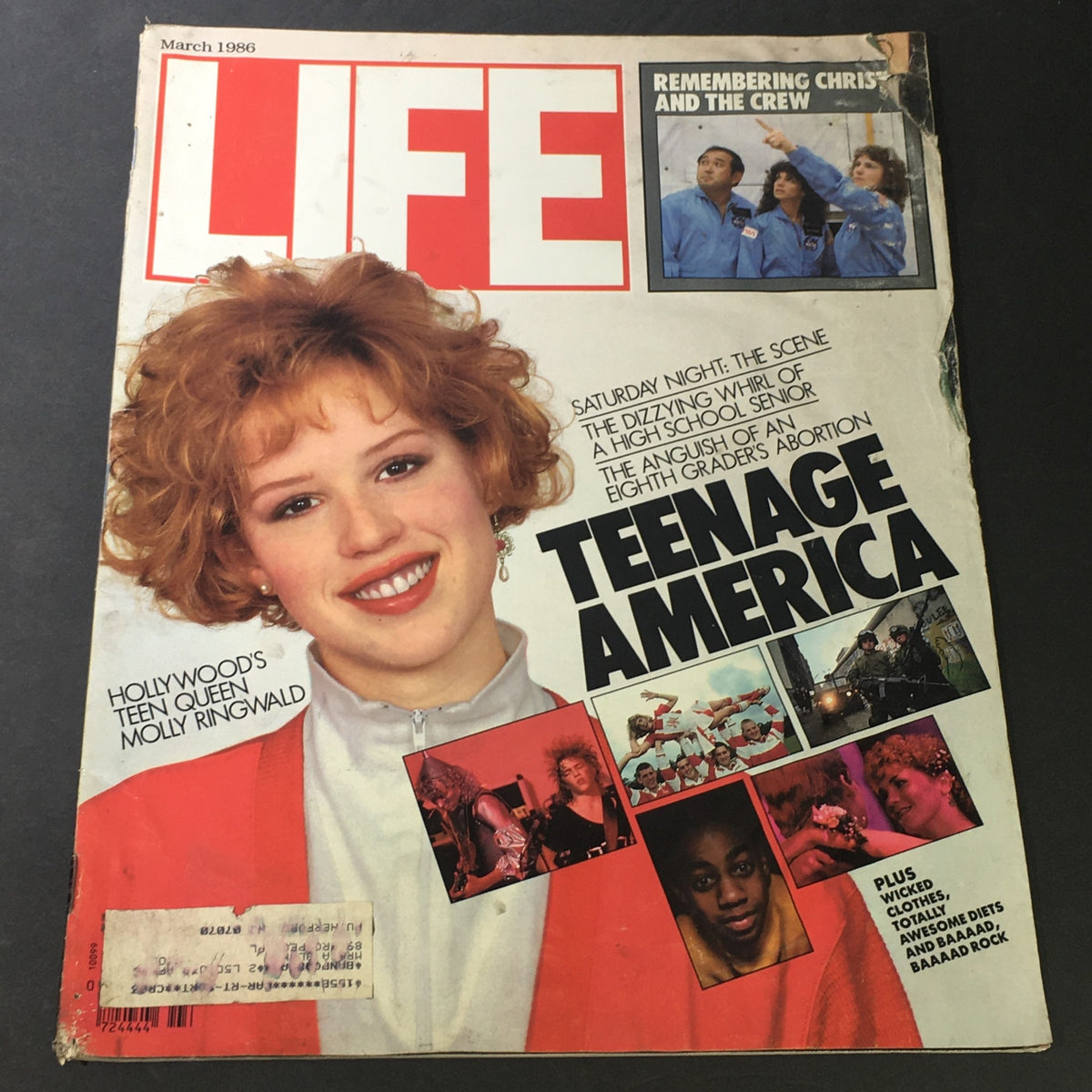
- Breakthrough-era cover features (1984–1986) documenting the meteoric rise surrounding the John Hughes films, often with behind-the-scenes photography and quotes that capture the exact cultural electricity of that moment
- Coming-of-age editorial spreads in which photographers and stylists crafted a visual language around her — lace, pastels, statement jewelry — that became inseparable from the aesthetic identity of 1980s femininity
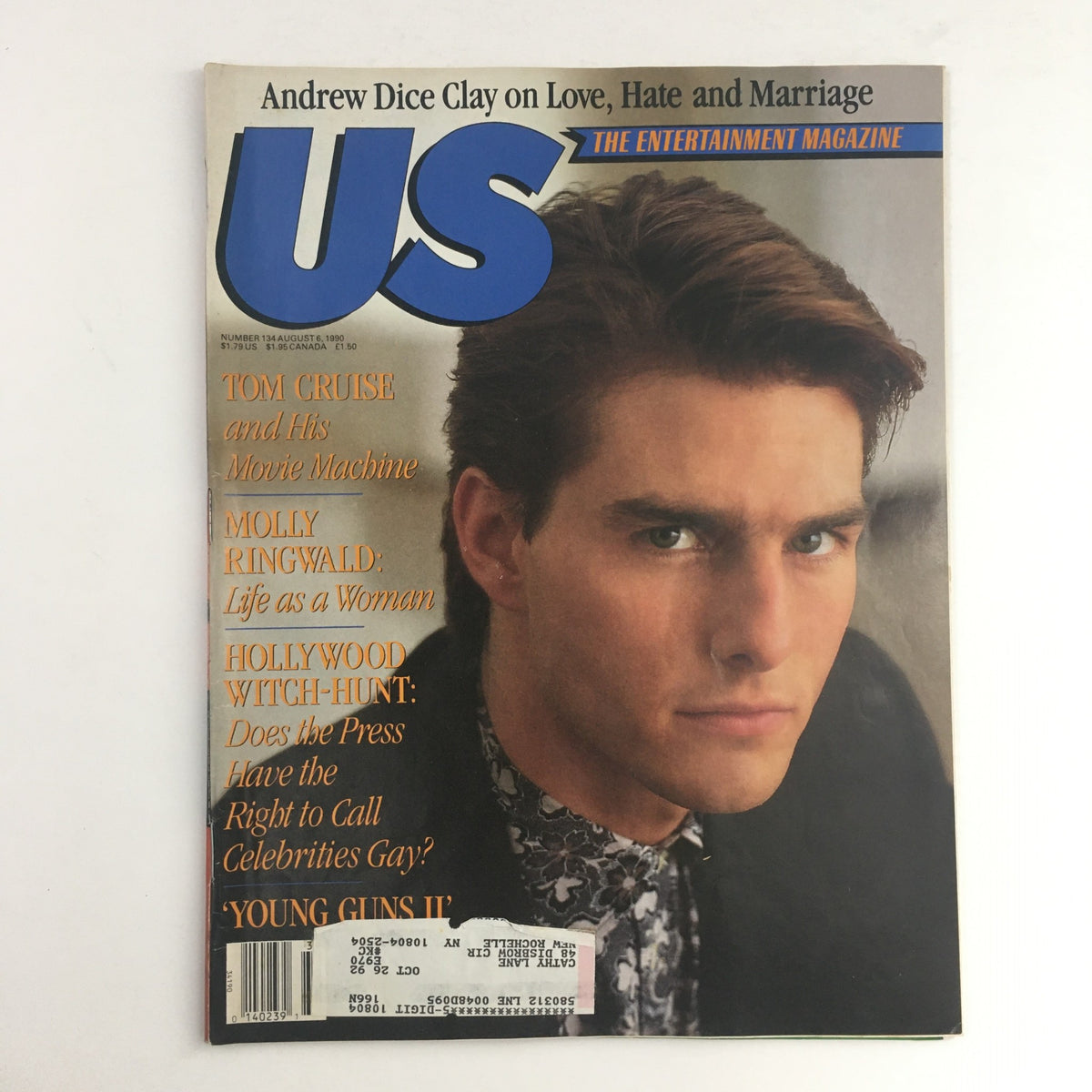
- Transitional-era profiles (late 1980s–early 1990s) covering her deliberate pivot away from teen roles, including her celebrated work in stage productions and her early adult film choices, often framed with a "who will she become?" narrative tension
- International editions — particularly French, British, and Japanese publications — that frequently offered entirely different photography sessions and editorial framings, making them especially prized by dedicated collectors
- Year-end retrospectives and decade-closing issues from 1989–1990 in which she was consistently cited as one of the defining cultural figures of the entire decade, placing her alongside musicians, athletes, and political figures of the era
The Collector's Value
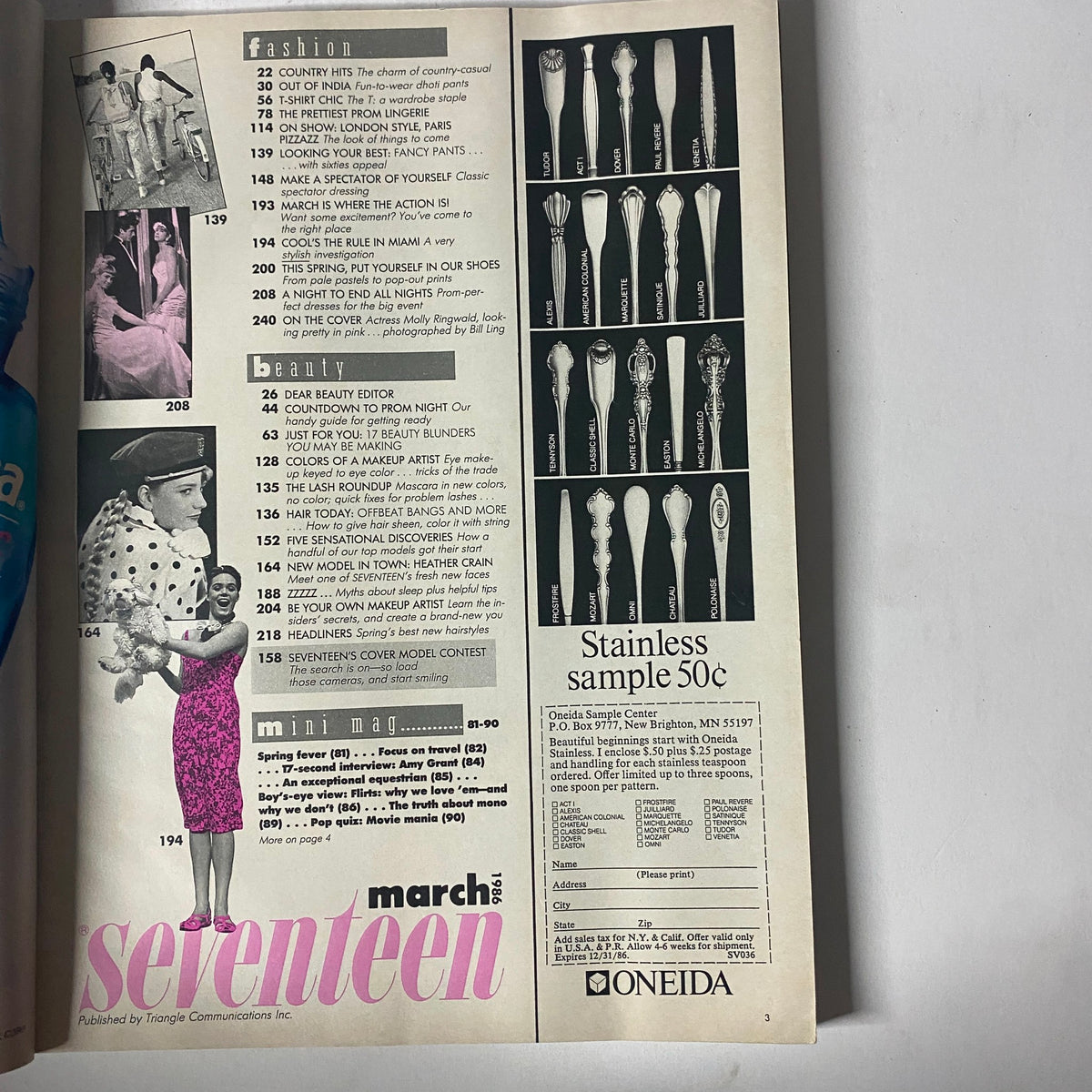
To hold one of these original issues is to hold the moment itself — not a scan, not a reprint, but the actual artifact that a teenager in 1985 may have pulled from a spinner rack, brought home, and kept under a mattress. The slightly yellowed pages carry a warmth that no screen can replicate; the ink has a faint, woody depth; the advertisements surrounding her — for department store perfumes, cassette tapes, and spiral-permed hair products — reconstruct an entire world that existed before it was archived, catalogued, or nostalgized. These are primary sources in the truest sense, documents of a cultural conversation happening in real time. For collectors of 1980s pop culture ephemera, classic Hollywood and screen history, or feminist media history and the representation of young women in print, these publications offer something rare and irreplaceable: the unmediated record of how one era chose to see itself, refracted through one of its most beloved faces. Explore our current rotating inventory below and discover which pieces of that world are available to own today.